THC and Heart Palpitations?

THC and Heart Palpitations?

Do THC And Other Cannabis Products Cause Heart Palpitations?

Cannabis products like marijuana, hemp and cannabidiol (CBD) have become increasingly popular due to their purported health benefits.

CBD is a popular supplement for those looking to lower their blood pressure, but what about the effects of THC? While it is true that CBD can help to lower blood pressure, it is important to note that THC can actually cause heart palpitations. This is because THC can stimulate the sympathetic nervous system, which can increase blood pressure.

Those wishing to use CBD for blood pressure should be aware of the potential effects of THC dominate products and take steps to limit their exposure. If you are considering CBD for blood pressure, then CBD for Blood Pressure: Is There an Effect? is a great blog to read for more information.

But do these substances cause heart palpitations?

This article will explore the potential effects of THC on the cardiac system, as well as other possible causes for this type of arrhythmia.

The active ingredient in cannabis is tetrahydrocannabinol (THC).

It's not clear whether or not it directly affects the heart. Still, research suggests that high doses of THC can lead to changes in blood pressure and pulse rate which could potentially contribute to an irregular heartbeat.

Additionally, there are a variety of conditions that may be linked to cannabis use such as anxiety and depression, both of which can increase the risk of heart palpitations.

THC Heart Palpitations

Let's discuss the effects of THC on heart rate and the potential risk factors for THC-induced heart palpitations.

We'll look at how THC is metabolized in the body, what the long-term effects are, and how certain individuals may be more prone to experiencing heart palpitations from cannabis use.

Effects Of THC On Heart Rate

THC has been known to have an effect on heart rate.

Depending on the dosage, it can result in a slight increase in a heartbeat to palpitations and arrhythmia.

When combined with certain types of heart medications or other drugs, these effects become even more pronounced.

It is important for those taking THC products to discuss their use with their healthcare provider before starting any new medication or supplement, as this could be dangerous if not monitored closely.

Ultimately, proper dosing is key when using cannabis products and should always be taken into consideration.

Risk Factors For THC-Induced Heart Palpitations

When using cannabis, it is important to consider the dosage and be mindful of any underlying health conditions that could increase the risk for THC-induced heart palpitations.

Those with pre-existing heart conditions or who are taking certain types of medications should take extra caution when experimenting with higher doses of THC as even small amounts can have a drastic effect on their heart rate.

Furthermore, those who have suffered from cardiac arrhythmia in the past should also exercise caution when exploring cannabis products as they may be more susceptible to experiencing similar symptoms.

Explore New CBD and Heart Health Information. National Heart Health Month is an annual event that takes place every February to help bring awareness to the importance of heart health. It is important to learn about heart health and the effects that different substances, such as THC, can have on your heart. THC is the psychoactive component of cannabis and can cause heart palpitations, or a rapid heartbeat, in some individuals. It is essential to understand the potential risks and benefits of consuming THC and to talk to a health professional if you are considering using this substance. Therefore, National Heart Health Month is a great time to learn more about how CBD and THC affect heart health and to explore new CBD and heart health information.

By being aware of these potential risks and following recommended guidelines for dosing, one can ensure they are able to enjoy all the benefits of cannabis while maintaining optimal heart health.

Does Delta 8 Make Your Heart Race

Let's talk about the effects of Delta 8 on the heart, and the signs of heart palpitations that it may cause.

We'll explore whether Delta 8 can make your heart race and what to look out for if it does.

Effects Of Delta 8 On The Heart

Are you considering taking delta 8 for anxiety relief but worried about the impact it will have on your heart?

Delta 8 is a derivative of hemp and cannabis that produces milder psychoactive effects than its counterparts, so it's worth exploring if taken at an appropriate dosage.

Research has shown that consuming too much delta 8 can result in increased heart rate and palpitations, so be sure to consult with your doctor before starting any new regimen.

Starting off low and slow is key when experimenting with delta 8 - make sure to start with a small dose and increase gradually over time as needed.

Signs Of Heart Palpitations From Delta 8

It's important to be aware of the signs of heart palpitations from delta 8, as they can indicate a more serious issue such as a heart attack.

Synthetic cannabinoids, also known as K2, Spice, and synthetic marijuana, have been linked to several deaths and numerous health risks, including heart palpitations.

The psychoactive compounds found in these synthetic drugs are often up to 100 times more potent than THC found in natural cannabis, making them extremely dangerous to consume. Heart palpitations, which can be caused by these drugs, can cause chest pain, dizziness, and an irregular heartbeat.

It's important to be aware of the potential risks associated with consuming synthetic cannabinoids, and to learn more about the Dangers of synthetic cannabinoids: deaths and negative research

If you experience any chest pain or tightness, nausea, lightheadedness, sweating, dizziness or irregular heartbeat after taking a cannabis dosage, seek medical help immediately.

It is always best to err on the side of caution and consult your doctor if something doesn't feel right.

Will Edibles Make My Heart Race

When it comes to cannabis, it's important to understand how it affects the heart. Cannabis can have both positive and negative effects, so it's important to understand the potential risks of consuming edibles.

We'll explore the effects of cannabis on the heart, the benefits of cannabis edibles, and the risk factors of heart palpitations.

Effects Of Cannabis On The Heart

When it comes to cannabis, there are a number of potential long-term effects on the heart.

Edibles can increase risk of heart palpitations and tachycardia due to their high dosage of THC.

It's important to be aware that consuming large amounts of cannabis over a short period of time may have an adverse effect on the cardiovascular system in some individuals, so keep your doses low or start with low doses if you are new to using edibles.

Ultimately, it is best for people to use caution when consuming cannabis products as they could potentially cause serious health issues such as increased heart rate and blood pressure in certain cases.

Benefits Of Cannabis Edibles

But not all edibles are bad for your heart. In fact, when used in moderation and with the right dosage of cannabis, they can actually have some positive effects on your cardiovascular health.

For instance, medical marijuana has been known to reduce inflammation which could help protect against future heart issues. Additionally, consuming certain types of cannabinoids found in edibles may also be beneficial as they can help regulate blood pressure levels while providing relief from symptoms such as anxiety or depression that may worsen any existing heart conditions.

So if you're looking to try out edibles, it's important to consult a doctor and get their opinion first before experimenting with different doses - this way you can enjoy the benefits without putting yourself at risk of any adverse side-effects.

Risk Factors Of Heart Palpitations

Of course, there's always a risk of heart palpitations when consuming edibles.

If you're already taking medication for your heart or have any existing conditions, it's important to check with your doctor before trying out cannabis products - this way you can be sure that the dosage won't interfere with any other medications and could possibly even help reduce symptoms associated with them.

Additionally, if you are using edibles as an alternative treatment for certain issues such as anxiety or depression, make sure to take into account how they may affect your cardiovascular health and adjust accordingly.

Finally, it's best to start small and work up in terms of dosage until you find what works best for you.

Does Delta 8 Cause Heart Palpitations

Let's start by discussing the effects Delta 8 has on heart rate, and then look at the potential risk of Delta 8 related heart palpitations.

We'll also examine whether other cannabis products can cause heart palpitations.

Delta 8 Effects On Heart Rate

Delta 8 anxiety can cause an increase in heart rate, but the degree of effect varies depending on dosage.

Studies have shown that high doses of THC, the main component of Delta 8, can lead to rapid heartbeat and palpitations.

However, lower doses may produce milder effects such as increased energy levels with no significant change in cardiovascular activity.

It is important for users to be aware of their individual sensitivity when using cannabis products containing Delta 8 and adjust their dosages accordingly.

Ultimately, it's always best to consult a doctor before beginning any new medication or supplement regimen.

Delta 8 And Heart Palpitations Risk

When it comes to Delta 8 and its potential effects on heart palpitations, the risk is largely dependent on dosage.

High doses of THC - found in delta 9 cannabis - have been known to cause rapid heartbeat and palpitations.

However, lower doses may only produce milder effects like increased energy levels with no significant change in cardiovascular activity.

It's also important to note that some individuals are more sensitive than others when it comes to cannabis anxiety, so it's best for users to adjust their dosage as needed according to their own sensitivity level.

Ultimately, it's always wise to check with a medical professional before taking any new medications or supplements.

Heart Palpitations From Weed

Cannabis can have an effect on the heart, as it can increase heart rate and blood pressure, so it's important to explore how THC and CBD in particular affect the heart.

THC, the main psychoactive constituent of weed, can cause palpitations and an increased heart rate, whereas CBD, which has more of a calming effect, may actually be beneficial for heart health.

Let's discuss how the effects of cannabis on the heart may differ depending on the type and amount of cannabis used.

Cannabis Effects On The Heart

There is a growing body of medical research exploring the effects of cannabis on heart health and, in particular, whether or not it can cause palpitations.

While some studies have shown that THC consumption may be linked to increased heart rate and anxiety levels, further research suggests that these effects are minimal and short-term.

Additionally, most experts agree that there is no evidence so far to suggest any long-term cardiovascular risk associated with marijuana use.

However, more extensive clinical trials are needed to better understand this potential relationship.

Ultimately, while it is still unclear if weed causes heart palpitations directly, users should be aware of the possible consequences when consuming THC products.

THC Effects On The Heart

Overall, it's clear that cannabis can affect the heart in various ways.

Research is still ongoing as to whether THC has a direct link to increased palpitations, but so far, there seems to be no long-term risk associated with marijuana use.

However, users should be aware of potential anxiety effects if they exceed their recommended dosage of THC.

Ultimately, more research is needed to better understand these potential risks and how best to mitigate them when consuming cannabis products.

CBD Effects On The Heart

Now that we understand how THC can affect the heart, let's take a look at its sister compound, cannabidiol (CBD).  CBD is a natural compound found in cannabis plants. It has become increasingly popular in recent years due to its potential health benefits. One of the questions that often arises regarding CBD is whether or not it affects heart rate. Does CBD affect Heart Rate?  In this blog, we explore the available evidence to answer this question. We look at how CBD may affect heart rate, including its potential to reduce blood pressure, and the potential risks associated with its use. We also offer advice on how to safely use CBD products.

CBD is becoming increasingly popular for its purported health benefits and it's generally considered to be safe in terms of cardiac effects.

Unlike THC, there are no known long-term risks associated with consuming CBD products when used responsibly according to one's recommended dosage.

At the end of the day, further research will help us better understand the potential side effects of using CBD products on the heart.

THC Heart Palpitations

Let's talk about how THC affects the heart, and whether or not cannabis use can lead to palpitations.

We'll explore the potential risks and benefits of using THC or other cannabis products to see if they can cause heart palpitations.

THC Effects On Heart

THC has been known to have an effect on the cardiovascular system, specifically causing increased heart rate and, in some cases, palpitations.

THC dosage can play a role here as well; higher doses of THC can cause more intense side effects including stronger changes to one's heartbeat or pulse.

The cannabinoid receptors that are affected by THC bind with several different molecules throughout the body, which is why its impact can be felt both mentally and physically - these receptors control things like appetite, moods, pain sensation, and even cardiac function.

Hence it is important to regulate how much THC someone consumes at any given time if they want to minimize their risk of experiencing heart palpitations due to this chemical compound.

In summary, while there is evidence linking cannabis use to potential health risks such as heart palpitations based on dose size and frequency of consumption, further research needs to be done before definitive conclusions can be made.

Cannabis Use & Palpitations

It is clear that cannabis use can have an effect on one's health, particularly with regards to heart palpitations.

Dabbing, for example, has been linked to significant increases in the potential risk of experiencing such symptoms as it delivers a higher concentration of THC into the bloodstream.

Additionally, consuming larger doses or using more frequently than recommended could also be a contributing factor in terms of increasing these risks.

Therefore, it is important to keep track of how much and how often someone consumes cannabis when looking to reduce their chances of suffering from any adverse effects associated with this drug.

Ultimately, understanding the dabbing effects and various factors involved related to cannabis health should help limit one's exposure to potentially dangerous side-effects like increased heart rate or palpitations.

Does Delta 8 Cause Heart Palpitations

Let's start by discussing the effects of Delta 8 on the heart, and then move on to whether Delta 8 and other cannabis products can cause heart palpitations.

Delta-8 is a cannabinoid found in hemp that is gaining popularity due to its effects, which are similar to Delta-9 THC but with a milder psychoactive effect.

While Delta-8 is considered safe and non-psychoactive in many cases, it can still cause some side effects, including heart palpitations. Many people experience a racing heart after taking Delta-8, which can be alarming and even dangerous. It is important to be aware of the potential risks associated with Delta-8 and to talk to your doctor before taking it.

If you experience any side effects, stop taking Delta-8 immediately and seek medical attention. For more information on the effects of Delta-8 and other cannabinoids, check out our blog post The Dangers of Delta-8.

However, cannabis use in general has been associated with an increased risk of heart palpitations, also known as heart flutters or arrhythmias. This could be due to the fact that THC can increase heart rate and blood pressure, which can put stress on the heart. It's important to note that these effects may be more pronounced in individuals with pre-existing heart conditions.

While there is no specific research on the effects of Delta 8 THC on heart palpitations, it's possible that it could have similar effects to other cannabis products. If you experience heart palpitations after using Delta 8 or any other cannabis product, it's important to speak with your healTHCare provider to determine the cause and appropriate treatment.

Delta 8 Effects On Heart

The use of Delta 8 can have an effect on the heart, but it is unclear whether or not this cannabinoid causes palpitations.

Research indicates that delta 8 tolerance may increase with regular use and should be monitored closely to ensure safety.

THC metabolism also affects its effects on the cardiovascular system since people metabolize cannabinoids differently.

It's important to consult a physician before using any cannabis product to make sure your heart isn't at risk for complications or negative side effects.

Ultimately, more research needs to be conducted in order to determine if Delta 8 has any direct link with increased likelihood of heart palpitations.

Delta 8 And Heart Palpitations

The effects of Delta 8 on the heart are still not fully understood, but it is important to know that its cannabinoid profile and dosage effects may contribute to palpitations in some cases.

It's possible that regular use of this compound could lead to increased tolerance levels which can have an effect on the cardiovascular system.

As such, it's essential to consult with a physician before using any cannabis product as there may be unforeseen risks associated with them.

Ultimately, more research needs to be done in order to understand how Delta 8 affects the heart and if it truly leads to heightened risk of palpitations.

Heart Palpitations Weed

THC effects on heart rate is an important topic to discuss when it comes to heart palpitations and weed; it's linked to the spike in heart rate that's commonly experienced after consuming cannabis.

Cannabis and cardiovascular effects is also something to consider; some studies have suggested that cannabis may be linked to an increase in blood pressure and other heart-related issues.

Lastly, it's important to talk about treating palpitations with cannabis. While some people have claimed to successfully use cannabis to treat their palpitations, more research is needed to determine if it's an effective treatment.

THC Effects On Heart Rate

THC and other cannabis products can have an effect on heart rate, resulting in increased palpitations.

It is important to consider the dosage of cannabis when consuming it as too much may cause undesired effects like a rapid heartbeat.

People with underlying heart conditions should exercise caution if they are considering using cannabis or THC, as sudden changes in their heart rate could present health risks.

Therefore, it's best to talk to your doctor before trying any form of marijuana.

In conclusion, understanding how THC affects the body is crucial for safe consumption and avoiding adverse side effects.

Cannabis And Cardiovascular Effects

When it comes to cannabis, there are also cardiovascular effects. Anxiety can be caused by THC, which can lead to increased blood pressure and a rapid heartbeat.

While the heart palpitations that occur after consuming marijuana may not have long-term consequences, they could still pose risks for those with underlying cardiac conditions.

As such, if you suffer from anxiety or any other existing heart issues, talking to your doctor before trying cannabis is essential to ensure safe consumption and avoid any potential health complications.

Treating Palpitations With Cannabis

Now that we have discussed the connection between cannabis and heart palpitations, let's look at how it can be used to treat them.

Knowing the correct cannabis dosage for your individual needs is key when using marijuana as a medicine. It may take experimentation with different strains and doses to find what works best for you, but consulting a doctor or healTHCare professional first is always recommended before starting any treatment plan.

When taken in safe amounts, cannabis has been found to reduce anxiety levels associated with heart palpitations, helping restore balance back into our body’s systems and improve overall heart health.

Marijuana Heart Palpitations

First, let's talk about the effects of THC on the heart. We know that THC can increase heart rate, cause shortness of breath, and may lead to palpitations.

Next, let's discuss the interaction between cannabinoids and the cardiovascular system. Research has shown that cannabinoids can have a direct impact on the heart, leading to changes in blood pressure and heart rate.

Finally, let's look at the symptoms of cannabis-induced heart palpitations. People have reported feeling dizziness, chest pain, and irregular heartbeats after consuming cannabis products.

THC Effects On Heart

When discussing the topic of marijuana and heart palpitations, one key subtopic is THC's effects on the heart.

While research indicates that cannabis dosage can have an effect on potential heart complications, it doesn't necessarily mean there will be a direct link between the two.

However, if someone experiences unusually fast or slow heartbeat after using THC-based products, they should speak with their doctor to see if further medical action needs to take place.

Ultimately, it's best to always use caution when consuming any type of cannabis product and pay attention to how you feel afterwards.

Cannabinoid Interactions With Cardiovascular System

Additionally, it's important to consider the potential interactions between cannabis and the cardiovascular system.

Cannabinoid receptors are present in certain parts of the heart and can interact with compounds found in marijuana, leading to various cardiovascular effects such as increased blood pressure or slowed heart rate.

It's best to use caution when consuming any type of THC-based product due to these potentially dangerous effects on the body.

Therefore, if someone experiences any unusual symptoms after using marijuana products they should seek medical attention right away.

Cannabis-Induced Heart Palpitation Symptoms

When looking into marijuana heart palpitations, it's important to consider the potential anxiety symptoms that may be induced by cannabis use.

Cannabinoid receptors can interact with compounds found in marijuana, leading to increased blood pressure and slowed heart rate which can result in uncomfortable feelings of being lightheaded or short of breath.

In some cases, these effects can cause a person to experience sudden and intense heart palpitations that could be alarming or even dangerous if left untreated.

Therefore, anyone who experiences any type of anxiety-like symptoms after consuming THC should seek medical attention right away.

Do THC Gummies Increase Heart Rate

Let's start by discussing the effects of THC on heart rate. Does it really increase it?

Short-term effects may vary, but the long-term effects could be more serious.

We should also consider the potential risk factors of THC on heart palpitations, like age and other health conditions.

Effects Of THC On Heart Rate

THC, a compound found in cannabis and gummies, can have an effect on heart rate.

It is important to be aware of the dosage when consuming these products, as too much THC can cause increased heart palpitations or even chest pain.

Low doses of THC may not directly affect heart rate but it can produce anxiety that could lead to a spike in heartbeat.

Finding the right balance between cannabis and THC dosage can help you remain safe while still enjoying the benefits of this product.

Be sure to talk with your doctor about any concerns before using these products for best results.

Long-Term Effects Of THC On Heart

When it comes to long-term effects of THC on the heart, there is still much we don't know.

Research suggests that using high doses of THC could lead to cardiac risks such as elevated blood pressure and an increase in heart rate.

It's important to be mindful about your THC dosage so you can avoid these potential side effects.

There are many ways to find the right balance between cannabis and THC products for your individual needs.

Be sure to speak with your doctor before taking any new medications or supplements, including those containing THC, to ensure they won't interfere with existing conditions or treatments.

Risk Factors Of THC On Heart Palpitations

It's important to consider the potential risks of THC on your heart before partaking in activities such as dabbing or vaping.

While these methods are popular for consuming cannabis products, they may increase your risk of experiencing palpitations due to their higher concentrations and faster absorption into the bloodstream.

As with any medication or supplement, it's essential to speak with a doctor about possible side effects if you're considering using THC-based products.

Additionally, be sure to monitor your dosage levels so that you don't overindulge and put yourself at further risk.

Ultimately, pay attention to how your body reacts when taking THC gummies and adjust accordingly.

Why Does Edibles Make Your Heart Race

The effects of THC can be significant and can vary depending on the delivery system of the edibles.

THC metabolism and cannabinoid receptors play a role in how the body responds to edibles, and there can be cardiovascular risks associated with ingesting cannabis.

Potential interactions with other substances and the endocannabinoid system can also affect how edibles affect the body, including factors like anxiety and stress, dosage considerations, cognitive effects, age and health status, overconsumption, high potency, and psychoactive compounds.

Combining substances can increase the risk of experiencing the effects of edibles.

Effects Of THC

The effects of THC, a cannabinoid found in cannabis and other marijuana products, on the heart can be unpredictable.

Cannabinoid interactions with the body's endocannabinoid system have been linked to increased heart rate and short-term palpitations; however, research is still inconclusive as to long term effects this may have.

While it is not generally considered dangerous, those who already have an existing heart condition should take extra caution when consuming edibles or smoking cannabis products.

It is always best to consult your doctor prior to using any type of product that could affect your health.

Edible Delivery Systems

When it comes to consuming cannabis, there are a variety of delivery systems available.

Edibles are one of the most common and convenient options as they offer precise dosage amounts and can be easily consumed on-the-go.

However, with edibles come different effects than what is experienced when vaping or smoking products like flower or pre-rolls.

When it comes to dosing for edibles, less is more in order to avoid any potential heart racing side effects.

It's important to understand your own body’s reaction before increasing your quantity; start small and take note of how you feel throughout the experience.

While edibles may have an adverse effect on some people’s hearts, those who find themselves falling into this category should not shy away from trying other forms of cannabis consumption such as vaporizing or smoking which still offer therapeutic benefits without putting their health at risk.

THC Metabolism

When it comes to understanding why edibles can make your heart race, the main factor is THC metabolism.

The endocannabinoid system in our bodies are responsible for metabolizing cannabinoids like THC, and how quickly this process happens varies from person to person.

For some people, their rate of cannabinoid metabolism could be slower than normal which causes a stronger effect when consuming cannabis edibles since they're unable to break down all of the THC present.

Slower rates of metabolism can also lead to more intense effects such as increased heart rate.

Therefore, it’s important to pay attention to how your body responds after ingesting an edible before taking another one - you may find that less is more when it comes to dosing! Interested in more about THC? Check this blog, The Science Behind Tetrahydrocannabinol, THC

Weed Heart Palpitations

First, let's discuss the physical effects of THC on the heart. It's important to know how the chemical can affect the body before we look into diagnosing and treating weed-induced heart palpitations.

Secondly, let's talk about how to diagnose heart palpitations caused by cannabis. We can look at symptoms, medical history, and other factors to determine if weed is the cause.

Finally, we should discuss treatments for heart palpitations due to cannabis. It's important to understand what methods can help those who are experiencing palpitations to find relief.

Physical Effects Of THC

The physical effects of THC can be both beneficial and damaging to the body, but the potential long-term cardiovascular risks are cause for concern.

Although some studies have found that marijuana use may reduce the risk of certain heart diseases, other research indicates that it could increase the risk of a sudden cardiac event or heart palpitations when consumed in large amounts over time.

For people with existing heart conditions, consuming cannabis products can be especially dangerous as it alters blood pressure and increases heart rate.

Therefore, individuals should consult their doctor before using any form of THC to ensure its safety for them personally.

Diagnosis Of Weed-Induced Heart Palpitations

Given the potential risk of weed-induced heart palpitations, it's important to know how to diagnose them.

Symptoms such as increased anxiety, dizziness, and chest pain can be indicators that marijuana use has caused a cardiac event or palpitations in an individual.

Diagnosing weed-related anxiety is also possible through blood tests which measure THC levels and other cannabinoids in the bloodstream.

It's crucial for people using cannabis products to understand the effects they may have on their body so they can make informed decisions regarding its usage and contact medical professionals when needed.

Treatments For Heart Palpitations Due To Cannabis

Once a weed-related heart palpitations diagnosis has been confirmed, it's important to focus on treatments and preventative measures.

Dabbing effects can be managed by reducing cannabis usage intake or shifting to strains that contain lower concentrations of THC.

Stress management techniques such as meditation and exercise can also help reduce the likelihood of another event from occurring.

Additionally, staying hydrated, eating healthy meals, and getting adequate rest are important for managing physical stressors which could trigger an episode of palpitations.

With proper care and attention, individuals who experience cardiac events due to marijuana use may find relief in knowing they have resources available to them that can help manage their symptoms.

THC Make Your Heart Beat Fast

Let's talk about how THC can affect heart rate, as well as the potential health risks associated with its use.

We'll have to look at the research to determine if THC and other cannabis products can cause heart palpitations.

Effects Of THC On Heart Rate

Consuming marijuana, especially in high doses, has been known to cause an increased heart rate and the feeling of heart palpitations.

Some research suggests that THC can act as a stimulant on the cardiovascular system, causing it to pump harder and faster.

While occasional use may not have long-term effects on your heart rate or health, using marijuana with higher dosages for extended periods of time could lead to more serious issues down the road.

It is important to know your limit when consuming cannabis products and monitor any changes you feel in your body after ingestion.

Ultimately, understanding the potential risks associated with taking THC can help protect you from experiencing any dangerous side effects related to elevated heart rates.

Potential Health Risks Of THC Use

Using marijuana can have some health risks, especially with higher doses of THC. While there may not be any long-term effects associated with occasional cannabis use at lower dosages, it is important to understand the potential consequences if you choose to take a larger amount over an extended period of time.

Consuming too much THC could lead to serious issues such as elevated heart rate and palpitations, which are all potential side effects of using this drug. It's essential to know your limits when taking any cannabis products so that you don't experience these adverse effects from its impact on your cardiovascular system.

Marijuana And Heart Palpitations

Let's talk about the impact of THC on heart health and how cannabinoids interact with the cardiovascular system.

We'll see if THC and other cannabis products can actually cause heart palpitations.

Impact Of THC On Heart Health

Cannabis and its active ingredient, THC, can have an impact on your heart health.

Research suggests that when used in moderate doses, cannabis may not increase a user’s risk of developing heart disease; however, high levels of dosage can be linked to palpitations and other cardiovascular problems.

Therefore it is important for those using marijuana products to pay close attention to their cannabis dosage and monitor any changes in the quality of their heart rate.

With proper caution and care, marijuana users should feel safe from experiencing too much serious cardiac consequences from use of the drug.

Cannabinoid Interactions With Cardiovascular System

However, the effects of cannabis on the cardiovascular system go beyond just potential heart palpitations.

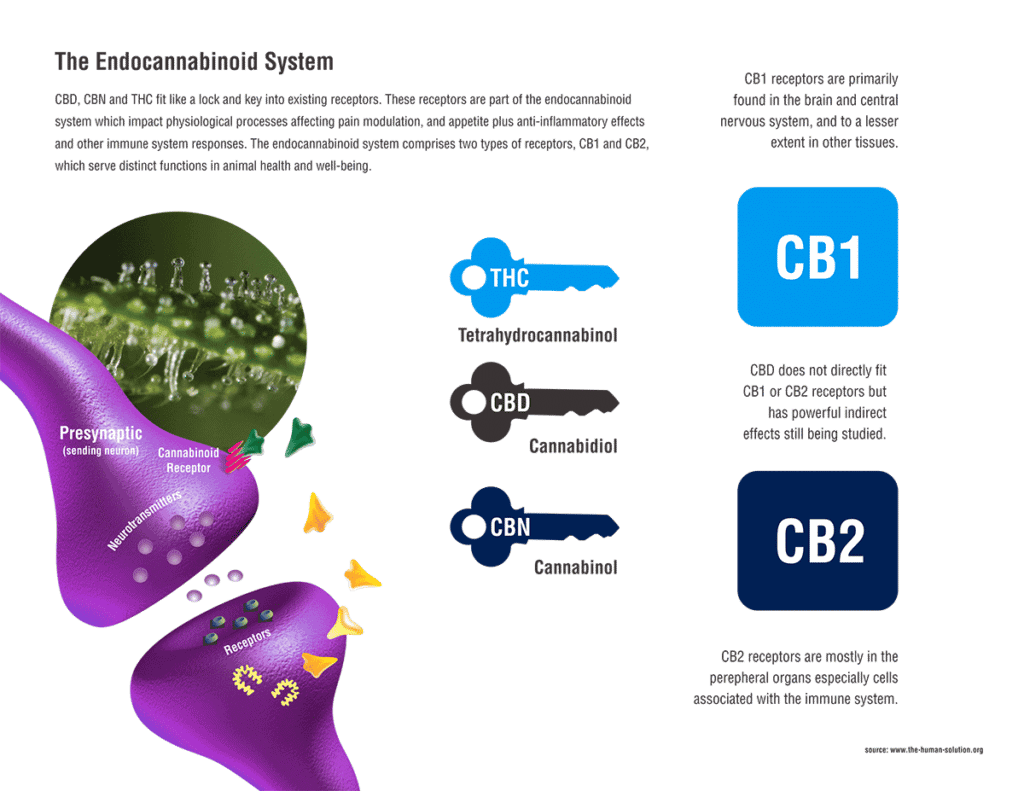
Endocannabinoids are naturally occurring substances in our bodies that interact with cannabinoids, like THC and CBD, to produce physiological changes.

Studies have shown that when these endocannabinoids are activated by marijuana use they can cause disruptions in blood pressure control and influence processes related to heart failure.

It is important for medical professionals to be aware of this interaction between cannabis and the cardiovascular system so that proper precautions and treatments can be developed for those who may suffer from any negative affects due to heavy or frequent marijuana consumption.

Tachycardia From Weed

Let's talk about cannabis use and tachycardia symptoms to understand if weed can cause heart palpitations.

We'll explore the effects of THC and other cannabis products on the heart and discuss the signs and symptoms of tachycardia.

Cannabis Use

When it comes to the topic of tachycardia from weed, cannabis use is an important factor that cannot be overlooked.

With THC and CBD being two compounds found in marijuana, they are both known to cause anxiety which can lead to an increased heart rate.

Cannabis addiction has also been linked with cases of tachycardia due to excessive consumption of the drug over time.

While research on this subject is still ongoing, one thing is certain: any kind of substance used excessively carries risks to your physical health such as palpitations or other cardiovascular-related issues.

Tachycardia Symptoms

It's important to understand the symptoms associated with tachycardia from weed, as excessive cannabis use can put extra strain on your heart.

Common signs of this condition include lightheadedness, chest discomfort and shortness of breath.

Depending on the severity, some individuals may also experience dizziness or palpitations.

The effects of cannabinoids can vary greatly between people, so it is essential to be aware of any potential changes in your heartbeat when using cannabis products.

Furthermore, understanding the heart risks that come with long-term marijuana consumption could help you make better decisions about how much you consume.

Overall, being mindful and mindful of your health should always be a priority when it comes to cannabis use.

Weed Slowing Down Heart Rate

Cannabis has been known to slow down the heart rate, but it can also have an effect on cardiac rhythm as well.

THC in particular has been linked to increased risk of heart palpitations, so it's important to be aware of the potential health risks.

We need to be mindful of the effects of THC and other cannabis products when it comes to our heart health.

Cannabis And Heart Rate

When it comes to the psychoactive effects of cannabis on heart rate, many people feel anxious.

Cannabis can have a powerful effect on heart rate and blood pressure, causing an increase in palpitations and chest pain.

Studies suggest that this is due to its ability to activate the sympathetic nervous system which can lead to an elevation in stress hormones such as cortisol and adrenaline.

This can be particularly dangerous for those with pre-existing conditions such as hypertension or cardiovascular disease.

Despite these risks, there are still health benefits associated with consuming cannabis including reducing inflammation and providing some relief from chronic pain.

While it's important to exercise caution when considering using cannabis products, there is evidence suggesting that they may provide therapeutic benefit when used responsibly.

Effects On Cardiac Rhythm

Considering the effects of cannabis on heart rate, it's also important to understand its impact on cardiac rhythm.

Studies suggest that marijuana can cause neurological effects such as an increase in brain activity and a decrease in heart rate variability which can lead to arrhythmias and other irregularities of the heart.

This could be particularly dangerous for those with pre-existing conditions or weak hearts, so caution is advised when using any form of cannabis product.

Ultimately, more research needs to be done on this topic before we fully understand how cannabis affects cardiac rhythm, but it's clear that there are potential risks involved.

Health Risks Of THC

That being said, there are still potential health risks associated with THC that must be taken into account.

Medical research has shown that consuming too much of it may have serious impacts on heart health, such as increasing the risk for a stroke or myocardial infarction.

This is due to its ability to raise blood pressure and reduce oxygen flow throughout the body.

So if you're considering using cannabis products with high levels of THC, make sure you talk to your doctor first about any possible health concerns related to your heart.

Average Heart Rate On THC

Let's talk about how THC affects heart rate.

We need to consider what factors influence heart rate when THC is consumed, as well as the potential long-term impacts of this increased rate.

We should also look at the potential risks of taking THC over extended periods of time.

Effects Of THC On Heart Rate

When it comes to the effects of THC on a person’s heart rate, research shows that for some people in certain situations, an increased heart rate can occur.

People who have underlying anxiety or are new to cannabis may experience this feeling more intensely when consuming higher dosages of THC.

As such, if you're trying out cannabis products and find yourself experiencing palpitations, it's best to reduce your dosage and consult with a physician before continuing use.

Ultimately, while there is not enough evidence to definitively link THC consumption directly to heart palpitations, caution should be taken when using any substance that could potentially affect one’s health.

Factors Contributing To THC-Induced Heart Rate Increase

When it comes to factors that could be contributing to an increase in heart rate due to THC, dosage certainly plays a role.

Consuming higher doses of cannabis can result in more intense effects on the heart and while those with underlying anxiety may experience this feeling more intensely than others, everyone should take caution when using any substance that could potentially affect their heart health.

It's best to start off with lower dosages and consult with a physician before continuing use if you're experiencing palpitations after consuming cannabis products.

Therefore, while there is limited research available regarding the link between THC consumption and increased heart rate, being mindful of one’s dosage remains key for maintaining good heart health.

Long-Term Impact Of THC On Heart Rate

It's important to be mindful of the long-term impact of THC on heart rate, as psychoactive effects can have serious cardiac risks.

Knowing that one's dosage is key when it comes to maintaining good heart health should not be overlooked over time.

As such, understanding how your body responds to cannabis use and taking caution in monitoring any changes with regards to an increase in heart rate is essential for keeping healthy.

With this in mind, regular checkups with a physician are recommended if you're worried about potential side effects from consuming THC products.

Weed Vape Heart Palpitations

Let's talk about the effects of weed vaping and whether it's connected to heart palpitations.

Has anyone here ever experienced any heart palpitations after vaping weed?

Weed Vaping Effects

When it comes to weed vaping effects and the potential for heart palpitations, many people are concerned about the safety of using cannabis products.

While indica effects may be milder than those from some other strains, there is still a risk that vaping could lead to an increased heart rate or arrhythmia in certain users.

As with any substance, it's important to use caution when consuming THC and always talk to your doctor if you experience any concerning symptoms related to your heart health.

Ultimately, we need more research into the long-term consequences of marijuana and its associated products before coming to any definitive conclusions on their impact on our cardiovascular system.

Weed Vaping & Heart Palpitations

Considering the potential risks associated with vaping, it's important to understand how weed use could affect our heart health.

While there are still many unknowns surrounding marijuana and its effects on the cardiovascular system, research suggests that using cannabis may lead to an increased risk of developing arrhythmias or palpitations.

Additionally, regular users could be at a higher risk for long-term damage or complications such as coronary artery disease or stroke.

Therefore, if you choose to vape cannabis products, it is important to take proper precautions and consult your doctor about any concerning heart symptoms that arise.

Will Indica Make Your Heart Race

Let's talk about the effects of Indica on heart rate, and the factors that could contribute to increased heart rate when using this type of cannabis product.

We'll see if Indica really can make your heart race!

Effects Of Indica On Heart Rate

When it comes to cannabis, indica is known for its heavy-hitting effects that can make the user feel relaxed and sleepy.

However, some people report experiencing heart palpitations when consuming too much of this strain or when their dosage exceeds what's recommended.

Those who are sensitive to THC may notice a change in their heart rhythm due to the increased amount of cannabinoids present in the body after smoking indica.

To prevent any unwanted side effects, it's important to pay attention to your dose and monitor how you're feeling as you consume different types of cannabis products.

Factors Contributing To Increased Heart Rate With Indica

Beyond the amount of THC consumed, other factors can play a role in how your body responds to indica.

For instance, cannabinoid receptors present on cardiac muscles may be activated when consuming this type of cannabis, leading to an increase in heart rate.

Additionally, pre-existing conditions like hypertension or arrhythmias might also cause increased heart palpitations after smoking indica.

It's important to be aware of any existing conditions that could potentially worsen with consumption and consult with health care professionals if there are any concerns about using cannabis products.

Therefore, it's essential to take all these potential factors into consideration before deciding whether or not indica is right for you.

Can Indica Cause Heart Palpitations

It's important to understand the effects of Indica on the heart in order to assess whether it can cause heart palpitations.

THC, the main component in cannabis, can have physiological effects on the heart, which may contribute to heart palpitations.

Although cannabis can have some beneficial properties, it's important to be aware of the risks associated with its use, especially when it comes to heart palpitations.

Effects Of Indica On The Heart

When it comes to cannabis consumption, Indica is known for its sedative effects. But what about the potential impacts on heart health?

Some research has indicated that regular use of indica could lead to an increased risk of experiencing heart palpitations. While more studies are needed, these findings suggest that individuals should be cautious when using this strain and take steps to monitor their heart health.

Additionally, if any signs or symptoms of cardiac distress arise during or after using cannabis products, medical attention should be sought immediately.

Physiological Effects Of THC On The Heart

The physiological effects of THC on the heart may be even more concerning than the risk for palpitations.

Studies have found that it can cause a decrease in blood pressure and an increase in heart rate, as well as a disruption of chemical pathways which can lead to cardiac arrhythmia.

This means that those who are already prone to cardiac issues should take extra care when using Indica products.

It's important to speak with your doctor before use, just to make sure you're aware of any potential risks associated with this strain.

Ultimately, it is up to each individual user to decide whether or not they feel comfortable consuming indica knowing its possible impacts on their health.

Risks Of Cannabis Use And Heart Palpitations

It's important to consider the risks of cannabis use when it comes to potential heart palpitations.

Delta-9 THC, one of the main cannabinoids present in indica cannabis products, has been linked with an increased risk for palpitations due to its interactions with the endocannabinoid system.

As a result, it is especially important for those with existing cardiac issues or other health conditions that may affect their heart rate and blood pressure to be aware of these possible effects before consuming any type of cannabis product.

Therefore, if you are considering using Indica knowing its possible impacts on your body and want to avoid experiencing any uncomfortable symptoms, then it would be best to speak with your doctor first.

Frequently Asked Questions

Are There Any Long-Term Effects Of THC And Other Cannabis Products On The Heart?

Who would have thought that a product as seemingly harmless and widely accepted as cannabis could have any long-term effects on the heart? It's hard to believe, yet true: there can be health risks associated with THC and other cannabis products if not used carefully.

From strain selection to side effects, it is important to understand how using these products affects your body in the long run. While we don't know all of the potential consequences just yet, research has shown some cause for concern when it comes to prolonged use of cannabis and its impact on the cardiovascular system.

So while enjoying this popular drug may seem like an innocent pastime for many, it may be wise to consider what effect it might have in the future!

What Are The Recommended Dosage Levels Of THC And Other Cannabis Products To Avoid Heart Palpitations?

When it comes to the recommended dosage levels of THC and other cannabis products to avoid heart palpitations, many factors should be taken into consideration.

Genetic factors, physical activity, lifestyle changes, as well as individual tolerance all play a role in determining an appropriate dose.

It is important to note that because everyone's body responds differently to THC and other cannabis products, there are no universal recommendations for safe dosages.

As such, it is advisable not only to consult with your healTHCare provider before using these substances but also monitor your own reactions closely.

Are There Any Alternative Treatments To Reduce Heart Palpitations Caused By Cannabis Use?

The current H2 asks whether there are any alternative treatments to reduce heart palpitations caused by cannabis use.

While it has been known that marijuana and its derivatives can cause short-term increases in heart rate, many people don't realize that mental health issues or lifestyle changes may also be contributing factors.

There are several therapeutic benefits of using THC and other cannabis products, including reducing anxiety and depression, improving sleep quality, and providing relief for certain medical conditions.

Making simple lifestyle adjustments such as exercising more regularly or eating a healthier diet can also have positive effects on overall cardiovascular health and help reduce the chance of experiencing heart palpitations associated with cannabis use.

Are There Any Lifestyle Changes That Can Help Reduce Heart Palpitations?

Heart palpitations can be an uncomfortable side effect of using cannabis, but fortunately there are ways to reduce this symptom.

Making some simple lifestyle changes such as altering your exercise habits and dietary modifications can help you manage the sensation of heart palpitations.

Additionally, developing a plan for making small lifestyle modifications can also be beneficial in minimizing these symptoms; focusing on improving sleep quality, reducing stress levels, and avoiding certain triggers may all play a role in helping to decrease heart palpitations.

What Are The Signs And Symptoms Of Heart Palpitations Caused By Cannabis Use?

Heart palpitations caused by cannabis use can present in a variety of ways, and it's important to monitor the symptoms closely.

Signs and symptoms may include increased heart rate, chest discomfort, dizziness or lightheadedness, shortness of breath, anxiety and more.

It is also advised to make lifestyle changes such as reducing alcohol consumption for those who are prone to experiencing heart palpitations from using cannabis products.

Additionally, each individual has their own personal tolerance level for THC and other cannabinoids; understanding this level can help avoid any potential issues with heart palpitations.

Conclusion

The use of cannabis products can have serious long-term effects on the heart, including palpitations.

It's important to follow recommended dosage levels and be aware of any signs or symptoms that could indicate a problem.

Taking proactive steps such as making lifestyle changes and seeking alternative treatments can help reduce the risk of developing heart palpitations from cannabis use.

Ultimately, it's up to us to take control of our health and make responsible decisions when using substances like THC.

We mustn't forget there are consequences for every action we take; taking care with cannabis is no exception.

Can CBD Help With Heart Palpitations?

Can CBD Help With Heart Palpitations?

CBD and Heart Palpitations – Understanding the Connection and Potential Benefits

If you've ever experienced heart palpitations, you know how unsettling they can be. You might be wondering if CBD could play a role in managing these episodes. While some studies suggest it may help reduce anxiety and promote relaxation, the connection isn't fully understood yet. As you explore this topic, it's important to consider how CBD interacts with your body and what benefits it might offer for your heart health.

What Are Heart Palpitations?

Heart palpitations are those sudden feelings of your heart racing or fluttering, and they can happen for various reasons.

You might experience them during moments of stress, after consuming caffeine, or even when you're feeling unwell.

Understanding the common causes and knowing when to seek help is crucial for your heart health.

Common Causes of Heart Palpitations

Palpitations can feel like your heart is racing, fluttering, or skipping beats, and they're often alarming. Understanding what causes them can help you feel more in control.

Common triggers include:

  • Lifestyle factors
    : Lack of exercise or poor sleep habits.
  • Emotional stressors
    : Anxiety, stress, or overwhelming situations.
  • Dietary influences
    : Caffeine, alcohol, or high-sugar foods.
  • Hormonal changes
    : Fluctuations during menstruation or menopause.

Recognizing these triggers can help you identify patterns and manage your heart palpitations better.

You're not alone in experiencing these sensations, and understanding their origins can empower you to take steps toward relief and support your overall well-being.

Symptoms and When to Be Concerned

Feeling a fluttering sensation in your chest can be unsettling, especially when you're unsure if it's something serious. Heart palpitations often stem from symptom triggers like stress, caffeine, or anxiety. You might notice them during moments of tension or after a long day.

While many palpitations are harmless, it's essential to pay attention if they're accompanied by dizziness, chest pain, or shortness of breath. Engaging in anxiety management strategies and making lifestyle changes, like regular exercise and a balanced diet, can support your heart health.

Exploring alternative therapies, such as full-spectrum CBD, may also help alleviate stress-related palpitations. Always consult a healthcare professional if you're worried about your symptoms; seeking support can make a world of difference.

Does CBD Cause Heart Palpitations?

You might wonder if CBD can trigger irregular heartbeats or impact your cardiovascular system.

Understanding how CBD interacts with heart health is crucial, especially if you're considering it for relief.

Let's explore what research says about the relationship between CBD and heart palpitations.

Can CBD Trigger Irregular Heartbeats?

Could CBD actually trigger irregular heartbeats? While many people turn to CBD for its calming effects, it's essential to distinguish it from THC.

Research shows that CBD doesn't cause irregular heartbeats, unlike THC, which can affect your heart rhythm. Here are some key points to consider:

  • Understanding CBD effects
    : It may help reduce stress, potentially benefiting your heart health.
  • Dosage guidelines
    : Start low and gradually increase to find what works best for you.
  • Safety measures
    : Always consult with a healthcare professional before starting CBD.
  • Product selection
    : Choose high-quality, full-spectrum CBD for better therapeutic benefits.

Additionally, studies indicate that CBD may reduce blood pressure
by interacting with the endocannabinoid system, which could further support cardiovascular health.

Understanding How CBD Interacts with the Cardiovascular System

While many people seek the calming effects of CBD for various health concerns, understanding its interaction with the cardiovascular system is crucial, especially when it comes to heart palpitations.

CBD effects can vary, but studies suggest it may support cardiovascular health by promoting relaxation and reducing anxiety. This cannabinoid interaction can help balance your body's response to stress, which is often linked to palpitations.

Many users find that CBD plays a role in anxiety management, potentially lessening the frequency of these episodes. By harnessing the hemp benefits, you might experience a sense of calm that contributes to overall heart health. Additionally, the entourage effect
of full spectrum CBD products may enhance these calming effects, making them a more effective option for managing stress-related heart issues.

Always consult with a healthcare professional to ensure that CBD aligns with your specific needs and health goals.

What Research Says About CBD and Heart Health

As research into CBD's effects on heart health continues to grow, many are left wondering if this popular cannabinoid might actually contribute to heart palpitations. Current studies suggest that CBD may not cause palpitations but rather support heart health.

Here's what you should know:

  • CBD dosage guidelines show the importance of proper dosing for effectiveness.
  • Various CBD extraction methods can impact product quality and benefits.
  • CBD's effects on inflammation may help alleviate stress-related palpitations.
  • Real CBD user experiences indicate relief in anxiety, potentially reducing heart palpitations.

Understanding these aspects can help you make informed choices about different CBD product types
and their potential benefits for your heart health.

Can CBD Help with Heart Palpitations?

If you've been experiencing heart palpitations tied to anxiety or stress, you might wonder if CBD can help.

By interacting with your endocannabinoid system, CBD may promote balance and support heart rhythms.

Let's explore how this natural compound could benefit your cardiovascular health.

CBD's Role in Managing Anxiety and Stress-Related Palpitations

When anxiety strikes, it can lead to unsettling symptoms like heart palpitations, making you feel like your heart is racing or skipping beats.

Fortunately, CBD anxiety relief may help you find calm. Integrating CBD into your wellness routine can support stress management techniques and promote heart health.

  • Natural remedy for anxiety relief
  • May help reduce heart-related symptoms
  • Supports overall cardiovascular wellness
  • Easy to incorporate into daily life

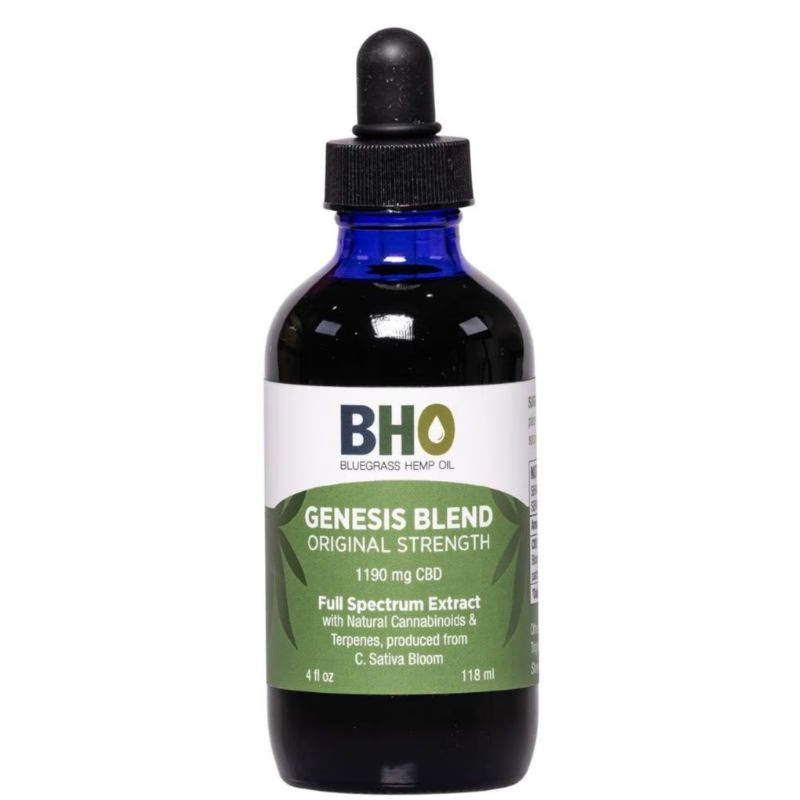
Using full-spectrum CBD, like Genesis Blend, can enhance therapeutic effects and provide consistent relief. Additionally, CBD's role in managing
inflammation may contribute to better heart health and reduce the risk of related complications.

How the Endocannabinoid System (ECS) Affects Heart Rhythms

Understanding how the endocannabinoid system (ECS) influences heart rhythms can shed light on the potential benefits of CBD for heart palpitations.

The ECS plays a crucial role in ECS modulation, interacting with cannabinoid receptors that help regulate heart rate variability and manage the stress response.

When you use CBD, it may contribute to this therapeutic synergy by promoting balance within your body.

This interaction can help stabilize your heart rhythms, particularly during moments of anxiety or stress.

By fostering a healthier stress response, CBD might provide the relief you're looking for.

Embracing the benefits of the ECS can empower you to take control of your heart health and enhance your overall well-being. Additionally, research highlights the ECS's potential for regulating mood
and providing further support for managing heart palpitations.

Potential Benefits of CBD for Cardiovascular Support

As you explore ways to support your cardiovascular health, CBD may offer promising benefits, particularly for those experiencing heart palpitations.

Here's what you might find helpful:

  • Supports overall cardiovascular well-being
  • Enhances relaxation, especially when paired with CBD and meditation
  • Offers potential relief for athletes managing stress-related heart rhythms
  • Helps you navigate CBD dosage guidelines for effective use
  • Full Spectrum CBD oil provides synergistic benefits
    that may enhance your overall health management approach.

With many options available, you can compare different CBD products to find one that suits your needs.

Always check the CBD legal status in your area to ensure compliance.

Best CBD Oil for Heart Palpitations

When you're looking for the best CBD oil for heart palpitations, it's crucial to consider full-spectrum options.

These products often provide enhanced effectiveness due to the synergy of natural cannabinoids.

Plus, prioritizing quality and purity ensures you're getting a safe and reliable product for your heart health.

Why Full-Spectrum CBD May Be More Effective

  • Full spectrum advantages
    : It harnesses the complete range of cannabinoids for optimal effects.
  • Cannabinoid synergy
    : Different compounds work together to enhance therapeutic effects.
  • Natural relief
    : You're tapping into the power of the plant without synthetic additives.
  • Enhanced bioavailability
    : Full-spectrum CBD interacts better with your body, providing longer-lasting relief.
  • Research support
    : Studies suggest that full spectrum CBD may offer broader therapeutic effects
    compared to isolates, making it a compelling choice for heart palpitations.

The Importance of Quality and Purity in CBD Products

Choosing high-quality and pure CBD products is crucial, especially when seeking relief from heart palpitations. You deserve the best, and ensuring quality assurance in your CBD selection opens the door to effective relief.

Look for brands that prioritize product sourcing, using organically grown hemp and transparent methods. Lab testing is non-negotiable; it guarantees that what you're consuming is free from harmful additives.

Embrace consumer education by researching and understanding what goes into your CBD. Brands that adhere to transparency standards not only build trust but also create a community where you can feel supported in your wellness journey. Additionally, brands like Bluegrass Hemp Oil are noted for their rigorous third-party lab testing
that ensures product purity.

When you choose quality, you're not just making a purchase; you're investing in your health and peace of mind.

How to Choose the Right CBD Oil for Heart Health

Selecting the right CBD oil for heart health involves understanding your specific needs and how different products can address them.

Here are some key factors to consider in your CBD product selection:

  • Heart health considerations
    : Look for CBD oils that specifically support cardiovascular wellness.
  • CBD sourcing practices
    : Choose brands that use high-quality, sustainably sourced hemp.
  • Understanding cannabinoid profiles
    : Opt for full-spectrum products to benefit from the entourage effect.
  • Dosage adjustment strategies
    : Start low and gradually increase your dosage based on your personal response.

Additionally, consider products like Genesis Blend CBD oil, which is known for its full-spectrum formulation
that enhances synergy with the endocannabinoid system.

How to Use CBD for Heart Palpitations Safely

When using CBD for heart palpitations, it's important to know the right dosages and delivery methods to ensure safety.

You should also consult your doctor before starting, especially if you're taking other medications.

Be aware of possible side effects and interactions to make informed choices for your health.

Recommended Dosages and Delivery Methods

Understanding how to safely use CBD for heart palpitations involves knowing the right dosages and delivery methods.

Start by following recommended dosage guidelines tailored to your individual needs. Here are some preferred delivery methods to consider:

  • Tinctures
    : Experience the effectiveness of tinctures for rapid relief.
  • Vaporization
    : Enjoy the vaporization benefits for quick absorption into your system.
  • Capsules
    : Appreciate the capsule convenience for on-the-go use.
  • Topicals
    : Explore topical options for localized relief.

Each method has its unique advantages, so choose what fits your lifestyle best.

Always begin with a low dose and gradually increase until you find what works for you.

When to Consult a Doctor Before Using CBD

Knowing how to use CBD safely for heart palpitations includes recognizing when it's best to consult a doctor. Before starting CBD, especially if you have existing heart conditions, it's crucial to discuss your intentions with a healthcare professional.

They can help clarify CBD dosage guidelines tailored to your needs and ensure it's safe given your health history. Staying informed through heart health research is key, as it empowers you to make educated choices.

Remember, consumer education is important to navigate potential risks effectively. Always prioritize CBD safety measures, such as verifying product quality assurance through third-party testing, to ensure you're using a reliable product.

This will help you feel confident and supported in your CBD journey.

Possible Side Effects and Interactions with Medications

While CBD can offer potential benefits for heart palpitations, it's important to be aware of possible side effects and interactions with other medications.

To use CBD safely, consider these safety precautions:

  • Monitor for CBD interactions with your current medications.
  • Be mindful of medication side effects that could be amplified by CBD.
  • Discuss your heart health with a healthcare provider before starting CBD.
  • Start with a personalized dosage to gauge your body's response.

FAQs About CBD and Heart Palpitations

You probably have a lot of questions about CBD and its impact on heart palpitations.

Can it lower or raise your heart rate?

And is it safe for those with preexisting heart conditions?

Let's explore these important topics.

Can CBD Lower or Raise Heart Rate?

Understanding how CBD affects heart rate can be crucial for those experiencing heart palpitations. Research suggests that CBD may help with anxiety management and stress reduction, which can positively influence your heart rate.

Here are some points to consider:

  • Potential for Stress Reduction
    : CBD may lower stress levels, which can lead to a more stable heart rate.
  • Individual Responses Vary
    : Some people might experience different CBD effects on their heart rate.
  • Promotion of Cardiac Health
    : Full-spectrum CBD supports overall cardiovascular wellness.
  • Consult Healthcare Professionals
    : Always discuss CBD use with your doctor, especially if you're concerned about heart health.
  • Potential Benefits for Seizures
    : CBD may also help manage seizure frequency
    in individuals with epilepsy, highlighting its versatile therapeutic properties.

Is CBD Safe for People with Preexisting Heart Conditions?

Is CBD safe for those with preexisting heart conditions? While many people find relief through CBD, it's crucial to approach it thoughtfully.

Start by following CBD dosage guidelines, particularly if you're managing a heart condition. Always consult your healthcare provider to address any cannabinoid safety concerns specific to your situation.

When selecting a CBD product, opt for full-spectrum options like Genesis Blend, which may support cardiovascular health more effectively than isolates.

Research suggests that CBD can aid in heart condition management, but individual responses can vary. Additionally, understanding potential drug interactions
is vital to ensure safe use alongside any current medications.

Stay informed and choose products backed by credible cardiovascular health research to ensure you're making safe and beneficial choices for your well-being.

Are There Any Clinical Studies on CBD and Heart Palpitations?

Research on CBD's effects on heart palpitations is still developing, but some studies suggest promising outcomes. While more research is needed, you might find comfort in these findings:

  • Preliminary studies hint at CBD's potential in anxiety management, which could indirectly ease heart palpitations.
  • Research indicates that appropriate CBD dosages may support overall heart health.
  • Early evidence suggests a positive correlation between CBD efficacy and stress reduction.
  • Observations show that individuals using CBD report increased feelings of calmness.

As you explore CBD safety and its potential benefits, remember that consulting with a healthcare professional can help tailor your approach.

Staying informed and connected with others can empower you in your wellness journey.

Final Thoughts – Should You Try CBD for Heart Palpitations?

As you consider whether to try CBD for heart palpitations, remember that a personalized health approach is key to finding what works best for you.

Choosing high-quality products like those from Bluegrass Hemp Oil can make a significant difference in your experience.

If you're ready to explore this option, it's time to take the next steps in your wellness journey.

The Importance of Personalized Health Approaches

While exploring options for managing heart palpitations, it's essential to consider a personalized health approach that fits your unique needs.

Everyone's journey is different, and tailored treatment plans can make a significant difference in your well-being.

Here are some key aspects to keep in mind:

  • Personalized wellness strategies help address your specific concerns.
  • Individual health assessments provide insights into what works best for you.
  • Customized dosage recommendations ensure you're using the right amount of CBD.
  • Understanding your unique patient needs fosters a sense of belonging in your health journey.

Why Trust Bluegrass Hemp Oil for High-Quality CBD

When considering CBD for heart palpitations, trusting a reputable source like Bluegrass Hemp Oil can make all the difference.

With a commitment to hemp sourcing from Kentucky and rigorous product testing, you can have peace of mind knowing you're using high-quality, full-spectrum CBD.

Our customer testimonials speak volumes about the effectiveness of our Genesis Blend, which is designed with precise dosage guidelines for your convenience.

We prioritize regulatory compliance, ensuring our products meet the highest safety standards.

As part of Kentucky's oldest CBD company, we've built a community of support and trust.

Choosing Bluegrass Hemp Oil means you're not just a customer; you're part of a family dedicated to your well-being and health.

Next Steps for Those Considering CBD for Heart Palpitations

If you're considering CBD for managing heart palpitations, it's important to weigh your options carefully. Start by researching heart health research and exploring effective palpitations management strategies.

Here are some tips to guide your journey:

  • Familiarize yourself with CBD dosage guidelines to find what works for you.
  • Prioritize CBD product sourcing from reputable brands like Bluegrass Hemp Oil.
  • Incorporate cardiovascular wellness tips into your routine, such as regular exercise and a balanced diet.
  • Consult with a healthcare professional for personalized advice and support.

Taking these steps can help you make informed decisions about using CBD for your heart health.

Conclusion

In the end, exploring CBD for heart palpitations might feel like finding a calm oasis in a chaotic desert. Just as a refreshing drink can quench your thirst and soothe your soul, CBD can potentially ease your racing heart and anxiety. Remember, though, that it's crucial to consult with a healthcare professional before diving in. With the right guidance, you could discover a natural ally in your journey toward heart health and tranquility.

Does CBD Affect Heart Rate?

Does CBD Affect Heart Rate?

Does CBD Affect Heart Rate? Understanding CBD's Impact on Cardiovascular Health

It might seem like CBD is a miracle cure for heart health, but the reality is more nuanced. Many people are curious about how CBD can influence heart rate and overall cardiovascular function. Understanding the intricacies of this relationship is essential, especially if you're considering incorporating CBD into your wellness routine. What should you really know about its effects on your heart? Let's explore the evidence together.

Introduction – The Growing Interest in CBD and Heart Health

You might've noticed a surge in conversations around CBD and its potential benefits for heart health.

People are curious about how CBD interacts with the endocannabinoid system (ECS) and influences cardiovascular function beyond just relaxation.

Let's explore why this interest is growing and what it means for your well-being.

Why People Are Asking About CBD and Heart Rate

Why are so many people turning to CBD for heart health? As awareness of CBD benefits grows, more folks are exploring its potential for supporting cardiovascular wellness.

Many are drawn to CBD for its ability to aid in anxiety management and stress reduction, which are crucial for maintaining a balanced heart rate. With today's fast-paced lifestyle, it's no surprise you might feel overwhelmed, leading to heightened stress and anxiety that can adversely affect your heart health.

By integrating CBD into your wellness routine, you could experience a sense of calm and improved overall well-being. Recent studies indicate that CBD may reduce systolic and diastolic blood pressure , further contributing to cardiovascular health.

As a community, sharing these experiences fosters a sense of belonging and support, encouraging others to explore natural solutions for heart health together.

The Role of the Endocannabinoid System (ECS) in Cardiovascular Function

As interest in CBD and heart health grows, understanding the role of the Endocannabinoid System (ECS) becomes essential.

The ECS plays a crucial part in maintaining endocannabinoid balance, which is vital for your heart health dynamics. By interacting with cannabinoid receptors throughout your body, the ECS helps regulate cardiovascular signaling, ensuring your heart functions optimally.

When you use CBD, it can promote ECS modulation, potentially leading to improved heart rate regulation and reduced stress levels. This homeostatic regulation is important for overall cardiovascular health and can support your body's ability to adapt to physiological stressors.

This connection between CBD and the ECS highlights how supporting this system can enhance your overall cardiovascular health. Embracing the benefits of CBD alongside an understanding of the ECS can foster a sense of community for those seeking natural wellness solutions.

Understanding CBD's Effects on the Body Beyond Relaxation

The connection between CBD and heart health goes beyond simply promoting relaxation.

You might be surprised to learn that CBD benefits extend to your cardiovascular wellness, helping to manage stress and support a balanced heart rate.

When you explore cannabinoid synergy, you discover how different cannabinoids work together, enhancing the effects of CBD for a more holistic approach to health.

Hemp education is crucial in understanding how these natural compounds can positively impact your body.

By integrating full-spectrum CBD into your routine, you're not just seeking calm; you're embracing a more comprehensive way to nurture your heart and overall well-being.

Together, we can discover how CBD can play a vital role in your journey toward better health.

Furthermore, the entourage effect achieved through full spectrum products maximizes therapeutic benefits, making CBD a powerful ally for your cardiovascular system.

How Does CBD Affect Heart Rate?

When you consider how CBD affects your heart rate, it's important to look at its connection to the autonomic nervous system.

Research suggests that CBD may help lower your heart rate, especially during stressful situations.

Let's explore how it works and what the studies reveal about its calming effects.

The Connection Between CBD and the Autonomic Nervous System

Understanding how CBD interacts with the autonomic nervous system can shed light on its potential effects on heart rate.

When you experience CBD, its calming properties may help regulate nervous system responses tied to stress and anxiety. This regulation can enhance heart rate variability, allowing your heart to respond better to both stress and relaxation.

By promoting a balanced state, CBD can support effective stress management, reducing the fight-or-flight response that often spikes heart rate.

The interaction among cannabinoids in full-spectrum CBD may amplify these benefits, creating a harmonious effect on your overall well-being.

Additionally, full-spectrum CBD has been shown to enhance cellular communication, further supporting cardiovascular health.

Embracing this natural approach can foster a sense of community, as many seek out CBD for its potential in managing anxiety and enhancing cardiovascular health.

Does CBD Lower or Raise Heart Rate? What Research Says

How does CBD truly impact heart rate? Research shows that CBD can have varying effects, depending on factors like dosage and individual response.

Some studies suggest it may lower heart rate, particularly when addressing issues like CBD and anxiety. Following proper CBD dosage guidelines is essential for finding the right balance.

When selecting a CBD product, consider options that promote relaxation and better sleep, as these might help regulate your heart rate.

CBD research updates indicate potential benefits for cardiovascular health, but it's important to listen to your body and consult with a healthcare professional.

Ultimately, the right CBD product selection could lead to improved heart health and overall well-being.

How CBD May Reduce Stress-Related Heart Rate Increases

CBD has shown promise in managing stress-related increases in heart rate, making it a potential ally for those dealing with anxiety.

By interacting with your endocannabinoid system, CBD may help regulate heart rate variability, promoting a sense of calm. This calming effect can enhance your stress management techniques, allowing you to tackle daily challenges more effectively. Additionally, CBD offers natural pain relief that may complement its stress-reducing properties, providing a holistic approach to wellness.

With full spectrum benefits, CBD products like Bluegrass Hemp Oil's Genesis Blend provide a range of cannabinoids that work together to support your overall wellness.

As you integrate CBD into your routine, you might find it easier to reduce anxiety and maintain a more stable heart rate, fostering a greater sense of belonging and connection in your life.

Can CBD Have Negative Effects on Heart Rate?

While many people find CBD beneficial, it's important to consider that it can sometimes lead to bradycardia (low heart rate) or tachycardia (high heart rate).

Individual factors, like your health background and any medications you take, can influence how CBD affects your heart rate.

Understanding these risks can help you make informed choices about using CBD, especially if you have existing heart conditions.

Are There Risks of Bradycardia (Low Heart Rate) or Tachycardia (High Heart Rate)?

Is it possible for CBD to impact your heart rate in a negative way? While many people find CBD beneficial, it's important to consider potential bradycardia risks and tachycardia effects.

High doses of CBD might lead to heart rate variability, where your heart rate fluctuates more than usual. In some cases, this can result in a lower heart rate (bradycardia) or an elevated heart rate (tachycardia).

It's essential to monitor your CBD dosage and consult with a healthcare professional if you experience any unusual heart rhythms. Prioritizing cardiac safety will help you enjoy the benefits of CBD while minimizing risks.

Individual Factors That Influence CBD's Effects on Heart Rate

Your individual characteristics can significantly impact how CBD affects your heart rate.

Factors like dosage variations can lead to different responses; a higher dose mightn't work the same for you as it does for someone else.

Metabolism differences also play a role—how quickly your body processes CBD can alter its effects.

Your lifestyle impacts this too; stress levels, diet, and exercise habits can influence how CBD interacts with your cardiovascular system.

Lastly, genetic predispositions can dictate your body's reaction to CBD, making some people more susceptible to changes in heart rate than others.

Understanding these individual factors helps you find the right approach to using CBD for your heart health.

Possible Interactions Between CBD and Medications for Heart Conditions

As you explore the potential benefits of CBD for heart health, it's essential to consider how it might interact with medications prescribed for heart conditions.

CBD medication interactions can affect heart medication compatibility, making it crucial to consult your healthcare provider before starting any CBD regimen. They can help you navigate CBD dosage considerations to ensure your safety and effectiveness.

While CBD offers alternative heart therapies, patient safety concerns should always come first. It's vital to be aware of how CBD might influence the efficacy of your heart medications, as this can impact your overall cardiovascular health.

Open communication with your healthcare team can help you make informed decisions that support both your heart health and well-being.

The Relationship Between CBD, Blood Pressure, and Heart Rate

When you're exploring the effects of CBD on heart health, understanding its impact on blood pressure and heart rate is crucial.

CBD may help support healthy blood pressure levels, which in turn could influence your heart rate regulation.

Let's look at the potential connections between blood flow, heart rate, and the clinical evidence surrounding CBD's cardiovascular benefits.

How CBD May Support Healthy Blood Pressure Levels

Understanding the relationship between CBD, blood pressure, and heart rate can be crucial for those seeking natural ways to support cardiovascular health.

Many people are turning to CBD formulations as part of their wellness trends, looking for effective natural remedies. Research suggests that CBD may help maintain healthy blood pressure levels by promoting stress management and reducing anxiety, both of which can lead to elevated blood pressure.

By regulating the autonomic nervous system, CBD's calming effects contribute to overall cardiovascular benefits. Choosing high-quality, full-spectrum CBD products, like Genesis Blend from Bluegrass Hemp Oil, ensures you're getting the most effective support for your heart health. Additionally, the entourage effect associated with full-spectrum CBD may enhance its therapeutic potential, providing broader cardiovascular support.

Embracing this natural approach can help you feel more in control of your well-being.

The Potential Link Between Blood Flow and Heart Rate Regulation

The relationship between blood flow and heart rate regulation is crucial for maintaining cardiovascular health, especially when considering the potential benefits of CBD.

Understanding how CBD can enhance vascular function may help you support your heart health more effectively. Here are three key points to keep in mind:

  1. Improved Blood Flow : CBD may promote healthy circulation benefits, helping maintain optimal blood flow throughout your body.
  2. Heart Rate Regulation : By influencing the autonomic nervous system, CBD might aid in stabilizing heart rate, contributing to overall cardiovascular balance.
  3. Enhanced CBD Efficacy : Full-spectrum CBD products, like Genesis Blend, retain multiple cannabinoids, amplifying their effects on vascular function and heart health. Additionally, the full-spectrum formulation of products like Genesis Blend enhances synergy with the endocannabinoid system, potentially offering greater cardiovascular support.

Clinical Studies on CBD's Cardiovascular Effects

Recent clinical studies have started to uncover the potential cardiovascular benefits of CBD, particularly its influence on blood pressure and heart rate. Many participants have reported lower blood pressure levels and a more stable heart rate after using CBD, with user testimonials highlighting its calming effects.

When considering CBD product recommendations, it's essential to follow CBD dosage guidelines to ensure safety and effectiveness. The extraction methods also play a vital role; high-quality products like those from Bluegrass Hemp Oil use hydrocarbon extraction, preserving beneficial compounds.

Additionally, CBD may help reduce inflammation, further supporting cardiovascular health. As you explore CBD for heart wellness, remember that individual responses may vary, so finding the right product is key.

Using CBD Safely for Heart Health

When it comes to using CBD for heart health, picking the right product is crucial. You'll want to consider a full-spectrum option over an isolate for maximum benefits, and knowing the recommended dosages is key. If you have existing heart concerns, don't hesitate to consult your doctor before starting any CBD regimen. Additionally, understanding the entourage effect can help you choose a product that may enhance therapeutic benefits.

Choosing the Right CBD Product – Full-Spectrum vs. Isolate

Choosing the right CBD product can significantly impact your heart health, especially when considering the differences between full-spectrum and isolate formulations.

Here's what you should know about each:

  1. Full Spectrum Advantages : Full-spectrum products, like Genesis Blend, contain multiple cannabinoids, promoting cannabinoid synergy for enhanced benefits.
  2. Isolate Benefits : While CBD isolate is pure and THC-free, it lacks the accompanying cannabinoids that can amplify its effects.
  3. Product Selection : Opting for a full-spectrum oil may offer better support for heart health due to its holistic approach. Additionally, full-spectrum products may enhance the entourage effect , leading to improved therapeutic benefits.

When choosing CBD, prioritize formulations that harness the full potential of the hemp plant.

This way, you can support your cardiovascular wellness effectively while enjoying the comforting sense of community that comes with shared experiences.

Recommended Dosages and Considerations for Heart Health

Understanding the right dosage of CBD can greatly enhance your heart health journey.

It's essential to consider recommended dosages tailored to your individual health and lifestyle factors. Start with a low dose, gradually increasing it while monitoring how your body responds.

Quality matters, so choose high-quality CBD products, like Genesis Blend, that are third-party tested for purity and potency.

Pay attention to potential long-term effects, as consistent use can yield cumulative benefits.

Remember, what works for one person may not work for another, so listen to your body and adjust accordingly.

When to Consult a Doctor Before Using CBD for Heart Concerns

  1. CBD Usage Guidelines : Your doctor can provide personalized recommendations based on your health history and current medications.
  2. Heart Health Education : Understanding how CBD interacts with your cardiovascular system is crucial for safe usage.
  3. Personal Wellness Consultations : Regular check-ins can help monitor your heart health while using CBD and adjust your plan as needed. Additionally, being aware of Epidiolex's neuroprotective properties can help inform your discussions with healthcare providers about potential benefits and risks.

Staying informed about cardiovascular research updates and learning from patient success stories can also enhance your journey towards better heart health.

Prioritize safety and well-being by consulting a healthcare professional.

Why Choose Bluegrass Hemp Oil's Genesis Blend for Cardiovascular Support?

If you're looking for effective cardiovascular support, Bluegrass Hemp Oil's Genesis Blend offers a full-spectrum CBD experience that maximizes the entourage effect.

With hydrocarbon butane extraction, it preserves the plant's beneficial cannabinoids and terpenes, ensuring you get the best quality.

Plus, our commitment to transparency and rigorous lab testing means you can trust what you're putting into your body.

Full-Spectrum CBD for the Entourage Effect

When considering cardiovascular support, choosing a full-spectrum CBD product like Bluegrass Hemp Oil's Genesis Blend can make a significant difference.

This blend harnesses the entourage effect, enhancing cannabinoid synergy for greater therapeutic benefits.

Here's why it stands out for your holistic wellness journey:

  1. Full-Spectrum Formula : It contains CBD, CBDA, CBG, and more, working together for maximum effect.
  2. Natural Remedies : You're opting for a safe, plant-based solution to support heart health and manage stress.
  3. Trusted Quality : Each batch is third-party tested, ensuring purity and potency for peace of mind.

Hydrocarbon Butane Extraction – Preserving Cannabinoids and Terpenes

By utilizing hydrocarbon butane extraction, Bluegrass Hemp Oil ensures that the full spectrum of cannabinoids and terpenes remains intact in its Genesis Blend.

This method offers significant hydrocarbon extraction benefits, preserving the plant's natural integrity and enhancing therapeutic effects.

With effective cannabinoid preservation methods, you'll experience a rich blend of terpenes in formulations that contribute to the entourage effect, maximizing health benefits.

The full spectrum advantages of Genesis Blend make it a powerful ally for your cardiovascular health.

By prioritizing extraction quality impact, Bluegrass Hemp Oil delivers a product you can trust for consistent potency and purity.

Join a community that values natural wellness and feel confident in your choice for supporting heart health with Genesis Blend.

Transparency, Lab Testing, and Kentucky-Grown Quality

Understanding the importance of transparency and rigorous lab testing is crucial for anyone considering CBD for heart health.

At Bluegrass Hemp Oil, we prioritize quality assurance through strict transparency standards and reliable lab testing protocols.

Here's why choosing our Genesis Blend is a smart choice:

  1. Kentucky Hemp : Our CBD is derived from USDA-certified Kentucky hemp, ensuring high-quality, clean extracts.
  2. Third-Party Tested : Each batch undergoes thorough testing for potency and purity, so you can trust what you're consuming.
  3. Customer Education : We're dedicated to empowering you with knowledge about CBD, fostering a community of informed consumers.

With our commitment to transparency and quality, you'll feel confident in your choice for cardiovascular support.

Final Thoughts – What to Know About CBD and Heart Rate

As you consider incorporating CBD into your wellness routine, it's essential to understand the key takeaways from research on its effects on heart function.

Remember, personalized approaches to health are crucial, so finding the right product for your needs is important.

If you're ready to explore trusted options, know where to buy high-quality full-spectrum CBD for optimal heart health.

Key Takeaways from the Research on CBD and Heart Function

While research on CBD and heart function is still evolving, several key takeaways can help you navigate its potential benefits for heart health.

Understanding how CBD can impact your cardiovascular health is essential, especially if you're managing stress or heart disease.

  1. CBD benefits : Studies suggest CBD may support heart health through stress management and improved blood circulation.
  2. Individual responses : Everyone's body reacts differently to CBD, so finding the right dosage is crucial for your needs.
  3. Cardiovascular support : CBD's calming effects can help regulate heart rate, contributing to overall cardiovascular wellness.

As you explore CBD, remember that its effects can vary, and staying informed can empower your wellness journey.

The Importance of Personalized Wellness Approaches

When it comes to your heart health, a personalized wellness approach can make all the difference.

Everyone's journey is unique, and understanding your individual health needs is crucial. This is where tailored approaches come into play. By focusing on customized plans, you can address your unique needs, whether it's managing stress, regulating heart rate, or enhancing overall wellness.

CBD might be a beneficial component in this journey, but it's essential to integrate it into a broader personalized wellness strategy. Connecting with healthcare professionals who understand your specific situation will ensure you receive the support you deserve.

Embracing this customized path fosters a sense of belonging and empowers you to prioritize your heart health effectively.

Where to Buy Trusted Full-Spectrum CBD for Heart Health

Looking for trusted full-spectrum CBD to support your heart health? You're not alone! Finding quality products can feel overwhelming, but focusing on a few key factors can help you choose wisely:

  1. Research CBD Product Types – Look for full-spectrum options that retain all beneficial cannabinoids for enhanced cardio health benefits.
  2. Check for Third-Party Testing – Ensure the product is lab-tested for purity and potency, reflecting current hemp industry trends.
  3. Prioritize Consumer Education – Choose brands that provide transparent information about their sourcing and production processes.

Frequently Asked Questions

Can CBD Interact With Medications for Heart Health?

When considering CBD drug interactions, you should consult your doctor, especially if you're on heart medications. CBD can influence metabolism factors, potentially affecting anticoagulants and other cardiovascular medication effects, so heart medication considerations are crucial.

What Is the Ideal Dosage of CBD for Heart Health?

To find the ideal CBD dosage for heart health, follow CBD dosage guidelines, consider product potency variations, and assess your individual tolerance levels. It's always best to consult a healthcare professional for personalized recommendations.

Is CBD Safe for Everyone With Heart Conditions?

CBD can be safe for some with heart conditions, but following CBD safety guidelines is crucial. Patient experiences vary, so consider lifestyle modifications and consult your doctor for the best approach to manage anxiety and heart health.

How Long Does It Take for CBD to Affect Heart Rate?

When you use CBD, onset time varies based on dosage timing and individual response. Factors like metabolism influence heart rate variability, so it might take anywhere from minutes to hours for effects to kick in.

Are There Any Age Restrictions for Using CBD Products?

So, you think CBD's a magical elixir? Well, age-related effects matter! CBD product regulations vary, with legal ages set for adult use. Pediatric use's tricky, and senior safety's crucial, so always check guidelines before diving in!

Conclusion

In the world of heart health, CBD can be a calming stream, helping to ease the rush of stress and regulate your heart rate. While it shows promise, remember that individual responses vary, so finding the right dosage is key. Always consult with your healthcare professional before diving in. With the right approach, CBD might just be the gentle current that supports your cardiovascular well-being, guiding you toward a healthier heart.

CBD Tips – Help CBD Help You

My CBD Tips for Getting Started

Written by Bill Polyniak | Founder, Bluegrass Hemp Oil and Kentucky Cannabis Company | Kentucky’s pioneering full-spectrum CBD company since 2014

I’m Bill Polyniak, founder of Bluegrass Hemp Oil and Kentucky Cannabis Company. I started Kentucky’s first pioneering full-spectrum CBD company in 2014 because I wanted people to have a trusted source for hemp products and honest education.

On this page, I’m sharing the same simple CBD tips I give people who are just getting started. I’ll walk you through the basic ways I recommend using CBD oil and topicals, when each option makes sense, and how to build a routine that feels simple and consistent.

A clear glass dropper filled with golden-colored Genesis Blend Full Spectrum CBD oil hovers over a white background.

My Quick Tips for Taking CBD Oil (Sublingual Method)

When people ask me how to use CBD oil, I usually start with the basics. Most people take it under the tongue so the hemp extract can be absorbed before swallowing. I’m keeping this section focused on quick beginner tips. For the full step-by-step walkthrough, visit our How to Take CBD Oil page.

Z

Step 1

Open bottle gently before use.

Z

Step 2

Use the dropper to measure your desired amount of CBD oil. 

Z

Step 3

Place the oil under your tongue.

Z

Step 4

Hold it there for 30–60 seconds before swallowing.

Z

Step 5

Repeat daily as part of your wellness routine.

My Beginner Tips for Better Results with CBD Oil

  • I usually tell people to start with the suggested serving amount and adjust gradually.
  • I recommend taking CBD consistently each day instead of changing your routine too often.
  • Many people prefer one serving in the morning and another in the evening.
  • I also recommend storing your bottle in a cool, dry place.

Quick Note

If you have questions about adding CBD or other supplements to your routine, I recommend checking with your healthcare professional.

Older woman applying Bluegrass Hemp Oil Relieving Salve with full spectrum CBD to her neck to support topical relief and everyday comfort.

My Tips for Applying CBD Topicals

When people ask me about creams, salves, and balms, I explain that they are applied directly to the skin when you want more targeted support.

Step 1

Clean and dry the area of skin.

Step 2

Apply a small amount of the CBD topical.

Step 3

Gently massage the product into the skin.

Step 4

Allow time for absorption.

Step 5

Reapply as needed.

CBD Oil vs CBD Topicals

CBD Oil

Best for:
• Daily wellness routines
• Consistent CBD intake
• Whole-body support

CBD Topicals

Best for:
• Targeted application
• Areas needing focused support
• Easy topical use

Products I Recommend for Getting Started

Genesis Blend™ Full Spectrum CBD Oil

Designed for seamless integration into your daily routine, this premium oil leverages the complete range of natural hemp compounds.

4 oz bottle of Genesis Blend™ Full Spectrum CBD Oil from Bluegrass Hemp Oil made with Kentucky-grown hemp.

Genesis Blend™ Full Spectrum CBD Oil crafted from Kentucky-grown hemp for daily wellness support.

CBD Relieving Salve

A go-to topical for easy, targeted application.

1 oz CBD Relieving Salve topical from Bluegrass Hemp Oil designed for targeted application.

CBD Relieving Salve – 1 oz Topical

Full Spectrum CBD Gummies

Add in full-spectrum CBD gummies into your routine.

Tart Cherry Full Spectrum CBD Gummies from Bluegrass Hemp Oil, made with real cherry extract and Kentucky-grown hemp.

Find balance in every bite — Tart Cherry Full Spectrum CBD Gummies from Bluegrass Hemp Oil combine natural cherry flavor with powerful full-spectrum relief.

A Note from Bill Polyniak

I’m Bill Polyniak, founder of Bluegrass Hemp Oil and Kentucky Cannabis Company. I built Kentucky’s first pioneering full-spectrum CBD company in 2014 with a focus on Kentucky-grown hemp, transparent testing, careful product development, and straightforward customer education.

I created this page to share the same practical CBD tips I’ve given customers for years. My goal is to make getting started feel simpler, clearer, and more confident, whether you’re looking at CBD oil, topicals, gummies, or a combination that fits your routine.

Everything we build at Bluegrass Hemp Oil is rooted in quality, transparency, and full-spectrum hemp wellness. That is the standard I bring to every guide I write.

Last reviewed by Bill Polyniak: March 27, 2026

Questions I Hear Most Often About CBD

Here are simple answers to the CBD questions people ask me most often.

How long should I hold CBD oil under my tongue?

I usually tell people to hold CBD oil under the tongue for 30–60 seconds before swallowing.

How much CBD should I take?

I usually recommend starting with the suggested serving of 1 ml (10 mg of CBD) using the enclosed dropper. Many people begin with one serving in the morning and one in the evening as part of their daily routine. Everyone’s body is different, so I suggest adjusting your serving gradually to find what works best for you.

How often can I apply CBD topicals?

I usually recommend reapplying topicals as needed and following the product label directions for best results.

Can I use CBD oil and topicals together?

Yes. I often suggest using CBD oil for daily wellness and CBD topicals for targeted application on the skin. Using both together can be a simple way to support your overall routine.

Will CBD make me feel “high”?

No. The hemp-derived CBD products I recommend contain only trace amounts of THC and are not intoxicating. Most people use CBD to support everyday wellness without the effects associated with marijuana.

How long does CBD take to work?

When taken under the tongue, many people tell me they begin noticing the effects of CBD within 30–60 minutes. I usually recommend consistent daily use when adding CBD to a wellness routine.

Why did I create this guide?

I created this guide because I wanted a simple place to share the advice I give people every day about getting started with CBD. It reflects my founder-led approach to education, built around Kentucky-grown hemp, full-spectrum CBD, and clear guidance since 2014.

Is CBD safe for seniors?

Many adults over 60 use CBD as part of their wellness routine. If you have health questions or take medications, I recommend consulting your healthcare professional before adding new supplements.

What’s the difference between hemp and marijuana?

When people ask me about hemp versus marijuana, I explain that both come from the cannabis plant family, but hemp contains very low levels of THC. Hemp-derived CBD products are widely used for wellness and are not intoxicating.

How should I store my CBD products?

I recommend storing CBD products in a cool, dry place away from direct sunlight. Proper storage helps maintain freshness and product quality.

Explore the CBD Products I Recommend

If you’re ready to get started, these are the hemp products my team and I have crafted with care, transparency, and Kentucky-grown hemp since 2014. They’re the same types of products I recommend when people ask me where to begin.

CBN: The Mysterious Degradation Cannabinoid

CBN: The Mysterious Degradation Cannabinoid

CBN The Mysterious Degradation Cannabinoid

The cannabinoid CBN, known as cannabinol, is being added to CBD products. The CBN cannabinoid is a degradation cannabinoid, a product of the more commonly known cannabinoid THC. CBN is not produced from the Cannabis Sativa plant but rather from the breakdown of the THC molecule. THC is only in trace amounts in hemp, as CBD is the dominant cannabinoid in hemp, and CBN comes from the breakdown process of THC. So, how is it that so much CBN is available to mix with CBD products?

Is most CBN on the market isolated synthetic?

We think so! This blog post will explore the mysterious world of CBN and its potential therapeutic applications as a natural cannabinoid produced in a natural process.

What is CBN?

CBN, also known as cannabinol, is a degradation cannabinoid from THC, the psychoactive compound in marijuana. Unlike THC, CBN does not produce the same high that marijuana does, but it does have a calming effect and can relax users. It is found in trace amounts in cannabis plants but is mainly produced when THC breaks down over time or when heated. This means that even if THC is present in hemp plants in small amounts, CBN can still be isolated from them.

In recent years, scientists and researchers have studied CBN to understand its potential benefits better. Studies suggest that CBN may act as an anti-inflammatory, help with sleep disorders, and even treat certain neurological conditions. Despite its potential health benefits, CBN has yet to receive the same research and attention as other cannabinoids, such as CBD or THC.

Where does CBN come from?

CBN, or cannabinol, is a degradation cannabinoid of THC. It is naturally produced through the oxidation of THC molecules, which occurs when the cannabis plant is exposed to air over time. Therefore, only small amounts, at best, can be produced from hemp naturally.

This oxidation process is referred to as “degradation” or “decarboxylation,” It slowly breaks down the THC molecules, leading to the formation of CBN. As a result, older cannabis flowers contain more CBN than fresher ones.

In the older cannabis flower, the molecule has gone from THCa to THC, and the THC finally converts into CBN. In addition, many extraction and post-processing processes use heat to increase oxidation speed, leading to higher concentrations of CBN in the end product.

CBN is being isolated.

It is also possible for manufacturers to isolate pure CBN from cannabis extract. Still, this process requires advanced extraction techniques, sophisticated equipment, and chemicals, and must have had lots of THC at one time.

Some companies take cannabinoids like isolated CBD and synthetically change them using chemicals to create synthetic designer cannabinoids such as CBN.

Furthermore, most CBN products on the market seem to be made from synthetic cannabinoids rather than natural ones. As before, hemp does not contain enough THC for the amount of CBN on the market.

Pharmaceutical-style Synthetic cannabinoids are produced in a laboratory and may not provide the same beneficial effects as natural cannabinoids.

The general public may not be aware they are consuming synthetic cannabinoids.

How is CBN different from other cannabinoids?

CBN is a unique cannabinoid because it is produced from the degradation of THC. As a result, CBN has an entirely different set of effects and properties than other cannabinoids. For example, it has been known to have strong sedative effects, making it an effective sleep aid, whereas THC is more stimulating and energizing.

Additionally, it does not have the same psychoactive properties as THC, meaning it does not cause the same " high " level when consumed. CBN also has anti-inflammatory, pain relieving, anti-convulsant, appetite-stimulating, and anti-microbial properties, making it a powerful natural remedy.

However, since it is a degradation of THC, and so little THC is contained in the hemp plant, where does all the CBN come from in CBD products? We think mostly a designer pharmaceutical-style synthetic cannabinoid instead of naturally occurring. Buyers should exercise caution when ingesting isolated and synthetic cannabinoids.

The Dangers of Synthetic Cannabinoids: Deaths and Negative Research

In recent years, deaths have been linked to synthetic cannabinoids, otherwise known as synthetic marijuana or fake weed.  Searches like Delta-8 near me in gas stations and just Delta-8 are rising.

Even further studies have shown that these substances are not only dangerous but addictive and deadly. Despite laws being passed that forbid the sale of such chemicals, these products still find their way into the hands of teenagers who fall prey to the misleading marketing tactics used by those who produce them. Learn more about Synthetic Cannabinoids.

What are the benefits of CBN?

CBN, or cannabinol, is a degradation cannabinoid from THC. It is believed to be beneficial and may even provide some of the same therapeutic benefits as THC without the psychoactive effects.

Research has suggested that CBN can treat various medical conditions, including chronic pain, inflammation, insomnia, glaucoma, and appetite loss. It has also been found to have anticonvulsant properties, which could potentially help with epilepsy and other neurological disorders.

CBN can also act as a powerful antioxidant and help reduce oxidative stress in the body. This can lead to improved overall health and increased longevity. It is also thought to have anti-inflammatory and antibacterial properties, making it a potential option for treating various skin conditions. That is why we advocate for full-spectrum products so users can receive that entourage effect from a spectrum of cannabinoids.

Finally, it may also be beneficial for mental health. It is thought to have anxiolytic properties, which can help reduce anxiety and promote relaxation. It may also help reduce depression and improve mood.

CBN has many potential therapeutic benefits and is an exciting new cannabinoid that scientists are beginning to understand more each day. While research is still ongoing, and more studies are needed to explore the therapeutic effects of cannabinol fully, it has already shown great promise as a natural treatment option for many medical conditions.

We feel it is best to use products designed with natural CBN instead of the isolated CBN that many companies offer. Learn The Powerful Differences Between Oleoresin Extract and Isolated CBD

Once we have access to the proper natural cannabinoids, we will create products around these other cannabinoids. Until laws are changed, we feel it is best not to use dangerous pharmaceutical-style synthetic cannabinoids when access to natural ones has been limited but becoming more available.

Natural cannabinoids are not linked to deaths and have been shown to support the endocannabinoid system. Synthetic cannabinoids have been linked to hospitalizations and death. We feel cannabis products should help heal, not harm or cause death!

Are there any drawbacks to taking CBN?

While there are many potential benefits to taking CBN, there are also some drawbacks. One of the main drawbacks is that designer pharmaceutical-style synthetic cannabinoids like CBN are often used in CBN / CBD products. While synthetic cannabinoids may have the same chemical properties as natural CBN, the body may not process it similarly.

Additionally, using synthetic cannabinoids can create a tolerance buildup, which will make them less effective over time.

Because of this, it is generally recommended to use actual full-spectrum CBD products with naturally occurring cannabinoids. These products typically include an array of other cannabinoids like CBDa, CBG, THC, THCa, natural terpenes, flavonoids, and other compounds that provide a more well-rounded experience.

Furthermore, these full-spectrum products produce fewer side effects than their isolated counterparts and better benefits. Changes in laws should take place to allow for natural access to CBN instead of consumers having to settle for synthetic pharmaceutical cannabinoids.

Watch this Full Spectrum Living with CBD episode to learn about the endocannabinoid system.

The Shocking Truth About CBD vs. THC

Have you ever wondered what the shocking truth is about CBD vs. THC? Are you looking for the differences between these two potent cannabinoids? In this blog post, we will discuss the differences between CBD and THC, as well as THC vs. CBD. We will be exploring the medical benefits of both cannabinoids and which one offers the most beneficial effects for different ailments. By the end of this article, you will better understand the two and be able to make an informed decision on which one is best for your specific needs.  Read the blog The Shocking Truth About CBD vs. THC.

How Much CBD Oil Should I Take To Relax?

Are you looking for a natural way to relax your muscles? If so, you might wonder how much CBD oil you should take to achieve the desired effect. The answer can be complicated, but the good news is that Genesis Blend full spectrum CBD oil is one of the best options for those seeking a natural way to relax. In this blog post, we’ll discuss the potential benefits of CBD oil and how much you should take to relax your muscles. Keep reading to find out more! How Much CBD Oil Should I Take To Relax?

Epidiolex vs. CBD Oil Genesis Blend Hemp CBD Oil

Suppose you are considering using hemp CBD oil as a seizure medication. It is essential to understand the differences between Epidiolex vs. CBD oil Genesis Blend Full Spectrum Hemp Extract available at Bluegrass Hemp Oil and other fine retail establishments.  These two epilepsy medications could help with seizures, but you should know some critical differences before deciding which one is best for you.

This blog post will discuss the similarities and differences between Epidiolex vs. CBD Oil Genesis Blend Full Spectrum hemp extract and how to decide which is the best CBD for seizure medication. We have a family experience using CBD as an epilepsy medication; here is our CBD story. This Epidiolex review vs. Genesis Blend is essential for those looking at CBD as a realistic option as an epilepsy medication. Learn about Epidiolex vs. CBD Oil Genesis Blend Hemp CBD Oil

CBD For Epilepsy

Adriane and Bill Polyniak aren’t the only ones to try experimenting with CBD to fix their son’s recurrent seizures. Several studies have proven the benefits of CBD for patients with epilepsy. With even more advanced research on the way, more and more doctors are suggesting it as an alternative supplement to combat frequent convulsions. Many studies have demonstrated CBD’s neuroprotective and anti-inflammatory effects, proving a direct correlation between CBD usage and anticonvulsant properties to minimize seizures.

It has been suggested that CBD’s anti-seizure properties may come from the reduction of neuron excitability on two particular receptors. Within your body is a system of neurotransmitters and receptors, more commonly known as your endocannabinoid system. Identified in the 1990s, this internal system helps to regulate bodily functions such as sleep, mood, pain, and immune system functionality. When ingesting CBD, this famous cannabinoid (scientifically known as cannabidiol) binds with receptors within your endocannabinoid system and, in turn, improves the functionality of your mood, appetite, and sleep patterns–over time, bettering a user’s quality of life. Learn more about CBD For Epilepsy.

Oleoresin Extract Verses Isolated Crystalline

A night and day difference exists between full-spectrum CBD vs. CBD isolates. Teamwork makes the dream work – something we at Bluegrass Hemp Oil embody as a company culture and a standard for our cultivation and extraction processes. In other words, quality will forever outshine quantity, and we believe something special about that.

BHO believes in full spectrum use of ALL naturally occurring cannabinoids, terpenes, and flavonoids found in the bloom of the beloved Cannabis flower. Please read our blog on full spectrum vs. whole plant extraction.

Above all, full spectrum means that we do not isolate or eliminate any beneficial components of the plant but instead acknowledge and embrace how each cannabinoid encourages and works with the others. About 100 cannabinoids are known all provide benefits. Although desired results from any particular cannabinoid may potentially prove helpful, several studies have shown a much higher percentage of achieved benefits from an actual full-spectrum extraction versus an isolate. Isolated CBD oil only contains the crystallized CBD molecule. All other benefitting aspects have been removed.  Learn about Oleoresin Extract Verses Isolated Crystalline

HELP CBD HELP YOU

Full Spectrum Living with CBD – Help CBD, Help You. On this 14th episode of Full Spectrum Living with CBD, Join Adriane, Jessica and Meredith layout five tips that will help, CBD help you. They give insight and CBD tips on helping achieve your CBD goals.  Learn more about helping CBD help you.

Why You Should Check out Bluegrass Hemp Oil if You’re in Florida and Seeking CBD

Are you in Florida and wondering if CBD oil is legal in the state? Are you looking for a reliable CBD distributor in Florida? If so, then Bluegrass Hemp Oil is the place to go. As the first direct-from-farm CBD company in the United States, Bluegrass Hemp Oil offers high-quality products to customers in Florida and beyond. Whether you’re looking for CBD gummies or CBD oil, you can trust that they will have exactly what you need. In this blog post, we’ll discuss why Bluegrass Hemp Oil and Kentucky Cannabis Company is the ideal choice for finding CBD products in Florida. Learn more about Florida CBD


Full Spectrum Living With CBD Podcast – The CBD Craze

Full Spectrum Living With CBD Podcast – The CBD Craze

Full Spectrum Living with CBD - The CBD Craze

In this episode of the Full Spectrum Living CBD podcast, join Adriane, Jessica, and Meredith as they discuss the CBD craze. This was recorded three years ago; however, in today's CBD market, this mass flooding that has taken place is washing through as we speak.

Many CBD companies today have come and gone. The total losses for many pharmaceutical-style CBD companies have been in the billions.  One foreign hemp company operating in Kentucky lost over 500 million dollars. Many of these products were and are directed from outside the United States to be sold to the US market and offer no therapeutic value based on standard cannabis manufacturing technologies. These products seek to deceive the consumer.  CBD is not a substance known for recreational use but can contain profound benefits.  In this episode of Full Spectrum Living with CBD podcast, the ladies discuss the CBD craze and how these products can have adverse side effects for consumers and the industry.

These companies that promote these products ultimately cheat farmers and consumers looking for the benefits of cannabinoids. CBD water, yoga pants,  pillows, and more have been pushed upon the US consumer.  All of these products were manufactured with the isolated pharmaceutical style of cannabinoids, isolation process if it was in the product.

With the long-term THC markets in states like California and Colorado, let's not forget Oregon and Washington. If there were anything to it, you could buy THC pillows, THC water, THC yoga pants, and more in those long-term cannabis states from the isolation process. Yet those products do not exist, and that process is not in demand from THC medical advocates.  U.S. consumers are being take advantage of by these subpar processes and products because of outside influence and money.

The Sum is Greater Than The Parts

Full spectrum oleoresin, similar to an orchestra or assembly line, each part plays an essential role in the show. A drum solo is excellent, do not get us wrong, but no one wants to sit through a concert listening to only drums while the other band members decide to sit this one out.

For instance, having different natural elements in our CBD Genesis Blend breathes life into what is known as the “Entourage Effect.

All naturally occurring cannabinoids, terpenes, and flavonoids blend synergistically, allowing their coexistence to be more beneficial than an individual component standing alone. These natural cannabinoids bind to receptors in our Endocannabinoids System

All species with a vertebrate have an Endocannabinoid System. Humans and animals, such as dogs, cats, and horses, all have endocannabinoid receptors. 

CBD Honey Sticks and Their Effects: What You Need to Know!

From a practical point of view, CBD honey sticks are super-easy to use on the go. They are also highly convenient; With CBD honey sticks, open the straw and squeeze out the golden goodness.

Instead of sugar in the morning, coffee, tea, or hot chocolate, what about adding a CBD honey stick?

Honey contains an abundance of vitamins and minerals. Some include ascorbic acid, pantothenic acid, niacin, riboflavin, calcium, copper, iron, magnesium, manganese, phosphorus, potassium, and zinc. Vitamins B1, B2, B3, B5 and B9.  Learn all about CBD Honey and all of the benefits that come with it.