Extraction Guide
Cannabis Extraction Methods and Why Oleoresin Matters
Extraction changes more than potency. It shapes flavor, terpene character, texture, and how faithfully a full-spectrum oil reflects the original flower.
For Bluegrass Hemp Oil, the goal has never been to chase a single number on the front of the bottle. The goal has been to preserve a meaningful hemp profile while still meeting strict expectations for safety, repeatability, and batch-tested transparency.
This guide explains the major extraction methods used in hemp and cannabis, what each one tends to prioritize, and why Bill Polyniak built Bluegrass Hemp Oil around a more preservation-minded, full-spectrum philosophy.
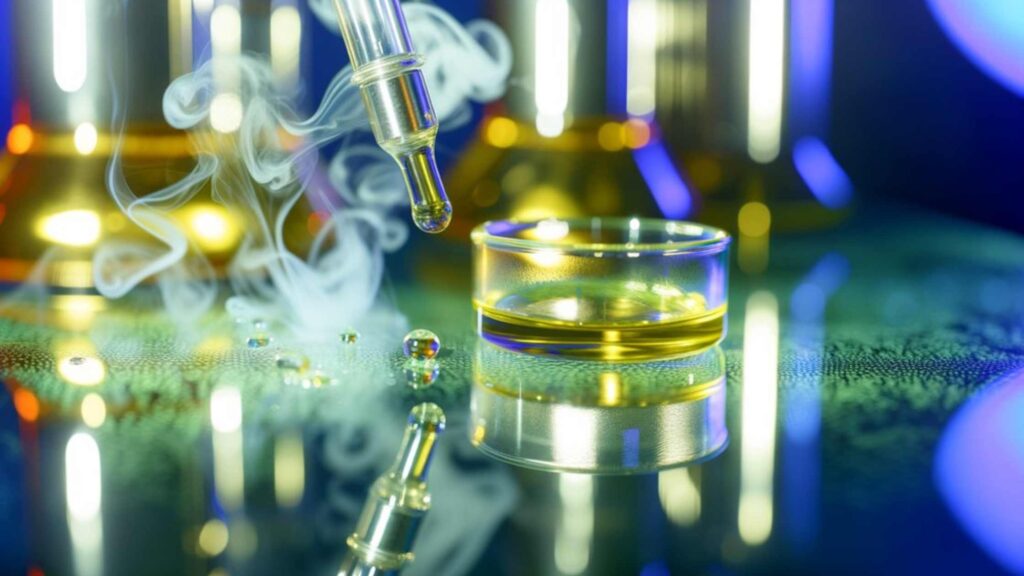
Kentucky-grown hemp is only the starting point. What matters next is how the plant becomes an extract, how the profile is preserved, and whether the final oil is supported by clear testing.
Kentucky-Grown
Real agricultural origin and traceability matter before extraction even begins.
Founder-Led Since 2014
Bill Polyniak’s approach was built around family standards, not trend chasing.
Full-Spectrum Focus
The goal is a meaningful profile, not just a stripped-down commodity ingredient.
Batch-Tested Transparency
Potency, contaminants, and documentation should be visible and current.
What Cannabis Extraction Actually Does
Cannabis extraction is the step that separates the plant from the finished oil. It determines which cannabinoids, aromatic compounds, waxes, pigments, and other plant components make it into the extract. In practical terms, extraction influences what the oil looks like, how it tastes, how complete the profile feels, and how much refinement is required before the product reaches the bottle.
It Shapes the Profile
Different methods pull different combinations of cannabinoids and volatile compounds. That matters because a full-spectrum product is more than CBD alone. It is the overall identity of the extract that reaches the finished bottle.
It Affects Taste and Texture
Flavor is one of the easiest ways consumers notice extraction differences. Some oils taste darker and more earthy. Others feel cleaner, smoother, or lighter.
It Changes Cleanup Needs
Some extraction systems are built for broad compound capture. Others are more selective. The more cleanup or rebuilding required, the more important it becomes to ask what was preserved and what was lost.
Three Major Extraction Approaches Buyers Should Understand
No serious extraction conversation should start with a universal winner. Different methods are built around different priorities. The smarter question is what kind of extract a method tends to produce and whether the finished product is consistent, clean, and clearly documented.
Method 01
Ethanol Extraction
Ethanol is widely used because it is efficient and scalable. It can pull cannabinoids effectively, but depending on temperature and process conditions it may also pull more chlorophyll, waxes, and other plant compounds that require downstream cleanup.
- Often chosen for throughput and practicality
- Can create a broad initial pull from the plant
- Final quality depends heavily on handling and refinement
Method 02
CO2 Extraction
CO2 extraction is often favored for control, cleanliness, and scalability. It can produce excellent extracts when well managed, but the final profile still depends on processing parameters and what happens after the initial pull.
- Associated with controlled, repeatable processing
- Often used for clean, commercial production
- May still involve post-processing depending on the target profile
Method 03
Hydrocarbon and Oleoresin-Style Extraction
Hydrocarbon extraction is often discussed in connection with terpene-rich concentrates because it can preserve volatile aromatic compounds well when professionally controlled. In a full-spectrum context, the appeal is the possibility of a more intact plant character when the process is executed carefully and verified through testing.
- Can support a richer aromatic profile
- Often associated with fuller extract character
- Requires serious process control and residual solvent testing
Why Bluegrass Hemp Oil Emphasizes an Oleoresin Philosophy
Bluegrass Hemp Oil’s differentiation is not that every other extraction method is wrong. It is that Bill Polyniak built the brand around the idea that a finished oil should still feel connected to the flower it came from. That means preserving meaningful plant character while staying disciplined about safety, consistency, and transparency.
What That Means in Practice
- Prioritizing full-spectrum identity instead of an inflated single-number marketing claim
- Preserving a smoother, more natural flavor profile whenever possible
- Keeping the focus on batch repeatability and proof, not just process slogans
- Supporting the finished oil with readable COAs and contaminant screening
Bill’s Technical Standard
If the final oil no longer carries the character of the plant it came from, something important was lost in the process. Extraction should not erase identity. It should translate the plant into a form that remains recognizable, consistent, and safe.
That is the practical difference between a profile-first approach and a commodity-first approach. One is trying to preserve a meaningful extract. The other may only be trying to hit a number.
Side-by-Side: How to Evaluate Extraction Methods as a Buyer
The smartest way to compare extraction methods is to focus on what you, as the buyer, can actually verify and experience. Look at the finished oil, the company’s documentation, and the consistency of the product story from field to bottle.
| What to Compare | Ethanol | CO2 | Hydrocarbon / Oleoresin-Style |
|---|---|---|---|
| What it often prioritizes | Efficiency, broad compound pull, scale | Control, clean processing, repeatability | Profile preservation, aromatic character, fuller extract identity |
| What shoppers may notice | Darker, more earthy or grassy notes depending on refinement | Clean and consistent presentation | Richer aroma, smoother profile, more pronounced plant character |
| Potential tradeoff | May require more cleanup depending on process temperature and selectivity | Profile can depend heavily on settings and post-processing choices | Requires strong process control and clear residual solvent testing |
| What you should verify | Current COA, potency, contaminants, lot matching | Current COA, potency, contaminants, lot matching | Current COA, potency, contaminants, lot matching, residual solvents where relevant |
The method alone does not guarantee quality. The final product still depends on sourcing, execution, formulation, storage, and documentation.
Safety Matters as Much as Preservation
A quality extraction guide should never stop at romance or flavor. The finished oil should be supported by third-party testing and clear quality documentation. That is what turns a process story into something buyers can actually trust.
Potency and Cannabinoid Profile
Start by checking whether the CBD amount on the label aligns with the laboratory result. Then look beyond CBD alone. A true full-spectrum claim becomes more meaningful when minor cannabinoids and overall profile data are visible.
Contaminant Screening
Quality is not just potency. A serious CBD product should be supported by testing for heavy metals, pesticides, microbial contamination, and residual solvents where relevant to the extraction method.
Batch Matching and Transparency
A COA only helps the buyer if it matches the bottle in hand. Look for a current date, an outside lab, and a batch or lot number that clearly connects the report to the finished product.
Frequently Asked Questions About Cannabis Extraction
What is cannabis extraction?
Cannabis extraction is the process of separating cannabinoids, terpenes, and other plant compounds from hemp or cannabis flower to create concentrated oils and related products.
Why does extraction matter in CBD oil?
Extraction affects flavor, texture, cannabinoid profile, aromatic character, and how much refinement is needed before the final oil reaches the bottle.
Is one extraction method always best?
No. Different methods are built around different priorities. The most important question is whether the finished product is well executed, clearly documented, and aligned with the profile the buyer wants.
What does oleoresin mean in this context?
Oleoresin refers to a resin-rich extract that carries cannabinoids and other plant compounds in a fuller, more intact form. In practical terms, it is often discussed as a way to preserve more of the plant’s original character.
How do I know if an extract is clean?
Look for a current third-party COA, contaminant screening, lot matching, and a company that makes lab documentation easy to find before purchase.
Where should I go next?
Read the CBD Quality Guide for the broader buying framework, or visit Genesis Blend Full Spectrum CBD Oil if you want the product connected to this process philosophy.
Final Call to Action
Explore the Extract Behind the Philosophy
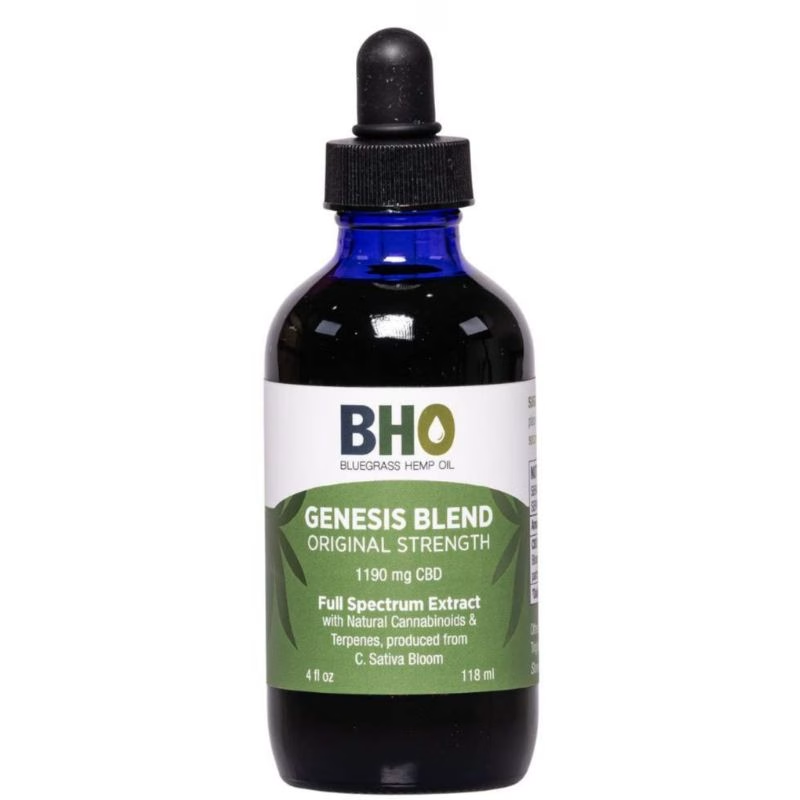
Genesis Blend brings the extraction story into focus: Kentucky-grown sourcing, founder-led standards, a full-spectrum profile designed for daily use, and documentation that helps the customer verify what is in the bottle.
Also continue your research with Science and Quality, Types of CBD, and the CBD Product Guide.