CBDA Usage Guide: Product Types, Labels, COAs, THC, and Safety

CBDA Usage Guide: Product Types, Labels, COAs, THC, and Safety

CBDA product education

CBDA Usage Guide: Product Types, Labels, COAs, THC, and Safety

CBDA stands for cannabidiolic acid. It is the raw acidic precursor to CBD found in hemp. A safe CBDA usage guide should not promise medical outcomes or provide one-size-fits-all dosing. Instead, it should help adults understand CBDA product types, serving labels, THC content, Certificates of Analysis, lab testing, drug-testing concerns, and questions to discuss with a licensed healthcare professional.

By Bluegrass Hemp Oil Editorial Team | Last updated May 20, 2026

This article is provided for educational purposes only and is not medical advice. Bluegrass Hemp Oil products are not intended to diagnose, treat, cure, or prevent disease.

Safety note: CBDA and CBD products are not intended to diagnose, treat, cure, or prevent disease. Full-spectrum hemp products may contain trace THC. CBD and CBDA products may not be appropriate for everyone, especially people taking medication, people with liver concerns, people who are pregnant or nursing, and people subject to drug testing.

What Does CBDA Usage Mean?

CBDA usage refers to how shoppers evaluate and use hemp products that contain cannabidiolic acid. This includes understanding the product format, serving label, cannabinoid profile, THC content, batch-specific Certificate of Analysis, lab-testing information, ingredients, and safety cautions.

CBDA usage is not a medical treatment protocol, a dosing prescription, or a recommendation for symptoms. It is product-evaluation guidance for adults who want to understand what is on a label before deciding whether a CBDA product fits their needs and safety considerations.

Start with the foundation

CBDA is easier to evaluate when you understand what cannabidiolic acid is and how it compares with CBD. Use these supporting resources to build context before comparing product labels.

CBDA Product Types: Oils, Capsules, Topicals, and Raw Hemp Extracts

CBDA can appear in several hemp product formats. No single product type is best for every person. Product selection should be based on label clarity, COAs, THC content, ingredients, extract type, and safety considerations.

Product Type What to Know
Raw CBDA oil May preserve more acidic cannabinoids such as CBDA when made with lower-heat processing.
CBD + CBDA oil May contain both decarboxylated CBD and raw CBDA. Review the COA to confirm the cannabinoid profile.
Capsules May offer a pre-measured serving format. Users should still review the label, cannabinoid content, THC content, and COA.
Topicals Intended for external use only. Product descriptions should not be treated as medical skin-condition claims.
Full-spectrum raw hemp extract May contain multiple cannabinoids, terpenes, and trace THC. Review the label and COA carefully.
Broad-spectrum or products labeled as non-detect THC Still require COA review because label claims should be verified by product-specific testing.

How to Read a CBDA Serving Label

A CBDA serving label may show the amount of hemp extract, CBD, CBDA, other cannabinoids, serving size, ingredients, THC content, warnings, batch information, and product-use directions. Because individual needs vary and CBD may interact with medications, users should follow the product label and discuss cannabinoid use with a licensed healthcare professional when appropriate.

✓ CBDA amount
✓ CBD amount
✓ Serving size
✓ Total hemp extract amount
✓ THC content
✓ Extract type
✓ Ingredient list
✓ Warning language
✓ Product-use directions
✓ Batch number
✓ COA reference
✓ Storage instructions

This page does not provide exact CBDA dosage instructions, dosing by body weight, dosing by condition, timing promises, child-use instructions, or medical-use protocols.

For deeper label help, read the CBD product label guide.

What a CBDA Certificate of Analysis Should Show

A Certificate of Analysis, often called a COA, supports product transparency by showing product-specific testing details. A COA does not prove that a CBDA product treats symptoms, works for a medical condition, or is appropriate for every person.

COA Item Why It Matters
CBDA amount Confirms whether the product actually contains CBDA.
CBD amount Shows whether CBD and CBDA are both present.
THC content Full-spectrum products may contain trace THC.
Batch number Should match the product label or packaging.
Testing date Shows when the product was tested.
Lab name Supports traceability and product-specific review.
Contaminant testing Pesticides, heavy metals, solvents, microbes, and fungi may matter.
Units of measurement Helps users compare label claims to lab results.

CBDA, THC, and Drug Testing

CBDA itself is not THC and is considered non-intoxicating. However, full-spectrum raw hemp products may contain trace THC. Hemp-derived does not automatically mean THC-free, and drug-testing risk is related to THC content in the product.

People subject to workplace, athletic, professional, licensing, legal, probation, or other drug testing should review the product label and Certificate of Analysis carefully. COAs support transparency, but they cannot promise a specific drug-test outcome.

CBD and THC

Review how CBD and THC differ before choosing a full-spectrum hemp product.

Understand the difference between CBD and THC

Full-Spectrum CBD

Full-spectrum products may include multiple cannabinoids and trace THC.

Understand full-spectrum CBD products

Drug Testing

Drug-testing concerns should be evaluated before using hemp-derived products.

Learn whether CBD can matter for drug testing

CBDA Safety and Medication Questions

CBDA safety research is still developing. Because CBDA products often appear in hemp extracts that may also contain CBD, THC, terpenes, and other cannabinoids, users should consider medication use, liver concerns, drowsiness risk, pregnancy or nursing status, side effects, and drug-testing concerns before use.

Talk with a licensed healthcare professional first if you take prescription medications, over-the-counter medicines, herbs, supplements, sedatives, sleep aids, blood thinners, seizure medications, liver-affecting drugs, or if you are pregnant, nursing, managing a medical condition, or subject to drug testing.

For more safety context, review CBD medication interaction guidance.

What Early CBDA Research Is Studying

CBDA research is still developing. Early studies may explore cannabinoid acids, decarboxylation, raw hemp profiles, absorption, and possible biological pathways, but this is not proof that retail CBDA products diagnose, treat, cure, or prevent disease.

Research Area Safer Explanation
Acidic cannabinoids Researchers are studying how acidic cannabinoids differ from neutral cannabinoids.
Decarboxylation Research examines how CBDA converts into CBD through heat, time, and processing.
Raw hemp profiles Lower-heat processing may preserve more CBDA and other plant compounds.
Absorption Some research explores how CBDA behaves differently than CBD.
Biological pathways Early studies explore possible pathways, but this is not proof that retail CBDA products treat disease.

CBDA Near Me: What to Check Before Buying CBDA Oil

When searching for CBDA near me or CBDA oil for sale, focus on product transparency rather than medical promises. Review the product label, CBDA amount, CBD amount, THC content, batch-specific Certificate of Analysis, lab-testing date, contaminant testing, ingredients, and safety language.

✓ Clear product label
✓ CBDA amount listed
✓ CBD amount listed
✓ THC content available
✓ Batch-specific COA
✓ Lab-testing date
✓ Contaminant testing details
✓ Ingredient list
✓ Extract type
✓ Safety warnings
✓ Customer support contact
✓ No disease claims

For product-specific questions, contact Bluegrass Hemp Oil with product-label questions.

Where Bluegrass Hemp Oil Product Information Fits

Bluegrass Hemp Oil can help customers review product labels, cannabinoid content, THC content, Certificates of Analysis, lab-testing information, ingredients, extract type, serving information, and product-quality questions. Product transparency does not mean a product diagnoses, treats, cures, or prevents disease.

Product links should stay in neutral product-quality, product-type, label, COA, lab-testing, extract-type, cannabinoid-profile, THC-content, or product-transparency contexts. They should not be connected to symptom, disease, treatment, or relief language.

Related CBDA and Product Transparency Resources

Full CBDA Guide

Learn what CBDA is, how cannabidiolic acid differs from CBD, and why raw hemp oil may preserve acidic cannabinoids.

Read the full CBDA guide

CBD vs CBDA

Compare CBD and CBDA, including decarboxylation, raw hemp oil, product labels, and safety considerations.

Compare CBD and CBDA

Certificates of Analysis

Review product-specific cannabinoid content, THC levels, batch information, and available testing details.

View Bluegrass Hemp Oil Certificates of Analysis

CBD Lab Testing

Learn what lab testing can show about cannabinoids, THC, and product transparency.

Learn about CBD lab testing

CBD Product Labels

Learn how to review CBD amount, CBDA content, THC content, ingredients, and warning language.

Read the CBD product label guide

CBD Oil Formats

Compare common hemp product formats before choosing a routine that fits your label-review needs.

Compare CBD oil, gummies, and capsules

Frequently Asked Questions About CBDA Usage

What is CBDA usage?

CBDA usage refers to how shoppers evaluate and use hemp products that contain cannabidiolic acid, including product format, serving label, THC content, Certificate of Analysis, lab testing, and safety cautions.

How do you use CBDA oil?

Follow the product label and review the Certificate of Analysis before use. People taking medication, pregnant or nursing users, people with medical conditions, and people subject to drug testing should speak with a licensed healthcare professional.

What is the best CBDA dosage?

There is no one-size-fits-all CBDA dosage for retail products. This page does not provide medical dosing advice. Review the product label and speak with a healthcare professional.

What should a CBDA label show?

A CBDA label should clearly show serving information, ingredients, extract type, cannabinoid content, THC content, warnings, and batch information.

What should a CBDA COA show?

A CBDA Certificate of Analysis should show CBDA amount, CBD amount, THC content, batch number, testing date, lab information, and available contaminant testing.

Does CBDA make you high?

CBDA itself is considered non-intoxicating. Full-spectrum hemp products may contain trace THC, so labels and Certificates of Analysis should be reviewed.

Can CBDA show up on a drug test?

Standard drug tests usually look for THC metabolites, not CBDA. The risk comes from THC content in the product, especially full-spectrum hemp products.

Can CBDA and CBD be in the same product?

Yes. Some raw or full-spectrum hemp extracts may contain both CBDA and CBD.

Is CBDA safe with medications?

CBD may interact with medications, and CBDA products often appear in hemp extracts that contain CBD and other cannabinoids. People taking medications should speak with a licensed healthcare professional.

Are CBDA products FDA-approved?

Retail CBDA products are not FDA-approved to diagnose, treat, cure, or prevent disease.

Where can I find CBDA near me?

When searching for CBDA near you, focus on product transparency. Review the label, CBDA amount, CBD amount, THC content, Certificate of Analysis, lab-testing date, ingredients, and safety language.

What should I check before buying CBDA oil?

Check the CBDA amount, CBD amount, THC content, serving label, extract type, ingredient list, batch-specific Certificate of Analysis, lab-testing date, contaminant testing, and warning language.

Editorial Notes and Sources

This article is educational and does not provide medical advice, dosing instructions, child-use guidance, inhalation guidance, or treatment protocols. It is designed to help adults evaluate CBDA product labels, COAs, lab testing, THC content, and safety questions.

CBD vs CBDA: Key Differences, Decarboxylation, Raw Hemp Oil, and Safety.

CBD vs CBDA: Key Differences, Decarboxylation, Raw Hemp Oil, and Safety.

Cannabinoid comparison guide

CBD vs CBDA • Decarboxylation • Raw hemp oil • COAs • Safety questions

CBD vs CBDA: Cannabinoid Comparison, Decarboxylation, Raw Hemp Oil & Safety

CBD and CBDA are related hemp cannabinoids, but they are not the same. CBD stands for cannabidiol. CBDA stands for cannabidiolic acid, the raw acidic precursor that can convert into CBD through decarboxylation.

Important safety note: CBD and CBDA products are not intended to diagnose, treat, cure, or prevent disease. Hemp-derived products may cause side effects, may interact with medications, and may not be appropriate for everyone. Talk with a qualified healthcare professional before using CBD or CBDA if you take medication, have liver concerns, are pregnant or nursing, are subject to drug testing, or manage a medical condition.

Author and trust context

About This CBD vs CBDA Guide

This guide is built for shoppers and readers who want a clear cannabinoid comparison without medical overpromising. It explains definitions, decarboxylation, raw hemp oil, product labels, COAs, THC considerations, and safety questions.

Bluegrass Hemp Oil’s education approach is connected to Bill Polyniak’s hemp education background. Bill is the founder of Bluegrass Hemp Oil and Kentucky Cannabis Company. His public profile emphasizes Kentucky hemp, full-spectrum CBD education, label clarity, COA review, and product transparency. Bill is not presented here as a doctor, pharmacist, or medical professional.

How to Use This Page

  • Use it to compare CBD, CBDA, and raw hemp oil terms.
  • Use COAs to confirm the cannabinoid profile of a specific product or batch.
  • Use healthcare-professional guidance for medical, medication, pregnancy, nursing, or drug-testing questions.

Quick answer

What Is the Difference Between CBD and CBDA?

CBD is cannabidiol, while CBDA is cannabidiolic acid. CBDA is the acidic cannabinoid found in raw hemp that can convert into CBD when exposed to heat, time, light, or certain processing conditions. CBD and CBDA are considered non-intoxicating by themselves, but the finished product still matters because full-spectrum hemp products may contain trace THC.

The safest way to compare CBD and CBDA products is by reviewing the product label, serving information, cannabinoid profile, THC content, batch-specific Certificate of Analysis, lab-testing date, and safety warnings.

Cannabinoid comparison

CBD vs CBDA: Key Differences at a Glance

This comparison keeps the focus on chemistry, product format, and product verification. It does not present either cannabinoid as a treatment or outcome-based ingredient.

Topic CBDA CBD
Full name Cannabidiolic acid. Cannabidiol.
Plant form Raw acidic cannabinoid found in hemp plant material. Neutral cannabinoid that can form when CBDA decarboxylates.
Relationship Precursor to CBD. Can be produced when CBDA loses a carboxyl group.
Processing sensitivity More likely to be preserved in raw or lower-heat hemp extracts. More common in products made with heated, aged, or decarboxylated extracts.
Intoxication CBDA itself is considered non-intoxicating. CBD itself is considered non-intoxicating.
THC consideration Product-dependent. Full-spectrum raw hemp products may contain trace THC. Product-dependent. Full-spectrum CBD products may contain trace THC.
Common product language Raw hemp oil, raw hemp extract, CBDA extract, acidic cannabinoid profile. CBD oil, CBD gummies, CBD capsules, CBD topicals, full-spectrum CBD.
What to verify CBDA amount, CBD amount, THC content, batch number, lab-testing date, and contaminant screens when available. CBD amount, THC content, extract type, serving size, batch number, lab-testing date, and contaminant screens when available.

CBD definition

What Is CBD?

CBD, or cannabidiol, is a cannabinoid found in hemp and cannabis plants. CBD is not the same as THC, and CBD itself is considered non-intoxicating. Finished CBD products should still be evaluated by label clarity, THC content, extract type, batch-specific COAs, and safety warnings.

For a broader beginner guide, compare what cannabidiol is and how CBD products compare.

CBDA definition

What Is CBDA?

CBDA, or cannabidiolic acid, is the acidic precursor to CBD. It is associated with raw hemp and may appear in products designed to preserve more of the raw cannabinoid profile.

For a definition-first article, review the full guide to what CBDA is.

Processing and chemistry

How CBDA Becomes CBD Through Decarboxylation

Decarboxylation is the process that changes an acidic cannabinoid into a neutral cannabinoid. In this case, CBDA can convert into CBD. Heat is the most familiar driver, but time, light, storage, and processing conditions can also affect cannabinoid profiles.

1

Raw hemp

Fresh or minimally processed hemp may contain more acidic cannabinoids, including CBDA.

2

Exposure

Heat, light, time, and processing conditions can influence cannabinoid conversion.

3

Conversion

As CBDA decarboxylates, CBD may appear in higher amounts on a cannabinoid profile.

4

Verification

A batch-specific COA is the best way to confirm actual CBD, CBDA, and THC levels.

For product-quality context, review CBD lab testing and certificates of analysis and CBD extraction methods explained.

Raw hemp oil education

What Does Raw Hemp Oil Mean in a CBD vs CBDA Comparison?

Raw hemp oil usually refers to hemp extract processed in a way that may preserve more acidic cannabinoids, including CBDA. That does not automatically make a raw hemp product better. It means shoppers should verify what the finished product contains.

Check CBDA amount

Look for CBDA on the cannabinoid profile instead of assuming the product contains it.

Check CBD amount

Many products contain both CBD and CBDA in different amounts depending on processing.

Check THC amount

Full-spectrum products may contain trace THC, which matters for THC sensitivity and drug-testing concerns.

YMYL-safe research context

How to Read CBD and CBDA Research Language Carefully

CBD and CBDA research is active, but research interest is not the same as a finished product claim. Laboratory, animal, formulation, or early human research should not be used to suggest that retail CBD or CBDA products produce health outcomes.

Instead of Saying Use This Safer Education Framing
CBDA has body-response properties that change symptoms. Researchers study how acidic cannabinoids such as CBDA differ from neutral cannabinoids such as CBD.
CBDA produces specific wellness outcomes. CBDA appears in raw hemp profiles, and shoppers can verify its amount through a COA.
CBD or CBDA is better for a condition. CBD and CBDA are different cannabinoids, and product choice should be based on labels, COAs, THC content, ingredients, and safety needs.
Research proves a retail hemp product works. Research can explain scientific interest, but retail product pages should not make disease or symptom claims.

Hemp profile education

Where Full-Spectrum Hemp Fits Into CBD vs CBDA

Full-spectrum hemp extract may contain CBD, CBDA, other cannabinoids, terpenes, and legally compliant trace THC. The exact profile depends on the hemp material, extraction method, processing conditions, storage, and the specific batch.

Use product-specific COAs to compare full-spectrum CBD explained, what cannabinoids are in hemp products, terpenes in hemp products, and the entourage effect in full-spectrum CBD as educational concepts.

Product verification

What Should a CBD or CBDA COA Show?

A Certificate of Analysis helps customers verify what is in a specific product or batch. It should be used alongside the product label, not instead of it.

COA Item Why It Matters
Batch number Matches the report to the product being reviewed.
CBD amount Verifies cannabidiol content for that batch.
CBDA amount Shows whether cannabidiolic acid is present and in what amount.
THC content Important for full-spectrum products, THC sensitivity, and drug-testing concerns.
Other cannabinoids Shows the broader hemp profile when included.
Testing date Helps confirm whether the report is current.
Lab identity Shows who performed the test.
Contaminant screens When available, check pesticides, heavy metals, residual solvents, microbials, and related quality screens.

Use Certificates of Analysis for Bluegrass Hemp Oil products together with how to read a CBD product label.

Label checklist

What Should I Check Before Buying CBD or CBDA?

  1. Confirm total CBD amount.
  2. Confirm CBDA amount if the product claims a raw or acidic cannabinoid profile.
  3. Check CBD or CBDA per serving.
  4. Review THC content and extract type.
  5. Match the product to a batch-specific COA.
  6. Review ingredients, carrier oils, flavorings, and allergens.
  7. Read serving directions and safety warnings.
  8. Contact the company with product-label questions.

Red flags

CBD vs CBDA Marketing Language to Question

  • Claims that one cannabinoid is automatically better for health outcomes.
  • Symptom-focused wording that sounds like a finished product promise.
  • Missing COAs, missing batch numbers, or unclear THC information.
  • Unsupported “strongest” language without product-specific lab data.
  • Product pages that do not include safety or medication guidance.

Safety and healthcare guidance

CBD and CBDA Safety Questions

CBD and CBDA product decisions should account for medications, liver concerns, pregnancy, nursing, age, medical conditions, THC exposure, and drug-testing needs. This page is educational and does not provide dosing, diagnosis, or medical guidance.

Medication questions

CBD may interact with some medications. Discuss CBD or CBDA with a qualified healthcare professional if you use prescription or over-the-counter medications.

Review CBD medication interaction considerations.

Drug-testing questions

Drug-testing concerns usually relate to THC exposure. Full-spectrum products may contain trace THC, so review the label and COA before use.

Review whether CBD can matter for drug testing.

Bluegrass Hemp Oil transparency

How Bluegrass Hemp Oil Customers Can Compare CBD and CBDA Products

Bluegrass Hemp Oil product education should stay focused on verifiable details: cannabinoid profile, CBD amount, CBDA amount when present, THC content, serving information, ingredients, lab testing, COAs, product standards, and customer support.

Founder context

Bill Polyniak’s Hemp Education Background

Bill Polyniak’s hemp education background supports the trust context for this page. His founder profile connects Bluegrass Hemp Oil and Kentucky Cannabis Company with Kentucky hemp history, full-spectrum hemp education, transparent product quality, COA review, label education, and responsible safety language.

For CBD vs CBDA content, that experience is best used to help readers ask better product-quality questions. It should not be used to suggest that CBD or CBDA products diagnose, treat, cure, or prevent disease.

Bill’s Label-First Message

Understand the cannabinoid profile, review the product label, confirm THC information, check the COA, and keep health questions with a qualified healthcare professional.

Voice-search FAQ

CBD vs CBDA FAQ

What is the difference between CBD and CBDA?

CBD is cannabidiol. CBDA is cannabidiolic acid. CBDA is the raw acidic precursor that can convert into CBD through decarboxylation.

Is CBDA the same as CBD?

No. CBDA and CBD are related cannabinoids, but they are not the same. CBDA is the acidic precursor to CBD.

Does CBDA turn into CBD?

Yes. CBDA can convert into CBD through decarboxylation, which may happen through heat, light, time, storage, or certain processing conditions.

Does CBD or CBDA get you high?

CBD and CBDA themselves are considered non-intoxicating. Full-spectrum hemp products may still contain trace THC, so shoppers should review labels and COAs.

Is CBDA better than CBD?

Not automatically. CBD and CBDA are different cannabinoids. Product quality, cannabinoid profile, THC content, ingredients, COAs, and safety considerations matter more than hype.

Can CBD and CBDA be in the same product?

Yes. Some full-spectrum or raw hemp extracts may contain both CBD and CBDA. A COA can confirm the actual amounts.

What should a CBD or CBDA COA show?

A COA should show batch identity, CBD amount, CBDA amount if present, THC content, testing date, lab identity, and available contaminant screens.

Can CBD or CBDA interact with medications?

CBD may interact with medications. People taking prescription or over-the-counter medications should talk with a qualified healthcare professional before using CBD, CBDA, or hemp-derived products.

Can CBDA show up on a drug test?

Standard drug-testing concerns usually relate to THC exposure rather than CBDA alone. Full-spectrum hemp products may contain trace THC, so review the product label and COA.

Are retail CBD or CBDA products FDA-approved?

Retail CBD and CBDA products should not be described as FDA-approved unless that specific product is approved. They should not be presented as substitutes for prescription medication or medical care.

Glossary

CBD vs CBDA Glossary

Term Plain-English Explanation
CBD Cannabidiol, a non-intoxicating cannabinoid found in hemp and cannabis.
CBDA Cannabidiolic acid, the raw acidic precursor to CBD.
Decarboxylation The process that can convert acidic cannabinoids such as CBDA into neutral cannabinoids such as CBD.
Raw hemp oil Hemp extract processed in a way that may preserve more acidic cannabinoids.
Full-spectrum hemp extract Hemp extract that may contain CBD, CBDA, other cannabinoids, terpenes, and legally compliant trace THC.
THC The cannabinoid most associated with cannabis intoxication and a key drug-testing consideration.
COA Certificate of Analysis, a lab report used to verify product contents for a specific batch.
Cannabinoid profile The list and amounts of cannabinoids reported on a lab test.
Batch number A code used to match a product to its lab report.
Medication interaction A safety question involving how CBD may affect, or be affected by, medications.

What to read next

Continue Learning About CBD, CBDA, and Product Transparency

Sources and safety context

Sources and Further Reading

This article is educational and is not a substitute for medical advice, diagnosis, or care. Use the sources below for safety and regulatory context, and use batch-specific product documents for product-specific verification.


Genesis Blend CBD Oil: Full-Spectrum Kentucky Hemp, Labels, COAs, and Strengths

Genesis Blend full-spectrum CBD oil bottle and product label

Bluegrass Hemp Oil Product Pillar

Genesis Blend CBD Oil: Full-Spectrum Kentucky Hemp, Labels, COAs, and Strengths

Genesis Blend is Bluegrass Hemp Oil’s signature full-spectrum CBD oil line, made with Kentucky-grown hemp and available in multiple strengths, bottle sizes, and flavors. Before choosing a CBD oil, review the product label, CBD amount per serving, THC content, ingredients, Certificates of Analysis, lab-testing information, and safety cautions.

Important product safety note: Bluegrass Hemp Oil products are not intended to diagnose, treat, cure, or prevent pain, anxiety, sleep problems, inflammation, stress, seizures, arthritis, depression, migraines, or any disease. CBD may interact with medications and may not be appropriate for everyone. Full-spectrum CBD products may contain trace THC. Speak with a licensed healthcare professional before using CBD if you take medication, are pregnant or nursing, have a medical condition, or are subject to drug testing.

What Is Genesis Blend CBD Oil?

Quick answer: Genesis Blend CBD Oil is Bluegrass Hemp Oil’s signature full-spectrum hemp extract line. It is best compared by hemp source, extract type, CBD amount, product strength, flavor, bottle size, ingredients, THC content, label directions, Certificate of Analysis, and lab-testing information.

Product Format

Genesis Blend is a liquid CBD oil format. Adults can compare bottle size, serving label, total CBD, flavor, ingredients, and label directions before choosing an option.

Full-Spectrum Hemp Extract

The line is positioned as full-spectrum CBD oil, meaning it may include CBD along with other naturally occurring hemp compounds and trace THC.

Transparency Checks

Product labels, batch numbers, COAs, and lab-testing information help adults review what is in a bottle before they choose a hemp-derived CBD product.

View Genesis Blend CBD Oil product options

Compare Genesis Blend CBD Oil Product Options

This comparison focuses on product attributes such as bottle size, CBD amount, flavor, extract type, THC information, and COA review. It is not a symptom-matching chart.

Product Detail
What to Review
Genesis Blend Original Strength 1 oz
1 oz bottle with 300 mg total CBD and about 10 mg CBD per ml. Review the current label and COA before choosing.
Genesis Blend Original Strength 4 oz
4 oz bottle in the original-strength line. Review the current product page for total CBD, flavor, ingredients, and label details.
Genesis Blend Extra Strength 2 oz
2 oz bottle with 1475 mg total CBD and about 25 mg CBD per ml. Compare concentration, serving label, and COA.
Genesis Blend Extra Strength 4 oz
4 oz bottle with 2950 mg total CBD. Compare total CBD, CBD per ml, THC content, and product directions.
Flavor options
Current indexed options include Original, Black Cherry, Coffee, Bubblegum, and Vanilla Wafer. Treat flavor as a preference choice, not an effect claim.
Extract type
Genesis Blend is positioned as a full-spectrum CBD oil line. Full-spectrum CBD products may contain trace THC.
THC review
Use the batch-specific Certificate of Analysis to review product-specific THC information.

What Full-Spectrum CBD Means

Is Genesis Blend full-spectrum CBD oil? Genesis Blend is positioned as a full-spectrum CBD oil line. Full-spectrum CBD products contain CBD along with other naturally occurring hemp compounds and may contain trace THC. Full-spectrum does not mean THC-free, and it does not prove that a product is more effective for a medical condition.

THC and drug-testing caution

Hemp-derived does not automatically mean THC-free. People subject to workplace, athletic, professional, licensing, probation, or other testing should review product labels and COAs carefully before choosing full-spectrum CBD.

What to Check Before Choosing Genesis Blend CBD Oil

A responsible Genesis Blend comparison starts with the label, cannabinoid content, THC information, ingredients, COA, lab testing, and safety cautions.

What to Check
Why It Matters
CBD amount per serving
Helps adults compare strength options without guessing.
Total CBD per bottle
Helps compare bottle size, concentration, and value.
THC content
Full-spectrum CBD may contain trace THC, so review the COA carefully.
Product flavor
Helps compare preference options, not expected effects.
Ingredients
Helps identify carrier oils, flavorings, or possible allergens.
Product directions
Helps users follow the label rather than informal advice.
Batch number
Should match the Certificate of Analysis.
Certificate of Analysis
Supports cannabinoid, THC, batch, and available testing transparency.
Lab-testing date
Helps confirm product-specific testing context.
Warning language
Responsible CBD product pages include safety cautions and limitations.

Kentucky-Grown Hemp and the Genesis Blend Story

Genesis Blend can be understood through Bluegrass Hemp Oil’s Kentucky hemp roots, family-founded brand story, product transparency, lab testing, Certificates of Analysis, product labels, THC information, and customer support.

The word “Genesis” is part of the product line’s brand story, while “Blend” points to the full-spectrum hemp extract format. Brand history is most useful when paired with current product labels, current COAs, and clear product details.

Customer Reviews, Service, and Product Education

Customer reviews can help shoppers understand service, ordering experience, store support, product selection, flavor preference, and customer education. For CBD products, product labels, COAs, and professional healthcare guidance are more appropriate for safety questions than customer anecdotes.

Customer Service

Look for comments about staff responsiveness, product-label support, and help finding product information.

Shopping Experience

Reviews may help compare ordering, shipping, local store experience, and product availability.

Flavor Preference

Flavor comments can help adults compare taste preferences without treating flavor as an effectiveness claim.

Product Transparency

Reviews can point you toward support resources, but COAs and labels should be reviewed directly.

CBD Safety and Medication Cautions

Can CBD interact with medications? Yes. CBD may interact with medications and may not be appropriate for everyone. Speak with a licensed healthcare professional before using CBD if you take prescription medication, over-the-counter medication, herbs, supplements, sedatives, sleep aids, blood thinners, seizure medications, liver-affecting drugs, or other products.

  • CBD may cause drowsiness in some people.
  • CBD may not be appropriate during pregnancy or breastfeeding.
  • CBD may not be appropriate for people with liver concerns.
  • Full-spectrum CBD products may contain trace THC.
  • Do not stop, reduce, replace, or combine medications with CBD without medical guidance.

Review CBD medication interaction guidance

How to Use Product Details on This Page

The product links on this page are intended to help adults review Genesis Blend bottle sizes, strengths, flavors, CBD amount, THC content, ingredients, product labels, Certificates of Analysis, lab-testing information, and customer support options.

Helpful Comparison Points

Compare product options, strengths, flavors, bottle sizes, label information, COA details, lab-testing information, ingredients, and product-format details.

Safety Context

Product details can support informed shopping, but they are not medical advice and do not prove that a CBD product is appropriate for any condition or individual.

Bluegrass Hemp Oil’s Approach to Genesis Blend Transparency

Bluegrass Hemp Oil focuses on CBD education, Kentucky-grown hemp, product transparency, lab testing, Certificates of Analysis, product labels, THC information, and customer support. These resources help adults review Genesis Blend CBD Oil product details before choosing hemp-derived CBD products.

CBD Lab Testing

Understand what lab testing can show about cannabinoid content, THC levels, and product transparency.

Learn about CBD lab testing

CBD Product Labels

Review CBD amount, THC content, ingredients, directions, and warning language before choosing CBD products.

Read the CBD product label guide

Related Genesis Blend and CBD Oil Resources

Genesis Blend CBD Oil FAQ

What is Genesis Blend CBD Oil?

Genesis Blend CBD Oil is Bluegrass Hemp Oil’s signature full-spectrum hemp extract line. Before choosing a product, review the label, CBD amount, THC content, ingredients, Certificate of Analysis, and lab-testing information.

Is Genesis Blend full-spectrum CBD oil?

Yes. Genesis Blend is positioned as a full-spectrum CBD oil line. Full-spectrum CBD products may contain trace THC, so review the product label and batch-specific COA.

Can Genesis Blend CBD Oil contain THC?

Full-spectrum CBD products may contain trace THC. Review the product label and Certificate of Analysis for product-specific THC information.

What strengths does Genesis Blend CBD Oil come in?

Current indexed product information includes original-strength options such as 1 oz / 300 mg and extra-strength options such as 2 oz / 1475 mg and 4 oz / 2950 mg. Confirm the current strength, bottle size, and serving label on the product page before ordering.

What flavors does Genesis Blend CBD Oil come in?

Current indexed flavor options include Original, Black Cherry, Coffee, Bubblegum, and Vanilla Wafer. Flavors should be compared as preference options, not effect options.

Can Genesis Blend CBD Oil help with pain, anxiety, or sleep?

Bluegrass Hemp Oil products are not intended to diagnose, treat, cure, or prevent pain, anxiety, sleep problems, inflammation, stress, seizures, arthritis, depression, migraines, or any disease.

Can CBD interact with medications?

Yes. CBD may interact with medications and may not be appropriate for everyone. Speak with a licensed healthcare professional before using CBD if you take medication or have a medical condition.

Why do COAs matter for Genesis Blend CBD Oil?

Certificates of Analysis help customers review cannabinoid content, THC levels, batch information, and available testing details. They support transparency but do not prove medical effectiveness.

Can Genesis Blend CBD Oil affect a drug test?

Full-spectrum CBD may contain trace THC. People subject to workplace, athletic, professional, licensing, probation, or other testing should review labels and COAs carefully and consider professional guidance.

How should adults compare Genesis Blend CBD Oil options?

Compare CBD amount per serving, total CBD per bottle, THC content, flavor, ingredients, label directions, batch number, Certificate of Analysis, lab-testing date, and safety cautions.

Editorial Notes and Sources

This article is provided for educational purposes and is not medical advice. It is designed to help adults understand Genesis Blend CBD Oil product options, full-spectrum hemp extract, Kentucky-grown hemp, product strengths, flavors, CBD amount, THC content, Certificates of Analysis, lab testing, medication-interaction concerns, and safety considerations before choosing hemp-derived CBD products.

Author: Bluegrass Hemp Oil Editorial Team. Medical reviewer: Not medically reviewed. Product and safety questions involving medications, pregnancy, nursing, medical conditions, liver concerns, or drug testing should be discussed with a licensed healthcare professional.

Dravet Syndrome, Epidiolex, and Retail CBD: What Families Should Know

Medical-safety education

Dravet Syndrome, Epidiolex, and Retail CBD: What Families Should Know

Dravet syndrome is a serious epilepsy syndrome that requires diagnosis, treatment, and ongoing care from qualified medical professionals. Families may hear about CBD because Epidiolex is a prescription cannabidiol medication approved for certain seizure disorders, including Dravet syndrome. Epidiolex is not the same as retail CBD oil, hemp extract, or Bluegrass Hemp Oil products.

Author: Bluegrass Hemp Oil Editorial Team
Last updated: May 20, 2026
Educational content, not medical advice
Important medical notice: This article is for educational purposes only and is not medical advice. Bluegrass Hemp Oil products are not intended to diagnose, treat, cure, or prevent Dravet syndrome, seizures, epilepsy, status epilepticus, Lennox-Gastaut syndrome, tuberous sclerosis complex, or any disease. Do not start, stop, replace, reduce, or combine seizure medications with CBD or hemp-derived products without guidance from a licensed neurologist or qualified healthcare professional.

What Is Dravet Syndrome?

Dravet syndrome is a rare developmental and epileptic encephalopathy that often begins in infancy. It can involve multiple seizure types, developmental challenges, temperature sensitivity, and emergency seizure-management planning. Families should work with a neurologist or epilepsy specialist for diagnosis, genetic testing, seizure action planning, rescue medication planning, and treatment decisions.

This page does not provide diagnosis, treatment, medication, dosing, or emergency-care guidance. It is designed to clarify a common source of confusion: the difference between FDA-approved prescription cannabidiol and retail CBD oil products.

Caregiver-first takeaway: Dravet syndrome care belongs with qualified medical professionals. Retail CBD product information should not be used to make seizure-treatment decisions.

Epidiolex Is Not the Same as Retail CBD Oil

Epidiolex is a prescription cannabidiol medication. Retail CBD oils are consumer hemp-derived products. The two should not be presented as interchangeable, and Bluegrass Hemp Oil products are not a substitute for Epidiolex, anti-seizure medications, rescue medications, emergency care, or a neurologist-directed treatment plan.

Topic Epidiolex Retail CBD Oil
Regulatory status FDA-approved prescription cannabidiol medication. Consumer hemp-derived product; not approved to treat Dravet syndrome, seizures, epilepsy, or any disease.
Use Approved for specific seizure disorders under medical supervision. Not approved for seizure treatment or pediatric epilepsy.
Dosing Prescribed and monitored by clinicians. No retail CBD dosing should be recommended for Dravet syndrome.
Testing and manufacturing Manufactured as a prescription drug. Quality varies by product; COAs support transparency only.
Monitoring Includes liver monitoring, side-effect monitoring, and drug-interaction considerations. Should not be used for seizure care without clinician guidance.

Why Retail CBD Should Not Be Marketed for Dravet Syndrome

Retail CBD products should not be marketed as treatments for Dravet syndrome, seizures, epilepsy, seizure emergencies, Lennox-Gastaut syndrome, tuberous sclerosis complex, or any disease. Even if a product has a Certificate of Analysis, that does not prove medical effectiveness.

Families managing Dravet syndrome should rely on licensed medical professionals, approved therapies, seizure action plans, rescue medications, and emergency guidance. Product quality information can support transparency, but product transparency is not the same as clinical approval.

View Bluegrass Hemp Oil Certificates of Analysis

Safety, Liver Monitoring, and Medication Interactions

Prescription cannabidiol can involve liver monitoring, side effects, and drug interactions. Families should not assume that retail CBD oil is safer, gentler, or appropriate for children with seizure disorders. Any cannabidiol-related question should be reviewed by a neurologist, pharmacist, or qualified healthcare professional who understands the person’s full medication list and medical history.

Medication interactions

Cannabidiol can raise medication-interaction questions. Anti-seizure medications should not be changed, stopped, reduced, replaced, or combined with CBD or hemp-derived products without professional guidance.

Liver monitoring

Liver-safety questions may matter with prescription cannabidiol. Families should ask the treating clinician what monitoring is appropriate for the person’s treatment plan.

Side effects

Drowsiness, appetite changes, digestive changes, sleep changes, and other side-effect questions should be discussed with a qualified healthcare professional.

Review CBD medication interaction guidance

Where Bluegrass Hemp Oil Product Information Fits

Bluegrass Hemp Oil sells retail hemp-derived CBD products. These products are not intended to diagnose, treat, cure, or prevent Dravet syndrome, seizures, epilepsy, Lennox-Gastaut syndrome, tuberous sclerosis complex, or any disease.

Product information such as labels, ingredients, cannabinoid content, THC content, and Certificates of Analysis can support transparency. It should not be interpreted as evidence that a product treats a medical condition.

Product labels

Review CBD amount, THC content, ingredients, warning language, and batch information.

Read the CBD product label guide

Lab testing

Lab testing can support transparency around cannabinoid content, THC levels, and available testing details.

Learn about CBD lab testing

CBD and THC

Understand why CBD and THC are different cannabinoids and why THC content matters on product labels.

Understand the difference between CBD and THC

Full-spectrum products

Full-spectrum CBD products should be reviewed through labels and COAs, including THC content.

Understand full-spectrum CBD products

Questions Families Can Ask a Neurologist About Epidiolex and Seizure Care

The most useful next step is not to choose a retail CBD product. It is to ask a licensed neurologist or epilepsy specialist specific questions about diagnosis, prescription options, safety monitoring, and emergency planning.

  • Is Epidiolex appropriate for this diagnosis?
  • What seizure types are being treated?
  • How does Epidiolex fit with the current seizure-management plan?
  • What liver monitoring is required?
  • What medication interactions should be reviewed?
  • Are there interactions with clobazam, valproate, or other anti-seizure medications?
  • What side effects should be watched for?
  • What rescue medication plan is in place?
  • What should caregivers do during a seizure emergency?
  • How should medication changes be managed?
  • What products, supplements, or over-the-counter items should be avoided?
  • Who should be contacted with urgent concerns?

COAs and Lab Testing: Transparency, Not Medical Proof

Certificates of Analysis and lab testing can help customers review cannabinoid content, THC levels, batch information, and available testing details. They support product transparency. They do not prove that a retail CBD product treats seizures, Dravet syndrome, epilepsy, or any disease.

COAs Can Help Show COAs Do Not Show
Cannabinoid content. Medical effectiveness for seizures.
THC level. FDA approval for Dravet syndrome.
Batch information. Appropriate use for children.
Available contaminant testing. Safety with seizure medications.

Related CBD Safety and Product Transparency Resources

Epidiolex vs CBD Oil

Understand how prescription cannabidiol differs from retail CBD oil.

Read the Epidiolex vs CBD oil comparison

CBD Medication Interactions

Review why medication and safety questions should be discussed with a licensed healthcare professional.

Review CBD medication interaction guidance

Cannabinoids in Hemp

Learn basic cannabinoid terminology without relying on medical claims.

Learn about cannabinoids in hemp

Product-Label Questions

Contact Bluegrass Hemp Oil for product-label, COA, and lab-testing questions.

Contact Bluegrass Hemp Oil with product-label questions

Frequently Asked Questions

Is Epidiolex the same as retail CBD oil?

No. Epidiolex is an FDA-approved prescription cannabidiol medication. Retail CBD oils are consumer hemp-derived products and are not approved to treat Dravet syndrome, seizures, or epilepsy.

Are Bluegrass Hemp Oil products approved for Dravet syndrome?

No. Bluegrass Hemp Oil products are not intended to diagnose, treat, cure, or prevent Dravet syndrome, seizures, epilepsy, or any disease.

Is cannabidiol approved for Dravet syndrome?

FDA has approved Epidiolex, a prescription cannabidiol medication, for seizures associated with Dravet syndrome and certain other seizure disorders. This does not mean retail CBD products are approved for Dravet syndrome.

Can families replace seizure medication with CBD oil?

No. Families should never stop, replace, reduce, or combine seizure medications with CBD or hemp-derived products without guidance from a licensed neurologist or qualified healthcare professional.

Can cannabidiol interact with seizure medications?

Yes. Cannabidiol can raise medication-interaction concerns, including with certain anti-seizure medications. A neurologist or pharmacist should review all medication questions.

Do COAs prove CBD works for seizures?

No. Certificates of Analysis support product transparency, but they do not prove that a CBD product treats seizures or Dravet syndrome.

Should children use retail CBD oil for Dravet syndrome?

This page does not recommend retail CBD use for children with Dravet syndrome. Families should work with a neurologist or epilepsy specialist.

What should families ask their doctor about Epidiolex?

Families can ask about eligibility, expected prescription-drug outcomes, side effects, liver monitoring, drug interactions, dosing, rescue medication plans, and how Epidiolex fits into the person’s overall seizure-management plan.

Is retail CBD oil a rescue medication for seizures?

No. Retail CBD oil should not be used as a rescue medication for seizures or seizure emergencies. Families should follow their neurologist-directed seizure action plan.

Can Bluegrass Hemp Oil answer seizure-treatment questions?

Bluegrass Hemp Oil can answer product-label, COA, and lab-testing questions. Seizure-treatment questions should be directed to a licensed neurologist or qualified healthcare professional.

Sources and Further Reading

THC and Heart Palpitations: Why Weed Can Make Your Heart Race and When to Get Help

Can THC Cause Heart Palpitations or Make Your Heart Race?

Medical safety note: This article is educational and is not medical advice. Heart palpitations, chest pain, fainting, severe dizziness, shortness of breath, or a racing heartbeat that feels unusual should be taken seriously. If you have chest pain, fainting, severe shortness of breath, severe dizziness, or symptoms that feel urgent, seek emergency medical care. If you have a heart condition, take heart medication, use sedating products, drink alcohol, are pregnant or nursing, or manage a medical condition, talk with a qualified healthcare professional before using cannabis, THC, Delta-8 THC, CBD, or full-spectrum hemp products.

Heart-symptom safety guide

Yes, THC can make some people feel a racing heartbeat, pounding pulse, fluttering, or skipped beats. Searches like THC heart palpitations, heart racing after edibles, and why does weed make my heart beat fast usually come from someone who is worried in the moment, so this guide starts with safety first.

Quick answer

Can THC cause heart palpitations? THC and cannabis products may increase heart rate and may raise blood pressure shortly after use in some people. Palpitations can also feel more noticeable if the person is anxious, dehydrated, sensitive to THC, using a high-THC product, using an edible, vaping concentrates, combining substances, or has an underlying heart condition.

If symptoms feel urgent, do not wait for an article to reassure you. Seek emergency medical care for chest pain, fainting, severe dizziness, severe shortness of breath, or a racing heartbeat that feels unusual.

Medical-safety firstNo treatment, diagnosis, or dosage claims.
Label literacyTHC content, serving details, and COA checks.
Mobile readyFast scanning, cards, tables, and FAQs.

For hemp and CBD shoppers, the important distinction is that what full-spectrum CBD means, CBD product types explained, CBD quality guide, and a CBD product guide can help you understand labels, trace THC, cannabinoid profiles, and batch-specific Certificates of Analysis before you buy or use a hemp product.

THC Heart Palpitations at a Glance

Heart palpitations after marijuana, weed, THC edibles, or a weed vape can feel different from person to person. Some people describe a fast heartbeat after cannabis. Others notice pounding, fluttering, skipped beats, shakiness, or a feeling that their heart is racing even while resting.

General education only. This table does not diagnose symptoms or replace medical care.
Question or concern Safety-first answer
Can THC make your heart race? Yes. Public health sources note that cannabis can make the heart beat faster and can raise blood pressure shortly after use. Individual reactions vary.
Why does THC make my heart race? Possible contributors include THC’s effects on the nervous system, anxiety or panic sensations, product strength, route of use, other substances, and personal health factors.
Can edibles cause a racing heart? Yes, some people report a racing heartbeat after THC edibles. Edibles can take longer to feel noticeable, so people may consume more than expected before effects peak.
Can Delta-8 make your heart race? Delta-8 THC is psychoactive. The FDA says Delta-8 THC products have not been evaluated or approved for safe use in any context, and reported adverse events are a concern.
Can full-spectrum CBD contain THC? Full-spectrum hemp extract may contain trace THC and other cannabinoids. Review the product label and the batch-specific Certificate of Analysis before use.
When should I get help? Seek emergency care for chest pain, fainting, severe shortness of breath, severe dizziness, or symptoms that feel urgent or unusual for you.

When to Get Medical Help for Heart Palpitations After Cannabis

People often search for when should I get help for heart palpitations after cannabis because the sensation can be frightening. The safest approach is to handle urgent symptoms as urgent, especially when THC, alcohol, sedating products, stimulants, or other substances may be involved.

Seek emergency medical care now if palpitations happen with:

  • Chest pain, chest pressure, or chest discomfort
  • Fainting, near-fainting, or loss of consciousness
  • Severe dizziness, severe weakness, or confusion
  • Severe shortness of breath or trouble breathing
  • A racing heartbeat that feels unusually intense, irregular, or does not settle
  • Symptoms after a child, pet, older adult, or medically vulnerable person may have consumed a THC product

If palpitations are brief but keep coming back, feel new, happen with exercise, happen with a known heart condition, or occur after using cannabis or THC products, contact a qualified healthcare professional. A clinician can help evaluate whether the sensation is related to heart rhythm, blood pressure, medication interactions, anxiety-like symptoms, dehydration, or another cause.

Authoritative safety references: See Mayo Clinic guidance on when heart palpitations need emergency medical attention and CDC information on cannabis and heart health.

Why THC May Make Your Heart Beat Fast

THC is the main intoxicating cannabinoid in marijuana and many cannabis products. It interacts with the body’s endocannabinoid system, including receptors that can influence nervous-system activity, perception, and physical sensations. That does not mean every person will have the same response, and it does not mean palpitations are automatically harmless.

Heart rate

THC and heart rate

THC may contribute to a faster heartbeat in some people. CDC heart-health guidance notes that cannabis can make the heart beat faster and raise blood pressure immediately after use.

Perception

Body sensations may feel amplified

THC can change how people perceive time, sensations, and discomfort. A normal increase in pulse can feel more alarming when someone is intoxicated or anxious.

Risk factors

Personal health matters

Heart conditions, prior arrhythmia, blood pressure concerns, medications, alcohol, dehydration, stimulants, sedating products, and pregnancy or nursing status can change the safety picture.

Medical researchers are still studying cannabis and cardiovascular risk. The American Heart Association has warned that cannabis use has potential cardiovascular risks and that more research is needed, especially because products, potency, and use patterns vary widely.

Research context: Review the American Heart Association’s statement on cannabis use and cardiovascular health.

THC, Edibles, Vaping, Delta-8, and Full-Spectrum CBD: What Changes the Risk Picture?

The phrase cannabis heart palpitations can refer to several different product types and situations. The route of use, THC content, product labeling, and whether the product is regulated or accurately tested can all affect what a person experiences.

Product context for common searches such as weed heart palpitations, marijuana heart palpitations, and racing heartbeat after THC.
Product or situation Why palpitations may happen Safety-first next step
Smoked cannabis or marijuana THC may affect heart rate. Smoke exposure can also affect the cardiovascular system. Take chest pain, shortness of breath, fainting, or severe dizziness seriously and seek urgent care if present.
Weed vape heart palpitations Vaping may deliver cannabinoids quickly. Concentrates can contain high THC levels, and product quality varies. Be cautious with symptoms after vaping, especially if breathing symptoms occur.
Heart racing after edibles Edibles can take longer to produce noticeable effects. The delayed onset can lead to unexpected intensity. Avoid driving or combining with alcohol or sedating products. Get medical help for urgent symptoms.
Delta-8 heart palpitations Delta-8 THC is intoxicating and may be inconsistently labeled. FDA has expressed concerns about safety, adverse events, and manufacturing byproducts. Seek medical guidance for concerning symptoms. Keep Delta-8 products away from children and pets.
High-THC concentrates Concentrated products can expose the user to more THC than expected. People with heart conditions or medication concerns should speak with a qualified healthcare professional before use.
Full-spectrum CBD trace THC Full-spectrum hemp extract may include trace THC, which matters for THC-sensitive shoppers and drug-testing considerations. Review the label, cannabinoid profile, and batch-specific lab report before use.

For label-focused education, read how to read a CBD product label, CBD lab testing and Certificates of Analysis, and how to review CBD Certificates of Analysis.

Does Delta-8 THC Make Your Heart Race?

Delta-8 THC is a psychoactive cannabinoid that can be made or concentrated from hemp-derived compounds. People searching Can Delta-8 make your heart race? or Delta-8 heart palpitations should know that Delta-8 products are not the same as non-intoxicating hemp products, and they should not be considered risk-free.

The FDA states that Delta-8 THC products have not been evaluated or approved for safe use in any context. FDA concerns include adverse event reports, product labeling variability, child-appealing products, and potential contaminants from manufacturing methods.

Delta-8 safety considerations

  • Do not assume “hemp” means non-intoxicating.
  • Do not assume Delta-8 carries less risk than other THC products.
  • Do not use Delta-8 products around children, pets, or anyone who could mistake them for regular food.
  • Seek medical help for chest pain after cannabis, severe dizziness after THC, shortness of breath after weed, fainting, confusion, or symptoms that feel urgent.

For more education, review the FDA’s consumer warning about Delta-8 THC products and Bluegrass Hemp Oil’s synthetic cannabinoid safety guide.

Can THC Edibles Cause a Racing Heart?

Yes, THC edibles can be associated with a racing heartbeat in some people. The key issue is not only the THC content, but also the timing. Edibles can take longer to feel noticeable compared with inhaled cannabis, and effects can feel stronger or last longer than expected.

Someone may search heart racing after edibles after consuming a gummy, brownie, beverage, or other cannabis-infused food. If the heartbeat feels unusual or comes with chest discomfort, fainting, severe dizziness, severe shortness of breath, confusion, or repeated vomiting, seek medical care.

Can Full-Spectrum CBD Contain Trace THC?

Yes. Full-spectrum CBD products can contain trace THC as part of the broader hemp extract profile. That does not mean every full-spectrum product has the same cannabinoid profile, and it does not mean a product is appropriate for every person.

THC-sensitive shoppers, people subject to drug testing, people with medication concerns, pregnant or nursing individuals, and people managing a heart or medical condition should review product documentation carefully and talk with a qualified healthcare professional when appropriate.

Label review

Check whether the label says full-spectrum hemp extract, broad-spectrum hemp extract, CBD isolate, Delta-8 THC, Delta-9 THC, THCA, or another cannabinoid.

Certificate of Analysis review

Look for a batch-specific Certificate of Analysis that lists the cannabinoid profile and THC content for the product batch you have.

Drug-testing considerations

Full-spectrum products may raise drug-testing questions because tests may screen for THC metabolites. No article can guarantee a testing outcome.

Learn more about what full-spectrum CBD means and read CBD and drug testing questions before choosing a hemp product.

Label and COA Checklist for THC-Sensitive Shoppers

A product label is the front door. A batch-specific Certificate of Analysis, often called a COA, is the deeper documentation. Both matter when evaluating THC content on a COA, cannabinoid profile, and full-spectrum hemp extract profile.

Step 1

Confirm the product type

Look for full-spectrum, broad-spectrum, isolate, Delta-8 THC, Delta-9 THC, THCA, or other cannabinoid terms. Do not rely only on the word “hemp.”

Step 2

Match the batch

Find the lot or batch number on the product and match it to the batch-specific lab report, when available.

Step 3

Review THC lines

Check the cannabinoid table for Delta-9 THC, Delta-8 THC, THCA, total THC if listed, and any “ND” or “non-detect” notes with their reporting limits.

Step 4

Check serving information

Compare the label’s serving information with the lab report format. COAs may report cannabinoids by weight, percentage, or amount per unit.

Step 5

Look beyond cannabinoids

Quality documentation may include testing for contaminants such as pesticides, residual solvents, heavy metals, or microbes, depending on the product.

Step 6

Ask questions

If a label or COA is unclear, ask the company for help understanding documentation before you use the product.

Helpful next reads include review how to read a CBD product label, review CBD lab testing and Certificates of Analysis, and review CBD Certificates of Analysis.

Safety Questions to Ask Before Using Cannabis, THC, Delta-8, CBD, or Full-Spectrum Hemp

These questions are not a substitute for medical advice. They are a practical way to organize a conversation with a qualified healthcare professional, especially when heart-symptom safety, medication interaction considerations, drowsiness considerations, liver-related safety considerations, or drug-testing considerations matter.

  • Do I have a history of heart disease, arrhythmia, fainting, high or low blood pressure, chest pain, or unexplained palpitations?
  • Do I take heart medication, blood pressure medication, sedatives, antidepressants, seizure medication, blood thinners, or other medications where interactions could matter?
  • Am I combining cannabis, THC, Delta-8, CBD, alcohol, sleep products, or other sedating products?
  • Am I pregnant, nursing, trying to conceive, caring for a child, or responsible for driving or operating equipment?
  • Could a product affect workplace, legal, athletic, or medical drug testing?
  • Can I access a product label and batch-specific Certificate of Analysis before use?
CBD safety context: The FDA notes safety concerns with CBD products, including possible liver injury, drowsiness, and interactions with other drugs. Review the FDA’s consumer update on cannabis and cannabis-derived products, including CBD.

Claims to Avoid When Researching THC, CBD, and Heart Palpitations

Medical-symptom searches require careful language. Be cautious with articles, ads, or social posts that make broad promises about THC, CBD, or cannabis and heart symptoms.

Use claim-safe language when discussing cannabis, CBD, THC, and heart symptoms.
Claim to question carefully Safer way to think about it
“Palpitations after THC are no big deal.” Palpitations can be brief, but urgent symptoms need medical attention.
“Delta-8 carries less risk than other THC products.” Delta-8 is psychoactive, FDA has not evaluated or approved Delta-8 THC products for safe use, and labeling may be inconsistent.
“CBD is the answer for heart palpitations.” Do not rely on CBD for heart palpitations. Talk with a healthcare professional about heart symptoms.
“There is no drug-test concern with CBD.” Full-spectrum products and THC exposure can raise drug-testing considerations. No consumer article can guarantee a test result.
“Cannabis has no heart-related risk.” Cannabis may affect heart rate and blood pressure, and people with cardiovascular concerns need individualized medical guidance.

Key Terms: THC, CBD, COA, and Cannabinoid Profile

This LLM-friendly table defines the entities readers often encounter while comparing cannabis, hemp, THC, CBD, and Certificates of Analysis.

Entity Plain-English meaning Why it matters for this topic
THC Tetrahydrocannabinol, the main intoxicating cannabinoid associated with marijuana and many cannabis products. THC may affect heart rate and can contribute to a racing heartbeat after THC in some people.
Delta-8 THC A psychoactive THC isomer often made or concentrated from hemp-derived compounds. Delta-8 products may be mislabeled, may vary in strength, and have FDA safety concerns.
CBD Cannabidiol, a non-intoxicating cannabinoid found in hemp and cannabis plants. CBD products can still raise safety questions, including interactions, drowsiness, liver-related considerations, and trace THC in full-spectrum products.
Full-spectrum hemp extract A hemp extract profile that may include CBD, trace THC, and other cannabinoids or plant compounds. Trace THC matters for THC-sensitive shoppers and drug-testing considerations.
Certificate of Analysis A lab report that should be specific to a product batch when available. The COA helps shoppers review cannabinoid profile and THC content on COA documentation.
Cannabinoid profile The list and amounts of cannabinoids found in a product sample. It helps shoppers identify Delta-9 THC, Delta-8 THC, CBD, and other cannabinoids that may not be obvious from front-label marketing.

About Bill Polyniak and Bluegrass Hemp Oil

Bill Polyniak, founder of Bluegrass Hemp Oil and Kentucky Cannabis Company, is the founder of Bluegrass Hemp Oil and Kentucky Cannabis Company. This article is published by Bluegrass Hemp Oil as consumer education about cannabis, THC, full-spectrum hemp extract, product labels, and Certificates of Analysis.

This article is not a formal medical review and should not be used to diagnose heart symptoms or replace medical care. For medical questions, speak with a qualified healthcare professional.

Frequently Asked Questions About THC Heart Palpitations

Can THC cause heart palpitations?

THC can be associated with a faster heartbeat or palpitations in some people. Public health sources note that cannabis can make the heart beat faster and raise blood pressure shortly after use. Seek medical care for urgent symptoms such as chest pain, fainting, severe shortness of breath, or severe dizziness.

Why does my heart race after weed?

A racing heart after weed may relate to THC’s effects on heart rate, anxiety-like sensations, product strength, route of use, dehydration, alcohol or other substances, medications, or an underlying health condition. A qualified healthcare professional can help evaluate recurring or concerning symptoms.

Is a racing heart after weed dangerous?

It can be hard to judge without medical context. A brief racing-heart sensation may settle for some people, but chest pain, fainting, severe shortness of breath, severe dizziness, confusion, or a heartbeat that feels unusually intense should be handled as urgent.

Can edibles cause a racing heart?

Yes, some people experience a racing heartbeat after THC edibles. Edibles can take longer to feel noticeable and may feel stronger or last longer than expected. Seek medical help for urgent symptoms.

Can Delta-8 make your heart race?

Delta-8 THC is psychoactive, and people have reported adverse events after Delta-8 products. The FDA says Delta-8 THC products have not been evaluated or approved for safe use in any context.

Can full-spectrum CBD contain THC?

Yes. Full-spectrum CBD products may contain trace THC as part of the hemp extract profile. Review the product label, cannabinoid profile, and batch-specific Certificate of Analysis before use, especially if you are THC-sensitive or subject to drug testing.

How do I check THC on a CBD product label?

Look for the hemp extract type, cannabinoid names, serving information, warnings, and a batch number. Then match that batch to a Certificate of Analysis and review Delta-9 THC, Delta-8 THC, THCA, total THC if listed, and reporting limits.

Should I use CBD for heart palpitations?

Do not rely on CBD for heart palpitations. Palpitations are a heart symptom and should be discussed with a qualified healthcare professional, especially if they are new, recurring, worsening, or accompanied by urgent symptoms.

Use THC Heart Palpitations as a Reason to Review Safety First

If you are having chest pain, fainting, severe shortness of breath, severe dizziness, or symptoms that feel urgent, seek emergency medical care. For non-urgent hemp product label questions, use education-first resources and ask for clear product documentation.

Helpful links: the CBD quality guide, review CBD Certificates of Analysis, and contact Bluegrass Hemp Oil with CBD product label questions.

Medical and Safety References

CBD and Heart Palpitations: Safety, Red Flags, and What to Ask Your Doctor.

CBD and Heart Palpitations: Safety, Red Flags, and What to Ask Your Doctor.

Heart-symptom safety education

CBD and Heart Palpitations: Safety, Red Flags, and What to Ask Your Doctor

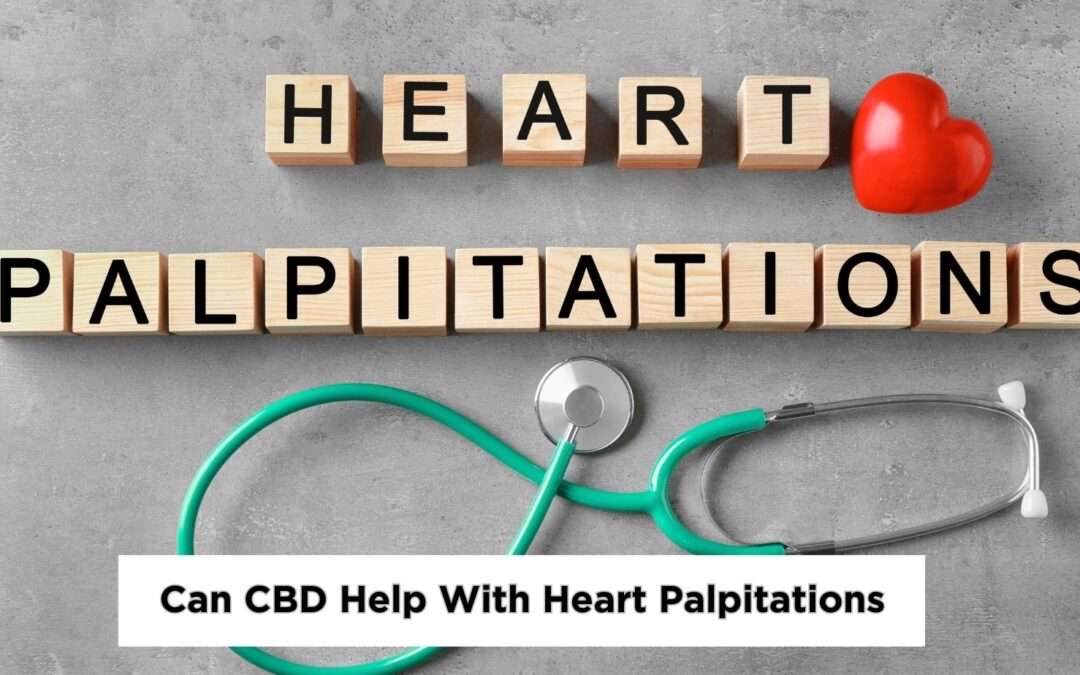
Heart palpitations can feel like fluttering, pounding, racing, skipped beats, or an irregular heartbeat. Some palpitations are brief, but others can be related to heart rhythm problems, medication effects, stimulants, thyroid issues, anxiety, anemia, electrolyte concerns, or other medical causes.

Bluegrass Hemp Oil Editorial Team
Last updated May 20, 2026
Educational content, not medical advice
Important medical notice: This article is for educational purposes only and is not medical advice. Bluegrass Hemp Oil products are not intended to diagnose, treat, cure, or prevent heart palpitations, arrhythmias, AFib, anxiety, panic attacks, high blood pressure, heart disease, or any disease. If you have chest pain, shortness of breath, fainting, severe dizziness, or symptoms that feel urgent, seek emergency medical care.

When Heart Palpitations Need Medical Attention

Heart palpitations should be discussed with a healthcare professional, especially if they are new, frequent, worsening, last longer than usual, disrupt daily life, or happen with other symptoms. A clinician can help decide whether testing, monitoring, medication review, or a cardiology referral is appropriate.

Seek Medical Care Promptly If Palpitations Occur With:

  • Chest pain or chest pressure
  • Shortness of breath
  • Fainting
  • Severe dizziness
  • Nausea
  • Sweating
  • Feeling like you may pass out
  • A very fast, irregular, or sustained heartbeat
  • Symptoms that feel urgent or unusual

Can CBD Help With Heart Palpitations?

There is not enough evidence to recommend retail CBD products for heart palpitations. Palpitations can have many causes, including heart rhythm disorders, stimulants, medications, thyroid issues, anemia, electrolyte issues, stress, anxiety, or other medical concerns.

The safer first step is to discuss the symptom with a healthcare professional, especially when palpitations are new, frequent, worsening, or linked with red-flag symptoms. This page is designed to explain product-safety questions, research limits, CBD medication interactions, THC exposure, and product transparency, not to recommend CBD for a heart symptom.

Key takeaway: Retail CBD products should not be used to diagnose, treat, cure, or prevent heart palpitations, irregular heartbeat, AFib, anxiety, high blood pressure, cardiovascular disease, or any medical condition.

CBD, THC, and Heart Rhythm Questions

Full-spectrum CBD products may contain trace THC. Hemp-derived does not automatically mean THC-free, and THC exposure may matter for some people. Adults with heart symptoms, known arrhythmias, AFib, blood-pressure concerns, medication use, or drug-testing concerns should review product labels and Certificates of Analysis with a licensed healthcare professional before use.

CBD and THC Are Different

Understanding CBD and THC helps shoppers review product labels, cannabinoid content, and THC information more carefully.

Understand the difference between CBD and THC

Full-Spectrum Products

Full-spectrum CBD products may contain multiple hemp compounds and may contain trace THC. Full-spectrum does not mean THC-free.

Understand full-spectrum CBD products

Drug-Testing Questions

People subject to drug testing should review THC content, product labels, and batch-specific COAs carefully.

Learn whether CBD can matter for drug testing

CBD Medication and Heart Medication Cautions

CBD may interact with medications and may not be appropriate for everyone. This matters especially for people taking prescription medications, over-the-counter medicines, blood thinners, blood-pressure medications, heart rhythm medications, sedatives, antidepressants, anti-anxiety medications, seizure medications, liver-affecting drugs, herbs, or supplements.

Medication Review Matters

Do not stop, reduce, replace, or combine medications with CBD without guidance from a licensed healthcare professional who understands your medication list and medical history.

Liver, Drowsiness, and Pregnancy Questions

CBD may cause drowsiness in some people, may raise liver-safety questions for some users, and may not be appropriate during pregnancy or breastfeeding.

Review CBD medication interaction guidance

What to Track Before Talking With a Doctor

Tracking symptoms can make a healthcare appointment more useful. This checklist is not a CBD-use plan. It is a practical way to organize details before discussing palpitations with a clinician.

What to Track
Why It Helps

When palpitations happen
Helps identify patterns.

How long they last
Helps the clinician assess urgency.

Heart rate if available
May help during evaluation.

Possible triggers
Caffeine, nicotine, alcohol, stress, exercise, poor sleep, or medications may matter.

Other symptoms
Chest pain, dizziness, fainting, shortness of breath, nausea, or sweating may change urgency.

Current medications
Helps review possible medication interactions.

Supplements and CBD use
Helps identify safety concerns and possible interactions.

Family history
Heart rhythm problems, sudden cardiac events, or heart disease may matter.

Blood pressure readings
Helpful if blood pressure is a concern.

COAs and Lab Testing: Transparency, Not Heart-Symptom Proof

Certificates of Analysis and lab testing can help customers review cannabinoid content, THC levels, batch information, and available testing details. They support product transparency. They do not prove that CBD treats heart palpitations, arrhythmias, anxiety, high blood pressure, heart disease, or any medical condition.

COAs Can Help Show
COAs Do Not Show

Cannabinoid content.
Medical effectiveness for heart palpitations.

THC level.
Safety for people with heart rhythm concerns.

Batch information.
Safety with heart medications.

Available contaminant testing.
Approval for cardiovascular symptoms.

Where Bluegrass Hemp Oil Product Information Fits

Bluegrass Hemp Oil sells retail hemp-derived CBD products. These products are not intended to diagnose, treat, cure, or prevent heart palpitations, arrhythmias, AFib, anxiety, panic attacks, high blood pressure, heart disease, or any disease.

Product information such as labels, ingredients, cannabinoid content, THC content, and Certificates of Analysis can support transparency, but it should not be interpreted as evidence that a product treats a medical condition. Heart-palpitation and medication questions should be directed to a licensed healthcare professional.

Product-Label Questions

Adults can review CBD amount, THC content, ingredients, and warning language before speaking with a clinician.

Read the CBD product label guide

Product Transparency

COAs can support batch-level product review, but they are not medical proof for heart-related symptoms.

View Bluegrass Hemp Oil Certificates of Analysis

Support Boundaries

Bluegrass Hemp Oil can answer label, COA, and lab-testing questions. Medical questions belong with a licensed healthcare professional.

Contact Bluegrass Hemp Oil with product-label questions

Questions to Ask a Healthcare Professional About CBD and Heart Palpitations

Use these questions to guide a safer conversation with a clinician. They are designed to support medical evaluation, not to recommend CBD for a heart symptom.

  • Do my palpitations need testing or monitoring?
  • Should I see a cardiologist?
  • Could my medications be contributing to palpitations?
  • Could caffeine, nicotine, alcohol, sleep, or stress be contributing?
  • Do my symptoms require urgent care?
  • Could CBD interact with my current medications?
  • Does THC exposure matter for my heart symptoms or medications?
  • Should I avoid full-spectrum CBD because it may contain trace THC?
  • Are there liver-safety concerns I should discuss?
  • Should I avoid CBD during pregnancy or breastfeeding?
  • What symptoms should prompt emergency care?
  • What should I track before my next appointment?

FAQs About CBD and Heart Palpitations

Can CBD help with heart palpitations?

There is not enough evidence to recommend retail CBD products for heart palpitations. Palpitations should be discussed with a healthcare professional, especially if they are new, frequent, worsening, or occur with other symptoms.

Can CBD cause heart palpitations?

Do not assume CBD is appropriate if you have palpitations or a heart condition. CBD may interact with medications, and full-spectrum CBD may contain trace THC, so heart-related symptoms should be discussed with a clinician.

When should I seek urgent care for heart palpitations?

Seek urgent medical care if palpitations occur with chest pain, chest pressure, shortness of breath, fainting, severe dizziness, nausea, sweating, or symptoms that feel urgent.

Can anxiety cause heart palpitations?

Anxiety and stress can be associated with palpitations, but palpitations can also have medical causes. A healthcare professional can help evaluate the cause.

Can full-spectrum CBD contain THC?

Yes. Full-spectrum CBD products may contain trace THC. Review the product label and Certificate of Analysis before use.

Can CBD interact with heart medications?

Yes. CBD may interact with medications. Speak with a licensed healthcare professional before using CBD if you take heart, blood-pressure, blood-thinning, rhythm, anxiety, sleep, or seizure medications.

Do COAs prove CBD is safe for heart palpitations?

No. Certificates of Analysis support product transparency, but they do not prove that CBD treats heart palpitations or is safe for a specific medical condition.

What should I ask my doctor before using CBD?

Ask whether CBD could interact with your medications, whether THC exposure matters for you, whether palpitations need testing, and whether your symptoms require a cardiology evaluation.

Should I stop medication and try CBD for palpitations?

No. Do not stop, reduce, replace, or combine medications with CBD without guidance from a licensed healthcare professional.

Can Bluegrass Hemp Oil answer heart-palpitation treatment questions?

Bluegrass Hemp Oil can answer product-label, Certificate of Analysis, and lab-testing questions, but heart-palpitation and medication questions should be directed to a licensed healthcare professional.

Visible External Source Links

These outgoing references are repeated as high-contrast links with raw URL fallback text so they remain visible after WordPress and Divi import styling.

Sources and Editorial Note

This article is provided for educational purposes and is not medical advice. It is designed to help adults understand heart-palpitation safety, urgent-care red flags, CBD research limits, medication-interaction concerns, THC exposure, product labels, Certificates of Analysis, and lab testing.

Author: Bluegrass Hemp Oil Editorial Team. Medical reviewer: Not listed. For medical questions, consult a licensed healthcare professional.