CBD vs THC – Is one better? Learn the differences!

CBD vs THC – Is one better? Learn the differences!


Why Full-Spectrum CBD is a Better Choice Than THC or Isolated CBD

When it comes to therapeutic cannabis products, not all cannabinoids are created equal. Full-spectrum CBD offers a safer, more effective, and holistic alternative to both isolated CBD and THC-dominant marijuana products. Backed by clinical research and consumer experience, full-spectrum CBD oils like those crafted by Kentucky Cannabis Company offer a superior route to relief—especially when addressing chronic, neurological, inflammatory, and mental health conditions.


Conditions Where Full-Spectrum CBD Outperforms

1. Epilepsy (Including Drug-Resistant Forms)

Full-spectrum CBD is particularly effective for epilepsy, including cases where pharmaceuticals and isolated CBD have failed. Unlike THC, which may trigger seizures or cause psychoactive effects, full-spectrum CBD supports the body's endocannabinoid system (ECS) with a blend of cannabinoids (CBD, CBDA, CBG) and terpenes that modulate neuronal excitability and reduce seizure activity. This synergy—known as the entourage effect—amplifies the anti-seizure potential far beyond what isolated CBD (like Epidiolex) can offer.

2. Multiple Sclerosis (MS)

In MS, chronic pain, muscle spasms, and fatigue are common. Full-spectrum CBD eases these symptoms through CB2 receptor activation and anti-inflammatory action without impairing cognition. Unlike THC, which may worsen fatigue or cause mental fog, full-spectrum CBD allows users to maintain mental clarity while achieving physical relief.

3. Parkinson’s Disease

CBD-rich full-spectrum oils help reduce tremors and rigidity without worsening cognitive symptoms. The combination of cannabinoids and terpenes works to protect dopamine-producing neurons and lower oxidative stress. THC, on the other hand, has been shown to exacerbate confusion or hallucinations in Parkinson’s patients.


Mental Health & Mood Regulation

4. Anxiety Disorders (GAD, Panic, Social Anxiety)

CBD interacts with serotonin receptors (5-HT1A) and the ECS to reduce anxiety symptoms safely and effectively. Full-spectrum extracts are superior because they contain calming terpenes like linalool and limonene, which enhance CBD’s natural effects. THC can heighten anxiety in many people, especially at higher doses.

5. Post-Traumatic Stress Disorder (PTSD)

Full-spectrum CBD supports emotional processing and reduces hypervigilance, flashbacks, and nightmares. CBD, CBN, and select terpenes together regulate fear memory and REM sleep. THC often disrupts emotional balance and can intensify intrusive thoughts.

6. Depression

CBD helps regulate serotonin levels and reduce inflammation linked to depressive disorders. Full-spectrum products enhance these effects through synergistic cannabinoids like CBC and CBG. In contrast, THC may induce lethargy and mood swings, especially with long-term use.


Pain & Inflammation

7. Rheumatoid Arthritis / Osteoarthritis

Full-spectrum CBD modulates pain perception, reduces inflammation, and supports joint function without the GI risks of NSAIDs or the sedating effects of THC. Minor cannabinoids such as CBC and terpenes like β-caryophyllene contribute to significant anti-inflammatory action.

8. Fibromyalgia & Lupus

These autoimmune conditions involve widespread pain and fatigue. Full-spectrum CBD works with the ECS to bring systemic relief without suppressing immune function. THC’s psychoactive profile often makes it an impractical option for daytime relief.

9. Neuropathy

CBD acts on TRPV1 receptors, which are involved in pain signaling. Full-spectrum oils also leverage anti-inflammatory terpenes and minor cannabinoids to calm overactive nerves. Isolated CBD lacks the comprehensive action that comes with full-spectrum formulations.


Gastrointestinal & Metabolic Health

10. Crohn’s Disease & Ulcerative Colitis

Full-spectrum CBD supports gut health by reducing inflammation, promoting motility, and interacting with CB2 receptors throughout the gastrointestinal tract. THC may worsen GI issues and contribute to unwanted appetite changes.

11. Type 2 Diabetes & Metabolic Syndrome

CBD improves insulin sensitivity and reduces systemic inflammation. Full-spectrum products contain compounds like CBDV and THCV, which help regulate blood sugar naturally. THC may increase calorie consumption and hinder glucose control.


Pediatric and Sensitive Populations

12. Autism Spectrum Disorder (ASD)

Full-spectrum CBD helps reduce irritability, aggression, and sensory processing issues without the risks of intoxication. Its gentle action on the ECS makes it safe and effective for children, unlike THC, which can impair brain development.

13. Attention Deficit Hyperactivity Disorder (ADHD)

By modulating dopamine and serotonin systems, full-spectrum CBD improves focus and impulse control. THC may increase distractibility and worsen symptoms in many users.


Sleep & Stress Support

14. Insomnia

Full-spectrum formulations contain CBD, CBN, myrcene, and other calming compounds that promote natural, restorative sleep. Unlike THC, which can reduce REM sleep and lead to dependency, full-spectrum CBD supports healthy sleep cycles.

15. Chronic Stress & Burnout

CBD lowers cortisol and helps regulate the stress response. Full-spectrum products extend these benefits with antioxidant and adaptogenic support from terpenes and minor cannabinoids. THC can increase anxiety and mental fog with long-term use.


Cancer & Palliative Support

16. Cancer-Related Symptoms

CBD helps manage nausea, pain, and appetite loss commonly associated with cancer treatment. Full-spectrum oils contain cannabinoids like CBG and terpenes such as humulene, which offer additional relief. THC may cause unwanted psychoactive effects and interfere with other medications.


Veterinary Health

17. Seizures in Pets

Full-spectrum CBD is safe and effective for controlling seizures in dogs and even horses. The trace amounts of THC and presence of CBDA enhance the anti-seizure properties without toxicity. THC alone is dangerous and even fatal for many animals.

18. Arthritis & Anxiety in Pets

CBD-rich oils help reduce pain and calm anxious behaviors without sedation. Products like Unruffled CBD Oil from Bluegrass Hemp Oil are specially formulated for pets and show superior results to single-compound CBD products.


Safety and Comparative Advantage

CriteriaFull-Spectrum CBDIsolated CBDTHC-Dominant Cannabis
Entourage Effect✅ Present❌ Absent✅ (but intoxicating)
Safety Profile✅ Non-intoxicating✅ Non-intoxicating❌ Intoxicating
Dependency Risk❌ Low❌ Low⚠️ Moderate to High
Dose Efficiency✅ Lower doses effective❌ High doses needed⚠️ Psychoactive threshold
Versatility✅ Suitable for all ages⚠️ Narrower use cases❌ Not suitable for children

Final Thoughts

From epilepsy and arthritis to anxiety and metabolic health, full-spectrum CBD offers unmatched therapeutic benefits without the risks or limitations of isolated CBD or THC-heavy marijuana. Its natural synergy with the body’s endocannabinoid system makes it a powerful, non-intoxicating option for a wide range of conditions. For those seeking safe, effective relief that works with the body rather than against it, full-spectrum CBD remains the gold standard.

👉 Explore our full-spectrum products at Bluegrass Hemp Oil to experience the difference.


The Ultimate Guide to CBD MCT Oil: Benefits, Usage, and More

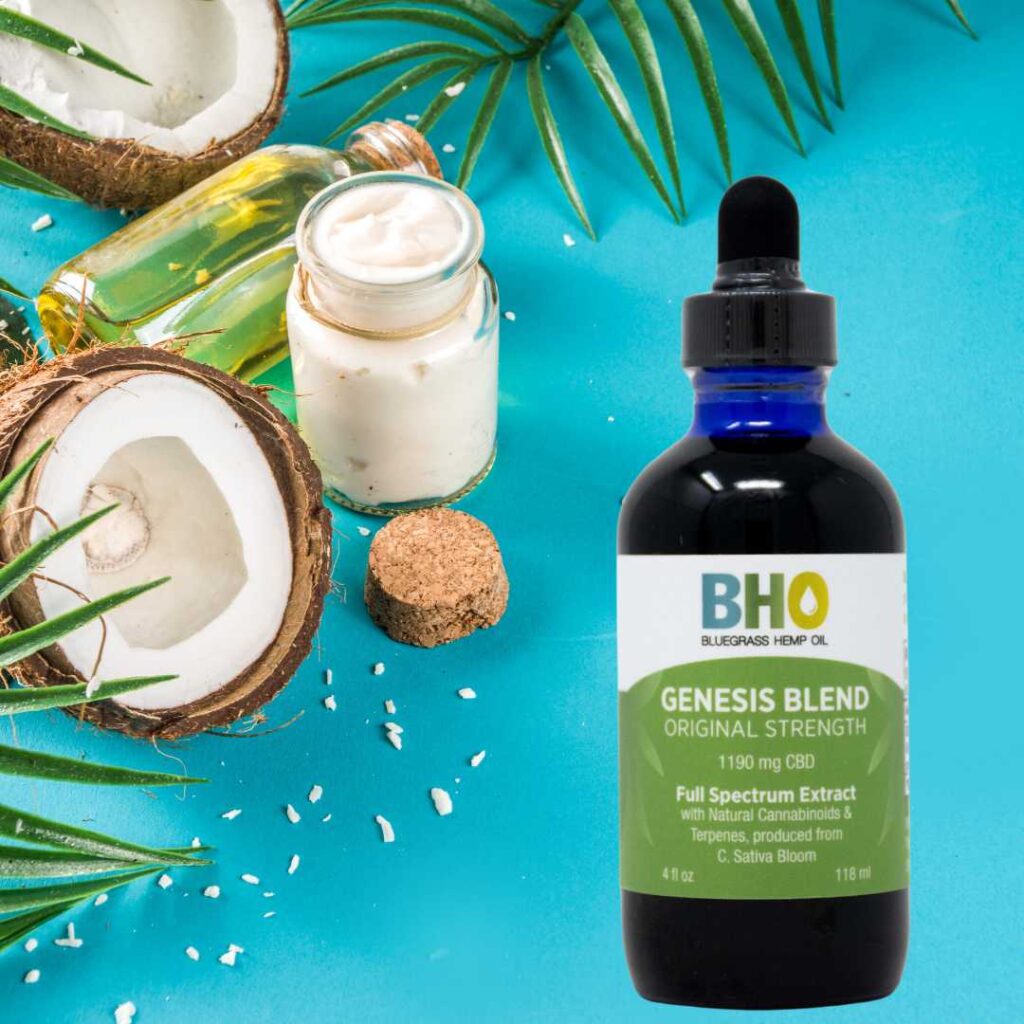
 Coconuts with a jar of MCT oil and Genesis Blend CBD oil bottle


Unlocking the Benefits of CBD MCT Oil: Absorption, Effects, and MoreRevealing the benefits of CBD MCT oil can truly enhance your wellness routine by improving absorption and overall effectiveness. This powerful combination leverages the unique properties of both CBD and MCT oil, promoting faster action and greater relief. You’ll discover how this duo interacts with your body and the specific health benefits it offers. Keep exploring to find out how to choose the right CBD MCT oil and even its potential impact on your furry friends.


What is CBD MCT Oil? A Powerful Combination

CBD MCT oil combines the benefits of cannabidiol (CBD) with medium-chain triglyceride (MCT) oil, creating a potent wellness product. This powerful duo not only enhances absorption but also boosts the overall effects of CBD. Understanding how these two components work together can help you make the most of their potential benefits. Additionally, the combination of phospholipids, MCT oil, and cannabinoids works synergistically to enhance overall effectiveness and improve absorption of fat-soluble compounds.

Defining CBD and MCT Oil

When exploring the potential of CBD MCT oil, it's essential to understand what each component brings to the table.

CBD, or cannabidiol, is a compound derived from hemp known for its various health benefits, including relief from anxiety and pain. Its uses are expanding, making it a popular choice for wellness.

On the other hand, MCT oil, sourced primarily from coconut and palm kernel oil, is a rapidly digestible fat that enhances the absorption of CBD. This synergy can lead to more effective dosage guidelines, as MCTs help deliver CBD more efficiently. Additionally, MCT oil's increased bioavailability ensures that the active compounds in CBD are absorbed more effectively, maximizing their health benefits.

When comparing products, consider how well they combine these ingredients to maximize their health benefits and overall effectiveness for your needs.

The Synergy of CBD and MCT Oil

Combining CBD with MCT oil creates a powerful synergy that enhances the overall effectiveness of your wellness routine.

This duo not only boosts CBD effects but also utilizes MCT benefits, promoting quicker absorption through efficient absorption techniques.

When you choose CBD MCT oil, you’re embracing a wellness synergy that aids in optimizing your health journey.

Following proper dosage guidelines guarantees you experience the full potential of this blend, while mindful product selection assures quality and efficacy.

Moreover, understanding the role of bioavailability in CBD is essential for maximizing its benefits.

By integrating CBD MCT oil into your regimen, you’re supporting not just your well-being but also empowering others to explore the transformative potential of this remarkable combination.

Experience the synergy and elevate your wellness today!

How CBD MCT Oil Interacts with Your Body: Absorption and Beyond

When you take CBD MCT oil, the MCT oil acts as a carrier, helping your body absorb the CBD more effectively.

Once ingested, the MCTs quickly reach your liver, where they can be converted into ketones, providing an alternative energy source.

This process, along with the role of phospholipids, enhances the absorption of CBD, ensuring you get the most out of your experience. Additionally, the interaction between MCT oil and the endocannabinoid system can further optimize the therapeutic effects of CBD, promoting overall well-being.

The Role of MCT Oil as a Carrier for CBD

MCT oil plays an essential role as a carrier for CBD, enhancing its absorption into your bloodstream. The unique fatty acid structure of MCTs promotes efficient MCT absorption mechanics, allowing CBD to bypass longer digestive processes.

This rapid transport is vital for maximizing the benefits of CBD, especially considering its lipophilicity—CBD loves fat, and MCT oil provides the perfect medium.

Carrier oil benefits include improved bioavailability, so you experience quicker effects. Additionally, MCT oil's lower viscosity facilitates easier passage through metabolic pathways, ensuring that CBD reaches your system swiftly. Moreover, the use of full spectrum CBD
in conjunction with MCT oil can further enhance the therapeutic effects due to the combined action of cannabinoids and terpenes.

MCT Oil and the Liver: Ketone Production

After understanding how MCT oil enhances CBD absorption, it’s important to explore what happens to MCTs once they’re in your body.

When you consume CBD MCT oil, your liver rapidly metabolizes the MCTs into ketones, providing a quick energy source for both your body and brain.

This swift MCT metabolism not only supports liver function but also leads to potential ketone benefits, such as improved mental clarity and sustained energy levels. Moreover, MCT oil may help stabilize blood sugar levels, further contributing to overall metabolic health.

Because MCTs are absorbed quickly, you may experience the effects of CBD more rapidly than with other carriers.

The Involvement of Phospholipids in CBD Absorption

Understanding how your body absorbs CBD is essential for maximizing its benefits, and phospholipids play a key role in this process.

These significant components of cell membranes are important for effective lipid absorption, enabling your body to transport cannabinoids like CBD efficiently.

When you consume CBD MCT oil, the fats interact with phospholipids during digestive interaction, enhancing CBD uptake across the intestinal lining.

This facilitates cannabinoid transport into your bloodstream, allowing for quicker and more effective benefits.

By ensuring MCT oil is present, you're supporting the phospholipid function, which ultimately helps you experience the full potential of CBD.

Additionally, the full spectrum CBD found in some formulations may further enhance these effects through synergistic interactions.

Embracing this knowledge empowers you to make informed choices about your wellness journey.

Exploring the Benefits of CBD MCT Oil for Wellness

When you consider CBD MCT oil for your wellness routine, you’re tapping into a powerful combination that enhances bioavailability and speeds up the effects of CBD.

MCT oil not only aids in the efficient delivery of CBD but also offers its own potential health benefits, creating a synergistic effect that can support your overall well-being. Recent studies indicate that CBD may help manage anxiety disorders and improve emotional well-being, further enhancing the benefits of this dynamic duo.

Let's explore how this dynamic duo can elevate your wellness journey.

Enhanced Bioavailability and Faster Action

Because MCT oil serves as an effective carrier for CBD, it greatly enhances the absorption of this powerful compound into your bloodstream.

The unique absorption mechanisms of MCTs improve bioavailability factors, allowing more CBD to reach systemic circulation quickly. This means you'll likely experience faster effects compared to other oils.

When considering dosage guidelines, starting low and adjusting based on user experiences is essential for superior results.

Additionally, product comparisons reveal that CBD MCT oil often outperforms traditional oils regarding efficacy. Furthermore, the entourage effect may also contribute to the overall therapeutic benefits of combining MCT oil with full spectrum CBD.

Potential Benefits of CBD

Building on the enhanced bioavailability and faster action provided by MCT oil, CBD MCT oil offers a range of potential wellness benefits that many users find appealing.

You might experience CBD benefits like supporting a sense of calm, which can be essential for effective stress management in today's fast-paced world.

The MCT advantages also extend to promoting healthy sleep cycles, making it easier for you to unwind and rest.

By incorporating CBD MCT oil into your routine, you’re not just choosing a product; you’re embracing a holistic approach to wellness support.

This combination of CBD and MCT oil can empower you to achieve a more balanced life, enhancing your overall well-being while serving those around you. Additionally, studies indicate that CBD may help reduce blood pressure and improve heart health, further contributing to your wellness journey.

Potential Benefits of MCT Oil

As you explore the world of CBD MCT oil, you'll discover that MCT oil offers a variety of wellness benefits that can enhance your overall health.

One of the key MCT oil benefits is its ability to provide quick energy, making it an excellent choice for those needing a boost throughout the day.

Additionally, MCT oil supports cognitive function, helping you maintain focus and mental clarity.

If you're looking to manage your appetite, MCT oil promotes satiety, making it easier to stick to your wellness goals.

Finally, it contributes to digestive health by aiding nutrient absorption and promoting a healthy gut.

Embracing MCT oil in your routine can be a powerful step toward a healthier lifestyle.

The Combined Benefits: A Synergistic Effect?

When you combine the benefits of CBD with MCT oil, you're tapping into a powerful synergy that can enhance your overall wellness experience.

This combination offers synergistic benefits that elevate your health journey. MCT oil’s unique properties promote enhanced absorption of CBD, ensuring that you experience its effects more rapidly and effectively.

By leveraging the wellness synergy between these two elements, you can enjoy the MCT advantages, such as increased energy and cognitive support, alongside the therapeutic CBD effects.

This holistic approach not only optimizes the delivery of beneficial compounds but also provides a more thorough wellness experience.

Embracing CBD MCT oil means embracing a path toward better health and well-being.

Can Dogs Have MCT Oil with CBD? Considerations for Canine Wellness

If you're considering giving your dog MCT oil with CBD, it's important to understand the potential benefits and safety.

Many pet owners find that CBD can help with anxiety and inflammation, but you should verify that MCT oil is safe for your furry friend.

Let’s explore what you need to know before introducing this supplement to your dog's routine.

The Potential Benefits of CBD for Dogs

Pet parents are increasingly turning to CBD as a potential support for their dogs' wellness. Many are discovering the canine health benefits of CBD, particularly for dog anxiety relief.

Following proper CBD dosage guidelines is essential to guarantee safety and effectiveness. Various CBD product types, such as oils and treats, cater to different preferences and needs, making it easier to incorporate CBD into your dog's routine.

As dog wellness trends continue to evolve, more pet owners are seeking natural solutions to enhance their furry friends' quality of life. By exploring these options, you can help your dog experience the potential advantages of CBD, promoting a happier and healthier life for your beloved companion.

Is MCT Oil Safe for Dogs?

Many dog owners are exploring the benefits of CBD for their furry companions, leading to questions about the safety of MCT oil when combined with CBD.

MCT oil can be safe for dogs in appropriate amounts, but it’s essential to use pet-specific formulations designed for canine health.

Always consult your veterinarian before introducing MCT oil into your dog's diet to guarantee it aligns with their health needs.

They can provide dosage guidelines tailored to your pet's size and condition.

Considerations When Giving Dogs CBD MCT Oil

When considering CBD MCT oil for your dog, it's essential to prioritize safety and effectiveness.

Start by consulting your veterinarian, as they can provide tailored veterinary advice regarding dog dosage and product quality. Not all CBD MCT oils are created equal; make sure you choose high-quality products formulated specifically for pets.

This way, you can maximize the potential health benefits while prioritizing pet safety. Monitor your dog for any adverse reactions, especially when introducing CBD MCT oil for the first time.

Adjust the dosage as needed, based on your vet's recommendations and your dog's unique needs. By taking these precautions, you’re supporting your furry friend’s wellness journey responsibly and effectively.

Choosing the Right CBD MCT Oil: Quality Matters

When picking the right CBD MCT oil, quality should be your top priority.

Understanding extraction methods and ensuring third-party testing can make a significant difference in what you’re consuming.

At Bluegrass Hemp Oil, we’re committed to transparency and excellence, so you can trust that our products meet the highest standards.

Understanding CBD Extraction Methods

While the efficacy of CBD MCT oil largely depends on its formulation, the extraction method used to derive CBD plays an essential role in determining the quality of the final product.

Different methods, like hydrocarbon extraction, utilize solvents to pull out CBD efficiently, but may leave residual chemicals behind. CO2 extraction is a cleaner option, preserving the purity and potency of cannabinoids.

Ethanol extraction is effective but can strip away some beneficial compounds. Oil infusion offers a natural approach, though it may produce a less potent product. Cold pressing retains nutrients but is less common for CBD extraction.

Understanding these methods guarantees you choose high-quality CBD MCT oil that meets your wellness needs and serves others effectively.

The Importance of Third-Party Testing

Quality in CBD MCT oil goes beyond just the extraction method used; third-party testing is a key factor in guaranteeing that you're getting a safe and effective product.

When you choose CBD MCT oil, look for Certificates of Analysis (COAs) that verify the CBD content, purity, and absence of contaminants.

Third-party testing provides essential quality assurance, confirming that what’s on the label matches what’s in the bottle.

These lab results not only guarantee you’re consuming a product free from harmful substances but also help you make informed decisions for your well-being.

Bluegrass Hemp Oil's Commitment to Quality

At Bluegrass Hemp Oil, our commitment to quality starts with the careful sourcing of hemp from Kentucky's rich agricultural landscape, ensuring that every step of our production process reflects our dedication to excellence.

We prioritize quality assurance through stringent testing protocols that guarantee the purity and potency of our CBD MCT oil. You can trust that our products maintain consistent quality, allowing you to serve others with confidence.

Our focus on customer transparency means we share detailed information about our sourcing and testing, empowering you to make informed choices.

Frequently Asked Questions

What Is the Legal Status of CBD MCT Oil?

Steering through CBD regulations can feel intimidating. You’ll find that MCT oil, as a hemp-derived product, generally complies with legal considerations, but always check state laws to guarantee you’re informed and compliant with local guidelines.

Can CBD MCT Oil Cause Side Effects?

CBD MCT oil can cause side effects like fatigue or digestive issues, especially with high doses. User experiences vary, so follow dosage recommendations and consult a healthcare provider for potential interactions and long-term safety.

How Should I Store CBD MCT Oil?

To store CBD MCT oil, keep it in a cool, dark place. Use airtight containers, avoid heat and light, and check its shelf life. Proper storage guarantees ideal conditions for maintaining quality and potency.

Is CBD MCT Oil Safe for Children?

When considering CBD MCT oil for children, prioritize safety. Consult a healthcare professional for dosage and usage recommendations. Always guarantee parental guidance, considering health considerations to guarantee a beneficial experience for your child.

How Long Does It Take for CBD MCT Oil to Work?

When using CBD MCT oil, effects typically kick in within 30 minutes to two hours, depending on dosage guidelines, usage methods, and product selection. Consumer reviews often highlight various health benefits experienced during this time.

Delta-8 THC

Delta-8 THC

The Truth About Delta-8 THC – Synthetic vs. Natural Cannabinoids

Delta-8 THC is a cannabinoid that offers a milder high than Delta-9 THC, but it's mostly made through synthetic processes from CBD. This raises safety concerns since many synthetic products can contain harmful residues and unpredictable potency. In contrast, full-spectrum hemp products maintain natural compounds without these risks, providing a safer and more stable experience. Understanding these differences is essential for your health. Discover more about the benefits and risks associated with these cannabinoids.

What is Delta-8 THC?

Delta-8 THC is a cannabinoid that's gaining attention for its unique effects and properties.

Unlike the more commonly known Delta-9 THC, Delta-8 offers a milder high and has emerged from a process that often involves synthetic conversion.

The lack of research on Delta-8 THC raises important safety concerns for consumers.

Understanding these differences can help you make informed choices about your cannabis options.

A brief introduction to Delta-8 THC

While many people are becoming familiar with various cannabinoids, Delta-8 THC has emerged as a notable player in the cannabis landscape. This cannabinoid, derived from hemp, has sparked interest due to its unique effects and the evolving Delta 8 legality across states.

As market trends shift toward synthetic cannabinoids, it's important to stay informed about the health implications they may pose. Consumer awareness is vital, as many Delta-8 products lack safety regulations and standardized testing, leading to potential risks.

You deserve to know what you're consuming, and understanding these factors can help you make safer choices. Emphasizing natural alternatives guarantees you prioritize your health and well-being while connecting with a community focused on responsible consumption.

How Delta-8 compares to Delta-9 THC

The rising popularity of Delta-8 THC naturally leads to comparisons with its more well-known counterpart, Delta-9 THC.

While Delta-9 is known for its high potency and intense psychoactive effects, Delta-8 offers a milder experience, often hailed for its potential Delta 8 benefits like reduced anxiety and improved relaxation.

However, the legal implications of Delta-8 can be murky, with varying regulations across states that make it more accessible than Delta-9 in some areas.

User experiences also differ, with many reporting fewer adverse effects with Delta-8.

As market trends evolve, it's essential to stay informed and choose products wisely, ensuring you prioritize safety and quality in your wellness journey.

How Delta-8 is Made: The Synthetic Process

You might be surprised to learn that Delta-8 THC isn't naturally found in hemp; it's primarily created through a synthetic process.

This involves chemically converting CBD isolate into Delta-8, using various solvents and catalysts.

Understanding this transformation is essential, as it raises questions about the safety and purity of the resulting products.

Is Delta-8 Naturally Found in Hemp?

Is Delta-8 naturally found in hemp? While you might come across trace amounts, it's not present in significant concentrations.

The cannabinoid profiles of hemp primarily feature CBD, THC, and other cannabinoids, leaving Delta-8 nearly absent. This makes natural extraction methods commercially unviable.

Instead, most Delta-8 products you see are created through synthetic processes that transform CBD into Delta-8 THC. This raises regulatory challenges and emphasizes the need for consumer awareness.

Without proper oversight, products can contain harmful residues or unknown byproducts. As someone who values community and safety, it's essential to understand the differences between natural and synthetic cannabinoids to make informed choices about your health and well-being.

The Chemical Conversion of CBD to Delta-8 THC

While Delta-8 THC isn't markedly present in hemp, its rise in popularity has led to the widespread use of synthetic processes to create it from CBD.

Manufacturers start with isolated CBD, stripping away the natural cannabinoid profiles. They then use chemical conversion methods involving solvents and acids, which can introduce potential contaminants.

This synthetic process raises legal implications, as many products aren't regulated, leaving consumers vulnerable.

With the market demand for Delta-8 growing, it's vital to prioritize consumer education about these risks. Research suggests that the entourage effect can enhance therapeutic benefits, making natural alternatives more appealing.

Choosing safe, natural alternatives is essential for your well-being, so consider sticking to full-spectrum CBD products that offer the benefits of all cannabinoids without the dangers of synthetic conversions.

The Risks of Synthetic Cannabinoids

When you consider synthetic cannabinoids like Delta-8 THC, the lack of regulation and quality control should raise red flags.

Without strict oversight, these products can pose serious health risks, leaving you vulnerable to harmful contaminants and unpredictable side effects.

It's essential to understand what you're consuming and the potential dangers that come with synthetic alternatives.

Lack of Regulation & Quality Control

Given the unregulated nature of Delta-8 THC production, consumers face significant risks associated with quality control and safety.

Many products lack proper lab testing, leaving you exposed to residual solvents and unknown chemicals. Without industry standards and safety regulations, the idea of quality assurance becomes nearly meaningless.

You deserve to know what you're putting into your body, which is why consumer awareness is vital. Many brands prioritize product transparency, but the absence of regulation means you can't always trust their claims.

Choosing natural cannabinoids guarantees you're supporting safer practices. By staying informed, you can protect yourself and your loved ones from the dangers that come with synthetic cannabinoids like Delta-8 THC. The unpredictable potency and composition of these substances can heighten overdose risks , emphasizing the importance of making informed choices.

Your health matters, and so does the information you rely on.

Potential Health Risks

The lack of regulation around Delta-8 THC directly contributes to its potential health risks. Many users report serious health effects, ranging from nausea and dizziness to paranoia and hallucinations.

These alarming user experiences highlight the unpredictable nature of synthetic cannabinoids. Market trends show a rise in Delta-8 products, but without proper product labeling, you might unknowingly consume harmful contaminants or excessive THC levels.

The legal implications are just as concerning, as the absence of standardized testing leaves consumers vulnerable. It's essential to understand these risks, as the long-term health impact of synthetic Delta-8 remains uncertain. Full spectrum products leverage multiple cannabinoids, which can provide a safer alternative by ensuring a balanced effect.

Prioritizing safety and transparency can help you make informed choices, fostering a sense of belonging in a community that values well-being.

Why Full-Spectrum Hemp is the Safer Alternative

When it comes to choosing cannabinoids, opting for full-spectrum hemp means you're getting naturally occurring compounds without the risks of synthetic alterations. Bluegrass Hemp Oil stands firm in its commitment to transparency and quality, ensuring you know exactly what you're consuming. Additionally, their products undergo rigorous third-party lab testing , verifying the purity and potency of each formulation.

Naturally Occurring Cannabinoids vs. Synthetic Creations

While many consumers are drawn to the allure of synthetic cannabinoids like Delta-8 THC, opting for full-spectrum hemp extracts offers a much safer and more balanced experience.

Full-spectrum products harness the power of naturally occurring cannabinoids, creating a synergy that enhances their therapeutic benefits. When you choose plant-based medicine, you embrace natural remedies that work harmoniously with your body, ensuring a holistic approach to wellness.

Unlike synthetic alternatives, which can introduce harmful compounds, full-spectrum extracts provide purity and transparency. Consumer education is crucial; understanding the differences empowers you to make informed choices. Additionally, the entourage effect
of full-spectrum CBD highlights the enhanced therapeutic potential achieved through the synergistic interaction of cannabinoids and terpenes.

Bluegrass Hemp Oil's Commitment to Transparency & Quality

At Bluegrass Hemp Oil, our commitment to transparency and quality guarantees you receive only the safest, most effective full-spectrum CBD products.

We prioritize transparency practices, ensuring our product labeling is clear and informative. Our rigorous quality assurance processes mean every batch is third-party lab tested for purity and potency, so you can trust what you're consuming.

We're passionate about consumer education, empowering you with knowledge about the benefits of natural cannabinoids over synthetic alternatives.

By sourcing our hemp ethically from Kentucky farms, we support local agriculture and uphold sustainable practices. Our meticulous cultivation techniques enhance the natural properties of hemp, ensuring you receive the highest quality product.

Together, we're fostering a community that values health, safety, and integrity.

Choose Bluegrass Hemp Oil for a natural wellness journey you can believe in.

Conclusion: Is Delta-8 Worth the Risk?

Is it really worth the risk to indulge in Delta-8 THC?

With growing Delta 8 legality issues and the lack of synthetic cannabinoid regulations, you might want to think twice. Many Delta-8 products contain harmful byproducts from chemical conversions that could lead to serious health risks.

Instead, consider the natural cannabinoid benefits of full-spectrum CBD, which offers a safer, effective alternative without the dangers of synthetic processes. Genesis Blend CBD oil is known for its highest cannabinoid content on the market, ensuring you receive quality benefits.

Staying informed through consumer awareness education is vital as CBD market trends show a shift toward natural wellness.

Ultimately, prioritizing your health and safety means choosing natural options over synthetic ones.

Explore Bluegrass Hemp Oil's natural CBD products and join a community that values transparency and effectiveness.

Frequently Asked Questions

Is Delta-8 THC Legal in All States?

Delta-8 THC legality varies by state, and you need to stay informed about local regulations.

While federal guidelines allow hemp-derived products, some states have enacted stricter laws against Delta-8.

It's vital for you to check your state's regulations and guarantee you're making safe choices.

Staying aware helps you navigate the complexities of Delta-8 legality and promotes responsible consumption, so you can enjoy hemp products without worry.

How Does Delta-8 THC Compare to Delta-9 THC?

When you immerse yourself in the world of cannabis, you might wonder about the Delta 8 potency comparison to Delta 9 THC.

Users often report that Delta 8 offers milder effects on anxiety, creating a more relaxed experience.

However, availability issues and market regulation challenges can make finding quality products tricky.

User experience reviews highlight both the benefits and potential pitfalls, reminding you to stay informed and connected with others on this journey.

Can Delta-8 THC Cause a Positive Drug Test?

Yes, Delta-8 THC can cause a positive drug test.

Most testing methods look for THC metabolites, and since Delta-8 is chemically similar to Delta-9 THC, it can trigger a false positive.

Workplace policies often treat all THC the same, so if you're using Delta-8, you might face consequences.

If you're concerned about drug test detection, consider alternatives that won't jeopardize your job or well-being.

Always prioritize safety and transparency in your choices!

What Are the Long-Term Effects of Delta-8 THC Use?

Imagine floating on a cloud, but what if that cloud carries unexpected storms? The long-term impacts of Delta-8 THC can be unpredictable, with user experiences varying widely.

You may encounter health risks like anxiety or dependency, depending on dosage effects. Some report psychological effects, such as altered perception or mood swings.

Staying informed helps you navigate these clouds, ensuring your wellness journey feels safe and connected to those who share your concerns.

Are There Any Medical Uses for Delta-8 THC?

You might wonder about the medical uses of Delta-8 THC. While some studies suggest potential medical benefits, like pain relief and appetite stimulation, safety concerns linger.

Patient experiences vary widely, and dosage guidelines aren't well-established, making it hard to find a one-size-fits-all approach.

Research studies are limited, so staying informed is essential. Always consult a healthcare professional before trying Delta-8 to guarantee it's safe and suitable for your needs.

Conclusion

In the end, choosing Delta-8 THC might feel like jumping on a trendy bandwagon, but the risks just aren't worth it. Synthetic cannabinoids can lead to unpredictable side effects that could leave you feeling like you're lost in a fog. Instead, embrace full-spectrum hemp products, which offer a natural balance of cannabinoids and a safer experience. When it comes to your health and safety, it's better to stick with nature's original recipe than to gamble with synthetic shortcuts.

The CBD Craze

The CBD Craze

The Hemp CBD Craze: Understanding the Benefits and the Market Pitfalls

The hemp CBD craze offers numerous benefits, especially with full spectrum CBD, which harnesses the "entourage effect" for enhanced wellness. However, the market's saturated with subpar products and synthetic cannabinoids that pose health risks. It's essential to stay informed about quality assurance, like third-party testing, to avoid misleading claims. By choosing natural hemp products, you support ethical practices and local farmers. Stick around to uncover more about traversing this complex landscape and ensuring your health.

The Power of Full Spectrum CBD

Full spectrum CBD contains a range of cannabinoids, terpenes, and other beneficial compounds found in hemp. This unique blend may enhance the therapeutic effects you experience, often referred to as the "entourage effect." Additionally, the synergy among cannabinoids, terpenes, and flavonoids
amplifies the overall health benefits, making it a compelling option for holistic health management. Let's explore what full spectrum CBD is and the potential benefits it offers.

What is Full Spectrum CBD?

When exploring the world of CBD, you'll often come across the term "full spectrum CBD," which refers to a product that contains a wide range of cannabinoids, terpenes, and other beneficial compounds found in the hemp plant.

This type of CBD extraction captures the plant's complete profile, promoting what's known as the entourage effect—where these components work together synergistically.

Here are four key components of full spectrum CBD:

  1. Cannabinoids - Including CBD, CBG, and THC.
  2. Terpenes - Aromatic compounds that enhance flavor and aroma.
  3. Flavonoids - Antioxidants that contribute to the plant's color and health benefits.
  4. Essential Oils - Enhancing the overall therapeutic potential.

Understanding these components helps you appreciate the holistic nature of full spectrum CBD. Genesis Blend CBD oil, for example, contains over 12 natural cannabinoids
and terpenes, highlighting its robust formulation.

The Benefits of Full Spectrum CBD

While many people seek natural alternatives for health and wellness, the benefits of full spectrum CBD stand out as a compelling option.

It offers effective pain management through its anti-inflammatory properties, helping you find relief from discomfort while connecting with others who share similar struggles.

Additionally, full spectrum CBD supports mental wellness by addressing anxiety and depression, fostering a sense of community among those seeking emotional balance.

You might also appreciate its potential neuroprotective benefits, making it a holistic choice for overall well-being.

Plus, if you're looking to enhance your sleep quality, full spectrum CBD can help you unwind and feel more rested.

Together, these attributes make it a powerful ally in your health journey. Moreover, its efficacy is enhanced through the entourage effect
, which leverages multiple cannabinoids and terpenes for improved therapeutic outcomes.

The Rise of Subpar CBD Products

As the CBD market grows, you're likely noticing a surge of inferior products flooding the shelves.

Many of these items contain synthetic cannabinoids that can pose serious health risks.

It's essential to stay informed and choose quality over quantity to guarantee you're getting the benefits you expect. Additionally, the lack of knowledge
surrounding certain cannabinoids like Delta-8 THC raises safety concerns for consumers.

Market Flooded with Inferior Products

With the CBD market exploding, consumers often find themselves wading through a sea of inferior products that promise more than they deliver.

Market saturation has led to misleading labeling and false claims, making it vital for you to enhance your consumer awareness.

Here are some red flags to watch for:

  1. Unverified ingredients – Check for third-party lab results.
  2. Vague dosage information – Clear dosages are essential for effectiveness.
  3. Absence of certifications – Look for reputable quality control seals.
  4. Overly bold claims – If it sounds too good to be true, it probably is.

Additionally, understanding third-party lab testing
can significantly help in identifying quality products.

Navigating this landscape requires vigilance, but staying informed can help you find products that truly meet your needs.

The Danger of Synthetic Cannabinoids

Synthetic cannabinoids are emerging as a troubling trend in the CBD market, and you need to be aware of the risks they pose.

These products, often created by chemically converting isolated CBD into synthetic THC, can lead to significant cannabinoid confusion. Unlike natural CBD, synthetic variants may not guarantee the same benefits and can introduce unexpected dangers.

Many consumers unknowingly purchase these subpar products, mistaking them for legitimate hemp-derived options. The lack of synthetic safety regulations means you could be exposing yourself to harmful substances. The unpredictable potency and composition
of these synthetic cannabinoids heightens the risk of adverse effects.

It's crucial to choose reputable brands and educate yourself about what you're consuming. By staying informed, you can protect yourself and your community from the potential pitfalls of synthetic cannabinoids.

The Impact on Farmers and the Hemp Industry

As a farmer, you might feel the pressure from the rise of lab-created cannabinoids that undermine traditional agricultural opportunities. This shift can impact not just your livelihood but the overall perception of the hemp industry. Understanding the differences between proper farming and synthetic alternatives is essential for maneuvering this changing landscape. Emphasizing organic farming practices
can help distinguish high-quality hemp products and reinforce consumer trust in the industry.

Undermining Agricultural Opportunities

While the rise of synthetic cannabinoids offers convenience for some consumers, it also undermines the economic viability of naturally farmed hemp, posing significant challenges for farmers.

You're likely feeling the strain of market disparities that prioritize lab-created options over sustainable cultivation.

Consider these agricultural challenges:

  1. Decreased demand for natural hemp products.
  2. Price drops affecting small-scale farmers' profits.
  3. Increased competition from synthetic alternatives.
  4. Difficulty in maintaining sustainable farming practices.

As a member of this community, it's essential to understand how these shifts impact not only your livelihood but also the future of hemp cultivation. Additionally, the commitment to sustainable practices
helps ensure that we foster a sense of belonging and sustainability, ensuring that we all thrive together in this evolving industry.

The Real Industry: Proper Farming vs. Lab-Created Cannabinoids

The shift toward synthetic cannabinoids not only challenges the market but also raises questions about the integrity of the hemp industry itself.

As a community, we must prioritize hemp sustainability and support farmers who practice proper cultivation methods. Natural cannabis offers unique benefits that lab-created alternatives simply can't replicate. By understanding the entourage effect
, we can appreciate how the natural synergy of cannabinoids and terpenes enhances the therapeutic potential of hemp products.

By backing these farmers, you're not just investing in high-quality products; you're also fostering a transparent, regulated industry that values authenticity. Emphasizing traditional cultivation practices helps preserve the environment and guarantees that we're growing a crop that aligns with our values.

Together, we can create a marketplace that embraces real hemp while rejecting synthetic shortcuts, making our community stronger and more united in the pursuit of genuine wellness.

Public Health Concerns: The Rise in ER Visits

As you explore the world of hemp CBD, it's essential to recognize the dangers posed by synthetic cannabinoids.

Reports of increased ER visits highlight the potential risks associated with unregulated products.

Understanding these dangers can help you make safer choices in your wellness journey.

The Dangers of Synthetic Cannabinoids

Synthetic cannabinoids have surged in popularity, but their use comes with alarming public health concerns, particularly evident in the rising number of emergency room visits.

You might think they're a safer alternative, but they pose significant synthetic risks and health implications.

Consider these points:

  1. Increased hospitalizations linked to overdose.
  2. Unpredictable side effects that can vary greatly.
  3. Long-term health risks that are still unknown.
  4. The urgent need for consumer awareness and education.

The reality is that many users are unaware of these dangers.

Educating yourself about synthetic cannabinoids is vital for making informed choices, ensuring you can enjoy the benefits of hemp CBD without falling into the pitfalls of its synthetic counterparts.

Conclusion: Advocating for Safe, Natural Hemp Products

While exploring the world of hemp products, it's crucial to prioritize safe, natural options that truly benefit your well-being.

Opting for full-spectrum CBD over synthetic alternatives not only enhances your experience but also supports ethical sourcing practices. By choosing brands that prioritize transparency, you promote consumer awareness and contribute to a healthier market for everyone.

It's important to advocate for stricter regulations, ensuring that harmful products are kept at bay. Together, we can create a community that values quality and integrity in our choices.

By supporting responsible farmers and businesses, you're not just enhancing your own wellness; you're helping to foster a sustainable future for the hemp industry. The benefits of the entourage effect
highlight the importance of selecting products that harness the full range of cannabinoids and terpenes for optimal therapeutic impact.

Your choices matter, and they can lead to meaningful change.

Frequently Asked Questions

What Is the Difference Between CBD and THC?

Ever wondered why some people rave about CBD while others can't stop talking about THC?

CBD, or cannabidiol, provides benefits like reducing anxiety and alleviating pain without the "high," making it a popular choice for many.

On the other hand, THC, or tetrahydrocannabinol, is the psychoactive component that can lead to euphoric effects and altered perceptions.

Understanding these differences helps you choose the right option for your needs and connect with others who share your interests.

Can CBD Interact With Other Medications?

Yes, CBD can interact with other medications, so it's essential to take into account medication safety when incorporating it into your routine.

It may affect how your body metabolizes certain drugs, potentially altering their effectiveness or side effects.

Always consult your healthcare provider before starting CBD, especially if you're on other medications.

This way, you guarantee you're making informed decisions and looking out for your health, while still feeling connected to your wellness community.

How Is CBD Extracted From Hemp Plants?

Imagine the fragrant fields of hemp swaying in the breeze, each plant holding potential.

CBD's extraction from these plants involves several methods, like CO2 extraction or ethanol extraction, which are popular in hemp processing.

These methods guarantee that the purest compounds are captured, giving you the essence of the plant.

What Are the Legal Regulations Surrounding CBD Use?

When you're exploring CBD use, it's essential to understand the legal landscape. Federal guidelines allow hemp-derived CBD with less than 0.3% THC, but state regulations can vary widely.

Some states have embraced CBD fully, while others impose strict restrictions or bans. To stay compliant, you should always check your local laws before purchasing or using CBD products.

This way, you'll feel confident and informed in your choices, connecting with others in the community.

How Do I Determine the Quality of a CBD Product?

To determine the quality of a CBD product, start by checking for lab testing results. Reputable brands will provide third-party lab reports, confirming their product's purity and potency.

Next, look into their sourcing practices; high-quality CBD often comes from organically grown hemp. By choosing products that prioritize these factors, you'll feel confident in your purchase and can trust you're getting a safe and effective product that meets your needs.

Does CBD Help With Arthritis? Study Suggests It Might

Does CBD Help With Arthritis? Study Suggests It Might

How CBD Can Help Alleviate Arthritis Pain

Arthritis, a condition that affects millions worldwide, often leads to chronic pain and reduced mobility. Recent studies suggest that cannabidiol (CBD) may offer therapeutic benefits by interacting with the endocannabinoid system, which plays an essential role in regulating inflammation and pain perception. The potential for CBD to alleviate symptoms and enhance quality of life prompts further examination of its mechanism and effectiveness. As we explore the nuances of CBD's role in managing arthritis, several key considerations arise that warrant careful attention.


Understanding Arthritis and Its Symptoms

Arthritis is a term that encompasses over 100 different conditions affecting the joints and surrounding tissues, resulting in inflammation and pain. Common symptoms include joint stiffness, swelling, and decreased range of motion, which can greatly impact daily activities.

Understanding arthritis symptoms is essential for exploring effective treatment options, including the potential role of CBD in symptom management.

Additionally, arthritis can affect dogs of all ages and breeds, leading to a decreased quality of life for our furry companions.

Understanding these fundamental aspects of arthritis is essential for exploring effective treatment options, including the potential role of CBD in symptom management.

What is Arthritis?

Characterized by inflammation and pain in the joints, arthritis encompasses a range of conditions that can greatly impact mobility and quality of life. The most common arthritis types include osteoarthritis and rheumatoid arthritis. Osteoarthritis, often resulting from wear and tear on the joints, primarily affects older adults, while rheumatoid arthritis is an autoimmune disorder that can occur at any age, leading to systemic inflammation.

Effective treatment options vary depending on the type and severity of arthritis. Common approaches involve pain management strategies, including nonsteroidal anti-inflammatory drugs (NSAIDs), physical therapy, and, in some cases, surgical interventions.

Lifestyle modifications also play an essential role; maintaining a healthy weight, engaging in low-impact exercise, and incorporating anti-inflammatory diets can help alleviate symptoms and improve joint function.

Patient stories often highlight the importance of personalized treatment plans, as individual experiences with arthritis can differ considerably. By understanding the various arthritis types and available treatment options, patients can make informed decisions about their care, ultimately enhancing their quality of life and managing their symptoms more effectively.

Common Symptoms of Arthritis

Individuals suffering from arthritis often experience a range of debilitating symptoms that can greatly affect their daily lives. The most common symptoms include pain, inflammation, stiffness, and reduced mobility, which can hinder everyday activities and diminish overall quality of life.

Managing these symptoms is essential, and many patients explore natural remedies as alternatives or complements to traditional treatments.

Lifestyle changes can profoundly impact symptom management. Incorporating dietary adjustments, such as anti-inflammatory foods, may help alleviate some discomfort. Additionally, exercise benefits cannot be overstated; low-impact activities such as swimming or yoga can improve joint function and reduce stiffness. Patient testimonials frequently highlight the positive effects of regular exercise on their arthritis symptoms.

Moreover, some individuals have reported success with natural remedies, including herbal supplements and CBD, to manage pain and inflammation. These approaches, combined with professional medical guidance, can create an extensive pain management strategy.

Ultimately, understanding the common symptoms of arthritis empowers patients to seek appropriate interventions and improve their quality of life through informed choices.

The Role of the Endocannabinoid System in Arthritis

The endocannabinoid system (ECS) is a complex cell-signaling system that plays a crucial role in regulating inflammation and pain, particularly in conditions like arthritis.

It comprises receptors, endocannabinoids, and enzymes that work together to maintain homeostasis within the body. The ECS is fundamental for modulating various physiological processes, including pain perception and immune response, which are particularly relevant in arthritis management.

Understanding the ECS is vital for exploring how compounds like CBD can influence pain management and inflammatory responses associated with arthritis, as evidenced by its therapeutic potential.

What is the Endocannabinoid System (ECS)?

At the core of our understanding of how cannabinoids like CBD interact with the body lies the endocannabinoid system (ECS), a complex network that plays an essential role in regulating various physiological processes.

The ECS consists of endocannabinoids, ECS receptors, and metabolic enzymes, functioning to maintain homeostasis in the body. Endocannabinoids, which are naturally produced by the body, help modulate functions such as pain sensation, mood, appetite, and immune response.

The primary ECS receptors, CB1 and CB2, are critical for ECS function. CB1 receptors are primarily located in the brain and central nervous system, while CB2 receptors are more prevalent in the immune system and peripheral tissues.

The interaction of endocannabinoids with these receptors is pivotal in maintaining ECS in health, allowing the body to respond appropriately to internal and external stimuli.

How the ECS Affects Inflammation and Pain

Pain and inflammation are central concerns for those suffering from arthritis, and the endocannabinoid system (ECS) plays a crucial role in regulating these responses. The ECS consists of various ECS receptors, mainly CB1 and CB2, which are distributed throughout the body.

CB1 receptors are linked to pain modulation in the central nervous system, while CB2 receptors are mainly involved in immune response and inflammation pathways.

Cannabinoid signaling through these receptors can greatly influence the body's inflammatory response. When activated, ECS receptors can inhibit the release of pro-inflammatory cytokines, thereby decreasing inflammation and alleviating pain associated with arthritis.

This modulation of inflammation pathways presents ECS receptors as potential therapeutic targets for arthritis treatment.

Research indicates that cannabinoids like CBD can interact with these receptors, offering a non-psychoactive alternative for managing arthritis symptoms.

By promoting a balance in the ECS, CBD may enhance the body's natural ability to mitigate pain and inflammation, leading to improved quality of life for individuals living with arthritis.

As studies continue to evolve, the ECS remains a critical focus in developing effective strategies for arthritis pain management.

How CBD Interacts with the ECS to Relieve Arthritis Symptoms

CBD interacts with the endocannabinoid system (ECS) by binding to CB1 and CB2 receptors, which play significant roles in modulating pain and inflammation.

This interaction is particularly relevant for arthritis, as it can help alleviate joint discomfort and swelling. Recent research has shown promise for CBD in reducing inflammation and pain in arthritis patients, suggesting that it may improve physical function as well full-spectrum CBD oil.

Scientific studies have begun to support these mechanisms, indicating that CBD may provide a beneficial alternative for managing arthritis symptoms.

CBD's Mechanism of Action

Although the exact mechanisms by which cannabidiol (CBD) alleviates arthritis symptoms are still being studied, it is well-established that CBD interacts with the body's endocannabinoid system (ECS) to exert its effects.

CBD primarily targets ECS receptor types, particularly CB1 and CB2 receptors, which are essential in regulating pain signaling pathways and the body's inflammatory response.

Research advancements in CBD have highlighted its potential for inflammation modulation effects, making it a significant option for those suffering from arthritis.

By influencing these receptors, CBD may help to reduce both pain and inflammation, promoting a better quality of life.

Key interactions of CBD with the ECS include:

  • Modulating pain signaling pathways to alleviate discomfort.
  • Reducing inflammation through the activation of CB2 receptors.
  • Supporting holistic treatment approaches by complementing traditional therapies.

As the body of CBD research advancements grows, the understanding of how CBD functions within the ECS will further clarify its role as a potential therapeutic agent for arthritis management.

Nonetheless, individuals should consult healthcare professionals before incorporating CBD into their treatment plans.

Scientific Studies Supporting CBD for Arthritis

Emerging research underscores the potential of cannabidiol (CBD) as an effective intervention for alleviating arthritis symptoms through its interaction with the endocannabinoid system (ECS).

Preclinical studies, including those published in the "European Journal of Pain," have shown that topical CBD application markedly reduces joint inflammation and pain, highlighting its therapeutic promise.

In addition, research in the "Journal of Experimental Medicine" indicates that CBD can effectively suppress chronic inflammatory pain in animal models.

Patient testimonials often reflect positive experiences with CBD, suggesting improved quality of life for arthritis sufferers.

However, while the initial findings are encouraging, more rigorous comparison studies and long-term effects of CBD on arthritis management remain necessary to establish definitive efficacy.

Additionally, CBD dosage guidelines are essential for guaranteeing safe and effective use, as individual responses may vary.

Legal considerations also play a role, as the regulatory environment surrounding CBD products can impact their availability and quality.

Consequently, individuals interested in utilizing CBD should consult healthcare professionals to navigate these complexities effectively and guarantee safe usage alongside existing treatments.

Benefits of Using CBD for Arthritis

Cannabidiol (CBD) offers several potential benefits for individuals suffering from arthritis, especially through its natural pain relief and anti-inflammatory properties.

By interacting with the endocannabinoid system, CBD can help reduce inflammation and enhance joint mobility, leading to improved overall function. These attributes make CBD an appealing alternative for those seeking effective management of arthritis symptoms.

Additionally, research suggests that CBD may help manage pain and improve quality of life for pets with arthritis, making it a valuable option for cat owners dealing with this condition.

Natural Pain Relief

Natural pain relief is a growing focus for individuals seeking alternatives to traditional medications, especially those managing chronic conditions like arthritis. CBD presents a compelling option as a natural remedy for chronic pain, offering potential benefits without the side effects often associated with conventional pharmaceuticals.

Patients exploring holistic health solutions increasingly turn to CBD as part of their alternative therapies.

Key benefits of using CBD for arthritis pain include:

  • Non-Psychoactive: Unlike THC, CBD does not create a "high," making it suitable for daily use.
  • Minimal Side Effects: Many patient experiences indicate that CBD is well-tolerated, with fewer adverse effects compared to traditional pain medications.
  • Versatile Delivery Methods: CBD can be consumed in various forms, including oils, capsules, or topical applications, allowing for personalized treatment approaches.

Emerging research supports the idea that CBD can effectively alleviate pain and enhance overall quality of life for arthritis sufferers.

Anti-Inflammatory Properties

Arthritis sufferers often seek effective solutions to alleviate the persistent inflammation and pain associated with their condition. CBD has emerged as a promising natural remedy, demonstrating notable anti-inflammatory properties that may considerably benefit those experiencing arthritis. Research indicates that CBD efficacy lies in its ability to interact with the endocannabinoid system, resulting in inflammation reduction and relief from chronic pain.

Key AspectCBD BenefitsConsiderations
Inflammation ReductionHelps decrease joint swellingIndividual responses vary
Chronic Pain ReliefMay alleviate discomfortConsult dosage guidelines
Natural RemediesOffers an alternative to pharmaceuticalsVerify product quality

Studies show that CBD can effectively reduce joint inflammation, making it a valuable adjunct to traditional arthritis treatments. However, it is essential to follow dosage guidelines and consult healthcare professionals before starting CBD, especially for those on existing medications. As research continues to grow, CBD's potential as a natural remedy for arthritis pain relief remains a focal point for future exploration.

Improved Joint Mobility

Joint mobility is an essential factor in maintaining an active and fulfilling lifestyle, especially for individuals affected by inflammatory conditions like arthritis. CBD has emerged as a promising option for enhancing joint flexibility and overall mobility by addressing the underlying pain and stiffness associated with these conditions.

Research indicates that CBD can play a significant role in pain management and stiffness reduction, which can ultimately lead to improved joint mobility. By interacting with the body's endocannabinoid system, CBD helps modulate pain signals and reduce inflammation, allowing individuals to experience greater ease of movement.

The benefits of using CBD for arthritis may include:

  • Mobility enhancement: Increased range of motion in affected joints.
  • Joint flexibility: Improved ability to perform daily activities without discomfort.
  • Pain management: Reduction in chronic pain levels, promoting a more active lifestyle.

As a result, individuals suffering from arthritis may find that incorporating CBD into their regimen not only alleviates discomfort but also empowers them to reclaim their mobility and enjoy a more vibrant life.

Choosing the Right CBD Product for Arthritis

Selecting the appropriate CBD product for arthritis involves understanding the various types available, such as oils, topicals, and capsules, each offering distinct benefits.

Full spectrum CBD oil, for instance, may provide enhanced therapeutic potential due to its synergistic effect with multiple cannabinoids, which can be particularly beneficial for managing inflammation associated with arthritis full spectrum benefits.

Additionally, determining the right dosage is essential for maximizing therapeutic effects while minimizing potential side effects.

Careful consideration of these factors can greatly enhance the effectiveness of CBD in managing arthritis symptoms.

Types of CBD Products (Oils, Topicals, Capsules)

Exploring various types of CBD products can greatly enhance the management of arthritis symptoms. Each product type offers unique benefits and application methods, allowing users to tailor their approach based on individual needs. Here are some common options:

  • CBD Oils: Typically taken sublingually for rapid absorption, these oils allow for precise dosage control and come in various concentrations.
  • Topicals: Creams and balms infused with CBD can be applied directly to affected areas, targeting localized pain and inflammation effectively.
  • Capsules: These provide a convenient and discreet way to consume CBD, delivering consistent dosages for overall relief.

When considering CBD products, it is essential to conduct thorough CBD product comparisons, informed by user testimonials and current market trends. These insights can help in selecting the most suitable product for arthritis management.

Additionally, adhering to dosage guidelines is vital to optimize benefits while minimizing potential side effects. As the market continues to evolve, staying informed will empower consumers to make educated choices in their pursuit of relief from arthritis pain.

How to Determine the Right Dosage

Finding the ideal dosage of CBD for arthritis management can greatly enhance its effectiveness in alleviating pain and inflammation. Dosage guidelines are vital since CBD affects individuals differently, requiring an individualized treatment approach. It is important to start with a low dose and gradually increase it while monitoring effects closely.

Dosage LevelPatient Experience
Low (5-10 mg)Mild relief; minimal side effects
Moderate (10-20 mg)Noticeable reduction in pain; manageable side effects
High (20 mg+)Significant pain relief; potential for side effects

Adjusting intake based on patient experiences helps tailor CBD use to specific needs. It is recommended to keep a journal noting the dosage, effects, and any side effects observed. This practice aids in fine-tuning the dosage for best results. Patients should consult healthcare professionals for guidance, especially if taking other medications, to guarantee safe integration of CBD into their arthritis management plan.

Potential Side Effects and Considerations

While CBD has shown promise in alleviating arthritis pain, users should be aware of potential side effects, which may include fatigue, diarrhea, and changes in appetite.

It is essential to consult with a healthcare provider before starting CBD, especially for those on concurrent medications, as interactions can occur.

Being informed about these considerations can help guarantee a safe and effective approach to using CBD for arthritis management.

Common Side Effects of CBD

A range of mild side effects may accompany the use of CBD, which users should be aware of before incorporating it into their arthritis management plan. While many individuals report positive user experiences, it is vital to understand potential side effects related to CBD interactions and product quality.

Some common side effects include:

  • Fatigue
  • Dry mouth
  • Changes in appetite

These side effects are generally mild and may vary based on dosage guidelines and individual sensitivity.

While long-term effects of CBD are still being studied, existing research suggests that adverse reactions are infrequent. However, users should remain vigilant, especially if they are on other medications that may interact with CBD.

It is important to choose high-quality products that have undergone third-party testing to guarantee safety and efficacy.

This diligence not only minimizes the risk of side effects but also maximizes the potential benefits of CBD in managing arthritis pain.

Consult with Your Doctor Before Using CBD

Consulting with a healthcare provider is an essential step before incorporating CBD into an arthritis management plan. This CBD consultation is important for ensuring patient safety and receiving tailored medical advice based on individual health needs.

While many individuals may seek CBD as a potential treatment option for arthritis, it is essential to recognize that responses to CBD can vary greatly among patients.

Before starting CBD, healthcare professionals can assess any possible interactions with existing medications, particularly those that may affect blood clotting or other important bodily functions. Understanding these interactions is essential, as they can lead to adverse effects or reduced efficacy of prescribed treatments.

In addition, medical professionals can guide patients on appropriate dosages and forms of CBD, ensuring a safer approach to managing arthritis symptoms.

In addition to discussing potential side effects, a healthcare provider can help patients explore all viable treatment options, considering both conventional therapies and complementary approaches like CBD.

Frequently Asked Questions

Can CBD Completely Replace Traditional Arthritis Medications?

The question of whether CBD can completely replace traditional arthritis medications is complex.

While CBD benefits include potential pain management and anti-inflammatory properties, it should be viewed as a complementary treatment option rather than a complete substitute.

Traditional medications often provide immediate relief and are well-established in clinical practice.

However, for those seeking natural alternatives, incorporating CBD into a broader treatment regimen may enhance overall symptom management, but consultation with healthcare professionals is paramount.

How Long Does It Take for CBD to Relieve Arthritis Pain?

In a hypothetical case, a patient with arthritis may begin to notice relief within 30 minutes to 2 hours post-CBD administration, influenced by factors such as CBD absorption rate and individual response variability.

While some may experience prompt arthritis inflammation relief, others may require consistent use over time to observe long-term effects.

It is essential to monitor these variations and consult healthcare professionals to tailor an effective CBD regimen for each individual.

Is There a Specific Dosage of CBD for Arthritis?

Determining a specific dosage of CBD for arthritis can be complex, as individual responses vary.

Research studies suggest starting with low doses, gradually increasing until desired effects are achieved. Dosage guidelines often recommend 20-40 mg per day, but patient testimonials indicate effectiveness can vary widely.

Different CBD forms, such as oils, capsules, or topicals, may also influence dosing. Consulting a healthcare professional is essential for personalized recommendations and monitoring potential interactions with existing medications.

Can I Use CBD Alongside My Current Arthritis Treatments?

Considering the integration of CBD into your existing arthritis treatment raises important questions.

Could CBD interactions with current medications enhance relief or pose risks? Dosing methods vary, and patient experiences suggest mixed outcomes.

While exploring this option, we must navigate legal considerations surrounding CBD use and evaluate its safety profiles.

Engaging with a healthcare professional is essential to guarantee a tailored approach that prioritizes your well-being and addresses any potential complications.

Are There Any Age Restrictions for Using CBD for Arthritis?

The use of CBD for arthritis does involve age considerations, as its legality varies by jurisdiction.

Pediatric considerations are critical, as research on long-term effects in children is limited.

While adults may use CBD, it is essential to prioritize consultation with a healthcare professional to discuss potential interactions with existing medications.

Understanding individual health profiles and the legal framework surrounding CBD is essential for safe and informed use across different age groups.

Conclusion

In conclusion, CBD presents a promising avenue for alleviating arthritis pain through its interaction with the endocannabinoid system and its anti-inflammatory properties. By reducing joint swelling and enhancing mobility, CBD can greatly improve the quality of life for those affected by arthritis. However, careful consideration of product selection and consultation with healthcare professionals are paramount to guarantee safety and efficacy. With the right approach, CBD may serve as a valuable tool in managing arthritis symptoms effectively.

The Comprehensive Benefits of CBD

The Comprehensive Benefits of CBD

Unlocking the Benefits of CBD: What You Need to Know

CBD has garnered attention for its potential health benefits, drawing interest from various sectors. Derived from the cannabis plant, it interacts with the body's Endocannabinoid System, which may aid in achieving a state of balance. With applications ranging from pain relief to anxiety reduction, understanding its nuances is essential. However, the landscape of CBD products is complex. What should one consider before exploring these options? The answers may surprise you.

The Science Behind CBD's Benefits

CBD, or cannabidiol, is a compound derived from the cannabis plant that interacts with the body's endocannabinoid system. Research has shown various health benefits associated with CBD, including potential relief from anxiety, pain, and inflammation. Understanding how CBD works and the scientific evidence supporting its benefits is essential for both consumers and healthcare professionals. Full spectrum oils containing CBD may enhance therapeutic effects by providing a diverse array of cannabinoids that work synergistically.

What is CBD, and How Does It Work?

As individuals seek natural alternatives for health and wellness, understanding the role of cannabinoids becomes increasingly important.

Cannabidiol, commonly known as CBD, interacts with the body's Endocannabinoid System (ECS) to promote balance and well-being. Various CBD types, including full-spectrum and isolate, influence this interaction differently, highlighting the need for personalized dosage recommendations.

User testimonials often reveal diverse experiences, showcasing CBD's potential in addressing various concerns. However, it is essential to evaluate CBD legality, which varies by location, ensuring individuals make informed choices. Additionally, understanding the ECS's role in homeostasis is crucial for maximizing the benefits of CBD use.

Health Benefits of CBD Backed by Science

Research has increasingly highlighted the potential health benefits of CBD, illustrating its impact on both physical and mental well-being.

Scientific studies suggest that CBD may:

  1. Alleviate chronic pain by interacting with the endocannabinoid system.
  2. Reduce anxiety and depression, fostering a sense of calm and belonging.
  3. Improve sleep quality, promoting overall health and wellness.
  4. Support heart health by reducing blood pressure.

Additionally, CBD offers anti-inflammatory properties that can be particularly beneficial for conditions like arthritis.

As the landscape of CBD regulations evolves, understanding proper CBD dosage and extraction methods becomes essential for safe usage.

Additionally, awareness of common CBD myths helps dispel misconceptions. Acknowledging potential CBD interactions with other medications is vital, ensuring individuals can confidently explore the benefits of this promising compound while prioritizing safety and well-being.

Top 10 Benefits of CBD

The benefits of CBD extend across various aspects of health and wellness.

From reducing stress and anxiety to managing chronic pain and inflammation, its versatility is remarkable.

Additionally, CBD has shown promise in improving sleep quality, supporting mental clarity, and promoting cardiovascular health. Furthermore, its effectiveness is enhanced through the entourage effect, which leverages multiple cannabinoids and terpenes for greater therapeutic benefits.

Reducing Stress and Anxiety

CBD has gained significant attention for its potential to alleviate stress and anxiety, offering a natural alternative to traditional treatments.

Many individuals seek to incorporate CBD into their lives alongside other holistic practices, fostering a sense of community and belonging.

The benefits of CBD for emotional well-being can include:

  1. Enhanced emotional regulation
  2. Support for mindfulness techniques
  3. Complementary to relaxation exercises
  4. Effective as a natural remedy in coping strategies

Additionally, research shows that CBD may help manage anxiety disorders and PTSD, further highlighting its therapeutic potential.

Managing Chronic Pain and Inflammation

For those experiencing chronic pain and inflammation, exploring alternative remedies can be a significant part of their health journey.

CBD has emerged as a promising option for individuals seeking chronic pain relief and inflammation reduction. As a natural alternative, it aligns with the growing desire for holistic healing approaches that emphasize overall wellness.

Many people find that incorporating CBD into their wellness strategies not only helps alleviate discomfort but also fosters a sense of community among those sharing similar experiences. This shared journey towards well-being encourages individuals to embrace natural solutions that resonate with their values. Additionally, research indicates that CBD can effectively target inflammation response, making it a valuable tool in pain management.

Improving Sleep Quality

Many individuals struggle with sleep disturbances, leading them to seek effective solutions for improving sleep quality.

CBD has emerged as a popular choice, offering potential benefits that support restful nights.

To enhance sleep, one can consider:

  1. Incorporating relaxation techniques to unwind before bed.
  2. Establishing consistent bedtime routines to signal the body when to sleep.
  3. Practicing good sleep hygiene tips to create a conducive sleeping environment.
  4. Exploring sleep supplements, such as CBD, which may help align circadian rhythms. Additionally, research indicates that CBD improves sleep quality in 66.7% of insomnia participants, highlighting its effectiveness for those seeking better rest.

Supporting Mental Clarity and Focus

Achieving restful sleep is just one aspect of overall well-being; mental clarity and focus are equally important for daily functioning. Many individuals seek cognitive enhancement to navigate their daily tasks more effectively.

CBD has been shown to support focus improvement, helping users maintain mental clarity throughout their day. By potentially reducing anxiety and stress, CBD can contribute to a productivity boost, allowing individuals to engage more fully in their work and personal lives. Additionally, MCT oil may enhance the effects of CBD, providing an alternative energy source for brain cells and improving cognitive function.

Enhanced brain function is essential for decision-making and problem-solving, and incorporating CBD into one's routine may facilitate these cognitive processes. Those desiring a sense of belonging and achievement can find solace in the potential benefits of CBD, fostering an environment conducive to personal growth and fulfillment.

Promoting Heart and Cardiovascular Health

As research continues to reveal the properties of CBD, its potential role in promoting heart and cardiovascular health has garnered increasing attention. Many are exploring how CBD can support a healthy heart, contributing to overall well-being.

Key benefits include:

  1. Enhanced blood circulation - Promoting ideal blood flow throughout the body.
  2. Cholesterol management - Assisting in maintaining healthy cholesterol levels, which is vital for heart health.
  3. Cardiovascular support - Potentially reducing the risk of heart disease by addressing underlying health concerns.
  4. Stress reduction - Alleviating anxiety, which can positively influence heart health.

These attributes make CBD an appealing option for those seeking a natural way to foster heart health and enhance their overall cardiovascular support, fostering a deeper sense of belonging in their wellness journey.

Benefits for Skin: Reducing Redness and Acne

A growing body of evidence suggests that CBD may offer significant benefits for skin health, particularly in reducing redness and acne.

Many individuals seeking effective acne treatment have turned to CBD as a part of their CBD skincare routine, appreciating its potential for redness relief.

This natural remedy is gaining popularity not only for its soothing properties but also for its ability to enhance skin hydration.

By regulating oil production and providing anti-inflammatory effects, CBD may help alleviate breakouts while promoting an overall healthier complexion.

With the rise of natural remedies, those looking for gentle yet effective solutions are increasingly finding solace in CBD's skin benefits, fostering a sense of community among users who share their positive experiences. Additionally, CBD lip balm can provide hydration and moisture to the lips, further enhancing overall skin wellness.

Easing Digestive Discomfort

Many individuals suffering from digestive discomfort have turned to CBD for relief, citing its potential to ease various gastrointestinal issues. Research suggests that CBD may positively influence digestive health by promoting a balanced gut microbiome.

By incorporating CBD into their routine, people have reported improvements in:

  1. Reducing bloating
  2. Alleviating nausea
  3. Enhancing appetite
  4. Supporting nutritional balance

Finding the right CBD dosage is essential, as it varies among individuals. Many embrace CBD as a natural remedy, seeking a holistic approach to digestion.

With the growing community of CBD users, sharing experiences can foster a sense of belonging among those maneuvering digestive challenges. Ultimately, CBD presents a promising avenue for those seeking comfort and relief from digestive discomfort.

Supporting Immune Function

Supporting immune function has emerged as one of the notable benefits of CBD, attracting attention from both researchers and health enthusiasts. Many individuals are exploring how CBD can serve as a valuable addition to their wellness routines.

Studies suggest that CBD may help modulate the immune system, potentially enhancing the body's natural defenses. This can be particularly beneficial for those seeking holistic health solutions.

The anti-inflammatory properties of CBD may also play a significant role in supporting the inflammation response, which is vital for immune function. Furthermore, the combination of phospholipids, MCT oil, and cannabinoids can further enhance the effectiveness of CBD in promoting immune health.

As users consider appropriate CBD dosages, they often view it as a natural immune booster, fostering a sense of community among those prioritizing their health and well-being.

Neuroprotective Properties for Brain Health

While research on CBD is still evolving, its neuroprotective properties have garnered significant interest for their potential to support brain health.

Enthusiasts and researchers alike are intrigued by the following benefits:

  1. Neuroprotective effects that may shield neurons from damage.
  2. Cognitive enhancement that could improve memory and focus.
  3. Brain regeneration, promoting the growth of new neurons.
  4. Neuroinflammation reduction, which helps maintain a healthier brain environment.

As the understanding of CBD's impact on synaptic plasticity deepens, it becomes increasingly clear that this compound holds promise for fostering a supportive community focused on brain wellness.

Enhancing Overall Wellness and Balance

The exploration of CBD's neuroprotective properties highlights its broader potential in enhancing overall wellness and balance.

Advocates of CBD often emphasize a holistic approach, integrating it seamlessly into daily routines to foster emotional balance and well-being. Through mindful consumption, individuals can experience significant improvements in stress management, allowing for a more centered and harmonious lifestyle.

This integration not only promotes physical health but also nurtures mental clarity and resilience. By embracing CBD as part of a thorough wellness strategy, individuals can cultivate a sense of belonging within communities that prioritize health and balance.

Ultimately, the benefits of CBD extend beyond the individual, contributing to collective wellness and fostering connections among those seeking a more balanced life.

Product-Specific CBD Benefits

The benefits of CBD can vary greatly depending on the product type.

CBD oil is known for its versatility and quick absorption, while CBD gummies offer a tasty and discreet option.

Additionally, CBD creams provide targeted relief for skin issues, highlighting the diverse applications of CBD in wellness routines.

Benefits of CBD Oil

Although many consumers seek relief through various wellness products, CBD oil has gained significant attention for its potential health benefits. Its sublingual absorption method allows for faster effects, making it a preferred choice among users.

Here are some key benefits:

  1. Rapid Onset Time: Users often report quicker relief compared to other forms.
  2. Customization: Dosage considerations enable tailored experiences for individual needs.
  3. Diverse Flavor Preferences: Various flavor options enhance user enjoyment.
  4. Broad-spectrum vs. Full-spectrum: Each offers unique benefits, appealing to different user experiences.

As individuals explore CBD oil, they discover a sense of belonging within a community that values wellness and holistic health approaches.

Benefits of CBD Gummies

Convenience is a significant advantage of CBD gummies, making them an appealing option for both beginners and seasoned users alike. With a variety of flavor options, these gummies provide a delightful way to incorporate CBD into daily routines.

For newcomers, dosage recommendations are essential; starting with a low dose and gradually increasing allows users to find their ideal balance. Beginner tips emphasize reading labels to understand gummy ingredients, ensuring a safe and enjoyable experience.

Proper storage advice, such as keeping gummies in a cool, dry place, helps maintain their potency and freshness. By offering a tasty and discreet method to consume CBD, gummies foster a sense of community among users seeking wellness and relief.

Benefits of CBD Cream

CBD cream offers a unique approach to wellness, focusing on targeted relief for pain and enhancing skin health. This topical solution is becoming increasingly popular due to its specific applications and formulations designed for effective absorption.

  1. Pain Relief: Ideal for sore muscles and joints, particularly useful for athletes.
  2. Skin Hydration: Provides moisture while delivering the benefits of CBD.
  3. Localized Effect: Targets specific areas, offering relief where needed most.
  4. Ease of Use: Simple to apply, making it a convenient choice compared to lotion.

With its unique properties, CBD cream serves as a valuable ally for those seeking comfort and improved well-being.

It fosters a sense of community among users who share similar wellness journeys.

Benefits of CBD for Skin

As the demand for natural skincare solutions rises, many individuals are turning to CBD for its numerous benefits for the skin. Incorporating a CBD skincare routine can enhance hydration, making CBD infused moisturizers a popular choice for those seeking supple skin.

Additionally, CBD's calming properties are particularly beneficial for conditions like eczema, providing relief from irritation and discomfort. For those concerned about aging, CBD anti-aging serums offer a dual advantage—hydration and the potential to reduce the appearance of fine lines.

Furthermore, CBD healing balms can soothe and repair damaged skin, fostering a sense of belonging to a community that prioritizes holistic wellness. Through these products, individuals find a natural path to healthier, more radiant skin.

Benefits of CBD for Specific Groups

The benefits of CBD extend to various specific groups, particularly seniors and pets.

For older adults, CBD can offer relief from ailments such as chronic pain and anxiety, enhancing overall quality of life.

Additionally, pet owners are increasingly recognizing the potential advantages of CBD for dogs, including improved mobility and reduced stress.

Seniors: 5 Life-Changing Health Benefits of CBD

While aging often brings a host of health challenges, many seniors are discovering that incorporating CBD into their wellness routines can offer significant relief.

The benefits of CBD for seniors are increasingly recognized and can include:

  1. Pain Management: Alleviates chronic pain and discomfort.
  2. Improved Mobility: Enhances flexibility and movement.
  3. Better Sleep: Promotes restful sleep patterns.
  4. Anxiety Reduction: Eases feelings of stress and anxiety.

Seniors are encouraged to contemplate dosage recommendations carefully, keeping legal considerations in mind.

While many share personal testimonials of positive experiences, it's important to remain aware of potential side effects.

Benefits of CBD for Dogs

CBD is gaining recognition not only for its benefits to humans but also for its potential to enhance the well-being of dogs. Many pet owners are turning to CBD for its ability to ease anxiety, relieve pain, and improve the overall quality of life for their furry companions.

Specific CBD dosing guidelines can help guarantee the right amounts are administered, particularly for aging dogs who may face mobility issues. Additionally, CBD has been noted to positively influence dog behavior, reducing stress and promoting relaxation.

While there are CBD safety concerns to take into account, thorough research and positive CBD product reviews can guide pet owners. Ultimately, embracing CBD could foster a deeper bond between owners and their beloved pets.

Benefits of Full-Spectrum CBD

Full-spectrum CBD distinguishes itself through the Entourage Effect, where the combined compounds work synergistically to enhance therapeutic benefits.

This all-encompassing approach not only amplifies the effectiveness of CBD but also provides a broader range of health advantages.

Understanding these benefits can help consumers make informed choices about their wellness options.

The Entourage Effect: Why Full-Spectrum CBD Stands Out

Although many people are familiar with the individual benefits of CBD, the full potential of this compound often emerges when it is combined with other cannabinoids and terpenes found in the cannabis plant.

This phenomenon, known as the entourage effect, highlights the synergy principles that enhance therapeutic benefits through terpene interactions.

The full spectrum advantages of using such products include:

  1. Enhanced therapeutic effects from combined cannabinoid profiles.
  2. Increased absorption and bioavailability in the body.
  3. A broader range of potential benefits tailored to individual needs.
  4. A more balanced, holistic experience that fosters community and connection.

Embracing full-spectrum options allows users to access the rich potential of cannabis, creating a sense of belonging in a collective movement towards well-being.

Comprehensive Benefits of Full-Spectrum CBD Oil

The extensive advantages of full-spectrum CBD oil extend far beyond basic wellness, offering a natural approach to support various health goals.

Utilizing unique extraction methods, full-spectrum CBD captures a rich array of cannabinoids, enhancing full spectrum synergy. This synergy facilitates ideal cannabinoid interaction, which may lead to improved therapeutic effects.

Users often experience increased dosage effectiveness, as the combined compounds work together to amplify benefits. Additionally, bioavailability factors play a significant role in how well these components are absorbed, influencing overall efficacy.

Individuals seeking a holistic and inclusive solution may find that full-spectrum CBD oil aligns with their aspirations for better health, fostering a sense of community among those prioritizing natural wellness.

Frequently Asked Questions About CBD Benefits

As interest in CBD continues to grow, many individuals have questions regarding its benefits.

Common inquiries include the advantages of CBD oil over other forms, its potential effectiveness for specific conditions like arthritis and insomnia, and how quickly users can expect to feel its effects.

Addressing these questions can provide clearer insights into the therapeutic potential of CBD.

What are the benefits of CBD oil compared to other forms?

How does CBD oil stand out among various forms of CBD products?

CBD oil offers unique advantages that resonate with many users seeking relief and wellness. Here are four key benefits:

  1. Enhanced Absorption: CBD oil is often more bioavailable, allowing for quicker effects.
  2. Precise Dosage: Users can easily adjust CBD oil dosage to suit their individual needs, promoting ideal results.
  3. Versatile Usage: The oil can be used sublingually, added to food, or applied topically, accommodating diverse lifestyles.
  4. Fewer Side Effects: Compared to other forms, CBD oil may present fewer side effects, making it a more appealing option under current CBD oil regulations.

These CBD oil advantages contribute to its increasing popularity in the wellness community, fostering a sense of belonging among users.

Can CBD help with specific conditions like arthritis or insomnia?

While research on CBD is still evolving, many individuals are turning to it for relief from specific conditions, such as arthritis and insomnia.

Users often seek CBD arthritis relief, finding it may help alleviate CBD joint pain and promote CBD inflammation reduction. This natural remedy appeals to those who prefer alternatives to traditional medications, fostering a sense of community among users who share their experiences and outcomes.

Similarly, for those struggling with sleeplessness, CBD insomnia treatment has emerged as a promising option. As a CBD sleep aid, it may enhance relaxation and improve overall sleep quality, contributing to a more restful night.

The growing interest in CBD highlights its potential role in enhancing well-being for those facing these challenges.

How quickly can you feel the benefits of CBD?

When considering the onset of effects from CBD, many users wonder about the timeframe in which they might experience its benefits.

The CBD onset time can vary widely based on several factors:

  1. Consumption Methods: Ingesting CBD via oils or edibles may take longer than inhaling it.
  2. Dosage Effects: Higher doses might lead to quicker effects, though individual responses differ.
  3. Individual Variability: Each person's metabolism, body weight, and sensitivity can influence how fast they feel the effects.
  4. User Experiences: Many report feeling relief within 15 minutes to 2 hours.

Conclusion

To sum up, embracing CBD can lead to a healthier lifestyle, offering various potential benefits.

However, the importance of selecting high-quality, trusted brands cannot be overstated, as the efficacy and safety of CBD products greatly depend on their source.

Understanding these factors is essential for anyone considering the integration of CBD into their wellness routine.

Embracing CBD for a Healthier Life

The journey towards a healthier life can be greatly enhanced by the incorporation of CBD products.

Individuals seeking a more balanced lifestyle may find that CBD fits seamlessly into their daily routines, offering various benefits such as:

  1. CBD Lifestyle Choices: Integrating CBD into personal habits promotes overall well-being.
  2. CBD and Nutrition: Enhancing meals with CBD can contribute to better health.
  3. CBD in Sports: Athletes utilize CBD for recovery and performance enhancement.
  4. CBD for Stress Relief and Meditation: Many turn to CBD to ease anxiety and enhance mindfulness practices.

Why Quality Matters: Choosing Trusted Brands

Quality plays an essential role in the effectiveness of CBD products, as choosing trusted brands can greatly impact the overall experience and benefits. Consumers seeking community and wellness should prioritize brands known for quality assurance and a strong brand reputation.

Trusted companies often emphasize ingredient transparency, providing clear information about their sourcing and production processes. This openness fosters consumer trust, which is vital for individuals exploring CBD.

In addition, selecting products that undergo third-party testing guarantees product efficacy, allowing users to feel confident in their choices. By opting for reputable brands, individuals can fully embrace the potential advantages of CBD, knowing they are investing in their health and well-being while belonging to a community of informed consumers.

Frequently Asked Questions

Is CBD Legal in My State?

The question of CBD legality varies widely across different regions. Individuals must consider state regulations, which are influenced by federal hemp laws.

While some states have embraced CBD, others enforce strict regulations or local ordinances that may restrict its use. Understanding the nuances of CBD enforcement is essential to guarantee compliance and avoid legal issues.

Consequently, it is vital for individuals to research their specific state's stance on CBD to navigate its legality effectively.

Can I Travel With CBD Products?

Approximately 60% of Americans have used CBD products, yet many remain unaware of the complexities surrounding travel with them.

CBD regulations vary widely, influenced by state differences and international laws. While some airports may adopt lenient airport policies, others enforce strict travel restrictions.

Before starting a journey, it is essential for travelers to research local laws to guarantee compliance and avoid potential legal complications, fostering a sense of belonging and awareness in the community.

What Is the Difference Between CBD and THC?

The difference between CBD and THC lies in their chemical properties and effects.

CBD benefits include potential anxiety relief and anti-inflammatory properties, making it popular for medical uses.

In contrast, THC properties produce psychoactive effects, causing the "high" associated with marijuana.

Legal implications vary, leading to distinct consumer preferences.

While some seek the therapeutic benefits of CBD, others may prefer the recreational aspects of THC, reflecting diverse needs within the community.

How Do I Choose the Right CBD Product?

When steering through the world of CBD, one must tread carefully amidst a myriad of choices.

Selecting the right CBD product involves understanding various product types, including oils and edibles, along with dosage recommendations tailored to individual needs.

It's wise to reflect on extraction methods, as these can influence quality.

Additionally, evaluating brand reputation and user reviews can foster a sense of community, guiding individuals toward informed choices that resonate with their personal wellness journeys.

Are There Any Side Effects of Using CBD?

Concerns regarding CBD safety have surfaced, particularly about potential side effects. Users may experience fatigue, changes in appetite, or diarrhea, especially when not adhering to CBD dosage guidelines.

Additionally, CBD can interact with various medications, emphasizing the need for caution. While many find CBD beneficial for anxiety and pain relief, it is advisable to consult a healthcare professional to navigate these risks effectively, ensuring a safe and supportive experience for all.

Conclusion

In traversing the intricate tapestry of health and wellness, CBD emerges as a gentle whisper of nature's potential. While its benefits may not be universally embraced, many find solace in its promise of relief and balance. As individuals commence on this journey, it is essential to approach with discernment, seeking guidance and choosing quality. Ultimately, the exploration of CBD invites a deeper understanding of well-being, encouraging a harmonious relationship between body, mind, and the natural world.