Alzheimer’s Disease: Symptoms, Treatment Updates, and CBD Safety

Alzheimer’s Disease: Symptoms, Treatment Updates, and CBD Safety

Alzheimer’s education and CBD safety

Alzheimer’s Disease: Symptoms, Treatment Updates, and CBD Safety

Alzheimer’s disease is a serious, progressive brain disorder that can affect memory, thinking, behavior, communication, and independence over time. Families researching Alzheimer’s may also encounter information about CBD and hemp extracts. This guide explains Alzheimer’s basics, current treatment updates, caregiver considerations, and what families should know before considering CBD products.

Educational notice: This article is for educational purposes only and is not medical advice. Alzheimer’s disease should be diagnosed and managed with guidance from qualified healthcare professionals. Bluegrass Hemp Oil products are not intended to diagnose, treat, cure, or prevent Alzheimer’s disease, dementia, memory loss, agitation, sleep problems, anxiety, or any disease.

Prepared by: Bill Polyniak and the Bluegrass Hemp Oil education team. Last updated: May 31, 2026. Medical note: This consumer education article is not a substitute for diagnosis, treatment, or guidance from a licensed healthcare professional.

Quick answer for families and voice search

Quick Answer: What Should Families Know About Alzheimer’s Disease and CBD Safety?

Alzheimer’s disease is a progressive brain disorder that should be diagnosed and managed with qualified medical care. CBD products are not approved to diagnose, treat, cure, or prevent Alzheimer’s disease, dementia, memory loss, agitation, sleep problems, anxiety, or any disease.

Families comparing CBD information should focus on safety questions: medication interactions, drowsiness or fall risk, liver concerns, THC exposure, product labels, batch-specific lab reports, and whether a healthcare professional has reviewed the person’s full care plan.

Medical care comes first

Persistent memory, thinking, or behavior changes should be evaluated by a healthcare professional.

CBD is a safety conversation

CBD may interact with medications and may increase drowsiness, so caregivers should ask a clinician or pharmacist first.

Product transparency matters

If CBD is discussed, review CBD product labels, THC information, ingredients, and Certificates of Analysis.

Helpful internal guides: CBD medication interaction considerations, CBD lab testing and Certificates of Analysis, and CBD product guide for oils, gummies, capsules, and topicals.

Entity summary for AI answers

Alzheimer’s Disease and CBD Safety at a Glance

Topic Consumer-facing summary Safe next step
Alzheimer’s disease A progressive brain disorder that can affect memory, thinking, communication, behavior, and independence. Ask a healthcare professional about evaluation, diagnosis, treatment options, and caregiver planning.
Treatment updates Some FDA-approved treatments are used for certain people with early Alzheimer’s disease and require careful screening and monitoring. Discuss eligibility, risks, MRI monitoring, and care goals with the treating clinician.
CBD safety Retail CBD products are not Alzheimer’s treatments and may carry medication, drowsiness, liver, THC, and product-quality concerns. Review a healthcare professional’s guidance, product label, and batch-specific COA before any CBD decision.

Question: What is Alzheimer’s disease?

What Is Alzheimer’s Disease?

Alzheimer’s disease is the most common type of dementia. It is progressive, and it is not a normal part of aging. Over time, it can affect memory, communication, judgment, mood, behavior, and the ability to handle daily tasks.

Not all memory changes are Alzheimer’s disease. A healthcare professional can evaluate possible causes and recommend appropriate testing or referrals. This matters because sleep problems, medication effects, depression, thyroid concerns, vitamin deficiency, and other conditions can sometimes contribute to memory or thinking changes.

Question: What are the early signs?

Common Signs and Symptoms of Alzheimer’s Disease

The signs below can have many possible causes. They are reasons to schedule a medical evaluation, not reasons to self-diagnose or try a supplement in place of care.

Memory and daily tasks

Memory loss that disrupts daily life, difficulty completing familiar tasks, or trouble managing appointments and finances may signal a need for evaluation.

Communication and orientation

Trouble following conversations, finding words, understanding time or place, or getting lost in familiar areas should be discussed with a professional.

Judgment and behavior

Poor judgment, misplaced items, withdrawal from hobbies, mood changes, personality changes, or new confusion can be part of a broader pattern.

Important: Do not connect memory symptoms to CBD products. Alzheimer’s symptoms should be evaluated by qualified healthcare professionals.

How Alzheimer’s Disease Is Diagnosed

A diagnosis should not be made from symptoms alone. A healthcare professional can evaluate memory changes, rule out other possible causes, and recommend appropriate next steps.

Clinical review

Medical history, family or caregiver observations, medication review, and discussion of daily function.

Cognitive and neurological testing

Cognitive screening, neurological exam, and referral to neurology, geriatrics, or a memory clinic when appropriate.

Lab and imaging support

Bloodwork, brain imaging, and biomarker testing when appropriate to help clarify diagnosis and next steps.

Current Treatment Options for Alzheimer’s Disease

There is currently no cure for Alzheimer’s disease. Treatment planning should be guided by clinicians and may include symptom-focused medication, safety planning, caregiver support, lifestyle routines, and in some cases newer disease-modifying treatments for early Alzheimer’s disease.

Treatment topic What families should know Why clinician guidance matters
Symptom-focused care Some medications may be used to help with certain cognitive or behavioral symptoms. Benefits, risks, medication interactions, and care goals should be reviewed with the person’s healthcare team.
Anti-amyloid therapies Lecanemab, sold as Leqembi, and donanemab, sold as Kisunla, are FDA-approved options for certain people with early Alzheimer’s disease. Eligibility depends on diagnosis, disease stage, amyloid confirmation, risk factors, monitoring needs, and clinician evaluation.
Care planning Routine structure, home safety, caregiver support, hydration, nutrition, sleep, and social engagement can support day-to-day care. Care needs change over time, so families benefit from a plan that can be adjusted with professional input.

Key point: Do not compare CBD with FDA-approved Alzheimer’s treatments. CBD should not be presented as a natural alternative to clinician-directed care.

Treatment-update safety note

Leqembi monitoring update: The FDA has recommended additional earlier MRI monitoring for people taking Leqembi because amyloid-related imaging abnormalities can be serious and may occur without symptoms. Families should ask the treating clinician about eligibility, MRI monitoring, warning symptoms, and when emergency care is needed.

Caregiver Planning and Daily Support

Alzheimer’s affects the entire family. A realistic care plan often includes medical care, home safety, caregiver support, communication strategies, and planning for changing needs over time.

Daily structure

  • Use consistent routines.
  • Organize medications and appointments.
  • Support hydration, nutrition, sleep, and activity.
  • Keep an emergency contact list visible.

Safety planning

  • Review fall risks and home hazards.
  • Discuss driving concerns when needed.
  • Plan for wandering risk.
  • Revisit safety plans as needs change.

Family support

  • Use simple communication strategies.
  • Plan legal and financial steps early.
  • Ask about respite care.
  • Look for caregiver support groups.

CBD and Alzheimer’s Disease: What Research Can and Cannot Say

Families may encounter online discussions about CBD, cannabinoids in hemp products, inflammation, neuroprotection, sleep, mood, or the endocannabinoid system overview. That interest is understandable, but research interest is not the same as proof that a retail CBD product treats Alzheimer’s disease.

What can be said safely

CBD and cannabinoids are being discussed in research settings. Full-spectrum CBD is a hemp extract that may contain CBD, minor cannabinoids, terpenes, and trace THC. Learn more about neutral product terminology in our full-spectrum CBD guide.

Read what full-spectrum CBD means for hemp extracts

What should not be claimed

Over-the-counter CBD products are not FDA-approved treatments for Alzheimer’s disease, dementia, memory loss, agitation, sleep problems, anxiety, or behavioral symptoms.

Required safety statement: Bluegrass Hemp Oil products are not intended to diagnose, treat, cure, or prevent Alzheimer’s disease, dementia, memory loss, agitation, sleep problems, anxiety, or any disease. CBD should not replace medical care, prescribed medication, caregiver support, or clinician-directed dementia care.

Do CBD Patents Prove CBD Works for Alzheimer’s?

No. A patent is not the same as clinical proof that an over-the-counter CBD product treats Alzheimer’s disease or dementia.

Some readers come across U.S. Patent 6630507, titled Cannabinoids as antioxidants and neuroprotectants. Patents can describe potential applications or inventions, but they are not clinical treatment guidelines. Human clinical evidence, medical supervision, dosing standards, safety monitoring, and product quality all matter.

CBD safety for older adults

CBD Safety for Older Adults and Caregivers

Older adults may take multiple medications, which makes CBD safety especially important. CBD may interact with medications, increase drowsiness or sleepiness, and cause digestive changes, appetite changes, mood changes, or liver-safety concerns in some people. Dementia can also make side effects harder to report.

Medication caution

Ask a doctor or pharmacist about CBD medication interaction considerations before adding CBD to a care routine.

Fall and sedation risk

Drowsiness, dizziness, confusion, or sleepiness may matter more in older adults, especially when fall risk is already a concern.

THC exposure

Full-spectrum CBD may contain trace THC. Review CBD vs THC safety and trace THC differences and consider drug-testing or sensitivity concerns.

Do not stop, reduce, or change medication without guidance from a licensed healthcare professional. This includes Alzheimer’s medications, sleep medications, mood medications, antipsychotic medications, blood thinners, blood pressure medications, heart medications, diabetes medications, seizure medications, pain medications, sedatives, alcohol, herbs, and supplements.

Questions Caregivers Should Ask Before Considering CBD

These questions are designed to support a safer conversation with the person’s healthcare team. They are not CBD-use instructions.

  1. 1Has the person had a full medical evaluation for memory changes?
  2. 2What diagnosis and stage has been confirmed?
  3. 3What medications and supplements are currently being used?
  4. 4Could CBD interact with Alzheimer’s medications, sleep medication, mood medication, blood thinners, blood pressure medication, or seizure medication? Review CBD medication interaction considerations before any decision.
  5. 5Could CBD increase drowsiness, confusion, dizziness, or fall risk?
  6. 6Is THC exposure a concern?
  7. 7How would side effects be tracked, and who would monitor them?
  8. 8Has the family reviewed the CBD product label details and lab report?
  9. 9Is the family expecting a result that current evidence does not support?

If Families Evaluate CBD, Product Transparency Matters

This section is about product transparency, not Alzheimer’s benefits. If a healthcare professional approves CBD consideration, families should review the label, serving information, ingredients, product format, THC content, CBD Certificates of Analysis, batch-specific testing, and medication-interaction concerns.

CBD Lab Testing

Learn what lab testing can show about cannabinoid content, THC levels, and product transparency.

Review CBD lab testing and cannabinoid reports

Certificates of Analysis

Review available product-specific lab reports before choosing a CBD product.

Review Bluegrass Hemp Oil Certificates of Analysis

How to Read a CBD Product Label

Understand ingredients, serving information, THC content, and product details before buying.

Read how to read a CBD product label

CBD Quality Guide

Learn how to evaluate CBD products with a safety-first mindset.

Read the CBD quality guide for transparent hemp products

Bluegrass Hemp Oil education

Bluegrass Hemp Oil’s Approach to CBD Education and Transparency

Bluegrass Hemp Oil is a Kentucky-based hemp company focused on CBD education, product transparency, and quality standards. Our educational resources help adults and families ask better questions, review product information responsibly, and understand when to speak with a healthcare professional.

Contact Bluegrass Hemp Oil with CBD product questions

Related CBD Safety and Product Transparency Resources

CBD Interactions

Review why medication interactions matter before using CBD.

Read CBD medication interaction considerations

CBD Lab Testing

Learn how lab testing supports product transparency.

Review CBD lab testing and Certificates of Analysis

CBD vs THC

Understand important differences between CBD and THC.

Compare CBD vs THC safety and trace THC differences

How to Read a CBD Product Label

Learn how to review serving details, ingredients, THC content, and product information.

Read how to read a CBD product label

Frequently Asked Questions

What are the early signs of Alzheimer’s disease?

Early signs may include memory loss that disrupts daily life, trouble completing familiar tasks, confusion with time or place, poor judgment, misplacing items, mood changes, or withdrawal from usual activities. A healthcare professional should evaluate persistent memory concerns.

How is Alzheimer’s disease diagnosed?

Diagnosis may include medical history, cognitive screening, neurological exam, medication review, bloodwork, brain imaging, biomarker testing when appropriate, and referral to a specialist or memory clinic. Symptoms alone are not enough for a reliable diagnosis.

Is there a cure for Alzheimer’s disease?

There is currently no cure for Alzheimer’s disease. Treatment planning should be clinician-guided and may include symptom-management medications, newer treatments for certain people with early Alzheimer’s, caregiver support, and safety planning.

What treatments are available for early Alzheimer’s disease?

Some newer FDA-approved treatments, including lecanemab and donanemab, may be options for certain people with early Alzheimer’s disease. Eligibility depends on diagnosis, disease stage, amyloid confirmation, risks, monitoring needs, and clinician evaluation.

Can CBD treat Alzheimer’s disease?

No. Over-the-counter CBD products are not FDA-approved to diagnose, treat, cure, or prevent Alzheimer’s disease, dementia, memory loss, agitation, sleep problems, or any disease. Families should speak with the person’s healthcare team before considering CBD.

Can CBD prevent dementia?

No. CBD products should not be described as preventing dementia. Families concerned about memory changes should seek medical evaluation and evidence-based guidance from qualified healthcare professionals.

Does a government patent prove CBD works for Alzheimer’s?

No. A patent is not the same as clinical proof that an over-the-counter CBD product treats Alzheimer’s disease or dementia. Patents should not be used as product-claim evidence.

Is CBD safe for older adults with dementia?

CBD may not be appropriate for every older adult and may interact with medications. Dementia can also make side effects harder to report. Caregivers should speak with the person’s healthcare team before considering CBD.

Can CBD interact with Alzheimer’s medications?

CBD may interact with medications, including prescription drugs, over-the-counter drugs, herbs, and supplements. Families should ask a doctor or pharmacist before adding CBD to a care routine.

What should caregivers ask a doctor before using CBD?

Caregivers should ask about medication interactions, fall risk, drowsiness, confusion, THC exposure, liver concerns, side-effect monitoring, and whether the family’s expectations are supported by evidence.

Can full-spectrum CBD contain THC?

Yes. Full-spectrum CBD products may contain trace amounts of THC within applicable hemp limits. Families should review the product label and Certificate of Analysis before use.

What should families review before buying CBD?

Review the label, ingredients, serving information, THC content, Certificate of Analysis, lab-testing information, product type, medication-interaction concerns, and healthcare-professional guidance.

Author bio and E-E-A-T note

About Bill Polyniak and This CBD Safety Content

Bill Polyniak is the founder of Bluegrass Hemp Oil and Kentucky Cannabis Company. His hemp work is rooted in Kentucky’s early modern hemp program years and focuses on full-spectrum hemp education, product-label transparency, Certificates of Analysis, and helping families understand what they are buying.

Bill is not presented here as a medical provider. Alzheimer’s disease diagnosis, treatment, medication changes, behavioral changes, and CBD safety decisions should be discussed with qualified healthcare professionals. This post separates medical education from CBD product transparency so families can ask safer questions.

Read Bill Polyniak’s founder bio and CBD education background

Sources and Educational Purpose

This article is provided for educational purposes and is not medical advice. It is designed to help adults and caregivers understand Alzheimer’s basics, ask better questions, and evaluate CBD-related safety considerations with guidance from qualified healthcare professionals.

Keto and CBD: Product Compatibility, MCT Oil, and Safety

Keto and CBD: Product Compatibility, MCT Oil, and Safety

Keto, CBD safety, and product transparency

Keto and CBD: Product Compatibility, MCT Oil, and Safety

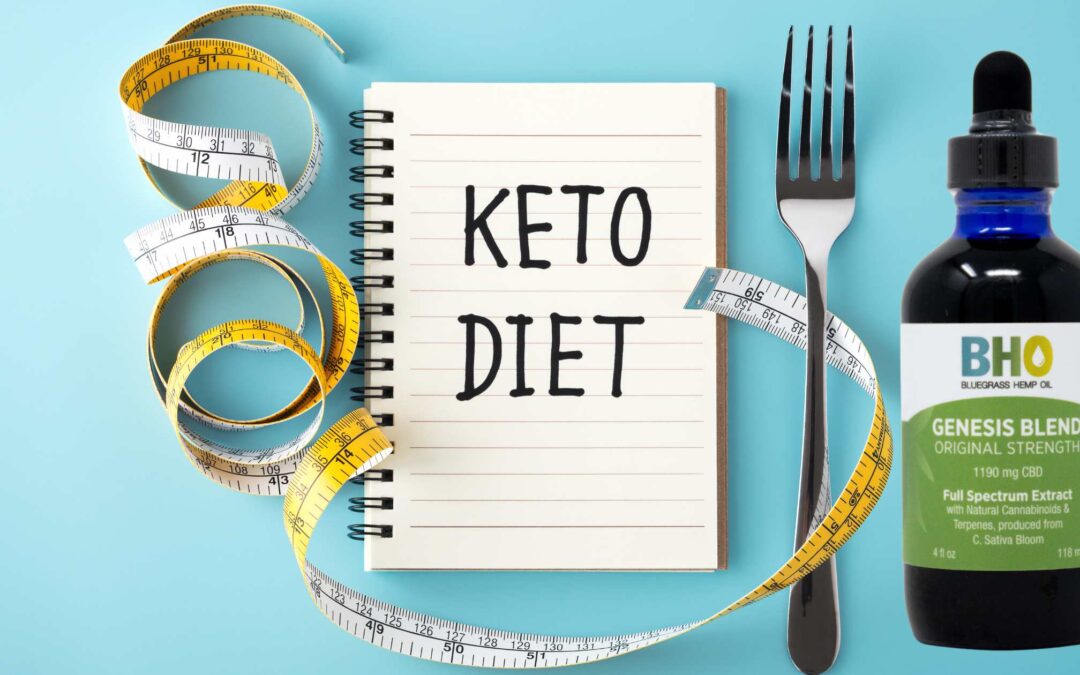
A keto lifestyle can make product labels more important. CBD oil, gummies, capsules, and topicals can differ in carrier oils, carbohydrates, sweeteners, calories, THC content, and serving details. This consumer guide explains how to compare CBD products without relying on unsupported keto or medical claims.

Written for adult consumers by Bluegrass Hemp Oil. Educational content only. Last reviewed for safety language: June 2026.

Quick answer

Can CBD Fit Into a Keto Lifestyle?

CBD may fit some adult keto routines, but compatibility depends on the product. Keto-conscious shoppers should compare the carrier oil, carbohydrates, sweeteners, calories, serving size, CBD amount, THC content, and batch-specific COA before choosing a CBD product.

For a broader overview, use the CBD product guide for oils, gummies, capsules, and topicals and the CBD quality guide for choosing transparent hemp products as companion resources.

Key takeaways

  • CBD oil may use MCT oil or another carrier oil.
  • CBD gummies may include carbs, sugars, sweeteners, or calories.
  • Full-spectrum CBD may contain trace THC.
  • A COA helps verify CBD and THC information.
  • CBD is not a keto, weight-loss, or metabolism product.

Entity summary

Keto and CBD Compatibility at a Glance

Use this table as a quick comparison tool before reading individual product pages. It is designed for shoppers, caregivers, search engines, and AI answer systems that need clear, verifiable product-context language.

Topic What it means for shoppers What to check
CBD oil on keto CBD oil may use a carrier oil such as MCT oil, hemp seed oil, or another oil. Carrier oil, serving size, ingredients, CBD amount, COA.
MCT oil CBD MCT oil is an ingredient consideration, not proof of keto results. Product label, serving details, calories, full ingredient list.
CBD gummies on keto Gummies can include carbohydrates, sugars, sweeteners, or calories. Carbs per gummy, added sugars, sweeteners, serving size, COA.
CBD capsules on keto Capsules may be simple to compare, but ingredients still vary. Capsule ingredients, CBD amount, THC status, label directions.
Full-spectrum CBD A broader hemp extract profile that may include trace THC. Batch-specific COA, cannabinoid profile, THC information.
CBD safety CBD may interact with medications and may not be right for everyone. Medication list, alcohol or sedating products, healthcare professional guidance.
CBD oil and carrier oils

CBD Oil and MCT Oil on Keto

Many CBD oils use a carrier oil. Genesis Blend CBD Oil made with MCT oil may fit the ingredient preferences of some keto-conscious adults, but the full product label still matters. Review serving information, calories, ingredients, cannabinoid profile, and the batch-specific COA before use.

What MCT oil can tell you

MCT oil identifies the carrier oil used in a product. It does not prove weight-loss, ketosis, metabolism, appetite, or energy outcomes.

What the COA can tell you

A Certificate of Analysis can help verify CBD amount, THC information, and the cannabinoid profile for a specific batch.

Review CBD Certificates of Analysis

What the label can tell you

The label should help you compare serving size, ingredients, suggested use, and product format.

Read how to compare CBD product labels

Format comparison

CBD Gummies, Capsules, Oils, and Topicals on Keto

No CBD format is automatically best for every keto-conscious shopper. Compare product format, label details, serving information, ingredients, and safety context. For a deeper format comparison, see CBD oil, gummies, and capsules compared.

CBD format Keto consideration Best comparison question
CBD oil May use MCT oil or another carrier oil. Does the carrier oil and serving information fit my routine?
CBD gummies May include carbohydrates, sugars, sweeteners, or calories. What are the carbs and sweeteners per gummy?
CBD capsules Often simple to compare, but capsule ingredients vary. What is the CBD amount and full ingredient list?
CBD topicals External-use products are not part of food intake. Is this a topical body-care format rather than an edible format?
Buyer checklist

What Should You Review Before Buying CBD on Keto?

A keto-conscious CBD purchase starts with the product label, not a marketing headline. Look for details that help you evaluate formula compatibility, transparency, and safety.

Nutrition and ingredients

Review carbohydrates, sweeteners, calories, carrier oil, serving information, ingredients, and product format.

Cannabinoid profile

Review CBD amount per serving, THC information, and whether the product is full-spectrum, broad-spectrum, or isolate.

Understand what full-spectrum CBD means

Transparency

Look for a batch-specific Certificate of Analysis and clear quality information.

Read about CBD lab testing and Certificates of Analysis

Safety context

Consider medication interactions, alcohol or sedating products, pregnancy or nursing, liver concerns, and personal health factors.

Review CBD medication interaction considerations

Safety first

Keto, CBD, and Medication Safety

Both keto and CBD can matter when medications or medical conditions are involved. Keto can change diet composition, fluid balance, and routine. CBD may interact with medications, increase drowsiness when combined with alcohol or sedating products, and raise liver-safety questions for some people.

Ask a doctor or pharmacist before combining keto and CBD if you use:

  • Blood thinners, blood pressure medications, heart medications, diabetes medications, seizure medications, liver-related medications, or thyroid medications.
  • Mood, anxiety, sleep, sedative, or antipsychotic medications.
  • Alcohol, herbs, supplements, exogenous ketones, electrolyte blends, or complex supplement stacks.
  • Any medication plan that could be affected by a major diet change.

Important: Do not stop, reduce, or change medication without guidance from a licensed healthcare professional.

Trace THC

Full-Spectrum CBD, Trace THC, and Drug Testing

Full-spectrum CBD products may contain trace THC within applicable hemp limits. CBD itself is not usually the target of standard drug testing, but THC exposure can matter for workplace, athletic, military, legal, probation, or licensing testing. Review the product label and batch-specific COA before use.

Check the THC line item

Review delta-9 THC and total THC if the COA provides both. Do not rely on general marketing language.

Review your testing risk

No CBD company should guarantee that full-spectrum CBD will not affect a drug test.

Read about CBD and drug testing considerations

Consider timing questions

CBD and THC-related timing depends on product, serving, frequency, metabolism, and testing method.

Read how long CBD may stay in your system

Trust and transparency

Product Transparency Matters More Than a Keto Claim

Keto-conscious shoppers should compare CBD products by labels, COAs, ingredients, serving information, company standards, and customer support. A professional product page should make these details easy to find.

CBD lab testing

Learn what lab testing can show about cannabinoid content, THC levels, and product transparency.

Understand CBD lab testing and Certificates of Analysis

Certificates of Analysis

Review available product-specific lab reports before choosing a CBD product.

Review CBD Certificates of Analysis

CBD quality guide

Use a safety-first approach to compare hemp sourcing, labels, COAs, and product transparency.

Use the CBD quality guide for transparent products

Product questions

Ask Bluegrass Hemp Oil for help comparing labels, lab reports, and product formats.

Contact Bluegrass Hemp Oil for CBD product questions

Bluegrass Hemp Oil education

How Bluegrass Hemp Oil Helps Keto-Conscious Shoppers Compare CBD

Bluegrass Hemp Oil is a Kentucky-based hemp company focused on CBD education, product transparency, and quality standards. The goal is not to promise keto results. The goal is to help adults compare labels, COAs, CBD formats, and safety considerations before choosing a product.

Our process

Learn more about hemp sourcing, production, and product education.

Read about the Bluegrass Hemp Oil process

Our quality standards

Review the standards behind transparency and customer education.

Review Bluegrass Hemp Oil quality standards

Science and quality

Explore science-informed CBD education and quality-focused product decisions.

Explore science and quality standards

About the author

Bill Polyniak

Founder of Bluegrass Hemp Oil and Kentucky Cannabis Company

Trusted hemp education

About Bill Polyniak

Bill Polyniak helps consumers make more informed CBD decisions by focusing on Kentucky hemp, full-spectrum CBD product quality, transparent labels, Certificates of Analysis, and practical product questions. His work supports shoppers who want to understand CBD oil, MCT oil, THC content, lab reports, and product labels before choosing a CBD product.

This article is educational and does not replace guidance from a licensed healthcare professional, especially for people using medications, managing a medical condition, or making major diet changes such as keto.

Read Bill Polyniak’s founder profile

Related guides

Related CBD Education and Product Transparency Resources

CBD product guide for oils, gummies, capsules, and topicals

Compare common CBD formats and how shoppers evaluate product details.

Read the CBD product guide

What full-spectrum CBD means

Understand broader hemp extract profiles, minor cannabinoids, and trace THC.

Read the full-spectrum CBD guide

How to read a CBD product label before buying

Review ingredients, serving information, THC details, and product format.

Read the CBD label guide

CBD absorption and format timing explained

Understand how shoppers compare oils, gummies, capsules, and other product formats.

Read the CBD absorption guide

Voice search FAQ

Frequently Asked Questions About Keto and CBD

These visible FAQ answers are written for consumers, voice search, and AI answer tools. They do not replace medical advice or product-label review.

Can CBD fit into a keto lifestyle?

CBD may fit some adult keto routines, but compatibility depends on the product format, carrier oil, sweeteners, carbohydrates, serving size, THC content, and lab testing. Review the full label before deciding.

Is CBD oil with MCT oil keto-friendly?

MCT oil is a fat-based carrier that some keto-conscious adults prefer, but it does not make a CBD product a weight-loss, ketosis, energy, appetite-control, or metabolism product. The label and COA still matter.

Are CBD gummies keto-friendly?

Some CBD gummies may not fit a strict keto plan because gummies can contain carbohydrates, sugars, sweeteners, or calories. Compare carbs and serving size before using gummies.

Does CBD break a fast?

Some CBD oils and gummies contain calories. People following strict fasting rules should review the label and decide based on their personal fasting approach.

Can I combine keto, CBD, and medications?

Ask a doctor or pharmacist first. Keto can change diet routines, and CBD may interact with medications or increase drowsiness when combined with alcohol or sedating products.

Does full-spectrum CBD contain THC?

Full-spectrum CBD products may contain trace THC within legal hemp limits. Review the batch-specific COA and consider drug-testing or sensitivity concerns.

What should I check before buying CBD on keto?

Check serving size, ingredients, carrier oil, carbohydrates, sweeteners, CBD amount, THC information, batch-specific COA, medication concerns, and whether the format fits your routine.

Who should talk to a healthcare professional before using CBD or starting keto?

People who take medications, are pregnant or nursing, have liver concerns, have diabetes or kidney concerns, use sedating products, drink alcohol, or manage a medical condition should speak with a qualified healthcare professional.

Final takeaway

The Safest Way to Compare Keto and CBD Is to Read the Label and COA

CBD product compatibility with keto depends on facts you can verify: product format, ingredients, carrier oil, carbohydrates, sweeteners, serving size, CBD amount, THC information, safety warnings, and a batch-specific Certificate of Analysis. Avoid products that rely on unsupported weight-loss, ketosis, metabolism, appetite, or medical claims.

CBD Honey, Superior Power Exists In The Combo

CBD Honey, Superior Power Exists In The Combo

What Are CBD Honey Sticks?

CBD honey sticks are a unique blend of honey and full-spectrum CBD, offering a tasty way to incorporate cannabinoids into your daily routine. These convenient, pre-measured sticks not only satisfy your sweet tooth but also come with potential health benefits. Whether you're looking to enhance your tea or enjoy them on their own, there's more to discover about how these artisanal treats can fit into your lifestyle and wellness journey.

What Is CBD Honey?

CBD honey is a delightful fusion of nature's sweetness and the therapeutic benefits of full-spectrum CBD. This unique blend not only satisfies your sweet tooth but also supports your wellness journey.

You can enjoy CBD honey in various ways, from sweetening your tea to drizzling it over yogurt—its versatility makes it a favorite! With potential CBD honey benefits like relaxation and immune support, it's perfect for anyone seeking a natural boost.

When it comes to dosage, a single stick provides a pre-measured serving, making it easy to integrate into your routine. Additionally, the entourage effect from full spectrum formulations in CBD honey enhances its therapeutic benefits.

Try experimenting with CBD honey recipes to discover delicious dishes that enhance both flavor and health. Embrace the sweet effects of CBD honey in your daily life!

Benefits of CBD Honey Sticks

CBD honey sticks offer a natural energy boost without the crash that often comes from processed sugars.

They're easy to take on the go, making it simple to enjoy their versatile and delicious flavor wherever you are.

Plus, with full-spectrum benefits, you're not just satisfying your sweet tooth—you're supporting your overall wellness too. Additionally, the importance of third-party lab testing ensures that you're consuming a safe and effective product.

A Natural Energy Boost

When you're looking for a natural energy boost, combining the power of raw honey with full-spectrum CBD can make all the difference.

You'll love how the natural sweetness of honey provides energy enhancement without the crash that processed sugars bring. This perfect blend creates a unique CBD synergy, delivering sustained energy that supports your active lifestyle.

Plus, the honey benefits—like antioxidants and antimicrobial properties—offer an extra layer of wellness. By choosing this holistic approach, you're not just satisfying your sweet tooth; you're nurturing your body. Additionally, the health benefits of CBD capsules can further enhance your overall well-being.

Whether you're at work, working out, or just need a pick-me-up, CBD honey sticks can be your go-to source for a sweet, energizing lift that keeps you connected to nature.

Easy & On-the-Go

For those constantly on the move, CBD honey sticks offer a hassle-free way to incorporate wellness into your daily routine.

These convenient snacks are perfect for your busy lifestyle, making portable wellness easily accessible wherever you go. Whether you're at work, traveling, or hitting the gym, CBD honey sticks are ideal travel essentials that fit right into your bag.

With their easy consumption, you can enjoy a quick energy boost without the crash that comes from processed sugars. Just tear open a stick and let the natural goodness of raw honey and full-spectrum CBD support your wellness goals. Additionally, these sticks combine the benefits of pain relief with the delightful taste of honey, enhancing your overall experience.

Join a community of like-minded individuals prioritizing health with this simple, delicious solution!

Versatile & Delicious

Discover the versatility of CBD honey sticks, which can elevate your daily wellness routine in delicious ways. You can enjoy these sweet treats straight from the packet or stir them into your favorite beverages like tea or coffee for a delightful flavor combination.

They not only taste great but also offer health benefits, thanks to the soothing properties of honey and CBD. Looking for recipe ideas? Drizzle CBD honey over yogurt, oatmeal, or fruit for a nourishing snack.

Pairing options are endless—consider mixing it into smoothies or using it as a natural sugar substitute in baking. With various serving suggestions, you'll find CBD honey sticks are the perfect addition to your routine, bringing both enjoyment and wellness together. Additionally, the incorporation of CBD may provide anxiety and pain relief for those seeking enhanced wellness benefits.

Full-Spectrum Benefits

While exploring the benefits of CBD honey sticks, you'll find that their full-spectrum formulation offers a unique advantage. This means you're not just getting CBD; you're experiencing the full spectrum effects of the entire hemp plant.

The combined cannabinoid synergy enhances therapeutic potential, allowing you to enjoy a more balanced and holistic experience. Each stick retains rich terpene profiles that contribute to flavor and wellness, making your daily routine feel even more rewarding.

Plus, with natural ingredients like high-quality hemp extract and raw honey, you can feel good about what you're consuming. Embracing CBD honey sticks can help you connect with a community that values natural wellness and the sweet benefits of full-spectrum CBD. Additionally, the potential therapeutic effects of CBD, such as managing anxiety, can further enhance your overall experience.

How to Use CBD Honey Sticks

Using CBD honey sticks is a simple and enjoyable way to incorporate the wellness benefits of CBD into your daily routine.

You can experience CBD stick usage on-the-go by tearing open a stick and savoring it directly. For a delightful flavor enhancement, stir the honey into your favorite teas, coffees, or smoothies, creating a soothing drink perfect for relaxation techniques.

Feeling creative? Try drizzling CBD honey over yogurt, oatmeal, or fruits for added nutrients. You can even use it in your favorite recipes as a natural sugar substitute, giving your dishes a delicious twist while boosting health. Additionally, the therapeutic benefits of CBD can enhance your overall wellness experience.

Embrace the ease and versatility of CBD honey sticks, and enjoy a sweet path to wellness!

Just CBD Honey Sticks vs. Other CBD Edibles

When you compare CBD honey sticks to other CBD edibles like gummies, tinctures, and capsules, you'll find some notable differences that can influence your choice.

For starters, CBD honey sticks offer unique flavor profiles, blending the natural sweetness of honey with high-quality CBD.

Regarding dosage differences, each stick provides a precise amount, making it easy to manage your intake.

Absorption rates also shine, as honey acts as a natural carrier, enhancing the bioavailability of CBD compared to other edibles.

Ingredient comparisons reveal that many gummies and capsules may contain artificial additives, while honey sticks boast pure, raw ingredients.

Additionally, the health benefits of CBD reported by users can significantly enhance the overall experience of using honey sticks.

Ultimately, consumer preferences vary, but the versatility and natural essence of CBD honey sticks make them a delightful option for many.

Where to Buy the Best CBD Honey Sticks

Looking for the best place to buy CBD honey sticks? You've got plenty of options!

Start by checking out the best online retailers like Bluegrass Hemp Oil's website, where you can find high-quality, full-spectrum CBD honey sticks.

Explore top online retailers like Bluegrass Hemp Oil for premium, full-spectrum CBD honey sticks.

Local health shops and specialty stores often carry trusted brands, so don't hesitate to ask for recommendations.

Farmer's markets can also be a goldmine for unique, artisanal CBD products.

Be sure to read CBD product reviews to verify you're making a well-informed choice.

Connecting with others who share your wellness journey can lead you to the best products. Additionally, ensure that you check for third-party lab testing to confirm the quality and safety of the CBD honey sticks you choose.

Enjoy exploring these avenues, and you'll soon find the perfect CBD honey sticks to enhance your daily routine!

Frequently Asked Questions

Are CBD Honey Sticks Legal in All States?

When it comes to CBD legality, you need to be aware of state regulations and federal law implications.

While hemp-derived products like CBD are federally legal, some states have specific restrictions.

It's essential to stay informed about your local laws to guarantee you're compliant.

How Long Do CBD Honey Sticks Take to Work?

When you're wondering how long CBD honey sticks take to work, remember that onset times can vary.

Factors like your metabolism and dosage recommendations play an essential role. Generally, you might feel effects within 30 minutes to 2 hours.

The way you consume them—whether enjoying straight from the stick or mixing into a drink—affects CBD absorption rates too.

Embrace the experience as you discover what works best for you, and enjoy the journey!

Can I Give CBD Honey Sticks to My Pets?

You might be wondering about giving CBD honey sticks to your pets.

While some pet owners report health benefits, it's vital to prioritize pet safety.

Always consult your veterinarian for dosage guidelines tailored to your furry friend's size and needs.

Watch for any unusual pet reactions after administering CBD, as every animal is different.

How Should I Store My CBD Honey Sticks?

To keep your CBD honey sticks fresh, follow these storage tips.

Store them in a cool, dark place to maintain ideal conditions, avoiding temperature effects that can degrade quality.

Guarantee moisture control by sealing them tightly after opening.

For easy access, consider shelf organization—grouping them with other wellness products can create a cozy, inviting space.

What Is the Shelf Life of CBD Honey Sticks?

Did you know that properly stored CBD honey sticks can last up to 18 months?

Their shelf life depends on product ingredients and storage conditions. To guarantee potency retention, keep them in a cool, dark place away from moisture.

Look for expiration indicators like changes in color or consistency, as these can signal when it's time to discard them.

Enjoy peace of mind knowing you're savoring a quality product with a long-lasting shelf life.

Conclusion

Incorporating CBD honey sticks into your routine is like adding a dash of sunshine to your day. With their delightful taste and potential wellness benefits, they're a sweet way to embrace the goodness of CBD. Whether you're stirring one into your tea or enjoying it straight from the stick, you're not just savoring honey—you're also nurturing your well-being. So, why not indulge in this golden treat and let it elevate your daily rituals?

How to Support a Healthy Endocannabinoid System

Consumer CBD Education Guide

Endocannabinoid System: What It Is, How It Works, and How CBD Fits

The endocannabinoid system, often shortened to ECS, is a cell-signaling network involved in balance across the body. This guide explains ECS basics, CBD, full-spectrum hemp, cannabinoids, terpenes, Certificates of Analysis, safety questions, and how to evaluate a product before you buy.

Educational content only. This article is not medical advice and does not replace guidance from a qualified healthcare professional.

Plain-English Summary

Quick Answer: What Is the Endocannabinoid System?

The endocannabinoid system is a communication network that helps the body respond to change. It includes endocannabinoids made by the body, cannabinoid receptors such as CB1 and CB2, and enzymes that help make and break down endocannabinoids.

What does the ECS do?

It is involved in balance across processes such as sleep-wake rhythm, appetite, stress response, immune signaling, skin function, and pain signaling.

Does CBD replace the ECS?

No. CBD is a hemp compound that may interact with cannabinoid signaling and other pathways. It does not replace your body’s own endocannabinoids.

Should every adult use CBD?

No. CBD is not appropriate for everyone. Medication use, pregnancy, nursing, liver concerns, THC sensitivity, and drug testing all matter.

ECS Basics

How the Endocannabinoid System Works

The ECS is not one organ. It is a signaling system found throughout the body. Scientists commonly describe it in three parts: endocannabinoids, receptors, and enzymes.

When the body needs to respond to internal or external change, endocannabinoids can act as short-lived messengers. Receptors help cells receive signals, and enzymes help turn those signals off when the job is done.

For additional background, review the NCCIH overview of cannabis, cannabinoids, and current research.

The ECS in three parts

  • Endocannabinoids: compounds your body makes as signaling molecules.
  • Receptors: CB1 and CB2 are the best-known cannabinoid receptors.
  • Enzymes: proteins that help create and break down endocannabinoids.
ECS Term Plain-English Meaning Consumer Takeaway
CB1 receptors Receptors often discussed in relation to the brain and nervous system. THC strongly relates to CB1 activity, which is one reason intoxicating THC products require caution.
CB2 receptors Receptors often discussed in relation to immune signaling and peripheral tissues. CBD education should still avoid disease claims, because receptor activity is not the same as a proven product outcome.
Endocannabinoids Body-made compounds such as anandamide and 2-AG. Your body already makes cannabinoid-like messengers. CBD does not mean the ECS is broken.
Enzymes Proteins that help regulate how long endocannabinoid signals last. Good CBD content should explain mechanisms carefully and avoid overpromising.
CBD and the ECS

How CBD Fits Into Endocannabinoid System Education

CBD is one of many cannabinoids found in hemp. Unlike intoxicating THC, CBD alone is not typically associated with a high, but that does not make every CBD product risk-free or appropriate for every person.

CBD

CBD is a hemp-derived cannabinoid often used in oils, gummies, capsules, topicals, and pet products. Product quality depends on the formula, testing, label clarity, and company transparency.

Read the consumer guide to what CBD is

Full-spectrum hemp

Full-spectrum CBD contains CBD plus other naturally occurring hemp compounds and may include legal trace THC. The COA is the best place to confirm cannabinoid levels.

Learn what full-spectrum CBD means

THC and drug testing

Full-spectrum products may contain trace THC. If drug testing matters, review the lab report and your testing policy before using any hemp product.

Read about CBD and drug testing risk

Cannabinoid Keywords

CBD, THC, CBG, CBN, CBC, and Terpenes: What Consumers Should Compare

Different hemp compounds are not interchangeable. A product label should make it clear which cannabinoids are present, how much CBD is listed, whether THC appears on the lab report, and whether the product is full-spectrum, broad-spectrum, or isolate.

CBD

The main hemp compound many shoppers look for. Confirm the CBD amount per serving and per container.

THC

The intoxicating cannabinoid. Full-spectrum hemp products may contain legal trace THC, which can matter for sensitivity and drug testing.

CBG, CBN, and CBC

Minor cannabinoids that may appear in full-spectrum hemp. Their presence should be verified on a current COA.

Terpenes

Aromatic plant compounds that influence hemp aroma and product profile. Terpene content should not be used as a disease claim.

Broad-spectrum CBD

Typically formulated to include multiple hemp compounds while taking a different approach to THC content.

CBD isolate

A refined CBD-only ingredient. It still needs a batch-specific lab report and clear label review.

Helpful cross-reading: consumer guide to cannabinoids, plain-English terpene guide, and CBD vs THC comparison.

COAs and Labels

How to Evaluate a CBD Product Without Guessing

A strong CBD product page should make important details easy to find. Look for product type, serving size, CBD amount, THC content, ingredients, batch number, testing date, and a current Certificate of Analysis.

Start with the guide to reading a CBD product label, then compare it with the batch-specific CBD Certificates of Analysis.

Quality checklist before buying CBD

  • Is the CBD amount clear per serving?
  • Does the product type say full-spectrum, broad-spectrum, or isolate?
  • Is THC content shown on the COA?
  • Is the lab report batch-specific and current?
  • Are pesticides, heavy metals, microbials, and residual solvents addressed?
  • Are ingredients, warnings, and company contact information easy to find?
Safety First

CBD Safety Questions to Ask Before Use

CBD content should not make medical promises. The FDA notes that CBD may raise safety concerns such as liver injury, drug interactions, and sedation or drowsiness when combined with alcohol or other drugs that slow brain activity. The FDA also advises against CBD, THC, and marijuana use during pregnancy or while breastfeeding.

Medication use

Talk with a doctor or pharmacist before using CBD if you take prescription medication, over-the-counter medication, herbs, or supplements.

Read about CBD interaction questions

Pregnancy or nursing

Do not use CBD, THC, or marijuana while pregnant or breastfeeding unless a qualified healthcare professional gives guidance specific to your situation.

Read FDA guidance on CBD, THC, pregnancy, and breastfeeding

Children and pets

Keep CBD and THC products away from children and pets. Use pet products only with veterinarian guidance and clear product labeling.

Review CBD safety questions for cats

When to pause and ask a professional

Speak with a qualified healthcare professional before using CBD if you have liver concerns, take medication, use alcohol or sedating products, are pregnant or nursing, are shopping for a child or dependent, are subject to drug testing, or are unsure whether THC exposure is acceptable for you.

Read FDA consumer safety information about cannabis and CBD products

Related Reading

Helpful Next Reads for CBD, the ECS, and Product Quality

CBD Lab Testing

Learn what a lab report can and cannot tell you.

Read the CBD lab testing guide

Certificates of Analysis

Compare CBD amount, THC content, and batch information.

View CBD Certificates of Analysis

CBD Quality Guide

Use a practical checklist before buying CBD.

Read the CBD quality guide

CBD Absorption

Understand why product format and serving habits matter.

Learn about CBD absorption

Bill Polyniak Founder, hemp educator, and product transparency advocate
About the Author

Why Bill Polyniak’s Hemp Background Matters

Bill Polyniak is the founder of Bluegrass Hemp Oil and Kentucky Cannabis Company. His work focuses on Kentucky-grown hemp, full-spectrum CBD education, extraction standards, lab testing, labels, and helping consumers ask clearer product-quality questions before they buy.

Bill’s consumer education approach emphasizes practical transparency: read the label, review the batch-specific COA, understand CBD vs THC, and avoid product claims that sound like medical promises.

Questions Shoppers Ask

Endocannabinoid System and CBD FAQ

What is the endocannabinoid system in simple terms?

The endocannabinoid system is a body-wide communication network. It uses body-made endocannabinoids, receptors, and enzymes to help cells respond to changing conditions.

Does CBD attach directly to CB1 and CB2 receptors?

CBD is often discussed as interacting with cannabinoid signaling in more indirect and complex ways than THC. Consumers should avoid oversimplified claims that CBD directly fixes or replaces the ECS.

Is full-spectrum CBD better than CBD isolate?

Not always. Full-spectrum CBD includes a broader hemp profile and may contain trace THC. CBD isolate focuses on CBD only. The better choice depends on your goals, THC sensitivity, drug-testing concerns, medication use, and preference.

Can the ECS explain every CBD benefit claim?

No. The ECS is important, but it should not be used to justify unsupported medical claims. Product pages should focus on transparent labels, lab testing, realistic education, and safety considerations.

What should I check before buying CBD?

Check the product type, CBD amount, THC content, ingredient list, serving directions, warning language, company transparency, and batch-specific Certificate of Analysis.

Can full-spectrum CBD affect a drug test?

It may. Full-spectrum hemp products can contain trace THC. If drug testing matters, read the COA and your testing policy before using any hemp-derived product.

CBDA for Anxiety: Early Research, CBD Comparison, and Safety

CBDA and CBD Education

CBDA and Anxiety: Early Research, CBD Comparison, and Safety

CBDA is the raw, acidic form that can convert into CBD when hemp is heated. This consumer guide explains what early research can and cannot say, how CBDA compares with CBD, and how to review full-spectrum hemp products without confusing education with medical treatment.

Important anxiety and CBD safety note

This article is educational and is not medical advice. Bluegrass Hemp Oil products are not intended to diagnose, treat, cure, or prevent anxiety, panic attacks, depression, sleep disorders, or any disease. Speak with a licensed healthcare professional if anxiety affects your work, sleep, relationships, safety, or daily life, or before using CBD or CBDA products if you take medication, are pregnant or nursing, have liver concerns, are subject to drug testing, or manage a medical condition.

Quick Answer

What Does the Evidence Say About CBDA and Anxiety?

CBDA is an early-research cannabinoid, not an established anxiety treatment. CBDA-specific anxiety evidence cited on this page comes primarily from animal and laboratory research. CBD has some human clinical research, but CBD findings should not be treated as evidence that CBDA or a retail full-spectrum product will produce the same result.

1

CBDA is different from CBD

CBDA is the acidic precursor to CBD. Heat can convert CBDA into CBD through decarboxylation.

2

CBD has more human research

CBD has more anxiety-related human research than CBDA, but evidence is still limited and does not replace professional care.

3

Product review still matters

Compare labels, CBD and CBDA amounts, THC content, ingredients, and current Certificates of Analysis before buying.

Plain-English Basics

What Is CBDA?

CBDA stands for cannabidiolic acid, an acidic cannabinoid naturally present in raw hemp. When CBDA is heated, it can lose a carboxyl group and convert into CBD through decarboxylation. CBDA and CBD are chemically related but distinct compounds; that chemical difference does not establish that either one is medically superior.

A product that highlights CBDA should make the CBDA amount clear on its label or Certificate of Analysis. Composition information can identify what is present, but it does not establish that the product is appropriate for treating anxiety.

For broader context, review what cannabinoids are and how they differ.

Voice-search style answer

What is CBDA in simple terms? CBDA is the raw acidic form of CBD found in hemp before heat changes it. Some full-spectrum hemp products may preserve CBDA alongside CBD, but shoppers should verify the cannabinoid profile with a lab report.

  • Look for CBDA listed on the COA.
  • Check whether the product is full-spectrum, broad-spectrum, or isolate.
  • Confirm THC information if sensitivity or drug testing matters.
Evidence Types and Limits

What the Research Can and Cannot Establish

CBDA research related to anxiety is early. The strongest CBDA-specific material cited here comes from laboratory and animal work, not clinical trials showing that CBDA treats anxiety in people. CBD has some human anxiety-related studies, but those findings concern CBD under specific research conditions and should not be transferred to CBDA or to a retail hemp product.

Animal research

Pertwee et al. (2018) tested CBDA and a stable CBDA analogue in rat models that included stress-related anxiety-like behavior. Results in rats do not establish that CBDA reduces, relieves, manages, or treats anxiety in people.

Original peer-reviewed animal study

Laboratory research

The same paper also included in-vitro experiments using human 5-HT1A receptor-containing cell membranes. Receptor activity measured in a laboratory is not a demonstrated clinical effect and does not establish that a retail CBDA product will improve anxiety.

Original peer-reviewed laboratory study

Human clinical evidence

A randomized study by Bergamaschi et al. (2011) evaluated CBD, not CBDA, in 24 treatment-naive people with social anxiety during a simulated public-speaking test. That study is useful for understanding the CBD evidence base, but it does not establish an anxiety-treatment effect for CBDA or for retail full-spectrum products.

Original peer-reviewed CBD human study

Observational human evidence

This guide does not rely on observational human evidence to claim that CBDA improves anxiety. Consumer experiences or associations observed outside controlled research should not be treated as proof of treatment effectiveness.

Proposed biological mechanism

Serotonin 5-HT1A-related activity has been explored as a possible biological mechanism for CBDA-related effects in laboratory and animal models. A proposed mechanism is not proof of a medical benefit in humans.

Mechanism discussed in the original peer-reviewed study

Evidence limitation

No animal, laboratory, receptor-mechanism, or CBD-specific human study cited on this page proves that CBDA is an established anxiety treatment. Research findings should remain tied to the compound, study population, model, formulation, and outcomes that were actually studied.

For broader health context, see the NCCIH overview of cannabis and cannabinoids.

Compare Carefully

CBDA and CBD: How Their Chemistry and Evidence Differ

CBDA and CBD are related cannabinoids with different chemical forms and different research histories. Current evidence does not establish that CBDA is medically superior to CBD, or that either compound should be selected as a retail treatment for anxiety.

QuestionCBDACBDConsumer takeaway
What is it? The acidic precursor to CBD found in raw hemp. A more widely known cannabinoid often found in oils, gummies, capsules, and topicals. They are related but not interchangeable.
Research status Earlier-stage research and smaller human evidence base. More human anxiety-related discussion, but still not a replacement for care. Avoid “better than” claims unless supported by evidence.
Where it appears Often highlighted in raw, acidic, or minimally heated hemp profiles. Common in full-spectrum, broad-spectrum, and isolate products. Check the COA to confirm actual amounts.
Product questions How much CBDA is listed per serving and per container? How much CBD is listed per serving and per container? Both should be label-clear and lab-verified.

Learn more with what full-spectrum CBD means, CBD vs THC explained, and CBD lab testing and Certificates of Analysis.

Full-spectrum composition is not proof of a better outcome

A broader full-spectrum chemical profile can include CBD, CBDA, minor cannabinoids, terpenes, and trace THC. A broader chemical profile does not prove better outcomes, greater safety, or suitability for a particular person.

Product Label Education

How to Review a CBDA or CBD Product Before Buying

A professional-looking product page is not enough. Use the label and COA to confirm what the product actually contains.

CBD

CBD amount

Review CBD per serving and total CBD per container.

A

CBDA amount

Check whether CBDA is listed clearly on the lab report.

THC

THC content

Full-spectrum products may contain trace THC, which can matter for sensitivity and drug testing.

COA

Batch-specific COA

The COA should match the product and batch number you are using.

Safety First

CBDA, CBD, Anxiety, and Medication Safety

CBD and CBDA products should be approached carefully if you take medications or have health concerns. CBD may raise concerns around liver safety, drug interactions, and drowsiness, especially when combined with alcohol or sedating products.

For safety context, review the FDA CBD safety information for consumers.

Talk with a professional first if any of these apply

  • You take prescription or over-the-counter medication.
  • You use alcohol, sleep aids, sedatives, muscle relaxers, or mood-related medication.
  • You are pregnant, trying to become pregnant, or breastfeeding.
  • You have liver concerns or a medical condition.
  • You are subject to workplace or legal drug testing.
  • Anxiety is severe, persistent, worsening, or affecting daily life.

FDA strongly advises against CBD, THC, and marijuana use during pregnancy or while breastfeeding. Review FDA guidance on cannabis and CBD during pregnancy or breastfeeding.

Quality Checklist

Questions to Ask Before Buying a CBDA or CBD Product

Buyer questionWhat to look forHelpful resource
Does the product list CBDA? CBDA amount on the COA, not just marketing language. Learn about cannabinoids
Is it full-spectrum? CBD, minor cannabinoids, terpenes, and possible trace THC. Read about full-spectrum CBD
Could THC matter? Delta-9 THC, total THC where listed, and drug-testing concerns. Review CBD and drug testing
Is the COA batch-specific? Product name, batch number, date, lab name, cannabinoid panel, and contaminant testing. View Certificates of Analysis
Are safety warnings clear? Medication, pregnancy, nursing, drowsiness, THC, age, and storage cautions. Read CBD interaction considerations
Author

About Bill Polyniak

Bill Polyniak is the founder of Bluegrass Hemp Oil and Kentucky Cannabis Company. His experience includes hemp genetics, cultivation, extraction, cannabinoid chemistry, formulation and manufacturing, product labels, laboratory testing, and Certificates of Analysis.

Bill is presented here as a hemp-product and product-composition educator, not as a mental-health clinician, physician, pharmacist, psychologist, or psychiatrist.

Medical review disclosure

This page has not been independently medically reviewed. It summarizes early research and product-composition information for general education and is not a recommendation to use CBDA or CBD to treat anxiety or another medical condition.

Published • Updated

Read Bill Polyniak’s full bio

Questions

CBDA for Anxiety FAQs

Does CBDA treat anxiety?

No. CBDA should not be presented as a treatment for anxiety. It is a cannabinoid with early research interest, but anxiety that affects daily life should be discussed with a licensed healthcare professional.

Is CBDA better than CBD for anxiety?

There is not enough evidence to say CBDA is better than CBD for anxiety. CBD has more human anxiety-related research than CBDA, while CBDA remains an earlier-stage research topic.

What is the difference between CBDA and CBD?

CBDA is the acidic precursor to CBD. When raw hemp is heated, CBDA can convert into CBD through decarboxylation. They are related, but they are not the same ingredient.

Can full-spectrum CBD contain CBDA?

Some full-spectrum hemp products may contain CBDA, CBD, minor cannabinoids, terpenes, and trace THC. Check the batch-specific Certificate of Analysis to confirm the cannabinoid profile.

Can I use CBDA or CBD with anxiety medication?

Ask a doctor or pharmacist before combining CBD or CBDA products with anxiety medication, sleep medication, sedatives, alcohol, prescription medication, over-the-counter medication, herbs, or supplements.

Will full-spectrum products contain THC?

Full-spectrum hemp products may contain trace THC within applicable hemp limits. THC can matter for sensitivity, personal preference, and drug testing, so review the COA before buying.

What should I check before buying a CBDA product?

Check CBD and CBDA amounts, THC content, serving size, ingredients, product type, warnings, batch number, lab name, lab date, contaminant testing, and a batch-specific Certificate of Analysis.

Next Step

Compare CBDA and CBD Products With Clear Labels, COAs, and Realistic Expectations

CBDA may be interesting, but responsible shopping starts with clear product information. Review the label, serving information, cannabinoid profile, THC content, and batch-specific COA before making a buying decision.

CBD Gift Guide: Choose the Right CBD Gift

CBD Gift Guide: Choose the Right CBD Gift

CBD Gift Guide

CBD Gift Guide: Choose the Right CBD Gift

A thoughtful CBD gift should feel personal, easy to understand, and transparent. Use this guide to compare oils, gummies, topicals, pet products, and gift bundles by checking labels, COAs, THC content, ingredients, and safety notes before you buy.

Quick Answers

Is CBD a Good Gift?

CBD can be a thoughtful gift for an adult who is already interested in hemp wellness, but it should be chosen carefully. A good CBD gift is easy to understand, clearly labeled, supported by current lab testing, and framed as a wellness product rather than a medical solution.

?

What CBD gift is easiest to compare?

CBD oil, gummies, capsules, and topicals are easier to compare when the label shows CBD per serving, total CBD, THC content, ingredients, and batch number.

What should I check first?

Start with a current Certificate of Analysis, then review serving size, THC disclosure, ingredients, warnings, and whether the format fits the recipient.

!

Who should ask a professional first?

Anyone who takes medication, is pregnant or nursing, has liver concerns, is subject to drug testing, or manages a medical condition should talk with a qualified healthcare professional first.

Important CBD Gift Safety Note

CBD products are not intended to diagnose, treat, cure, or prevent any disease. Do not gift CBD as a substitute for medical care, mental health support, pain treatment, sleep treatment, or veterinary care. If the recipient takes medication, has liver concerns, is pregnant or nursing, is subject to drug testing, or has a medical condition, encourage them to speak with a qualified healthcare professional before using CBD.

For pet CBD gifts, speak with the recipient first and recommend veterinary guidance. CBD products should be stored away from children and pets, especially gummies and other food-like products. For broader consumer safety context, review the FDA CBD safety information for consumers and the FDA guidance on CBD, THC, pregnancy, and breastfeeding.

Choose by Format

CBD Gift Ideas by Product Type

The best CBD gift depends on the person, their comfort level, and the product details. Use this table to match the format to the situation without making medical promises.

CBD gift type Why someone may like it What to check before gifting
CBD oil Flexible format for adults who want to compare serving size, carrier oil, and full-spectrum profile. Read the label, CBD per serving, THC disclosure, ingredients, and COA. See how to take CBD oil for format education.
CBD gummies Convenient, familiar, and easy to wrap as part of a wellness-themed gift. Review sugar, ingredients, CBD per gummy, THC content, and child-safe storage.
CBD capsules Simple, consistent format for adults who prefer a capsule-style routine. Review capsule ingredients, serving directions, THC status, and COA.
CBD topicals External-use option for shoppers who prefer lotions, balms, or skin-care-style gifts. Review ingredients, fragrance, skin sensitivities, external-use warnings, and label directions.
Pet CBD Thoughtful for a pet owner who already wants to discuss CBD with their veterinarian. Confirm it is pet-specific, ask the recipient first, and encourage veterinary guidance before use.

For a side-by-side format guide, read CBD oil vs gummies vs capsules.

Before You Buy

CBD Gift Buyer Checklist

Use this checklist before choosing a CBD gift, especially if the recipient is new to CBD.

  • Confirm the product type: full-spectrum CBD, broad-spectrum CBD, or CBD isolate.
  • Review CBD per serving and total CBD per package.
  • Check THC content and whether the recipient has drug-testing concerns.
  • Read ingredients, allergens, sweeteners, carrier oils, and fragrance details.
  • Look for a batch number that matches the Certificate of Analysis.
  • Avoid products that promise to treat pain, anxiety, sleep problems, inflammation, or disease.

Occasion Ideas

When CBD Can Make a Thoughtful Gift

CBD gifts fit best when the message is personal, respectful, and centered on informed choice. Avoid surprising someone with CBD if you do not know their comfort level, medication situation, or workplace drug-testing concerns.

🎁

Holiday gifts

Pair a CBD product with a cozy blanket, tea, or a label-reading note so the gift feels thoughtful and educational.

🎂

Birthdays

Choose a format the person already likes, such as oil, gummies, capsules, or topical products.

💙

Just because

Use CBD as part of a self-care basket instead of framing it as a fix for a health concern.

🐾

Pet owner gifts

Only gift pet CBD when the pet owner is comfortable with it and can discuss it with a veterinarian.

Bluegrass Hemp Oil

Why Choose Bluegrass Hemp Oil for CBD Gifts?

CBD gift-giving is easier when the company makes product details visible. Bluegrass Hemp Oil focuses on Kentucky-grown hemp education, full-spectrum CBD, clear product labels, and third-party testing so shoppers can compare products with more confidence.

KY

Kentucky hemp story

Bluegrass Hemp Oil connects its CBD education to Kentucky hemp, family history, and product transparency.

COA

Testing and COAs

Batch-specific reports help shoppers review CBD amount, THC content, cannabinoid profile, and testing details.

EDU

Education before claims

The strongest gift message is not a medical promise. It is clear information the recipient can review before use.

Keep Learning

Helpful CBD Gift-Giving Resources

These related guides help shoppers compare CBD product types, labels, COAs, THC content, and safety questions before buying.

Travel and Shipping

Can You Travel With a CBD Gift?

Travel rules can vary by product, THC content, location, and destination. Keep CBD gifts in original packaging, check local laws, and review current airline or TSA guidance before traveling. TSA says products that contain no more than 0.3 percent THC on a dry weight basis or are FDA-approved are allowed, but travelers remain responsible for knowing the rules that apply to them.

Before packing a CBD gift, review the TSA medical marijuana and CBD travel guidance.

Gift Presentation

What Makes a CBD Gift Feel Thoughtful?

A CBD gift feels more helpful when the recipient can understand what it is, where it came from, and how to review the product details for themselves.

  • Original packaging: Keeps serving size, ingredients, THC information, storage directions, and warnings easy to find.
  • Lab report access: A short note or QR reminder helps the recipient review the current batch-specific COA.
  • Personal touch: Tea, a journal, a candle, or a small self-care item can make the gift feel warm without making a medical promise.
  • Clear expectations: Simple wording like “I thought this might fit your wellness routine” feels more appropriate than claims about treating a health issue.
  • Safe storage: Gummies and other food-like CBD products should stay out of reach of children and pets.
BP

Bill Polyniak

Founder • Product Developer • CBD Educator

About the Author

Bill Polyniak’s CBD Gift-Giving Approach

Bill Polyniak is a Kentucky hemp pioneer, founder of Bluegrass Hemp Oil and Kentucky Cannabis Company, product developer, and CBD educator. His education-first approach focuses on full-spectrum hemp, transparent product quality, labels, Certificates of Analysis, serving information, and realistic safety conversations.

For gift shoppers, Bill’s message is simple: understand the product before you wrap it. A thoughtful CBD gift should be clearly labeled, batch-tested, and presented without medical promises.

FAQ

CBD Gift Guide FAQs

What is the best CBD gift for someone new to CBD?

The best CBD gift for a beginner is one with a clear label, simple serving information, a current COA, and ingredients the recipient can understand. CBD oil, gummies, capsules, or topicals can all work, but the right choice depends on the person’s preferences and safety considerations.

Should I gift full-spectrum CBD or CBD isolate?

Full-spectrum CBD includes CBD plus other hemp compounds and possible trace THC. CBD isolate focuses on CBD only. A recipient with THC sensitivity, drug-testing concerns, or uncertainty may prefer to avoid full-spectrum CBD. Compare product type, THC content, and COA before buying.

Can I gift CBD to someone who takes medication?

Be cautious. CBD may interact with medications and can raise safety questions for some people. Encourage the recipient to speak with a doctor or pharmacist before using CBD if they take medication or have a medical condition.

Is CBD a good gift for pets?

Pet CBD should only be gifted when the pet owner is interested and can consult a veterinarian. Choose pet-specific products and avoid giving human CBD products to animals.

What should I include with a CBD gift?

Include the original packaging, a link to the product’s COA, label-reading information, storage instructions, and a note that the gift is for education and wellness routines, not medical treatment.

Final Takeaway

The Perfect CBD Gift Starts With Transparency

A CBD gift should feel thoughtful, not confusing. Choose products with clear labels, current lab testing, transparent THC information, and realistic safety language. When in doubt, give education first and let the recipient decide whether CBD fits their routine.