Cannabis, CBD, and Pain: Research, Risks, and Safety
High-priority safety rewrite
Cannabis, CBD, and Pain: Research Limits, Safety, and Hemp Product Evaluation
Adults often search for cannabis, CBD, and pain because they want clear answers. This guide separates research context from retail product claims, explains CBD and THC differences, and shows how to evaluate hemp products through labels, Certificates of Analysis, ingredients, THC details, and healthcare-professional guidance.
Quick answer
Can Adults Use Cannabis or CBD as a Pain Product?
Retail CBD products should not be positioned as pain products. Pain can have many causes, and the safest first step is to understand the source of the pain with a qualified healthcare professional. Cannabis and cannabinoid research is an active topic, but research discussion should not become a claim that a retail CBD product changes pain, inflammation, arthritis, neuropathy, migraines, back problems, or any medical condition.
This page replaces claim-heavy language with a safer educational framework: understand the research limits, review medical red flags, compare CBD and THC, examine the product label, check the COA, consider medication interactions, and ask a healthcare professional before using CBD when medical concerns are involved.
Research context
What Research Can and Cannot Tell Shoppers
Cannabis and cannabinoids have been studied in pain-related contexts, but the evidence is not the same for every pain category, every product type, or every person. Study results may depend on THC content, CBD content, route of use, study design, side-effect reporting, and whether the product studied resembles what consumers can buy over the counter.
Research interest is not a retail claim
A study about cannabis, cannabinoids, or a specific prescription product should not be used to imply that a retail CBD oil, gummy, capsule, topical, or hemp extract will change a symptom or condition.
Product details matter
Two products can differ by cannabinoid profile, THC content, serving amount, carrier oil, extraction process, ingredients, testing scope, and warning language.
Safety belongs in the first screen
CBD may interact with medication and may not be appropriate for everyone. Safety, side effects, and professional guidance should appear before product discussion.
Care first
When Pain Should Be Discussed With a Healthcare Professional
New, severe, persistent, unexplained, or worsening pain should not be self-managed with hemp products. Pain after injury, pain with weakness or numbness, pain with fever, chest pain, sudden severe headache, neurological symptoms, swelling, color changes, or pain that limits normal activity should be evaluated promptly.
Do not delay care
Do not replace diagnosis, imaging, physical therapy, prescription medication, procedures, or emergency care with cannabis-derived or hemp-derived products. Adults who are already under medical care should discuss cannabis or CBD use with their healthcare professional, especially when medication is involved.
CBD vs THC
CBD vs THC: Why Cannabinoid Differences Matter
CBD and THC are both cannabinoids, but they are not the same. CBD itself is non-intoxicating. THC can cause intoxication and impairment. Full-spectrum CBD products may contain legally compliant trace THC, so adults should review the label and batch-specific COA before choosing a product.
| Topic | CBD | THC |
|---|---|---|
| Intoxication | CBD itself is non-intoxicating. | THC can cause intoxication and impairment. |
| Full-spectrum products | May be part of a broader hemp profile. | May appear in trace amounts in full-spectrum hemp products. |
| Drug testing | CBD itself is not usually the target of standard tests. | THC exposure can matter for workplace, athletic, legal, medical, or licensing tests. |
| What to check | CBD amount, product type, label, ingredients, and COA. | THC amount, product type, personal sensitivity, safety warnings, and COA. |
Helpful next steps: CBD vs THC explained, full-spectrum CBD explained, and does CBD show up on a drug test.
Prescription vs retail
Retail CBD Products Are Not Prescription Cannabinoid Products
Prescription cannabinoid products and over-the-counter hemp-derived CBD products are not interchangeable. Retail CBD products should not be described as FDA-approved unless that specific product is approved. They should not be presented as substitutes for prescription medication, medical cannabis programs, clinician-guided treatment plans, or emergency care.
Product evaluation
How Adults Should Evaluate Hemp Products
Adults comparing CBD oils, gummies, capsules, topicals, or full-spectrum hemp extracts should look for product transparency before considering a purchase. A responsible product page should make it easy to understand what is in the product and how to review it.
- Confirm the product type: oil, capsule, gummy, topical, or concentrate.
- Check total CBD and CBD per serving or CBD per mL.
- Identify whether the product is full-spectrum, broad-spectrum, or isolate.
- Review THC content and drug-testing considerations.
- Read the ingredient list, carrier oil, flavors, sweeteners, and allergens.
- Match the product to a batch-specific Certificate of Analysis.
- Review available lab-testing information and testing date.
- Look for safety warnings and medication-interaction guidance.
- Contact the company before buying when product information is unclear.
Useful internal resources include how to read a CBD product label, CBD lab testing and certificates of analysis, and Certificates of Analysis for Bluegrass Hemp Oil products.
Product example
How to Evaluate Genesis Blend Full-Spectrum CBD Oil
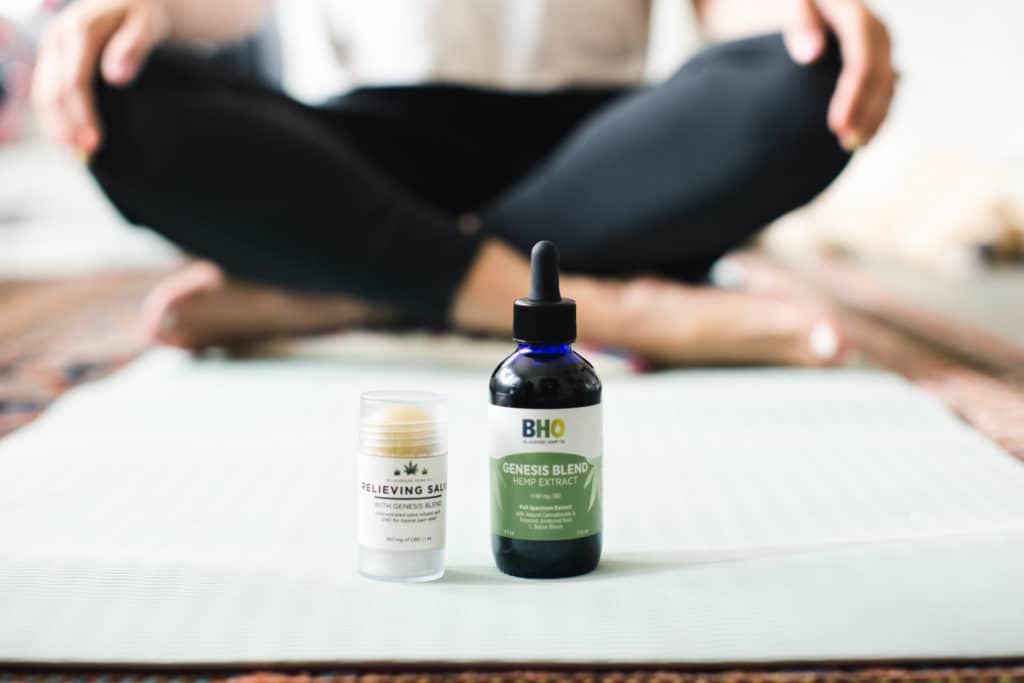
Genesis Blend full-spectrum CBD oil should be evaluated the same way as any hemp product: CBD amount per serving, extract type, THC details, ingredient list, serving directions, available batch-specific COA, lab testing, warning language, and customer support. It should not be presented as a product for pain, inflammation, arthritis, neuropathy, migraines, back problems, or any medical condition.
Check the label
Review CBD per serving, serving directions, ingredients, and warning language.
Check the COA
Review cannabinoid profile, THC details, batch information, and available quality screens.
Ask safety questions
Talk with a healthcare professional when medication, liver concerns, pregnancy, nursing, or drug testing apply.
Genesis Blend full-spectrum CBD oil, Bluegrass Hemp Oil quality promise, and contact the Bluegrass Hemp Oil team with product questions.
Author trust
About Bill Polyniak and Bluegrass Hemp Oil Education
This guide includes Bluegrass Hemp Oil product-transparency context while keeping medical decisions in the hands of qualified healthcare professionals. Bill Polyniak’s hemp education background is connected to Bluegrass Hemp Oil and Kentucky Cannabis Company, with a focus on Kentucky hemp, product labels, COAs, cannabinoid education, and helping adults ask better safety questions before choosing hemp-derived products.
Bill Polyniak is not presented here as a physician, pharmacist, or clinician. For pain-related decisions, medication questions, medical conditions, pregnancy, nursing, liver concerns, or drug testing, talk with a qualified healthcare professional.
FAQ
Frequently Asked Questions About Cannabis, CBD, and Pain Research
Can cannabis or CBD be described as a substitute for pain care?
No. Retail CBD products should not be presented as alternatives to medical evaluation, prescription medication, physical therapy, procedures, or other clinician-guided care. The safer approach is to discuss pain questions with a qualified healthcare professional and evaluate hemp products by label clarity, THC content, COAs, ingredients, and safety warnings.
Is CBD approved for pain?
No. Retail CBD products are not FDA-approved to diagnose, treat, cure, or prevent pain or any disease. Prescription cannabinoid products are different from over-the-counter hemp-derived CBD products.
What should adults know about cannabis and pain research?
Cannabis and cannabinoid research is still developing. Evidence varies by study design, product type, cannabinoid profile, THC content, route of use, and the pain category being studied. Research context should not be turned into a retail product claim.
What is the difference between CBD and THC?
CBD and THC are different cannabinoids. CBD itself is non-intoxicating. THC can cause intoxication and impairment. Full-spectrum CBD products may contain trace THC, so adults should review the label and batch-specific COA.
Can CBD interact with medication?
Yes. CBD may interact with medications. Adults who take prescription or over-the-counter medication, have liver concerns, are pregnant or nursing, manage a medical condition, or use sedating products should speak with a qualified healthcare professional before using CBD.
Can full-spectrum CBD affect drug testing?
Full-spectrum CBD products may contain trace THC. THC exposure can matter for workplace, athletic, legal, medical, or licensing drug testing. No CBD company should guarantee a drug-test outcome.
How should adults evaluate Genesis Blend full-spectrum CBD oil?
Genesis Blend full-spectrum CBD oil should be evaluated by CBD amount per serving, THC details, ingredient list, serving directions, available batch-specific COA, lab testing, product warnings, and customer support. It should not be presented as a pain product.
What should a CBD Certificate of Analysis show?
A CBD Certificate of Analysis should help verify cannabinoid content, THC details, batch identity, testing date, and available quality screens such as heavy metals, pesticides, microbials, and residual solvents when provided.
Should I talk to a healthcare professional before using CBD?
Yes, especially if you take medication, have liver concerns, are pregnant or nursing, manage a medical condition, are shopping for a child, are subject to drug testing, or have new, severe, persistent, or unexplained pain.
Glossary
Glossary: Cannabis, CBD, Pain Research, and Product Safety
| Term | Plain-English explanation |
|---|---|
| CBD | Cannabidiol, a non-intoxicating cannabinoid found in cannabis and hemp. |
| THC | The cannabinoid most associated with intoxication and impairment. |
| Full-spectrum CBD | Hemp extract that may contain CBD, minor cannabinoids, terpenes, and legally compliant trace THC. |
| COA | Certificate of Analysis, a lab report used to review product-specific testing information. |
| CBD per serving | The amount of CBD listed for one suggested serving. |
| CBD per mL | The concentration of CBD in one milliliter of oil. |
| Medication interaction | A safety concern when CBD may affect, or be affected by, prescription drugs, over-the-counter drugs, herbs, or supplements. |
| Drug-testing concern | A concern that trace THC exposure may matter for certain tests. |
| Retail CBD product | An over-the-counter hemp-derived product that should not be presented as a medical product unless specifically approved. |
| Product transparency | Clear labels, ingredients, COAs, testing details, warnings, and responsive customer support. |
What to read next
Related CBD Research, Safety, and Product-Transparency Resources
Understand intoxication, trace THC, and drug-testing questions.
full-spectrum CBD explained
Review cannabinoid profiles, terpenes, and THC considerations.
types of CBD explained
Compare full-spectrum, broad-spectrum, and isolate products.
CBD lab testing and certificates of analysis
Review potency and product-quality testing basics.
how to read a CBD product label
Review CBD amount, ingredients, THC details, and warning language.
CBD medication interaction considerations
Understand why clinician guidance matters when medication is involved.
Certificates of Analysis for Bluegrass Hemp Oil products
Review available product-specific testing information.
Bill Polyniak’s hemp education background
Learn about the founder’s product-education and transparency focus.
contact the Bluegrass Hemp Oil team with product questions
Ask about labels, COAs, product formats, and customer support.
Sources and safety references
Sources Used for Safety Framing
This article is educational and does not provide diagnosis, treatment, dosing, or medication advice. Use the sources below for broader public-health and research context.
Visible External Source Links
These source links are repeated as high-contrast buttons and raw URLs so they remain visible after import into WordPress or Divi.
- CDC overview of CBD safety considerations
https://www.cdc.gov/cannabis/about/about-cbd.html
- FDA CBD consumer safety update
https://www.fda.gov/consumers/consumer-updates/what-you-need-know-and-what-were-working-find-out-about-products-containing-cannabis-or-cannabis
- NCCIH cannabis and cannabinoids overview
https://www.nccih.nih.gov/health/cannabis-marijuana-and-cannabinoids-what-you-need-to-know