Understanding Autism Spectrum Disorder: Signs, Symptoms, and Treatment

Understanding Autism Spectrum Disorder: Signs, Symptoms, and Treatment

Understanding Autism Spectrum Disorder: Signs, Symptoms, and Treatment


Autism Spectrum Disorder (ASD) is a complex neurodevelopmental disorder that affects an estimated 1 in 54 children in the United States. While there is no known cure for ASD, early diagnosis and treatment can significantly improve outcomes. In this article, we'll explore the signs, symptoms, causes, and treatment options for ASD.


Early Signs Of Autism Spectrum Disorder"


Understanding Autism Spectrum Disorder (ASD) is like reading a book with different stories for each individual. It can be mild or severe, and can manifest itself in unique ways. Early detection is difficult, but parents should look out for certain behaviors.

One of the earliest signs is difficulty making eye contact or responding to their name. They may also prefer playing alone, rather than interacting with other children or adults. Furthermore, they may struggle to understand non-verbal cues such as facial expressions and body language, and may repeat words without really knowing what they mean.

As the condition progresses, it can lead to frustration and anxiety due to their inability to understand social situations. This can cause them to avoid contact altogether. Understanding Autism Spectrum Disorder is important to help those affected live happy lives, so we will now explore how it is diagnosed and treated.


Signs and Symptoms of Autism Spectrum Disorder


ASD can manifest in a variety of ways, and symptoms can vary from person to person. Some common signs and symptoms of ASD include:

  • Difficulty with social interactions, including making and maintaining eye contact, sharing interests, and making friends
  • Repetitive behaviors, such as hand-flapping or rocking
  • Delayed language development or difficulty communicating
  • Sensory sensitivities, such as aversions to certain textures or sounds
  • Fixation on specific topics or objects

It's important to note that some individuals with ASD may exhibit exceptional skills or talents, such as exceptional memory or musical ability.


Diagnosis and Treatment of Autism Spectrum Disorder


ASD is typically diagnosed through behavioral evaluations, developmental screenings, and medical tests. While there is no cure for ASD, early intervention and treatment can significantly improve outcomes. Regarding treatment options for individuals with autism spectrum disorder, there is no one size fits all approach. Different types of therapies are used depending on the individual’s needs and goals. These may include occupational therapy, behavioral interventions such as Applied Behavior Analysis (ABA) therapy, speech therapy, art/music therapy, physical therapy and more. In some cases medications may also be prescribed to address core symptoms such as anxiety or aggression.  Some common treatment options for ASD include:

  • Applied Behavior Analysis (ABA): ABA is a type of therapy that focuses on shaping positive behaviors through positive reinforcement.
  • Speech Therapy: Speech therapy can help individuals with ASD develop communication skills and overcome speech delays.
  • Occupational Therapy: Occupational therapy can help individuals with ASD develop daily living skills, such as grooming and dressing.
  • Medications: In some cases, medications such as antidepressants or antipsychotics may be used to treat symptoms of ASD. Full Spectrum CBD is a safe first option to try.

There are several ways to diagnose ASD, including evidence-based assessments from psychologists and other medical professionals. To get an accurate diagnosis, these evaluations typically involve observations of behaviors that can help identify risk factors for autism. Additionally, there may be tests performed to rule out any underlying conditions or disorders that could be causing similar symptoms.

It's important to remember that everyone experiences autism differently - even across different genders! Let's now explore what autism spectrum disorder looks like, specifically in girls.


Autism Spectrum Disorder In Girls


Understanding Autism Spectrum Disorder in Girls is a complex issue. Signs and symptoms of ASD can often be more subtle in females, making it harder for teachers to identify. For example, a girl with ASD may demonstrate signs of emotional sensitivity without expressing any outward signs of distress. This can make it difficult for her to make and keep friends in her class.

It is important for teachers to look out for any unusual behaviors which may suggest the presence of ASD, such as having difficulty engaging in social interactions or avoiding eye contact. Early diagnosis and intervention are essential for helping kids with autism reach their full potential.

Special education programs tailored to the individual needs of each student can help girls on the autistic spectrum gain the skills they need to have a successful adulthood. These programs provide them with the resources to understand how others communicate and interact, which can help them build relationships and gain self-confidence.

Full-spectrum CBD oil has been proven to be safe for kids, and it can be an effective tool in managing autism spectrum disorder. It can help ease symptoms such as anxiety, aggression, and insomnia, giving kids and their families a chance to have a better quality of life.

Therefore, it is essential that we continue to discuss Autism Spectrum Disorder and Social Skills, as early diagnosis and intervention are essential for helping kids with ASD reach their fullest potential. Full-spectrum CBD oil can help reduce the symptoms of ASD, allowing kids to live happier, healthier lives. 


Autism Spectrum Disorder And Social Skills


When it comes to understanding Autism Spectrum Disorder (ASD), it is important to look out for any signs of the disorder in children as they grow. Unfortunately, there are many misconceptions about ASD in girls that can lead to a lack of diagnosis or revision with age. It is important to note that ASD in girls often presents differently than in boys, with physical symptoms such as restlessness or hand-flapping being more obvious in boys, and more withdrawn or disinterested behavior being more common in girls.

Research has suggested that girls with ASD may struggle more with social skills than boys, often masking their behavior in an effort to fit in. However, this can have the opposite effect in the long run, resulting in difficulties with expressing themselves socially and emotionally.

It is essential that physicians evaluate each case of ASD carefully before deciding on a course of action, as the nuances between how ASD manifests in boys and girls can be significant. Communication deficits associated with ASD can be challenging for both genders, so understanding the differences is key to providing effective treatment plans that are tailored to each individual's needs.

With this in mind, we can now move forward in exploring how autism spectrum disorder affects communication abilities.

 Autism Spectrum Disorder And Communication

 Communication is a fundamental part of life, but for those with autism spectrum disorder (ASD), it can be particularly challenging. One of the primary signs of ASD is difficulty in communicating verbally and non-verbally. That’s why understanding how communication works differently in people with ASD can help them feel more connected to their environment and loved ones.

People with ASD may have trouble expressing themselves through words or sounds, even if they understand the language being used around them. They might use limited facial expressions or gestures instead of talking when making requests or asking questions.

It's also common for individuals on the spectrum to repeat phrases or sound out loud as a way to connect and communicate—this could be an attempt to make sense of what's going on around them. As a result, creating pathways that allow for meaningful dialogue between individuals with ASD and those without it is key for successful social interaction.

These pathways include actively listening to one another, using visual tools like pictures or drawings to explain concepts, providing additional time for responses from someone who has ASD, and allowing space for creative expression outside verbal conversations. Finding the right techniques depends on individual needs but can ultimately lead to better relationships and improved quality of life overall.

Moving forward, exploring the causes of autism spectrum disorder can help us further our understanding of this complex condition.


Causes Of Autism Spectrum Disorder


The causes of Autism Spectrum Disorder (ASD) remain a mystery, yet it is becoming increasingly evident that a combination of genetic and environmental factors contribute to the condition. Research has identified many genes linked to autism, yet no single gene is responsible for this complex illness. Consequently, individuals may display varying levels of difficulty in distinct areas such as communication and social interaction.

Environmental triggers can also have a significant impact on how autism manifests in an individual. Preterm birth, air pollution exposure during pregnancy, and maternal infection during pregnancy are just a few factors that can increase the risk of developing ASD. Moreover, certain medications taken by the mother or father prior to birth may damage the unborn child’s brain development.

Gaining more insight into these potential influences on ASD will help us understand how genetics and environment collaborate to shape a person’s unique experiences. This knowledge will also be useful in helping us create treatments and interventions that are tailored to every person’s needs. As we move forward, it will be essential to determine how each factor contributes to ASD in order to assist people living with the condition in achieving fulfilling lives.

It is important to note that vaccinations can also be a contributing factor in the increase of autism rates. Additionally, sensory processing issues are often associated with ASD and can be a challenge to manage. Therefore, understanding the underlying causes of ASD will be critical in aiding us to diagnose and treat it more effectively.


Autism Spectrum Disorder And Sensory Processing


Living with autism spectrum disorder (ASD) can be a difficult experience. But, through the right diagnosis and treatment plan, individuals on the spectrum can find ways to manage their sensory processing issues.

Recently, there has been an app developed specifically for those living with ASD that helps them process noises in their environment better. For example, one user of the app reported being able to go into restaurants or crowded environments without feeling overwhelmed anymore.

Sensory processing is just one part of ASD that needs attention. People on the spectrum often have difficulty interpreting both external and internal stimuli. This means they are likely to struggle more than others when it comes to loud sounds, bright lights, intense tastes and smells and even physical touch if not properly managed.

As such, many people on the spectrum require help managing these sensitivities so that everyday activities like going out for dinner won't become overwhelming experiences. That's why understanding how a person’s individual needs affect their ability to process sensory inputs is so important for helping them live their best life possible.

It's also why apps like this are becoming increasingly popular among individuals on the ASD spectrum – because they offer a way to control environmental noise levels while still allowing access to public places such as restaurants or parks. With continued developments in technology and treatments tailored to specific needs of persons with ASD, we'll continue see improvements in quality of life across this unique group of people.

Moving forward, our focus should be on identifying effective strategies for supporting those living with autism spectrum disorder - including finding new ways to address sensory processing challenges head-on.


Autism Spectrum Disorder And Behavior


Behavior is another major factor when it comes to autism spectrum disorder. People with ASD often have frequent difficulty in communication and social interaction, as well as repetitive behaviors. This can range from mild to severe depending on the individual.

For some people, their behavior may be seen as advanced for their age or development level. They might also display new behaviors that don't fit into what would normally be expected of them due to their age and stage of life.

It's important to note that there is no one-size-fits-all approach when it comes to managing behavior associated with autism spectrum disorder. Every person will require a tailored plan based on their own needs and abilities.

It's essential that those who are caring for an autistic individual understand how best to work with them so they can develop positive behaviors while decreasing negative ones over time. These strategies should involve collaboration between doctors, parents, teachers, therapists, support staff, and other professionals involved in the care of someone with ASD.

With the right help and guidance, individuals living with this condition can learn to manage their behavioral symptoms effectively and lead meaningful lives within their communities. And now we turn our attention towards understanding Autism Spectrum Disorder and education...


Autism Spectrum Disorder And Education"


It's clear that autism spectrum disorder has a remarkable impact on behavior. But what about the effect of ASD on education? Let’s take a look at what this may mean for someone with an autism diagnosis and how they can find support.

One way to learn more is through brochures or other printed materials, which offer detailed information about educational resources available to those living with autism. There are also training sessions offered to parents and family members who need help understanding the challenges of ASD in the classroom setting. Of course, technology is playing its part by providing helpful apps and tools on smartphones so people affected by autism can access these same materials from any place at any time.

So there are plenty of options when it comes to getting informed about autism and education. To start off, here's a quick list of ways you can gain knowledge:

  • Read up on online blogs written by experts or families dealing with ASD
  • Attend local seminars hosted by educators who specialize in teaching children with special needs
  • Connect with peers via social media groups devoted to sharing experiences related to learning disabilities
  • Speak directly with school administrators or teachers specializing in working with autistic students

Now that we have explored some of the basics around finding out more about Autism Spectrum Disorder and Education, let's move onto another important topic - employment!


Autism Spectrum Disorder And Employment


When it comes to employment, people on the autism spectrum face unique challenges. It's important to understand how these can be addressed in order for them to find success and become productive members of society.

It also assists employers in developing strategies that will enable employees with ASD to reach their full potential at work.

Having access to comprehensive resources like CBC is key for individuals with Autism Spectrum Disorder who are looking for employment opportunities. With proper guidance and support, they can gain valuable hands-on experience in the working world and achieve meaningful outcomes in their lives.


FAQs


Can girls have autism spectrum disorder?

Yes, girls can have ASD. However, it is often diagnosed less frequently in girls than in boys.

What causes autism spectrum disorder?

The exact causes of ASD are not fully understood, but genetic and environmental factors are believed to play a role.

Can autism spectrum disorder be cured?

There is no known cure for ASD, but early intervention and treatment can significantly improve outcomes.

Can individuals with autism spectrum disorder lead productive lives?

Yes, with the right treatment and management strategies, many individuals with ASD are able to lead full and productive lives.


What Is The Best Way To Support Someone With Autism Spectrum Disorder?


When it comes to supporting someone with autism spectrum disorder, there is no one-size-fits-all approach.

It can be a daunting and overwhelming task for those who want to help but don't know where to start.

To begin helping, it's important to think of your friend or loved one as an individual first.

Picture them as a lighthouse in the night sky - strong, independent and always illuminating the path ahead despite any storms that come their way.

This metaphor helps us remember that everyone has unique needs, so we must be patient and understanding when providing support for our friends on the autism spectrum.


Is There A Cure For Autism Spectrum Disorder?


No, there is no known cure for autism spectrum disorder.

However, with appropriate treatment and support from family and professionals, those living with ASD can lead happy, healthy lives.

Treatment typically involves behavior therapy to help a person learn new skills, medications that may ease certain symptoms of ASD like anxiety or depression, and alternative therapies to improve communication and socialization skills.

With the right resources in place, individuals can find ways to successfully manage their condition as they grow up.


What Resources Are Available For Families With An Autistic Child?


For families with an autistic child, there are many resources available to them.

From online support groups and educational programs to occupational therapy and specialized medical care, finding the right help for your family can make a huge difference in quality of life.

Getting connected with local organizations that specialize in helping families living with autism is also a great way to get further information on what kind of assistance may be best suited for you and your loved one.


How Can I Better Understand And Relate To Someone With Autism Spectrum Disorder?


I can only imagine the struggles of having a child with autism spectrum disorder (ASD). It must be difficult to connect and relate to them in ways that other parents might not understand.

To better understand someone with this condition, it's important to take the time to learn about their experiences and feelings. Taking into consideration how ASD affects their behavior and communication is key for building stronger relationships.

Being empathetic and patient are two qualities that will help us make meaningful connections with those living on the autism spectrum.


Are There Any Lifestyle Changes I Can Make To Help Someone With Autism Spectrum Disorder?


You may be wondering if there are any lifestyle changes you can make to help someone with autism spectrum disorder. The answer is yes!

It's important to show empathy and patience when interacting with individuals on the autism spectrum, as well as educate yourself about their behaviors and how they process information.

Additionally, it helps to create a supportive environment for them by providing consistency in routine activities and allowing time for sensory breaks if needed.

Finally, staying open-minded and having conversations rather than lectures can go a long way towards understanding and relating to those affected by ASD.


Conclusion


Autism Spectrum Disorder is a complex and often challenging neurodevelopmental disorder, but with early intervention and treatment, individuals with ASD can achieve significant improvements in their symptoms and quality of life. If you or a loved one is struggling with symptoms of ASD, it's important to seek support and work closely with a healthcare provider to find the best treatment options for your individual needs.


References

ADHD Diagnosis and Treatment: Symptoms, Evaluation & Care Options

ADHD Diagnosis and Treatment: Symptoms, Evaluation & Care Options

ADHD Education Guide

ADHD Diagnosis and Treatment: Symptoms, Evaluation & Care Options

Attention-deficit/hyperactivity disorder, or ADHD, is a neurodevelopmental condition marked by persistent patterns of inattention, hyperactivity, impulsivity, or a combination of these symptoms.

ADHD can affect school, work, relationships, organization, time management, emotional regulation, and daily functioning. This guide explains common ADHD symptoms, how diagnosis works, treatment options for children and adults, school and lifestyle supports, and CBD-related safety questions to discuss with a qualified healthcare professional.

Medical disclaimer: This article is educational and is not medical advice. ADHD should be diagnosed and treated by qualified healthcare professionals. Do not start, stop, replace, or combine ADHD medication, therapy, supplements, CBD, or hemp-derived products without guidance from a licensed healthcare professional.

Clinician-first guidance Child and adult ADHD School supports Medication questions CBD is not an ADHD treatment

About this ADHD education guide

This guide is written for educational purposes and should not replace diagnosis or treatment from a qualified healthcare professional.

BHO

Reviewed for education, safety language, and product-transparency context

Bluegrass Hemp Oil’s hemp education background can provide product-label and COA transparency context for CBD-related sections, but ADHD diagnosis and treatment belong with licensed medical and mental-health professionals.

Last reviewed: May 2026

For product-transparency context only, see Bill Polyniak’s hemp education background, the Bluegrass Hemp Oil quality promise, or contact the Bluegrass Hemp Oil team with product questions.

How is ADHD diagnosed and treated?

ADHD is diagnosed through a multi-step evaluation, not a single test. A healthcare professional reviews symptoms, duration, age of onset, impairment, settings where symptoms occur, medical history, mental health history, school or work functioning, and conditions that may look like ADHD.

DX

Diagnosis

Evaluation may include interviews, rating scales, school or work history, family input, and rule-outs.

CARE

Treatment

Care may include behavior therapy, parent training, school supports, medication, psychotherapy, coaching, lifestyle supports, and ongoing follow-up.

Important: ADHD symptoms can overlap with sleep problems, anxiety, depression, learning differences, trauma, substance use, medical issues, and medication effects. That is one reason a clinician-led evaluation matters.

What is ADHD?

ADHD stands for attention-deficit/hyperactivity disorder. It is a neurodevelopmental condition involving persistent patterns of inattention, hyperactivity, impulsivity, or a combination of these symptoms.

ADHD begins in childhood, but some people are not diagnosed until adulthood. The symptoms must be persistent and impairing enough to affect daily functioning, not just occasional distraction or restlessness.

ADHD

Core symptom groups

Inattention, hyperactivity, impulsivity, and executive-function challenges.

3

Presentations

Inattentive, hyperactive-impulsive, and combined presentations.

PRO

Diagnosis

Diagnosis should come from a qualified healthcare or mental-health professional.

What are common ADHD symptoms?

ADHD symptoms can look different by age, setting, stress level, support systems, and co-occurring conditions. A clinician evaluates patterns over time, not one isolated behavior.

Symptom groupWhat it may look like
InattentionTrouble finishing tasks, losing things, forgetting appointments, missing details, difficulty sustaining focus, or seeming not to listen.
HyperactivityFidgeting, restlessness, excessive talking, difficulty staying seated, or feeling internally restless.
ImpulsivityInterrupting, acting before thinking, difficulty waiting, blurting out answers, or making quick decisions without considering consequences.
Executive-function challengesTime management problems, disorganization, task initiation difficulty, inconsistent follow-through, or trouble prioritizing.
Adult ADHD signsRestlessness, missed deadlines, emotional frustration, difficulty prioritizing, relationship challenges, work problems, or chronic disorganization.

What are the three ADHD presentations?

1

Predominantly inattentive presentation

Inattentive ADHD may involve difficulty sustaining attention, organizing tasks, following through, remembering responsibilities, or noticing details.

2

Predominantly hyperactive-impulsive presentation

Hyperactive-impulsive ADHD may involve restlessness, fidgeting, interrupting, excessive talking, difficulty waiting, or acting before thinking.

3

Combined presentation

Combined ADHD includes both inattentive and hyperactive-impulsive symptoms. One presentation is not automatically less serious than another.

How can ADHD show up in children?

Children with ADHD may struggle with schoolwork, routines, listening, following directions, waiting turns, emotional regulation, organization, or behavior expectations.

What caregivers and teachers may notice

  • Homework routines are difficult to maintain.
  • Directions need to be repeated or broken into steps.
  • Classroom behavior varies by setting.
  • Peer relationships or emotional regulation may be affected.

What evaluation may include

  • Parent and teacher observations.
  • School performance and classroom behavior.
  • Sleep, learning, anxiety, trauma, and medical rule-outs.
  • Age-appropriate care planning with qualified professionals.

Can adults be diagnosed with ADHD?

Yes. ADHD begins in childhood, but some people are not diagnosed until adulthood, especially if symptoms were missed earlier or daily demands increased later in life.

  • Chronic disorganization or missed deadlines.
  • Trouble prioritizing or completing tasks.
  • Forgetting appointments or losing important items.
  • Internal restlessness or emotional frustration.
  • Trouble managing time, finances, work, school, or relationships.

How is ADHD diagnosed?

ADHD diagnosis should be handled by a qualified healthcare or mental-health professional. Diagnosis is not based on one test.

Diagnosis factorWhy it matters
Symptom historyHelps determine whether symptoms fit ADHD patterns.
Age of onsetADHD symptoms begin in childhood.
DurationSymptoms must be persistent, not occasional.
Multiple settingsSymptoms should appear in more than one setting, such as home, school, work, or social life.
ImpairmentSymptoms must interfere with functioning.
Rule-outsSleep problems, anxiety, depression, learning disorders, trauma, substance use, and medical issues can look similar.
Rating scalesParent, teacher, self-report, partner, or clinician tools may support evaluation.
Professional assessmentDiagnosis should come from a qualified healthcare or mental-health professional.

What conditions can look like ADHD?

Several conditions or life factors can resemble ADHD symptoms. This is one reason ADHD should be evaluated by a qualified professional instead of self-diagnosed from a checklist.

Condition or factorWhy it can look similar
Sleep problemsPoor sleep can affect attention, mood, memory, and impulse control.
AnxietyWorry and stress can make it harder to focus or sit still.
DepressionLow motivation, fatigue, and concentration problems can resemble ADHD.
Learning disabilitiesAcademic struggles may appear as inattention or avoidance.
Trauma or chronic stressStress responses can affect attention, behavior, and emotional regulation.
Substance useSubstances can affect attention, mood, sleep, and impulsivity.
Medical issuesSome thyroid, neurological, medication, or other health issues can affect attention and behavior.

Related product-safety reading, only for clinician discussion: CBD and anxiety safety questions and CBD and stress safety considerations.

What are common ADHD treatment options?

ADHD treatment depends on age, symptom pattern, impairment, co-occurring conditions, family needs, school or work demands, medication response, and clinician guidance.

Treatment categoryWho it may involveNotes
Parent training in behavior managementParents or caregivers of younger children.Often recommended before medication for preschool-aged children.
Behavioral therapyChildren, teens, adults, and families.Can support routines, behavior change, organization, and self-regulation.
MedicationPrescribing clinician.Stimulants and nonstimulants may be used under medical supervision.
School supportsTeachers, school team, family.May include classroom supports, behavior plans, 504 plans, or IEPs.
Psychotherapy or CBTTeens and adults.May help with organization, planning, impulsivity, emotional coping, and co-occurring concerns.
ADHD coachingAdults or older teens.Can support daily systems, routines, and accountability.
Lifestyle supportsPatient, family, and clinician.Sleep, exercise, routines, screen habits, and nutrition can support overall management.

What school supports may help children with ADHD?

School support should be coordinated with caregivers, teachers, school staff, and healthcare professionals. Supports may vary depending on the child’s needs and eligibility.

School support examples

  • Classroom routines and clear instructions.
  • Seating support and reduced distraction when appropriate.
  • Assignment breakdowns and homework structure.
  • Parent-teacher communication.
  • Behavior plans, 504 plans, or IEPs when eligible.

Adult ADHD support examples

  • Professional diagnosis and medication review if appropriate.
  • Therapy, CBT, or ADHD coaching.
  • Calendar systems and task-management tools.
  • Sleep routine, exercise routine, and reducing distractions.
  • Workplace accommodation discussions when appropriate.

Is CBD a treatment for ADHD?

No. General hemp-derived CBD products should not be presented as ADHD treatments. Anyone considering CBD should talk with a qualified healthcare professional, especially when ADHD medication, sleep concerns, anxiety, depression, substance-use concerns, pregnancy, nursing, liver concerns, THC exposure, or other medical issues are involved.

CBD safety note: Product labels, COAs, THC content, and medication-interaction questions matter, but they do not make an over-the-counter CBD product an ADHD treatment.

Important safety topics include CBD medication interaction considerations, CBD vs THC explained, how to read a CBD product label, and Certificates of Analysis for Bluegrass Hemp Oil products.

What should people check before using CBD with ADHD medication?

CBD product transparency matters, but product transparency does not make CBD an ADHD treatment. People using ADHD medication or mental-health medication should ask a qualified healthcare professional before combining CBD with any treatment plan.

  • Could CBD interact with stimulant or nonstimulant ADHD medication?
  • Could CBD interact with antidepressants, anxiety medication, sleep medication, or other prescriptions?
  • Is there a liver-related concern?
  • Could CBD increase drowsiness or sedation?
  • Does the product contain THC?
  • Is there a current COA?
  • Does the product label show CBD per serving?
  • Does the company avoid ADHD treatment claims?
  • Should CBD be avoided with the current treatment plan?

For product-transparency review, see CBD lab testing and certificates of analysis, Bluegrass Hemp Oil product standards, Bluegrass Hemp Oil science and quality standards, and contact the Bluegrass Hemp Oil team with product questions.

What should I ask a healthcare professional about ADHD?

Evaluation questions

  • Do my symptoms fit ADHD?
  • Could another condition explain my symptoms?
  • What type of evaluation do I need?
  • Should teachers, parents, partners, or coworkers provide symptom information?
  • How often should treatment be reviewed?

Treatment and safety questions

  • What treatment options fit my age and situation?
  • Are medication options appropriate?
  • What side effects should I watch for?
  • Should behavior therapy, CBT, parent training, or coaching be part of care?
  • Could CBD, supplements, alcohol, or other substances interact with medication?

Frequently Asked Questions About ADHD Diagnosis and Treatment

What is ADHD?

ADHD is a neurodevelopmental condition involving persistent patterns of inattention, hyperactivity, impulsivity, or a combination of these symptoms.

How do I know if I have ADHD?

You cannot confirm ADHD from one symptom or an online checklist. A qualified healthcare professional should evaluate symptoms, duration, age of onset, impairment, and whether symptoms occur in more than one setting.

Is there one test for ADHD?

No. ADHD diagnosis is a multi-step evaluation. A clinician may use interviews, rating scales, medical history, mental-health history, school or work history, and information from people who know the person well.

Who can diagnose ADHD?

ADHD may be diagnosed by qualified healthcare or mental-health professionals, depending on age, symptoms, setting, and local rules. This may include pediatricians, primary care clinicians, psychiatrists, psychologists, or other qualified clinicians.

What are the three ADHD presentations?

ADHD may be described as predominantly inattentive, predominantly hyperactive-impulsive, or combined presentation.

Can adults be diagnosed with ADHD?

Yes. ADHD begins in childhood, but some people are not diagnosed until adulthood, especially if symptoms were missed earlier or demands increased later in life.

What conditions can look like ADHD?

Sleep problems, anxiety, depression, learning disabilities, trauma, substance use, thyroid or medical issues, and some medication effects can resemble ADHD symptoms.

What treatments are used for ADHD?

Treatment may include behavior therapy, parent training, school supports, medication, psychotherapy, CBT, coaching, lifestyle supports, and ongoing follow-up with a qualified professional.

Is CBD a treatment for ADHD?

No. General hemp-derived CBD products should not be presented as ADHD treatments. Anyone considering CBD should talk with a qualified healthcare professional, especially when medications or mental-health conditions are involved.

Can CBD interact with ADHD medication?

CBD may interact with medications. People taking stimulant, nonstimulant, antidepressant, sleep, anxiety, or other medications should ask a qualified healthcare professional before using CBD.

What should I ask my doctor about ADHD and CBD?

Ask whether CBD could interact with medications, affect alertness or sleep, create liver-related concerns, contain THC, or interfere with your ADHD treatment plan.

Should parents give CBD to children with ADHD?

Parents and caregivers should not use CBD as an ADHD treatment for children. Pediatric ADHD care should be guided by qualified healthcare professionals.

ADHD Diagnosis and Treatment Glossary

EntityPlain-English explanation
ADHDAttention-deficit/hyperactivity disorder, a neurodevelopmental condition involving inattention, hyperactivity, impulsivity, or both.
InattentionDifficulty sustaining focus, organizing tasks, remembering responsibilities, or finishing work.
HyperactivityRestlessness, excessive movement, fidgeting, or difficulty staying seated.
ImpulsivityActing quickly without enough thought, interrupting, or difficulty waiting.
Executive functionMental skills involved in planning, organization, time management, and self-control.
ADHD diagnosisA clinician-led process using symptoms, history, impairment, settings, and rule-outs.
DSM-5Diagnostic standard used by clinicians to help evaluate ADHD.
Rating scaleQuestionnaire used to gather symptom information from patients, parents, teachers, partners, or clinicians.
Behavior therapyStructured approach to changing behavior and building skills.
Parent trainingTraining that helps caregivers support children with ADHD.
Stimulant medicationCommon ADHD medication type prescribed and monitored by clinicians.
Nonstimulant medicationADHD medication option that is not a stimulant.
CBTCognitive behavioral therapy, often used to support coping, organization, and thinking patterns.
504 planSchool support plan for eligible students.
IEPIndividualized Education Program for eligible students needing special education services.
CBDCannabidiol, a hemp compound not approved as an ADHD treatment.
COACertificate of Analysis used to verify CBD product contents.
THCIntoxicating cannabinoid that may matter for safety, impairment, and drug testing.
Medication interactionA concern when CBD or another substance affects prescription or over-the-counter medications.

Use ADHD education to prepare for a better clinical conversation

ADHD diagnosis and treatment should be guided by qualified professionals. Bring symptom notes, school or work concerns, medication questions, sleep concerns, and any CBD or supplement questions to your clinician.

Medical, FDA, and product disclaimer

This article is educational and is not medical advice. ADHD should be diagnosed and treated by qualified healthcare professionals.

Bluegrass Hemp Oil products are not intended to diagnose, treat, cure, or prevent any disease. General hemp-derived CBD products should not be presented as ADHD treatments.

Do not start, stop, replace, or combine ADHD medication, therapy, supplements, CBD, or hemp-derived products without guidance from a licensed healthcare professional. Keep cannabinoid products away from children unless a qualified clinician provides case-specific guidance.

Visible External Source Links

Use these visible source links for ADHD diagnosis, treatment, behavior therapy, lifespan, NIMH overview, and CBD safety context. They are included as education references and are not product endorsements.

Raw source URL: https://www.cdc.gov/adhd/diagnosis/index.html

Raw source URL: https://www.cdc.gov/adhd/treatment/index.html

Raw source URL: https://www.cdc.gov/adhd/articles/adhd-across-the-lifetime.html

Raw source URL: https://www.cdc.gov/adhd/treatment/behavior-therapy.html

Raw source URL: https://www.nimh.nih.gov/health/publications/attention-deficit-hyperactivity-disorder-what-you-need-to-know

Raw source URL: https://www.fda.gov/consumers/consumer-updates/what-you-need-know-and-what-were-working-find-out-about-products-containing-cannabis-or-cannabis

Is CBD Safe For Kids? Pros, Cons, And Legalities

Is CBD Safe For Kids? Pros, Cons, And Legalities

CBD for Kids: Is It Safe and Effective for Medical Use?

CBD, or cannabidiol, is a chemical compound found in the cannabis plant that is becoming an increasingly popular alternative treatment for medical conditions such as anxiety, seizures, and chronic pain. Many parents are now considering the use of CBD oil for kids as well. In this article, we will talk about the safety and effectiveness of using CBD for kids, including medical uses, recommended dosage, administration methods, legal and ethical considerations, and more.

When using CBD oil for kids, it is important to understand the medical uses of the compound. Studies have revealed that it can be effective in reducing anxiety, reducing seizures, and alleviating chronic pain in people of all ages. However, it is important to discuss the use of CBD with a qualified physician before giving it to a child.

The dosage, administration methods, and legal and ethical considerations are all important factors to consider when giving CBD to a child. The correct dosage must be determined, and there are various administration methods available, such as oral drops and topical creams. Additionally, there may be legal and ethical implications when giving a child CBD, so it is important to be aware of these.

It is also important to remember that the long-term effects of using CBD for kids are still not fully known. While it has been proven to be effective in treating certain conditions, it is important to be aware of the potential risks associated with it. We highly recommend speaking with a medical professional before starting any treatment regimen for children.

To summarise, CBD has shown promise as an alternative treatment for various medical conditions, including anxiety, seizures, and chronic pain. It may be beneficial for some children, but it is important to consult with a physician before giving CBD to a child. Additionally, understanding the medical uses, recommended dosage, administration methods, legal and ethical considerations, and potential long-term effects of using CBD for kids is crucial for making an informed decision.

Is CBD Safe for Kids?

CBD oil for kids is a major concern for many parents due to safety concerns. Unfortunately, there is limited research on the long-term effects of CBD use in children, but the available research suggests that CBD is generally safe. We understand the importance of safety and have our own story as to why CBD is important to us.

CBD oil for kids is a natural remedy that can help support children's health and wellbeing, without the potential side effects associated with many other medications. CBD oil for kids is safe to use, and it is a great way to keep them healthy without worrying about the safety of the product. We believe that CBD is a great addition to any child’s health routine, and we are excited to share our story with you.

We believe in and are passionate about CBD oil for kids. We are devoted to helping other parents find natural remedies for their children, and we are so thankful for the benefits CBD oil has provided for our family. We hope our story will help other families find relief and comfort like we did.

Current Research on CBD Safety in Children

A 2018 review published in the journal Frontiers in Pediatrics examined the safety and efficacy of CBD in children with epilepsy. The researchers found that CBD was generally well-tolerated and effective in reducing seizure frequency in children with epilepsy. While we advocate that THC is needed in the CBD oil it does not mean that THC is the main factor in regulating seizure control, but it does play a factor. Learn more about CBD vs THC is one better.

Another study published in the Journal of Clinical Medicine in 2019 evaluated the safety and efficacy of CBD in children with autism. The researchers found that CBD was well-tolerated and improved autism-related symptoms in children.

Potential Side Effects of CBD in Children

While CBD is generally considered safe for kids, it can cause side effects in some cases. Some of the potential side effects of CBD in children include:

  • Drowsiness
  • Fatigue
  • Changes in appetite 

Medical Uses of CBD in Children

CBD oil for kids has been studied extensively for its potential medical uses, and there is evidence to suggest that it may be a viable treatment for a variety of conditions.

CBD oil for kids may be the perfect solution for a range of issues, from pain and inflammation to anxiety and insomnia. It has been proven to be safe and non-intoxicating, so it can be given to children of any age.

The many benefits of CBD oil for kids are undeniable, and more and more parents are turning to this natural remedy for a variety of ailments. With its proven safety profile, it is becoming an increasingly popular choice for parents looking for an alternative to traditional medications.

Seizure Disorders

CBD is effective in reducing seizure frequency in children with epilepsy. In 2018, the US Food and Drug Administration (FDA) approved a CBD-based medication called Epidiolex to treat two rare forms of epilepsy in children.

Other Types of Seizure Disorders

There are many other types of seizure disorders, including febrile seizures, reflex seizures, and psychogenic non-epileptic seizures. Each type of seizure disorder has its own unique characteristics and may require different treatment approaches.

Myoclonic seizures are another type of seizure disorder. These seizures involve sudden jerking or twitching of the muscles, and can be either generalized or localized. Myoclonic seizures can be caused by a variety of medical conditions, including genetic disorders, metabolic disorders, and structural brain abnormalities. Treatment is usually focused on managing the underlying cause of the seizures, and may include medications, diet changes, and lifestyle modifications. Seizures can be a frightening experience, not only for those experiencing them but also for their loved ones. Understanding seizure disorders is important to ensure that proper treatment and support are provided.

Anxiety and Depression

Is CBD Safe for Kids? Understanding the potential effects of CBD on children with anxiety and depression requires examining the symptoms, causes, and treatments of these conditions.

Symptoms of anxiety and depression can vary, but may include feelings of sadness, irritability, difficulty sleeping, loss of appetite, and difficulty concentrating. Possible causes of these conditions can range from genetics and trauma to environmental factors.

When it comes to treating anxiety and depression in children, CBD has been studied as an option. A 2019 study published in the Journal of the American Academy of Child and Adolescent Psychiatry found that the use of CBD could reduce anxiety symptoms in children with social anxiety disorder.

Empowering those affected by anxiety and depression requires knowledge of their symptoms, causes, and treatments. To gain a better understanding of these conditions, it is important to explore available treatment options in addition to identifying potential causes. While further research is needed to determine the long-term effects of CBD on children, it is clear that CBD may have potential benefits when it comes to managing anxiety and depression in certain populations.

Autism Spectrum Disorder

CBD has shown promise as a potential treatment for autism spectrum disorder (ASD) in children. A 2019 study published in the Journal of Clinical Medicine found that CBD improved symptoms in children with ASD, including anxiety, communication problems, and behavioral issues. Autism Spectrum Disorder (ASD) is a complex neurodevelopmental disorder that affects an estimated 1 in 54 children in the United States. While there is no known cure for ASD, early diagnosis and treatment can significantly improve outcomes. In this article, we'll explore the signs, symptoms, causes, and treatment options for ASD

Attention Deficit Hyperactivity Disorder (ADHD)

Attention Deficit Hyperactivity Disorder (ADHD) can be difficult to manage, but there is hope. Research has shown that CBD may help reduce symptoms in children with ADHD, such as hyperactivity and impulsivity. A 2018 study published in the European Neuropsychopharmacology journal found that CBD can have a positive effect on children with ADHD. While more research is needed, it provides hope for children and their families who are struggling with the disorder.

CBD may offer a natural alternative to traditional ADHD medications, which can have unwelcome side effects. Further research could help to confirm the efficacy of CBD in treating ADHD, and to provide more information on dosage, safety, and long-term effects. In the meantime, parents of children with ADHD can explore the possibility of CBD as a treatment option.  Not sure which CBD delivery method is right for you?

Other Medical Conditions

CBD has also been studied for its potential use in treating other medical conditions in children, including:

  • Chronic pain
  • Inflammatory bowel disease
  • Neurodegenerative diseases
  • Post-traumatic stress disorder (PTSD)

CBD Dosage for Children

Determining the appropriate CBD dosage for children can be challenging. There is no official dosage recommendation for children, and the optimal dosage may vary depending on the medical condition.

Recommended Dosage Ranges

Some general guidelines

We suggest that parents start with a low dosage of CBD and gradually increase it until the desired effect is achieved. A typical starting dosage is 10mg of CBD no matter what the pound body weight is. Do this in the A.M. and P.M. for two doses per day. For example, a child who weighs 50 pounds may start with a daily dose of  20 milligrams of Genesis Blend Full Spectrum CBD, divided into two doses. 

However, it is important to note that the optimal dosage may vary depending on the child's individual needs and medical condition. Parents should consult with their child's healthcare provider before starting their child on a CBD regimen.

Parents should closely monitor their child's response to CBD and adjust the dosage as needed to achieve the desired effect.

Administration of CBD to Children

CBD can be administered to children in several ways, including:

  • Oral tinctures
  • Capsules or tablets
  • Edibles
  • Topical creams or lotions

Methods of Administration

Oral tinctures are one of the most popular ways of administering CBD to children. They are easy to use and can be added to food or drinks. Capsules and tablets are also easy to use and provide a pre-measured dose of CBD. Edibles, such as gummies can be a fun and tasty way of administering CBD to children.

Topical creams or lotions are other options for children with skin conditions or localized pain. They are applied directly to the affected area and may provide relief without oral ingestion.

Bluegrass Hemp Oil: Your Trusted Source for High-Quality CBD Products

Choosing the Right CBD Product for Your Child

When choosing a CBD product for your child, selecting a high-quality product from a reputable manufacturer is important. Look for third-party products tested for purity and potency with a full spectrum of cannabinoids, including low THC levels.

Parents should also consider the method of administration and their child's preferences when selecting a CBD product. Oral tinctures and capsules may be easier to administer to younger children, while older children may prefer edibles or topicals.

Tips for Administering CBD to Children

When administering CBD to children, parents should follow these tips:

  • Start with the suggest  dosage and gradually increase it until the desired effect is achieved.
  • Monitor your child's response to CBD and adjust the dosage as needed.
  • Choose a high-quality product from a reputable manufacturer.
  • Consider your child's preferences when selecting a CBD product.
  • Talk to your child's healthcare provider before starting a CBD regimen.

Legal and Ethical Considerations

The legality of CBD use in children varies by state and country. In the United States, CBD products derived from hemp are legal under federal law, but products derived from marijuana are illegal under federal law. Parents should research the laws in their state or country and consult with their child's healthcare provider before starting a CBD regimen.

Parents should also consider the ethical implications of using CBD in children. While CBD may be effective in treating certain medical conditions, it is important to consider the potential risks and benefits and to make an informed decision.

Conclusion

CBD is gaining popularity as an alternative treatment for various medical conditions, including those in children. While more research is needed on the long-term effects of CBD use in children, current research suggests that CBD is generally safe and effective for treating certain medical conditions.

Parents should consult with their child's healthcare provider before starting a CBD regimen and should choose a high-quality product from a reputable manufacturer. By following these guidelines, parents can make an informed decision about using CBD for their children.

FAQs

Can CBD make my child high?

CBD is not psychoactive and does not cause the "high" associated with cannabis use. However, some CBD products may contain THC, which can cause intoxication and negatively affect children's cognitive development. Parents should choose CBD products with low levels of THC over products that are domonate in THC.

Is it safe to give my child CBD with other medications?

CBD may interact with certain medications, including blood thinners, antidepressants, and antipsychotics. Parents should talk to their child's healthcare provider before giving them CBD with other medications.

Can CBD cure medical conditions in children?

CBD is not a cure for medical conditions, but it may be effective in treating certain symptoms or reducing the frequency of certain medical conditions. Parents should talk to their child's healthcare provider about the potential benefits and risks of using CBD for their child's medical condition.

Is it legal to give my child CBD?

The legality of CBD use in children varies by state and country. In the United States, CBD products derived from hemp are legal under federal law, but products derived from marijuana are illegal under federal law. Parents should research the laws in their state or country and consult with their child's healthcare provider before starting a CBD regimen.

Tips

  • Start with a low dosage of CBD and gradually increase it until the desired effect is achieved.
  • Monitor your child's response to CBD and adjust the dosage as needed.
  • Choose a high-quality product from a reputable manufacturer.
  • Talk to your child's healthcare provider before starting a CBD regimen.
  • Consider the potential risks and benefits before using CBD for your child.

References

  • Hess, E. J., Moody, K. A., Geffrey, A. L., Pollack, S. F., Skirvin, L. A., Bruno, P. L., & Paolini, J. L. (2016). Cannabidiol as a new treatment for drug-resistant epilepsy in tuberous sclerosis complex. Epilepsia, 57(10), 1617-1624.
  • Shannon, S., Lewis, N., Lee, H., & Hughes, S. (2019). Cannabidiol in anxiety and sleep: a large case series. The Permanente Journal, 23, 18-041.
  • Zamberletti, E., Gabaglio, M., & Parolaro, D. (2019). The endocannabinoid system and autism spectrum disorders: insights from animal models. International Journal of Molecular Sciences, 20(9), 1919.

Full Spectrum Living With CBD Ep5 the Endocannabinoid System

Full Spectrum Living With CBD Ep5

Top CBD podcast nominated by CBDevious

Full Spectrum Living With CBD

Adriane Polyniak and Jessica Charles, co-hosts of The Full Spectrum Living with CBD show, introduce you to your endocannabinoid system. Previously unknown to modern medicine until only recently discovered, they explain what it is and how it works. Watch and learn about the chemical reactions which govern human physiology as well as the ways this sensitive balance can be affected by external forces such as lifestyle choices or medicinal treatments.

More information about what was discussed in Full Spectrum Living With CBD Episode 5

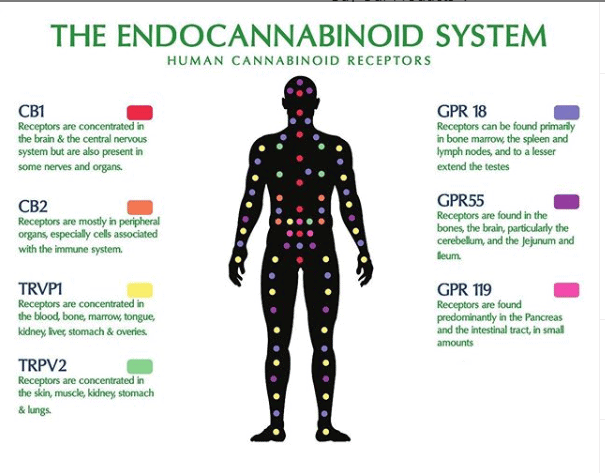
Endocannabinoid System

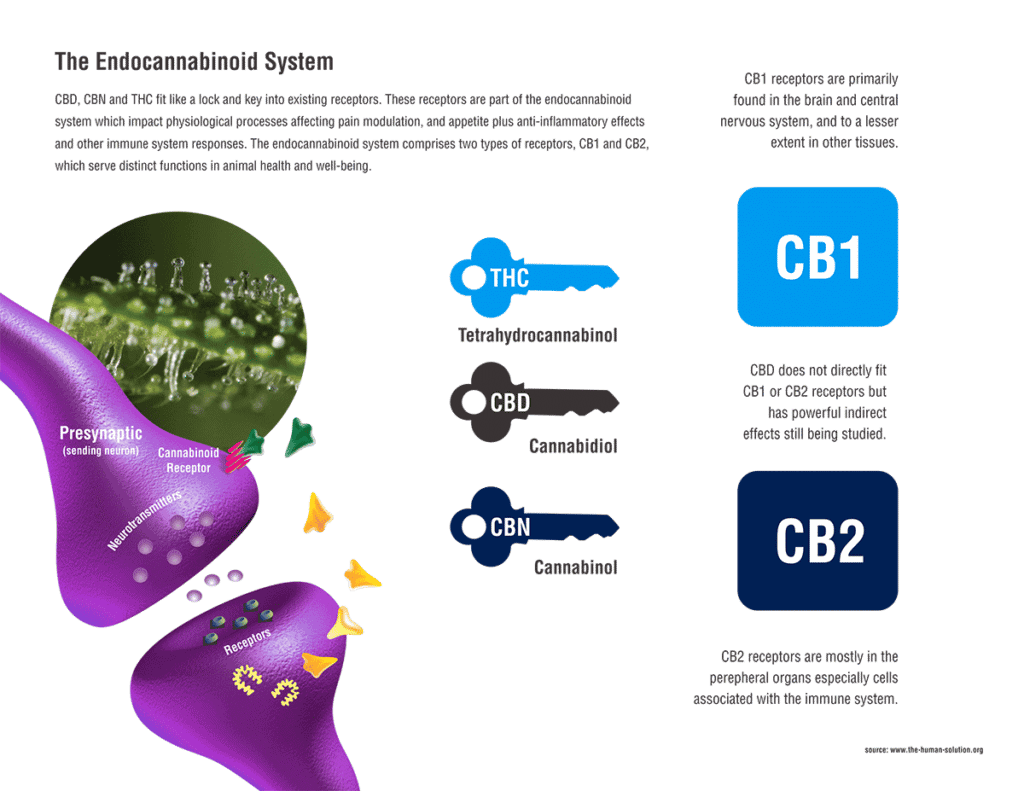
Many people are asking: “How can CBD offer such a wide variety of powerful results for things ranging from anxiety, and neurodegeneration, to even auto-immune disorders?” Specifically, the answer lies not so much in CBD (Cannabidiol) itself but in how CBD is working to augment the Endocannabinoid system (ECS).

The Endocannabinoid System (endo meaning ‘within’) is a biological system focused on mediating physiological balance, fundamentally known as homeostasis. Similarly, some of the first homeostatic functions we often hear from clients are a better night’s sleep, a regulated appetite, and reduced anxiety. Surely, these are a few of the first indicators CBD is kicking in and starting to help boost our natural production of endocannabinoids.

An Endocannabinoid System can be found in all living beings with vertebrae. Scientists have estimated that the ECS, bridging mind and body. Although the ECS is seemingly ancient, modern man has just started to scratch the surface in this arena of health and science. READ MORE ABOUT THE ENDOCANNABINOID SYSTEM HERE

endocannabinoid system

CBD Oil Effects

The best advice we can solicit to you is to give our product a true chance for you to see how it may help you.

What do you mean by a true chance? Really try. CBD is not something that will take effect the first serving you consume (although some of our customers have said it has). Take our CBD oil, or CBD extracts as we also like to call it, as suggested on our bottles: 1ml twice daily. Consistency is key when it comes to CBD. So consistent you must be. We recommend starting with a 4oz bottle, taking it consistently until the bottle has been depleted.

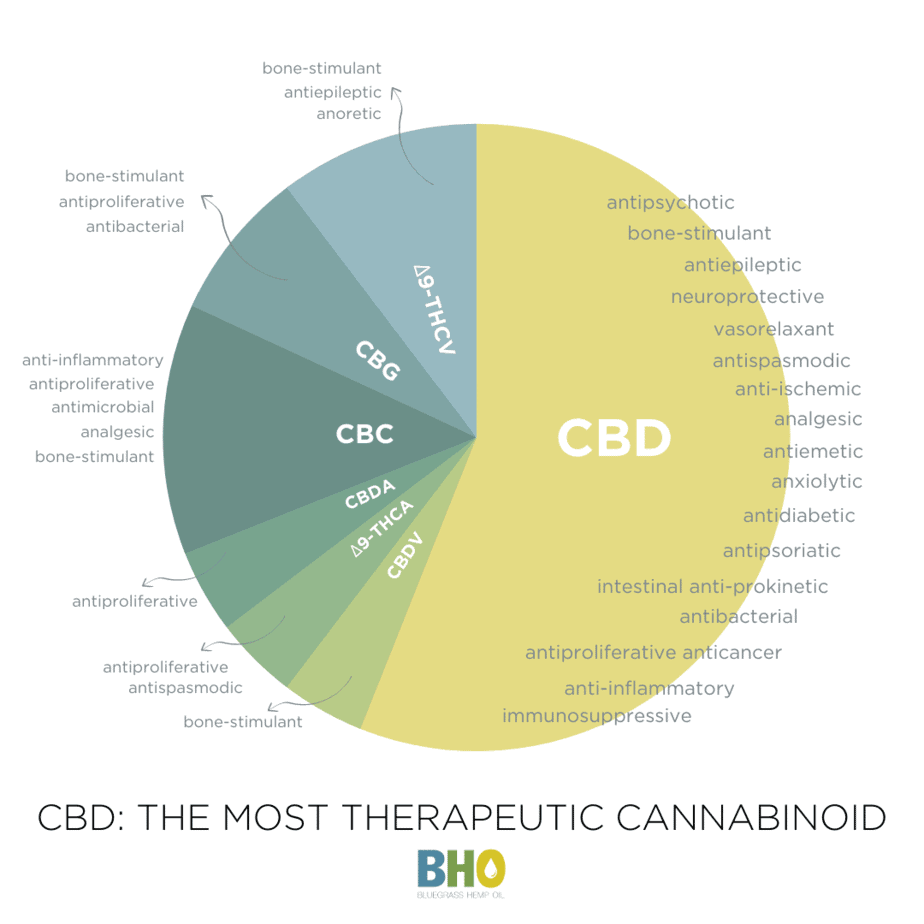
Notice how we say try our product. If you want to take the time to do research – you’ll find there’s not another CBD product out on the market like ours today (if you find one, please feel free to comment below with the product name so we can check it out). That’s why we insist on giving our product a try. We have created our CBD oil based on what science and studies have proven to be the most therapeutic.

Time it takes to experience CBD oil effects

Some of our customers have reported the CBD helping them as soon as they take it, others it has taken anywhere from 3-6 weeks before they started noticing a difference. This is because we all have an Endocannabinoid System and depending on the state it is in when you start taking our CBD oil consistently will determine how soon you’ll reap the benefits. READ MORE ABOUT CBD OIL EFFECTS HERE.


endocannabinoid system
cbd cannabinoid wheel

Google Scholar is a great research resource.

What to do research on your own? Google Scholar is a great starting point.  Go to the main Google Scholar Page Here.   For an interest like the current Full Spectrum Living With CBD episode on the Endocannabinoid System a search like Cannabis and Endocannabinoid system is good. One could also use the search term cannabidiol and endocannabinoid system.  Starting here you are just about assured you will find a infomation.


PubMed

Another Place to research is the National Library of Medicine, PubMed.  Per the Pubmed website, PubMed® comprises more than 34 million citations for biomedical literature from MEDLINE, life science journals, and online books. Citations may include links to full-text content from PubMed Central and publisher web sites.

On the PubMed website if one wanted to search for topics related to the Endocannabinoids System some good search options would include;

Cannabinoids and Endocannabinoid system

Cannabidiol and endocannabinoid system

Thank you for reviewing Full Spectrum Living with CBD Ep1. The following next couple of episodes for Full Spectrum Living With CBD will cover these Topics.

FULL SPECTRUM LIVING WITH CBD - EP5 - ENDOCANNABINOID SYSTEM
Endocannabinoid System Transscript

Full Spectrum Living With CBD ep5 Transcript

All right.

Welcome back to your next episode

of Full Spectrum Living with CBD.

I am Meredith, your Cohost.

And I am here with your host, Jessica and Adriane.

And today we're going to talk

about how CBD can help you.

So, Adriane, you were telling me some really amazing

stories about some of the clients that you've worked

with and some of the things that you've seen.

What's one of the most memorable cases

that you can think of where CBD

has really helped change someone's life?

Yeah, absolutely.

And it still brings a smile to my

face because I can still picture this video.

So we had a gentleman who suffered from COPD, and

he had taken our product for one or two weeks.

And his sister recorded a video

of him running across a field.

And as he's running, he was just so excited.

You could hear the laughter of everybody that was there

and around there as he's running, he bites it.

I mean, he just slips, falls,

jumps up and keeps running.

And then into the fence, he

turns around and he's cracking up.

But everybody was so excited because he was

at a point with his COPD where even

walking upstairs was so difficult for him.

All that inflammation in his chest and just from

taking a CBD product, from taking our product for

a couple of weeks consistently saw a level of

health that he hadn't seen in years. Wow.

That's incredible.


That's awesome. Seeing that video.

Adrian showed me that video when she received it.

And you really just brought tears to your eyesa.

You just saw the joy that he

had from his newly regained abilities.

It really transformed his daily experiences, I think.

And so that's probably what you're seeing, right?

You're not saying that CBD is treating his COPD.

You're saying it's helping to increase his quality

of life and reduce that inflammation that he

has and allow him to do something that

he previously wasn't able to do. Yeah. It's not a cure.

It's again, it's focused on the symptoms

and the things that you're seeing from

these conditions that you have.

If it's going to reduce inflammation in a COPD,

it can do the same thing for arthritic joints. Right.

So I personally take it for a wide variety of reasons.

Getting old, like sucks.


But one of the things is early onset

arthritis and bone spurs in my neck.

So depending upon the day, I can have a worse

case of arthritis than I do on other day.

It's just that inflammation and a joint.

But taking it consistently really helps me.

I find that if I go somewhere and I

forget my CBD for a few days or forget

to take it, then I start feeling that stiffness

coming back in my joints, and it's pretty painful.

You want to get back to taking it pretty soon, right?

I think one of the best ways that's been described

to me was in store in Lexington, a physician, a

retired physician whose son was also a physician.

They take our product and they came in the store and

they were both the Sun, I think was 50 plus.

So they both had some aging

related chronic pain and arthritis.

And how they described it was just it

felt that their joints were better lubricated.

And when they got out of bed in the morning, they

just had a much easier time getting up out of bed.

When they took you don't make good what

people call, quote, unquote, the old people noises.

Right.

Best CBD Gummies


Sitting up or getting up.

Like sometimes when you get up out of

a chair, you're like and you're thinking, no,

I should be making this noise now, right? Yeah.

So it helps with that. Got it.

So inflammation is a big one, right.

And we hear about that all the

time in so many different places.

So great to know that that's one area.

So what else are you seeing?

Is there anything in relationship to, like, mood

or sleep where you're helping people with that?

I think when you just say mood and

ask for any kind of testimony to that.

Hands down, most powerful testimony I've ever experienced

with a woman calling us to let us

know that she had been really suffering from

clinical depression and anxiety for years.

It had reached levels that she

did not wish to continue living.

And she had scheduled a

medically induced suicide overseas.

And two weeks after taking our product, she called

to let us know she had canceled it. Yeah. Wow.

That one still brings tears to my eyes.

It really does. Yeah.

That was one of the ones

where we stopped our entire day. Oh, my gosh. Sorry.

We stopped our entire day and really

put the attention that that needed. Right.

We really wanted to celebrate that and

her and what she had experienced.

And sadly, she's not the only one out there.

But that was probably the most amazing one.

I mean, just life after life changed from

the use of CBD for anxiety and depression.

I've said this recently a lot because I'm feeling

this more strongly, but this is my personal opinion.

I feel hands down, anxiety has to be the

single most likely condition to respond to CBD.

I mean, I think they're all really likely.

But of course, there's a percentage of people

that don't respond to anyone treatment for anything

but or not treatment, anyone solution.

But with anxiety, it's really rare to find

someone where it just doesn't work for them.

Those people exist.

Genesis Blend CBD Oil for  Stress


But hands down, in my opinion, it just

seems like the best most likely result you'll

get from CBD is reducing anxiety.

If that's an issue for you and then depression, but

not even that severe, you can even go back.

I don't even remember Jess in store where we

had this married couple come in, and I think

she was going through the change of life or

she had other things that were going on.

And so her mood was, as one would

expect, probably a little irritable on some days.

And they came in and they were jokingly

but very seriously saying, you saved our marriage.

He was essentially saying, I

couldn't handle this anymore.

She was upset.

It was really breaking us up.

And since she started doing the product, they

were like, yeah, this is definitely helping.

And that kind of account has come from a lot of people.

I think that's not the only couple who said,

you say because of stressors and the way they

were each other from what they were going through.

A Family’s Full Spectrum Journey

But one thing that pops out in my

head about that as well is another story.

The whole family who discovered CBD, they

unfortunately lost, I think, their grandmother.

And they were gathering at her funeral.

One of the cousins in this group of

adults had just recently discovered our vape products.

And they said it totally changed his attitude from

being very like type A upfront and just going,

going easy to anger, easy to stress out.

It just changed him to be really mellow.

And his cousins were asking what he had been doing.

And so they're there after the wake and passing around the

CBD rate, we had three different groups of a cousin and

their spouse come in our store within a week and buy

products because it was something that I think they found comfort

in, the fact that a cousin that they cared for and

respected had seen benefits with that.

And in their time of extra additional stress to their

family, it was something that worked well for them.

Well.

And I think right there is a good opportunity


for you just to insert like a quick little

sound bite that there's a difference between the products

that have the high THC and those that don't. Right.

And so when you're saying CBD here and

you're saying someone's vaping, that we're not talking

about somebody passing around a marijuana joint, right.

At this family event, everybody literally getting

high the way people may think.

Of course, I think that was like part of the

humor that they found in that was that it's a

cannabis product, but hence, of course, they weren't getting high.

I think people still connect to it that way.

And so for them, even though they knew they weren't doing

that, it still felt like this kind of comical way to

just kind of get a laugh and a bit of joy

and an unfortunate and hard mood a little bit well.

And I think that's really cool, because what you're saying there

is that this is a way for them to have received

some reduction of anxiety and some relief from the way that

they were feeling, but in a way that's not altering them

the way that we think of that people would tend to

abuse or have an issue with. Exactly.

I think it's not seeking to numb

pains through alcohol or getting high, whatever.

But to actually help your body to just process what

you're going through and maybe just help you to reframe

it in a way that you can function through more.

My personal experience with CBD is that if I'm going

through any strong periods of anxiety and I use CBD,

then it helps me to feel that I'm not overwhelmed

by my anxiety, but I still have those stressors there.

I recognize them.

CBD for Anxiety

But that physical connection that tends to just

completely emotionally overwhelm people, that is let go,

and that makes it possible to move through.

I had a consumer say, and I thought it was

really interesting, and it kind of put a picture to

it was essentially it filed everything in her brain.

So gave her the sense of mental clarity to where

she had all these thoughts swimming around in her head.

But essentially she was like she said, I

could feel and see everything being filed.

And so it was easier for her to concentrate, to

go about her daily business because she knew exactly which

file to go to at that point instead of everything

just kind of swimming around, which I thought it was

kind of an interesting way to look at it.

Okay, so we talked about inflammation.

Sorry, Jessica.

Bluegrass Hemp Oil

And we've talked a little bit about mood, but

you also are seeing that people are having are

having luck when it comes to even neurological conditions

that they may be trying to manage.

Can you share a story with us about that?

Well, my story, I guess, my son's story,

I mean, honestly, we talked about before, of

course, is always going to be my personal

favorite, but even going above and beyond that.

So just thinking of me personally and there's a

lot of migraine sisters that I have here in

Lexington who all take the products for migraine relief.

I used to get them on a daily basis.

Thankfully, I don't anymore.

And again, I attribute that to my CBD intake.

But there's a lot of women here who will

take CBD for their migraine relief, and it's debilitating.

I used to lose vision.

You get physically ill.

The migraine hangover from the next day is still as

excruciating, and I don't get any of that anymore.

If I feel a migraine coming on, I'll take an

extra serving two, sometimes three just depends upon what I'm

feeling and how bad I think it's going to be.

CBD for Pain

But I keep my vision.

I don't get nauseated.

I feel the pressure still.

I can still work with pressure.

I can drive with pressure.

So that's not an issue for me.

And I don't get the migraine hangover.

And that's what I'm seeing, essentially, with all the women

that I speak to on a daily basis because there's

so many women are coming in store looking for migraine

relief, and they're seeing the same thing.

And it's just as impressive because now

they can go about their daily lives. Awesome.

Just to, like add my I've got so many

favorite stories, but yeah, I think I mentioned this

already on maybe the first episode, but our veteran

friend who had the eight year migraine level eleven,

he ranked it and he saw complete pain relief.

He still got the pressure and discomfort from

that periodically, but he got complete pain relief.

And I think that's extremely common autism, which

is what brought me to the company.

CBD Oil for Kids

My sister is another I think the category that

would fall under would certainly be neurological condition.

And although we don't have great understandings of

autism, it seems that CBD's impact on it

is really dramatic for a lot of people.

So myself, my family and my cousin and her son, to

name two, have been really I mean, just lives changed.

It's a fact for our autistic children.

And then another story client of ours recorded her son,

who was three or four, I think, and had autism.

She recorded him, I'll never forget.

She recorded him for weeks, and she would send

us clips, and she did this whole posting on

all the benefits she was seeing and how quickly.

And she really documented it

on video really effectively.

But one thing that stood out to me was her recording

her son just a day or so before starting CBD at

a play place in Lexington public playing area with other kids.

And he's just facing away from the crowd,

just sitting there, not engaging with anyone.

And that was his standard at the time.

And then a week later, she videoed him

again at the same play place, actually playing

with children for the first time.

That was a really cool thing to see. And it was a week.

It was one week later. Right.

Well, and then there's also

things like Parkinson's, Alzheimer's. Right.

So we've seen a lot of people see relief with

their tremors to where they couldn't write their name or

sign a check or do any of that.

But after consistently taking it, they've been

able to start writing again where you

can actually read their penmanship.

We actually had a gentleman drive.

I believe it was 8 hours he came down.

He'd been taking our product.

He was up I don't know

where he was from, Michigan, Ohio. He was somewhere.

But he said he drove 8 hours straight down.

He wanted to buy product.

He'd been taking it and ordering it,

but he wanted to see the company.

So he happened to walk at the

door the same time my husband did.

My husband gave a tour of our extraction facility, and

he was telling some really impressive stories about him and

some of his friends in the Parkinson's group, how they

were seeing such relief with their CBD products.

Yeah, I know someone that had

a similar experience, too, with Parkinson's.

And CBD has provided a lot of relief for him, too.

So what about autoimmune?

Because that's another area.

I think there's kind of these areas

out there that are broad classifications of

conditions or symptoms that people are managing.

And we hear lots about autoimmune from

like Crohn's to thyroid stuff to Epstein

bar, all sorts of things like that. Yeah.

I think its effect on autoimmune conditions is going to

be something that really saves a lot of lives or

at least improves quality of life in mass.

To understand why it's effective for CBD, it's good

to understand that what CBD is doing in the

body is to help regulate your responses to stimulus

and your body's communication within itself.

For homeostasis, for balancing and generally, autoimmune conditions

would be categorized as an over response or

under response within the body in your immune

system, and many of them being over responses.

Cbd is highly effective at just calming

down the body when it's over responding.

And for a lot of conditions like fibromyalgia and

rheumatoid arthritis and Crohn's, those are conditions where that's

what the body is doing, it's attacking itself.

It's causing a lot of side

effects and pain for that person.

And CB just calms things down and you get

a huge reduction in flare ups in intensity for

most people, the overall frequency of days that are

more intense symptoms versus days that are not it

makes a huge difference for a lot of people.

I think fibro would be one where there's

not a lot of things that are really

helping people with fibromyalgia right now.

There are not a ton of options.

I have a lot of people in my family

with fibro, and they're at a loss for options.

And CBD is a really good one for many people now.

Got it. Okay.

And so I think when it comes to Chrome's and

I hate to be and I'm not going to give

you a family story here because I feel like I

have it or my family has it, but it's unfortunate.

But we do have a personal story.

So my husband does suffer from Crohn's,

and he's great relief with it.

But even more so than that, we had

a customer kind of come in one day.

She was a woman.

She actually came through us through another

business relationship and came in just to

thank us for completely changing.

She was at the point where she couldn't leave her

house because of the fact that she didn't know when

she was going to have a clear up.

And when you have crowns, it literally is one of

those things where from 1 minute to the next, you

can just completely ruin your clothes, your shoes, and everything

because you just cannot control your bowels.

And it's extremely painful with all the ulcers

and inflammation that you have in the gut.

And so she was so thankful she went back to work.

She was working normally on a regular basis.

Again, it's not a cure.

So she still had to manage her stress.

She still had to watch her diet.

So she wasn't eating Taco Bell every day.

But nobody should be eating Taco Bell every day.

Exactly.

Nobody should be eating Taco Bell every day.

So you still have to kind of watch those things.

But it still brought her back a quality

of life that she just wasn't experiencing anymore.

And for that, she was so grateful. Right.

Everybody's experience and the way that they see

improvements in their life is going to vary.

And it's not going to be the

end all be all to everybody.

But it can definitely be a step

or several steps in the right direction. Right.

Pointing out her ability, the freedom that allowed her

to be able to leave her house and go

and do things more comfortably than she had been.

That's a consistent trend for a lot of people.

I mean, people who just their ability

to walk is limited and then improved.

Or we've had people come in the store in

a wheelchair or with Canes or something like that.

A gentleman who we still hear from really often,

who he came in barely able to walk, his

wife essentially almost having to just carry him.

And then he came in by himself a few weeks later to

let us know of the updates because he was able to drive

by himself for the first time in a long time. Okay.

So it just gives a lot of people more

freedom to do the things that they want.

We had a woman who hadn't left her house

from intense social anxiety for years who was able

to finally leave her house for the first time.

And it's freeing first time.

So you brought up Adrian, your husband's Crohn's.

And that's a significant autoimmune condition. Right.

But it made me think about digestive health.

We keep hearing.

I mean, if I'm just thinking of all of the

things we're being told now that medical science is getting

better and whether you love it or hate it, there's

kind of this common theme around gut health and digestive

health and making sure to maintain that.

Does CBD play a role in

those kinds of conditions at all?

We've definitely seen some

definite benefits from customers.

And again, it goes back to IBS.

Ibs is actually there's a study that

shows that IBS is directly linked to

an endocannabinoid deficiency within your body.

So taking a CBD supplement or

a cannabinoid supplement is largely beneficial.

When a person over 80 was taking it, I

think she tried to take it for her or

was trying to take it for her arthritis.

But for several years, every day of

her life, she struggled with diarrhea.

She didn't know what was causing it.

She couldn't fix it.

Again, she only reached out to CBD because she

thought, I don't want to try for my arthritis.

Her first day taking it, she called us

and said, I didn't have diarrhea today.

And we were like, oh, awesome.

But this is the first time we've

heard this, this is fantastic, right?

And she kept calling back and every time that she would

order, she's like, this has been the best thing ever.

And we're like how's it working for your arthritis.

She's like, it's working, it's great.

But I don't have diarrhea.

So when you think about her quality of life in

that standpoint, that became the most important thing to her.

That's something that she wasn't

even expecting to see results.

But again, those digestive issues fixing what's

kind of wonky my type of term.

Sure, I've heard similar stories, but in the opposite way,

but with constipation, where people have told me that it's

really made a big improvement in that regard.

I think with opioids causing constipation for so

many, that's extremely beneficial because not only are

you likely to be able to hopefully directly

impact the constipation that they cost, but also

maybe reduce the amount of opioid consumption by

supplementing with cannabis and reduce that as well.

So, yeah, I've heard conservation in

diarrhea, but also acid reflux.

I've had a few people who've taken it for

other things and found big improvements for reflux.

And I think it goes back to balance.

It's calming digestive irritation and then

helping to maybe reduce the overproduction

of some of your digestive secretions.

Maybe that's what's happening.

I mean, it seems likely, but we get a lot of

different feedback from that and then it's a fact on appetite,

I think should be kind of tied into this because a

lot of people want to know, will it make me Munchy?

No, I think my mom is

the only person who's claimed that.

She told me it made her hungry, but.

Well, I have had one other person say that as well.

They felt that they were more hungry

but more satisfied by their meals.

So although they were eating a little bit

more frequently, it was smaller meals, and according

to some, that's more ideal anyway. Right.

On that note, we've also had people say

that they've lost weight, and although people say

that they've gained weight, so those that needed

to lose weight, they found it stopped their

unnecessary snacking, eating whatever was bringing it on.

And on the flip side, those that gained weight

were those that actually physically needed to gain weight.

Maybe they weren't eating enough, maybe

they had an eating disorder.

I remember one gentleman, I think they were

followed by almost back to back, a gentleman

came in saying that he lost £14.

And then the next day a lady came in saying she

gained ten, but that was actually what her body needed.

And it was kind of amazing.

It was one of those things where in

store we were like, wow, it's interesting how

it really works differently with every person.

Well, and I think that gets back to what

you've shared with us from the beginning, that this

is really about helping people to achieve balance in

their body and that means something different for everyone.

So I love that we've been able to touch on these

broad topics and I imagine that we're going to have a

chance to dive into some of these a little bit more

deeply and really because I think the next questions people have

can you tell me more about how that works and specific

to these areas that I'm concerned about for my health.

So I'm really looking forward to more

episodes of Full Spectrum living with CBD.

But until then, if people wanted to find

out more information, where would be the best

place for them to go to do that? Yeah, absolutely.

Visit our website bluegrassinfoil.com you can read reviews

there, hear other people's stories from themselves.

You can also find our videos there's

video testimonials, too, so check those out. Awesome.

I think to add to that, Facebook is a

great way to read some of the reviews there's.

I think 150 some five star reviews on

there currently and a lot of people find

comfort in reading something that sounds like their

own story where someone has gotten benefit. Awesome.

Well, for this episode of Full Spectrum living with CBD,

I'm your cohost Meredith here with your host Jessica and

Adriane and we will see you all the next time. Bye.

Bluegrass Hemp Oil BHO logo

FEEL BETTER. LIVE  BETTER.

Full Spectrum Living with CBD – Episode 3

Full Spectrum Living with CBD – Episode 3

Full Spectrum Living With CBD

 Part-1

Adriane Polyniak and Jessica Charles with co-host Meredith. The hosts of Full Spectrum Living with CBD discuss the Common delivery methods of CBD. As well as the pro and cons of them. Adriane and Jessica talk about children and edibles. 

More information is discussed in Full Spectrum Living With CBD Episode 3

Methods of CBD Consumption

So you’ve done your research on CBD and how it may help you. Sounds great! You can’t wait to place an order and get started right away! But wait… There are so many different products to choose from… *Anxiety sets in* “Sure could use some CBD right about now. How do I know what I need? Or which product is best for me?” The amount of information can be overwhelming. With so many products to choose from, a good differentiator is methods of CBD consumption. READ MORE About Methods of Consumption

CBD Absorption

Absorption and bioavailability are two popular terms in the CBD world. Many companies use “CBD absorption” in their marketing to confuse and coerce consumers to purchase. Some will even demonstrate their product dissolving into the water as proof that it will work better than others.

It’s nonsense.

No scientific study proves water-soluble products are more effective than botanical, fat-soluble ones. (If they say there is – ask them to see it! There has yet to be one company that can deliver.) It is simply a scare tactic that companies use to get your money and charge more for their product in the process. READ MORE about CBD Absorption.


Thank you for reviewing Full Spectrum Living with CBD Ep3. The following next couple of episodes for Full Spectrum Living With CBD will cover these Topics.

Google Scholar is an excellent research resource.

Would you be interested in some research on your own? Google Scholar is a great starting point.  Go to the central Google Scholar Page Here.   For an interest like the current Full Spectrum Living With CBD episode three. A search like the pharmacokinetics of cannabidiol hemp extract is good. One could also use the search term cannabidiol and anxiety. Starting here, you are just about assured you will find information.


PubMed

Another Place to research is the National Library of Medicine, PubMed.  Per the Pubmed website, PubMed® comprises more than 34 million citations for biomedical literature from MEDLINE, life science journals, and online books. Sources may include links to full-text content from PubMed Central and publisher websites.

On the PubMed website, if one wanted to search for topics related to the Endocannabinoids System, some good search options would include;

Here are the same two cases from the Google search.

Pharmacokinetics of cannabidiol hemp extract

cannabidiol and anxiety


Full Spectrum Living Bluegrass Hemp Oil
Full Spectrum Living With CBD Ep3 - Transcript

All right.

Welcome back to your next episode

of Full Spectrum Living with CBD.

I'm Meredith, your cohost here with Jessica and Adriane.

And today we have got a fantastic topic, one

that I'm sure so many people have questions about.

And it's really what type of CBD

delivery method is the best for me?

There are so many options out there as far

as how to really use CBD, and you guys

want to help people understand the best way to

pick the right delivery method for them.

So, Jessica, why don't you kick us off and give

us some ideas about what you can share today?

Yeah, sure.

Essentially, I guess, we found that there are so many

options that that's a really nice thing for the consumer,

but it can be a bit confusing as to what's

the best match for their particular symptoms.

So we kind of broke it down to a few categories,

list out some pros and cons, and offer that as information

for our clients and wanted to share it here.

So I guess to start, the general categories

are sublingual, capsules, edibles, topicals and smokable products.

Okay.

And just right off the bat, to make it very

simple, we find that the overwhelming majority of people need

sublingual, so that's the best match for them.

For one, it's generally less

expensive than other options.

It has an overall better impact through the whole body.

So can you even tell me what is sublingual?

I mean, somebody might not

even really understand that terminology.

So when you say sublingual, what do you mean? Yeah.

So it's like the most common, I guess,

form that you'll find CBD in right now.

It's like an oil or tincture or drops.

There's different terms that people use for it.

Sublingual means it's a kind of delivery method where

you just put it under your tongue and allow

it to hold 20 or 30 seconds up to

a minute, whatever, before swallowing it.

And because you're holding it under the tongue

where there are a lot of blood vessels,

you get a better absorption rate occurring and

a speedier delivery to the body. Okay.

So that's basically the most common way that you'll see

it on the market currently, which is good because it's

the most ideal way for most for most people.

So what about taste like, what can I expect

as far as is it going to taste terrible?

Well, taste might be very different depending

upon who you are, of course, depends

on the products that you're taking.

So a full spectrum product that has the naturally

occurring terpenes, it's going to taste like the plant.

It's going to taste like hemp.

So with the extraction method that's used, of

course, you can get something that tastes Hempy

but also tastes really kind of almost like

the Earth is in with it, too.

That's because the extraction method has

pulled some of the chlorophyll.

So it really depends upon the product.

So you'll find some that they may flavor with

peppermint or Orange and they're clear and it really

denotes the type of product that it is.

And, of course, I'm probably taking us way down in

the weeds, but with an isolate product, they can usually

flavor it with anything because it has no flavor whatsoever

other than the oil that it's in.

With full spectrum products that are

done using a hydrocarbon distillation, it'll

be very natural flavored, very old.

And then you'll have those that are probably done

through the larger way where it's done through where

you get some more of that Earth flavor more

the chlorophyll comes through with it.

So it really kind of depends.

And that's pretty easy to do. Right.

So I'm just going to put these drops under

my tongue, hold it there for a few seconds,

and then go about my day, right? Yes.

And I wanted to add to that.

Well, so Adriane used another term that I'm thinking maybe

some of our listeners may not understand, but terpenes are

essentially they're the agent that causes the flavor and the

taste and the smell of the product.

And they occur naturally in the cannabis plants.

They can be like a

different experience for different people.

Some people will taste our oil and get

a very lemon taste or pine taste or

more of an earthy taste or peppery taste.

And those are all different chemical terpenes

that are found in the plant, and

people just perceive that differently.

So your actual taste will vary

dependent on your taste buds.

But the reason that they're there in ours,

we've extracted them in a way that they

remain in our product on purpose because they're

really beneficial substances, kind of like the cannabinoids.

The terpenes offer a lot

of synergy and health benefits.

They kind of act as a catalyst

to essentially magnify the effects of cannabinoids.

And so we feel they're not just flavoring

agents, but really vital to the overall benefit.

Absolutely. Awesome.

Okay, so if I'm not going to take a

product sublingually, then what's kind of the next most

common way that I would use CBD?

Well, consumers will typically go to a capsule

or a soft gel, usually just because that's

more natural, that's more everyday people take capsules

and Softgels for a lot of different reasons.

So it becomes very natural.

It feels more normal in that sense.

Not ideal, honestly, because it takes a little bit

longer for it to get into your system.

It's not a bad delivery method.

Don't misunderstand me.

But it does take a little bit longer because

it has to go through that digestive tract.

And so the onset of the feelings of relief are delayed.

Okay.

But kind of portable, right?

I mean, it's easy to take a soft gel and put in my pocket

or have it in a little dish that I carry in my bag.

So ease of use is high, but maybe speed

of relief is on the lower side right? Absolutely.

When it comes to from a travel standpoint, if you're

going on vacation, it's a lot easier to throw some

capsules in a bag than it is to travel with

your oil because God forbid something happened while you're traveling.

But again, it comes down to when

do you want to see the results? Right.

We actually started creating capsules only after

some people reported not really being available

to the flavor of the extract.

That natural flavor.

And when you're giving it to a senior citizen or

quite possibly even a child with special needs, that flavor

and even the texture of just the oil, the flavor

may not even be what they don't like about it.

It could just be the texture of the oil.

Just giving them another delivery method to take

it can definitely be beneficial for those people.

I know it's made a really big difference.

Like, for example, with my sister that I spoke

about in a previous episode, she didn't really necessarily

mind the taste, but she didn't love it either.

And so she tends to prefer the capsules also because now

that she's back in school and more able to make decisions

for herself, she takes a capsule with her so that if

she has a really hard day, she can take one midday

and really help her to combat some stressors there.

So there's a lot of reasons, but I

think the nice thing is the convenience and

the downside is the lack of flexibility.

Some people find that ten milligram capsules

are a perfect match for them.

Some people need a bit more, but

20 is a bit too much almost.

It just depends on the person.

But the sublingual oils would offer

that variability a little easier. Okay. Good to know.

Good to know.

Tell me another popular delivery method.

I think you guys said there's about four or five

out there that you wanted to chat about, right?

I mean, I think our next one up would be topical.

Topicals are really comfortable entry point for

anyone who's really a bit more hesitant

for using cannabis or CBD.

We don't find a ton of people who just are

opposed to the idea of it, but using a topical

can be a softer entry point for them.

Allow them to get some experiences with it and

see if it's a good match for them.

It's also really nice for people who have

just like, there's just a shoulder injury that

they're dealing with or a knee issue.

Something that's really centralized just to one area is a

nice match for topicals because they can be a really

fast and effective pain reliever for a lot of people,

whereas some sublinguals are a great pain reliever.

But it does seem like the trend is

that they do tend to take a bit

longer than the topicals for their analgesic effect.

Got it.

So you are saying really like, if

I have something that's kind of systemic.

So if I'm faced with something that's more whole

body focus that's not related to sore joints or

muscles or an injury, then maybe those first two

delivery methods we talked about would be best.

But if I had to sore muscle, if I have an injury

to an area that I really want to focus on, that the

topical is a great way to get quick relief from using that.

Yeah.

And like Jessica said, for those that are maybe

a little weary but want to understand or experience

the benefits of CBD, it's a great way to

just kind of dip their toe in.

Also, what we found is the topical.

You may be using it for pain relief, but maybe you

got a bug bite or maybe your child bumped their head.

I know Jessica has actually used

this for this specific reason.

Your child has an alley and you place the Sav on there.

It does crazy things, like it'll reduce the inflammation

on bumps and bruises and on bug bites.

So while you may have been using it for that tennis

elbow, you've now found that it works for your kids.

Boo boos.

In my surprise, our relieving staff just on Mother's Day,

actually, I was doing a bit of laundry and a

B was somehow in my laundry and stung me.

It was a Hornet.

Oh, no, I got a Hornet thing.

And I immediately rubbed the relieving staff on it.

And it really was instant relief.

Like, I didn't expect complete instant relief.

And it was I had to reapply

it probably every 30 minutes or so.

But that was severe pain

that is immediately addressed completely.

And then it minimized the swelling as well.

I have allergic reactions where I swell really

large tube these things and mosquito bites, but

that just barely puffed up at all.

So I thought that was amazing.

And I sell this stuff, though. Yeah.

It's funny because Jessica and I often used to

when we used to be in the same building,

we used to joke like CBDs, like Windex.

I don't know if you remember the movie.

Oh, my gosh, Jessica, what's the name of the movie?

My Fat Creek Wedding on everything.

Like it fixes everything.

Honestly, that's what CBD feels like.

It really does. Yeah.

And you guys are saying, hey, it can't hurt.

So why wouldn't you try it? Right?

Why wouldn't you try it and see what happened?

So that's awesome. Yeah.

I think all of my relatives have gotten to the

point where they call me and anything's wrong and they

already know, like I'm going to say, well, try CBD.

Sure. Yeah.

That's so cool.

You've got sublingual, you've got soft

gels like capsules, you've got topicals.

What else is out there on the

market that people might be seeing?

So we can get a lot of

people coming in looking for edibles.

So that means especially when it comes to

children, they're looking for that easy delivery method,

something that is appealing to a child, they're

quite possibly even an adult.

I have adults looking for them, too, or CBD infused chocolate,

things that are quick and easy and on the go.

And Jessica said it best.

The thing with edibles is that

they're tasty and they're fun, right.

So it maybe makes it feel better like

you're getting a treat in addition to also

taking something that is therapeutic for you.

So with that, can we address really quick

how do you guys make recommendations for parents?

We've heard a lot about kids taking gummy bears and

infusing them with vodka and then passing them out on

the school bus and things along those lines.

So how do you guys help

or what education can you provide?

Tips can you provide?

Should people be thinking of their edibles?

Just like you would think of a bottle of Advil