CBD Honey, Superior Power Exists In The Combo

CBD Honey, Superior Power Exists In The Combo

What Are CBD Honey Sticks?

CBD honey sticks are a unique blend of honey and full-spectrum CBD, offering a tasty way to incorporate cannabinoids into your daily routine. These convenient, pre-measured sticks not only satisfy your sweet tooth but also come with potential health benefits. Whether you're looking to enhance your tea or enjoy them on their own, there's more to discover about how these artisanal treats can fit into your lifestyle and wellness journey.

What Is CBD Honey?

CBD honey is a delightful fusion of nature's sweetness and the therapeutic benefits of full-spectrum CBD. This unique blend not only satisfies your sweet tooth but also supports your wellness journey.

You can enjoy CBD honey in various ways, from sweetening your tea to drizzling it over yogurt—its versatility makes it a favorite! With potential CBD honey benefits like relaxation and immune support, it's perfect for anyone seeking a natural boost.

When it comes to dosage, a single stick provides a pre-measured serving, making it easy to integrate into your routine. Additionally, the entourage effect from full spectrum formulations in CBD honey enhances its therapeutic benefits.

Try experimenting with CBD honey recipes to discover delicious dishes that enhance both flavor and health. Embrace the sweet effects of CBD honey in your daily life!

Benefits of CBD Honey Sticks

CBD honey sticks offer a natural energy boost without the crash that often comes from processed sugars.

They're easy to take on the go, making it simple to enjoy their versatile and delicious flavor wherever you are.

Plus, with full-spectrum benefits, you're not just satisfying your sweet tooth—you're supporting your overall wellness too. Additionally, the importance of third-party lab testing ensures that you're consuming a safe and effective product.

A Natural Energy Boost

When you're looking for a natural energy boost, combining the power of raw honey with full-spectrum CBD can make all the difference.

You'll love how the natural sweetness of honey provides energy enhancement without the crash that processed sugars bring. This perfect blend creates a unique CBD synergy, delivering sustained energy that supports your active lifestyle.

Plus, the honey benefits—like antioxidants and antimicrobial properties—offer an extra layer of wellness. By choosing this holistic approach, you're not just satisfying your sweet tooth; you're nurturing your body. Additionally, the health benefits of CBD capsules can further enhance your overall well-being.

Whether you're at work, working out, or just need a pick-me-up, CBD honey sticks can be your go-to source for a sweet, energizing lift that keeps you connected to nature.

Easy & On-the-Go

For those constantly on the move, CBD honey sticks offer a hassle-free way to incorporate wellness into your daily routine.

These convenient snacks are perfect for your busy lifestyle, making portable wellness easily accessible wherever you go. Whether you're at work, traveling, or hitting the gym, CBD honey sticks are ideal travel essentials that fit right into your bag.

With their easy consumption, you can enjoy a quick energy boost without the crash that comes from processed sugars. Just tear open a stick and let the natural goodness of raw honey and full-spectrum CBD support your wellness goals. Additionally, these sticks combine the benefits of pain relief with the delightful taste of honey, enhancing your overall experience.

Join a community of like-minded individuals prioritizing health with this simple, delicious solution!

Versatile & Delicious

Discover the versatility of CBD honey sticks, which can elevate your daily wellness routine in delicious ways. You can enjoy these sweet treats straight from the packet or stir them into your favorite beverages like tea or coffee for a delightful flavor combination.

They not only taste great but also offer health benefits, thanks to the soothing properties of honey and CBD. Looking for recipe ideas? Drizzle CBD honey over yogurt, oatmeal, or fruit for a nourishing snack.

Pairing options are endless—consider mixing it into smoothies or using it as a natural sugar substitute in baking. With various serving suggestions, you'll find CBD honey sticks are the perfect addition to your routine, bringing both enjoyment and wellness together. Additionally, the incorporation of CBD may provide anxiety and pain relief for those seeking enhanced wellness benefits.

Full-Spectrum Benefits

While exploring the benefits of CBD honey sticks, you'll find that their full-spectrum formulation offers a unique advantage. This means you're not just getting CBD; you're experiencing the full spectrum effects of the entire hemp plant.

The combined cannabinoid synergy enhances therapeutic potential, allowing you to enjoy a more balanced and holistic experience. Each stick retains rich terpene profiles that contribute to flavor and wellness, making your daily routine feel even more rewarding.

Plus, with natural ingredients like high-quality hemp extract and raw honey, you can feel good about what you're consuming. Embracing CBD honey sticks can help you connect with a community that values natural wellness and the sweet benefits of full-spectrum CBD. Additionally, the potential therapeutic effects of CBD, such as managing anxiety, can further enhance your overall experience.

How to Use CBD Honey Sticks

Using CBD honey sticks is a simple and enjoyable way to incorporate the wellness benefits of CBD into your daily routine.

You can experience CBD stick usage on-the-go by tearing open a stick and savoring it directly. For a delightful flavor enhancement, stir the honey into your favorite teas, coffees, or smoothies, creating a soothing drink perfect for relaxation techniques.

Feeling creative? Try drizzling CBD honey over yogurt, oatmeal, or fruits for added nutrients. You can even use it in your favorite recipes as a natural sugar substitute, giving your dishes a delicious twist while boosting health. Additionally, the therapeutic benefits of CBD can enhance your overall wellness experience.

Embrace the ease and versatility of CBD honey sticks, and enjoy a sweet path to wellness!

Just CBD Honey Sticks vs. Other CBD Edibles

When you compare CBD honey sticks to other CBD edibles like gummies, tinctures, and capsules, you'll find some notable differences that can influence your choice.

For starters, CBD honey sticks offer unique flavor profiles, blending the natural sweetness of honey with high-quality CBD.

Regarding dosage differences, each stick provides a precise amount, making it easy to manage your intake.

Absorption rates also shine, as honey acts as a natural carrier, enhancing the bioavailability of CBD compared to other edibles.

Ingredient comparisons reveal that many gummies and capsules may contain artificial additives, while honey sticks boast pure, raw ingredients.

Additionally, the health benefits of CBD reported by users can significantly enhance the overall experience of using honey sticks.

Ultimately, consumer preferences vary, but the versatility and natural essence of CBD honey sticks make them a delightful option for many.

Where to Buy the Best CBD Honey Sticks

Looking for the best place to buy CBD honey sticks? You've got plenty of options!

Start by checking out the best online retailers like Bluegrass Hemp Oil's website, where you can find high-quality, full-spectrum CBD honey sticks.

Explore top online retailers like Bluegrass Hemp Oil for premium, full-spectrum CBD honey sticks.

Local health shops and specialty stores often carry trusted brands, so don't hesitate to ask for recommendations.

Farmer's markets can also be a goldmine for unique, artisanal CBD products.

Be sure to read CBD product reviews to verify you're making a well-informed choice.

Connecting with others who share your wellness journey can lead you to the best products. Additionally, ensure that you check for third-party lab testing to confirm the quality and safety of the CBD honey sticks you choose.

Enjoy exploring these avenues, and you'll soon find the perfect CBD honey sticks to enhance your daily routine!

Frequently Asked Questions

Are CBD Honey Sticks Legal in All States?

When it comes to CBD legality, you need to be aware of state regulations and federal law implications.

While hemp-derived products like CBD are federally legal, some states have specific restrictions.

It's essential to stay informed about your local laws to guarantee you're compliant.

How Long Do CBD Honey Sticks Take to Work?

When you're wondering how long CBD honey sticks take to work, remember that onset times can vary.

Factors like your metabolism and dosage recommendations play an essential role. Generally, you might feel effects within 30 minutes to 2 hours.

The way you consume them—whether enjoying straight from the stick or mixing into a drink—affects CBD absorption rates too.

Embrace the experience as you discover what works best for you, and enjoy the journey!

Can I Give CBD Honey Sticks to My Pets?

You might be wondering about giving CBD honey sticks to your pets.

While some pet owners report health benefits, it's vital to prioritize pet safety.

Always consult your veterinarian for dosage guidelines tailored to your furry friend's size and needs.

Watch for any unusual pet reactions after administering CBD, as every animal is different.

How Should I Store My CBD Honey Sticks?

To keep your CBD honey sticks fresh, follow these storage tips.

Store them in a cool, dark place to maintain ideal conditions, avoiding temperature effects that can degrade quality.

Guarantee moisture control by sealing them tightly after opening.

For easy access, consider shelf organization—grouping them with other wellness products can create a cozy, inviting space.

What Is the Shelf Life of CBD Honey Sticks?

Did you know that properly stored CBD honey sticks can last up to 18 months?

Their shelf life depends on product ingredients and storage conditions. To guarantee potency retention, keep them in a cool, dark place away from moisture.

Look for expiration indicators like changes in color or consistency, as these can signal when it's time to discard them.

Enjoy peace of mind knowing you're savoring a quality product with a long-lasting shelf life.

Conclusion

Incorporating CBD honey sticks into your routine is like adding a dash of sunshine to your day. With their delightful taste and potential wellness benefits, they're a sweet way to embrace the goodness of CBD. Whether you're stirring one into your tea or enjoying it straight from the stick, you're not just savoring honey—you're also nurturing your well-being. So, why not indulge in this golden treat and let it elevate your daily rituals?

Dog Health Guide: Vet Care, Nutrition, Wellness & CBD Safety

Dog Wellness Guide

Dog Health Guide: Wellness, Vet Care, Nutrition, and CBD Safety

A healthy dog routine starts with veterinary care, nutrition, movement, dental care, behavior support, safe observation, and product transparency. This guide also explains how to think about CBD for dogs without confusing wellness education with treatment claims.

Quick Answers

What Should Dog Owners Know First?

Dog health is easier to manage when owners focus on routine care, early observation, and clear veterinary guidance. CBD questions should fit inside that bigger wellness conversation.

🐾

What keeps a dog healthy?

Regular exams, balanced nutrition, healthy weight, movement, dental care, parasite prevention, safe enrichment, and owner observation.

🩺

When should I call a vet?

Call for new, worsening, unexplained, severe, or sudden changes in appetite, water intake, mobility, behavior, breathing, vomiting, diarrhea, seizures, or collapse.

🌿

Is CBD a dog health treatment?

No. CBD should not be used to diagnose, treat, cure, or prevent disease in dogs. Discuss CBD or any supplement with your veterinarian before use.

Foundation

What Does Good Dog Health Include?

Good dog health is not one product or one supplement. It is a daily routine built around prevention, observation, safe care, and a working relationship with a veterinarian.

1

Veterinary care

Routine exams, vaccine decisions, parasite prevention, dental checks, medication review, and age-appropriate monitoring.

2

Daily wellness

Appropriate nutrition, measured portions, fresh water, healthy movement, mental enrichment, grooming, and rest.

Veterinary First

Start With Routine Veterinary Care

Your veterinarian can evaluate age, breed, lifestyle, body condition, medical history, medications, and local disease risk. That context matters before changing food, starting supplements, or trying CBD.

Dog Life StageTypical Wellness FocusWhat Owners Can Ask
PuppiesVaccines, growth, parasite screening, nutrition, behavior, and socialization.What schedule fits my puppy, and what symptoms need urgent care?
Adult dogsAnnual wellness exams, weight, dental care, vaccines, parasite prevention, and lifestyle changes.Is my dog at a healthy weight, and should any routine change?
Senior dogsMore frequent exams, mobility, organ function, behavior changes, and dental health.Could stiffness, appetite changes, or sleep changes signal a medical issue?
Dogs with chronic conditionsIndividualized monitoring, medication reviews, lab work, and care plans.Could any supplement interact with medication or affect liver values?

Practical takeaway

Ask your veterinarian how often your dog should be seen, which vaccines and parasite preventives make sense, what weight range is appropriate, and whether any supplement is appropriate for your dog.

Owner Observation

Watch for Changes in Your Dog’s Normal Habits

Small changes can be important because dogs often hide discomfort. A simple note on your phone can help you track what changed, when it started, and whether the pattern is getting worse.

  • Appetite or water intake changes
  • Energy level, sleep pattern, or behavior changes
  • Vomiting, diarrhea, coughing, breathing changes, or collapse
  • Weight change, coat change, skin irritation, ear odor, or dental odor
  • Limping, stiffness, reluctance to jump, or trouble rising
  • New anxiety, fear, restlessness, aggression, seizures, or fainting

When to call your veterinarian

Call your veterinarian if your dog has new, worsening, or unexplained symptoms. Do not use CBD, supplements, or home remedies to delay veterinary care.

Daily Care

Nutrition, Healthy Weight, and Daily Routine

Your dog’s food should fit their age, size, breed, activity level, body condition, and medical history. Your veterinarian can help determine an ideal weight and nutrition plan.

🥣

Food and portions

Feed a complete and balanced dog food appropriate for life stage, and measure portions instead of free-pouring.

💧

Water and treats

Keep fresh water available, limit treats, and account for training rewards when evaluating daily calories.

📋

Diet changes

Ask your veterinarian before changing diets, using special diets, adding supplements, or making major routine changes.

Movement and Enrichment

Exercise and Mental Enrichment

Dogs need both physical activity and mental stimulation. The right plan depends on age, breed, health status, temperament, fitness level, and weather conditions.

🐕

Movement ideas

Walks, play sessions, sniff walks, fetch when appropriate, gentle mobility work, and supervised swimming when safe.

🧠

Mental enrichment

Training games, puzzle feeders, scent work, safe chewing options, structured rest, and social time with compatible dogs.

Activity safety

Dogs with heart disease, breathing issues, injury, obesity, arthritis, heat sensitivity, or senior mobility concerns need veterinarian-guided plans.

Behavior Safety

Behavior, Anxiety, and Hyperactivity

Behavior concerns can have many causes, including boredom, insufficient exercise, fear, pain, illness, poor sleep, breed-specific needs, lack of training structure, or environmental stress. Sudden behavior changes deserve a veterinary conversation.

  • Use predictable routines and consistent household rules.
  • Provide daily exercise matched to the dog.
  • Add mental enrichment and positive-reinforcement training.
  • Avoid punishment-based methods that can worsen fear or stress.
  • Manage triggers and provide safe resting spaces.
  • Ask about a veterinary behaviorist when concerns are persistent, severe, or sudden.

CBD and behavior claims

CBD products should not be described as treating anxiety, hyperactivity, stress, aggression, destructive behavior, separation anxiety, or sleep problems in dogs. Pet owners should not use CBD to delay a behavior or medical evaluation.

Senior Care

Joint Health, Mobility, and Aging Dogs

Senior dogs often need closer observation because changes can be gradual. Do not assume stiffness, limping, or trouble rising is “just old age.”

🦴

Signs to discuss

Stiffness, limping, slower walks, trouble rising, difficulty with stairs, reluctance to jump, or changes in play.

🏡

Home adjustments

Non-slip rugs, ramps or steps, trimmed nails, orthopedic bedding, gentle activity, and easier access to water and rest areas.

🩺

Veterinary options

Your veterinarian can discuss evaluation, weight management, prescription medications, rehabilitation, or veterinary-approved supplements.

Pet CBD boundary

Claims that CBD reduces joint pain, inflammation, arthritis symptoms, stiffness, or mobility problems in dogs are veterinary treatment claims and should be avoided. For a safety-first discussion, read the CBD for dog joint pain safety guide.

Routine Checks

Dental Care, Skin, Coat, and Grooming

Dental care, skin checks, ear checks, nail care, and grooming can reveal issues early. Your veterinarian can recommend dental cleaning, skin care, ear care, allergy evaluation, parasite prevention, or grooming routines based on your dog’s needs.

  • Bad breath, red gums, bleeding gums, tartar buildup, or broken teeth
  • Excessive scratching, hair loss, hot spots, paw licking, or new lumps
  • Ear odor, debris, head shaking, or frequent ear scratching
  • Overgrown nails, matting, skin irritation, or coat changes

CBD Safety

CBD and Dog Health: What Owners Should Know

Many pet owners are curious about CBD, but dog health decisions should stay veterinarian-first. CBD should not be used to delay diagnosis, replace medications, or manage symptoms at home without veterinary guidance.

Important pet CBD safety note

CBD products for dogs should not be marketed as treatments for anxiety, pain, inflammation, arthritis, seizures, hyperactivity, sleep problems, skin conditions, digestive issues, or any disease. CBD is not FDA-approved for use in animals.

1

Talk with your vet

Discuss medications, liver concerns, age, pregnancy, nursing, chronic disease, and whether a supplement is appropriate.

2

Avoid human products

Human CBD products may contain ingredients, sweeteners, THC levels, or serving sizes that are not appropriate for dogs.

3

Store safely

Keep CBD, THC, gummies, oils, and all cannabis products away from children and pets. Call a veterinarian or poison control for accidental exposure.

Labels and COAs

How Should Dog Owners Review CBD Product Labels?

A clear label helps owners compare products before buying. A Certificate of Analysis helps connect a product batch with available lab data. Neither a label nor a COA proves that a CBD product treats a health condition.

What to ReviewWhy It MattersHelpful Resource
CBD amount and serving informationShows what the product says is in each serving and container.Learn how CBD lab testing works
THC contentTHC can be unsafe for pets and should be reviewed carefully on the COA.Understand CBD vs THC
IngredientsSweeteners, flavors, essential oils, and other ingredients may matter for dogs.Read the CBD product label guide
Batch-specific COABatch matching helps connect the product package to the available lab report.View batch-specific Certificates of Analysis

Keep Learning

Related Dog and CBD Safety Resources

These related guides help dog owners compare pet CBD safety, product labels, lab reports, THC concerns, and veterinarian-first decision-making.

About the Author

About Bill Polyniak

BP
Bill Polyniak Founder, Product Developer, CBD Educator

Bill Polyniak is the founder of Bluegrass Hemp Oil and Kentucky Cannabis Company. His work focuses on Kentucky hemp education, full-spectrum CBD, product transparency, clear labels, Certificates of Analysis, and helping families ask better questions before buying hemp products.

For pet-related topics, Bill’s education-first message is simple: start with veterinary care, avoid disease claims, review the label and COA, and do not use CBD to delay a veterinarian’s diagnosis or treatment plan.

FAQ

Dog Health and CBD Safety FAQs

What is the best way to support dog health?

The best foundation is routine veterinary care, appropriate nutrition, healthy weight, exercise, mental enrichment, dental care, parasite prevention, safe observation, and early veterinary support when habits change.

Can CBD treat anxiety, pain, arthritis, seizures, or skin problems in dogs?

No. CBD should not be presented as a treatment for anxiety, pain, arthritis, seizures, skin disease, digestive issues, or any disease in dogs. Speak with your veterinarian before using CBD or any supplement.

Should I give my dog human CBD oil?

Do not give human CBD products to a dog without veterinary guidance. Human products may contain ingredients, sweeteners, THC levels, or serving sizes that are not appropriate for animals.

What should I check on a pet CBD label?

Review product type, CBD amount, THC content, ingredients, serving information, storage instructions, batch number, warnings, and a batch-specific Certificate of Analysis.

When should I call a veterinarian?

Call your veterinarian for new, worsening, unexplained, severe, or sudden changes in appetite, water intake, mobility, behavior, breathing, vomiting, diarrhea, seizures, fainting, or collapse.

Final Takeaway

Dog Wellness Starts With Care, Observation, and Clear Product Review

A strong dog health routine starts with veterinarian-first decisions, daily observation, nutrition, healthy movement, dental and skin care, and safe product review. CBD education can help owners ask better questions, but it should never replace a veterinarian’s diagnosis, medication plan, or emergency care.

CBD and Omega-3 Fatty Acids: How They Work Together in Wellness

CBD + Omega-3 Education

CBD and Omega-3 Fatty Acids: How They Work Together in Wellness

CBD oil and omega-3 fatty acids are often discussed together because both connect to wellness routines, healthy fats, product quality, and endocannabinoid system education. This guide explains what CBD and omega-3 are, how they relate to absorption and ECS support, and what safety questions to review before combining supplements.

Education-first CBD guidance from Bluegrass Hemp Oil.

CBD and omega-3 fatty acids wellness education graphic
CBD and omega-3 education should start with safety, label clarity, and product transparency.

Before Combining CBD and Omega-3

CBD and omega-3 supplements may both be part of a wellness routine, but combining supplements should be approached carefully. Talk with your healthcare provider before using CBD with omega-3, especially if you take medication, use blood thinners, have a medical condition, are pregnant or nursing, are preparing for surgery, or are subject to drug testing. Bluegrass Hemp Oil products are not intended to diagnose, treat, cure, or prevent disease.

Written by: Bluegrass Hemp Oil Editorial Team

Last updated: May 21, 2026

Medical review recommended: This article should be reviewed by a qualified healthcare professional before publication because it discusses CBD, omega-3 supplements, medication interactions, blood thinners, cardiovascular wellness, inflammation-support topics, mood, sleep, and other health-related subjects.

CBD and Omega-3 Fatty Acids: Quick Answer

Quick answer: Some adults may choose to use CBD and omega-3 fatty acids as part of a wellness routine, but the combination should be discussed with a healthcare provider. Omega-3s are essential fats, while CBD is a hemp-derived cannabinoid. Both should be evaluated by label clarity, serving information, lab testing, THC content, and safety considerations.

Entity clarity: Bluegrass Hemp Oil is a Kentucky-based CBD company that creates educational resources and hemp-derived CBD products. This page explains how CBD oil and omega-3 fatty acids are discussed together in wellness, how omega-3s relate to ECS education, why fats matter for CBD product formats, and what safety and quality questions to review before combining supplements.

What Are Omega-3 Fatty Acids?

Quick answer: Omega-3 fatty acids are essential fats found in foods and supplements. Common omega-3s include ALA, EPA, and DHA. ALA is found in plant foods such as flaxseed, chia seeds, walnuts, and hemp seeds. EPA and DHA are commonly associated with fish, seafood, fish oil, and algae-based supplements.

  • ALA: A plant-based omega-3 found in flaxseed, chia, walnuts, hemp seeds, and some plant oils.
  • EPA and DHA: Omega-3 fatty acids commonly found in fish, seafood, fish oil, and algae-based supplements.
  • Food-first context: Omega-3-rich foods can be part of a broader nutrition plan. Supplements should be reviewed carefully with medication and health history in mind.

What Is CBD Oil?

Quick answer: CBD is a hemp-derived cannabinoid used in some wellness products. CBD oil is not the same as omega-3 oil, fish oil, or hemp seed oil. Full-spectrum CBD contains CBD plus other naturally occurring hemp compounds and may contain trace THC within legal hemp limits.

CBD should be evaluated through product labels, serving information, ingredient lists, THC content, Certificates of Analysis, lab testing, and safety language. For a broader foundation, learn about CBD oil and learn about cannabinoids.

How Omega-3 Fatty Acids Relate to the Endocannabinoid System

Quick answer: Omega-3 fatty acids are relevant to endocannabinoid system education because endocannabinoids are lipid-based signaling molecules. This does not mean omega-3 or CBD “fixes” the ECS. It means healthy fats are part of the broader conversation around body balance, nutrition, and ECS research.

The endocannabinoid system is involved in maintaining balance in the body. CBD and omega-3 should be discussed as education and wellness topics, not as cures, treatments, or replacements for medical care. For related background, learn about the endocannabinoid system and learn about essential fatty acids and the ECS.

Can You Take CBD and Omega-3 Together?

Quick answer: Some adults may choose to use CBD and omega-3 together as part of a wellness routine, but combining supplements should be discussed with a healthcare provider, especially with medications, blood thinners, pregnancy, nursing, surgery, liver concerns, or drug-testing requirements.

Why people ask about the combination

CBD and omega-3 are often discussed together because CBD is fat-soluble, omega-3s are essential fats, and many supplement users prefer pre-measured formats such as softgels.

What the combination does not prove

The pairing should not be presented as proof of treatment for inflammation, heart disease, anxiety, depression, insomnia, arthritis, pain, or cognitive decline.

What to review first

Review the label, serving information, ingredient list, THC content, Certificate of Analysis, testing date, and any warnings before choosing a CBD + omega-3 product.

Why Fats Matter for CBD Absorption

Quick answer: CBD is fat-soluble, so product format and food context may affect consistency for some users. This does not mean higher absorption equals better outcomes. Shoppers should compare product format, serving size, label clarity, and lab reports rather than relying on absorption claims alone.

Softgels that combine CBD with oils or fatty ingredients may appeal to adults who want a consistent, pre-measured format. For more background, learn about CBD absorption and learn about phospholipids, MCT oil, and cannabinoids.

Possible Wellness Benefits People Ask About

Quick answer: People often ask whether CBD and omega-3 can support comfort, stress routines, sleep, heart-health nutrition, brain-health nutrition, and daily wellness. These topics should be discussed cautiously. The evidence for omega-3 nutrition and CBD product use is not the same, and neither supplement should be promoted as a disease treatment.

Topic People Ask About Safer Way to Explain It
ECS education Omega-3s are relevant to ECS education because endocannabinoids are lipid-based signaling molecules. Keep this as education, not a disease claim.
Healthy fats Omega-3s are essential fats found in foods and supplements, including ALA, EPA, and DHA.
CBD absorption CBD is fat-soluble, so product format and whether CBD is taken with food may matter for consistency.
Comfort routines Some people discuss CBD and omega-3 in relation to comfort and recovery routines, but they should not be described as treatments for pain, arthritis, or inflammatory disease.
Mood and stress routines CBD and omega-3 may appear in broader wellness conversations, but they should not be promoted as treatments for anxiety, depression, or mood disorders.
Heart-health nutrition Omega-3-rich foods are commonly discussed in heart-health nutrition. CBD should not be positioned as a blood-pressure or heart-disease treatment.
Brain-health nutrition DHA is commonly discussed in brain and eye-health nutrition, but CBD should not be claimed to prevent cognitive decline.
Product convenience CBD + omega-3 softgels may appeal to adults who prefer a pre-measured supplement format.

CBD, Omega-3, and Inflammation Support: What to Say Carefully

Quick answer: CBD and omega-3 are often discussed in comfort and inflammation-support conversations, but this page does not claim either supplement treats inflammatory disease, arthritis, pain, or chronic medical conditions. People with persistent symptoms should work with a qualified healthcare professional.

Safer wellness education focuses on product quality, nutrition context, and realistic expectations. Avoid using CBD or omega-3 as a substitute for diagnosis, treatment, or prescribed medication.

CBD, Omega-3, Brain Health, Mood, and Stress Support

Quick answer: Omega-3 fatty acids are commonly discussed in brain-health nutrition, and CBD appears in wellness conversations around stress routines. These discussions should not be converted into claims about anxiety, depression, insomnia, or cognitive decline outcomes.

For nutrition and ECS context, learn how foods support ECS health and review omega-3, omega-6, and phospholipids for cellular health.

CBD, Omega-3, Heart Health, and Blood Pressure Safety

Quick answer: Omega-3s are frequently discussed in heart-health nutrition, but CBD should not be described as a heart-disease or blood-pressure treatment. Anyone with cardiovascular concerns, prescription medication, blood thinner use, planned surgery, or a diagnosed condition should ask a healthcare provider before combining supplements.

Supplement decisions can be personal, but safety questions should come before convenience, price, or marketing language.

CBD and Omega-3 Product Quality Checklist

Quick answer: A CBD + omega-3 product should be evaluated by label clarity, CBD amount, omega-3 source, serving information, ingredients, THC content, batch-specific lab testing, safety warnings, and customer support. A clean label is more useful than broad wellness promises.

What to Check Why It Matters
CBD amount per serving Helps users compare serving information across products.
Omega-3 source Shows whether the product uses fish oil, algae oil, hemp seed oil, or another source.
Full-spectrum CBD status Full-spectrum CBD may contain trace THC within legal hemp limits.
THC content Important for people subject to drug testing or avoiding THC.
Certificate of Analysis Helps verify potency, THC level, batch identity, and available contaminant testing.
Lab-testing date Supports product-specific transparency.
Ingredient list Helps identify allergens, carrier oils, flavors, and other supplement ingredients.
Safety warnings Responsible brands include cautions for medication, pregnancy, nursing, surgery, and medical conditions.

Food Sources vs Supplements

Quick answer: Omega-3s can come from foods and supplements. Fish, seafood, flaxseed, chia seeds, walnuts, hemp seeds, fish oil, and algae oil are often discussed as omega-3 sources. CBD oil is different from omega-3 oil, hemp seed oil, and fish oil.

Hemp seed oil

Hemp seed oil is a seed oil and can contain fatty acids. It is not the same as CBD oil unless cannabinoids are added or naturally present from hemp extract.

Fish oil and algae oil

Fish oil commonly contains EPA and DHA. Algae oil can be a vegetarian source of DHA and sometimes EPA.

CBD oil

CBD oil contains hemp-derived cannabinoids in a carrier oil. Full-spectrum CBD may contain trace THC, so labels and COAs should be reviewed.

Who Should Talk to a Healthcare Provider First?

Quick answer: Talk with a healthcare provider before combining CBD and omega-3 if you take prescription or over-the-counter medication, use blood thinners, have liver concerns, have a medical condition, are pregnant or nursing, are preparing for surgery, use sedating products, or are subject to drug testing.

  • People taking medications, herbs, or supplements.
  • People using blood thinners or preparing for surgery.
  • People with liver concerns or diagnosed medical conditions.
  • People who are pregnant, nursing, or trying to conceive.
  • People who must avoid THC because of workplace, licensing, legal, athletic, or professional drug testing.

Why Lab Testing and COAs Matter

Quick answer: A Certificate of Analysis, or COA, is a lab report that helps verify CBD potency, THC level, batch identity, and available contaminant testing. COAs support transparency, but they do not prove that a product treats symptoms or is appropriate for every person.

Before choosing a product, review CBD lab testing standards, review Bluegrass Hemp Oil Certificates of Analysis, and review Bluegrass Hemp Oil quality standards.

Bluegrass Hemp Oil’s Approach to CBD + Omega-3 Education

Quick answer: Bluegrass Hemp Oil focuses on education, product-quality standards, lab testing, COA transparency, and clear CBD guidance. Product information should help adults compare labels and ingredients, not replace medical advice or make disease-treatment claims.

Considering a CBD + omega-3 softgel?

Adults who prefer a pre-measured supplement format may want to compare label details, cannabinoid profile, THC content, omega-3 source, and COA information before choosing a product.

Shop Omega-3 CBD Softgel Capsules

FAQs About CBD and Omega-3 Fatty Acids

Can you take CBD and omega-3 together?

Some adults may choose to use CBD and omega-3 together as part of a wellness routine, but combining supplements should be discussed with a healthcare provider, especially with medication, blood thinners, pregnancy, nursing, surgery, liver concerns, or drug testing.

What are the benefits of CBD and omega-3 fatty acids?

People often discuss CBD and omega-3 fatty acids in relation to wellness routines, healthy fats, ECS education, and product convenience. This page does not claim that CBD or omega-3 treats disease, pain, anxiety, sleep disorders, heart disease, or cognitive decline.

Is it safe to take CBD with omega-3?

Safety depends on the person, product, serving information, medication use, health status, pregnancy or nursing status, surgery plans, and drug-testing concerns. Talk with a healthcare provider before combining supplements.

Is it safe to take CBD with fish oil?

Some adults may use CBD and fish oil in the same wellness routine, but people using blood thinners, medications, or surgery-related instructions should speak with a healthcare provider first.

Does omega-3 support the endocannabinoid system?

Omega-3s are relevant to ECS education because endocannabinoids are lipid-based signaling molecules. This does not mean omega-3 supplements heal, fix, or treat the endocannabinoid system.

Does taking CBD with fat help absorption?

CBD is fat-soluble, and food or product format may affect CBD absorption for some users. Higher absorption should not be interpreted as guaranteed better outcomes or medical effectiveness.

What is the difference between CBD oil and omega-3 oil?

CBD oil contains hemp-derived cannabinoids in a carrier oil. Omega-3 oil provides fatty acids such as ALA, EPA, or DHA. They are different products and should not be treated as interchangeable.

Are hemp seed oil, fish oil, and CBD oil the same thing?

No. Hemp seed oil is made from hemp seeds, fish oil provides EPA and DHA, and CBD oil contains hemp-derived cannabinoids. Review each product label to understand what it actually contains.

Can CBD and omega-3 interact with medication?

CBD may interact with medications, and omega-3 supplements may raise additional questions for people using blood thinners or preparing for surgery. Ask a healthcare provider before combining supplements.

Should I take CBD and omega-3 if I use blood thinners?

People using blood thinners should speak with a healthcare provider before adding omega-3, CBD, or any new supplement. This article does not provide individualized medical advice.

What should I look for in a CBD and omega-3 product?

Review CBD amount, omega-3 source, serving size, ingredient list, THC content, Certificate of Analysis, lab-testing date, contaminant testing, and safety warnings.

Are CBD omega-3 softgels better than CBD oil?

Softgels may be convenient for adults who prefer a pre-measured format, while oils may offer a different routine. The better choice depends on label clarity, ingredients, serving information, COAs, safety needs, and personal preference.

Written by Bill Polyniak

Bill Polyniak is the founder of Bluegrass Hemp Oil and Kentucky Cannabis Company. His work focuses on Kentucky hemp, full-spectrum CBD education, product quality, testing transparency, and helping customers make informed CBD decisions. Because this article discusses CBD, omega-3 supplements, wellness routines, and health-related considerations, readers should speak with a qualified healthcare provider before combining supplements or using CBD with medication.

Read Bill Polyniak’s bio

Visible External Source Links

These outgoing references are repeated as high-contrast links with raw URL fallback text so they remain visible after WordPress and Divi import styling.

Educational Disclaimer and Sources

This article is for educational purposes only and is not medical advice. CBD and omega-3 supplements should not replace diagnosis, treatment, prescribed medication, or care from a qualified healthcare professional. Talk with your healthcare provider before combining supplements, especially if you take medication, use blood thinners, have a medical condition, are pregnant or nursing, are preparing for surgery, or are subject to drug testing.

CBD and Omega-3: What to Know Before Combining Them

ECS + Healthy Fat Education

CBD and Omega-3: What to Know Before Combining Them

CBD and omega-3s are often discussed together because both connect to broader conversations about healthy fats, ECS education, supplement labels, and product quality. This guide explains what omega-3s are, how CBD fits into ECS education, and what to review before combining CBD with omega-3 supplements.

Safety note: This page is educational and is not intended to diagnose, treat, cure, or prevent disease.

Direct Answer

Can you take CBD and omega-3 together?

Some people compare CBD and omega-3 products as part of a wellness routine, but combining supplements should be approached carefully. Review the label, serving information, source of omega-3s, CBD amount, third-party testing, and professional guidance before using them together.

ECS and healthy-fat education

Omega-3s are essential fats, and endocannabinoids are lipid-based signaling compounds. That connection belongs in education, not disease claims.

Supplement label clarity

Compare CBD amount, omega-3 type, serving size, and ingredient list before choosing any blended product.

Testing and COA awareness

CBD products should be evaluated by lab testing, cannabinoid profile, THC disclosure, and batch-specific documentation.

Nutrition Basics

What Are Omega-3 Fatty Acids?

Omega-3 fatty acids are essential fats commonly found in foods and supplements. The main types include ALA, EPA, and DHA. ALA is found in plant-based foods such as flaxseed, chia seeds, walnuts, hemp seeds, and some plant oils. EPA and DHA are commonly associated with fish, seafood, fish oil, and algae-based supplements.

Omega-3 TypeCommon SourcesSimple Explanation
ALAFlaxseed, chia seeds, walnuts, hemp seeds, plant oilsA plant-based omega-3 found in many whole-food nutrition routines.
EPAFatty fish and fish oilAn omega-3 commonly found in marine sources.
DHAFatty fish, seafood, algae-based supplementsAn omega-3 commonly discussed in nutrition and supplement education.
ECS Context

How Omega-3s Relate to ECS Education

Omega-3s are often discussed in ECS education because endocannabinoids are lipid-based signaling molecules. This does not mean omega-3 supplements treat disease. It means healthy fats are relevant to conversations about nutrition, wellness routines, and how the body uses fats.

For a deeper nutrition explanation, review essential fatty acids and the ECS. For food-based ideas, see our guide to foods for endocannabinoid system support.

Important distinction: Omega-3s are nutrients, not treatments. This guide explains how they fit into ECS and supplement education without making disease claims.
CBD Education

How CBD Fits Into ECS Education

CBD is often discussed because cannabinoids relate to ECS education. However, CBD products should be compared carefully by product format, label, serving information, ingredient list, third-party testing, and Certificate of Analysis.

CBD is different from omega-3 foods, hemp seed oil, and fish oil. CBD oil is made with hemp extract, while omega-3 supplements are focused on fatty acids. To understand how product format and food timing may matter, read more about CBD absorption.

Before Combining

CBD and Omega-3 Together: What to Review First

Before combining CBD and omega-3 supplements, review the purpose of each product, the ingredient list, serving information, supplement facts panel, CBD amount, omega-3 source, testing information, and any healthcare guidance that applies to you.

CBD amount per serving
Omega-3 source and ALA, EPA, or DHA content
Full ingredient list and supplement facts panel
Serving information and suggested use
Third-party testing and Certificate of Analysis
Medication, blood thinner, pregnancy, nursing, or surgery questions
Compare Sources

Food Sources vs Supplements

Omega-3s can come from foods or supplements. Food-based sources include fatty fish, chia seeds, flaxseed, walnuts, hemp seeds, and other whole-food options. Supplements may include fish oil, algae oil, or blended products.

CategoryExamplesWhat to Review
Food SourcesFatty fish, chia, flax, walnuts, hemp seedsOverall diet, food preferences, allergies, and nutrition goals.
Omega-3 SupplementsFish oil, algae oil, omega-3 capsulesEPA/DHA amount, serving size, quality testing, and healthcare guidance.
CBD ProductsCBD oil, capsules, gummiesCBD amount, hemp extract type, ingredients, COA, and lab testing.
Hemp Seed OilHemp seed oil, hemp heartsNutrition value; note that hemp seed oil does not contain meaningful CBD.

Hemp seed oil and CBD oil are not the same. Hemp seed oil is a food-based oil from hemp seeds. CBD oil is made with hemp extract and should be reviewed by label, serving information, lab testing, and Certificate of Analysis. Carrier oils also matter, so it may help to understand MCT oil in CBD product education.

Label + Testing

How to Compare CBD and Omega-3 Products

A good supplement comparison looks beyond the front label. Review the full product details so you understand what you are buying.

1

Read the label

Review the supplement facts panel, product format, serving size, and full ingredient list.

2

Identify amounts

Check the CBD amount per serving and the omega-3 amount or source per serving.

3

Confirm testing

For CBD, review CBD lab testing and batch-specific Certificates of Analysis.

Helpful Resources

Helpful CBD, Omega-3, and ECS Resources

CBD and omega-3s are best understood as part of a broader conversation about healthy fats, ECS education, product quality, and supplement safety. Use the resources below to keep learning before choosing a CBD or omega-3 product.

FAQ

CBD and Omega-3 FAQs

Can you take CBD and omega-3 together?

Some people compare CBD and omega-3 products as part of a wellness routine, but you should talk with a healthcare professional before combining supplements, especially if you take medication, use blood thinners, have a medical condition, or are pregnant or nursing.

How do omega-3s relate to the endocannabinoid system?

Omega-3 fatty acids are often discussed in ECS education because they are fatty acids involved in normal body functions. Food sources include fatty fish, flaxseed, chia, walnuts, and hemp seeds. This does not mean omega-3s treat disease.

What should I look for in a CBD and omega-3 product?

Review the supplement facts panel, CBD amount, omega-3 source, ingredient list, serving information, third-party testing, and Certificate of Analysis. Choose companies that make quality and testing information easy to find.

Are hemp seeds, hemp oil, and CBD oil the same thing?

No. Hemp seeds and hemp seed oil are food-based sources of nutrients such as fatty acids, but they do not contain meaningful CBD. CBD oil is made with hemp extract and should be evaluated by label, serving information, and lab testing.

Should I talk to a healthcare professional before combining CBD and omega-3?

Yes. Talk with a healthcare professional before combining supplements, especially if you take medication, use blood thinners, have a medical condition, are pregnant or nursing, or are scheduled for surgery.

What is the difference between omega-3 supplements and CBD oil?

Omega-3 supplements focus on fatty acids such as ALA, EPA, or DHA. CBD oil is made with hemp extract and is evaluated by CBD amount, hemp extract type, ingredients, third-party testing, and Certificate of Analysis.

Quality First

Compare CBD Products With Quality in Mind

If you choose to compare CBD products, review the product label, serving information, ingredient list, third-party testing, and Certificate of Analysis before buying. For omega-3 supplements, review the supplement facts panel, omega-3 source, serving information, and healthcare guidance.

After you understand the label and testing process, you can compare Genesis Blend full-spectrum CBD oil as one product-family example.

Visible External Sources

Visible External Source Links

Use these visible source links for CBD and omega-3 safety context. They are included as consumer education references and are not product endorsements.

Raw source URL: https://ods.od.nih.gov/factsheets/Omega3FattyAcids-Consumer/

Raw source URL: https://www.nccih.nih.gov/health/omega3-supplements-what-you-need-to-know

Raw source URL: https://www.fda.gov/consumers/consumer-updates/what-you-need-know-and-what-were-working-find-out-about-products-containing-cannabis-or-cannabis

Raw source URL: https://www.cdc.gov/cannabis/about/about-cbd.html

Types of CBD – Full Spectrum Living with CBD  Ep9

Types of CBD – Full Spectrum Living with CBD Ep9

Types of CBD - Full Spectrum Living with CBD Ep-9

Adriane, Jessica, and Meredith discuss some of the different types of CBD being marketed today. They also discuss the differences in the extraction processes and what happens to CBD oil when it is made using these other methods. They cover commonly used terms, examine their meaning, and discuss how some mislead the CBD industry. After watching this, you will better understand the differences in CBD oil types and why they are not the same.

Types of CBD

Studies show that  CBD Oil type full spectrum provides the best benefits for the endocannabinoid system in the human body. For CBD users to receive maximum benefits, CBD oils should contain a robust natural blend of minor cannabinoids other than cannabidiol, CBD. If CBD oil does not have these minor cannabinoids, how can the user benefit from them? They can’t. See the attached lab report to see the robust blend of cannabinoids that the Full Spectrum Genesis Blend CBD Oil Contains.

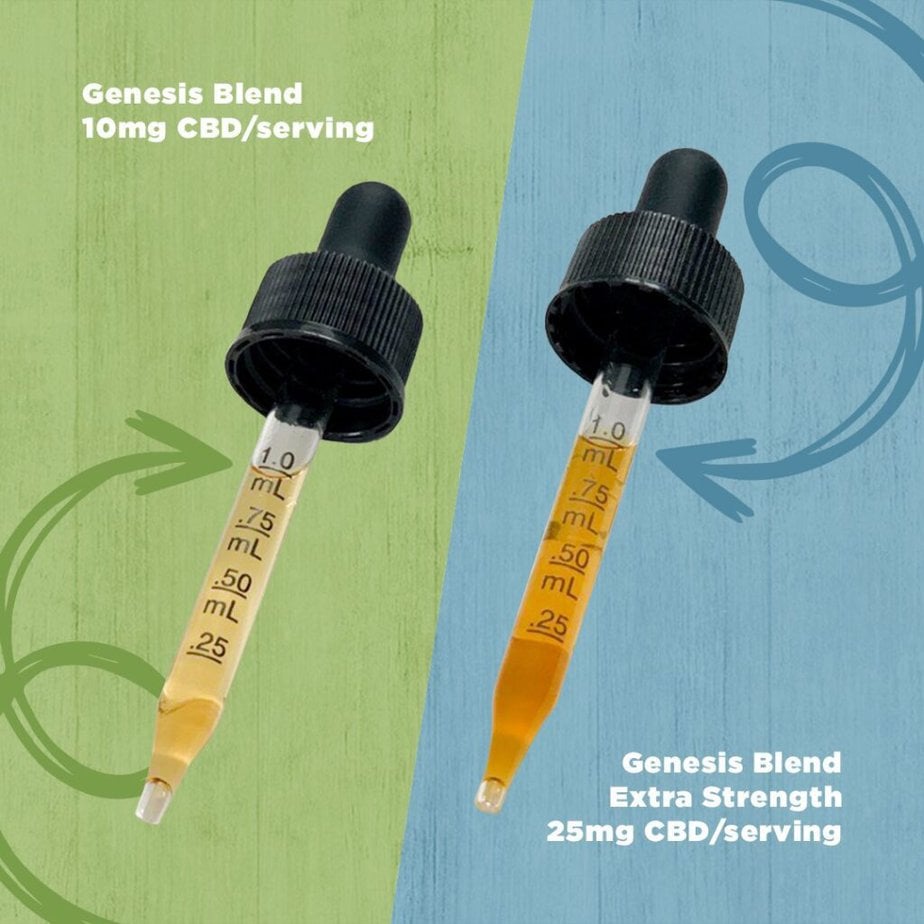
Lab tests show that no other CBD oil brand contains the robust natural blend of cannabinoids that our Genesis Blend CBD Oil contains. We advertise 10mg of CBD per ml, but the lab reports show 23mg of total cannabinoids per ml. These extra mg’s are the other minor cannabinoids that complete the entourage effect in full-spectrum CBD oil. Check our Types of CBD page and see the Genesis Blend lab results.

Top 5 Reasons we see people turning to CBD!

The benefits of CBD are proving to be an option for many issues, including preventative care and the potential for overall quality of life improvement. Supported by thousands of studies and backed by even more consumer testimonies, CBD is readily available across the United States and is commonly being used to address anxiety, secondary insomnia (the most common type and defined as a symptom or a side effect of something else, like pain, stress, anxiety, hormonal imbalance, or depression.)

Listen  to our most recent podcast to hear some of our favorite consumer testimonies and the Top 5 Reasons we see people turning to CBD! Top five reasons people turn to CBD

The Sum Is Greater Than The Parts.

Full spectrum oleoresin the highest grade cannabis extract. Similarly, like an orchestra or assembly line, each part plays an essential role in the show. A drum solo is excellent, do not get us wrong, but no one wants to sit through a concert listening to only drums while the other band members decide to sit this one out. The Sum is greater than the parts.

For instance, having different natural elements in our CBD Genesis Blend breathes life into what is known as the “Entourage Effect. All naturally occurring cannabinoids, terpenes, and flavonoids blend synergistically, allowing their coexistence to be more beneficial than an individual component standing alone. These natural cannabinoids bind to receptors in our Endocannabinoids System.  All species with a vertebrate have an Endocannabinoid System.   Humans and animals, such as dogs, Cats, and Horses, all have endocannabinoid receptors. Read The Powerful Differences Between Oleoresin Extract and Isolated CBD

Endocannabinoid system (ECS)

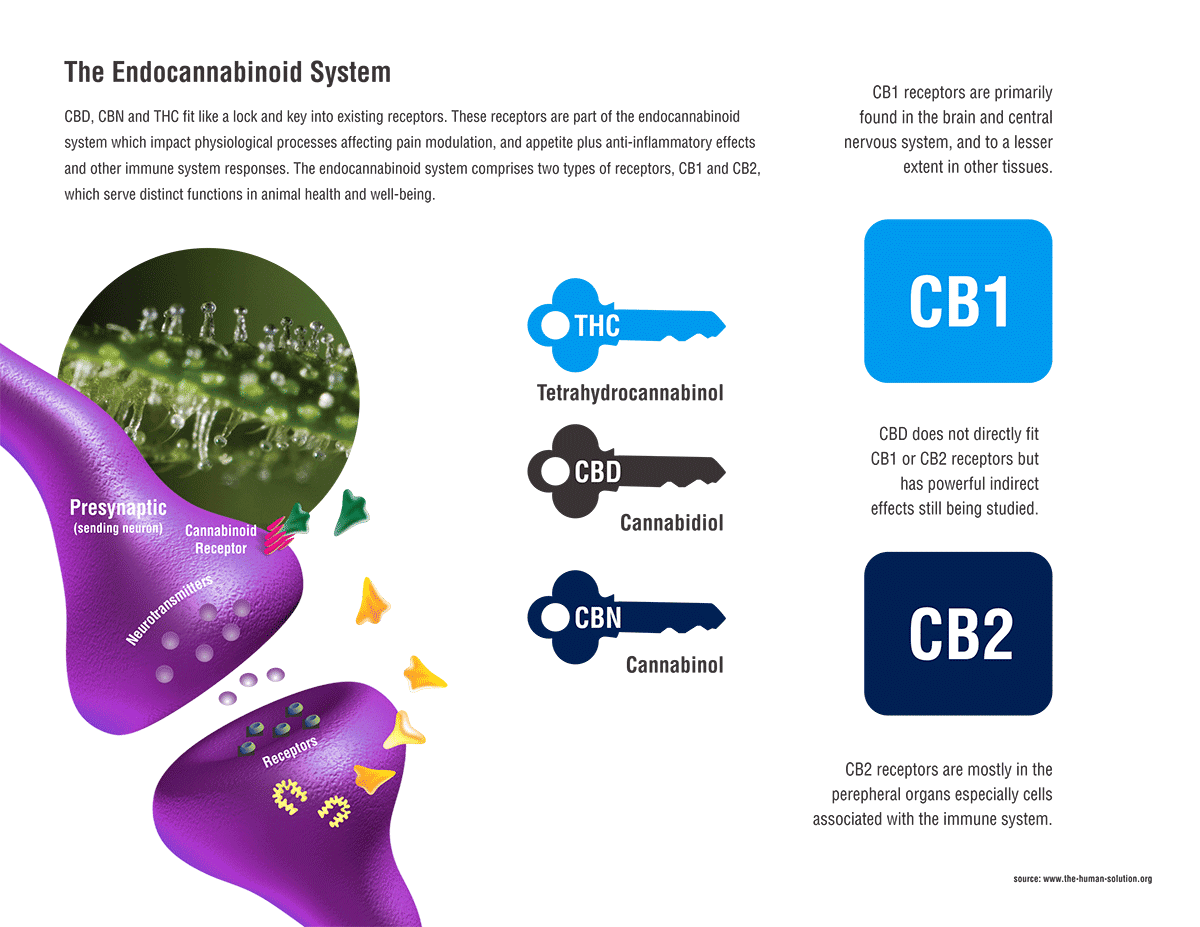
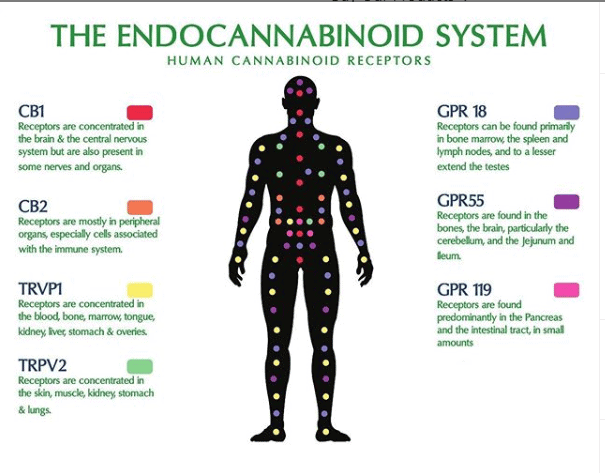
Many people ask: “How can CBD offer a wide variety of powerful results for things ranging from anxiety and neurodegeneration to even auto-immune disorders?” Surprisingly, The answer lies not so much in CBD (Cannabidiol) itself but how CBD is working to augment the Endocannabinoid system (ECS).

Therefore, The Endocannabinoid System (endo meaning ‘within’) is a biological system focused on mediating physiological balance, fundamentally known as homeostasis. Some of the first homeostatic functions we often hear from clients are a better night’s sleep, a regulated appetite, and reduced anxiety. These are a few of the first indicators that CBD is kicking in and starting to help boost our natural production of endocannabinoids. Amazing Discovery The Endocannabinoid System

FAQ Page -Frequently Asked Questions

We learn in the flow of work.  For instance, we constantly seek further understanding and ways to improve things. In other words, part of sharing information is just as much a part of our journey. Therefore, Find the answers to some common questions!  Above all, If the answer to your CBD question is not answered, send us a message from the contact section at the bottom of the page. THE FREQUENTLY ASKED QUESTIONS

Types of CBD – Full Spectrum Living with CBD  Ep9

Full Spectrum Living Ep 6 Endocannabinoid System Part 2

Adriane Polyniak and Jessica Charles, co-hosts of The Full Spectrum Living with CBD show, continue to discuss the endocannabinoid system.  They quickly get into the different parts of the Endocannabinoid System. Gain valuable insight into how CBD or THC might interact with receptors in your body.

The ladies explore different cannabinoids, such as CBD or THC. Learn what impact phytocannabinoids and endocannabinoids may have on other bodily processes.

Watch and learn about the chemical reactions that govern human physiology and how this sensitive balance can be affected by external forces such as lifestyle choices or medicinal treatments.

endocannabinoid system

More information about what was discussed in Full Spectrum Living With CBD Episode 6

The Dangers of Synthetic Cannabinoids: Deaths and Negative Research

The dangers of synthetic cannabinoids are becoming increasingly well-known, as deaths and research have begun to demonstrate the negative impacts of these drugs. Synthetic cannabinoids include Delta-8, Isolated CBD, Epidiolex, Marinol, dronabinol, K2 and Spice. All of these drugs are isolated and/or synthetic versions of the natural cannabinoid compounds found in cannabis plants, which can create far more powerful effects than their natural counterparts. The CBD market has become flooded with many products that contain these fake cannabinoids. Read more here about this growing problem.


isolated cannbinoids

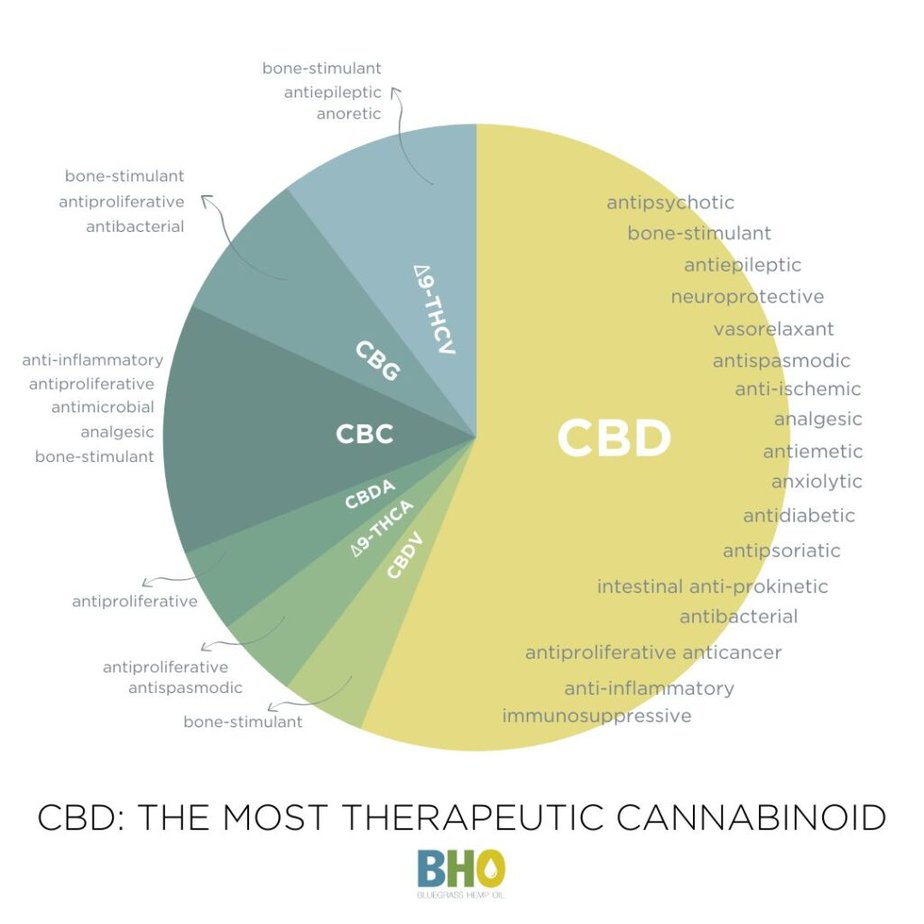
What are Cannabinoids and What are the Top Cannabinoids in Cannabis?

Cannabinoids are chemical compounds that naturally occur in the cannabis plant (Cannabis sativa). The most notable of these are tetrahydrocannabinol (THC) and cannabidiol (CBD). These compounds can be used to treat many ailments and diseases, including cancer, diabetes, autoimmune disorders, chronic pain and inflammation, among others. Since the early 1900s, cannabinoids have been studied by researchers all around the world, looking to determine their potential medical applications. Continue here for what you should know about these amazing compounds called cannabinoids.

CBD The most therapeueic cannabinoid

Terpenes

What are Cannabis Terpenes

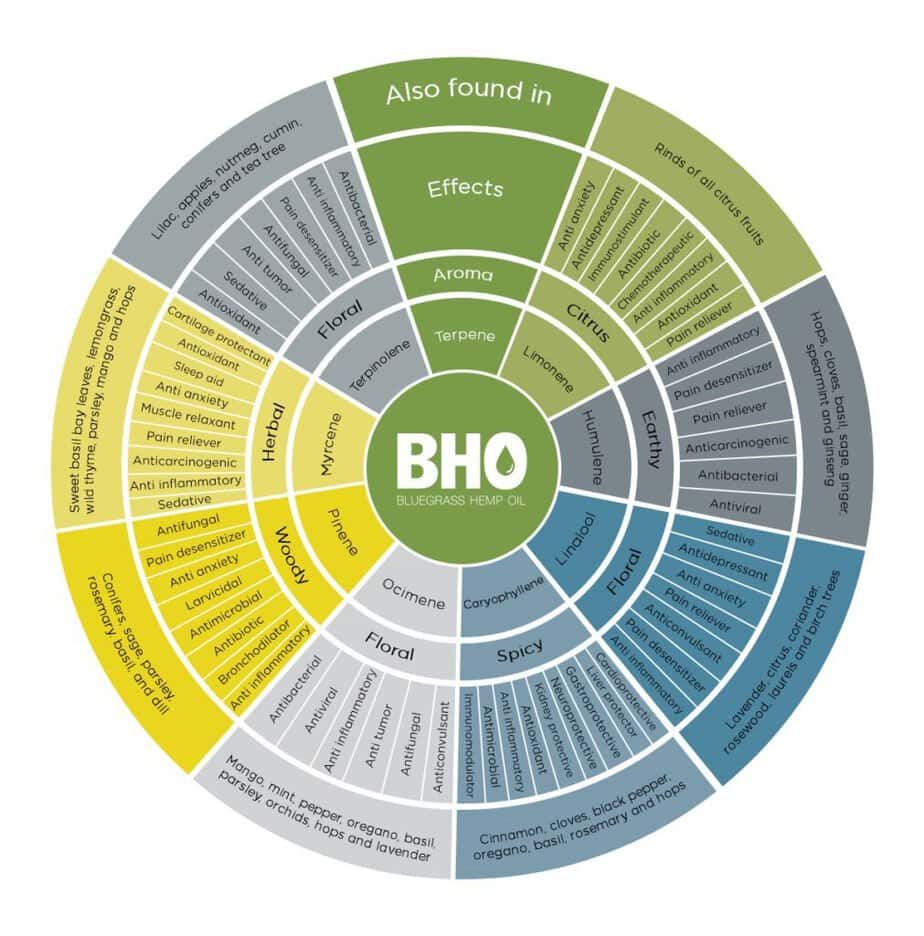
Firstly, What are Terpenes, Terpenes are a large family of molecules found in plants. They give plants their smell and flavor and often have biological effects on humans when inhaled or consumed in small amounts. Some examples of terpenes include limonene (lemon), pinene (pine), and myrcene (clove).

The Cannabis plant contains over 100 different terpenes but the most abundant are Myrcene, Pinene, Limonene, Linalool, Caryophyllene, and β-caryophyllene. These all have different effects on people depending on how much they consume. For example, Myrcene helps with sleep while Pinene helps with memory retention.

Terpenes are the aromatic oils found in plants. They give fruits and vegetables their unique smells, as well as help protect them from environmental damage. Some examples of plants containing terpenes include lemon trees, pine trees, and cannabis plants! Learn about Terpenes here.

terpene chart
graphic of a full dropper of CBD oil

 How to take CBD Oil?

The standard dose for CBD oil is 10mg twice daily, placing the oil under the tongue and waiting 20 – 30 seconds before swallowing.  This means that you should take 20mg of CBD in total daily to start. If you find that you are taking the maximum dosage but are still not feeling the desired effects, try doubling your intake to 40mg. The key is to listen to your body and see how much CBD it needs.

CBD interacts with receptors throughout the endocannabinoid system (ECS) – a vast network of neurotransmitters, chemicals, and hormones that regulate a variety of processes within the body. Dosing CBD can be difficult because it does not act as either a stimulant or depressant; so different people will have different responses. You may need more or less CBD than others depending on your lifestyle and situation. Continue here for more information about How to take CBD Oil.

PubMed

Another Place to research is the National Library of Medicine, PubMed.  Per the Pubmed website, PubMed® comprises more than 34 million citations for biomedical literature from MEDLINE, life science journals, and online books. Citations may include links to full-text content from PubMed Central and publisher web sites.

On the PubMed website if one wanted to search for topics related to the Endocannabinoids System some good search options would include;

Cannabinoids and Endocannabinoid system

Cannabidiol and endocannabinoid system

Google Scholar is a great research resource.

What to do research on your own? Google Scholar is a great starting point.  Go to the main Google Scholar Page Here.   For an interest like the current Full Spectrum Living With CBD episode on the Endocannabinoid System a search like Cannabis and Endocannabinoid system is good. One could also use the search term cannabidiol and endocannabinoid system.  Starting here you are just about assured you will find a infomation.