CBD vs THC: Key Differences, Effects, Safety, and How to Choose
By Bill Polyniak | Updated April 9, 2026
This article was updated on April 9, 2026 to improve clarity around CBD vs THC, full-spectrum hemp, safety considerations, and how to evaluate product quality.
CBD vs THC is one of the most common questions in hemp and cannabis education. Both compounds come from the cannabis plant, but they are not the same experience, not the same risk profile, and not the same fit for every goal. If you are trying to decide between CBD, full-spectrum CBD, and THC, the most useful place to start is with clarity, not hype.
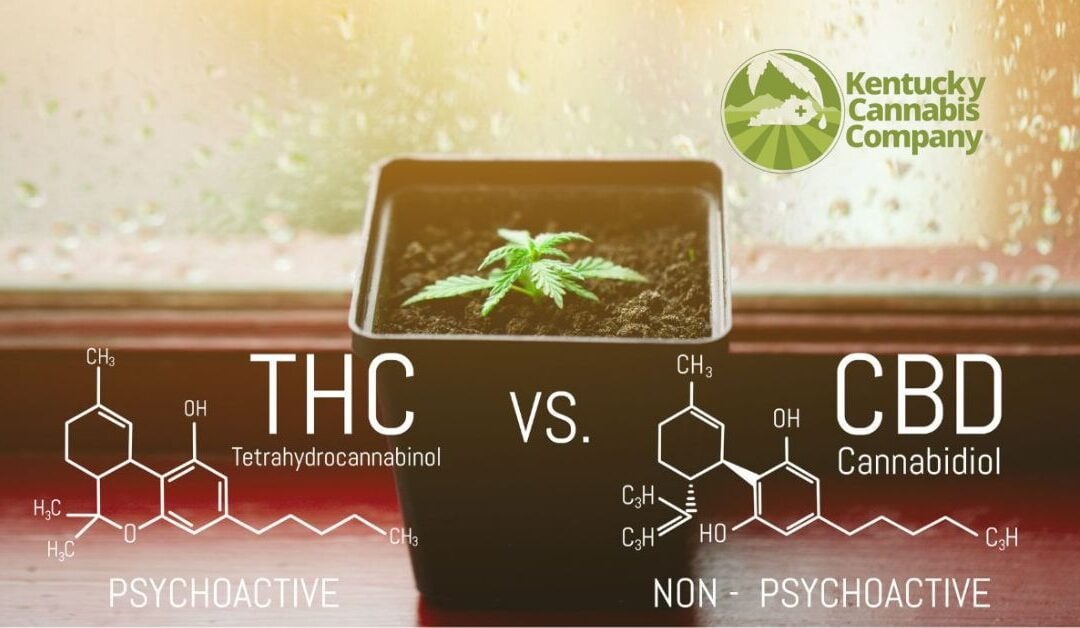
Here is the simple version: THC is the cannabinoid most closely associated with a high. CBD is generally chosen by people who want hemp support without the strong intoxicating effects linked to THC. Full-spectrum CBD sits in the middle of that conversation because it keeps CBD as the main focus while also preserving other naturally occurring hemp compounds, including small amounts of THC depending on the product.
This matters because “better” depends on what you are actually trying to avoid or achieve. Do you want to stay clear-headed during the day? Are you trying to avoid intoxication? Is drug testing a concern? Are you specifically looking for a whole-plant hemp extract instead of a single-molecule product? The right answer changes with the person, the product, and the situation.
If you want a broader foundation before going deeper, these education pages are worth reading: what a healthy endocannabinoid system does, 10 benefits of CBD, and why hemp is still one of the best-kept secrets in natural wellness.
Important note: This article is educational and should not be used as medical advice. Hemp and cannabis products can affect people differently, and CBD can interact with certain medications. If you are pregnant, breastfeeding, managing a diagnosed condition, or taking prescription medications, talk with a qualified clinician before using CBD or THC products.
CBD vs THC at a Glance
| Category | CBD | THC |
|---|---|---|
| What it is | A major cannabinoid found in hemp and cannabis | The primary intoxicating cannabinoid in cannabis |
| Will it make you feel high? | Usually no | Yes, that is the effect most people associate with cannabis |
| Common reason people compare it | They want hemp support without strong intoxication | They want the psychoactive effects or are considering regulated cannabis products |
| Main caution | Drug interactions, labeling quality, and hidden THC in some products | Impairment, unwanted intensity, anxiety for some users, and stronger drug-test risk |
| Daytime use | Often preferred when people want to stay functional and clear-headed | May be a poor fit when focus, reaction time, or coordination matter |
| Driving or safety-sensitive work | Caution still matters, especially with drowsiness or trace THC | Not a good fit because impairment is a real concern |
| Drug test risk | Lower in theory, but not zero if the product contains THC | High |
What Is CBD?
CBD, short for cannabidiol, is one of the better-known cannabinoids produced by the cannabis plant. In the hemp space, it is usually discussed as a non-intoxicating option for people who want a different path than THC-heavy products. That does not mean CBD is nothing more than “THC without the high.” It is its own compound, with its own chemistry, side effects, and product quality issues.
In practical terms, many shoppers start with CBD because they want a product that feels more compatible with work, family life, exercise, sleep routines, and everyday responsibilities. They are not necessarily looking for an altered state. They are looking for a more measured experience.
If you are new to hemp, it also helps to understand the endocannabinoid system. That system is part of why cannabinoids get so much attention in the first place. It does not mean every claim made about hemp is true, but it does explain why so many people are interested in how whole-plant hemp interacts with the body.
What Is THC?
THC, short for tetrahydrocannabinol, is the cannabinoid most people mean when they talk about the classic cannabis high. It is the compound most closely tied to intoxication, altered perception, slower reaction time, and the kinds of effects that can make driving or safety-sensitive work a bad idea.
That does not automatically make THC “bad.” It does mean THC should be discussed honestly. Some adults choose THC-containing products in legal settings because they want those effects or because they are using regulated cannabis under medical supervision. But for a large share of searchers comparing CBD vs THC, the real question is whether they can get the experience they want without feeling high. That is where CBD, and especially well-made hemp extracts, usually enter the conversation.
Where Full-Spectrum CBD Fits In
Full-spectrum CBD is not the same thing as CBD isolate. A full-spectrum hemp extract contains CBD plus other naturally occurring hemp compounds, such as minor cannabinoids, terpenes, and small amounts of THC when legally allowed and properly labeled. CBD isolate, by contrast, is purified CBD on its own.
This distinction matters because many shoppers are not really deciding between “CBD” and “THC” in the abstract. They are deciding between full-spectrum CBD, broad-spectrum CBD, CBD isolate, and in some cases THC-dominant products.
- Full-spectrum CBD keeps more of the original hemp plant profile intact.
- Broad-spectrum CBD aims to keep multiple hemp compounds while removing or minimizing THC.
- CBD isolate contains only CBD.
- THC-dominant products are built around intoxication or higher-THC cannabis experiences.
You may hear people describe full-spectrum hemp as a “whole-plant” approach. That is one reason it continues to attract interest. People who prefer it often want more than a single isolated cannabinoid. They want a formula that reflects how hemp naturally occurs in the plant. If you want a deeper explanation of why hemp is still misunderstood, this article on the best-kept secret of hemp is a useful next read.
Is Full-Spectrum CBD Better Than CBD Isolate?
Sometimes yes. Sometimes no. The better question is: better for what?
Some people prefer full-spectrum CBD because they want a more complete hemp profile. Others prefer broad-spectrum or isolate because they want to reduce THC exposure as much as possible. That can matter for workplace policies, athletic testing, personal sensitivity, or simple peace of mind.
You will also see the phrase “entourage effect” used in this debate. The basic idea is that cannabinoids and terpenes may work together differently than isolated compounds do on their own. It is an important concept, but it should be presented honestly. It is best described as a promising idea with meaningful interest behind it, not a marketing shortcut that proves every full-spectrum product is automatically superior.
For readers exploring full-spectrum hemp from a wellness perspective, this guide to the benefits of CBD helps frame the broader conversation without reducing it to a single comparison chart.
Will CBD Get You High?
For most people, CBD itself is not what creates the classic cannabis high associated with THC. That is one reason CBD often appeals to people who want a calmer, more usable option for everyday life.
But there are two important caveats:
- Full-spectrum hemp products can contain THC. Even when the amount is small, that matters for sensitive users and for anyone concerned about drug testing.
- Label quality varies across the market. A product is only as trustworthy as its testing, transparency, and manufacturing standards.
So the honest answer is this: CBD is generally the non-intoxicating side of the comparison, but not every product labeled “CBD” creates the same real-world risk profile.
When Searchers Usually Prefer CBD Over THC
In real buying behavior, many people lean toward CBD over THC for a few consistent reasons:
- they want to avoid the high associated with THC
- they want a hemp product that feels easier to fit into a daytime routine
- they are curious about full-spectrum hemp but do not want a THC-first experience
- they care about product transparency, lot testing, and predictable serving information
That is also why educational content matters. Many people are not looking for the most intense product. They are looking for the most understandable one.
When THC May Be the More Relevant Comparison Point
THC becomes the more relevant option when a person specifically wants psychoactive effects or is discussing cannabis use in a state-regulated medical or adult-use framework. In those conversations, the decision is not really “CBD vs THC” as much as “what experience am I seeking, and what trade-offs come with it?”
The trade-offs matter. The more THC drives the experience, the more seriously you need to think about impairment, dosage tolerance, timing, environment, work rules, and whether you need to drive or stay sharp.
CBD vs THC Side Effects and Safety Considerations
No professional comparison is complete without the downside. Searchers deserve more than upside language.
CBD safety points to know
- CBD can interact with medications.
- CBD may cause drowsiness, digestive upset, or changes in appetite for some users.
- Product quality is inconsistent across the market, so lab testing matters.
THC safety points to know
- THC can impair judgment, coordination, reaction time, and short-term memory.
- Some users find THC relaxing, while others experience discomfort, intensity, or anxiety.
- THC is the riskier side of the comparison for driving, work performance, and drug testing.
If you are pregnant, breastfeeding, taking prescription medications, or dealing with a complex medical situation, neither CBD nor THC should be treated casually. That is especially true when products are being used alongside other therapies.
Could Full-Spectrum CBD Cause a Positive Drug Test?
Yes, it can. That point gets buried far too often.
If a product contains THC, even within hemp limits, there is still a real-world possibility of accumulating enough exposure to create trouble on a drug test. That does not mean every user will test positive. It does mean full-spectrum CBD is not the right “safe choice” for everyone.
If passing a drug test is critical for your job, license, sport, or legal situation, take that seriously before choosing any hemp extract that contains THC. For those shoppers, broad-spectrum or isolate may look more attractive on paper, but even then, testing transparency still matters.
How to Choose Between Full-Spectrum CBD, Broad-Spectrum CBD, Isolate, and THC
Here is a practical way to think about it:
Choose full-spectrum CBD if:
- you want a whole-plant hemp profile
- you are comfortable with the possibility of trace THC
- you care about cannabinoids and terpenes beyond CBD alone
Choose broad-spectrum CBD if:
- you want a multi-compound hemp product
- you are trying to avoid THC as much as possible
- you still want more than a pure isolate
Choose CBD isolate if:
- you want a single-ingredient cannabinoid starting point
- you prefer the simplest formulation possible
- you do not want terpenes or additional cannabinoids in the formula
Choose THC-dominant products only if:
- you are intentionally seeking THC’s psychoactive effects
- you understand the impairment and drug-test trade-offs
- you are operating within a legal and appropriate setting
How to Evaluate a CBD or Hemp Product Like a Serious Buyer
Whether you choose full-spectrum CBD or another format, quality matters more than trend language. Here is what to look for:
- Third-party testing: Check for a recent Certificate of Analysis.
- CBD and THC per serving: Not just per bottle.
- Contaminant screening: Heavy metals, pesticides, solvents, and microbes matter.
- Lot-level transparency: You should be able to connect the bottle to the test.
- Ingredient clarity: Carrier oil, flavoring, and added botanicals should be easy to understand.
- No miracle claims: Serious brands educate. They do not promise to cure everything.
That last point is worth emphasizing. In this category, exaggerated health claims are often a red flag, not a sign of strength.
Frequently Asked Questions About CBD vs THC
Is CBD stronger than THC?
They are strong in different ways. THC has stronger intoxicating effects. CBD is generally the better-known non-intoxicating option.
Is full-spectrum CBD better than THC?
Not universally. It is often a better fit for people who want hemp support without a strong high, but it is not automatically “better” for every person, goal, or legal setting.
Is full-spectrum CBD better than isolate?
Some people prefer it because it keeps a wider hemp profile intact. Others prefer isolate or broad-spectrum because they want to reduce THC exposure. The better choice depends on sensitivity, priorities, and testing concerns.
Can CBD and THC both come from hemp?
Yes. What matters is the product’s actual cannabinoid content, the legal framework where you live, and how clearly the product is labeled and tested.
What is the safest starting point for a new shopper?
The safest starting point is not a buzzword. It is a transparent product from a company that publishes third-party testing, clearly lists CBD and THC content, uses clean ingredients, and avoids exaggerated claims.
Final Verdict: Is CBD or THC Better?
For most searchers asking “CBD vs THC,” the better answer is not a blanket winner. It is a better fit.
CBD is usually the stronger starting point for people who want to stay clear-headed, avoid a strong high, and explore hemp in a more everyday, functional way. THC is the more relevant option for people specifically seeking psychoactive effects or discussing cannabis in a regulated medical or adult-use context.
For many hemp shoppers, full-spectrum CBD is the most balanced middle ground. It keeps the conversation centered on CBD while preserving more of the plant’s native profile than isolate alone. But that benefit only matters when the product is made well, labeled clearly, and chosen with realistic expectations.
If you want to keep learning, these Bluegrass Hemp Oil education pages are the best next step: Healthy ECS, 10 Benefits of CBD, and The Best-Kept Secret About Hemp.
About the Author
Bill Polyniak
Bill Polyniak is the Lead Content Creator for Bluegrass Hemp Oil. He focuses on educational content about hemp, full-spectrum CBD, product transparency, and the practical questions shoppers ask before they buy. His work is built to make complex cannabinoid topics easier to understand without exaggeration or hype.
Ready to explore full-spectrum hemp with more confidence? Visit Bluegrass Hemp Oil to compare products, review testing, and continue your research.
