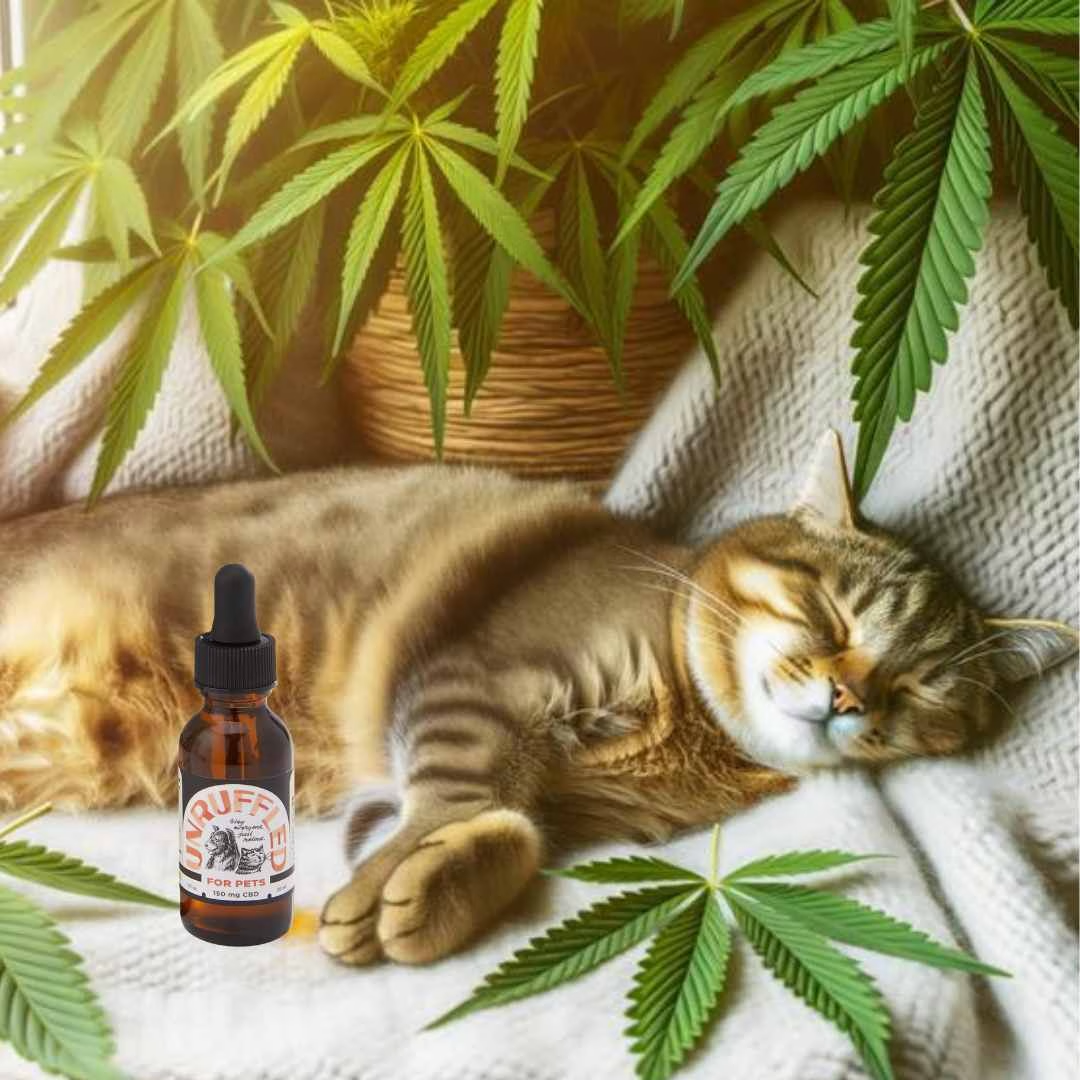
CBD for Cats: Safety, Labels, Vet Questions, and Product Quality
A veterinarian-first guide for cat owners comparing pet CBD oil, labels, ingredients, Certificates of Analysis, THC information, and product-quality signals before choosing anything for a cat.
Vet guidance first No disease-treatment claims COA and label review
Cat owners should talk with a veterinarian before using CBD with a cat. Cats can have different sensitivities than dogs, and pet CBD products should be compared by ingredient list, serving information, THC reporting, and available lab testing rather than by marketing claims.
CBD, short for cannabidiol, is a hemp compound. It is not the same as THC, the intoxicating cannabis compound. For cats, the responsible path is not hype or guesswork. It is veterinary guidance, label review, ingredient review, and product testing.
CBD should not replace a veterinary exam, diagnosis, emergency care, prescribed medication, or a treatment plan.
2
Ingredients matter
Avoid human CBD gummies, xylitol, artificial sweeteners, essential oils, and products with unclear THC information.
3
Testing supports transparency
A COA helps shoppers compare CBD amount, THC reporting, batch details, and contaminant screening when available.
Plain-English summary
Cat CBD terms shoppers should understand
Term
Consumer-friendly meaning
What to check
CBD oil for cats
A pet product that blends hemp extract with a carrier oil.
CBD amount, carrier oil, serving information, ingredients, and COA.
THC
The intoxicating cannabis compound that is especially important to evaluate for pets.
Label THC statement and batch-specific testing.
COA
A Certificate of Analysis from a lab that reports product testing details.
Batch match, CBD, THC, lab date, and contaminant screens.
Human CBD edibles
Gummies, candies, baked goods, or flavored items made for people.
Do not give these to cats because ingredients and serving sizes may be unsafe.
Why cats need cat-specific CBD guidance
Cats are not small dogs. A product that seems ordinary for a dog may be inappropriate for a cat because cats can differ in size, metabolism, ingredient sensitivity, and medication risk.
Rx
Medication review
CBD may affect pathways involved in processing some medications. Ask your veterinarian how to review prescriptions, supplements, and timing.
ml
Cat-sized serving details
Small cats need small, measurable serving information. Avoid products that only list total bottle CBD without clear per-serving details.
!
Behavior changes need diagnosis
Hiding, litter box changes, appetite changes, vocalizing, over-grooming, or stiffness should be discussed with a veterinarian.
Talk with your veterinarian before using CBD for cats
Veterinary guidance is especially important if your cat is elderly, underweight, pregnant or nursing, taking medication, scheduled for surgery, or showing sudden changes in appetite, litter box use, mobility, grooming, sleep, behavior, or neurological signs.
Bring this list to your vet
✓The exact product name and product URL.
✓The ingredient list and carrier oil.
✓The CBD amount per serving or per drop.
✓The COA or batch-specific lab report.
✓Your cat’s medication and supplement list.
What is CBD oil for cats?
CBD oil for cats is usually a hemp extract blended into a carrier oil and offered in small, measurable servings. It should be reviewed as a cat-specific product, not a human product repurposed for pets.
One important distinction is hemp oil vs CBD oil. Hemp seed oil is made from hemp seeds and typically does not contain meaningful CBD. CBD oil is made from hemp extract and should clearly identify cannabinoid content, serving information, carrier oil, and batch testing.
A safer cat CBD decision starts with the product label, not a promise. Review CBD amount, carrier oil, ingredients, serving directions, THC information, batch number, expiration date, and COA access.
Cats and dogs can have different sensitivities and product needs. Do not assume that a product or routine used for a dog is appropriate for a cat.
Use the CBD for pets comparison guide for a broad overview, then return to cat-specific questions before choosing a product for your cat.
How should cat owners think about CBD serving information?
There is no universal CBD serving that fits every cat or every product. Use the product label, review the COA, ask your veterinarian, and change only one variable at a time.
What to track
Why it matters
Label serving and CBD amount
Helps avoid guessing based on bottle size or marketing language.
Food timing and acceptance
Some cats accept oil better with a small amount of wet food. Do not force dosing.
Behavior and appetite notes
New hiding, appetite changes, vomiting, drooling, or litter box issues should be discussed with your veterinarian.
Medication and supplement list
Your veterinarian needs the full list to review possible interaction concerns.
How do I read a CBD Certificate of Analysis for cat products?
Testing does not prove medical effectiveness, but it helps cat owners review cannabinoid content, THC reporting, contaminant screening, and whether the product matches the label.
A
Match the batch
Look for a batch number, lot number, QR code, or testing date that matches the product you have.
B
Check CBD and THC
Review CBD amount and THC reporting. Avoid products with unclear THC information for cats.
C
Look for contaminants
When available, review testing for heavy metals, pesticides, solvents, microbes, or other quality screens.
What about senior cats, mobility, and neurological questions?
Senior cats and cats with neurological or mobility concerns need diagnosis first. CBD should not be used to cover up sudden changes, pain signs, seizures, urinary problems, weakness, or loss of appetite.
If your older cat is slow to jump, over-grooming, hiding, vocalizing, changing litter box habits, or acting differently, start with your veterinarian. You can also review senior cat wellness questions and cat CBD safety considerations to prepare better questions for a veterinary visit.
Related cat CBD and product safety resources
These related guides help cat owners compare product format, labels, COAs, cat-specific safety questions, and pet wellness resources.
Founder, hemp educator, and product transparency advocate.
Bill Polyniak is the founder of Bluegrass Hemp Oil and Kentucky Cannabis Company. His education-first work focuses on Kentucky hemp, full-spectrum CBD product quality, transparent labels, Certificates of Analysis, and helping consumers ask better questions before choosing CBD products for themselves or their pets.
Cat owners should talk with a veterinarian before using CBD with a cat. Cats can have different sensitivities than dogs, so review the product label, ingredients, serving information, and available testing before choosing any product.
Is CBD safe for cats?
Safety depends on the individual cat, product quality, ingredients, THC information, serving details, and medication history. Ask your veterinarian before use, especially for senior cats or cats with medical concerns.
What should I know before giving CBD to my cat?
Review the product label, ingredient list, serving information, THC statement, and Certificate of Analysis. Talk with your veterinarian first if your cat is elderly, takes medication, has a medical condition, or has sudden behavior changes.
Can I give human CBD gummies to my cat?
No. Human gummies and edibles may contain sweeteners, flavors, THC, or other ingredients that are not appropriate for cats. Use cat-specific product guidance and ask your veterinarian.
How do I read a CBD COA for a cat product?
Match the batch number, confirm CBD amount, review THC information, check the testing date, and look for contaminant testing when available. Contact the company or your veterinarian if anything is unclear.
Sources and further reading
Use these resources as starting points for conversations with your veterinarian and for product-quality review.
Cat CBD decisions should be veterinarian-first, label-aware, and testing-informed. Review ingredients, serving information, THC details, COAs, and your cat’s medical context before adding CBD to a cat’s routine.
Dog Health Guide: Wellness, Vet Care, Nutrition, and CBD Safety
A healthy dog routine starts with veterinary care, nutrition, movement, dental care, behavior support, safe observation, and product transparency. This guide also explains how to think about CBD for dogs without confusing wellness education with treatment claims.
Dog health is easier to manage when owners focus on routine care, early observation, and clear veterinary guidance. CBD questions should fit inside that bigger wellness conversation.
🐾
What keeps a dog healthy?
Regular exams, balanced nutrition, healthy weight, movement, dental care, parasite prevention, safe enrichment, and owner observation.
🩺
When should I call a vet?
Call for new, worsening, unexplained, severe, or sudden changes in appetite, water intake, mobility, behavior, breathing, vomiting, diarrhea, seizures, or collapse.
🌿
Is CBD a dog health treatment?
No. CBD should not be used to diagnose, treat, cure, or prevent disease in dogs. Discuss CBD or any supplement with your veterinarian before use.
Foundation
What Does Good Dog Health Include?
Good dog health is not one product or one supplement. It is a daily routine built around prevention, observation, safe care, and a working relationship with a veterinarian.
Your veterinarian can evaluate age, breed, lifestyle, body condition, medical history, medications, and local disease risk. That context matters before changing food, starting supplements, or trying CBD.
Dog Life Stage
Typical Wellness Focus
What Owners Can Ask
Puppies
Vaccines, growth, parasite screening, nutrition, behavior, and socialization.
What schedule fits my puppy, and what symptoms need urgent care?
Adult dogs
Annual wellness exams, weight, dental care, vaccines, parasite prevention, and lifestyle changes.
Is my dog at a healthy weight, and should any routine change?
Senior dogs
More frequent exams, mobility, organ function, behavior changes, and dental health.
Could stiffness, appetite changes, or sleep changes signal a medical issue?
Dogs with chronic conditions
Individualized monitoring, medication reviews, lab work, and care plans.
Could any supplement interact with medication or affect liver values?
Practical takeaway
Ask your veterinarian how often your dog should be seen, which vaccines and parasite preventives make sense, what weight range is appropriate, and whether any supplement is appropriate for your dog.
Owner Observation
Watch for Changes in Your Dog’s Normal Habits
Small changes can be important because dogs often hide discomfort. A simple note on your phone can help you track what changed, when it started, and whether the pattern is getting worse.
Appetite or water intake changes
Energy level, sleep pattern, or behavior changes
Vomiting, diarrhea, coughing, breathing changes, or collapse
Limping, stiffness, reluctance to jump, or trouble rising
New anxiety, fear, restlessness, aggression, seizures, or fainting
When to call your veterinarian
Call your veterinarian if your dog has new, worsening, or unexplained symptoms. Do not use CBD, supplements, or home remedies to delay veterinary care.
Daily Care
Nutrition, Healthy Weight, and Daily Routine
Your dog’s food should fit their age, size, breed, activity level, body condition, and medical history. Your veterinarian can help determine an ideal weight and nutrition plan.
🥣
Food and portions
Feed a complete and balanced dog food appropriate for life stage, and measure portions instead of free-pouring.
💧
Water and treats
Keep fresh water available, limit treats, and account for training rewards when evaluating daily calories.
📋
Diet changes
Ask your veterinarian before changing diets, using special diets, adding supplements, or making major routine changes.
Movement and Enrichment
Exercise and Mental Enrichment
Dogs need both physical activity and mental stimulation. The right plan depends on age, breed, health status, temperament, fitness level, and weather conditions.
🐕
Movement ideas
Walks, play sessions, sniff walks, fetch when appropriate, gentle mobility work, and supervised swimming when safe.
🧠
Mental enrichment
Training games, puzzle feeders, scent work, safe chewing options, structured rest, and social time with compatible dogs.
⚠
Activity safety
Dogs with heart disease, breathing issues, injury, obesity, arthritis, heat sensitivity, or senior mobility concerns need veterinarian-guided plans.
Behavior Safety
Behavior, Anxiety, and Hyperactivity
Behavior concerns can have many causes, including boredom, insufficient exercise, fear, pain, illness, poor sleep, breed-specific needs, lack of training structure, or environmental stress. Sudden behavior changes deserve a veterinary conversation.
Use predictable routines and consistent household rules.
Provide daily exercise matched to the dog.
Add mental enrichment and positive-reinforcement training.
Avoid punishment-based methods that can worsen fear or stress.
Manage triggers and provide safe resting spaces.
Ask about a veterinary behaviorist when concerns are persistent, severe, or sudden.
CBD and behavior claims
CBD products should not be described as treating anxiety, hyperactivity, stress, aggression, destructive behavior, separation anxiety, or sleep problems in dogs. Pet owners should not use CBD to delay a behavior or medical evaluation.
Senior Care
Joint Health, Mobility, and Aging Dogs
Senior dogs often need closer observation because changes can be gradual. Do not assume stiffness, limping, or trouble rising is “just old age.”
🦴
Signs to discuss
Stiffness, limping, slower walks, trouble rising, difficulty with stairs, reluctance to jump, or changes in play.
🏡
Home adjustments
Non-slip rugs, ramps or steps, trimmed nails, orthopedic bedding, gentle activity, and easier access to water and rest areas.
🩺
Veterinary options
Your veterinarian can discuss evaluation, weight management, prescription medications, rehabilitation, or veterinary-approved supplements.
Pet CBD boundary
Claims that CBD reduces joint pain, inflammation, arthritis symptoms, stiffness, or mobility problems in dogs are veterinary treatment claims and should be avoided. For a safety-first discussion, read the CBD for dog joint pain safety guide.
Routine Checks
Dental Care, Skin, Coat, and Grooming
Dental care, skin checks, ear checks, nail care, and grooming can reveal issues early. Your veterinarian can recommend dental cleaning, skin care, ear care, allergy evaluation, parasite prevention, or grooming routines based on your dog’s needs.
Bad breath, red gums, bleeding gums, tartar buildup, or broken teeth
Excessive scratching, hair loss, hot spots, paw licking, or new lumps
Ear odor, debris, head shaking, or frequent ear scratching
Overgrown nails, matting, skin irritation, or coat changes
CBD Safety
CBD and Dog Health: What Owners Should Know
Many pet owners are curious about CBD, but dog health decisions should stay veterinarian-first. CBD should not be used to delay diagnosis, replace medications, or manage symptoms at home without veterinary guidance.
Important pet CBD safety note
CBD products for dogs should not be marketed as treatments for anxiety, pain, inflammation, arthritis, seizures, hyperactivity, sleep problems, skin conditions, digestive issues, or any disease. CBD is not FDA-approved for use in animals.
1
Talk with your vet
Discuss medications, liver concerns, age, pregnancy, nursing, chronic disease, and whether a supplement is appropriate.
2
Avoid human products
Human CBD products may contain ingredients, sweeteners, THC levels, or serving sizes that are not appropriate for dogs.
3
Store safely
Keep CBD, THC, gummies, oils, and all cannabis products away from children and pets. Call a veterinarian or poison control for accidental exposure.
A clear label helps owners compare products before buying. A Certificate of Analysis helps connect a product batch with available lab data. Neither a label nor a COA proves that a CBD product treats a health condition.
What to Review
Why It Matters
Helpful Resource
CBD amount and serving information
Shows what the product says is in each serving and container.
Bill PolyniakFounder, Product Developer, CBD Educator
Bill Polyniak is the founder of Bluegrass Hemp Oil and Kentucky Cannabis Company. His work focuses on Kentucky hemp education, full-spectrum CBD, product transparency, clear labels, Certificates of Analysis, and helping families ask better questions before buying hemp products.
For pet-related topics, Bill’s education-first message is simple: start with veterinary care, avoid disease claims, review the label and COA, and do not use CBD to delay a veterinarian’s diagnosis or treatment plan.
The best foundation is routine veterinary care, appropriate nutrition, healthy weight, exercise, mental enrichment, dental care, parasite prevention, safe observation, and early veterinary support when habits change.
Can CBD treat anxiety, pain, arthritis, seizures, or skin problems in dogs?
No. CBD should not be presented as a treatment for anxiety, pain, arthritis, seizures, skin disease, digestive issues, or any disease in dogs. Speak with your veterinarian before using CBD or any supplement.
Should I give my dog human CBD oil?
Do not give human CBD products to a dog without veterinary guidance. Human products may contain ingredients, sweeteners, THC levels, or serving sizes that are not appropriate for animals.
What should I check on a pet CBD label?
Review product type, CBD amount, THC content, ingredients, serving information, storage instructions, batch number, warnings, and a batch-specific Certificate of Analysis.
When should I call a veterinarian?
Call your veterinarian for new, worsening, unexplained, severe, or sudden changes in appetite, water intake, mobility, behavior, breathing, vomiting, diarrhea, seizures, fainting, or collapse.
Final Takeaway
Dog Wellness Starts With Care, Observation, and Clear Product Review
A strong dog health routine starts with veterinarian-first decisions, daily observation, nutrition, healthy movement, dental and skin care, and safe product review. CBD education can help owners ask better questions, but it should never replace a veterinarian’s diagnosis, medication plan, or emergency care.
If your dog seems painful, call your veterinarian before giving any medication, supplement, or CBD product. Do not give human pain relievers such as ibuprofen, naproxen, aspirin, or acetaminophen unless your veterinarian specifically tells you to.
Dog pain can come from injury, arthritis, surgery, dental disease, infection, or another health problem that needs proper diagnosis. Some dog owners ask about CBD while researching dog comfort or wellness routines, but pet CBD products should not be described as pain treatments or replacements for veterinary care.
Important: This article is educational and is not veterinary advice. If your dog is limping, crying, hiding, unable to stand, recovering from surgery, or showing sudden behavior changes, contact a licensed veterinarian.
Do not stop, start, replace, reduce, or combine veterinary medication because of CBD information online. Your veterinarian can help determine what is causing your dog’s pain and which options are appropriate for your dog’s age, weight, health history, medications, and symptoms.
Dogs often show pain through changes in movement, posture, appetite, energy, or behavior. Because dogs cannot explain what hurts, small changes may be important.
Movement Changes
Limping, stiffness, trouble standing, reluctance to jump, or avoiding stairs may be signs that your dog needs veterinary evaluation.
Behavior Changes
Hiding, irritability, restlessness, whining, panting, or avoiding touch can sometimes signal discomfort.
Eating or Sleeping Changes
A sudden change in appetite, sleep, grooming, or normal routines may be worth discussing with your veterinarian.
Some pain signs should be treated as urgent. Contact a veterinarian or emergency veterinary clinic if your dog shows severe symptoms or you suspect poisoning, trauma, or accidental ingestion.
Cannot stand, walk, or bear weight.
Sudden severe limping.
Known injury, fall, or trauma.
Crying, collapse, bloating, or breathing changes.
Swelling, bleeding, wounds, or signs of infection.
Accidental ingestion of medication, CBD, THC, cannabis, gummies, edibles, or unknown products.
Do not assume a human pain reliever is safe for your dog. Medications that people commonly use can be dangerous for pets, especially at the wrong dose or when combined with other health conditions or medications.
Human Medication
Why It Is Risky for Dogs
Safer Next Step
Ibuprofen
May harm the stomach, kidneys, or liver.
Call your veterinarian.
Naproxen
Can cause serious toxicity.
Call your veterinarian or animal poison control.
Acetaminophen
Can be dangerous, especially at the wrong dose.
Do not give unless vet-directed.
Aspirin
May increase bleeding or digestive risk.
Use only if your veterinarian specifically instructs you.
Leftover pet medication
Wrong dog, wrong dose, or wrong condition risk.
Ask your veterinarian first.
Veterinary Care
Veterinary Pain Relief Options for Dogs
Your veterinarian may recommend different options depending on the cause of your dog’s pain. A safe plan may involve an exam, diagnostic testing, prescription medication, weight management, physical therapy, activity changes, or follow-up monitoring.
Vet-Prescribed Medication
Some dogs may need prescription medication selected and monitored by a veterinarian. Do not use human medication unless your veterinarian specifically instructs you.
Diagnosis Before Treatment
Pain can come from many causes, including injury, arthritis, dental disease, infection, surgery, or internal illness. The right plan depends on the cause.
Supportive Care
Your veterinarian may also discuss weight, movement, rehabilitation, home modifications, or follow-up visits to support your dog’s comfort and safety.
CBD Questions
Where CBD Fits Into Dog Pain Conversations
Some dog owners ask about CBD while researching pain, stiffness, arthritis, or mobility concerns. This guide does not present CBD as a dog pain treatment, a substitute for veterinary care, or a guaranteed outcome for any medical condition.
If CBD comes up in the conversation, treat it as a product-safety and transparency discussion. Start with a licensed veterinarian and review the product label, Certificate of Analysis, THC content, ingredients, serving size, medications, age, liver health, and health history.
Pet CBD Claim Caution
Pet CBD products are not FDA-approved animal drugs. Do not use this page to claim that CBD replaces veterinary care, replaces medication, or provides guaranteed relief. Individual experiences vary, and CBD is not risk-free.
Dog CBD Side Effects to Discuss With Your Veterinarian
If you and your veterinarian discuss a pet CBD product, ask what side effects to monitor and what to do if your dog reacts poorly or accidentally consumes too much.
Possible Side Effect
What to Watch For
Sleepiness or sedation
Unusual tiredness or less interest in normal activity.
Digestive upset
Loose stool, vomiting, or drooling.
Appetite changes
Eating more or less than usual.
Behavior changes
Restlessness, hiding, or unusual responses.
Unsteadiness
Wobbling or poor coordination.
THC sensitivity symptoms
Strong sedation, disorientation, abnormal behavior, or urinary issues.
Product transparency is not veterinary proof or treatment evidence. It is the information you can bring to your veterinarian when discussing a pet CBD product.
Pet CBD Label Checklist
Is the product made for pets?
What is the serving size?
How much CBD is listed per serving?
Does it contain full-spectrum hemp extract?
Are flavorings or other ingredients appropriate for dogs?
Does the label explain how to contact the company?
Certificate of Analysis Checklist
Does the COA match the product batch?
Does it show CBD content?
Does it show THC content?
Does it include contaminant testing?
Is the lab information visible?
Can you bring the label and COA to your veterinarian?
Does my dog need an exam, X-ray, bloodwork, or medication?
Are human medications unsafe for my dog?
Could CBD interact with my dog’s medications?
Is this product appropriate for my dog’s age, size, liver health, and health history?
What side effects should I monitor?
What should I do if my dog accidentally consumes CBD, THC, cannabis, gummies, edibles, or unknown products?
Transparency Pathway
Product Transparency: Reviewing Unruffled CBD Oil for Dogs
If you are comparing pet CBD products, focus on product transparency rather than treatment promises. Review the product label, Certificate of Analysis, THC content, ingredients, serving size, and product format. Bring this information to your veterinarian before using a CBD product with your dog.
Unruffled CBD Oil for Dogs Product Details
Use this path to review label information, ingredients, format, and product details before discussing pet CBD with your veterinarian.
Founder of Bluegrass Hemp Oil and Kentucky Cannabis Company
Product-Transparency Experience
Bill Polyniak is a Kentucky hemp founder, product developer, and CBD educator. For pet-related articles, his role is to support transparent product education around labels, Certificates of Analysis, extract type, THC content, and responsible customer questions.
Veterinarian-First Boundary
This article does not replace veterinary care, veterinary diagnosis, or veterinary medication guidance. If you are comparing a pet CBD product, bring the label and COA to your veterinarian for review.
Before using any pet CBD product, ask your veterinarian to review your dog’s health history, medications, age, liver health, and risk factors. Product transparency can support a better conversation, but it is not the same as veterinary medical advice.
Frequently Asked Questions About Dog Pain Relief and CBD
What can I give my dog for pain?
Call your veterinarian before giving any medication, supplement, or CBD product. Do not give human pain relievers unless your veterinarian specifically instructs you.
Can I give my dog ibuprofen for pain?
Do not give ibuprofen to your dog unless a veterinarian specifically tells you to. Human pain relievers can cause serious side effects or toxicity in dogs.
Can I give my dog Tylenol for pain?
Do not give acetaminophen or Tylenol unless directed by a veterinarian. Dogs need species-specific guidance from a licensed professional.
What are signs that my dog may be in pain?
Possible signs include limping, trouble standing, hiding, panting, appetite changes, reduced activity, sensitivity to touch, whining, or sudden behavior changes.
Is CBD FDA-approved for dog pain?
No. Pet CBD products are not FDA-approved animal drugs for dog pain, arthritis, inflammation, stiffness, mobility issues, anxiety, seizures, or other medical conditions.
Can CBD replace my dog’s pain medication?
No. Do not stop, replace, reduce, or combine veterinary medication with CBD unless your veterinarian specifically guides you.
What should I check before discussing CBD with my vet?
Review the product label, Certificate of Analysis, THC content, ingredients, serving size, medication interactions, age, liver health, and your dog’s health history.
What side effects should I watch for with dog CBD products?
Possible side effects may include sleepiness, sedation, digestive upset, loose stool, vomiting, drooling, appetite changes, behavior changes, unsteadiness, or unusual tiredness.
Final Takeaway
Final Takeaway: Start With Your Veterinarian
If your dog seems painful, the safest first step is to contact your veterinarian. Pain can have many causes, and the right plan depends on your dog’s symptoms, health history, medications, age, and diagnosis.
If you are researching pet CBD products, use product transparency as your guide. Review the label, Certificate of Analysis, THC content, and ingredients, then bring that information to your veterinarian before making a decision.
If you're considering CBD oil for your dog, it's important to understand both its potential benefits and the safety precautions involved. Many pet owners are turning to this natural remedy for issues like anxiety and pain relief, but questions about dosage and product quality often arise. You might wonder whether all CBD oils are created equal or if some are better suited for your dog's specific needs. As you explore the options, you'll want to be informed about the critical factors that can influence your decision. So, what should you know before making that choice?
Understanding CBD and Its Effects on Dogs
CBD can provide various benefits for your dog, including relief from anxiety and pain.
Many pet owners have reported positive effects from using CBD products, making it a popular choice for enhancing pet wellness.
You might wonder if it's safe and effective for pets, and the good news is that many studies indicate it is.
CBD oil's potential benefits continue to be explored, and let's investigate what CBD does for dogs and how it promotes their overall well-being.
What Does CBD Do for Dogs?
As pet owners increasingly seek natural alternatives for their dogs' health, understanding what CBD can do for them becomes essential. CBD oil offers a variety of benefits that can enhance your dog's quality of life.
One of the primary CBD oil benefits is pet anxiety relief; many dogs experience stress due to loud noises, separation, or new environments. CBD interacts with the endocannabinoid system, promoting a sense of calm and comfort.
Furthermore, CBD oil serves as a natural treatment for arthritis symptoms in dogs, helping to reduce pain and inflammation, which can notably improve mobility and overall well-being pain relief and inflammation reduction.
The full spectrum effectiveness of CBD oil means it contains multiple cannabinoids, allowing for greater therapeutic effects through cannabinoid interactions. This synergy can help alleviate pain, reduce inflammation, and even assist with conditions like arthritis or seizures.
Additionally, the advantages of adding salmon oil to CBD oil can't be overlooked; it enriches the formula with essential omega fatty acids, promoting a healthy coat and overall wellness.
Is CBD Good for Dogs?
The growing interest in natural remedies has led many pet owners to explore the benefits of CBD for their dogs. You might be wondering if CBD is good for your furry friend, and the answer often lies in understanding the different CBD oil types available.
Full-spectrum CBD oil, like Unruffled CBD, contains a variety of beneficial cannabinoids and terpenes that work together, enhancing their therapeutic effects. For instance, products like Charlotte's Web CBD Oil for Dogs might claim they are crafted with quality ingredients to guarantee safety and effectiveness but some just aren't as good as Unruffled CBD Oil for pets at Bluegrass Hemp Oil.
When considering CBD oil ingredients, always look for high-quality, organic sources free from harmful additives. The right CBD administration methods and oil dosage can make a significant difference in how your dog responds.
Many pet owners find that starting with a low dose and gradually increasing it based on their dog's needs can help achieve the desired effects.
CBD oil benefits can include relief from anxiety, pain, and inflammation, making it a popular choice for those seeking holistic health solutions for their dogs.
Is CBD Safe for Dogs and Cats?
When considering natural remedies for your pets, safety is a top concern. You want to guarantee that any supplement, like CBD, isn't only effective but also safe for your furry friends.
CBD oil benefits, such as reducing anxiety and alleviating pain, are promising, but you need to approach its use thoughtfully. Additionally, research has shown that CBD oil may also aid in managing conditions like seizures in dogs, making it a valuable option for pet owners facing this challenge.
Start with CBD dosing recommendations specific to your pet's size and condition. It's crucial to follow these guidelines to avoid potential side effects. When selecting CBD oil, pay attention to the ingredients; high-quality products should be free from harmful additives.
Sourcing matters too—choose CBD oil from reputable brands that use organically grown hemp, guaranteeing a clean and safe product. Administration methods vary, and you can find oils, treats, or capsules that suit your pet's preferences.
Always consult your veterinarian before starting any new supplement. This way, you can confidently support your pet's health journey with CBD while guaranteeing their safety.
Safety Concerns: Is CBD Oil Safe for Dogs?
When considering CBD oil for your dog, you might wonder about its safety and effectiveness.
Research indicates that CBD oil can play a role in managing conditions such as dog seizures and promoting overall wellness.
You'll want to know if vets recommend it and if there are any potential drawbacks.
Let's explore whether CBD is truly safe and beneficial for your furry friend.
Does CBD Work for Dogs?
Many pet owners are increasingly curious about whether CBD oil is effective and safe for their dogs. Research suggests that CBD oil can offer a range of benefits, from reducing anxiety to alleviating pain and inflammation.
Additionally, CBD's therapeutic potential has been noted in various animal health contexts, highlighting its growing recognition in veterinary care. However, it's crucial to follow dosage recommendations to guarantee your furry friend reaps the rewards without experiencing potential side effects like drowsiness or digestive upset.
When exploring product comparisons, you'll find that not all CBD oils are created equal. Look for full-spectrum options, as they often provide enhanced effects due to the entourage effect, where various cannabinoids work together.
Pet owner testimonials can also guide your choice, with many sharing positive experiences about their dogs' improved well-being after using high-quality CBD oil.
It's important to remain informed and cautious. Consulting with your vet can help tailor the best approach for your dog's specific needs, guaranteeing a safe and effective experience.
Ultimately, many pet owners find that, when used correctly, CBD oil can be a valuable addition to their dog's health routine, enhancing their quality of life while fostering a deeper bond with their beloved pets.
Do Vets Recommend CBD for Dogs?
Veterinarians are increasingly being asked about the use of CBD for dogs, especially given the growing interest in natural remedies for various health issues.
CBD veterinary perspectives highlight that while many vets recognize potential benefits, they often stress caution due to dosage variability factors and the lack of extensive research on long-term effects.
Legal considerations also play a role in their recommendations; since regulations vary by state, some vets may hesitate to endorse CBD outright. They want to guarantee you're informed about what's legal and safe for your furry friend.
Pet owner experiences can be quite positive, with many reporting improvements in their dogs' anxiety and pain management. However, it's vital to consult with your vet before starting any CBD regimen.
Understanding that every dog is unique, they may offer personalized advice based on your pet's health needs and existing conditions.
Ultimately, open communication with your vet can help you navigate the world of CBD for dogs, guaranteeing you make the best choices for your beloved companion.
Is CBD Bad for Dogs?
CBD oil has gained attention among pet owners, but you might wonder if it's safe for dogs. One key concern is CBD oil myths that suggest it's harmful.
In reality, when sourced from reputable suppliers adhering to CBD sourcing standards, CBD can be safe and beneficial. It's essential to guarantee CBD dosage accuracy, as giving your dog the right amount can prevent adverse effects.
Many pet owners use CBD for senior dogs dealing with pain or anxiety, finding it helps improve their quality of life.
However, always consult your vet to discuss potential CBD oil interactions with other medications your dog may be taking. This is especially important for dogs with pre-existing health conditions.
Is CBD OK for Dogs?
When considering the safety of CBD oil for dogs, it's crucial to recognize that, when sourced from reputable suppliers, it can be a safe and beneficial option.
Many pet owners have shared positive experiences, dispelling common CBD oil myths that suggest it's harmful or ineffective.
To guarantee your dog enjoys the health benefits of CBD oil, follow dosing guidelines provided by professionals.
Start with a low dose and gradually increase it while observing your pet's response. Always consult your veterinarian before introducing CBD into your dog's routine, especially if they're on other medications.
Focus on product sourcing; choose full-spectrum CBD oils, like Unruffled CBD oil, as they contain various cannabinoids that enhance the therapeutic effects through the entourage effect.
This means your dog can achieve better relief from anxiety, pain, or inflammation.
CBD Products for Dogs: Treats, Oil, and More
When considering CBD products for your dog, you might wonder if CBD treats are a good option.
You'll also want to know how long it takes for CBD to work and how long its effects last. Understanding these points can help you choose the right product for your furry friend's needs.
Are CBD Treats Good for Dogs?
Many pet owners are turning to CBD treats as a convenient way to provide their dogs with the potential benefits of cannabidiol. These treats come in various types, from crunchy biscuits to soft chews, making it easy to find something your furry friend will love.
The CBD treats benefits include helping to reduce anxiety, alleviate pain, and promote overall wellness.
You might be wondering how CBD treats stack up against oil. While CBD oil offers a more concentrated dose, treats can be a fun and tasty way to give your dog their daily supplement.
If you enjoy DIY projects, consider making homemade CBD treats. There are plenty of CBD treats recipes available online that guarantee your pet gets the right dosage while enjoying a delicious snack.
When choosing CBD treats, always look for high-quality products that clearly state their CBD content. This way, you can ascertain your pet receives the desired effects.
With so many options available, finding the right CBD treats for your dog can enhance their health and happiness, making you both feel like part of a caring community focused on pet wellness.
How Long Does CBD Take to Work for Dogs?
Understanding how long it takes for CBD to work for dogs can help you choose the best method of administration, whether it's treats or oil.
Typically, you can expect to see the effects of CBD oil within 30 to 90 minutes after dosing. The specific timing can depend on several factors, including your dog's size, metabolism, and the CBD oil dosage you choose.
For canine anxiety relief, many pet owners find that using a higher-quality full-spectrum CBD oil, like Unruffled CBD, enhances CBD oil efficacy.
It's important to follow recommended CBD oil dosage guidelines, starting low and gradually increasing to find what works best for your furry friend.
How Long Does CBD Last for My Dog?
The duration of CBD's effects on your dog can vary based on several factors, including the product type, dosage, and your dog's unique physiology.
Typically, CBD oil duration can last anywhere from 4 to 8 hours, but this isn't a one-size-fits-all answer. Factors affecting duration include your dog's weight, age, and individual dog response to CBD.
When you give your dog CBD, it's important to take into account how quickly their body metabolizes the oil. Some dogs may experience effects for a shorter period, while others may feel relief for longer.
Observing effects duration can help you determine the best dosage and frequency for your pet.
If you notice your dog's anxiety or discomfort returning too soon after their last dose, you might need to adjust the timing or quantity of CBD oil.
Always consult with your veterinarian for personalized advice. This way, you can guarantee that your furry friend gets the most benefit from their CBD experience, allowing you both to enjoy those peaceful, happy moments together.
Dosage Guidelines: How Much CBD Oil is Right for Your Dog?
When it comes to giving your dog CBD oil, figuring out the right dosage is essential.
You'll want to take into account factors like your dog's weight, health condition, and the specific product you're using.
Let's break down how much CBD oil is appropriate for your pet, including guidelines for dogs with specific needs like cancer.
How Much CBD for Dogs?
Determining the right CBD oil dosage for your dog is vital for maximizing its benefits while guaranteeing safety. You want to feel confident that you're providing the best care for your furry friend, and understanding dosage recommendations is a significant part of that.
Start by considering your dog's weight and specific health needs—different conditions may require different dosages.
When exploring CBD oil benefits, remember that starting with a low dose and gradually increasing it can help you find the sweet spot for your pet. Many pet owners find that natural remedies like CBD oil can improve their dog's overall well-being, from reducing anxiety to managing chronic pain.
You might also want to look into product comparisons to guarantee you're choosing high-quality CBD oil, as not all products are created equal. A reputable brand will provide clear dosage guidelines and third-party lab results for transparency.
Always consult your veterinarian before starting any new supplement, as they can tailor recommendations to fit your dog's unique health profile. By following these guidelines, you're taking a significant step toward guaranteeing your pet's health and happiness.
How Much CBD Oil for Dogs?
Finding the right dosage of CBD oil for your dog is key to ensuring they receive its full benefits. Start by considering your dog's weight, condition, and the product quality.
Generally, a good rule of thumb is to give 1-5 mg of CBD for every 10 pounds of body weight. If you're new to CBD, begin with a lower dosage and gradually increase based on your dog's response. This approach helps achieve dosage accuracy, allowing you to tailor it to your furry friend's unique needs.
Veterinary insights can be invaluable; don't hesitate to consult with your vet, especially if your dog has underlying health issues. They can guide you on appropriate dosages and the expected CBD oil benefits for your pet's specific situation.
How Much CBD Oil for Dogs with Cancer?
Managing cancer in dogs can be challenging, and many pet owners turn to CBD oil as a complementary treatment. Understanding the right dosage for your furry friend is important. Dosage forms can vary, from oils to treats, but starting low and gradually increasing is often recommended. Many pet owners find success with a few drops of full-spectrum CBD oil, paying close attention to how their dog responds.
Pet owner testimonials highlight the benefits of CBD oil in alleviating discomfort and improving overall well-being during cancer treatment. However, it's necessary to monitor for potential side effects, which may include drowsiness or changes in appetite. These can often be managed by adjusting the dosage or switching to a different form.
Embracing holistic approaches, like combining CBD with other therapies, may enhance its effectiveness. Always consult your veterinarian before starting CBD oil to make sure it fits into your dog's treatment plan.
This way, you can feel confident in your choice while fostering a sense of community with other pet owners steering through similar journeys. Your dog deserves the best care, and finding the right CBD oil dosage can be an important part of that process.
How Many mg of CBD for Dogs?
When it comes to figuring out how many milligrams of CBD oil to give your dog, several factors come into play, including their weight, the severity of the condition, and the specific product being used. A common guideline is to start with 1-5 mg of CBD for every 10 pounds of your dog's weight.
If your furry friend is experiencing pet anxiety relief or chronic pain, you might need to adjust the CBD oil dosage accordingly.
Full spectrum benefits are important, as they guarantee your dog receives various cannabinoids that can work together for enhanced effects. Keep in mind that cannabinoid interactions can vary per dog, so monitoring their response is vital.
If you're using a high-quality product like Unruffled CBD oil, which includes salmon oil advantages, you may notice additional health benefits due to the omega fatty acids present.
Always consult with your veterinarian before starting CBD oil, especially if your dog is on other medications. They can help you determine the right dosage tailored to your dog's specific needs, guaranteeing they get the most out of their CBD oil experience.
Special Considerations: Can Dogs Have CBD Meant for Humans?
Many pet owners wonder if it's safe to give their dogs CBD products designed for humans. While it might seem convenient, there are important considerations to keep in mind.
First off, human formulations depending on the brand can often contain ingredients that aren't safe for dogs, such as artificial sweeteners or flavors. Always check the product labeling to confirm it's free from harmful additives. All CBD extracts at Bluegrass Hemp Oil are all safe for humans, dogs, cats, horses, all mammals.
Dosage differences also pose a significant risk. What works for you might be too much for your dog, leading to potential side effects. Dogs metabolize CBD differently, so using human products can result in overdoses, especially if you don't adjust the dosage accordingly. Unruffled CBD oil for pets is dosed at the perfect serving size for your furry loved one.
Ingredient safety is vital. Many human CBD products don't undergo the same rigorous testing as pet-specific ones. This can lead to inconsistencies in potency and purity.
For your dog's health and safety, it's best to stick to CBD products specifically formulated for pets.
Ultimately, while it might be tempting to share your CBD, the potential risks far outweigh the convenience. Choosing a product designed for dogs confirms you're providing the safest and most effective option for your furry friend.
Where to Buy: Finding the Right CBD Products for Your Dog
When you're ready to buy CBD for your dog, knowing where to look is key.
You can find high-quality options at local pet stores, online retailers, and specialty shops focused on pet wellness.
Always make sure to choose reputable brands that prioritize safety and effectiveness for your furry friend. Our Unruffled CBD oil for pet here at Bluegrass Hemp Oil is award winning. Our Unruffled CBD oil is the best CBD oil for Dogs.
Where to Buy CBD for Dogs?
Finding the right CBD products for your dog can feel overwhelming, especially with the plethora of choices available today. To navigate through these options, start by researching reputable brands that prioritize quality CBD oil sourcing.
Look for full-spectrum products, as they offer a range of CBD pet benefits that isolated versions can't match. Familiarize yourself with different CBD product types, such as oils, treats, and capsules, to determine what fits best for your dog's needs.
It's also vital to understand CBD oil regulations in your area to guarantee you're purchasing compliant products.
Don't let CBD oil misconceptions sway your decision. Many people worry about the safety and efficacy of CBD for pets, but when sourced from reliable hemp companies, CBD can be a natural, safe option to support your dog's health.
Lastly, read reviews and seek recommendations from fellow pet owners or veterinarians who've experience with CBD oil. By staying informed and connected, you'll find the right CBD products that not only help your dog thrive but also bring peace of mind to your pet-loving community. As the oldest full spectrum CBD manufacture in Kentucky we have thousands of reviews from happy customers.
Where Can I Buy CBD for My Dog?
If you're ready to purchase CBD for your dog, it's important to know where to look for high-quality products. Start by exploring reputable brands that prioritize CBD oil sourcing from organically grown hemp. Such as here at Bluegrass Hemp Oil or see our parent company the Kentucky Cannabis Company.
Look for products with full-spectrum formulations, as these provide a range of pet health benefits through the entourage effect.
Engaging in natural remedies exploration means you'll want to read pet owner testimonials. These shared experiences can guide you toward effective options that have worked for others in your community.
Additionally, seek out brands that offer cannabinoid education, so you understand the ingredients and their effects on your dog's health.
Consider checking local pet stores, online retailers, or even veterinary clinics that carry trusted CBD brands.
Don't hesitate to ask questions about the product's sourcing and lab testing, which guarantees purity and potency.
Where to Buy CBD Oil for Dogs?
Exploring the best places to buy CBD oil for your dog can feel overwhelming, but it doesn't have to be. Start by looking for reputable online retailers that specialize in pet products. These platforms often provide a wealth of information on CBD oil benefits, making it easier for you to find what suits your furry friend.
When choosing a product, prioritize quality assurance. Look for brands that offer third-party lab testing to guarantee safety and potency. You can also compare different brands to see how they stack up against each other. Pay attention to product sourcing; organic hemp is a plus, as it indicates a commitment to quality.
Consumer reviews can be a game-changer in your decision-making process. Reading what other dog owners have to say can help you gauge a product's effectiveness and reliability.
Don't hesitate to reach out to fellow pet owners for recommendations, creating a sense of community in your quest for the best CBD oil.
Where Can I Buy CBD Oil for Dogs?
When you're ready to purchase CBD oil for your dog, it's important to know where to look for high-quality options. Start by researching reputable brands that prioritize product sourcing and transparency.
Look for companies that provide detailed information about their CBD oil types, including full-spectrum options, which are often more effective for pet health.
Check customer testimonials to see how other pet owners have benefited from their products. This can give you insight into the effectiveness of different dosage methods and help you choose the right product for your furry friend.
Don't forget to verify whether the brand uses third-party testing, guaranteeing the safety and quality of their CBD oil.
You can find these products online through trusted retailers or directly from the manufacturer's website. Local pet stores may also carry quality CBD oils, so it's worth exploring those options.
Make sure to consult your veterinarian before starting any new supplement, to confirm it aligns with your dog's specific health needs.
Where to Get CBD for Dogs?
Finding the right CBD products for your dog can feel overwhelming with so many options available. To make the best choice, start by exploring various CBD product types, such as oils, treats, and capsules. Each type offers unique pet health benefits, so consider your dog's preferences and needs.
When shopping, pay attention to CBD sourcing methods. Look for products made from organically grown hemp and free from harmful additives. High-quality CBD oils like Unruffled CBD oil for pets often use full-spectrum extracts, ensuring cannabinoid interactions enhance the therapeutic effects, thanks to the entourage effect.
Don't forget to compare natural supplements. While CBD is gaining popularity, it's crucial to weigh its benefits against other options available for your dog's specific issues.
Talk to your veterinarian about incorporating CBD into your pet's routine and how it might complement other treatments.
CBD Oil for Dogs Reviews: What Are Pet Owners Saying?
When it comes to CBD oil for dogs, pet owners have plenty to share about their experiences and the brands they trust most.
You might find it helpful to look at real-life reviews to see how different products have worked for others.
Understanding what to contemplate in these reviews can guide you in choosing the best option for your furry friend.
Real-Life Experiences with CBD Oil for Dogs
Many pet owners are discovering the benefits of CBD oil for their dogs, sharing transformative experiences that highlight its effectiveness. Real-life testimonials flood online forums, showcasing how CBD has helped anxious pups find calm or eased the pain of older dogs struggling with arthritis.
These personal stories create a sense of community among pet owners, reassuring you that you're not alone in your journey.
Pet owner experiences reveal that many have witnessed significant changes in their furry friends. From reduced barking and improved mood to increased mobility, CBD success stories resonate with those seeking alternatives to traditional treatments.
Anecdotal evidence suggests that even the most skeptical pet owners have seen positive results after trying CBD oil.
As you explore the world of CBD for your dog, you'll find a wealth of shared experiences that foster belonging and camaraderie.
Whether you're looking to alleviate anxiety or support overall wellness, these stories can guide you in making informed choices for your beloved companion.
Embrace the journey, knowing that many have walked this path and found hope and healing through CBD oil.
Most Trusted Brands According to Dog Owners
As pet owners share their positive experiences with CBD oil, it's no surprise that certain brands stand out as favorites among dog lovers. You'll find that top-rated brands like Unruffled CBD oil have garnered attention for their effective formulations and commitment to quality.
Pet owner reviews frequently highlight how these products have made a noticeable difference in their dogs' well-being, whether it's reducing anxiety or managing pain.
When you explore product comparisons, you'll see that many dog owners trust brands that use full-spectrum CBD, which offers a broader range of benefits. User testimonials often emphasize the importance of sourcing high-quality ingredients, ensuring safety and effectiveness for their furry friends.
Brands like Unruffled have earned their reputation by consistently delivering results, making it easier for you to choose a reliable product.
With so many options available, it's comforting to know that you can rely on the wisdom of fellow pet owners who've successfully navigated this journey. By considering their experiences and insights, you can feel confident in selecting the best CBD oil for your beloved dog.
What to Look for in CBD Oil Reviews
Evaluating CBD oil reviews for dogs can be vital in finding the right product for your furry friend. You'll want to focus on credible pet owner testimonials that share real experiences.
Look for reviews that highlight the effectiveness of the product, especially in managing specific issues like anxiety or joint pain. When reading reviews, consider CBD oil comparisons between brands to see how they stack up against each other.
Check if the products comply with CBD oil regulations, as this guarantees safety and quality. Pay attention to product labeling, too; clear, detailed labels help you understand what you're giving your pet, including the concentration of cannabinoids and other ingredients.
Cannabinoid research is also important. Seek reviews that reference studies or scientific backing for the claims made. This will give you confidence in your choice.
Why Full Spectrum CBD May Be More Effective Than Isolated CBD for Dogs
Understanding your dog's endocannabinoid system is essential when considering CBD oil.
This system plays a key role in regulating their mood, pain, and overall health.
The Role of the Endocannabinoid System in Dogs
The endocannabinoid system (ECS) plays an essential role in maintaining your dog's overall health and well-being. It consists of cannabinoid receptors that interact with natural compounds in your pet's body, regulating crucial ECS functions like mood, pain response, and appetite.
When you're seeking natural remedies for your furry friend, understanding how ECS modulation works can be a game changer.
Full-spectrum CBD oil, such as Unruffled CBD, provides a broader range of cannabinoids that work together, enhancing the potential benefits for your dog.
This synergy can lead to more significant improvements in pet behavior, helping to alleviate anxiety, reduce inflammation, and manage chronic pain.
Isolated CBD may offer some relief, but it often lacks the thorough support that full-spectrum products provide. This is because the endocannabinoid system is a lipid based neurological system. Isolated CBD is water soluble so it in not as effective with the endocannabinoid system.
Frequently Asked Questions
Can CBD Oil Help With My Dog's Arthritis Pain?
Yes, CBD oil can help with your dog's arthritis pain.
By providing natural pain relief, it targets arthritis symptoms and reduces canine inflammation.
When considering CBD oil dosage, start low and gradually increase to find what works best for your furry friend.
Many pet owners have found that holistic treatments like CBD not only ease discomfort but also improve their dog's overall well-being, helping them enjoy their daily activities again.
How Long Does It Take for CBD Oil to Work in Dogs?
When you're waiting for CBD oil to kick in, it's like watching grass grow!
Typically, you'll see effects within 30 minutes to 2 hours, depending on factors like CBD oil absorption and your dog's individual response.
Dosage recommendations and product quality also play a role.
Whether you choose to administer it via treats or directly, consistency is key for the best results.
Give your pup some time, and you'll likely notice positive changes!
Are There Any Side Effects of CBD Oil for Dogs?
When considering CBD oil for your dog, it's crucial to be aware of potential side effects.
While many pets benefit from dog anxiety relief, improper CBD dosage guidelines can lead to issues like lethargy or digestive upset.
Always consult with your vet to discuss CBD oil interactions with any medications.
Additionally, focus on choosing quality products to minimize risks.
Long-term effects are still being studied, so monitor your pet closely for any changes.
Can I Use Human CBD Oil for My Dog?
You might be tempted to use human CBD oil for your dog, but it's best to stick to pet-specific products.
Dosage guidelines differ, and human oils may contain harmful additives. When selecting a product, look for quality assurance and proper oil extraction methods.
Also, consider legal aspects, as not all human CBD products comply with pet regulations.
Prioritizing your dog's safety guarantees they get the benefits they truly deserve.
Will CBD Oil Make My Dog Feel High or Sedated?
CBD oil won't make your dog feel high, as it contains minimal but necessary THC.
Instead, you might notice positive dog behavior changes like reduced anxiety or improved comfort. To achieve that, follow dosage guidelines carefully and consider quality.
Look for reputable brands that comply with legal regulations to guarantee your pet's safety and well-being.
Always observe your dog's reaction after giving CBD oil, adjusting as needed for ideal results.
Conclusion
In conclusion, CBD oil can be a valuable addition to your dog's wellness routine, offering benefits like anxiety relief and pain management. For instance, consider a dog named Max who struggled with separation anxiety. After incorporating CBD oil into his daily regimen, his stress levels considerably decreased, allowing him to relax when left alone. Always consult your vet and choose high-quality products to guarantee your furry friend's safety and health. Your dog deserves the best!
Quick Answer: What Should Dog Owners Know About Keppra?
Keppra is the brand name for levetiracetam, a prescription anticonvulsant that veterinarians may use for dogs with seizures. Dog owners should not start, stop, change, combine, or replace Keppra without veterinary guidance.
Watch for possible side effects such as sleepiness, incoordination, appetite changes, vomiting, diarrhea, drooling, or sudden behavior changes, and contact your veterinarian if anything seems unusual.
Pet CBD safety note: Pet CBD should not be promoted as treating seizures or replacing seizure medication. If you are considering pet CBD, ask your veterinarian first and review the label, ingredients, THC information, and batch-specific Certificate of Analysis.
Keppra is a brand name for levetiracetam. It should be used only under veterinary guidance and according to the prescription label.
2
Medication changes belong with your vet
Do not stop, change, combine, crush, split, or replace seizure medication unless your veterinarian gives specific instructions.
3
Track what you notice
Keep notes about seizures, side effects, missed doses, appetite changes, behavior changes, and medication timing.
4
Keppra ER needs extra care
Extended-release medication is designed to release over time and should not be altered unless your veterinarian tells you to.
5
Pet CBD is not seizure treatment
Pet CBD should not be claimed to treat seizures, epilepsy, anxiety, pain, aggression, or any veterinary condition.
6
COAs support product review
A pet CBD Certificate of Analysis can help verify CBD amount, THC level, cannabinoid profile, batch details, and testing information.
Keppra, Dog Seizures, and Pet CBD Terms to Know
These definitions can help you organize veterinary conversations without trying to diagnose or adjust medication on your own.
Entity
Simple Explanation
Why It Matters
Keppra
Brand name for levetiracetam.
Helps owners understand prescription discussions.
Levetiracetam
Anticonvulsant medication veterinarians may prescribe.
Should be used only with veterinary guidance.
Dog seizure
Abnormal neurological event that needs veterinary evaluation.
Helps determine urgency and treatment planning.
Cluster seizures
Multiple seizures close together.
May require emergency veterinary care.
Status epilepticus
A prolonged seizure emergency.
Requires urgent veterinary attention.
Keppra ER
Extended-release levetiracetam.
Should not be crushed, split, or chewed unless a vet directs otherwise.
Side effects
Changes such as sleepiness, wobbliness, appetite changes, vomiting, or behavior shifts.
Should be tracked and discussed with the veterinarian.
Pet CBD
Hemp-derived product some owners ask about.
Requires veterinarian-first safety review.
Trace THC
Small THC amount possible in full-spectrum pet CBD.
Important for pet safety and COA review.
COA
Certificate of Analysis.
Helps verify CBD, THC, and testing information.
What Is Keppra for Dogs?
Keppra is a brand name for levetiracetam. Veterinarians may prescribe levetiracetam as part of a seizure-medication plan for some dogs. This guide is not a dosing guide and does not replace veterinary care.
Use this article to organize questions for your veterinarian, understand what to monitor, and avoid unsafe medication changes.
Medication boundary: Do not start, stop, change, combine, or replace Keppra, levetiracetam, or any seizure medication based on online information. Follow your veterinarian and the prescription label.
Keppra vs Levetiracetam: Are They the Same?
Keppra is a brand name. Levetiracetam is the medication name. Some prescriptions may use the brand name, while others may use generic levetiracetam.
K
Brand name
Keppra.
L
Generic name
Levetiracetam.
ER
Formulations
Immediate-release, extended-release, oral liquid, or other veterinary-directed options.
✓
Owner action
Confirm the exact medication, formulation, strength, schedule, and instructions with your veterinarian and pharmacy.
Emergency guidance
When Dog Seizures Need Emergency Veterinary Care
Contact a veterinarian or emergency animal hospital immediately if your dog has a seizure lasting several minutes, repeated seizures, trouble breathing, collapse, injury during the event, or does not recover normally. Do not use CBD, supplements, or online advice as a substitute for emergency veterinary care.
!
Urgent warning signs
Seizure lasting several minutes
Repeated seizures close together
Trouble breathing or collapse
Injury during the seizure
Extreme overheating
Failure to recover normally
☎
Call now if unsure
Severe confusion or distress after the event
Ingestion of CBD, THC, cannabis, gummies, edibles, or unknown products
Any seizure in a dog with another serious medical condition
Any situation where you are unsure what happened
Questions to Ask Your Veterinarian Before Starting Keppra
Bring these questions to your veterinary appointment so your dog’s medication plan, monitoring plan, and emergency plan are clear.
Why are you recommending Keppra for my dog?
Is this brand-name Keppra or generic levetiracetam?
Is this immediate-release or extended-release?
What side effects should I watch for?
What should I do if my dog vomits after a dose?
What should I do if I miss a dose?
Can this medication interact with my dog’s other medications or supplements?
Should I keep a seizure log?
When should I call you?
When is a seizure an emergency?
Should I avoid CBD, THC, hemp products, supplements, or sedating products?
Are any bloodwork or follow-up visits needed?
Keppra Side Effects in Dogs: What Owners Should Watch For
Some dogs may show side effects while taking Keppra or levetiracetam. Track what you notice and contact your veterinarian if symptoms are severe, persistent, or unusual.
Possible Side Effect
What Owners May Notice
Safer Next Step
Sleepiness
More tired than usual.
Track timing and contact the veterinarian if concerning.
Incoordination
Wobbly walking or stumbling.
Contact the veterinarian, especially if severe.
Appetite changes
Eating less than normal.
Monitor closely and report changes.
Vomiting or diarrhea
Gastrointestinal upset.
Contact the veterinarian if persistent.
Drooling
Excess salivation.
Report if unusual or paired with other symptoms.
Behavior changes
Sudden mood or activity changes.
Contact the veterinarian promptly.
Allergic-type reaction
Swelling, hives, distress, or unusual symptoms.
Seek urgent veterinary guidance.
Important: Do not assume side effects are harmless, and do not stop prescription medication without veterinary direction.
Keppra ER for Dogs: What to Ask Before Using Extended Release
Extended-release Keppra or levetiracetam is designed to release medication over time. Dog owners should confirm whether the prescription is immediate-release or extended-release before giving it.
Safety box: Extended-release tablets should not be crushed, split, or chewed unless a veterinarian gives specific instructions. If your dog cannot swallow tablets reliably, ask your veterinarian what formulation is appropriate.
Missed Dose of Keppra for Dogs: What Should Owners Do?
If your dog misses a dose of Keppra or levetiracetam, follow your veterinarian’s instructions or the prescription label. Do not double a dose or change the medication schedule unless your veterinarian directs you to do so.
If missed doses happen often, ask your veterinarian about reminders, formulation options, or schedule adjustments.
Do not improvise: Seizure medication timing matters. Call your veterinary team if you are unsure what to do.
Keppra Cost for Dogs: What Affects Price?
Keppra cost can vary by medication type, formulation, pharmacy, dog size, refill schedule, and follow-up care. Use a licensed pharmacy and follow your veterinarian’s prescription.
Cost Factor
Why It Matters
What to Ask
Brand vs generic
Generic levetiracetam may be priced differently than brand-name Keppra.
Ask whether generic is appropriate.
Formulation
Immediate-release, extended-release, and liquid forms may differ in price.
Confirm formulation with your veterinarian.
Dog size
Larger dogs may require more medication.
Ask about monthly cost expectations.
Pharmacy
Prices may vary by pharmacy.
Use a licensed pharmacy requiring a prescription.
Refill schedule
Long-term medication planning affects budget.
Ask about refill timing.
Follow-up care
Seizure plans may include exams or monitoring.
Ask what follow-up is recommended.
Keppra With Other Seizure Medications
Some dogs take more than one seizure medication. Medication combinations should be planned and monitored by a veterinarian.
Tell your veterinarian about all prescriptions, supplements, hemp products, CBD products, THC exposure, treats, over-the-counter products, and diet changes.
Combination warning: Do not combine Keppra, CBD, supplements, sedating products, or other medications without veterinary guidance.
Vet-first CBD questions
CBD and Keppra for Dogs: Vet-First Safety Questions
Some pet owners ask whether CBD can be used when a dog takes Keppra or levetiracetam. This question should start with a licensed veterinarian. Dogs with seizures may have complex medical needs, and seizure medication should not be changed, combined, or replaced based on online advice.
?
Ask your veterinarian
Is CBD appropriate for my dog’s seizure history?
Could CBD interact with Keppra or other medications?
Should full-spectrum products be avoided because of trace THC?
What ingredients should I avoid?
✓
Review product details
What side effects should I watch for?
What should I do if my dog ingests too much CBD or any THC product?
How should I evaluate a pet CBD COA?
What label warnings apply to my dog?
What Pet CBD Should Not Be Claimed to Treat
Claim boundary: Pet CBD, CBD oil, CBD dog treats, Unruffled CBD Oil, and full-spectrum pet CBD should not be described as diagnosing, treating, curing, preventing, reducing, relieving, or managing seizures, epilepsy, seizure frequency, seizure severity, anxiety, panic, stress, pain, arthritis, inflammation, aggression, behavior problems, or any veterinary condition.
This page should never suggest CBD is a better option than Keppra, that CBD replaces prescription seizure medication, or that CBD creates seizure outcomes.
Full-Spectrum Pet CBD, Trace THC, Labels, and COAs
Full-spectrum pet CBD products may contain multiple hemp compounds and trace THC within legal hemp limits. Pets may respond differently than humans, so pet CBD review should be cautious and veterinarian-informed.
Before considering a pet CBD product, review the label, ingredients, THC information, serving directions, batch number, and Certificate of Analysis.
🏷
Pet CBD Label Checklist
Product name and pet-specific product type
CBD amount and CBD per serving
Full-spectrum, broad-spectrum, or isolate status
THC information
Ingredient and flavor list
Serving directions and warnings
Batch or lot number
Expiration date and COA access
Company contact information
🧪
Pet CBD COA Checklist
Product name matches the label
Batch or lot number matches
Testing date and lab name are visible
CBD amount is listed
THC amount is listed
Minor cannabinoids are listed when applicable
Heavy metals, pesticide, residual solvent, and microbial testing are available when claimed
Unruffled product links are included for label and COA review only. These links should not be interpreted as seizure-treatment recommendations, medication replacement, or veterinary advice.
1
Pet-specific product format
Pet products should be reviewed separately from human CBD products.
Founder-led hemp education and product transparency
Bill Polyniak is the founder of Bluegrass Hemp Oil and Kentucky Cannabis Company. His work is rooted in Kentucky hemp education, full-spectrum CBD product transparency, clear labeling, Certificates of Analysis, and helping shoppers understand what they are buying before choosing a CBD product.
This Keppra for dogs guide is written to help pet owners organize veterinary questions, understand medication-safety conversations, compare pet CBD labels, review trace THC information, and check COAs without relying on unsupported veterinary treatment claims. This article is educational and is not veterinary advice.
Keppra is the brand name for levetiracetam, a prescription anticonvulsant that veterinarians may use as part of a seizure-medication plan for some dogs. Owners should follow their veterinarian’s instructions and the prescription label.
Is Keppra the same as levetiracetam?
Keppra is a brand name. Levetiracetam is the medication name. Your veterinarian or pharmacy may use either term depending on the prescription.
What should I ask my vet before my dog starts Keppra?
Ask why Keppra is recommended, which formulation is prescribed, what side effects to watch for, what to do after a missed dose, whether other medications or supplements matter, and when a seizure becomes an emergency.
What are common Keppra side effects in dogs?
Possible side effects may include sleepiness, incoordination, appetite changes, vomiting, diarrhea, drooling, or behavior changes. Contact your veterinarian if symptoms are severe, persistent, or unusual.
Can Keppra make my dog sleepy or wobbly?
Some dogs may appear sleepy or uncoordinated. Track when symptoms occur and contact your veterinarian if you are concerned.
What should I do if my dog misses a dose of Keppra?
Follow your veterinarian’s instructions or the prescription label. Do not double a dose or change the schedule unless your veterinarian directs you to do so.
Can I stop giving my dog Keppra suddenly?
Do not stop seizure medication suddenly unless your veterinarian instructs you to do so. Sudden medication changes can be risky for dogs with seizures.
What is Keppra ER for dogs?
Keppra ER is an extended-release form of levetiracetam. It is designed to release medication over time and should not be crushed, split, or chewed unless a veterinarian gives specific instructions.
Can Keppra ER be crushed?
Extended-release tablets should not be crushed, split, or chewed unless your veterinarian gives specific instructions. Altering the tablet can change how the medication releases.
How much does Keppra cost for dogs?
Cost can vary by brand versus generic, formulation, dog size, pharmacy, refill schedule, and follow-up care. Ask your veterinarian and licensed pharmacy for dog-specific cost information.
Can CBD be used with Keppra for dogs?
Ask your veterinarian before using CBD with Keppra or any seizure medication. Do not combine CBD, supplements, sedating products, or prescription medication changes without veterinary guidance.
Does pet CBD treat seizures?
No. Pet CBD should not be described as treating, curing, preventing, reducing, relieving, or managing seizures, epilepsy, seizure frequency, seizure severity, or any veterinary condition. Pet CBD questions should start with a licensed veterinarian, especially when a dog takes prescription seizure medication.
Can full-spectrum pet CBD contain THC?
Yes. Full-spectrum pet CBD may contain trace THC within legal hemp limits. Review the COA and ask your veterinarian if THC exposure is a concern.
What should I check on a pet CBD label?
Check the product type, CBD amount, CBD per serving, full-spectrum status, THC information, ingredients, serving directions, warnings, batch number, expiration date, and COA access.
What is a pet CBD COA?
A pet CBD COA, or Certificate of Analysis, is a lab report that helps verify CBD amount, THC level, cannabinoid profile, batch information, and testing details when available.
When is a dog seizure an emergency?
Contact a veterinarian or emergency animal hospital if a seizure lasts several minutes, seizures repeat close together, your dog has trouble breathing, is injured, collapses, overheats, or does not recover normally.
Final Takeaway
Keppra for dogs is a prescription-medication topic that should stay veterinarian-first. Use this guide to organize questions about levetiracetam, side effects, missed doses, extended-release safety, seizure emergencies, cost, and medication monitoring.
Pet CBD should not be promoted as treating seizures or replacing Keppra. If pet owners are considering a hemp-derived product, they should start with a licensed veterinarian and review the label, ingredients, trace THC information, and batch-specific COA.
This guide is educational and is not veterinary advice. For diagnosis, medication changes, seizure emergencies, CBD questions, or supplement questions, contact a licensed veterinarian.
CBD Bites for Pets: Bioavailability, Safety, and Quality Guide
Quick answer: CBD bites are edible pet CBD products that must pass through digestion before absorption. They can fit a steady daily routine, but they should be pet-specific, low-THC, clearly labeled, batch-tested, and reviewed with your veterinarian when your pet has health concerns or takes medication.
Clinical Safety Review Scientifically audited for veterinary toxicology and species-specific bioavailability by the Bluegrass Hemp Oil Quality Team (May 2026).
Educational Focus Functional nutrition, product quality, CBD format comparison, and veterinarian-guided safety.
Important Veterinary Safety Note
This guide is educational and does not replace veterinary advice. Bluegrass Hemp Oil products are not intended to diagnose, treat, cure, or prevent disease. Talk with your veterinarian before using CBD bites with pets who are very young, senior, pregnant, taking medication, living with liver or kidney concerns, or showing sudden symptoms.
Guide Progress
Use this guide to compare CBD bites by format, ingredients, serving information, lab testing, and veterinarian guidance.
What are CBD bites for pets?
Direct answer: CBD bites are edible pet products made with hemp extract and food ingredients. They are different from CBD oils because they are chewed, digested, and absorbed more slowly.
CBD bites can be useful for pet owners who want a predictable snack-style routine. The tradeoff is that an edible format is less immediate and less precise than an oil. Before choosing bites, review the label, serving size, ingredient list, batch testing, THC content, and whether the product was formulated for the species you are giving it to.
Bluegrass Hemp Oil’s pet standards trace back to Bill Polyniak’s hemp work that began as a family mission in 2009 and helped shape the company’s repeatable-dose approach when Kentucky’s hemp revival opened in 2014. That same emphasis on consistency, transparency, and measurable servings is important when comparing any pet CBD bite.
Direct answer: CBD bites typically take about 45 to 90 minutes to begin working because they must pass through digestion and the liver. Timing varies by pet size, food, metabolism, health status, and product strength.
CBD bites go through first-pass metabolism. That means the bite is chewed, swallowed, digested, and processed by the liver before active compounds circulate through the body. This is why edible CBD formats often feel slower and less predictable than oils.
As a practical comparison, sublingual oils are often discussed in the 20% to 35% bioavailability range, while oral bites and edibles are commonly discussed around 6% to 15% because digestion and liver metabolism reduce the amount that reaches circulation. These are educational estimates, not guarantees for any one product or pet.
Oils are the “sprint” format
CBD oils can be easier to measure and may fit situations where pet owners need a more flexible serving size. Oils are often preferred when precision matters.
Bites are the “marathon” format
CBD bites may fit steady baseline routines. Some pets may have effects that last several hours, but onset and duration vary by digestion and individual response.
What is the difference between CBD bites and CBD oil for pets?
Direct answer: CBD oil is usually more flexible for measuring small servings, while CBD bites are convenient and snack-like but less adjustable because each bite has a fixed CBD amount.
Comparison Point
CBD Bites
CBD Oil
Format
Edible bite or chew with a fixed amount per piece.
Liquid oil measured by ml, dropper, or serving mark.
Absorption
Slower due to digestion and first-pass metabolism.
Potentially faster and more flexible, depending on how it is given.
Best use case
Steady daily routines for pets who accept treat-style formats.
Pets that need careful serving adjustments or very small amounts.
Quality check
Review ingredients, calories, CBD per bite, THC, and COA.
Review CBD per ml, carrier oil, THC, and COA.
Can I give my cat a CBD gummy?
Direct answer: No. Do not give cats human CBD gummies. Human edibles may contain unsafe potency, THC, xylitol, chocolate, essential oils, artificial sweeteners, or flavors that are not appropriate for pets.
Human gummies and pet CBD bites are not interchangeable. Cats and dogs have different sensitivities, and cats in particular need careful ingredient review because they process many compounds differently than dogs or people.
Xylitol
A critical avoid ingredient in any product accessible to pets. Never give pets gummies, baked goods, or edibles unless every ingredient is pet-safe and veterinarian-reviewed.
Chocolate
Chocolate products and brownies are not pet CBD products. Contact a veterinarian or poison-control resource if your pet eats chocolate or THC-containing edibles.
Essential oils
Citrus, peppermint, and other essential oils may be inappropriate for pets, especially cats. Avoid vague flavor blends and human wellness formulas.
Why does THC matter in pet CBD bites?
Direct answer: THC matters because pets can be more sensitive to intoxicating cannabis compounds than people. Pet CBD bites should disclose THC content clearly and stay within legal hemp limits.
Dogs are especially sensitive to THC-related neurological signs. High-THC exposure can be associated with wobbling, drooling, urine dribbling, unusual sleepiness, disorientation, and loss of balance. This type of unsteady movement is often described as ataxia, and THC exposure should be treated as a veterinary safety concern.
Choose pet products with transparent THC reporting and a batch-specific Certificate of Analysis. If your pet gets into human cannabis edibles, THC gummies, brownies, concentrates, or flower, contact a veterinarian or animal poison-control resource promptly.
How should pet owners think about CBD bite serving size?
Direct answer: Start with the product label and veterinarian guidance. Do not use a human dose, do not guess from the front label, and do not copy a dog routine for a cat.
There is no universal serving amount that fits every pet, product, species, and health condition. Weight, age, metabolism, liver health, medication use, and product concentration all matter. The math below is a framework for understanding labels, not a prescription.
Formula:Dmg = (Weightlb ÷ 2.2) × R, where R is a veterinarian-guided dose rate in mg/kg. Always use the product label and veterinarian guidance before applying any formula.
Pet Weight
Daily Wellness Reference
Moderate Support Reference
Maximum Daily Cap to Discuss With Vet
5–10 lbs
1 mg
3 mg
5 mg
11–25 lbs
3 mg
7 mg
12 mg
26–50 lbs
6 mg
15 mg
25 mg
51–75 lbs
11 mg
22 mg
35 mg
76–100+ lbs
16 mg
30 mg
50 mg
Because bites have fixed CBD amounts, very small pets may need an oil instead of a bite for more precise serving control. This is one reason the CBD oil for dogs selection guide is helpful when precision matters.
What is the 10-day observation method for CBD bites?
Direct answer: Use one consistent product and serving routine for about 10 days, then track appetite, stool, sleepiness, mobility, mood, and any unusual reaction before changing the amount.
CBD bites are not an instant “fix.” They are better evaluated as a steady routine. During the first 10 days, avoid changing multiple supplements, foods, or medications at once unless your veterinarian directs you to do so.
Track behavior
Record calmness, restlessness, hiding, pacing, energy, and sleepiness.
Track digestion
Watch appetite, stool firmness, vomiting, gas, drooling, or food refusal.
Track mobility
Note stairs, jumping, getting up, willingness to walk, and stiffness after rest.
Track safety
Stop use and call your veterinarian for unexpected reactions or sudden behavior changes.
How do I choose high-quality CBD bites for pets?
Direct answer: Choose pet-specific CBD bites with clear CBD per bite, simple ingredients, low-THC testing, batch-specific COAs, third-party lab results, and no disease-treatment claims.
Quality starts before extraction. Bluegrass Hemp Oil emphasizes Kentucky soil-to-shelf transparency and flower-only hemp extract standards connected to the company’s early hemp work in Jackson County. For pet owners, the practical question is whether the product can prove what is in each bite.
CBD per bite
The label should clearly state how much CBD is in each bite or serving.
Batch-specific COA
Testing should connect to a batch, lot number, or QR code whenever available.
THC transparency
Confirm THC results and avoid products designed for human intoxication.
Pet-safe ingredients
Avoid xylitol, chocolate, essential oils, vague flavor blends, and human gummy formulas.
CBD bites often take about 45 to 90 minutes because they must be digested before absorption. Timing can vary by food intake, weight, metabolism, product strength, and individual sensitivity. Keep the routine consistent and talk with your veterinarian if your dog takes medication or has a medical condition.
Can I give my cat a CBD gummy?
No. Do not give cats human CBD gummies. Human products may contain unsuitable potency, THC, xylitol, chocolate, essential oils, or flavorings that are not appropriate for pets. Use only pet-appropriate products after discussing them with your veterinarian.
Why is my dog sleepy after eating CBD bites?
Sleepiness may happen if the serving is too high, the dog is sensitive, the bite was taken with other calming products, or there is a medication interaction. Stop use and contact your veterinarian if your dog seems very lethargic, wobbly, disoriented, or unusually unwell.
Are CBD bites better than CBD oil for pets?
Neither format is automatically better. CBD bites are convenient and snack-like, while CBD oil is usually easier to measure and adjust. Compare CBD per serving, ingredients, COAs, testing, pet acceptance, and veterinarian guidance before choosing.
What should I do if my pet eats too many CBD bites?
Keep the package, note how many bites were eaten, and call your veterinarian or an emergency veterinary service. Watch for sleepiness, vomiting, drooling, wobbliness, agitation, urinary accidents, or unusual behavior, especially if THC exposure is possible.
Bottom Line: CBD Bites Should Be Easy to Verify
Good pet CBD bites should not require guesswork. Look for pet-safe ingredients, measurable CBD, transparent THC reporting, third-party testing, batch-specific COAs, and clear veterinarian-forward education. If a product relies on big claims but hides its testing, skip it.