CBD, Anxiety, and Depression: Research, Risks, and Safety

Mental-health research and CBD safety guide

CBD, Anxiety, and Depression: Research, Risks, and Safety

Many adults ask whether CBD may play a role in conversations about anxiety or depression. The answer is complicated. Research is still developing, over-the-counter CBD products are not FDA-approved mental-health treatments, and CBD may interact with medications.

Before using CBD, review the evidence, understand THC concerns, check product labels and Certificates of Analysis, and speak with a licensed healthcare professional.

Educational notice: This article is for educational purposes only and is not medical advice. Bluegrass Hemp Oil products are not intended to diagnose, treat, cure, or prevent anxiety, depression, panic attacks, stress, sleep problems, mood disorders, PTSD, bipolar disorder, or any disease. Do not start, stop, reduce, or replace mental-health medication or therapy without guidance from a licensed healthcare professional.

Need urgent support? If you are experiencing suicidal thoughts, thoughts of self-harm, severe depression, panic symptoms, or a mental-health crisis, seek immediate help from emergency services, a crisis hotline, or a licensed mental-health professional. In the United States, call or text 988 for the 988 Suicide & Crisis Lifeline. CBD should not be used to delay urgent care, therapy, medication management, or crisis support.

Research context

Does CBD Help Anxiety?

Safe answer: CBD should not be marketed as an anxiety treatment. Some early research has studied CBD and anxiety-related outcomes, but evidence is not strong enough to treat over-the-counter CBD products as proven anxiety treatments.

Research settings may not match retail CBD use, product quality can vary, and THC content can vary from product to product. Anxiety symptoms that are persistent, worsening, or interfering with daily life should be discussed with a licensed healthcare professional.

Question Safety-first answer
Is research ongoing? Yes. Some studies have explored CBD and anxiety-related outcomes, but that research should not be turned into retail product claims.
Can product quality matter? Yes. Labels, cannabinoid content, THC levels, and batch-specific testing can vary.
Should anxiety be self-treated with CBD? No. Anxiety concerns should be discussed with a licensed healthcare professional, especially if symptoms disrupt work, school, sleep, relationships, or daily functioning.
Professional care

Does CBD Help Depression?

Safe answer: Retail CBD products should not be marketed as depression treatments. Depression is a medical condition that should be discussed with a licensed healthcare professional.

CBD is not FDA-approved for depression and should not replace medication, therapy, crisis support, or other professional care. CBD may interact with antidepressants or other medications. Seek urgent help for suicidal thoughts, self-harm thoughts, severe symptoms, or any situation that feels unsafe.

Crisis-care reminder: If depression feels severe, involves self-harm thoughts, or creates immediate safety concerns, call emergency services or call/text 988 in the United States. This page is not a substitute for mental-health care.

FDA approval

Is CBD Approved for Anxiety or Depression?

No. FDA has not approved over-the-counter CBD products to diagnose, treat, cure, or prevent anxiety, depression, panic attacks, stress, mood disorders, PTSD, or any mental-health condition.

FDA-approved prescription CBD is different from retail CBD products. Retail CBD should not be compared to prescription CBD medication, and it should not be used as a replacement for therapy, medication, or professional care. For a plain-language comparison, read the Epidiolex vs CBD oil safety guide.

Evidence limits

CBD Research for Anxiety and Depression: What We Know and What We Do Not

CBD research related to anxiety and depression is still developing. Some studies have explored CBD in specific settings, but results should not be translated into claims that retail CBD oils, gummies, capsules, rollers, bath soaks, or topicals treat anxiety or depression.

Research area What has been studied Important limitation Safe takeaway
CBD and anxiety-related outcomes Some controlled studies have explored anxiety-related measures. Study designs, study populations, and serving amounts may not match retail CBD use. Research interest is not the same as a treatment claim.
CBD and depression-related outcomes Researchers continue to study cannabinoids and mental health. Evidence is limited and should not be used to market retail CBD as a depression treatment. Depression should be discussed with a licensed healthcare professional.
CBD and product quality Labels, Certificates of Analysis, and lab testing can show product-specific information. Testing supports transparency, not mental-health efficacy. Review product details before choosing CBD.
CBD and medication use CBD may interact with medications and other substances. Individual risk varies by medication, health status, and product type. Ask a doctor or pharmacist before using CBD with medication.

To better understand product-specific information, use the CBD product label guide, CBD lab testing education page, and Bluegrass Hemp Oil Certificates of Analysis.

Cannabinoid differences

CBD vs THC and Mental-Health Concerns

CBD and THC are different cannabinoids. CBD itself is not impairing, while THC can cause intoxication and may worsen anxiety in some people. Full-spectrum CBD products may contain trace THC, which is why labels and Certificates of Analysis matter.

Topic CBD THC
Intoxication CBD itself is not impairing. THC can cause intoxication.
Mental-health concerns Research is ongoing, and retail CBD should not be marketed as a mental-health treatment. THC may worsen anxiety in some people and can affect attention, judgment, and driving safety.
Drug testing Full-spectrum CBD may contain trace THC. THC metabolites are commonly tested.
Product review Check CBD amount, THC content, Certificate of Analysis, and ingredients. Check THC potency, legality, and impairment risk.
Safety concerns Medication interactions, liver concerns, drowsiness, side effects, and product quality. Intoxication, impairment, anxiety, driving risk, legal issues, and dependency concerns.

For more context, understand the difference between CBD and THC, learn whether CBD can matter for drug testing, and review Delta-8 THC safety concerns.

THC transparency

Full-Spectrum CBD and THC Transparency

Full-spectrum CBD products may contain trace THC within applicable hemp limits. THC content should be reviewed on the product label and Certificate of Analysis, especially for people subject to workplace, athletic, professional, licensing, probation, or other drug testing.

  • Hemp-derived does not automatically mean THC-free.
  • Full-spectrum CBD may contain trace THC.
  • Delta-8 THC is intoxicating and is not CBD.
  • Certificates of Analysis help customers review cannabinoid content.
  • People sensitive to THC or concerned about anxiety should review THC content carefully and speak with a healthcare professional.

Use these resources to understand full-spectrum CBD products, view Bluegrass Hemp Oil Certificates of Analysis, and learn about CBD lab testing.

Safety section

CBD and Mental-Health Medications

CBD may interact with prescription medications, over-the-counter drugs, herbs, and supplements. That includes some antidepressants, anti-anxiety medications, mood stabilizers, sleep medications, sedatives, seizure medications, blood thinners, and other medications.

Medication interactions

CBD may affect how some medications are processed. Do not stop, reduce, or change medication without professional guidance.

Review CBD medication interaction guidance

Drowsiness and alcohol

CBD may increase drowsiness when combined with alcohol or sedating medications. Ask a doctor or pharmacist before combining products.

Read how long CBD may stay in your system

Liver-safety considerations

CBD may affect liver-safety considerations, especially when medications, higher exposure, or medical conditions are involved.

Read the CBD product label guide

Ask a doctor or pharmacist before using CBD if you take medication, manage a diagnosed mental-health condition, have liver concerns, are concerned about drug testing, or are unsure whether CBD is appropriate for your situation.

Special situations

Pregnancy, Breastfeeding, Children, and Mental-Health Vulnerability

FDA strongly advises against using CBD, THC, or marijuana in any form during pregnancy or while breastfeeding. People who are pregnant, breastfeeding, shopping for a child or dependent, or managing a diagnosed mental-health condition should speak with a licensed healthcare professional before using CBD.

  • Do not give CBD to children unless directed by a qualified healthcare professional.
  • CBD should not delay diagnosis, therapy, medication management, or crisis care.
  • Keep CBD products, THC products, and all supplements away from children.
  • Mental-health crises require immediate professional support.
Trust signals

Why Product Transparency Matters More Than Testimonials

Personal stories can feel persuasive, but mental-health outcome testimonials are not a substitute for clinical care, reliable evidence, or product testing. A safer way to evaluate a CBD company is to look for transparent labels, Certificates of Analysis, lab testing, quality standards, and customer support.

Trust signal What it can show What it cannot prove
Product label CBD amount, THC content, ingredients, serving information, and warnings. It cannot prove that CBD treats a mental-health condition.
Certificate of Analysis Batch-level cannabinoid information and available testing data. It cannot guarantee an outcome or prove symptom improvement.
Lab testing Product-specific testing information and transparency. It cannot replace medical evidence or professional care.
Customer support A way to ask product and label questions. It cannot provide mental-health diagnosis or treatment.
Product review

Product Quality: Labels, COAs, and Lab Testing

Lab testing and Certificates of Analysis help customers review cannabinoid content, THC levels, batch information, and product-specific details. They support transparency, but they do not prove that a CBD product treats anxiety, depression, stress, sleep problems, or mood disorders.

  • Product type and intended use
  • CBD amount per serving and total CBD per package
  • THC content and cannabinoid profile
  • Ingredients, carrier oils, and potential allergens
  • Serving directions and warning language
  • Batch number and matching Certificate of Analysis
  • Lab-testing information and company contact information

Start with the CBD product label guide, CBD lab testing education page, Bluegrass Hemp Oil Certificates of Analysis, and CBD quality guide.

Neutral product context

Where Bluegrass Hemp Oil Product Information Fits

Bluegrass Hemp Oil offers full-spectrum CBD oil products. Before choosing any CBD product, review the product label, CBD amount per serving, THC content, ingredients, warnings, batch number, Certificate of Analysis, and lab-testing information.

Product information should appear only in sections that focus on labels, COAs, lab reports, ingredients, and product-format education.

View Genesis Blend full-spectrum CBD oil optionsContact Bluegrass Hemp Oil with product questions

Bluegrass Hemp Oil

Bluegrass Hemp Oil’s Approach to CBD Education and Transparency

Bluegrass Hemp Oil focuses on CBD education, product transparency, lab testing, Certificates of Analysis, and quality standards. Our resources help adults compare product labels, review THC content, understand CBD and THC differences, and consider safety questions before choosing hemp-derived products.

CBD Medication Interactions

Review medication-interaction considerations before using CBD.

Review CBD medication interaction guidance

CBD Lab Testing

Learn what lab testing can show about cannabinoid content, THC levels, and product transparency.

Learn about CBD lab testing

Certificates of Analysis

Review available product-specific lab reports before choosing a CBD product.

View Bluegrass Hemp Oil Certificates of Analysis

CBD Product Labels

Understand serving information, ingredients, THC content, and warning language before choosing CBD.

Read the CBD product label guide

FAQ

Frequently Asked Questions

Does CBD help anxiety?

CBD should not be marketed as an anxiety treatment. Research is ongoing, but over-the-counter CBD products are not FDA-approved to treat anxiety.

Does CBD help depression?

Retail CBD products should not be marketed as depression treatments. Depression should be discussed with a licensed healthcare professional.

Is CBD approved for anxiety or depression?

No. FDA has not approved over-the-counter CBD products to diagnose, treat, cure, or prevent anxiety, depression, panic attacks, stress, or mood disorders.

Can CBD interact with anxiety medication or antidepressants?

Yes. CBD may interact with prescription medications, over-the-counter drugs, herbs, or supplements. Speak with a doctor or pharmacist before using CBD if you take medication.

Can full-spectrum CBD contain THC?

Yes. Full-spectrum CBD products may contain trace THC within applicable hemp limits. Review the product label and Certificate of Analysis before use.

Can THC make anxiety worse?

THC can cause intoxication and may worsen anxiety in some people. People concerned about anxiety should review THC content carefully and speak with a healthcare professional.

Can CBD cause mood changes?

CBD may cause mood changes such as irritability or agitation in some people. Other possible concerns include drowsiness, appetite changes, digestive changes, liver-safety concerns, and medication interactions.

Is CBD safe during pregnancy or breastfeeding?

FDA strongly advises against using CBD, THC, or marijuana in any form during pregnancy or while breastfeeding.

What should I ask my doctor before using CBD?

Ask about medication interactions, mental-health history, liver concerns, pregnancy or breastfeeding, THC exposure, drug testing, drowsiness, and whether CBD is appropriate for your situation.

What should I check before buying CBD?

Review CBD amount per serving, THC content, ingredients, warning language, batch number, Certificate of Analysis, lab testing, and company quality standards.

Sources

Sources and Article Details

Article details

Written by: Bluegrass Hemp Oil Editorial Team

Last updated: May 19, 2026

Purpose: To help adults understand CBD, anxiety, depression, research limitations, medication interactions, THC concerns, Certificates of Analysis, lab testing, and product-label considerations before discussing CBD with a licensed healthcare professional.

Best Kentucky CBD Oil? How to Choose Quality CBD in Kentucky

Best CBD Oil in Kentucky

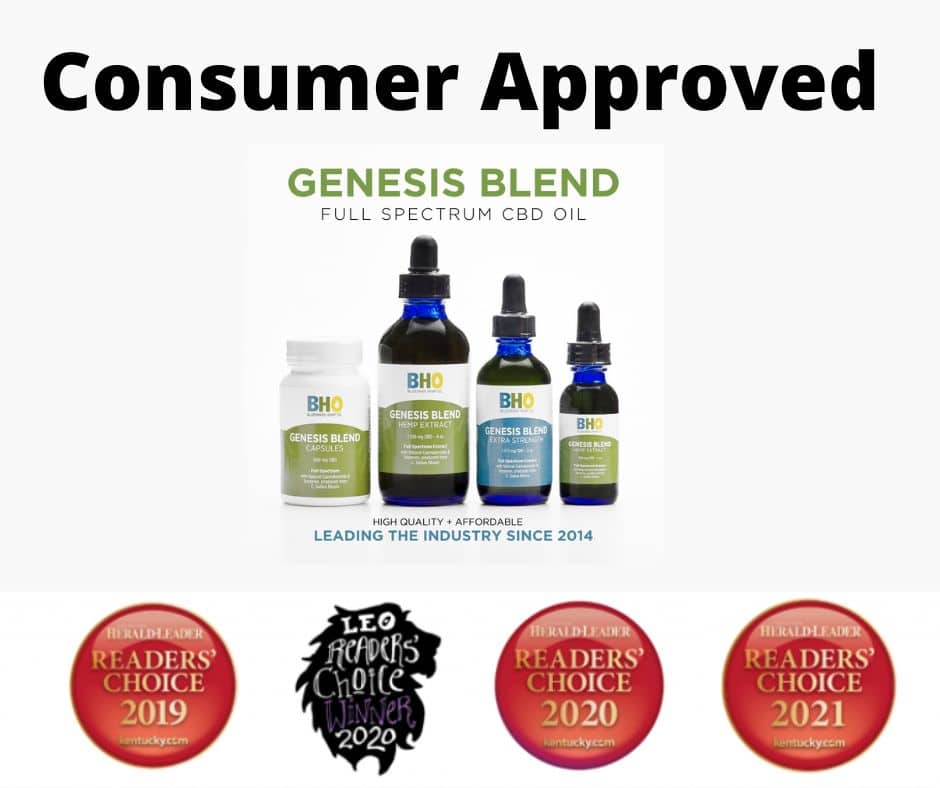
The answer is clear regarding the best CBD oil in Kentucky:  Bluegrass Hemp Oil in Lexington retails the best hemp products. Genesis Blend Full Spectrum CBD oil is the best CBD oil in Kentucky.

Many CBD oil options on the market these days, which can be overwhelming if you’re new to the world of CBD products. But one company stands out from all the rest, and their product is the best CBD oil on the market today.

That company is Bluegrass Hemp Oil, and their product is Genesis Blend CBD oil. It is the highest quality full-spectrum hemp oil on the market today.

t contains a high concentration of cannabidiol that supports overall health and helps with sleep, anxiety and stress levels, pain management, and more.

Our hemp is not just any old industrial hemp.  As most industrial hemp only contains small amounts of cannabidiol, that means it. We use hemp varieties rich in cannabinoids. It is these minor natural cannabinoids that provide benefits to their users.

Here is a list of  Reasons Genesis Blend Hemp CBD Oil Is the Best CBD Oil on the Market

When buying CBD oil, you have many options on the market these days, which can be overwhelming if you’re new to the world of CBD products. But one company stands out from all the rest, and their product is the best CBD oil on the market today.

That company is Bluegrass Hemp Oil, and their product is Genesis Blend CBD oil. Hemp CBD oil contains a high concentration of cannabidiol that not only supports overall health but also helps with sleep, anxiety and stress levels, pain management, and more.

The CBD market is an animal house, and that can make it tough to know from whom to buy quality CBD. At Bluegrass Hemp Oil, trust and transparency are staples. Here are the top reasons why Bluegrass Hemp Oil is the best Kentucky CBD. If you are interested in some of the Amazing Top 5 Benefits People See using CBD Products.


1) All-Natural

Genesis Blend Full Spectrum Hemp CBD Oil is the premier all-natural CBD oil on the market today. Our unique blend of hemp-derived, full-spectrum oil is made using only the highest quality, organically grown hemp plants sourced from Kentucky farms.

This ensures you get a pure product with a powerful, effective blend of cannabinoids and terpenes. Our extraction process also eliminates all traces of THC, allowing for a CBD oil with no psychoactive effects.

The health benefits of taking Genesis Blend Full Spectrum Hemp CBD Oil are numerous.

Studies have shown that CBD can help with chronic pain relief, reduce inflammation, and reduce anxiety and depression. It has also been found to improve sleep and reduce stress.

These benefits come without any negative side effects associated with other medications or supplements.

For those looking for an all-natural solution to their health problems, Genesis Blend Full Spectrum Hemp CBD Oil is a perfect choice.

Its high-quality ingredients and proven health benefits make it the ideal CBD oil for those looking to lead healthier lives.


2) Sustainably Grown

When finding quality CBD oil, it is essential to consider where the hemp is sourced. Genesis Blend Full Spectrum Hemp CBD Oil is sustainably grown in Kentucky, USA.

The company’s farming practices are third-party tested for environmental standards, ensuring that the hemp is grown in clean, healthy conditions.

Using our local farm, Kentucky Cannabis Company and Bluegrass Hemp Oil supports the American economy and reduces their carbon footprint.

Their lab-tested full-spectrum hemp oil is free from contaminants such as pesticides, heavy metals, herbicides, and fungicides. This ensures that the oil is free from chemical pollutants and safe for consumption.

The company also utilizes hydrocarbon butane extraction methods to preserve the delicate cannabinoids and terpenes while producing the purest possible oil.

His process also helps protect the environment by avoiding using solvents like co2, classified as greenhouse gases that can harm our planet.

In addition, every batch of Genesis Blend Full Spectrum Hemp CBD Oil is tested for potency and purity, so you can be sure you’re getting the highest quality product available.

When you choose Genesis Blend Full Spectrum Hemp CBD Oil, you can trust that you are getting a sustainably grown, premium quality product.


3) No Pesticides

When it comes to Genesis Blend Full Spectrum Hemp CBD Oil, you can trust that you are getting a high-quality product.

One of the reasons that it stands out among the competition is that we use an integrated pest management program that consists of Lady Bugs, Green Lacewings, nematodes, and other beneficial insects.

This allows us to grow our hemp plants without pesticides or synthetic fertilizers. This means you can be sure that you are getting pure and safe CBD oil when you purchase Genesis Blend Full Spectrum Hemp CBD Oil.


4) Hydrocarbon Butane Extraction

Genesis Blend Full Spectrum Hemp CBD Oil is a top-of-the-line product for those seeking to experience the highest quality CBD oil on the market.

It is derived from 100% hemp and uses hydrocarbon butane extraction. This process safely and effectively captures the full spectrum of phytochemicals present in the hemp plant, including CBD and other cannabinoids.

This extraction method is the most efficient and preserves all the beneficial terpenes and flavonoids. This results in a powerful, robust CBD oil with an entourage effect.

What makes Genesis Blend Hemp CBD Oil stand out from other brands? It starts with the highest quality hemp grown in Kentucky under strict farming guidelines.

Then, hydrocarbon butane extraction guarantees a maximum level of phytonutrients with no chemical solvents used during extraction. This ensures that only the purest and cleanest oil is produced.

Finally, each batch of Genesis Blend Hemp CBD Oil is tested by a third-party laboratory to ensure accuracy in cannabinoid content and the absence of any potential contaminants.

With its careful production process and rigorous testing, you can be sure that Genesis Blend Hemp CBD Oil is the best quality CBD oil on the market.

5) Lab Tested

Genesis Blend Full Spectrum Hemp CBD Oil is the best CBD oil on the market for many reasons, one of which is that it is lab tested for purity and potency.

Genesis Blend's rigorous testing ensures that the oil meets the highest quality standards and is free of contaminants.

The testing process also ensures that the oil contains the correct amounts of all the active ingredients, like CBD and other cannabinoids and terpenes.

With this level of lab testing, you can rest assured that you're getting a high-quality product with the therapeutic benefits you desire.

Lab Results show that Genesis Blend CBD oil has more cannabinoids and terpenoids than any other brand.


6) Full Spectrum

At Bluegrass Hemp Oil or Kentucky Cannabis Company, we strive to provide the highest quality Full Spectrum Hemp CBD Oil on the market. Our hemp oil is crafted from organically grown hemp plants and extracted using a clean butane process.

Our CBD oil contains the plant’s natural cannabinoids, terpenes, and phytocannabinoids, including over ten other cannabinoids. All while being non-intoxicating

7) MADE BY FAMILY, FOR FAMILY

The CBD market is an animal house, and that can make it tough to know from whom to buy quality CBD. At Bluegrass Hemp Oil, trust and transparency are staples. Here are the top reasons why Bluegrass Hemp Oil is the best Kentucky CBD. If you are interested in some of the Amazing Top 5 Benefits People Seek and See using CBD Oil, read here.

  BHO is a private, locally owned, family business. Starting in 2014, owners Bill and Adriane needed a healthy alternative for their son Colten, who was diagnosed with Idiopathic Generalized Epilepsy at age 3. After battling a pharmaceutical roulette, they decided to help change Kentucky legislation for industrial hemp production. This meant that they would soon be able to give their son CBD, which has been presenting great success for disorders like Epilepsy.

 8) BLOOM-CRAFTED

That's right. We only extract from proprietary C. Sativa blooms. The bloom of the cannabis plant is the epicenter that houses the majority of cannabinoids, terpenes, and flavonoids. When you create a high-quality applesauce, do you use the tree's core, seeds, stem, and trunk? No, of course not. Yet that is what many others due, as quality is not a genuine concern but a marketing narrative for them.

 9) TESTIMONIALS

Nothing has had our back quite like the power behind word of mouth. It is undeniable when you see positive changes in someone you love and often want to share that joy and prosperity so others can experience the same. We always encourage new customers to explore our Consumers Say page or Facebook and Google pages to see what others have to say!

How Long Does CBD Stay in Your System? THC, Testing, and Safety

CBD duration and testing guide

How Long Does CBD Stay in Your System? THC, Testing, and Safety

How long CBD stays in your system can vary by product format, serving amount, frequency of use, metabolism, body composition, food intake, liver function, medication use, and whether the product contains THC. For people subject to workplace, athletic, licensing, probation, or medical testing, THC content and Certificates of Analysis matter more than general CBD timing estimates.

Important: This article is for educational purposes only and is not medical or legal advice. Bluegrass Hemp Oil products are not intended to diagnose, treat, cure, or prevent anxiety, pain, sleep problems, inflammation, stress, seizures, or any disease. Drug-testing rules vary by employer, agency, sport, and jurisdiction. Speak with a licensed healthcare professional before using CBD if you take medication, are pregnant or nursing, have liver concerns, have a medical condition, or are subject to drug testing.

Prepared byBluegrass Hemp Oil Editorial Team
Last updatedMay 19, 2026
PurposeCBD duration, THC, testing, labels, COAs, and safety
Direct answer

How Long Does CBD Stay in Your System?

CBD duration varies from person to person. There is no single timeline that applies to every CBD product, serving size, or user.

CBD may remain detectable for different lengths of time depending on the product, serving amount, frequency of use, individual metabolism, food intake, liver function, medication use, and testing method. Retail CBD products also vary in quality and THC content, so product labels and Certificates of Analysis should be reviewed carefully.

Product format matters

Oils, gummies, capsules, and topicals are used differently, which can affect how people think about timing and duration.

Frequency matters

Repeated use may affect how long cannabinoids or related compounds remain detectable in some testing contexts.

THC matters for testing

For drug-testing concerns, THC content usually matters more than general CBD timing estimates.

Drug testing

Does CBD Show Up on a Drug Test?

Most standard drug tests are designed to detect THC or THC metabolites, not CBD. However, full-spectrum CBD products may contain trace THC, and THC content can matter for drug testing.

  • CBD itself is not usually the target of standard workplace drug tests.
  • Full-spectrum CBD may contain trace THC.
  • Mislabeled or poorly tested products may increase uncertainty.
  • Delta-8 THC and other intoxicating hemp products may create additional testing risk.
  • People subject to testing should review product labels and COAs carefully.
  • No CBD company should guarantee that a user will pass a drug test.
  • Testing rules vary by employer, agency, sport, licensing body, probation program, and jurisdiction.

Learn whether CBD can matter for drug testing, understand the difference between CBD and THC, and review Delta-8 THC safety concerns before making testing-related decisions.

Comparison

CBD vs THC: Why Testing Concerns Are Different

Topic CBD THC
Intoxication CBD itself is not impairing. THC can cause intoxication.
Drug testing CBD itself is not usually the target of standard drug tests. THC metabolites are commonly tested.
Full-spectrum products Full-spectrum CBD products may include trace THC. THC content should appear on the Certificate of Analysis.
Main user concern Safety, medication interactions, product quality, and THC content. Intoxication, impairment, legality, and testing risk.

For a deeper product-label review, understand the difference between CBD and THC and understand full-spectrum CBD products.

Key variables

What Affects How Long CBD Stays in Your Body?

Several variables can affect how long CBD or related cannabinoids may remain in the body. These variables are why simple universal timelines are unreliable.

Factor Why It Matters
Product format Oils, gummies, capsules, and topicals are used differently.
Serving amount Higher listed amounts may affect duration.
Frequency of use Repeated use may affect how long compounds remain detectable.
Food intake Food may affect CBD exposure.
Metabolism People process substances differently.
Liver function CBD is metabolized largely through the liver.
Medication use CBD may interact with other drugs.
Body composition Cannabinoids may behave differently across individuals.
THC content Trace THC matters more for drug testing than CBD itself.
Product quality Label accuracy, lab testing, and COAs matter.
Research context

CBD Half-Life: What the Research Can and Cannot Tell You

CBD half-life estimates depend on the product studied, serving amount, route of use, frequency of use, and study population. Half-life can help explain general duration, but it is not the same as a guaranteed drug-test timeline.

Prescription CBD data should not be treated as a guarantee for retail CBD products. Retail hemp-derived CBD products vary in format, label accuracy, THC content, ingredients, and lab testing.

Research note: Prescription Epidiolex labeling reports that cannabidiol had a plasma half-life of 56 to 61 hours after twice-daily dosing for 7 days in healthy volunteers. That does not mean every CBD product stays in every person’s system for the same length of time.

Product formats

How Product Format May Affect Timing

Product format may affect how people think about timing, but it should not be used to promise a specific onset or duration.

CBD Product Format What to Know Safe Takeaway
CBD oil Measured serving, often used orally. Review serving directions, THC content, and Certificate of Analysis.
CBD gummies Edible format. Timing can vary; store away from children.
CBD capsules Supplement-style format. Pre-portioned format with less serving flexibility.
CBD topicals External-use format. Not intended to treat pain, inflammation, or skin disease.

To compare formats, compare CBD oil, gummies, and capsules, explore CBD topical product education, or read the full CBD oil use guide.

THC and testing

Full-Spectrum CBD, THC, and Drug Testing

Full-spectrum CBD products may contain trace THC within applicable hemp limits. People subject to workplace, athletic, professional, probation, or other drug testing should review THC content and Certificates of Analysis carefully before using CBD.

  • Hemp-derived does not automatically mean THC-free.
  • Full-spectrum CBD may contain trace THC.
  • Broad-spectrum and isolate products may still require COA review.
  • Delta-8 THC is intoxicating and is not CBD.
  • Products with unclear cannabinoid profiles create unnecessary uncertainty.
  • No CBD product should be described as drug-test safe.

Understand full-spectrum CBD products, view Bluegrass Hemp Oil Certificates of Analysis, and learn about CBD lab testing before making choices tied to drug testing.

Testing decisions

Should You Stop CBD Before a Drug Test?

Bluegrass Hemp Oil cannot tell you whether to stop CBD before a drug test or guarantee a testing outcome. People subject to testing should review their employer, agency, athletic, licensing, or probation rules and speak with the appropriate compliance contact or healthcare professional.

  • Testing rules vary by employer, agency, sport, licensing body, probation program, and jurisdiction.
  • THC exposure matters.
  • Full-spectrum CBD may not be appropriate for people who must avoid THC.
  • A COA reduces uncertainty but does not guarantee a negative test.
  • Avoid Delta-8 THC and products with unclear THC content.
  • Do not rely on general online timelines for employment, legal, athletic, or medical testing decisions.
Transparency

Check the Label, COA, and Lab Testing Before Use

A Certificate of Analysis helps customers review product-specific cannabinoid information, including CBD and THC content. COAs support transparency, but they do not guarantee drug-test outcomes or prove that a CBD product treats symptoms or disease.

What to Review Why It Matters
Product type Different formats have different labels and use directions.
CBD amount per serving Helps you understand what the label says.
Total CBD per package Helps compare product labels accurately.
THC content Important for full-spectrum products and testing concerns.
Ingredients Supports allergy and ingredient awareness.
Serving directions Keeps use label-first rather than guess-based.
Warning language Helps identify safety and storage considerations.
Batch number Helps match the product to the COA.
Certificate of Analysis Shows available product-specific testing information.
Company contact information Supports accountability and product questions.

Start with view Bluegrass Hemp Oil Certificates of Analysis, learn about CBD lab testing, read the CBD product label guide, and read the CBD quality guide.

Safety

CBD Safety: Medication, Liver, Pregnancy, and Side Effects

CBD is not risk-free. It may interact with medications, affect liver-safety considerations, and increase drowsiness when combined with alcohol or sedating drugs. Some people may notice sleepiness, digestive changes, appetite changes, irritability, agitation, or mood changes.

Medication safety: Do not stop, reduce, or change medication without guidance from a licensed healthcare professional.

  • Speak with a doctor or pharmacist before using CBD if you take prescription medication, over-the-counter drugs, herbs, or supplements.
  • Use extra caution if you have liver concerns or multiple medications.
  • Pregnant or breastfeeding people should avoid CBD unless directed by a healthcare professional.
  • People with medical conditions should ask a qualified healthcare professional before using CBD.
  • Keep CBD products away from children and pets.

For more details, review CBD medication interaction guidance and read the CBD product label guide.

Bluegrass Hemp Oil education

Bluegrass Hemp Oil’s Approach to CBD Testing and Transparency

Bluegrass Hemp Oil focuses on CBD education, product transparency, lab testing, Certificates of Analysis, and quality standards. Before using CBD, customers should review product labels, THC content, batch numbers, lab reports, and drug-testing considerations.

Certificates of Analysis

Review available product-specific lab reports before using CBD.

View Bluegrass Hemp Oil Certificates of Analysis

CBD Lab Testing

Learn what lab testing can show about cannabinoid content, THC levels, and product transparency.

Learn about CBD lab testing

CBD Product Labels

Understand serving information, ingredients, THC content, and warning language before using CBD.

Read the CBD product label guide

CBD vs THC

Learn why THC content matters for full-spectrum CBD and drug-testing concerns.

Understand the difference between CBD and THC

FAQ

Frequently Asked Questions

How long does CBD stay in your system?

CBD duration varies by product format, serving amount, frequency of use, metabolism, food intake, liver function, medication use, THC content, and testing method.

Does CBD show up on a drug test?

Most standard drug tests are designed to detect THC or THC metabolites, not CBD. However, full-spectrum CBD may contain trace THC, which can matter for drug testing.

How long does CBD stay in urine?

There is no guaranteed urine-detection timeline that applies to every person or product. Testing risk depends more on THC exposure, product quality, frequency of use, and the type of test.

Can full-spectrum CBD contain THC?

Yes. Full-spectrum CBD products may contain trace THC within applicable hemp limits. Review the product label and Certificate of Analysis before use.

How long does THC stay in your system?

THC detection varies by frequency of use, body composition, test type, THC amount, and individual metabolism. People subject to testing should review their testing rules and avoid unclear THC products.

Does CBD half-life matter?

CBD half-life can help explain general duration, but half-life estimates vary by product, serving amount, route of use, frequency, and study population.

Why does CBD stay longer for some people?

CBD duration can vary because people differ in metabolism, liver function, body composition, product use, frequency, food intake, medication use, and product type.

Should I stop CBD before a drug test?

Bluegrass Hemp Oil cannot give employment, legal, or testing advice. People subject to testing should review their rules and speak with the appropriate compliance contact or healthcare professional.

What should I check before using CBD if I get drug tested?

Review the product type, THC content, Certificate of Analysis, lab testing, batch number, serving directions, and whether your testing rules allow any THC exposure.

Can CBD interact with medication?

Yes. CBD may interact with prescription medications, over-the-counter drugs, herbs, or supplements. Speak with a doctor or pharmacist before using CBD if you take medication.

Where can I find a CBD Certificate of Analysis?

A Certificate of Analysis should be available from the company and should match the product or batch. Use it to review CBD content, THC content, and available testing information.

Sources and review note

Educational Review and Sources

This page was prepared as an educational CBD duration and safety guide. It should not be used as medical, legal, employment, athletic, licensing, probation, or drug-testing advice.

Epidiolex vs CBD Oil

Epidiolex vs CBD Oil

Epidiolex Vs. Full-Spectrum CBD Oil: Understanding the Differences and Benefits

The emergence of CBD products has sparked considerable interest in their therapeutic potential, particularly when comparing Epidiolex and full-spectrum CBD oil. Epidiolex, an FDA-approved formulation, offers a precise dosage of isolated CBD, primarily targeting specific epilepsy disorders, yet it may lack the broader therapeutic benefits found in full-spectrum alternatives. The latter harnesses a wider range of cannabinoids and terpenes, potentially enhancing efficacy through the entourage effect. Understanding the nuances between these two options is essential for consumers and healthcare professionals alike, especially when considering their implications for treatment strategies and patient outcomes. What factors should be assessed to make an informed choice?

Introduction to CBD and the Endocannabinoid System

Cannabidiol (CBD) is a prominent compound derived from the cannabis plant, known for its therapeutic potential without the psychoactive effects associated with THC.

The endocannabinoid system (ECS) is essential for maintaining homeostasis, influencing various physiological processes such as pain management, mood regulation, and immune response.

Understanding the differences between products like Epidiolex, a purified CBD formulation approved for specific medical conditions, and full-spectrum CBD oil, which contains a broader range of cannabinoids, is vital for consumers.

Central to these discussions is the endocannabinoid system (ECS), a lipid-based network that plays a significant role in maintaining homeostasis within the body, emphasizing the importance of ECS modulation for overall well-being.

What is CBD?

CBD, a prominent compound derived from the cannabis plant, has garnered considerable attention for its potential therapeutic applications. Unlike THC, CBD is non-psychoactive, which makes it appealing to those seeking relief without the intoxicating effects.

CBD is available in various forms, commonly referred to as CBD oil types, including full-spectrum, broad-spectrum, and isolate formulations. As the CBD market expands, CBD legality issues have emerged, varying greatly across regions and impacting access to these products.

Recent CBD research trends highlight the compound's potential benefits for conditions such as anxiety, chronic pain, and sleep disorders. However, these applications necessitate adherence to CBD dosing guidelines to guarantee efficacy and safety.

User experiences with CBD products vary, reflecting individual responses and the necessity for personalized approaches to treatment. While some users report notable improvements, others may require different formulations or dosages to achieve desired effects.

Understanding these factors is essential for those considering CBD as a therapeutic option and underscores the importance of informed decision-making when selecting CBD products.

Overview of Epidiolex

CBD FOR DIABETES LEARN WHAT YOU NEED TO KNOW.

CBD FOR DIABETES LEARN WHAT YOU NEED TO KNOW.

CBD For Diabetes: Can It Help Manage Blood Sugar Levels?

Diabetes, a chronic metabolic disorder characterized by high blood sugar levels, affects millions of people worldwide.

As the prevalence of diabetes continues to rise, there is a growing need for effective treatment options that can help manage blood sugar levels and reduce the risk of complications.

One potential avenue of exploration is the use of CBD, or cannabidiol, a non-psychoactive compound found in cannabis plants.

Research on CBD and its potential benefits for diabetes management is still in its early stages, but initial findings are promising.

Studies suggest that CBD may have anti-inflammatory properties and can modulate sugar metabolism, improving insulin sensitivity.

Furthermore, CBD may provide neuroprotective effects for nerves damaged by diabetes and alleviate symptoms such as fatigue and nerve pain.

With its potential to address multiple facets of diabetes management, CBD has garnered attention as a possible adjunct therapy for individuals with this condition.

In this article, we will delve into the research surrounding CBD for diabetes and explore how it may help manage blood sugar levels effectively.

Introduction

CBD oil, also known as cannabidiol oil, is gaining attention as a potential treatment option for managing diabetes. Research is still in its early stages, but preliminary studies suggest that CBD oil may have several potential benefits for individuals with diabetes.

These benefits include: - Reducing inflammation - Modulating sugar metabolism - Decreasing blood sugar levels and insulin resistance - Providing neuroprotective benefits for damaged nerves - Relieving symptoms such as fatigue and nerve pain - Regulating glucose metabolism and improving insulin sensitivity - Reducing the risk of long-term complications associated with diabetes.

Definition of CBD oil

Derived from the hemp plant, CBD oil is a natural extract that has gained attention for its potential therapeutic effects.

CBD, short for cannabidiol, is one of the many compounds found in cannabis plants. Unlike THC, another well-known compound found in cannabis, CBD does not have psychoactive effects and does not cause a 'high.' This makes it an attractive option for those seeking the potential health benefits of cannabis without the mind-altering effects.

Research on the benefits of CBD oil for various conditions, including diabetes, is still in its early stages. However, preliminary studies suggest that CBD may have several mechanisms by which it could potentially help manage blood sugar levels in individuals with diabetes.

One possible mechanism is through its anti-inflammatory properties. Chronic inflammation plays a significant role in the development and progression of diabetes, and reducing inflammation may improve insulin sensitivity and glucose metabolism. Additionally, studies have shown that CBD may modulate sugar metabolism by interacting with receptors regulating glucose uptake and utilization.

While more research is needed to fully understand these mechanisms and determine optimal dosage for diabetes management, early evidence suggests that CBD oil may hold promise as a potential adjunct therapy for individuals with diabetes.

Overall, while more research is needed to fully understand CBD oil's benefits and mechanisms of action for managing blood sugar levels in individuals with diabetes, preliminary findings are promising.

It's important to note that each individual's response to CBD oil may vary, so finding the correct dosage and monitoring blood sugar levels is crucial when using this supplement. Consulting with a healthcare professional knowledgeable about medical marijuana or cannabinoids can guide appropriate dosing strategies and potential interactions with other medications.

Potential benefits of CBD oil for managing diabetes

Emerging research suggests that harnessing the potential therapeutic properties of this natural extract could offer a glimmer of hope for those grappling with the complexities of diabetes management. CBD oil has been found to have several potential benefits in managing diabetes.

Studies have shown that CBD may help reduce inflammation and modulate sugar metabolism, which could lead to decreased blood sugar levels and improved insulin resistance. Additionally, CBD has been found to provide neuroprotective benefits for nerves damaged by diabetes, relieving symptoms such as fatigue and nerve pain.

Regarding using CBD oil for diabetes, dosage recommendations can vary. It is generally recommended to start with a lower dosage and gradually increase it until the desired effects are achieved. Taking CBD oil with food may also increase absorption and optimize its benefits. However, individuals with diabetes need to monitor their blood sugar levels when using CBD oil, as it may affect glucose metabolism and insulin sensitivity.

Regarding safety considerations, full-spectrum CBD oil has been found to have no associated side effects specifically related to diabetes management. However, it is always advisable to consult with a healthcare professional before incorporating any new treatment or supplement into your routine, especially if you are taking other medications or have underlying health conditions. Potential drug interactions should be taken into account as well.

While there is still ongoing research on the efficacy of CBD oil for managing diabetes, patient testimonials indicate that some individuals have experienced positive results in terms of regulating blood sugar levels and reducing neuropathic pain associated with the condition. Overall, further studies are needed to fully understand CBD oil's potential benefits and risks for diabetes management.

Research on CBD and Diabetes

The current research on CBD and diabetes is still in its early stages, but it has gained attention as a potential treatment option.

CBD may have several potential mechanisms of action in managing diabetes, including reducing inflammation, modulating sugar metabolism, and improving insulin sensitivity.

However, further research is needed to fully understand the effects of CBD on blood sugar levels and its potential benefits for individuals with diabetes.

We suggest those interested in CBD for diabetes that test blood sugar levels do so and record the results before consuming CBD, then retest and record the results 45 mins after consuming CBD. Try this for two weeks and see if CBD helps you!

The current state of research on CBD and diabetes

Research on the potential benefits of CBD for diabetes is still in its early stages. Still, preliminary findings suggest that it may help regulate glucose metabolism, improve insulin sensitivity, and reduce the risk of long-term complications associated with the disease. However, it is essential to note that current research has several limitations.

Many studies have been conducted on animals or in vitro, meaning that their findings may not directly translate to humans. Additionally, most of the available research has focused on THC and CBD in combination rather than CBD alone. More clinical trials are needed to fully understand the efficacy and safety of using CBD for diabetes management.

When considering using CBD for diabetes, it is crucial to be aware of potential side effects and dosage recommendations. While CBD is generally well-tolerated, some individuals may experience side effects such as fatigue. Monitoring blood sugar levels regularly is also advised when incorporating CBD into a diabetes treatment plan.

Furthermore, while there are promising indications that CBD may help reduce the risk of long-term complications associated with diabetes, more research is required to establish its long-term effects fully. It is also important to consider individual factors such as medication interactions and overall health status when incorporating CBD into a diabetes management routine. Consulting with a healthcare professional experienced in cannabis medicine can provide personalized guidance regarding dosage recommendations and potential risks or benefits associated with using CBD for diabetes management.

Potential mechanisms of action of CBD in managing diabetes

One potential avenue of investigating CBD's effects in diabetes management involves exploring its impact on inflammation and cellular signaling pathways. Inflammation plays a key role in the development and progression of diabetes, as it contributes to insulin resistance and pancreatic beta-cell dysfunction.

Preliminary research suggests that CBD may have anti-inflammatory properties, which could help alleviate inflammation associated with diabetes. Additionally, CBD has been shown to modulate cellular signaling pathways involved in glucose metabolism and insulin sensitivity. By targeting these pathways, CBD may help regulate blood sugar levels and improve insulin function.

Clinical trials examining the effects of CBD on diabetes are still in their early stages, but initial findings are promising. Some studies have reported that CBD can reduce blood sugar levels and insulin resistance in animal models of diabetes. Furthermore, CBD has demonstrated neuroprotective effects on nerves damaged by diabetes, potentially relieving symptoms such as fatigue and nerve pain. These findings suggest that CBD may benefit individuals with diabetes by improving glucose metabolism and providing neuroprotection.

When considering the use of CBD for managing diabetes, dosage recommendations can vary depending on individual needs and responses. It is generally recommended to start with a lower dosage and gradually increase it until desired effects are achieved. Taking CBD with food may also increase its absorption and optimize its benefits. However, it is essential to note that monitoring blood sugar levels is advised when using CBD oil for diabetes management to ensure optimal glycemic control.

While research on the mechanisms of action of CBD in managing diabetes is still ongoing, preliminary evidence suggests that it may exert beneficial effects through its anti-inflammatory properties, modulation of cellular signaling pathways involved in glucose metabolism, and its neuroprotective effects. Clinical trials are needed to explore these mechanisms further and determine optimal dosage recommendations for individuals with diabetes seeking to incorporate CBD into their management regimen.

How CBD Oil May Help with Diabetes

CBD oil may have several potential benefits in managing diabetes.

It has been suggested that CBD can help reduce inflammation, which is a key factor in developing insulin resistance and other complications associated with diabetes.

Additionally, CBD may affect sugar metabolism, potentially helping to regulate glucose levels and improve insulin sensitivity.

Furthermore, CBD's neuroprotective properties may benefit individuals with diabetes by preventing nerve damage and managing neuropathy pain.

Finally, some studies suggest that CBD may also impact heart palpitations, a common symptom of diabetes.

Impact of CBD on Inflammation

Inflammation, a common symptom of diabetes, can be alleviated by using CBD oil. CBD has been found to possess anti-inflammatory properties, which can help reduce inflammation in the body. This is especially important for individuals with diabetes as chronic inflammation can contribute to various complications associated with the disease.

By targeting and reducing inflammation, CBD oil may help regulate the immune response and provide relief from symptoms.

Furthermore, studies have shown that CBD may impact insulin production and sensitivity. Insulin regulates blood sugar levels, and individuals with diabetes often experience insulin resistance or inadequate insulin production. CBD has been found to improve insulin function and enhance glucose metabolism, potentially leading to better blood sugar control.

Additionally, CBD oil may have the potential to prevent diabetic complications. Chronic high blood sugar levels can damage various organs such as the heart, kidneys, and nerves. CBD oil may help protect against these long-term complications by reducing inflammation and improving insulin sensitivity.

Moreover, another benefit of CBD oil for individuals with diabetes is its potential to alleviate diabetes-related pain. Nerve damage (neuropathy) is a common complication of diabetes that can cause symptoms such as tingling, numbness, and pain in the extremities. Studies suggest that CBD may provide neuroprotective benefits and relieve neuropathic pain associated with diabetes.

Overall, while more research is needed to fully understand the impact of CBD on inflammation in individuals with diabetes specifically, preliminary studies show promising results. The anti-inflammatory properties of CBD oil, coupled with its potential effects on insulin function, make it a good option for managing blood sugar levels in individuals with diabetes.

However, individuals need to consult their healthcare provider before incorporating CBD into their treatment regimen due to potential interactions with other medications they may be taking.

Effects of CBD on sugar metabolism

Research on the effects of cannabidiol (CBD) oil has shown the potential to improve sugar metabolism, which is crucial for individuals with diabetes. CBD has been found to positively impact insulin sensitivity and glucose metabolism.

Insulin resistance is a common problem in diabetes, where the body's cells become less responsive to insulin, leading to elevated blood sugar levels. Studies suggest CBD can help regulate glucose metabolism by enhancing insulin signaling and reducing insulin resistance. This may lead to better control of blood sugar levels and improved overall glycemic control in individuals with diabetes.

In addition to its effects on sugar metabolism, CBD also reduces inflammation, which is often associated with diabetes. Chronic inflammation can contribute to developing and progressing diabetes complications such as nerve pain. CBD has been found to have anti-inflammatory properties that can help reduce inflammation and provide relief from symptoms such as neuropathic pain.

Furthermore, CBD may have neuroprotective benefits for nerves damaged by diabetes, potentially preventing further damage and promoting nerve health.

When considering CBD for diabetes management, it is essential to note that the recommended dosage can vary depending on individual needs. It is generally advised to start with a lower dosage and gradually increase it as needed. Taking CBD with food may also increase absorption and optimize its benefits. Regular monitoring of blood sugar levels is recommended when using CBD oil for diabetes management.

Overall, research suggests that CBD oil may potentially benefit managing blood sugar levels in individuals with diabetes. Its effects on improving insulin sensitivity, regulating glucose metabolism, reducing inflammation, and providing relief from nerve pain make it an intriguing option for further study and consideration as part of a comprehensive treatment plan for diabetes management.

Role of CBD in insulin resistance

In the previous subtopic, we explored the effects of CBD on sugar metabolism. Now, let's delve into the role of CBD in insulin resistance and its potential impact on glucose regulation.

Insulin resistance is when the body's cells become less responsive to insulin, leading to elevated blood sugar levels. Emerging research suggests that CBD may play a role in improving insulin sensitivity and combating insulin resistance.

CBD can potentially enhance glucose metabolism by promoting the uptake and utilization of glucose by cells. This mechanism may help regulate blood sugar levels and improve insulin function in individuals with diabetes or prediabetes.

Additionally, CBD has been found to have anti-inflammatory properties, which could further contribute to its potential benefits in managing insulin resistance.

The exact mechanisms through which CBD exerts its effects on insulin resistance are not yet fully understood but are thought to involve interactions with cannabinoid receptors in the endocannabinoid system. By modulating these receptors, CBD may help restore balance and improve insulin sensitivity.

Research investigating the effectiveness of CBD in reducing blood sugar levels is still limited, but early findings are promising. Some studies have suggested that CBD supplementation may decrease fasting blood glucose levels and improve overall glycemic control.

Overall, while more research is needed to fully understand the benefits of CBD for improving insulin function and managing insulin resistance, initial evidence suggests that it may hold promise as a potential therapeutic option for individuals with diabetes or prediabetes.

CBD's potential in preventing nerve damage and managing neuropathy pain

The possibility of CBD in preventing nerve damage and alleviating neuropathy pain warrants further investigation, as it may offer a promising avenue for addressing the debilitating effects of diabetic complications.

Research suggests that CBD's impact on nerve damage prevention and its role in neuropathy management could be attributed to several potential mechanisms. Firstly, CBD has been found to possess anti-inflammatory properties, which may help reduce inflammation in the nerves caused by diabetes. Inflammation is a crucial contributor to nerve damage, and by lowering it, CBD may protect the nerves from further harm.

Additionally, CBD oil has effectively managed neuropathy symptoms such as pain and discomfort. CBD is believed to interact with receptors in the endocannabinoid system (ECS), which plays a role in regulating pain perception. By modulating these receptors, CBD may help alleviate nerve pain associated with neuropathy.

Moreover, studies have suggested that CBD oil for nerve pain relief can also provide neuroprotective benefits by promoting the survival of neurons and preventing oxidative stress-induced cell death.

While more research is needed to fully understand the exact mechanisms involved and determine optimal dosage guidelines for using CBD in preventing nerve damage and managing neuropathy symptoms, early findings are promising.

Incorporating CBD into diabetes management plans may hold the potential for improving the overall quality of life for individuals with diabetes suffering from neuropathy-related complications.

CBD's impact on heart palpitations

Preliminary evidence suggests that CBD may positively impact heart palpitations, providing an intriguing avenue for further exploration of its therapeutic benefits in managing cardiovascular complications associated with diabetes.

Heart palpitations, also known as arrhythmias, can be a common symptom experienced by individuals with diabetes due to the disruption of electrical signals in the heart.

CBD has been found to possess anti-inflammatory and antioxidant properties, which may help reduce inflammation and oxidative stress in the cardiovascular system. Additionally, CBD has been shown to have vasorelaxant effects, potentially promoting better blood flow and reducing the strain on the heart.

When considering CBD for managing heart palpitations in individuals with diabetes, it is essential to consider potential side effects and safety for long-term use. While CBD is generally well-tolerated by most people, some may experience mild side effects such as drowsiness or dry mouth. However, these side effects are typically minimal and transient.

It is also crucial to consult with a healthcare professional before incorporating CBD into a treatment regimen, especially if taking other medications. CBD can interact with certain medications metabolized by the liver enzymes responsible for drug metabolism, potentially altering their effectiveness or increasing the risk of adverse reactions.

Further research is needed to determine the efficacy of CBD in managing diabetic complications related to heart palpitations specifically. However, its potential impact on cardiovascular health warrants attention and exploration.

Can CBD Help With Heart Palpitations?

By understanding how CBD interacts with the body's endocannabinoid system and influences various physiological processes related to cardiac function, researchers can gain valuable insights into novel therapeutic strategies for improving cardiovascular outcomes in individuals with diabetes.


a graphic of a mother testing a childs blood sugar levels.

Recommended Dosage and Usage

This discussion will focus on CBD oil's recommended dosage and usage for diabetes and tips for taking CBD oil with food.

The optimal CBD oil dosage for diabetes can vary, so it is advised to start with the manufacturer's recommended dose. We suggest starting with 1 ml of  Genesis Blend full-spectrum CBD oil twice daily. Once in the AM and once in the PM. Gradually increase if needed while monitoring blood sugar levels. Take a consistent serving for two weeks before making any dosage adjustments.

Taking CBD oil with food may enhance its absorption and optimize its benefits.

CBD Oil: How to Take CBD Oil, How Much, and How Often

It is important to note that no reported side effects are associated with full-spectrum CBD oil for diabetes.

The optimal dosage of CBD oil for diabetes

When determining the optimal CBD oil dosage for diabetes, starting with a lower dosage and gradually increasing it while monitoring blood sugar levels is recommended. Beginning with the suggested dosage of your product is a good place to start. This approach allows individuals to assess their body's response to CBD and adjust the dosage accordingly.

It is important to note that there is currently limited scientific evidence on the specific optimal dosage of CBD for diabetes management.

While CBD has shown potential benefits for managing blood sugar levels in preliminary studies, it is crucial to consider potential risks and interactions with medications. CBD can interact with certain medications used to treat diabetes, such as insulin or oral hypoglycemic agents, which may result in adverse effects or altered effectiveness. Therefore, it is essential for individuals with diabetes who are considering using CBD oil to consult their healthcare provider before incorporating it into their treatment regimen.

Furthermore, the long-term effects of CBD oil on blood sugar regulation in different types of diabetes are still unknown. Research in this area is ongoing, and more studies are needed to determine CBD oil's optimal dosage and effectiveness for managing blood sugar levels in individuals with different types of diabetes.

It is also important to note that while some individuals may experience positive results from using CBD oil for diabetes management, its effectiveness may vary due to factors such as individual metabolism and overall health status.

Tips for taking CBD oil with food

To optimize the absorption and benefits of CBD oil, it is recommended to take it with a meal or snack. Consuming CBD oil with food helps enhance its absorption into the body.

When taken on an empty stomach, CBD oil may have a lower bioavailability, meaning that less of the compound is absorbed and utilized by the body. Taking CBD oil with food, especially foods high in fat or oils, can increase CBD's bioavailability. This is because cannabinoids like CBD are lipophilic, meaning they dissolve in fat rather than water.

As a result, when consumed with fatty foods, CBD can bind to the fats and be carried through the digestive system more efficiently.

In addition to improving absorption, taking CBD oil with food also has other benefits. The presence of food in the stomach can help slow down the digestion process and extend the release of nutrients into the bloodstream. This slower digestion rate allows for a more gradual release of CBD into your system, potentially leading to longer-lasting effects and sustained relief from symptoms associated with diabetes.

It is important to note that while consuming CBD oil with food can optimize its benefits, choosing healthy and nutritious options is essential. Foods rich in omega-3 fatty acids, such as avocados or nuts, may be particularly beneficial due to their anti-inflammatory properties.

By incorporating CBD oil into your meals or snacks, you can maximize its absorption and potentially experience enhanced therapeutic effects for managing blood sugar levels in diabetes patients.

Potential side effects of CBD oil for diabetes

The use of CBD oil for diabetes may potentially lead to specific adverse effects. While CBD is generally considered safe, there are a few safety concerns that individuals with diabetes should be aware of.

One potential side effect is decreased blood pressure, which can cause dizziness or lightheadedness. Therefore, it is essential to monitor blood pressure regularly when using CBD oil for diabetes.

Dosage considerations are also crucial when using CBD oil for diabetes. The recommended dosage can vary depending on the individual and their specific needs. It would be best for you to start with a lower dosage and gradually increase it if necessary. This allows the body to adjust and helps minimize any potential side effects.

In order to optimize the absorption of CBD oil and ensure its benefits, it is recommended to take it with food. Taking CBD with food increases its bioavailability and absorption into the bloodstream. By doing so, individuals can maximize the potential benefits of CBD oil for managing blood sugar levels.

While CBD oil shows promise as a potential treatment option for diabetes, some possible side effects and safety concerns must be considered. Monitoring blood sugar levels regularly and starting with a lower dosage can help minimize these risks. Additionally, taking CBD oil with food can optimize absorption and enhance its effectiveness in managing blood sugar levels. As always, it is essential to consult with a healthcare professional before incorporating any new supplement into your diabetes management plan.

Choosing a Reputable CBD Oil Brand

Selecting a reputable CBD oil brand is of utmost importance when considering its usage for managing diabetes.

One such brand that stands out is Bluegrass Hemp Oil, known for providing high-quality CBD oil.

Their Genesis Blend CBD oil is full-spectrum and practical, offering fast-acting relief for various ailments.

It is safe for children and promotes better sleep and relaxation, making it a suitable option for individuals looking to incorporate CBD into their diabetes management routine.

Importance of selecting a reliable CBD oil brand

Choosing a reputable and trustworthy CBD oil brand is crucial to ensure the product's quality and effectiveness when considering its potential benefits for managing blood sugar levels in individuals with diabetes.

Several critical selection criteria must be considered when selecting a CBD oil brand. One crucial factor is the trustworthiness of the brand. Choosing a brand with a good reputation and is known for producing high-quality products is essential. This can be determined by researching the brand's history, customer reviews, and overall reputation within the industry.

Please take a look at our Trustpilot reviews


Another essential aspect to consider is the quality assurance measures taken by the brand. A reliable CBD oil brand will have rigorous testing procedures to ensure its products are free from contaminants and meet strict quality standards. This may include third-party lab testing to verify the potency and purity of the product.

Additionally, customer reviews can provide valuable insights into the reliability and effectiveness of a CBD oil brand. Reading reviews from other individuals with diabetes who have used the product can help determine if it has effectively managed blood sugar levels.

Overall, selecting a reputable CBD oil brand is vital when considering its potential benefits for managing blood sugar levels in individuals with diabetes. Factors such as trustworthiness, quality assurance measures, customer reviews, and lab testing should all be considered when making this decision. By choosing a reliable brand, individuals can have confidence in their CBD oil product's quality and effectiveness for diabetes management purposes.

Introduction to Bluegrass Hemp Oil and their Genesis Blend CBD oil

Bluegrass Hemp Oil stands out as a reputable brand in the CBD industry, offering its highly effective Genesis Blend CBD oil for individuals seeking potential benefits for blood sugar management.

As an introductory overview, CBD oil is derived from the hemp plant and contains cannabidiol (CBD), which is known for its potential therapeutic properties. Not all CBD oils are created equal, and selecting a reliable brand like Bluegrass Hemp Oil ensures that you are getting a high-quality product.

When it comes to using CBD oil for diabetes, dosage recommendations can vary depending on individual needs and preferences. It is generally recommended to start with a lower dosage and gradually increase it as needed. Taking CBD with food may also help increase absorption and optimize its benefits. However, it is crucial to monitor blood sugar levels while using CBD oil for diabetes management, as it may affect glucose metabolism and insulin sensitivity.

Choosing a trustworthy brand like Bluegrass Hemp Oil is essential when considering CBD oil for blood sugar management. Their Genesis Blend CBD oil has gained recognition for its fast-acting relief and effectiveness in addressing various ailments. Moreover, their products are safe for children and promote better sleep and relaxation.

By selecting a reputable brand like Bluegrass Hemp Oil, individuals can have peace of mind knowing they are consuming high-quality CBD oil that could aid in managing blood sugar levels effectively while minimizing the risk of adverse effects.

Benefits and usage of Genesis Blend CBD oil

One significant advantage of the Genesis Blend CBD oil is its potential to alleviate symptoms commonly associated with diabetes. CBD has been found to have anti-inflammatory properties, which can help reduce inflammation in the body and potentially improve insulin sensitivity. This may decrease blood sugar levels and insulin resistance, making it a potential treatment option for managing diabetes.

In addition to its anti-inflammatory effects, CBD oil may provide neuroprotective benefits for nerves damaged by diabetes. Nerve damage, or diabetic neuropathy, is a common complication of diabetes that can cause symptoms such as pain, tingling, and numbness in the hands and feet. Studies have shown that CBD can help relieve these symptoms by interacting with receptors in the endocannabinoid system, which plays a role in regulating pain perception.

When using Genesis Blend CBD oil for diabetes management, starting with a lower dosage and gradually increasing it as needed is essential. Dosage recommendations may vary depending on individual factors such as weight and severity of symptoms. Taking CBD oil with food is also recommended to increase absorption and optimize its benefits.

Monitoring blood sugar levels is advised when using CBD oil for diabetes management. While research suggests that CBD may help regulate glucose metabolism and improve insulin sensitivity, it is essential to closely monitor blood sugar levels and make any necessary adjustments to medication or insulin doses under the guidance of a healthcare professional.

As with any supplement or medication, there may be potential side effects associated with using CBD oil for diabetes management. However, studies have shown that full-spectrum CBD oil from reputable brands like Bluegrass Hemp Oil does not typically cause significant side effects. It is always advisable to consult with a healthcare professional before starting any new treatment regimen, especially if you are taking other medications or have underlying health conditions.

Conclusion

In conclusion, CBD oil has shown potential benefits for managing diabetes. It may help reduce inflammation, regulate glucose metabolism, and improve insulin sensitivity.

However, further research is needed to understand its effectiveness and recommended dosage fully.

Additionally, it is essential for individuals using CBD oil for diabetes to monitor their blood sugar levels closely to ensure optimal management of the condition.

Summary of the potential benefits and usage of CBD oil for managing diabetes

Preliminary research suggests that CBD oil may offer potential benefits for managing diabetes, including reducing inflammation, improving glucose metabolism, and relieving symptoms such as fatigue and nerve pain.

Studies have shown that CBD has anti-inflammatory properties, which may help reduce chronic inflammation often associated with diabetes. Inflammation is vital in developing insulin resistance and high blood sugar levels. CBD oil may help improve insulin sensitivity and regulate glucose metabolism by reducing inflammation.

Furthermore, CBD oil has been found to have potential neuroprotective effects in diabetes. Diabetes can cause damage to nerves, leading to symptoms such as numbness, tingling, and pain. CBD's ability to interact with the endocannabinoid system and its anti-inflammatory properties may help protect nerves from further damage and alleviate neuropathic pain.

In addition to these potential benefits, CBD oil may also play a role in reducing the risk of long-term complications associated with diabetes. High blood sugar levels can lead to complications such as cardiovascular disease and kidney problems. Some studies suggest that CBD oil may protect the heart and kidneys, potentially reducing the risk of these complications.

Overall, while research on the efficacy of CBD oil for diabetes management is still in its early stages, preliminary findings indicate that it may offer several potential benefits. However, it is essential to note that individual responses to CBD can vary, and more research is needed to understand its effects on diabetes management fully. It is advisable for individuals considering using CBD oil for diabetes to consult with their healthcare provider for personalized guidance based on their specific condition.

Importance of monitoring blood sugar levels when using CBD oil

Watching glycemic control is crucial when incorporating CBD oil into diabetes management. Understanding the impact of CBD on blood glucose regulation can inform appropriate dosage adjustments and improve overall glycemic stability.

Regular monitoring of blood sugar levels allows individuals to assess the effectiveness of CBD oil in managing their diabetes and make necessary adjustments to their treatment plans. This includes determining the optimal frequency at which blood sugar levels should be checked and establishing a baseline for comparison.

In addition to monitoring blood sugar levels, it is essential to consider CBD oil dosage and absorption optimization for diabetes management. The recommended dosage of CBD oil can vary depending on factors such as body weight, severity of symptoms, and individual response. Starting with a lower dosage and gradually increasing it allows for better tolerance assessment and minimizes the risk of adverse effects.

Taking CBD oil with food may also help optimize absorption, maximizing its potential benefits in regulating blood sugar levels.

While no known side effects are associated with full-spectrum CBD oil for diabetes, regular monitoring is still advised to ensure safety. Monitoring for any changes in blood sugar levels or other potential side effects is essential to prevent any negative impacts on glycemic control or overall health.

By closely monitoring blood sugar levels and being vigilant about pole side effects, individuals can effectively incorporate CBD oil into their diabetes management plan while maintaining optimal glycemic stability.

Frequently Asked Questions

Are there any potential drug interactions between CBD oil and diabetes medications?

Potential interactions between CBD oil and diabetes medications are a concern that needs to be addressed. While research on this topic is limited, it is essential to consider the potential for drug interactions due to how CBD affects certain enzymes in the body responsible for metabolizing medications.

One study found that CBD can inhibit these enzymes, potentially leading to higher levels of medication in the bloodstream and increasing the risk of side effects. However, more research is needed to understand these interactions' extent and clinical significance fully.

Therefore, it is crucial for individuals with diabetes who are taking medications to consult their healthcare provider before incorporating CBD oil into their treatment regimen. They can provide personalized dosage recommendations and monitor for potential safety concerns or adverse effects.

Further research is needed to fill existing gaps in our understanding of how CBD interacts specifically with diabetes medications, ensuring effectiveness and safety in managing blood sugar levels.

Can CBD oil help with weight loss and management in individuals with diabetes?

CBD oil has been studied for its potential benefits in weight loss and management, particularly in individuals with diabetes. While research is still limited, CBD oil may help manage weight by targeting multiple factors.

It has been shown to reduce inflammation, which can contribute to insulin resistance and obesity. Additionally, CBD oil may promote the browning of white adipose tissue, leading to increased calorie expenditure and improved metabolic function.

Furthermore, CBD oil may help regulate appetite and food intake by interacting with cannabinoid receptors in the brain. Although more studies are needed to fully understand the effects of CBD oil on weight management in individuals with diabetes, it shows promise as a natural remedy that could complement existing treatment strategies for diabetes prevention and insulin resistance.

Is a specific time of day recommended for taking CBD oil for diabetes?

Recommended timing for taking CBD oil for diabetes is not well-established due to limited research evidence. However, user experiences and anecdotal reports suggest that taking CBD oil in the morning or evening may be beneficial, depending on individual preferences and symptoms.

It is essential to consider dosage considerations when determining the timing of CBD oil intake. Starting with a lower dosage and gradually increasing it can help assess its effects on blood sugar levels.

Potential benefits of taking CBD oil for diabetes include reducing inflammation, modulating sugar metabolism, improving insulin sensitivity, relieving symptoms such as fatigue and nerve pain, and decreasing the risk of long-term complications associated with diabetes.

While there is still a need for more scientific studies explicitly focusing on recommended timing of CBD oil intake for diabetes management, many users have reported positive outcomes by incorporating it into their daily routine.

Can CBD oil be used as a substitute for traditional diabetes treatments, such as insulin or oral medications?

CBD oil has shown potential as a treatment option for diabetes, but it should not be used as a substitute for traditional diabetes treatments such as insulin or oral medications.

Research on the effectiveness of CBD oil for diabetes is still in its early stages, and more studies are needed to understand its benefits fullyessential.

The recommended dosage of CBD oil can vary, and it is important to start with a lower dosage and gradually increase it as needed.

CBD oil appears safe with no associated side effects when taken in full-spectrum form. However, it is essential to monitor blood sugar levels when using CBD oil for diabetes.

While CBD oil may provide various benefits such as reducing inflammation, modulating sugar metabolism, decreasing blood sugar levels, improving insulin sensitivity, relieving symptoms like fatigue and nerve pain, and reducing the risk of long-term complications associated with diabetes, it should not replace traditional treatments without medical supervision.

Bluegrass Hemp Oil offers high-quality CBD oil called Genesis Blend that is full-spectrum and effective in providing fast-acting relief for various ailments. It is safe for children and promotes better sleep and relaxation.

However, further research is needed to fully explore the potential of CBD oil in managing blood sugar levels in individuals with diabetes.

Are there any known risks or side effects associated with the long-term use of CBD oil for diabetes management?

Long-term use of CBD oil for diabetes management has not been extensively studied, so there is limited information on the potential risks or side effects. However, based on current research and patient testimonials, CBD oil appears safe and well-tolerated. It is important to note that dosage recommendations can vary, and it is recommended to start with a lower dosage and gradually increase as needed.

Monitoring blood sugar levels while using CBD oil for diabetes is advised to ensure optimal management. While no known side effects are associated with full-spectrum CBD oil for diabetes, further effectiveness studies are needed to fully understand its potential benefits in managing blood sugar levels.

Bluegrass Hemp Oil offers Genesis Blend CBD oil, which is a reputable source of high-quality full-spectrum CBD oil that provides fast-acting relief for various ailments and promotes better sleep and relaxation.

Conclusion

In conclusion, CBD oil shows promise as a potential treatment option for managing blood sugar levels in diabetes. Research on the effects of CBD on diabetes is still in its early stages, but preliminary studies suggest that CBD may have anti-inflammatory properties and improve insulin sensitivity.

It may also provide neuroprotective benefits and relieve symptoms such as fatigue and nerve pain associated with diabetes.

When using CBD oil for diabetes management, following recommended dosage guidelines and choosing a reputable brand is essential. Bluegrass Hemp Oil's Genesis Blend is recommended as a high-quality, full-spectrum option that offers fast-acting relief while promoting better sleep and relaxation.

As research continues to explore the potential benefits of CBD for diabetes, it is crucial to consult with healthcare professionals before incorporating CBD into your treatment plan. While initial findings are promising, more extensive research is needed to fully understand CBD oil's long-term effects and optimal usage for managing blood sugar levels in diabetes.

And even apply custom CSS to this text in the module Advanced Settings.

The Shocking Truth About CBD vs. THC

Have you ever wondered what the shocking truth is about CBD vs. THC? Are you looking for the differences between these two potent cannabinoids? In this blog post, we will discuss the differences between CBD and THC, as well as THC vs. CBD. We will be exploring the medical benefits of both cannabinoids and which one offers the most beneficial effects for different ailments. By the end of this article, you will better understand the two and be able to make an informed decision on which one is best for your specific needs.  Read the blog The Shocking Truth About CBD vs. THC

CBN: The Mysterious Degradation Cannabinoid

CBN cannabinoid, known as cannabinol, is being added to CBD products. The CBN cannabinoid is a degradation cannabinoid, a product of the more commonly known cannabinoid THC. CBN is not produced from the Cannabis Sativa plant but rather from the breakdown of the THC molecule. THC is only in trace amounts in hemp, as CBD is the dominant cannabinoid in hemp, and CBN comes from the breakdown process of THC. So, how is it that so much CBN is available to mix with CBD products? Continue here to learn about CBN: The Mysterious Degradation Cannabinoid

How Much CBD Oil Should I Take To Relax?

Are you looking for a natural way to relax your muscles? If so, you might wonder how much CBD oil you should take to achieve the desired effect. The answer can be complicated, but the good news is that Genesis Blend full spectrum CBD oil is one of the best options for those seeking a natural way to relax. In this blog post, we’ll discuss the potential benefits of CBD oil and how much you should take to relax your muscles. Keep reading to find out more! How Much CBD Oil Should I Take To Relax?

cbd for diabetes

Let's Learn Together!

Have questions? Look over our FAQ page. If you don't see an answer to your question, Contact us!

859-963-3550

Why Try CBD?

Beginner CBD Oil Guide

Why Try CBD? A Beginner’s Guide to Full-Spectrum CBD Oil

CBD has become a popular hemp-derived option for people who want to explore non-intoxicating wellness products. But not every CBD product is made the same, and not every person has the same needs. Before trying CBD, it helps to understand what CBD is, how full-spectrum products differ, why lab testing matters, and what questions to ask before buying.

This guide explains why some people consider CBD, what makes Genesis Blend Full-Spectrum CBD Oil different, and how to evaluate CBD products responsibly.

Safety note: CBD is not risk-free. Full-spectrum CBD may contain trace THC and can carry drug-test risk. Speak with a qualified healthcare professional before using CBD if you are pregnant, nursing, taking medications, subject to drug testing, or managing a medical condition.

Kentucky-grown hemp Full-spectrum formula Third-party lab tested Transparent product information Family-founded Kentucky hemp company Education-first product guidance
Genesis Full Spectrum CBD Oil Kentucky hemp COA review Education first

A good beginner CBD page should make product type, THC content, testing, serving information, and safety considerations easy to review before buying.

Quick Answer: Why Try CBD?

Someone may choose to try CBD because they are interested in a non-intoxicating hemp-derived product that fits into a broader wellness routine. The most important step is choosing a transparent, third-party tested product and understanding the CBD type, THC content, ingredients, serving size, and safety considerations before use.

Important: CBD is not risk-free and is not intended to diagnose, treat, cure, or prevent disease. Speak with a qualified healthcare professional before using CBD if you are pregnant, nursing, taking medications, subject to drug testing, or managing a medical condition.

Author Perspective: Bill Polyniak

BP

Written from the experience of Bill Polyniak, Founder of Bluegrass Hemp Oil

Bill Polyniak is the Founder of Bluegrass Hemp Oil and Kentucky Cannabis Company. Since 2014, Bill has worked inside Kentucky hemp cultivation, full-spectrum CBD formulation, extraction standards, testing transparency, and customer education.

As the holder of Kentucky Hemp License #5, Bill brings a first-wave perspective to Kentucky’s modern hemp industry. His work began as a father’s mission inspired by his son, Colten, and grew into a company standard focused on full-spectrum hemp, clear labels, transparent testing, and practical CBD education.

Bill’s approach is education-first: understand the label before you choose the bottle. This guide reflects that same standard by helping readers compare CBD types, review lab results, understand THC content, and choose hemp-derived products responsibly.

  • Founder of Bluegrass Hemp Oil
  • Founder of Kentucky Cannabis Company
  • Kentucky Hemp License #5
  • Active in Kentucky hemp since 2014
  • Full-spectrum CBD educator
  • Parent-advocate for transparent hemp products
E-E-A-T: Written by Bill Polyniak / Bluegrass Hemp Oil Education Team. Reviewed for CBD product education, quality, safety, and responsible-use language. Last reviewed: May 2026. Experience basis: Kentucky hemp cultivation, full-spectrum CBD formulation, extraction standards, lab testing transparency, and customer education.

What CBD Is — and What It Is Not

CBD, short for cannabidiol, is a compound found in cannabis and hemp plants. CBD itself is not intoxicating, which means it does not cause the “high” associated with THC.

However, CBD products are not all the same. Some contain only CBD isolate, some contain broad-spectrum hemp extract, and some contain full-spectrum hemp extract with multiple naturally occurring cannabinoids and terpenes. Full-spectrum CBD products may also contain trace amounts of THC within legal limits.

CBD should not be treated as a cure or replacement for medical care. Product quality, ingredients, serving size, THC content, and lab testing all matter.

CBD

Non-intoxicating compound

CBD itself is not intoxicating, but that does not mean every CBD product is right for every person.

THC

Trace THC awareness

Full-spectrum CBD may contain trace THC. Review the COA and consider drug-test risk before use.

Helpful background: CDC information about CBD, CBD vs THC, and types of CBD.

Why People Consider Trying CBD

People explore CBD for different personal wellness reasons. The best reasons to try CBD begin with education, not promises. The right approach is to focus on education, product quality, and responsible use rather than expecting CBD to work the same way for everyone.

Reason people consider CBDWhat to know before trying it
They want a non-intoxicating hemp optionCBD itself is not intoxicating, but full-spectrum CBD may contain trace THC. Always review the lab report.
They want to support a daily wellness routineCBD may be part of a broader wellness routine, but it should not replace sleep, nutrition, exercise, medical care, or prescribed treatment.
They want a hemp product with plant compounds beyond CBDFull-spectrum CBD includes multiple naturally occurring cannabinoids and terpenes from hemp.
They want a product with transparent testingA trustworthy CBD product should provide third-party lab results that match the product batch.
They want local or Kentucky-grown hempLocal sourcing can support transparency, accountability, and stronger brand trust when paired with testing and clear labeling.
The most important reason to choose any CBD product is not a promise of results. It is the ability to verify what is in the bottle.
?

Curious searches this page answers

Health benefits of full spectrum CBD oil, What does CBD feel like for the first time, Why choose Kentucky grown CBD over national brands, CBD for daily wellness and balance, and the science behind the endocannabinoid system and CBD.

🎙

Voice-search questions

Hey Google, why should I start taking CBD? Alexa, is CBD oil worth trying for sleep? Siri, what are the pros and cons of CBD? How long does it take to see results from CBD? Is it safe to take CBD every day?

What Makes Full-Spectrum CBD Different?

Full-spectrum CBD is made with hemp extract that contains CBD along with other naturally occurring plant compounds, such as minor cannabinoids, terpenes, and flavonoids. These compounds are often discussed together because they may work in combination, a concept commonly called the entourage effect.

Full-spectrum does not mean stronger for everyone, and it does not mean better for every situation. It does mean the product includes more of the hemp plant’s naturally occurring profile than CBD isolate.

CBD TypeWhat It ContainsBest For
CBD isolateContains CBD only, with other plant compounds removed.People who want CBD without other cannabinoids, though quality still depends on testing.
Broad-spectrum CBDContains CBD plus some other hemp compounds, usually with THC removed.People who want more than isolate but want to avoid THC when possible.
Full-spectrum CBDContains CBD, minor cannabinoids, terpenes, and trace THC within legal limits.People who want a whole-hemp-style product and are comfortable reviewing THC content and drug-test considerations.

Learn more about full-spectrum CBD and full-spectrum CBD vs isolate.

Genesis Blend

Why Genesis Blend Full-Spectrum CBD Oil Is Different

Genesis Blend CBD oil is designed for shoppers who value Kentucky-grown hemp, full-spectrum hemp extract, third-party lab testing, and clear product education before making a purchase.

KY

Kentucky-grown hemp

For shoppers asking why choose Kentucky grown CBD over national brands, local sourcing can make it easier to evaluate the people, process, and product standards behind the bottle.

FS

Full-spectrum formula

Genesis Blend is positioned for customers who want a whole-hemp-style formula and are willing to review THC content and COA information before use.

COA

Education-first transparency

Clear product information, Certificates of Analysis, and the Bluegrass Hemp Oil education standard help customers compare CBD oil for beginners without hype.

CBD Quality and Lab Testing Checklist

How to choose CBD oil starts with the label and the lab report. A quality CBD product should make it easy to verify the product type, cannabinoid content, THC information, ingredients, serving size, and batch-specific testing.

  • Confirm whether the product is full-spectrum, broad-spectrum, or CBD isolate.
  • Review the total CBD amount and serving information.
  • Check THC content and drug-test considerations.
  • Match the product batch or lot number to the Certificate of Analysis.
  • Look for testing for pesticides, heavy metals, residual solvents, and microbes when available.
  • Read the ingredient list and carrier oil information.
  • Avoid products that make disease-treatment promises.
  • Check that the company provides real contact information and product education.

Related guidance: CBD lab testing, Certificates of Analysis, how to read a CBD product label, and the CBD quality guide.

Should You Try CBD?

The question “should I try CBD?” is personal. CBD may be worth discussing if you want a non-intoxicating hemp-derived product and you are prepared to review product quality, THC content, safety considerations, and third-party testing before buying.

✓

It may be worth researching if...

  • You want to compare non-intoxicating hemp-derived products.
  • You value lab-tested CBD oil and clear COAs.
  • You want a Kentucky CBD oil company with a public education standard.
!

Pause and ask a professional if...

  • You are pregnant, nursing, or shopping for a child.
  • You take prescription or over-the-counter medications.
  • You are subject to workplace, legal, athletic, or clinical drug testing.
  • You are managing a medical condition.
Common targeted searches include CBD for workout recovery and muscle soreness, natural alternatives for stress management, using CBD for better sleep quality, and non-habit forming calm supplements. These topics should be researched carefully because CBD products should not be marketed as treatments for symptoms or medical conditions.

How to Start With CBD Responsibly

CBD oil for beginners should start with education, not guesswork. Review the product page, label, serving information, COA, and safety considerations before using a hemp-derived product.

Start with the product type. Decide whether full-spectrum, broad-spectrum, or isolate makes sense for your goals and risk tolerance.

Review THC information. Full-spectrum CBD may contain trace THC, which may matter for drug testing.

Read the COA. Match the batch number and review cannabinoid content and contaminant screening.

Follow the label. Do not use more than the product directions recommend, and do not mix products without guidance.

Track your routine. Some people choose to note timing, serving size, and how they feel, without expecting CBD to work the same for everyone.

Ask for guidance. Talk with a qualified healthcare professional if medications, pregnancy, nursing, drug testing, or a medical condition are part of your situation.

Helpful next read: how to take CBD oil.

Related CBD Education Resources

Use these resources to continue researching CBD oil, full-spectrum CBD, lab testing, and product quality before choosing a product.

CBD Oil

Primary pillar for CBD oil education and product context.

Read Guide

Full-Spectrum CBD

Understand whole-hemp-style CBD products and trace THC considerations.

Read Guide

CBD vs THC

Compare non-intoxicating CBD with THC-related concerns.

Compare

Types of CBD

Review full-spectrum, broad-spectrum, and isolate options.

Learn Types

Lab Testing

Learn why third-party testing matters for CBD product quality.

View Testing

COAs

Review Certificates of Analysis and batch transparency.

View COAs

Label Reading

Know what to check before buying CBD oil.

Read Labels

CBD Quality Guide

Evaluate product quality, ingredients, and trust signals.

Read Guide

Shop CBD

Browse after reviewing product education and testing information.

Shop CBD

Frequently Asked Questions About Trying CBD

Should I try CBD?

CBD may be worth exploring if you are interested in a non-intoxicating hemp-derived product and are willing to review product quality, lab testing, THC content, and safety considerations. CBD is not right for everyone, so speak with a qualified healthcare professional if you take medications, are pregnant or nursing, are subject to drug testing, or have a medical condition.

Will CBD make me feel high?

CBD itself is not intoxicating and does not cause the high associated with THC. However, full-spectrum CBD products may contain trace THC, so it is important to review the certificate of analysis before buying.

What is the difference between full-spectrum CBD and CBD isolate?

CBD isolate contains CBD only. Full-spectrum CBD contains CBD along with other naturally occurring hemp compounds, including minor cannabinoids and terpenes, and may contain trace THC within legal limits.

Why does lab testing matter for CBD?

Lab testing helps verify what is in the product. A certificate of analysis can show cannabinoid levels, THC content, and whether the product was tested for contaminants such as pesticides, heavy metals, residual solvents, and microbes.

Can CBD interact with medications?

Yes, CBD can interact with some medications. Speak with a qualified healthcare professional before using CBD if you take prescription or over-the-counter medications.

Can full-spectrum CBD show up on a drug test?

Full-spectrum CBD may contain trace THC, and THC exposure may carry drug-test risk. Anyone subject to drug testing should review lab results carefully and consider speaking with their employer, testing agency, or qualified advisor before using full-spectrum products.

Why choose Genesis Blend CBD Oil?

Genesis Blend Full-Spectrum CBD Oil is made for customers who value Kentucky-grown hemp, full-spectrum hemp extract, third-party lab testing, and transparent product information.

Who is Bill Polyniak?

Bill Polyniak is the Founder of Bluegrass Hemp Oil and Kentucky Cannabis Company. He has worked in Kentucky hemp since 2014 and is known for his education-first approach to full-spectrum CBD, hemp sourcing, extraction standards, lab testing, and product transparency.

Is CBD safe for everyone?

CBD is not risk-free and may not be appropriate for everyone. People who are pregnant, nursing, taking medications, subject to drug testing, or managing a medical condition should speak with a qualified healthcare professional before using CBD.

Ready to Learn More About Genesis Blend?

Trying CBD should begin with education, not hype. Review the product type, serving size, ingredients, THC content, and certificate of analysis before choosing a CBD product.

Genesis Blend Full-Spectrum CBD Oil is made with Kentucky-grown hemp and third-party lab testing for customers who want transparent, full-spectrum CBD education and product quality.

FDA Disclaimer and Sources

These statements have not been evaluated by the Food and Drug Administration. Bluegrass Hemp Oil products are not intended to diagnose, treat, cure, or prevent any disease. This content is for general education only and is not medical advice. Consult a qualified healthcare professional before using hemp-derived CBD products if you are pregnant, nursing, taking medications, managing a medical condition, or subject to drug testing. Keep out of reach of children and pets.