CBD and Stress: Safety, Research Limits, Labels, and COAs

CBD Education • Safety First • Product Transparency

CBD and Stress: Safety, Research Limits, Labels, and COAs

Many adults search for CBD when they are looking for ways to support their daily routines during stressful seasons. Before choosing a CBD product, it is important to understand what research does and does not prove, how CBD differs from THC, what side effects are possible, and why product labels, Certificates of Analysis, and lab testing matter.

Educational notice: This article is for educational purposes only and is not medical advice. Bluegrass Hemp Oil products are not intended to diagnose, treat, cure, or prevent stress, anxiety, depression, sleep disorders, PTSD, mood disorders, pain, inflammation, or any disease. CBD may interact with medications and may not be appropriate for everyone. Speak with a licensed healthcare professional before using CBD if you take medication, are pregnant or nursing, have a medical condition, or are subject to drug testing.
Author: Bluegrass Hemp Oil Editorial Team
Last updated: May 19, 2026
Review note: Educational content, not a medical diagnosis or treatment guide.

What Is Stress?

Stress is a normal physical and emotional response to challenges, deadlines, uncertainty, or pressure. Occasional stress is common, but ongoing or overwhelming stress can affect sleep, focus, relationships, and overall health.

Stress is often connected to external pressure or life events. Anxiety can persist even when no immediate threat is present. This page does not diagnose stress, anxiety, depression, or any mental health condition. If symptoms feel persistent, intense, or disruptive, speak with a qualified healthcare professional.

For additional context, review the NIMH fact sheet on stress and anxiety and the NIMH overview of anxiety disorders.

Does CBD Help With Stress?

CBD should not be marketed as a treatment for stress, anxiety, depression, sleep disorders, PTSD, or mood disorders. Research is still developing, and consumer experiences vary.

Retail CBD products are not FDA-approved to treat stress or anxiety. CBD research is ongoing, and product labels, customer stories, and Certificates of Analysis should not be used as proof that a product has medical effects.

Anyone with persistent stress, anxiety, depression, sleep issues, or mood concerns should speak with a healthcare professional. For consumer safety context, review the FDA guidance on products containing cannabis or CBD.

Everyday Stress Support Should Start With Healthy Habits

CBD should not replace healthy stress-management habits, mental health support, medical care, sleep routines, movement, nutrition, or professional guidance. If you are using CBD as part of a broader wellness routine, review safety considerations first.

Take breaks from news or social media.
Practice breathing exercises, stretching, or meditation.
Keep a journal or gratitude list.
Spend time outdoors.
Connect with supportive people.
Prioritize steady sleep routines.
Move your body regularly.
Eat balanced meals and limit alcohol.
Speak with a healthcare professional when stress feels persistent or disruptive.

The CDC guidance on managing stress includes practical steps such as taking breaks, breathing, journaling, spending time outdoors, and connecting with others.

CBD Side Effects and Safety Cautions

CBD may cause side effects and may not be appropriate for everyone. Product quality, product type, other ingredients, medications, alcohol use, health history, pregnancy or breastfeeding status, and THC exposure all matter.

Safety Topic What to Know
Drowsiness CBD may cause sleepiness or drowsiness in some people.
Mood changes Some people may notice irritability, agitation, or other mood changes.
Digestive effects Diarrhea or appetite changes are possible.
Liver concerns People with liver issues or liver-affecting medications should ask a clinician before using CBD.
Medication interactions CBD may interact with medications, herbs, supplements, or alcohol.
Pregnancy and breastfeeding CBD should be avoided during pregnancy or breastfeeding unless directed by a qualified healthcare professional.
THC exposure Full-spectrum CBD products may contain trace THC.
Product quality Certificates of Analysis and lab testing help customers review product details, but they do not prove medical effectiveness.

For additional safety information, review CBD medication interaction guidance and the FDA guidance on cannabis, CBD, pregnancy, and breastfeeding.

CBD, Medications, Alcohol, and Drowsiness

Can CBD interact with medication? Yes. CBD may interact with medications and may increase drowsiness when combined with alcohol or sedating products.

People taking prescription medication, over-the-counter medication, herbs, supplements, sleep aids, sedatives, antidepressants, anti-anxiety medications, seizure medications, blood thinners, or liver-affecting drugs should speak with a doctor or pharmacist before using CBD.

Do not stop, reduce, replace, or combine medications with CBD without medical guidance. Start with CBD medication interaction guidance before choosing a CBD product.

Full-Spectrum CBD, THC, and Drug Testing

Can full-spectrum CBD contain THC? Yes. Full-spectrum CBD products may contain trace THC. Hemp-derived does not automatically mean THC-free.

Can CBD affect a drug test? CBD itself is not typically the target of standard drug tests, but full-spectrum CBD may contain trace THC. People subject to workplace, athletic, professional, licensing, probation, or other testing should review product labels and Certificates of Analysis carefully before using CBD. No CBD company should guarantee drug-test outcomes.

To review these topics in more detail, see full-spectrum CBD product information, the difference between CBD and THC, and CBD and drug testing considerations.

What to Check Before Choosing a CBD Product

Product-transparency checks are especially important when researching CBD and stress-related questions because the topic can overlap with medication use, alcohol use, sleep concerns, mental health, and drug testing.

What to Check Why It Matters
CBD amount per serving Helps users understand product strength.
Total CBD per package Helps compare formats.
THC content Full-spectrum CBD may contain trace THC.
Product type Oils, gummies, capsules, and topicals are used differently.
Ingredient list Helps identify allergens, sweeteners, carrier oils, or additives.
Batch number Should match the Certificate of Analysis.
Certificate of Analysis Supports cannabinoid and testing transparency.
Lab-testing date Helps verify product-specific testing.
Warning language Responsible brands include safety cautions.
Contact information Makes product-specific questions easier.

Helpful next steps include the CBD product label guide, Bluegrass Hemp Oil Certificates of Analysis, CBD lab testing explanation, and CBD quality guide.

CBD Product Formats to Review Carefully

Different CBD product formats have different labels, ingredients, serving information, and product-use directions. Review the label and Certificate of Analysis before choosing any hemp-derived CBD product.

Product Format Safe Description
CBD oil Review CBD per serving, carrier oil, THC content, ingredients, label, and Certificate of Analysis.
CBD gummies Review CBD per gummy, sweeteners, ingredients, THC content, label, and Certificate of Analysis.
CBD capsules Review CBD per capsule, capsule ingredients, THC content, label, and Certificate of Analysis.
CBD topicals Review external-use directions, ingredients, skin sensitivity, label, and Certificate of Analysis.

For a neutral overview of common formats, review CBD oil, gummies, and capsules compared. For general usage education that is not specific to stress, review the full CBD oil use guide.

How Cannabinoids and the Endocannabinoid System Fit Into CBD Education

CBD is one of many cannabinoids found in hemp. Consumers often see terms such as cannabinoids, endocannabinoid system, full-spectrum CBD, THC, and terpenes when comparing products.

These education topics can help shoppers understand labels and COAs, but they should not be turned into claims that a retail CBD product treats stress, anxiety, sleep problems, mood concerns, or disease. Review cannabinoids in hemp and the endocannabinoid system guide for background education.

Bluegrass Hemp Oil’s Approach to CBD Transparency and Safety Education

Bluegrass Hemp Oil focuses on CBD education, product transparency, lab testing, Certificates of Analysis, product labels, THC information, and customer support. These resources help adults review CBD product details before choosing hemp-derived CBD products.

CBD Product Labels

Understand CBD amount per serving, THC content, ingredients, and warning language before choosing a CBD product.

Read the CBD product label guide

CBD Lab Testing

Learn what lab testing can show about cannabinoid content, THC levels, and product transparency.

Learn about CBD lab testing

CBD Safety and Medication Guidance

Review why medication, alcohol, drowsiness, liver, pregnancy, and drug-testing questions should be discussed with a licensed healthcare professional.

Review CBD medication interaction guidance

To review broader company practices, visit Bluegrass Hemp Oil quality standards and the Bluegrass Hemp Oil process.

Related CBD Safety and Product Transparency Resources

Have product-specific questions?

Bluegrass Hemp Oil can help with label, COA, lab-testing, and product-format questions. Medical questions should be directed to a licensed healthcare professional.

Contact Bluegrass Hemp Oil with CBD product questions

Frequently Asked Questions About CBD and Stress

Does CBD help with stress?

CBD should not be marketed as a treatment for stress, anxiety, depression, sleep disorders, or mood disorders. Research is still developing, and consumer experiences vary.

Is CBD approved by FDA for stress?

No. FDA has not approved retail CBD products to treat stress, anxiety, depression, sleep problems, or mood disorders.

Is stress the same as anxiety?

No. Stress is often a response to an external situation, while anxiety can persist even when no immediate threat is present. If symptoms interfere with daily life, speak with a qualified healthcare professional.

Can CBD interact with medication?

Yes. CBD may interact with medications and may not be appropriate for everyone. Speak with a doctor or pharmacist before using CBD if you take prescription or over-the-counter medications.

Can CBD make you sleepy?

Yes. CBD may cause drowsiness or sleepiness in some people, and the risk may increase with alcohol, sedatives, sleep aids, or other products that slow brain activity.

Can full-spectrum CBD contain THC?

Yes. Full-spectrum CBD products may contain trace THC. Review the product label and Certificate of Analysis before use.

Can CBD affect a drug test?

CBD itself is not typically the target of standard drug tests, but full-spectrum CBD may contain trace THC. People subject to testing should review THC content and Certificates of Analysis carefully.

Is CBD safe during pregnancy or breastfeeding?

CBD should be avoided during pregnancy or breastfeeding unless directed by a qualified healthcare professional.

What should I check before choosing a CBD product?

Review CBD amount per serving, THC content, ingredients, batch number, Certificate of Analysis, lab-testing information, warning language, and company contact information.

What are healthy ways to manage stress?

Healthy stress-management habits may include breathing exercises, movement, sleep routines, journaling, time outdoors, social support, limiting alcohol, and speaking with a healthcare professional when needed.

Visible External Source Links

These are the external source URLs in this article, repeated here as high-contrast buttons with raw URLs so they remain visible after the Divi import.

Sources and Further Reading

  • FDA consumer update on cannabis and CBD product questions
  • FDA guidance on cannabis, CBD, pregnancy, and breastfeeding
  • CDC guidance on healthy ways to cope with stress
  • NIMH fact sheet explaining stress and anxiety
  • NIMH overview of anxiety disorders

Best CBD Oil in Lexington, KY? How to Choose a Local CBD Store

Best CBD Oil in Lexington, KY? How to Choose a Local CBD Store

Lexington & Kentucky CBD Shopping Guide

Best CBD Oil in Lexington, KY? How to Choose a Local CBD Store

Searching for CBD oil in Lexington, KY can feel overwhelming. A trustworthy local CBD store should help you understand product labels, CBD amount per serving, THC content, Certificates of Analysis, lab testing, ingredients, and safety considerations before you buy.

Bluegrass Hemp Oil serves Kentucky customers with a focus on Kentucky-grown hemp, full-spectrum CBD education, product transparency, and local customer support. This guide explains what Lexington and Kentucky shoppers should review before choosing a CBD oil, CBD gummies, capsules, topicals, pet CBD products, or any other hemp-derived CBD product.

Author: Bluegrass Hemp Oil Editorial Team

Company: Bluegrass Hemp Oil

Last updated: May 19, 2026

Page focus: Local CBD store guidance, COAs, product labels, THC transparency, Kentucky-grown CBD, and customer support.

Why Local CBD Store Trust Matters

A local CBD store should make it easier to understand what is in a product before you buy it. Instead of relying on hype, look for clear labels, batch-specific Certificates of Analysis, lab testing, THC transparency, ingredient information, and staff who can point you toward product information without making medical claims.

Clear Product Labels

Labels should identify CBD amount per serving, total CBD per package, ingredients, THC information, and warning language.

Read the CBD product label guide

Lab-Testing Transparency

Lab testing supports product transparency, but it should never be presented as proof that a product treats a symptom or condition.

Learn about CBD lab testing

About Bluegrass Hemp Oil in Kentucky

Bluegrass Hemp Oil is a Kentucky-founded CBD company focused on Kentucky-grown hemp, full-spectrum CBD education, product transparency, lab testing, Certificates of Analysis, and customer support. The Lexington and Midway locations help customers review product labels, CBD amount per serving, THC content, ingredients, and safety information before choosing hemp-derived CBD products.

People searching for a CBD store near me in Lexington, KY often want local support, a real phone number, and clear information before buying. Bluegrass Hemp Oil provides that local context through its Kentucky retail presence and educational resources.

Local Recognition and Customer Support

Bluegrass Hemp Oil has received local recognition from Lexington-area readers and customers over the years. Awards and reviews can help shoppers evaluate local reputation, but they should be considered alongside product labels, Certificates of Analysis, lab testing, THC content, ingredient transparency, and customer support.

The company’s press materials reference Readers’ Choice recognition, including 2019 recognition for Best CBD Company and Products by the Lexington Herald-Leader. Award language should always be dated, sourced, and treated as a reputation signal rather than medical proof.

Review Bluegrass Hemp Oil press and recognition resources

Readers Choice award badge for Bluegrass Hemp Oil local recognition
Local recognition can support reputation, but product transparency and safety information still matter.

What to Look for When Buying CBD Oil in Lexington, KY

When comparing CBD oil Lexington KY options, start with objective product information. A trustworthy Kentucky CBD oil company should help you review serving information, ingredients, THC content, COAs, and lab-testing details before a purchase.

What to Check Why It Matters
CBD amount per serving Helps shoppers compare products clearly.
Total CBD per bottle or package Helps compare product strength.
THC content Full-spectrum CBD may contain trace THC.
Product format Oils, gummies, capsules, and topicals are used differently.
Ingredient list Helps identify allergens, sweeteners, carrier oils, and additives.
Batch number Should match the Certificate of Analysis.
Certificate of Analysis Supports cannabinoid and testing transparency.
Lab-testing date Helps confirm freshness of testing.
Company contact information Makes support easier.
Safety language Responsible CBD companies avoid disease claims.

Lab Testing and Certificates of Analysis

A Certificate of Analysis helps customers review cannabinoid content, THC levels, batch information, and available testing details. COAs support transparency, but they do not prove that CBD treats symptoms, conditions, or disease.

Batch numbers matter.The batch number on the package should align with the available COA.
THC content matters.Full-spectrum CBD products may contain trace THC, so shoppers should review the COA carefully.
Testing dates matter.Lab-testing dates help shoppers understand when the product batch was reviewed.
Ingredients matter.Carrier oils, flavorings, sweeteners, and other ingredients should be visible before purchase.

CBD Store vs Dispensary: What Lexington Shoppers Should Know

A hemp CBD store and a cannabis dispensary are not the same thing. Bluegrass Hemp Oil focuses on hemp-derived CBD products, product education, Certificates of Analysis, lab testing, and customer support. Shoppers should review THC content, product labels, and applicable state rules before buying hemp-derived cannabinoid products.

If you are comparing a CBD store Lexington KY search result with a dispensary listing, check whether the store sells hemp-derived CBD, marijuana products, higher-THC products, or a mix of product types. The difference matters because CBD and THC are different cannabinoids, and full-spectrum CBD is not the same as THC-free CBD.

Visit Bluegrass Hemp Oil in Lexington and Midway, Kentucky

Where is Bluegrass Hemp Oil located in Kentucky? The company serves customers through Kentucky retail locations, including Bluegrass Hemp Oil Lexington and Bluegrass Hemp Oil Midway. Confirm current hours before visiting.

Bluegrass Hemp Oil Lexington

Visit the Lexington store to review CBD product labels, THC content, Certificates of Analysis, lab-testing information, and product-format questions with local support.

  • Address: 190 Lexington Green Circle, Lexington, KY 40503
  • Phone: 859-963-3550
  • Email: [email protected]
  • Hours: Call ahead to confirm current store hours.
  • Service area: Lexington, Fayette County, and Central Kentucky shoppers.

Visit the Bluegrass Hemp Oil Lexington store

Bluegrass Hemp Oil Midway

Visit the Midway store for Kentucky CBD product education, product-label support, COA review, and customer guidance.

  • Address: 230 N. Gratz Street, Midway, KY 40347
  • Phone: 859-963-3550
  • Email: [email protected]
  • Hours: Monday–Friday, 10:00 AM–6:00 PM.
  • Service area: Midway, Woodford County, Lexington, Frankfort, Versailles, and Central Kentucky shoppers.

Visit the Bluegrass Hemp Oil Midway store

Contact Bluegrass Hemp Oil with CBD product questions

Product Formats You Can Review In Store

CBD product formats are not interchangeable. Oils, gummies, capsules, topicals, and pet CBD products have different labels, ingredients, directions, and COAs. Shoppers comparing CBD gummies Lexington KY options should still review the same transparency details used for oils and capsules.

Product Format What to Review
CBD oils CBD per serving, carrier oil, THC content, product label, and COA.
CBD gummies CBD per gummy, ingredients, sweeteners, THC content, product label, and COA.
CBD capsules CBD per capsule, capsule ingredients, THC content, product label, and COA.
CBD topicals External-use directions, ingredients, skin-sensitivity cautions, THC content, and COA.
Pet CBD products Pet label, THC content, ingredients, COA, and veterinarian guidance.

CBD Safety and THC Transparency

Bluegrass Hemp Oil products are not intended to diagnose, treat, cure, or prevent disease. CBD may interact with medications and may not be appropriate for everyone. Full-spectrum CBD products may contain trace THC. Speak with a licensed healthcare professional before using CBD if you take medication, are pregnant or nursing, have a medical condition, or are subject to drug testing.

Bluegrass Hemp Oil’s Approach to CBD Quality and Local Support

Bluegrass Hemp Oil focuses on Kentucky-grown hemp, full-spectrum CBD education, product transparency, lab testing, Certificates of Analysis, clear product labels, and local customer support. The Lexington and Midway locations help customers review CBD product details before choosing hemp-derived CBD products.

CBD Lab Testing

Learn what lab testing can show about cannabinoid content, THC levels, and product transparency.

Learn about CBD lab testing

CBD Product Labels

Understand CBD amount per serving, THC content, ingredients, and warning language before choosing CBD products.

Read the CBD product label guide

Related CBD Shopping and Safety Resources

Frequently Asked Questions

Where can I buy CBD oil in Lexington, KY?

You can visit Bluegrass Hemp Oil in Lexington, KY, or review Bluegrass Hemp Oil products online. Before buying CBD, review the product label, CBD amount per serving, THC content, Certificate of Analysis, lab testing, ingredients, and safety information.

What should I look for in a Lexington CBD store?

Look for clear product labels, batch-specific Certificates of Analysis, third-party lab testing, THC transparency, ingredient information, knowledgeable support, and responsible safety language.

Does Bluegrass Hemp Oil provide Certificates of Analysis?

Yes. Bluegrass Hemp Oil provides Certificates of Analysis so customers can review product-specific cannabinoid and testing information.

Is full-spectrum CBD THC-free?

No. Full-spectrum CBD may contain trace THC within applicable hemp limits. Review the product label and Certificate of Analysis before use.

What is the difference between a CBD store and a dispensary?

A hemp CBD store focuses on hemp-derived CBD products, while a cannabis dispensary may sell marijuana or higher-THC products depending on state law. Shoppers should review THC content and local rules.

How do I know if a CBD product is high quality?

Review the CBD amount per serving, THC content, ingredients, batch number, Certificate of Analysis, lab-testing information, company transparency, and whether the company avoids disease claims.

Can CBD interact with medication?

Yes. CBD may interact with medications and may not be appropriate for everyone. Speak with a licensed healthcare professional before using CBD if you take medication or have a medical condition.

Does CBD make you high?

CBD itself is not considered impairing, but full-spectrum CBD products may contain trace THC. Consumers should review THC content and Certificates of Analysis carefully.

Does Bluegrass Hemp Oil have a Lexington store?

Yes. Bluegrass Hemp Oil serves customers through Kentucky retail locations, including Lexington. Use the store-location section on this page to confirm current address, hours, and contact details.

Why do awards matter when choosing a CBD store?

Awards and local recognition can help shoppers evaluate reputation, but they should be considered alongside labels, COAs, lab testing, THC content, ingredients, safety language, and customer support.

Sources and Editorial Standards

This article is provided for educational purposes and is not medical advice. It is designed to help Lexington and Kentucky shoppers understand how to evaluate CBD stores, local reputation, product labels, THC content, Certificates of Analysis, lab testing, CBD product formats, and safety considerations before choosing hemp-derived CBD products.

CBD Oil for Pets: Safety, Labels, COAs, and Vet Questions

Pet CBD safety guide

CBD Oil for Pets: Safety, Labels, COAs, and Vet Questions

CBD oil for pets is a topic many dog and cat owners are researching, but pet CBD products should be approached carefully. Before giving a CBD product to a pet, review the product label, species-specific directions, THC content, ingredients, Certificate of Analysis, lab-testing information, and your pet’s medication list with a veterinarian.

Educational notice: This article is for educational purposes only and is not veterinary medical advice. Bluegrass Hemp Oil products are not intended to diagnose, treat, cure, or prevent pain, anxiety, seizures, arthritis, inflammation, appetite loss, cancer, behavioral disorders, or any disease in pets. Talk with a licensed veterinarian before giving CBD to a dog, cat, or other animal, especially if your pet takes medication, has a medical condition, is pregnant, is very young, is older, or has liver concerns.
Last editorial update: May 19, 2026
Primary topic: CBD oil for pets
Focus: labels, COAs, THC, veterinarian questions

Start with safety

Is CBD Oil Safe for Pets?

Is CBD oil safe for pets? There is not a simple yes-or-no answer. Pet CBD safety depends on the animal, species, size, age, health history, medication use, product quality, THC content, serving directions, and veterinarian guidance.

1

FDA status matters

The FDA has not approved CBD for any use in animals, and pet owners should discuss appropriate options with a licensed veterinarian before using cannabis-derived products for dogs, cats, or other animals. For current regulatory context, review the FDA cannabis and CBD animal product guidance.

2

Product quality is only one part of safety

COAs and testing help users review cannabinoid content, THC levels, and batch information, but they do not prove medical effectiveness or safety for every pet. Start with Bluegrass Hemp Oil Certificates of Analysis and Bluegrass Hemp Oil CBD lab testing information before speaking with your veterinarian.

Important: Dogs and cats may respond differently, and cats are not small dogs. Human CBD products should not automatically be used for pets. Products should be reviewed for THC, ingredients, warning language, and pet-specific directions.

Veterinarian-first decision making

Should You Ask Your Veterinarian Before Giving CBD to a Pet?

Should I ask my veterinarian before giving CBD to my pet? Yes. Pet owners should talk with a licensed veterinarian before giving CBD to a dog, cat, or other animal.

Question to Ask Your Veterinarian Why It Matters
Is CBD appropriate for my pet’s species and health history? Dogs, cats, and other animals may have different safety considerations.
Could CBD interact with my pet’s medications? Drug interactions and sedation may matter.
Does my pet have liver concerns? Liver-safety questions should be reviewed professionally.
Is my pet pregnant, very young, older, or medically fragile? Higher-risk animals need extra caution.
Should I avoid THC exposure? THC can be dangerous for pets.
What side effects should I watch for? Early veterinary guidance helps pet owners respond appropriately.
Should my pet be examined first? Symptoms may need diagnosis and treatment.
Should any lab work be monitored? A veterinarian can decide whether monitoring is appropriate.

Dogs and cats are different

CBD for Dogs vs CBD for Cats

Can I give CBD oil to my dog? Can I give CBD oil to my cat? These questions should not be answered with one generic pet rule. CBD for dogs, CBD for cats, CBD oil for dogs, and CBD oil for cats all require label review, species-specific caution, ingredient review, THC review, and veterinarian guidance.

Topic Dogs Cats
Product selection Use dog-appropriate or pet-labeled products only with vet guidance. Use cat-appropriate or pet-labeled products only with vet guidance.
Ingredients Review carrier oils, flavoring, allergens, and THC. Review oils, flavoring, essential oils, and feline sensitivity.
THC risk Avoid THC exposure. Avoid THC exposure.
Human products Do not assume human CBD oil is appropriate. Do not assume human CBD oil is appropriate.
Vet guidance Important before use. Especially important because cats can be sensitive to ingredients.

Human products are not automatically pet products

Can Pets Have Human CBD Oil?

Can pets have human CBD oil? Do not assume a human CBD oil is appropriate for pets. Human products may contain ingredients, concentrations, sweeteners, essential oils, THC levels, or directions that are not appropriate for dogs or cats.

CBD

Concentration

Human CBD oil may have a CBD concentration or serving direction that is not designed for an animal.

ING

Ingredients

Some sweeteners, flavorings, carrier oils, and essential oils may be inappropriate for pets.

THC

THC review

THC content must be reviewed carefully, including trace THC in full-spectrum CBD products.

If a product is not labeled for pets, ask your veterinarian before giving it to an animal. A lower amount of a human product does not automatically make it appropriate for a dog or cat.

Practical label review

What to Check on a Pet CBD Product Label

What should I check on a pet CBD label? A pet CBD product label should help you review the product before speaking with a veterinarian. Look for species directions, CBD amount per serving, total CBD, THC content, ingredients, batch number, warnings, and company contact information.

Label Item Why It Matters
Species directions Dogs, cats, and other animals may have different needs.
CBD amount per serving Helps avoid confusion about concentration.
Total CBD per bottle or package Helps compare product strength.
THC content THC exposure can be dangerous for pets.
Carrier oil Oils and ingredients should be reviewed for pet suitability.
Flavoring Some flavorings may not be appropriate for every animal.
Sweeteners Avoid unsafe sweeteners such as xylitol.
Essential oils Some essential oils are unsafe for pets.
Batch number Should match the Certificate of Analysis.
Certificate of Analysis Supports cannabinoid and contaminant transparency.
Warnings Should be visible and clear.
Company contact information Helps users ask product-specific questions.

For a deeper label-reading walkthrough, use the Bluegrass Hemp Oil CBD product label guide, then compare the batch information with Bluegrass Hemp Oil Certificates of Analysis and Bluegrass Hemp Oil CBD lab testing information.

THC transparency

THC and Pets: Why Product Testing Matters

Can CBD oil contain THC? Yes, full-spectrum CBD products may contain trace THC. Can THC hurt dogs or cats? THC exposure can be dangerous for pets, so pet owners should avoid THC exposure and review Certificates of Analysis carefully before giving CBD products to animals.

THC

Hemp-derived does not mean THC-free

Full-spectrum CBD products may contain trace THC, and THC content should appear on the Certificate of Analysis. Review Bluegrass Hemp Oil’s CBD and THC comparison and Bluegrass Hemp Oil’s full-spectrum CBD explanation before discussing product questions with your veterinarian.

Δ8

Delta-8 THC is not CBD

Delta-8 THC is intoxicating and should not be treated like CBD. Keep all CBD, THC, hemp, and cannabis products away from pets. Review Bluegrass Hemp Oil Delta-8 THC safety information for additional product-safety context.

Accidental ingestion: Contact a veterinarian, local emergency animal hospital, or animal poison-control resource immediately if a pet ingests THC or a cannabis product.

Warning signs

Pet CBD Side Effects and Warning Signs

What side effects should pet owners watch for? Pet owners should watch for unusual drowsiness, vomiting, diarrhea, appetite changes, poor coordination, drooling, vocalization, tremors, or unusual behavior and contact a veterinarian if symptoms appear.

Possible Concern What Pet Owners Should Do
Sleepiness or unusual drowsiness Stop use and contact a veterinarian.
Vomiting or diarrhea Contact a veterinarian.
Loss of coordination Seek veterinary guidance promptly.
Drooling or unusual behavior Contact a veterinarian.
Appetite changes Monitor and ask a vet.
Medication interaction concerns Ask a vet before use.
Accidental THC exposure Seek veterinary help immediately.

The FDA notes adverse signs such as lethargy, drooling, vomiting, agitation, tremors, and convulsions in animals that may be affected by cannabis ingestion. Review the FDA cannabis and CBD animal product guidance and contact a veterinarian promptly when warning signs appear.

Medication review

CBD, Pet Medications, and Liver Safety

Can CBD interact with pet medications? CBD may raise medication-interaction and liver-safety questions in pets, especially for animals taking prescriptions, supplements, sedatives, seizure medications, pain medications, or liver-affecting drugs.

Do not change veterinary medication without a veterinarian

Do not stop, reduce, or replace pet medication with CBD. Ask a veterinarian before combining CBD with any medication or supplement. Sedation, drowsiness, liver-safety questions, and medication-interaction questions may matter for individual animals.

Review Bluegrass Hemp Oil CBD medication interaction guidance

Research boundaries

What Research Says About CBD for Pets

Pet CBD research is developing, but it should not be turned into claims that retail CBD products treat pain, anxiety, arthritis, seizures, inflammation, behavioral disorders, appetite loss, or disease. For broader educational background, review Bluegrass Hemp Oil’s cannabinoids in hemp overview and Bluegrass Hemp Oil’s endocannabinoid system guide.

Research Area Safe Page Language
Osteoarthritis Research exists, but do not market retail CBD as an arthritis treatment.
Seizures Research exists, but do not claim retail CBD treats seizures.
Anxiety and behavior Do not claim CBD treats anxiety or behavior disorders.
Pain Do not market CBD as pain relief for pets.
Appetite Do not claim CBD treats appetite loss.
Inflammation Do not claim CBD reduces inflammation in pets.
General wellness Keep language cautious and veterinarian-first.

For independent professional context, pet owners can also review AVMA cannabis use and pets resources and discuss questions with a licensed veterinarian.

Quality checklist

How to Evaluate Pet CBD Quality

Buyer intent should lead to product-quality education, not medical claims. Use this checklist to review pet CBD oil, CBD pet products, and product transparency before speaking with your veterinarian.

  • Is the product clearly labeled for pets?
  • Does the label specify dog, cat, or general pet use?
  • Is CBD per serving listed?
  • Is THC content listed?
  • Is there a batch-specific Certificate of Analysis?
  • Does the batch number match the COA?
  • Does the COA show cannabinoid testing?
  • Does the COA include contaminant testing where applicable?
  • Are ingredients clearly listed?
  • Are flavorings and oils pet-appropriate?
  • Are warnings visible?
  • Is company contact information easy to find?
  • Does the company avoid pain, anxiety, seizure, arthritis, and disease claims?

Continue your review with the Bluegrass Hemp Oil CBD quality guide, Bluegrass Hemp Oil Certificates of Analysis, and Bluegrass Hemp Oil CBD lab testing information. If you are comparing formats for human use, keep pet review separate and use Bluegrass Hemp Oil’s CBD oil, gummies, and capsules comparison only as general product-format education.

Brand transparency without treatment claims

Where Unruffled Pet Oil Product Information Fits

Unruffled Pet Oil is Bluegrass Hemp Oil’s pet-labeled CBD oil product. Before choosing any pet CBD product, review the label, serving information, ingredients, THC content, batch number, Certificate of Analysis, lab-testing information, and veterinarian guidance.

Bluegrass Hemp Oil trust module

Bluegrass Hemp Oil’s Approach to Pet CBD Education and Transparency

Bluegrass Hemp Oil focuses on CBD education, product transparency, lab testing, Certificates of Analysis, and quality standards. Our resources help pet owners review product labels, THC content, ingredients, batch information, and safety considerations before discussing CBD with a licensed veterinarian.

For more company context, review Bluegrass Hemp Oil quality standards and Bluegrass Hemp Oil’s process for product transparency.

COA

Certificates of Analysis

Review available product-specific lab reports before choosing a CBD product.

View Bluegrass Hemp Oil Certificates of Analysis

LAB

CBD Lab Testing

Learn what lab testing can show about cannabinoid content, THC levels, and product transparency.

Learn about CBD lab testing

LBL

CBD Product Labels

Understand CBD amount per serving, THC content, ingredients, and warning language before choosing CBD products.

Read the CBD product label guide

STD

CBD Quality Standards

Review how quality standards support product transparency and customer education.

Review Bluegrass Hemp Oil quality standards

Related resources

Related CBD Safety and Product Transparency Resources

CBD Product Labels

Learn how to review CBD amount per serving, THC content, ingredients, and warning language.

Read the CBD product label guide

CBD Lab Testing

Learn why cannabinoid testing, THC testing, and batch-specific COAs matter.

Learn about CBD lab testing

CBD vs THC

Understand why THC content matters when reviewing CBD products for pets.

Understand the difference between CBD and THC

CBD Medication Interactions

Review why medication and liver-safety questions should be discussed with a professional.

Review CBD medication interaction guidance

Frequently asked questions

CBD Oil for Pets FAQ

Is CBD oil safe for pets?

There is not a simple answer for every pet. CBD safety depends on species, size, age, health history, medications, product quality, THC content, and veterinarian guidance.

Can I give CBD oil to my dog?

Do not give CBD oil to a dog without reviewing the product label, THC content, Certificate of Analysis, ingredients, and your dog’s health history with a veterinarian.

Can I give CBD oil to my cat?

Cats may have different sensitivities than dogs. Ask a veterinarian before giving CBD oil or any hemp-derived product to a cat.

Should I ask my veterinarian before giving CBD to my pet?

Yes. A veterinarian can help review your pet’s health history, medications, species-specific concerns, side-effect risks, and whether an examination is needed.

Can pets have human CBD oil?

Do not assume human CBD oil is appropriate for pets. Human products may contain ingredients, concentrations, THC levels, flavorings, or directions that are not appropriate for animals.

Can CBD oil contain THC?

Yes. Full-spectrum CBD products may contain trace THC. Review the product label and Certificate of Analysis before giving any CBD product to a pet.

Can THC hurt dogs or cats?

THC exposure can be dangerous for pets. Contact a veterinarian or animal poison-control resource immediately if your pet ingests THC or a cannabis product.

What should I check on a pet CBD label?

Review species directions, CBD amount per serving, THC content, ingredients, carrier oil, warning language, batch number, Certificate of Analysis, and company contact information.

Why do COAs matter for pet CBD products?

Certificates of Analysis help customers review cannabinoid content, THC levels, batch information, and available testing details. They support transparency but do not prove medical effectiveness.

Can CBD interact with pet medications?

CBD may raise interaction concerns, especially for pets taking medication or supplements. Ask a veterinarian before combining CBD with any medication.

What side effects should pet owners watch for?

Watch for unusual drowsiness, vomiting, diarrhea, appetite changes, poor coordination, drooling, vocalization, tremors, or unusual behavior. Contact a veterinarian if symptoms appear.

Does CBD treat anxiety, pain, arthritis, or seizures in pets?

Bluegrass Hemp Oil products should not be marketed as treatments for anxiety, pain, arthritis, seizures, inflammation, appetite loss, or disease. Pet owners should consult a veterinarian for diagnosis and treatment.

Final safety reminder: Keep all CBD, THC, hemp, and cannabis products out of reach of pets. Product labels, Certificates of Analysis, and lab-testing details support transparency, but they do not replace veterinarian guidance, diagnosis, or treatment.

CBD Gummies for Kids

The Guide to CBD Gummies for Kids

CBD gummies for kids are a new, innovative way to help children manage their health and well-being. It provides an alternative solution to traditional medications that can be difficult or unpleasant to take. As the interest in CBD products continues to grow, more parents are turning to CBD gummies as a natural remedy for their young ones.


Do you have questions about how CBD might benefit your child's health? Are you considering using it but unsure where to start? In this article, we'll explore the potential benefits of giving your child CBD gummies and provide tips on finding high-quality products made specifically with kid safety in mind.


We'll also answer common questions such as: Is it safe for my child to use CBD gummies? What dosage should I give them? Are there any side effects or risks associated with taking them? By the end of this article, you'll feel better informed about what CBD could do for your family and whether it's right for you.

CBD Gummies for Kids: A Comprehensive Guide

What Are CBD Gummies for Kids?

CBD gummies for kids are edible candies that contain cannabidiol (CBD), a compound derived from the hemp plant. CBD is a non-psychoactive cannabinoid, meaning it does not cause a high. CBD gummies for kids are typically made with natural ingredients and are available in a variety of flavors and strengths.


CBD gummies for kids are a type an edible gummy that contains cannabidiol (CBD). CBD is a naturally occurring compound found in cannabis plants and has been known to provide many potential benefits.

It’s important to note, however, that CBD does not produce the same psychoactive effects as THC, meaning it won’t get your child “high.” Rather, CBD is thought to act on the body's endocannabinoid system—a network of receptors located throughout the brain and body responsible for regulating certain physiological functions.

This makes CBD appealing for those looking for natural remedies without harmful side-effects or intoxicating properties. While there may be some confusion surrounding what exactly CBD gummies can do for children specifically, research suggests they could have several potential therapeutic applications.

With this in mind, let’s explore what these might be and how they compare with more traditional forms of medication. Moving forward, we'll look at the benefits of CBD for kids – both short-term and long-term – before discussing any possible risks associated with their use.


Benefits Of CBD Gummies for Kids


What Is CBN? Cannabinol, THC Degradation, Safety, and COAs

Cannabinoid Education

What Is CBN? Cannabinol, THC Degradation, Safety, and COAs

CBN, short for cannabinol, is a minor cannabinoid commonly associated with the aging and oxidation of THC. Because CBN is usually present in small amounts, adults should review product labels, THC content, Certificates of Analysis, lab testing, ingredient lists, manufacturing disclosures, and safety warnings before using cannabinoid products.

Important safety note: This article is for educational purposes only and is not medical advice. Bluegrass Hemp Oil products are not intended to diagnose, treat, cure, or prevent sleep disorders, insomnia, anxiety, depression, pain, inflammation, epilepsy, seizures, glaucoma, appetite loss, skin conditions, neurological conditions, or any disease. Speak with a licensed healthcare professional before using cannabinoid products if you take medication, are pregnant or nursing, have liver concerns, have a medical condition, are subject to drug testing, or are shopping for a child or dependent.

Author: Bluegrass Hemp Oil Editorial Team | Last updated: May 19, 2026

What Is CBN?

CBN, or cannabinol, is a minor cannabinoid most often associated with THC breaking down over time through oxidation and aging.

CBN is not the same as CBD or THC. It is usually discussed as a minor cannabinoid because it tends to appear in smaller amounts than major cannabinoids such as CBD or THC. CBN is often associated with aged cannabis material because THC can gradually change into CBN over time.

CBN stands for cannabinol

Cannabinol is one of many cannabinoids discussed in hemp and cannabis education.

CBN is a minor cannabinoid

It is usually present in smaller amounts than CBD or THC, which makes product sourcing and testing important.

CBN is associated with THC aging

Storage, oxygen, light, and heat can all influence how cannabinoids change over time.

For broader cannabinoid context, learn about cannabinoids in hemp.

What Does CBN Stand For?

CBN stands for cannabinol.

Cannabinol is commonly discussed in relation to THC oxidation and degradation. It should not be confused with CBD, which stands for cannabidiol, or THC, which stands for tetrahydrocannabinol.

How Is CBN Made?

CBN is commonly associated with the oxidation or degradation of THC. Over time, exposure to oxygen, light, heat, and storage conditions can change THC into CBN. Because hemp normally contains only limited THC, naturally high-CBN hemp material may be uncommon, which is why sourcing, manufacturing methods, and lab testing matter.

Process Plain-English Meaning Why It Matters
Decarboxylation Heat converts acidic cannabinoids into neutral forms. THCA can become THC.
Oxidation/degradation THC changes over time with air, light, heat, and storage. THC can become CBN.
Isolation A cannabinoid is separated from an extract. COAs, purity testing, and contaminant testing matter.
Conversion/synthesis Chemistry is used to create or convert cannabinoids. Manufacturing disclosure and safety testing matter.

These terms are often used loosely in product descriptions. A careful buyer should look for the product label, batch number, Certificate of Analysis, and available testing details before assuming how a CBN product was made.

Is CBN Natural or Synthetic?

CBN can occur naturally as THC changes over time, but CBN used in consumer products may come from different sourcing and manufacturing methods.

Marketing language alone is not enough to determine whether a product is natural, synthetic, safe, or unsafe. The product label, Certificate of Analysis, testing panel, manufacturer disclosures, and state compliance all matter.

Source Type What It Means What to Check
Naturally occurring CBN CBN present in aged cannabis or hemp extract. COA, THC content, product source, and batch details.
Isolated CBN CBN separated into a purified ingredient. Purity, residual solvents, contaminants, and manufacturer documentation.
Converted CBN CBN made through chemical conversion from another cannabinoid. Manufacturing disclosure, residual reagents, contaminant testing, and COA.
Unknown-source CBN CBN source is unclear or poorly documented. Request documentation before purchase or choose a better-documented product.

CBN vs CBD vs THC

CBN, CBD, and THC are different cannabinoids. They should not be described as interchangeable, and product labels should be reviewed carefully because full-spectrum cannabinoid products may contain trace THC.

Topic CBN CBD THC
Full name Cannabinol Cannabidiol Tetrahydrocannabinol
Main association THC aging or degradation. Major hemp cannabinoid. Primary intoxicating cannabis cannabinoid.
Intoxication Should be discussed cautiously; not the same as THC. CBD itself is not impairing. THC can cause intoxication.
Drug testing THC content and product quality matter. Full-spectrum CBD may contain trace THC. THC metabolites are commonly tested.
Product review Check source, THC, COA, residual solvents, and contaminants. Check CBD amount, THC, COA, and ingredients. Check potency, legality, and impairment risk.

Helpful next steps: understand the difference between CBD and THC, learn about cannabinoids in hemp, and understand full-spectrum CBD products.

Does CBN Make You High?

CBN should not be treated as the same as THC, but consumers should review THC content, product source, and Certificates of Analysis before use.

  • CBN is not the same cannabinoid as THC.
  • THC can cause intoxication.
  • CBN products may still contain THC depending on formulation and sourcing.
  • Full-spectrum products may contain trace THC within applicable hemp limits.
  • Delta-8 THC is intoxicating and is not the same as CBN.
  • Consumers should review labels and COAs before using cannabinoid products.

For related safety education, understand the difference between CBD and THC and review Delta-8 THC safety concerns.

Does CBN Help With Sleep?

Retail CBN products are not FDA-approved treatments for insomnia or sleep disorders. Research is developing, and retail CBN products should not be treated as proven sleep aids.

Some CBN sleep research exists, including limited human research and animal research. However, early or limited research should not be treated as proof that retail CBN products treat insomnia or sleep disorders. Product quality, dose, formulation, THC content, study design, and individual differences matter.

Safety reminder: Sleep problems should be discussed with a licensed healthcare professional. Do not combine cannabinoid products with alcohol or sedating medications without medical guidance.

What CBN Research Says and What It Does Not Prove

CBN research is still developing. Early-stage, animal, laboratory, or limited human research should not be interpreted as proof that retail CBN products are appropriate for symptoms, disorders, or disease.

Research Area Safer Framing
Sleep Early research exists, but claims must remain cautious.
Pain Research interest does not make a retail CBN product a pain treatment.
Inflammation Laboratory findings should not be read as consumer product outcomes.
Anxiety and depression Mental-health concerns should be discussed with a licensed healthcare professional.
Appetite Appetite concerns should be discussed with a licensed healthcare professional.
Neurological conditions Seizures or neurological concerns require licensed clinical guidance.
Skin conditions Persistent skin concerns should be discussed with a qualified healthcare professional.

Synthetic Cannabinoids, Converted Cannabinoids, and Why Language Matters

The phrase synthetic cannabinoid can mean different things in consumer discussions. Public-health warnings about synthetic cannabinoids often refer to illicit products such as K2 or Spice, which are not the same thing as every isolated or converted hemp-derived ingredient. However, converted or unclear-source cannabinoid products still deserve careful review because manufacturing methods, residual solvents, reagents, contaminants, THC content, and labeling can affect safety.

  • Do not confuse CBN with K2 or Spice.
  • Converted cannabinoids require manufacturing transparency.
  • Unknown-source products should be avoided or questioned.
  • COAs should include cannabinoid content and safety testing where applicable.
  • Delta-8 THC is intoxicating and is not CBD or CBN.

For a related consumer-safety topic, review Delta-8 THC safety concerns.

Can CBN Contain THC or Matter for Drug Testing?

CBN products may contain THC depending on the formulation, source material, and manufacturing process. People subject to workplace, athletic, professional, licensing, probation, or other testing should review THC content and COAs carefully.

  • Hemp-derived does not automatically mean THC-free.
  • Full-spectrum products may contain trace THC.
  • CBN products should be reviewed for THC content.
  • Delta-8 THC is intoxicating and is not the same as CBN.
  • Drug-testing risk depends more on THC exposure than CBN itself.
  • No cannabinoid company should guarantee drug-test outcomes.

Review these resources before using products that may contain THC: learn whether CBD can matter for drug testing, view Bluegrass Hemp Oil Certificates of Analysis, and learn about CBD lab testing.

What to Check Before Buying a CBN Product

A trustworthy CBN product should be easy to verify. If the source, cannabinoid amounts, THC content, or testing information is unclear, choose caution.

  • Is the CBN source clearly explained?
  • Is the product full-spectrum, broad-spectrum, isolate, or converted?
  • Is CBD amount listed?
  • Is CBN amount listed?
  • Is THC content listed?
  • Is there a batch-specific Certificate of Analysis?
  • Does the COA match the product?
  • Does the COA include residual solvent testing?
  • Does the COA include heavy metal testing?
  • Does the COA include pesticide testing?
  • Does the COA include microbial testing?
  • Does the COA include mycotoxin testing where applicable?
  • Are serving directions clear?
  • Are warnings visible?
  • Are age restrictions and state compliance addressed?
  • Does the company avoid disease, sleep-treatment, pain, anxiety, or cure claims?

Helpful resources: read the CBD product label guide, read the CBD quality guide, and learn about CBD lab testing.

Product Quality: COAs, Lab Testing, and Manufacturing Transparency

Lab testing and Certificates of Analysis help customers review cannabinoid content, THC levels, batch information, and product-specific testing details. They support transparency, but they do not establish that CBN products are appropriate for sleep problems, anxiety, pain, inflammation, neurological conditions, or any disease.

Cannabinoid Profile

Review CBD, CBN, THC, and other listed cannabinoids by batch.

Contaminant Testing

Look for residual solvents, heavy metals, pesticides, microbial testing, and mycotoxins where applicable.

Batch Match

The batch number on the product should match the Certificate of Analysis.

Company Support

Clear contact information helps customers ask product-specific questions.

Use these resources to verify product information: view Bluegrass Hemp Oil Certificates of Analysis, learn about CBD lab testing, read the CBD product label guide, and read the CBD quality guide.

CBD and Cannabinoid Safety

Cannabinoid products are not risk-free. Adults should review medication, pregnancy, breastfeeding, liver-safety, drowsiness, and drug-testing considerations before using cannabinoid products.

  • CBD may interact with medications, including prescription drugs, over-the-counter drugs, herbs, and supplements.
  • CBD may affect liver-safety considerations.
  • Cannabinoid products may cause drowsiness or sleepiness in some people.
  • Drowsiness risk may increase with alcohol or sedating medications.
  • CBD may cause digestive changes, appetite changes, irritability, agitation, or mood changes.
  • FDA strongly advises against CBD use during pregnancy or breastfeeding.
  • Keep cannabinoid products away from children and pets.
  • Do not drive or operate machinery until you understand how a cannabinoid product affects you.

Before using CBD or related cannabinoid products, review CBD medication interaction guidance and read how long CBD may stay in your system.

Bluegrass Hemp Oil’s Approach to Cannabinoid Education and Transparency

Bluegrass Hemp Oil focuses on cannabinoid education, product transparency, lab testing, Certificates of Analysis, and quality standards. Our resources help adults understand cannabinoids, review THC content, compare product labels, and consider safety questions before choosing hemp-derived products.

Cannabinoid Education

Learn about cannabinoids in hemp and how cannabinoid profiles are reviewed.

Learn about cannabinoids in hemp

Certificates of Analysis

Review available product-specific lab reports before choosing a cannabinoid product.

View Bluegrass Hemp Oil Certificates of Analysis

CBD Lab Testing

Learn what lab testing can show about cannabinoid content, THC levels, and product transparency.

Learn about CBD lab testing

CBD Product Labels

Understand cannabinoid amounts, THC content, ingredients, and warning language before choosing CBD products.

Read the CBD product label guide

Frequently Asked Questions About CBN

What is CBN?

CBN, or cannabinol, is a minor cannabinoid commonly associated with THC changing over time through oxidation and degradation.

What does CBN stand for?

CBN stands for cannabinol.

How is CBN made?

CBN can form when THC changes over time through exposure to oxygen, heat, light, and storage conditions. Some consumer products may use isolated or converted CBN ingredients.

Is CBN the same as CBD?

No. CBN and CBD are different cannabinoids. CBD is a major hemp cannabinoid, while CBN is usually discussed as a minor cannabinoid associated with THC degradation.

Is CBN the same as THC?

No. CBN is not the same as THC, but it is associated with THC breakdown. CBN products should still be reviewed for THC content.

Does CBN make you high?

CBN should not be treated as the same as THC, but consumers should review THC content, product source, and Certificates of Analysis before use.

Does CBN help with sleep?

CBN is not an FDA-approved sleep-disorder treatment. Early research exists, but retail CBN products should not be treated as proven insomnia products.

Is CBN natural or synthetic?

CBN can occur naturally as THC changes over time, but CBN in consumer products may come from different sourcing and manufacturing methods. Review the label, COA, and manufacturer disclosures.

Can CBN contain THC?

Yes, depending on the formulation and source. Review the product label and Certificate of Analysis before use.

Can CBN show up on a drug test?

Drug-testing risk depends more on THC exposure than CBN itself. People subject to testing should review THC content and avoid products with unclear cannabinoid profiles.

What should I check before buying CBN products?

Review CBN amount, CBD amount, THC content, product type, ingredients, warnings, batch number, Certificate of Analysis, lab testing, and manufacturing transparency.

Why do COAs matter for CBN products?

Certificates of Analysis help customers review product-specific cannabinoid content, THC levels, and available testing information. They do not prove medical effectiveness.

Sources and Further Reading

This article uses consumer-safety, public-health, and research sources to support cautious cannabinoid education.

Final Takeaway

CBN is an interesting cannabinoid because it is tied to how THC can change over time. The most useful consumer question is not whether CBN is “better” or “stronger,” but whether a product clearly explains its source, cannabinoid content, THC level, testing, ingredients, warnings, and manufacturing transparency. When the label or COA is unclear, choose caution and ask questions before use.

Contact Bluegrass Hemp Oil with product questions Review Bluegrass Hemp Oil quality standards

DIY CBD Skincare: Ingredients, Safety, Labels, and COAs

DIY CBD Skincare: Ingredients, Safety, Labels, and COAs

DIY skincare education

DIY CBD Skincare: Ingredients, Safety, Labels, and COAs

DIY CBD skincare can be a simple way to explore external-use skincare routines, but every ingredient matters. Before applying CBD oil, balms, salves, lotions, honey, oils, matcha, essential oils, or any homemade mixture to your skin, review ingredients, skin-sensitivity concerns, product labels, THC content, Certificates of Analysis, and lab-testing information.

Important: This article is for educational purposes only and is not medical advice. Bluegrass Hemp Oil skincare and topical products are not intended to diagnose, treat, cure, or prevent acne, eczema, psoriasis, Lupus rash, rashes, bug bites, skin redness, inflammation, pain, muscle soreness, wounds, infections, or any disease. Speak with a licensed healthcare professional or dermatologist before using CBD skincare if you have sensitive skin, allergies, open wounds, a skin condition, take medication, are pregnant or nursing, or are shopping for a child or dependent.

Explore CBD topical product education
View Bluegrass Hemp Oil Certificates of Analysis
Learn about CBD lab testing

Author: Bluegrass Hemp Oil Education Team   |   Last updated: May 19, 2026   |   Reviewed for safety: Editorial review recommended before publishing.

Can You Make DIY CBD Skincare at Home?

Yes, adults can make simple DIY skincare recipes at home, but homemade skincare should be approached carefully because ingredients can irritate the skin, trigger allergies, or be inappropriate for some people.

DIY skincare is for external use only. Do not swallow skincare mixtures, apply them near the eyes, use them on open wounds, or use them to replace dermatology care. Make small, single-use batches when possible, and stop using any mixture if burning, itching, swelling, rash, or irritation occurs.

Safety-first takeaway: A homemade recipe can be simple, but “natural” does not automatically mean gentle. Skin can react to honey, nut oils, botanicals, powders, essential oils, fragrance, preservatives, carrier oils, or CBD products.

What Ingredients Should You Check Before Making CBD Skincare?

A good DIY CBD skincare plan starts with ingredient review. Check the CBD product label, the carrier oil, the cannabinoid profile, the THC content, and the Certificate of Analysis before mixing CBD oil with any skincare ingredient. For more background, use the Read the CBD product label guide and the Read the CBD quality guide.

Ingredient What to Review Safety Note
CBD oil CBD amount, THC content, carrier oil, ingredients, and Certificate of Analysis. Use only if the label and COA are clear.
Honey Allergies, stickiness, and skin tolerance. Do not use on open wounds unless directed by a clinician.
Almond oil Nut allergy risk and comedogenic concerns. Avoid if nut allergy is a concern.
Matcha powder Sensitivity, texture, and staining. Avoid harsh scrubbing.
Essential oils Concentration, irritation risk, and photosensitivity. Use caution because some essential oils can irritate skin.
Fragrance Allergy or sensitivity risk. Avoid if sensitive skin is a concern.
Preservatives Homemade products may spoil. Make single-use batches when possible.

Should You Patch Test CBD Skincare?

Yes. Patch testing is a smart step before applying a new skincare product or DIY mixture to your face or a larger body area. Patch testing does not guarantee that a product will never cause a reaction, but it can help you notice sensitivity before wider use.

1. Choose a small test spot

Apply a small amount to the inside of the arm or bend of the elbow.

2. Use a normal amount

Use the same thickness you would normally apply.

3. Follow the contact time

Leave it on only as long as the recipe or product directions suggest.

4. Watch for reactions

Stop use if redness, itching, swelling, burning, rash, or irritation appears.

People with persistent or recurring skin reactions should ask a dermatologist about the safest next step.

A Simple DIY CBD Skincare Recipe Framework

A DIY CBD skincare recipe should be simple, single-use, and easy to remove. Avoid strong essential oils, harsh exfoliants, unknown ingredients, and recipes that promise to treat skin conditions.

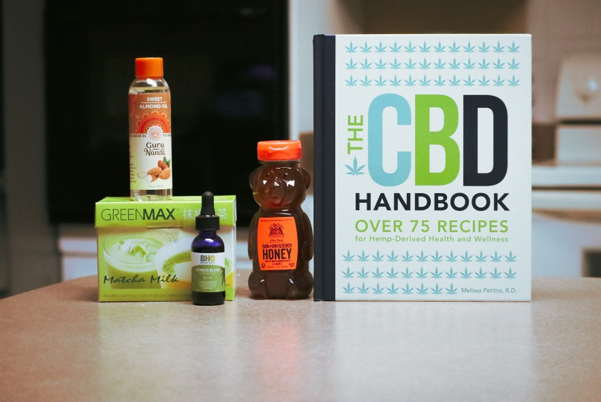
DIY CBD skincare ingredients in a small bowl
Step Direction
Choose a base Use a simple carrier such as plain honey or a tolerated carrier oil.
Review CBD oil Check CBD amount, THC content, carrier oil, ingredients, and Certificate of Analysis.
Mix a small amount Make a single-use batch only.
Apply carefully Avoid eyes, lips, broken skin, and irritated skin.
Limit contact time Remove as directed and do not leave on overnight unless the product is labeled for that use.
Watch skin response Stop use if irritation occurs.

Before using a CBD product in a DIY mixture, review available testing information through View Bluegrass Hemp Oil Certificates of Analysis and Learn about CBD lab testing.

Can I Put CBD Oil on My Face?

Some CBD oils may be used externally, but not every oral CBD oil is designed for facial skincare. Review the product label, carrier oil, ingredients, THC content, and Certificate of Analysis before applying CBD oil to the face.

  • Check whether the product is labeled for topical or external use.
  • Avoid eyes, lips, mucous membranes, broken skin, and actively irritated skin.
  • Review carrier oils, fragrance, essential oils, botanicals, and allergen concerns.
  • Ask a dermatologist if you have acne, eczema, psoriasis, rosacea, Lupus rash, persistent rashes, or other skin concerns.

Start with the Read the CBD product label guide before deciding whether any CBD oil belongs in a facial skincare routine.

CBD Skincare and Sensitive Skin

CBD skincare may not be appropriate for everyone, especially people with sensitive skin, allergies, open wounds, active irritation, or diagnosed skin conditions.

Natural ingredients can still irritate skin. Essential oils and fragrance can trigger reactions, honey and nut oils can raise allergy concerns, botanicals and powders can be abrasive or irritating, and homemade products may spoil or become contaminated.

When to ask a professional: Seek dermatology guidance for persistent rashes, open wounds, infected skin, recurring irritation, diagnosed skin disease, or skin symptoms that are new, severe, spreading, painful, or unexplained.

CBD Topicals vs DIY CBD Skincare

DIY mixtures and finished topical products are different. A finished product may include external-use directions, warning language, batch information, and product-specific testing details. A homemade mixture gives you more control over ingredients, but it also increases the need for freshness, allergen, and contamination awareness.

Option What It Is What to Review
DIY CBD skincare Homemade mixture using CBD oil plus skincare ingredients. Ingredients, freshness, allergen risk, skin sensitivity, CBD label, and Certificate of Analysis.
CBD balm or salve Finished topical product. Ingredients, external-use directions, THC content, COA, and warnings.
CBD lotion Finished skincare-style product. Ingredients, fragrance, skin sensitivity, THC content, and Certificate of Analysis.
CBD bath soak External-use bath product. Ingredients, essential oils, fragrance, external-use directions, and Certificate of Analysis.

For more topical-format context, use Explore CBD topical product education and Read the CBD bath soak safety guide.

Can CBD Skincare Make You High?

CBD itself is not typically intoxicating, but full-spectrum CBD products may contain trace THC. Review the product label and Certificate of Analysis to understand THC content.

CBD and THC

CBD and THC are different cannabinoids. THC content matters because THC can be intoxicating depending on product type and exposure.

Understand the difference between CBD and THC

Full-spectrum products

Full-spectrum CBD products may contain trace THC within applicable hemp limits. Hemp-derived does not automatically mean THC-free.

Understand full-spectrum CBD products

Delta-8 THC

Delta-8 THC is intoxicating and is not the same as CBD. Avoid unclear cannabinoid products.

Review Delta-8 THC safety concerns

CBD Skincare Safety: Medication, Pregnancy, and Side Effects

CBD is not risk-free, and topical use does not eliminate all safety questions. FDA has noted unanswered safety questions about CBD exposure from skin creams and from using multiple CBD products together. CBD may also interact with medications and may affect liver-safety considerations.

  • CBD may interact with prescription medications, over-the-counter drugs, herbs, or supplements.
  • CBD may increase drowsiness when combined with alcohol or sedating drugs.
  • CBD may cause drowsiness, digestive changes, appetite changes, irritability, agitation, or mood changes.
  • FDA strongly advises against CBD use during pregnancy or breastfeeding.
  • Keep CBD products away from children and pets.

Speak with a healthcare professional before using CBD if you take medication, are pregnant or nursing, have liver concerns, have a medical condition, or are shopping for a child or dependent. Use Review CBD medication interaction guidance and Read how long CBD may stay in your system for more safety context.

Product Quality: Labels, COAs, and Lab Testing

Lab testing and Certificates of Analysis help customers review cannabinoid content, THC levels, batch information, and product-specific details. They support transparency, but they do not establish that a CBD skincare product is appropriate for acne, eczema, psoriasis, rashes, redness, inflammation, pain, or disease.

Review the label

Look for product type, CBD amount, THC content, carrier oil, ingredients, external-use directions, warning language, and company contact information.

Read the CBD product label guide

Review the COA

Match the batch number and product name to the available testing information before using a CBD topical product.

View Bluegrass Hemp Oil Certificates of Analysis

Review lab testing

Lab testing can show available information about cannabinoid content, THC levels, and product transparency.

Learn about CBD lab testing

Review quality standards

Quality standards help shoppers evaluate CBD products with a safety-first mindset.

Read the CBD quality guide

Where Bluegrass Hemp Oil Topical Product Information Fits

Bluegrass Hemp Oil offers CBD topical and skincare-style product information. Before choosing any CBD topical product, review the product label, CBD amount, THC content, ingredients, warnings, external-use directions, batch number, Certificate of Analysis, and lab-testing information.

Product questions should stay focused on labels, ingredients, THC content, COAs, external-use directions, and safety considerations. For help with product-specific questions, use Contact Bluegrass Hemp Oil with product questions.

Bluegrass Hemp Oil’s Approach to CBD Topical Education and Transparency

Bluegrass Hemp Oil focuses on CBD education, product transparency, lab testing, Certificates of Analysis, and quality standards. Our resources help adults review CBD labels, ingredients, THC content, external-use directions, skin-sensitivity considerations, and safety questions before choosing hemp-derived topical products.

CBD Topical Education

Learn how to review CBD topicals, external-use directions, ingredients, and skin-sensitivity considerations.

Explore CBD topical product education

Certificates of Analysis

Review available product-specific lab reports before choosing a CBD topical product.

View Bluegrass Hemp Oil Certificates of Analysis

CBD Lab Testing

Learn what lab testing can show about cannabinoid content, THC levels, and product transparency.

Learn about CBD lab testing

CBD Product Labels

Understand ingredients, external-use directions, THC content, and warning language before using CBD products.

Read the CBD product label guide

Related CBD Topical and Safety Resources

CBD Topicals

Learn how to review CBD topicals, ingredients, and external-use directions.

Explore CBD topical product education

CBD Bath Soaks

Review CBD bath soak ingredients, external-use directions, and safety considerations.

Read the CBD bath soak safety guide

CBD vs THC

Understand why THC content matters when reviewing full-spectrum CBD products.

Understand the difference between CBD and THC

CBD Quality Guide

Learn how to evaluate CBD products with a safety-first mindset.

Read the CBD quality guide

Frequently Asked Questions

Can you make DIY CBD skincare at home?

Yes, adults can make simple DIY CBD skincare recipes at home, but ingredients should be reviewed carefully and homemade skincare should not be used to treat skin conditions or replace dermatology care.

Can I put CBD oil on my face?

Some CBD oils may be used externally, but not every oral CBD oil is designed for facial skincare. Review the label, carrier oil, ingredients, THC content, and Certificate of Analysis before applying CBD oil to the face.

Should I patch test CBD skincare?

Yes. Patch testing a small area first can help identify irritation or allergic reactions before applying a new product or DIY mixture more widely.

Is CBD skincare safe for sensitive skin?

CBD skincare may not be appropriate for everyone. People with sensitive skin, allergies, open wounds, active irritation, or diagnosed skin conditions should review ingredients carefully and consider asking a dermatologist.

Can CBD skincare make you high?

CBD itself is not typically intoxicating, but full-spectrum CBD skincare products may contain trace THC. Review the product label and Certificate of Analysis.

Can full-spectrum CBD skincare contain THC?

Yes. Full-spectrum CBD products may contain trace THC within applicable hemp limits. Check the product label and Certificate of Analysis before use.

What ingredients should I avoid in DIY skincare?

Avoid ingredients you are allergic to, harsh exfoliants, undiluted essential oils, unknown fragrances, spoiled ingredients, and any mixture that irritates your skin.

Can CBD skincare help acne, eczema, or psoriasis?

Retail CBD skincare products should not be marketed as acne, eczema, or psoriasis treatments. Speak with a dermatologist for diagnosed or persistent skin conditions.

Why do COAs matter for CBD skincare?

Certificates of Analysis help customers review product-specific cannabinoid content, THC levels, and batch information. They support transparency but do not prove medical effectiveness.

What should I check before using CBD topicals?

Review CBD amount, THC content, ingredients, external-use directions, warnings, batch number, Certificate of Analysis, lab testing, and possible skin-sensitivity concerns.

Sources and Safety References

This article is provided for educational purposes and is not medical advice. It is designed to help adults understand DIY CBD skincare, ingredient review, patch testing, sensitive-skin considerations, product labels, THC content, Certificates of Analysis, lab testing, and CBD topical safety before using hemp-derived topical products.