
DIY CBD Skincare: Ingredients, Safety, Labels, and COAs
DIY CBD skincare can be a simple way to explore external-use skincare routines, but every ingredient matters. Before applying CBD oil, balms, salves, lotions, honey, oils, matcha, essential oils, or any homemade mixture to your skin, review ingredients, skin-sensitivity concerns, product labels, THC content, Certificates of Analysis, and lab-testing information.
Important: This article is for educational purposes only and is not medical advice. Bluegrass Hemp Oil skincare and topical products are not intended to diagnose, treat, cure, or prevent acne, eczema, psoriasis, Lupus rash, rashes, bug bites, skin redness, inflammation, pain, muscle soreness, wounds, infections, or any disease. Speak with a licensed healthcare professional or dermatologist before using CBD skincare if you have sensitive skin, allergies, open wounds, a skin condition, take medication, are pregnant or nursing, or are shopping for a child or dependent.
Explore CBD topical product education
View Bluegrass Hemp Oil Certificates of Analysis
Learn about CBD lab testing
Author: Bluegrass Hemp Oil Education Team | Last updated: May 19, 2026 | Reviewed for safety: Editorial review recommended before publishing.
Can You Make DIY CBD Skincare at Home?
Yes, adults can make simple DIY skincare recipes at home, but homemade skincare should be approached carefully because ingredients can irritate the skin, trigger allergies, or be inappropriate for some people.
DIY skincare is for external use only. Do not swallow skincare mixtures, apply them near the eyes, use them on open wounds, or use them to replace dermatology care. Make small, single-use batches when possible, and stop using any mixture if burning, itching, swelling, rash, or irritation occurs.
Safety-first takeaway: A homemade recipe can be simple, but “natural” does not automatically mean gentle. Skin can react to honey, nut oils, botanicals, powders, essential oils, fragrance, preservatives, carrier oils, or CBD products.
What Ingredients Should You Check Before Making CBD Skincare?
A good DIY CBD skincare plan starts with ingredient review. Check the CBD product label, the carrier oil, the cannabinoid profile, the THC content, and the Certificate of Analysis before mixing CBD oil with any skincare ingredient. For more background, use the Read the CBD product label guide and the Read the CBD quality guide.
Should You Patch Test CBD Skincare?
Yes. Patch testing is a smart step before applying a new skincare product or DIY mixture to your face or a larger body area. Patch testing does not guarantee that a product will never cause a reaction, but it can help you notice sensitivity before wider use.
1. Choose a small test spot
Apply a small amount to the inside of the arm or bend of the elbow.
2. Use a normal amount
Use the same thickness you would normally apply.
3. Follow the contact time
Leave it on only as long as the recipe or product directions suggest.
4. Watch for reactions
Stop use if redness, itching, swelling, burning, rash, or irritation appears.
People with persistent or recurring skin reactions should ask a dermatologist about the safest next step.
A Simple DIY CBD Skincare Recipe Framework
A DIY CBD skincare recipe should be simple, single-use, and easy to remove. Avoid strong essential oils, harsh exfoliants, unknown ingredients, and recipes that promise to treat skin conditions.
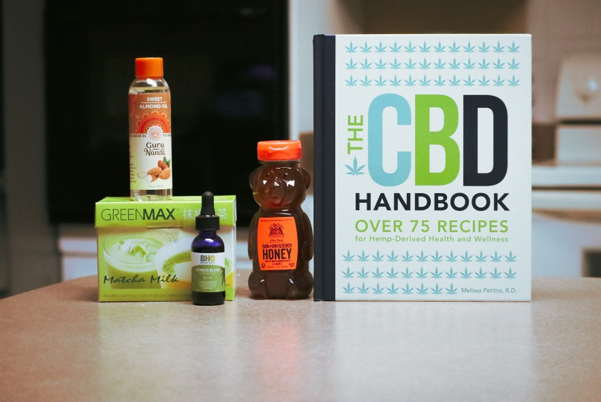
Before using a CBD product in a DIY mixture, review available testing information through View Bluegrass Hemp Oil Certificates of Analysis and Learn about CBD lab testing.
Can I Put CBD Oil on My Face?
Some CBD oils may be used externally, but not every oral CBD oil is designed for facial skincare. Review the product label, carrier oil, ingredients, THC content, and Certificate of Analysis before applying CBD oil to the face.
- Check whether the product is labeled for topical or external use.
- Avoid eyes, lips, mucous membranes, broken skin, and actively irritated skin.
- Review carrier oils, fragrance, essential oils, botanicals, and allergen concerns.
- Ask a dermatologist if you have acne, eczema, psoriasis, rosacea, Lupus rash, persistent rashes, or other skin concerns.
Start with the Read the CBD product label guide before deciding whether any CBD oil belongs in a facial skincare routine.
CBD Skincare and Sensitive Skin
CBD skincare may not be appropriate for everyone, especially people with sensitive skin, allergies, open wounds, active irritation, or diagnosed skin conditions.
Natural ingredients can still irritate skin. Essential oils and fragrance can trigger reactions, honey and nut oils can raise allergy concerns, botanicals and powders can be abrasive or irritating, and homemade products may spoil or become contaminated.
When to ask a professional: Seek dermatology guidance for persistent rashes, open wounds, infected skin, recurring irritation, diagnosed skin disease, or skin symptoms that are new, severe, spreading, painful, or unexplained.
CBD Topicals vs DIY CBD Skincare
DIY mixtures and finished topical products are different. A finished product may include external-use directions, warning language, batch information, and product-specific testing details. A homemade mixture gives you more control over ingredients, but it also increases the need for freshness, allergen, and contamination awareness.
For more topical-format context, use Explore CBD topical product education and Read the CBD bath soak safety guide.
Can CBD Skincare Make You High?
CBD itself is not typically intoxicating, but full-spectrum CBD products may contain trace THC. Review the product label and Certificate of Analysis to understand THC content.
CBD and THC
CBD and THC are different cannabinoids. THC content matters because THC can be intoxicating depending on product type and exposure.
Full-spectrum products
Full-spectrum CBD products may contain trace THC within applicable hemp limits. Hemp-derived does not automatically mean THC-free.
Delta-8 THC
Delta-8 THC is intoxicating and is not the same as CBD. Avoid unclear cannabinoid products.
CBD Skincare Safety: Medication, Pregnancy, and Side Effects
CBD is not risk-free, and topical use does not eliminate all safety questions. FDA has noted unanswered safety questions about CBD exposure from skin creams and from using multiple CBD products together. CBD may also interact with medications and may affect liver-safety considerations.
- CBD may interact with prescription medications, over-the-counter drugs, herbs, or supplements.
- CBD may increase drowsiness when combined with alcohol or sedating drugs.
- CBD may cause drowsiness, digestive changes, appetite changes, irritability, agitation, or mood changes.
- FDA strongly advises against CBD use during pregnancy or breastfeeding.
- Keep CBD products away from children and pets.
Speak with a healthcare professional before using CBD if you take medication, are pregnant or nursing, have liver concerns, have a medical condition, or are shopping for a child or dependent. Use Review CBD medication interaction guidance and Read how long CBD may stay in your system for more safety context.
Product Quality: Labels, COAs, and Lab Testing
Lab testing and Certificates of Analysis help customers review cannabinoid content, THC levels, batch information, and product-specific details. They support transparency, but they do not establish that a CBD skincare product is appropriate for acne, eczema, psoriasis, rashes, redness, inflammation, pain, or disease.
Review the label
Look for product type, CBD amount, THC content, carrier oil, ingredients, external-use directions, warning language, and company contact information.
Review the COA
Match the batch number and product name to the available testing information before using a CBD topical product.
Review lab testing
Lab testing can show available information about cannabinoid content, THC levels, and product transparency.
Review quality standards
Quality standards help shoppers evaluate CBD products with a safety-first mindset.
Where Bluegrass Hemp Oil Topical Product Information Fits
Bluegrass Hemp Oil offers CBD topical and skincare-style product information. Before choosing any CBD topical product, review the product label, CBD amount, THC content, ingredients, warnings, external-use directions, batch number, Certificate of Analysis, and lab-testing information.
Product questions should stay focused on labels, ingredients, THC content, COAs, external-use directions, and safety considerations. For help with product-specific questions, use Contact Bluegrass Hemp Oil with product questions.
Bluegrass Hemp Oil’s Approach to CBD Topical Education and Transparency
Bluegrass Hemp Oil focuses on CBD education, product transparency, lab testing, Certificates of Analysis, and quality standards. Our resources help adults review CBD labels, ingredients, THC content, external-use directions, skin-sensitivity considerations, and safety questions before choosing hemp-derived topical products.
CBD Topical Education
Learn how to review CBD topicals, external-use directions, ingredients, and skin-sensitivity considerations.
Certificates of Analysis
Review available product-specific lab reports before choosing a CBD topical product.
CBD Lab Testing
Learn what lab testing can show about cannabinoid content, THC levels, and product transparency.
CBD Product Labels
Understand ingredients, external-use directions, THC content, and warning language before using CBD products.
Related CBD Topical and Safety Resources
CBD Topicals
Learn how to review CBD topicals, ingredients, and external-use directions.
CBD Bath Soaks
Review CBD bath soak ingredients, external-use directions, and safety considerations.
CBD vs THC
Understand why THC content matters when reviewing full-spectrum CBD products.
CBD Quality Guide
Learn how to evaluate CBD products with a safety-first mindset.
Frequently Asked Questions
Can you make DIY CBD skincare at home?
Yes, adults can make simple DIY CBD skincare recipes at home, but ingredients should be reviewed carefully and homemade skincare should not be used to treat skin conditions or replace dermatology care.
Can I put CBD oil on my face?
Some CBD oils may be used externally, but not every oral CBD oil is designed for facial skincare. Review the label, carrier oil, ingredients, THC content, and Certificate of Analysis before applying CBD oil to the face.
Should I patch test CBD skincare?
Yes. Patch testing a small area first can help identify irritation or allergic reactions before applying a new product or DIY mixture more widely.
Is CBD skincare safe for sensitive skin?
CBD skincare may not be appropriate for everyone. People with sensitive skin, allergies, open wounds, active irritation, or diagnosed skin conditions should review ingredients carefully and consider asking a dermatologist.
Can CBD skincare make you high?
CBD itself is not typically intoxicating, but full-spectrum CBD skincare products may contain trace THC. Review the product label and Certificate of Analysis.
Can full-spectrum CBD skincare contain THC?
Yes. Full-spectrum CBD products may contain trace THC within applicable hemp limits. Check the product label and Certificate of Analysis before use.
What ingredients should I avoid in DIY skincare?
Avoid ingredients you are allergic to, harsh exfoliants, undiluted essential oils, unknown fragrances, spoiled ingredients, and any mixture that irritates your skin.
Can CBD skincare help acne, eczema, or psoriasis?
Retail CBD skincare products should not be marketed as acne, eczema, or psoriasis treatments. Speak with a dermatologist for diagnosed or persistent skin conditions.
Why do COAs matter for CBD skincare?
Certificates of Analysis help customers review product-specific cannabinoid content, THC levels, and batch information. They support transparency but do not prove medical effectiveness.
What should I check before using CBD topicals?
Review CBD amount, THC content, ingredients, external-use directions, warnings, batch number, Certificate of Analysis, lab testing, and possible skin-sensitivity concerns.
Sources and Safety References
This article is provided for educational purposes and is not medical advice. It is designed to help adults understand DIY CBD skincare, ingredient review, patch testing, sensitive-skin considerations, product labels, THC content, Certificates of Analysis, lab testing, and CBD topical safety before using hemp-derived topical products.
Visible External Source Links
These external references are repeated here with high-contrast styling and raw URLs so they remain visible after importing the Divi layout into WordPress.
