What Are Cannabinoids? A Clear Guide to CBD, THC & the ECS
CBD labels can feel confusing when you start seeing terms like cannabinoids, CBD, THC, CBG, CBN, full-spectrum hemp extract, and COAs. This guide breaks it down clearly so you can understand what cannabinoids are and how to compare CBD products with confidence.
Reviewed for clarity: This page is educational and is not intended to diagnose, treat, cure, or prevent disease. Bluegrass Hemp Oil products are not intended to diagnose, treat, cure, or prevent disease.
CBD and THC explained clearlyMinor cannabinoids made simpleLab testing and COA guidance
CBDNon-intoxicating cannabinoid
THCMain intoxicating cannabinoid
CBGMinor cannabinoid
CBNMinor cannabinoid
A cannabinoid profile helps shoppers understand which hemp compounds are listed on a product label or Certificate of Analysis.
What Are Cannabinoids?
Cannabinoids are naturally occurring compounds found in cannabis and hemp. CBD and THC are the best-known cannabinoids, but researchers have identified many others, including CBG, CBN, CBC, CBDA, and THCA.
Cannabinoids are plant compounds found in cannabis and hemp.
CBD and THC are the most familiar cannabinoids.
Minor cannabinoids occur in smaller amounts.
Cannabinoids are often discussed because they relate to the endocannabinoid system.
A product’s cannabinoid profile can be reviewed through lab testing and a Certificate of Analysis.
Cannabinoids and the Endocannabinoid System
The endocannabinoid system, or ECS, is a body-wide signaling network that includes endocannabinoids, receptors, and enzymes. Cannabinoids are often discussed because of how they relate to ECS education.
🧬
Endocannabinoids
Endocannabinoids are compounds made by the body. They are part of normal ECS signaling.
🌿
Phytocannabinoids
Phytocannabinoids are cannabinoids found in plants. CBD and THC are examples of phytocannabinoids.
⚖️
ECS Education
The ECS is often discussed in relation to balance and signaling. This page is educational and does not make medical claims.
CBD vs THC: What Is the Difference?
CBD and THC are both cannabinoids, but they are not the same. THC is the main intoxicating cannabinoid associated with the “high” from cannabis. CBD is non-intoxicating. Shoppers should always review product labels, THC information, lab testing, and Certificates of Analysis before choosing CBD products.
For a deeper comparison, read our CBD vs THC guide.
Cannabinoid
Description
What Shoppers Should Review
CBD
A non-intoxicating cannabinoid commonly found in hemp-derived CBD products.
CBD amount, hemp extract type, ingredients, lab testing, and COA.
THC
The main intoxicating cannabinoid associated with cannabis.
THC amount, legal limits, product type, lab testing, and COA.
Major Cannabinoids: CBD and THC
CBD and THC are often called major cannabinoids because they are commonly found in larger amounts compared with many other cannabinoids. In hemp-derived CBD products, CBD is usually the primary cannabinoid, while THC should remain within legal limits.
CBD
CBD
CBD is a non-intoxicating cannabinoid commonly found in hemp-derived CBD products. Product labels and COAs can help shoppers review how much CBD is listed.
THC
THC
THC is the main intoxicating cannabinoid associated with cannabis. Shoppers should review THC information carefully on product labels and Certificates of Analysis.
Cannabinoid Profile
Minor Cannabinoids: CBG, CBN, CBC, CBDA, THCA and More
Minor cannabinoids are cannabinoids found in smaller amounts than CBD or THC. They are often discussed in CBD education because full-spectrum hemp extract can contain a broader cannabinoid profile.
Cannabinoid
Simple Description
CBG
A minor cannabinoid often discussed in hemp and cannabis education.
CBN
A minor cannabinoid that may appear as cannabinoids change over time.
CBC
A minor cannabinoid found in smaller amounts in some hemp extracts.
CBDA
The acidic precursor form of CBD found in raw hemp plant material.
THCA
The acidic precursor form of THC found in raw cannabis or hemp plant material.
Safety note: Research on many minor cannabinoids is still developing. Avoid treating minor cannabinoids as proven solutions for health conditions.
What Does Full-Spectrum Mean?
Full-spectrum CBD products contain hemp extract with multiple naturally occurring compounds from the hemp plant. This may include CBD, minor cannabinoids, terpenes, and trace THC within legal limits.
🌿
Full-Spectrum
Full-spectrum products contain a broader hemp extract profile. Review the COA to confirm cannabinoid content.
◇
CBD Isolate
CBD isolate products contain isolated CBD. They do not represent the same profile as a full-spectrum hemp extract.
🏷️
Verify the Profile
Product labels and COAs are the best way to verify what is in a product.
Cannabinoids are not the only compounds found in hemp. Terpenes are aromatic plant compounds that contribute to the plant’s natural profile. The phrase entourage effect is often used in cannabis education to describe how multiple hemp compounds are discussed together.
Keep it practical: The entourage effect is a common concept in cannabis and hemp education, but shoppers should still review product labels, lab testing, and COAs.
How to Read a Cannabinoid Profile on a COA
A Certificate of Analysis, or COA, can help shoppers review which cannabinoids are listed in a CBD product. A COA may show CBD, THC, minor cannabinoids, potency information, and other product-quality details.
Understanding cannabinoids can help shoppers read CBD product labels more carefully. Before choosing a product, review the cannabinoid profile, hemp extract type, ingredient list, serving information, third-party testing, and Certificate of Analysis.
CBD amount
THC information
Full-spectrum, broad-spectrum, or isolate profile
Minor cannabinoids
Ingredient list and carrier oil
Serving information
Lab testing and Certificate of Analysis
Company transparency
Product-quality next step: Review Genesis Blend full-spectrum CBD oil if you want to see how a full-spectrum product is presented with label and quality information.
Helpful Cannabinoid and CBD Quality Resources
Cannabinoids are only one part of understanding CBD products. To compare products more carefully, review the endocannabinoid system, terpenes, full-spectrum hemp extract, lab testing, and Certificates of Analysis.
Endocannabinoid System
Learn the ECS basics behind cannabinoid education.
Bill Polyniak is the founder of Bluegrass Hemp Oil and Kentucky Cannabis Company. His work focuses on hemp education, product quality, label transparency, lab testing, and helping shoppers understand CBD products before they buy.
Quality review: Reviewed by the Bluegrass Hemp Oil Quality Team for cannabinoid terminology, label clarity, CBD safety language, and source alignment. Last reviewed: May 2026.
Cannabinoids FAQs
What are cannabinoids?
Cannabinoids are compounds found in cannabis and hemp. CBD and THC are the best-known cannabinoids, but many other cannabinoids have been identified. Cannabinoids are often discussed because of how they relate to the endocannabinoid system.
Is CBD a cannabinoid?
Yes. CBD, short for cannabidiol, is a cannabinoid commonly found in hemp-derived CBD products. CBD is non-intoxicating.
Is THC a cannabinoid?
Yes. THC is a cannabinoid and is the main intoxicating compound associated with cannabis. Shoppers should review THC information on product labels and Certificates of Analysis.
What is the difference between CBD and THC?
CBD and THC are both cannabinoids, but THC is the main intoxicating cannabinoid associated with the “high” from cannabis. CBD is non-intoxicating. Product labels and COAs help shoppers compare CBD and THC content.
What are minor cannabinoids?
Minor cannabinoids are cannabinoids found in smaller amounts than CBD or THC. Examples include CBG, CBN, CBC, CBDA, and THCA. Research on many minor cannabinoids is still developing.
What does full-spectrum CBD mean?
Full-spectrum CBD products contain hemp extract with multiple naturally occurring compounds from the hemp plant, which may include CBD, minor cannabinoids, terpenes, and trace THC within legal limits.
How do I know which cannabinoids are in a CBD product?
Review the product’s Certificate of Analysis. A COA can show cannabinoid content, THC levels, and other product-quality details when available.
Choose CBD Products With Cannabinoid Quality in Mind
Understanding cannabinoids makes it easier to compare CBD products. Before buying, review the product label, cannabinoid profile, hemp extract type, ingredient list, third-party testing, and Certificate of Analysis.
High-Potency Full-Spectrum CBD Tinctures: Strength, Safety, and How to Choose One
A high-potency full-spectrum CBD tincture can make serving control easier for some adults, but potency only helps when the label is clear, the lab report matches the bottle, and the product fits your personal safety needs.
Updated May 22, 2026 Created by Bill Polyniak Bluegrass Hemp Oil educational guide Educational content, not medical advice
Quick Answer
What is a high-potency full-spectrum CBD tincture?
A high-potency full-spectrum CBD tincture is a liquid hemp product with a higher concentration of CBD per mL than many standard CBD oils. For example, a 1500mg CBD tincture in a 30mL bottle provides about 50mg CBD per 1mL dropper. Full-spectrum products may also contain minor cannabinoids, terpenes, and trace THC, so adults should review the Certificate of Analysis before buying or using the product.
1
Potency means concentration
High potency is best understood as CBD per mL, not just the total milligrams printed on the front label.
2
1500mg is the whole bottle
A 1500mg tincture usually means the full container has 1,500mg CBD, not that one serving contains 1,500mg.
3
Trace THC matters
Full-spectrum CBD may contain trace THC, which can be important for drug testing, workplace policies, and personal preference.
4
Lab reports build trust
COAs should confirm CBD potency, THC level, batch number, and contaminant testing before you rely on a product.
5
More is not always better
High-potency CBD can be convenient, but beginners and sensitive users may prefer a lower-strength product or smaller measured servings.
6
Safety comes first
CBD may interact with medications and may increase drowsiness with alcohol or sedating products. Ask a healthcare professional when in doubt.
Entity Summary
Important CBD tincture terms, explained simply
Term
Simple explanation
Why it matters
CBD tincture
A liquid CBD product usually measured with a dropper and taken by mouth or held under the tongue.
Dropper markings can help adults measure servings more carefully.
High-potency CBD
CBD oil with a higher CBD concentration per mL.
It can be convenient, but serving size control becomes more important.
1500mg CBD tincture
A bottle containing 1,500mg total CBD.
You still need the bottle size to calculate CBD per mL.
Full-spectrum CBD
Hemp extract containing CBD plus other hemp compounds, such as minor cannabinoids and terpenes, with possible trace THC.
Trace THC may matter for drug testing and personal tolerance.
COA
A Certificate of Analysis showing potency, THC level, and contaminant test results for a product batch.
A COA helps verify whether the label matches the tested product.
Carrier oil
An oil used to dilute and deliver hemp extract, such as MCT oil or hemp seed oil.
Carrier oils affect taste, texture, and ingredient compatibility.
Full-Spectrum CBD Oil
What makes a CBD tincture “high potency”?
A CBD tincture becomes high potency when it delivers a larger amount of CBD in a smaller amount of liquid. A 1500mg bottle can be high potency in a 30mL size because each 1mL dropper contains about 50mg CBD. The same total CBD in a larger bottle would be less concentrated per mL.
“Full-spectrum” means the hemp extract may contain CBD, naturally occurring minor cannabinoids, terpenes, and trace THC. For a deeper beginner-friendly explanation, see what full-spectrum CBD means and compare full-spectrum CBD oil options.
Important distinction
High-potency CBD is not automatically stronger for every person or better for every routine. The right choice depends on the product’s CBD per mL, your reason for using CBD, your comfort with full-spectrum hemp extract, your medication list, and your healthcare professional’s guidance.
CBD per mL
What does 1500mg CBD tincture mean?
“1500mg CBD tincture” usually means the full bottle contains 1,500 milligrams of CBD. It does not mean one serving contains 1,500mg. To understand the practical strength, divide total CBD by bottle size.
CBD tincture potency formula
Total CBD ÷ Bottle Size = CBD per mL
Example: 1500mg CBD ÷ 30mL bottle = about 50mg CBD per 1mL dropper.
This formula is useful when comparing products because two bottles can show the same total CBD but deliver different amounts per dropper. For additional serving-size context, read the 1500mg full-spectrum CBD oil usage guide.
Strength Comparison
Is 1500mg CBD oil considered high potency?
A 1500mg CBD oil can be considered high potency when it is in a standard 30mL bottle because it provides about 50mg CBD per mL. The most useful comparison is CBD per mL, not just the front-label number.
Total CBD in a 30mL bottle
Approximate CBD per 1mL
How to think about it
500mg
About 16.7mg per mL
Often a gentler starting range for adults comparing lower-strength products.
1000mg
About 33.3mg per mL
A middle-strength option for adults who want more CBD per dropper.
1500mg
About 50mg per mL
A high-potency option where careful serving control matters.
2000mg
About 66.7mg per mL
A stronger concentration that may be too much for some beginners.
Full-spectrum vs broad-spectrum vs isolate tinctures
The type of CBD extract matters as much as the milligram strength. Review the label and COA so you know whether the tincture contains trace THC or other hemp compounds.
CBD type
What it usually contains
Best-fit consideration
Full-spectrum CBD tincture
CBD, minor cannabinoids, terpenes, and possible trace THC.
May appeal to adults who prefer whole-hemp extracts, but trace THC and drug-testing concerns should be reviewed.
Broad-spectrum CBD tincture
CBD plus other hemp compounds, typically with THC removed or non-detectable.
May fit adults who want multiple hemp compounds but want to avoid THC where possible.
CBD isolate tincture
CBD only, without other cannabinoids or terpenes.
May fit adults who want a simpler CBD-only option, though it does not offer the same full-spectrum profile.
How do you use a high-potency CBD tincture carefully?
High-potency tinctures require careful measuring because small volume changes can change the amount of CBD consumed. Follow the product label and use a conservative approach, especially if you are new to high-potency CBD.
1
Read and measure
Shake the bottle.
Read the total CBD, bottle size, and suggested serving information.
Use the dropper markings to measure carefully.
Track serving size, timing, and how you feel.
2
Use with caution
Start with a small measured serving if you are new to high-potency CBD.
Do not mix CBD with alcohol or sedating products without professional guidance.
Ask a healthcare professional if you take medications or manage a medical condition.
Tinctures vs gummies vs capsules: which CBD format fits your routine?
Tinctures are popular because they give adults more control over serving size than many pre-portioned formats. Gummies and capsules can be more convenient, but they may offer less flexibility when you want to adjust a serving carefully.
Format
Common advantage
Common limitation
Tinctures
Flexible serving control with dropper markings.
Requires careful measuring and label reading.
Gummies
Pre-portioned and easy to carry.
Less flexible if you want smaller adjustments.
Capsules
Simple routine and no hemp taste.
Typically fixed serving size.
Topicals
External application for localized body-care routines.
What should you check before buying a high-potency CBD tincture?
Before choosing any CBD oil, especially a high-potency full-spectrum tincture, look beyond the front label. A transparent product should make it easy to confirm what is in the bottle and how strong each measured serving is.
Total CBD: Confirm the full bottle amount, such as 1000mg, 1500mg, or 2000mg.
CBD per mL: Calculate the amount of CBD in a 1mL dropper so you can compare products fairly.
Full-spectrum profile: Review whether the product contains minor cannabinoids, terpenes, and trace THC.
Certificate of Analysis: Match the batch number on the bottle to third-party lab results.
THC content: Check whether THC is present and whether drug-testing concerns apply to you.
Contaminant testing: Look for testing for heavy metals, pesticides, residual solvents, and microbial contaminants.
Ingredients: Review carrier oil, flavoring, allergens, and any added botanicals.
Brand transparency: Prefer companies that make lab reports, contact information, and product details easy to find.
The “entourage effect” is the theory that cannabinoids, terpenes, and other hemp compounds may work together in ways that differ from CBD alone. It is one reason some adults prefer full-spectrum hemp products.
CBD is not risk-free. The FDA has identified safety concerns around CBD products, including possible drug interactions, sedation risk, liver-related concerns, and questions about long-term use. High-potency products make it easier to consume more CBD in a smaller amount of oil, so careful serving control matters.
Speak with a healthcare professional if you take medications, have liver concerns, manage a medical condition, or use other supplements.
Do not combine CBD with alcohol or sedating products unless a qualified professional says it is appropriate for you.
Full-spectrum CBD may contain trace THC and may create drug-testing concerns.
The FDA strongly advises against using CBD, THC, or marijuana during pregnancy or breastfeeding.
Keep all hemp and CBD products away from children and pets.
This article is educational and does not diagnose, treat, cure, or prevent any disease. For expectations and beginner questions, see what CBD feels like for new users.
FAQ
High-potency full-spectrum CBD tincture FAQ
What is a high-potency CBD tincture?
A high-potency CBD tincture is a liquid CBD product with a higher concentration of CBD per mL than many standard oils. The exact strength depends on total CBD and bottle size.
What does 1500mg CBD tincture mean?
It usually means the full bottle contains 1,500mg of CBD. In a 30mL bottle, that equals about 50mg CBD per 1mL dropper.
Is 1500mg CBD oil strong?
In a 30mL bottle, 1500mg is generally a high-potency concentration because it provides about 50mg CBD per mL. Whether it is appropriate depends on the person, the product, and safety considerations.
How do I calculate CBD oil strength?
Divide the total CBD by the bottle size in mL. For example, 1500mg divided by 30mL equals about 50mg CBD per mL.
Does full-spectrum CBD tincture contain THC?
Full-spectrum CBD may contain trace THC. Always check the product COA to confirm the tested THC level for the specific batch.
Can full-spectrum CBD oil show up on a drug test?
It is possible. Full-spectrum products may contain trace THC, and drug-testing policies vary. Avoid full-spectrum CBD if you must avoid THC exposure.
Is high-potency CBD better?
Not necessarily. High potency can be convenient for some adults, but more CBD is not automatically better. New users may prefer a lower potency or smaller measured servings.
Can CBD interact with medications?
Yes, CBD may interact with medications. Speak with a healthcare professional before using CBD if you take prescriptions, use sedating products, or manage a medical condition.
What should I look for before buying CBD tincture?
Check total CBD, CBD per mL, bottle size, CBD type, THC content, COA, batch number, contaminant testing, carrier oil, and ingredient list.
This high-potency full-spectrum CBD tincture guide was created by Bill Polyniak for Bluegrass Hemp Oil. The goal is to help adults compare CBD tincture strength, CBD per mL, full-spectrum hemp extract, Certificates of Analysis, and safety considerations before choosing a product.
This page is educational and should not be used as medical advice. Speak with a qualified healthcare professional if you take medications, are pregnant or nursing, manage a medical condition, or have questions about CBD use.
Sources Reviewed
Safety and editorial source notes
This article was created by Bill Polyniak for Bluegrass Hemp Oil and reviewed against safety-focused public resources. It avoids claims that CBD cures, treats, prevents, or diagnoses disease.
Review CBD strength, bottle size, ingredients, and lab results before choosing a high-potency tincture. Keep the decision safety-first and ask a healthcare professional if you have medication or health questions.
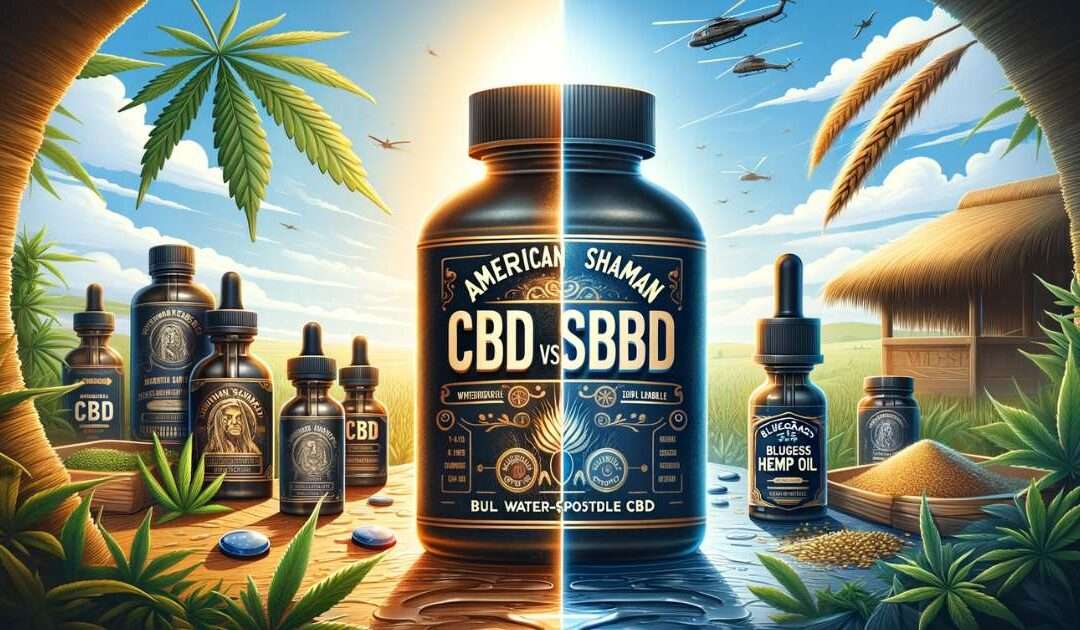
How Should You Compare American Shaman and Bluegrass Hemp Oil Products?
CBD brand comparison • Labels • COAs • Buyer fit
Quick answer: Compare CBD American Shaman and Bluegrass Hemp Oil by the exact product, not by brand name alone. Review the product format, CBD per serving, extract type, THC content, ingredients, batch-specific Certificate of Analysis, safety cautions, and customer-support options before deciding which product path fits your needs.
Safety note: This article is educational and is not medical advice. Bluegrass Hemp Oil products are not intended to diagnose, treat, cure, or prevent any disease. CBD may interact with medications, may cause drowsiness, may carry liver-related safety considerations, and full-spectrum CBD may contain trace THC. Talk with a qualified healthcare professional before using CBD if you take medication, drink alcohol, use sedating products, are pregnant or nursing, have liver concerns, are subject to drug testing, or manage a medical condition.
American Shaman vs Bluegrass Hemp Oil: What Is the Main Difference?
CBD American Shaman is a national CBD brand with a broad catalog that includes oils, water-soluble formulas, gummies, topicals, capsules, pet products, and hemp-derived THC product categories. Bluegrass Hemp Oil is a Kentucky-based CBD company focused on full-spectrum CBD education, product transparency, clear labels, and Certificates of Analysis.
The practical comparison is not “which brand is best.” A stronger shopper question is: which product has the clearest label, current COA, extract-type transparency, THC information, ingredient list, and support for your situation?
Editorial transparency
How This CBD Brand Comparison Was Written
Bluegrass Hemp Oil sells CBD products, so this comparison is written from the Bluegrass Hemp Oil perspective. The goal is to help shoppers compare verifiable product details, not to make medical claims or unsupported performance claims.
Product formulas, prices, labels, COAs, and product categories can change. Verify current information on each brand’s website, then compare the exact product label and batch-specific lab report before buying.
American Shaman vs Bluegrass Hemp Oil Terms at a Glance
Entity
Plain-English Meaning
CBD
Cannabidiol, a cannabinoid found in cannabis and hemp plants. CBD products should be reviewed by label, COA, ingredients, and safety context.
Full-spectrum CBD
Hemp extract that may contain CBD, other cannabinoids, terpenes, flavonoids, and trace THC.
THC
A cannabinoid associated with intoxicating effects. Full-spectrum CBD may contain trace THC, which matters for THC-sensitive shoppers and drug-testing concerns.
COA
A Certificate of Analysis showing batch-specific lab information such as CBD amount, THC amount, cannabinoid profile, and available contaminant testing.
Cannabinoid profile
The mix of cannabinoids shown on a label or lab report, such as CBD, THC, CBG, CBC, or other listed compounds.
Batch number
A product identifier that should match the COA for the bottle, gummy, capsule, topical, or pet product being reviewed.
Product format
The form of the product, such as oil, water-dispersible liquid, gummy, capsule, topical, vape, pet product, or hemp-derived THC product.
Serving information
The labeled amount per mL, dropper, capsule, gummy, topical amount, or other serving unit. It is not the same as total CBD per package.
Brand snapshot
Brand Snapshot: CBD American Shaman vs Bluegrass Hemp Oil
Use this table as a starting point, then verify the exact current product page and COA for the item you are considering.
Comparison Point
CBD American Shaman
Bluegrass Hemp Oil
What to Verify
Brand footprint
National CBD brand with online sales and store-locator visibility.
Kentucky-based hemp company with an education-first full-spectrum CBD focus.
Whether you prefer a national catalog or direct Kentucky brand support.
Product catalog
Broad catalog that may include oils, water-soluble products, gummies, topicals, capsules, pets, and hemp-derived THC products.
Focused CBD catalog with full-spectrum education, oils, gummies, capsules, topicals, pet education, and COA resources.
Exact product format and current availability.
COA access
American Shaman provides a lab report lookup page for batch information.
Bluegrass Hemp Oil provides CBD lab testing and Certificates of Analysis resources.
Product name, batch number, test date, cannabinoid profile, and contaminant panels.
THC considerations
Depends on the product category and label, especially where hemp-derived THC products are present.
Full-spectrum products may contain trace THC, so COA review matters.
THC amount on the COA and your drug-testing or THC-sensitivity context.
Buyer fit
May fit shoppers comparing a broad national product catalog.
May fit shoppers who want Kentucky roots, full-spectrum education, and direct product guidance.
Your product-format, label, COA, ingredient, and support priorities.
Product formats
How Do Their CBD Product Lines Compare?
CBD product categories can look similar across brands, but details can differ by serving information, extract type, THC content, ingredient list, and COA. Compare oils with oils, gummies with gummies, topicals with topicals, and pet products with pet products.
Product Format
What to Check
Why It Matters
Helpful Bluegrass Hemp Oil Education
CBD oils and tinctures
Total CBD, CBD per mL, carrier oil, extract type, THC amount, batch number.
Oil labels can show total bottle strength and serving information separately.
What Should Shoppers Know About American Shaman Water-Soluble CBD?
CBD American Shaman prominently markets water-soluble and nano-style CBD product categories. When reviewing those products, focus on the label and COA rather than assuming that water-compatible language proves a specific extract type or outcome.
Questions to ask about water-compatible CBD
Does the label say full-spectrum, broad-spectrum, isolate, or THC-free?
Does the COA show more than CBD alone?
Is THC listed clearly?
Are emulsifiers, flavors, sweeteners, or botanicals disclosed?
Is the batch number easy to match to the lab report?
Safer way to compare
Compare water-soluble CBD, traditional CBD oil, gummies, capsules, and topicals by product format. Avoid assuming one format is better for every shopper or appropriate for every situation.
Before comparing American Shaman and Bluegrass Hemp Oil, look at the exact label for the product you are considering.
Core label items
Product name
Product format
Total CBD per package
CBD per serving, mL, capsule, gummy, ounce, or unit
Extract type
THC statement
Ingredient list
Carrier oil or topical base
Flavoring, sweeteners, or botanicals
Batch number
COA access
Warnings
Manufacturer contact information
Why this matters
A CBD product comparison is only useful when you can identify what is actually in the product. Clear labels help shoppers compare serving information, ingredient preferences, THC comfort level, and product-format fit.
CBD Safety Questions to Ask Before Choosing Either Brand
This article is educational and is not medical advice. Bluegrass Hemp Oil products are not intended to diagnose, treat, cure, or prevent any disease. CBD may interact with medications, may cause drowsiness, may carry liver-related safety considerations, and full-spectrum CBD may contain trace THC. Talk with a qualified healthcare professional before using CBD if you take medication, drink alcohol, use sedating products, are pregnant or nursing, have liver concerns, are subject to drug testing, or manage a medical condition.
Safety Question
Why It Matters
Do you take medication?
CBD may interact with medications, including products processed by liver-related pathways.
Do you have liver concerns?
CBD may carry liver-related safety considerations that should be discussed with a qualified healthcare professional.
Do you drink alcohol or use sedating products?
CBD may cause drowsiness and may not be appropriate with alcohol or sedating products without professional guidance.
Are you pregnant or nursing?
Discuss CBD, THC, and cannabinoid products with a qualified healthcare professional before use.
Are you subject to drug testing?
Full-spectrum CBD may contain trace THC, and a COA cannot guarantee a drug-test outcome.
Are you buying for a child?
CBD products should not be selected for a child without professional medical guidance.
Are you buying for a pet?
Talk with a veterinarian before using CBD for a pet.
Are you using multiple CBD products?
Multiple products can make total cannabinoid exposure harder to track.
Bill Polyniak is the founder of Bluegrass Hemp Oil and Kentucky Cannabis Company. His work began in Kentucky’s early hemp pilot-program years and grew into an education-first mission focused on full-spectrum hemp, product transparency, clear labels, Certificates of Analysis, and helping shoppers understand what they are buying before choosing a CBD product.
Because CBD product catalogs, COAs, labels, and safety language can change, this comparison should be reviewed quarterly.
Tracking Area
What to Review
Primary keyword
American Shaman vs Bluegrass Hemp Oil products
Secondary keyword
CBD American Shaman vs Bluegrass Hemp Oil
Long-tail keyword
American Shaman CBD products compared with Bluegrass Hemp Oil COAs
Voice-search questions
Which CBD brand has clearer COAs? How do I compare CBD product labels?
Product or brand keyword
CBD American Shaman water-soluble CBD, Genesis Blend full-spectrum CBD oil
COA/testing keyword
CBD Certificate of Analysis comparison
Full-spectrum/THC keyword
full-spectrum CBD THC and drug testing
Local Kentucky CBD keyword
Kentucky full-spectrum CBD company
Refresh checklist
Review current product details, COA links, internal links, FDA and CDC safety language, FAQ coverage, schema, CTA placement, and Bill Polyniak E-E-A-T signals.
FAQ
FAQ About American Shaman vs Bluegrass Hemp Oil Products
Is American Shaman the same as Bluegrass Hemp Oil?
No. CBD American Shaman and Bluegrass Hemp Oil are separate CBD companies. Compare the exact product label, COA, extract type, THC content, ingredients, and support options before choosing.
Which is better, American Shaman or Bluegrass Hemp Oil?
A safer question is which product fits your label, COA, THC, ingredient, product-format, and support preferences. Do not choose a CBD product based only on brand reputation or outcome claims.
What should I compare first in an American Shaman vs Bluegrass Hemp Oil review?
Start with the exact product format, CBD per serving, extract type, THC statement, ingredient list, batch number, and Certificate of Analysis.
Does water-soluble CBD mean it is full-spectrum?
Not automatically. Water-soluble or water-dispersible language describes formulation style. The COA and label should confirm whether the product is full-spectrum, broad-spectrum, or isolate.
Can full-spectrum CBD contain THC?
Yes. Full-spectrum CBD may contain trace THC. Review the batch-specific COA and consider drug-testing policies before using a full-spectrum product.
Can CBD products affect a drug test?
They can. Full-spectrum CBD may contain trace THC, and drug-testing outcomes depend on product content, use pattern, test type, and testing policy. A COA cannot guarantee a drug-test result.
Are CBD gummies, capsules, oils, and topicals the same?
No. Product formats differ by serving information, ingredients, intended use, label details, and COA review points. Compare the exact format rather than the brand name alone.
What should a CBD COA show?
A COA should show product name, batch number, CBD amount, THC amount, cannabinoid profile, testing date, lab name, and contaminant testing when available.
Should I use CBD products for pets from either brand?
Talk with a veterinarian before using CBD for a pet. Review pet-specific labels, ingredients, THC information, COAs, and safety warnings.
Where should I ask product-specific questions?
Use the brand’s product support options and bring the label and COA to a qualified healthcare professional when medication, pregnancy, nursing, liver, alcohol, drowsiness, or drug-testing concerns apply.
External source links
Visible External Source Links
These source links are repeated with high-contrast styling and visible raw URLs so they remain easy to find in WordPress.
Ready to Review Bluegrass Hemp Oil Product Information?
After reviewing CBD labels, COAs, THC considerations, safety questions, and product-format differences, use these product and support pathways to continue your comparison.
CBD for Dog Seizures: Safety, Research & What to Ask Your Veterinarian
CBD for dog seizures is a high-stakes topic. Seizures require veterinary evaluation, and CBD should never replace diagnosis, emergency care, prescribed anti-seizure medication, or seizure monitoring. This guide explains what current research does and does not show, what safety questions to ask, and how to review pet CBD labels, THC levels, lab testing, and Certificates of Analysis.
Updated May 21, 2026 · Educational pet CBD guidance from Bluegrass Hemp Oil
CBD should be discussed with a licensed veterinarian before use in any dog with seizures, especially dogs taking anti-seizure medication.
Dog Seizure Safety Note
Seizures in dogs require veterinary evaluation. CBD is not FDA-approved for use in animals and should not be used as a substitute for diagnosis, anti-seizure medication, emergency care, or guidance from a licensed veterinarian. Talk with your veterinarian before giving CBD to a dog with seizures, especially if your dog takes seizure medication, has liver concerns, has other medical conditions, is very young or elderly, or has sudden, cluster, prolonged, or worsening seizures.
When a Dog Seizure May Be an Emergency
Contact a veterinarian or emergency animal hospital immediately if your dog has a seizure lasting several minutes, has repeated seizures close together, does not recover normally, has trouble breathing, has a first-time seizure, has a seizure after possible toxin exposure, or has worsening seizure activity.
Entity clarity: Bluegrass Hemp Oil is a Kentucky-based CBD company that creates hemp-derived CBD products and educational resources. This page explains what dog owners should know about CBD for dog seizures, current veterinary research, safety concerns, medication interactions, liver monitoring, THC review, Certificates of Analysis, and why veterinary guidance comes first.
CBD for Dog Seizures: Quick Answer
Quick answer: Some veterinary studies have explored CBD as an adjunct option for dogs with difficult-to-control seizures, but CBD should not replace veterinary diagnosis, prescribed seizure medication, emergency care, or monitoring. If your dog has seizures, speak with your veterinarian before using CBD, especially if medications or liver monitoring are involved.
The safest way to approach CBD for dogs with seizures is to treat it as a veterinary discussion topic, not a home treatment plan. Your veterinarian can help evaluate seizure type, medication risks, diagnostic testing, emergency warning signs, and whether any CBD product is appropriate for your dog’s situation.
What Are Dog Seizures?
Quick answer: A dog seizure is an episode of abnormal electrical activity in the brain. Seizures can look different from dog to dog and may have many causes, including epilepsy, toxins, metabolic problems, brain disease, medication issues, or other medical conditions. A veterinarian should evaluate seizure activity.
Dog seizure
A seizure is an episode of abnormal electrical activity in the brain. Dog seizures can have many causes and require veterinary evaluation.
Canine epilepsy
Canine epilepsy refers to recurring seizures in dogs. Diagnosis and treatment decisions should be made by a veterinarian.
Idiopathic epilepsy
Idiopathic epilepsy is a seizure disorder where no clear underlying cause is found after veterinary evaluation.
Cluster Seizures and Status Epilepticus
Quick answer: Cluster seizures and status epilepticus are emergency-level concerns. Cluster seizures are multiple seizures close together. Status epilepticus refers to a prolonged seizure or repeated seizures without normal recovery. Dogs with either pattern need urgent veterinary guidance.
Do not wait to see whether a product, supplement, or home routine helps if a seizure is prolonged, repeated, or worsening. Emergency seizure care is time-sensitive and may require medications, temperature control, monitoring, and investigation of the underlying cause.
Common Causes of Seizures in Dogs
Quick answer: Dog seizures can be associated with many different conditions. Possible causes include idiopathic epilepsy, toxin exposure, liver or kidney problems, low blood sugar, brain inflammation, trauma, tumors, medication reactions, or other medical issues. Symptoms alone cannot identify the cause.
Because the cause matters, a veterinarian may recommend history-taking, physical and neurologic exams, bloodwork, medication review, imaging, or referral to a veterinary neurologist. CBD should not be used to delay diagnosis or prescribed seizure care.
Can CBD Help Dogs With Seizures?
Quick answer: CBD should not be promoted as a treatment for dog seizures. Some veterinary studies have explored CBD as an adjunct to conventional seizure care, but results vary and research is still developing. Dogs with seizures need veterinary supervision, especially when anti-seizure medication is involved.
A careful page about CBD oil for dog seizures should distinguish between research interest and product claims. The question is not whether CBD should replace veterinary care. It should not. The safer question is whether CBD is worth discussing with your veterinarian as part of a broader, monitored care plan.
What Current CBD Research Does and Does Not Show
Quick answer: Current dog seizure research is promising but limited. Studies have evaluated CBD alongside standard anti-seizure treatment, not as a replacement. Some studies reported seizure-frequency changes, but they also highlight the need for veterinary supervision, product consistency, and monitoring for side effects and liver-related concerns.
How to read CBD seizure research responsibly
Look for veterinary clinical studies, not only testimonials.
Check whether CBD was used alongside anti-seizure medication.
Ask whether the product was standardized and lab tested.
Look for side-effect monitoring and liver enzyme reporting.
Remember that a study result is not a dosage plan for your dog.
Bluegrass Hemp Oil encourages pet owners to use research as a conversation starter with a veterinarian. Research does not mean every pet CBD product is appropriate for every dog, and it does not remove the need for seizure diagnosis, medication management, emergency planning, or COA review.
CBD Is Not a Replacement for Seizure Medication
Quick answer: CBD should not replace prescribed anti-seizure medication for dogs. Do not stop, reduce, or change your dog’s seizure medication unless your veterinarian tells you to. Uncontrolled seizures can be dangerous, and medication changes need professional oversight.
Some dog owners search for CBD because they worry about medication side effects. That concern should be discussed with the prescribing veterinarian. Your vet may adjust medication, recommend monitoring, review side effects, or discuss referral options. CBD should not be used as a reason to skip veterinary care.
CBD, Anti-Seizure Medications, and Liver Monitoring
Quick answer: CBD may interact with medications and may require veterinary monitoring, especially in dogs taking anti-seizure medication or dogs with liver concerns. Ask your veterinarian whether liver enzyme monitoring, medication review, or follow-up testing is appropriate before using CBD.
This matters because dogs with seizures may already be taking one or more medications. CBD products can vary by potency, THC content, ingredients, and lab-testing transparency. A veterinarian is the right person to help weigh possible risks for your dog’s health history.
Possible Side Effects of CBD Oil in Dogs
Quick answer: CBD oil may cause side effects in some dogs, and pets can be sensitive to cannabis-derived products. Watch for vomiting, diarrhea, appetite changes, sedation, lethargy, behavior changes, wobbliness, agitation, drooling, tremors, or other unusual signs. Contact a veterinarian if you are concerned.
Side effects are especially important for puppies, senior dogs, dogs with liver concerns, dogs taking multiple medications, and dogs with seizure disorders. To review pet CBD safety more broadly, see Bluegrass Hemp Oil’s guide to possible CBD oil side effects for dogs.
What CBD Can and Cannot Claim for Dog Seizures
Quick answer: CBD can be discussed as an area of developing veterinary research and as a topic to ask your veterinarian about. It cannot be claimed as a cure, treatment, replacement medication, or emergency seizure solution.
Claim Area
Safe Wording
Dog seizures
Dog seizures require veterinary diagnosis and care.
CBD research
Some veterinary studies have explored CBD as an adjunct option for dogs with seizures, but veterinary supervision is essential.
Seizure medication
CBD should not replace prescribed anti-seizure medication.
Emergency seizures
Prolonged, repeated, first-time, or severe seizures require urgent veterinary attention.
Medication interactions
CBD may interact with medications and may require veterinary monitoring.
Liver concerns
Dogs using CBD with seizure medications may need liver enzyme monitoring.
THC
Dog owners should review THC levels on the batch-specific COA.
Product quality
Quality should be supported by batch-specific COAs, not broad marketing claims.
How to Talk With Your Veterinarian About CBD
Quick answer: Bring the product label, ingredient list, CBD amount, THC information, and Certificate of Analysis to your veterinarian. Ask about diagnosis, medication interactions, liver monitoring, side effects, and what to do during a seizure emergency.
Questions to ask your veterinarian about CBD and dog seizures
What type of seizures might my dog be having?
Does my dog need diagnostic testing?
Is this seizure activity an emergency?
Could CBD interact with my dog’s current medications?
Could CBD affect liver enzymes or require monitoring?
What side effects should I watch for?
Is full-spectrum CBD appropriate for my dog’s situation?
What THC level would concern you?
How should I track seizure frequency, duration, and recovery?
When should I go to an emergency animal hospital?
What to Look for in a Pet CBD Product
Quick answer: A pet CBD product should be clearly labeled, intended for pets, supported by batch-specific lab testing, and easy to compare by CBD amount, THC level, ingredient list, and serving information. Avoid products that promise seizure control or disease treatment.
Pet CBD safety checklist
Talk with your veterinarian first.
Do not stop or change seizure medication without veterinary direction.
Ask about CBD and medication interactions.
Ask whether liver enzyme monitoring is needed.
Review the product label and ingredient list.
Check CBD amount per serving.
Check THC level and batch identity.
Confirm the product is intended for pets.
Review the batch-specific COA.
Extra caution is needed when
Your dog has a first-time seizure.
Your dog has cluster or prolonged seizures.
Your dog takes anti-seizure medication.
Your dog has liver concerns.
Your dog takes multiple medications.
Your dog is very young or elderly.
Your dog may have been exposed to toxins.
Your dog’s seizure pattern changes.
Why THC Levels and COAs Matter
Quick answer: Full-spectrum CBD may contain trace THC within legal hemp limits, and THC review is especially important for pets. Dog owners should review a batch-specific Certificate of Analysis to confirm CBD potency, THC level, batch identity, and available contaminant testing.
For pet CBD, a COA supports transparency. It does not prove the product treats seizures or any disease. Before using any pet CBD product, compare the label with the COA and ask your veterinarian whether the product fits your dog’s situation.
How to Read a COA for Pet CBD
Quick answer: A Certificate of Analysis should help verify what is in the product. For a dog with seizures, review the batch number, CBD amount, THC result, cannabinoid profile, ingredient information, residual solvent testing when available, and contaminant testing when available.
COA verification checklist for dog owners
Match the product name and batch number to the bottle.
Check CBD potency and compare it with the label.
Review THC results carefully.
Look for contaminant testing when available.
Look for residual solvent testing when available.
Check the lab name and report date.
Ask Bluegrass Hemp Oil or your veterinarian if anything is unclear.
Quick answer: Unruffled CBD Oil for Pets can be discussed as a pet-focused CBD oil product after veterinary guidance, safety concerns, side effects, THC review, and COA verification are addressed. It should not be positioned as a seizure treatment or a replacement for seizure medication.
Quick answer: Dog owners comparing CBD products should look beyond marketing claims. Bluegrass Hemp Oil emphasizes product labels, full-spectrum CBD education, Certificates of Analysis, lab testing, quality standards, and customer support so pet owners can ask better questions before buying.
Some veterinary studies have explored CBD as an adjunct option for dogs with difficult-to-control seizures, but CBD should not replace veterinary diagnosis, seizure medication, or emergency care. Talk with your veterinarian before using CBD, especially if your dog takes anti-seizure medication or needs liver monitoring.
Is CBD oil safe for dogs with seizures?
CBD oil may not be appropriate for every dog with seizures. Safety depends on your dog’s diagnosis, medications, liver health, age, product quality, THC level, and veterinary monitoring. Your veterinarian should review the product label and COA before use.
Can CBD replace seizure medication for dogs?
No. CBD should not replace prescribed seizure medication, emergency care, diagnosis, or monitoring. Do not stop or change anti-seizure medication unless your veterinarian directs you to do so.
Should I ask my vet before giving CBD to my dog?
Yes. Dogs with seizures should be under veterinary care before CBD is considered. Bring the product label, ingredient list, CBD amount, THC information, and COA so your veterinarian can help review possible risks.
Can CBD interact with my dog’s seizure medication?
CBD may interact with medications and may require monitoring. Dogs taking anti-seizure medication or multiple medications need veterinary guidance before CBD is used.
Can CBD affect liver enzymes in dogs?
Some CBD research in dogs discusses liver enzyme monitoring. If your dog has liver concerns or takes seizure medication, ask your veterinarian whether baseline testing or follow-up monitoring is needed.
What are the side effects of CBD oil in dogs?
Possible concerns include vomiting, diarrhea, appetite changes, sedation, lethargy, behavior changes, and medication interactions. Contact your veterinarian if your dog has unusual signs after using CBD or any cannabis-derived product.
What should I do if my dog has a seizure?
Keep your dog away from hazards, avoid putting your hands near the mouth, time the seizure, and contact your veterinarian. Seek emergency care for first-time, prolonged, repeated, worsening, or toxin-related seizures.
When is a dog seizure an emergency?
A seizure may be an emergency if it lasts several minutes, repeats close together, is a first-time seizure, follows possible toxin exposure, causes breathing trouble, or your dog does not recover normally. Contact an emergency animal hospital immediately.
Does pet CBD contain THC?
Full-spectrum CBD products may contain trace THC within legal hemp limits. Pet owners should review the batch-specific COA to confirm THC levels and ask a veterinarian whether the product is appropriate.
How do I choose CBD oil for a dog with seizures?
Begin with veterinary guidance, not a product search. Then review whether the product is pet-focused, clearly labeled, batch tested, supported by a COA, transparent about THC, and free from disease-treatment claims.
Should I stop my dog’s seizure medication if I use CBD?
No. Do not stop, reduce, or change seizure medication without veterinary direction. Medication changes can increase risk and should be managed by your veterinarian.
Written by Bill Polyniak
Bill Polyniak is the founder of Bluegrass Hemp Oil and Kentucky Cannabis Company. His work focuses on Kentucky hemp, full-spectrum CBD education, product quality, testing transparency, and helping families make informed CBD decisions. Because this article discusses dog seizures, pet CBD, medication interactions, liver monitoring, and animal wellness, dog owners should speak with a licensed veterinarian before giving CBD to a dog with seizures.
Veterinary review recommended: This article should be reviewed by a licensed veterinarian before publication because it discusses dog seizures, canine epilepsy, pet CBD, anti-seizure medication, liver monitoring, side effects, medication interactions, THC exposure, and veterinary care.
Veterinary Disclaimer
This article is for educational purposes only and is not veterinary advice. CBD should not replace diagnosis, emergency care, prescribed seizure medication, seizure monitoring, or guidance from a licensed veterinarian. Talk with your veterinarian before giving CBD to a dog with seizures, especially if your dog takes medication, has liver concerns, has other medical conditions, is very young or elderly, or has worsening seizure activity.
Sources and Review Note
Product formulas, research, regulations, and veterinary guidance can change. Review this page regularly and confirm current product labels and COAs before publication.
CBD and Omega-3 for Menopause: Safety, Wellness Support & What to Know
CBD and omega-3 are often discussed in menopause wellness routines, but they should be approached with realistic expectations and safety guidance. This guide explains what CBD and omega-3 can and cannot claim, how they relate to wellness education, and what to review before choosing a CBD product.
Updated May 21, 2026 Written by Bluegrass Hemp Oil Editorial Team Medical review recommended before publication
Education-first CBD guidance from Bluegrass Hemp Oil.
Menopause wellness decisions should be guided by safety, product transparency, and a conversation with a qualified healthcare provider.
Before Using CBD or Omega-3 During Menopause
CBD and omega-3 menopause safety note: Menopause symptoms such as hot flashes, night sweats, mood changes, sleep problems, and vaginal dryness should be discussed with a qualified healthcare provider. CBD and omega-3 supplements are not intended to diagnose, treat, cure, or prevent menopause symptoms or any disease. Talk with your doctor before using CBD or omega-3, especially if you take medication, use blood thinners, have liver concerns, are pregnant or nursing, are preparing for surgery, or are subject to drug testing.
Bluegrass Hemp Oil Menopause Wellness Education
Bluegrass Hemp Oil is a Kentucky-based CBD company that creates educational resources and hemp-derived CBD products. This page explains how CBD and omega-3 are discussed in menopause wellness routines, what symptoms require medical guidance, what safety issues to consider, and how to evaluate CBD product quality through labels, lab testing, and Certificates of Analysis.
CBD and Omega-3 for Menopause: Quick Answer
Quick answer: CBD and omega-3 may be part of a broader menopause wellness routine for some adults, but they should not be described as treatments for hot flashes, hormone changes, sleep problems, mood changes, or menopause itself. Talk with a healthcare provider before using CBD or combining supplements.
Menopause symptoms should be discussed with a healthcare provider.
CBD is not an approved treatment for hot flashes or menopause.
Omega-3s are essential fatty acids that may fit into a healthy eating pattern.
CBD may interact with medications and may not be appropriate for everyone.
Omega-3 supplements may raise caution for people using blood thinners or preparing for surgery.
Product labels, COAs, and lab testing should be reviewed before buying.
Quick answer: Menopause is a natural life stage marked by the end of menstrual periods. It is associated with hormonal changes and may include hot flashes, night sweats, sleep changes, mood changes, vaginal dryness, and other symptoms. Symptoms vary, and disruptive symptoms deserve medical guidance.
Menopause
Menopause is generally identified after a person has gone 12 consecutive months without a menstrual period. It is a life stage, not an illness, but symptoms can still affect quality of life.
Perimenopause
Perimenopause is the transition before menopause, when hormone levels can fluctuate and symptoms may begin. This stage can last for years and can feel different from person to person.
Postmenopause
Postmenopause refers to the years after menopause has occurred. Ongoing symptoms, bleeding after menopause, or major sleep, mood, or vaginal-health concerns should be discussed with a clinician.
The National Institute on Aging provides a plain-language medical overview of menopause, and ACOG explains hormone therapy and nonhormonal care options for menopause symptoms. See the source section for references.
Can CBD Help With Menopause Symptoms?
Quick answer: CBD is not an FDA-approved treatment for menopause symptoms. Some adults ask about CBD for menopause because they are exploring wellness routines, but CBD should not replace diagnosis, hormone therapy, nonhormonal menopause care, prescribed medication, or guidance from a qualified healthcare provider.
Searches like CBD for menopause, CBD menopause sleep, and CBD menopause mood often come from people trying to understand whether CBD belongs in a broader wellness routine. A safe answer is to separate curiosity from claims. CBD may be present in wellness products, but it should not be promoted as a menopause treatment or a hormone-regulating option.
CBD safety is also personal. People taking medications, using hormone therapy, using nonhormonal menopause medications, managing liver concerns, preparing for surgery, or subject to drug testing should talk with a healthcare provider before using CBD. For general CBD education, learn about CBD oil.
Can CBD Help With Hot Flashes?
Quick answer: CBD is not an FDA-approved treatment for hot flashes, and research is still limited. Some people include CBD in wellness routines for stress or sleep support, but hot flashes and night sweats should be discussed with a healthcare provider, especially if symptoms are severe or disruptive.
Hot flashes and night sweats are common menopause concerns, but this page does not frame CBD and omega-3 for hot flashes as treatment guidance. Clinicians can help evaluate symptom severity, personal risk factors, hormone therapy eligibility, nonhormonal options, medication interactions, and lifestyle steps that may be appropriate.
Topic
Safer Wellness Framing
Hot flashes
CBD is not an approved treatment for hot flashes. Medical guidance is important.
Hormones
Menopause involves hormonal changes; CBD and omega-3 should not be described as hormone-focused medical therapies.
Sleep
CBD may be part of a sleep-support routine for some adults, but ongoing insomnia needs professional guidance.
Mood
Mood changes should be discussed with a healthcare provider, especially if they are new, severe, or disruptive.
How Omega-3 Fatty Acids Fit Into Menopause Wellness
Quick answer: Omega-3 fatty acids are essential fats found in foods and supplements. They may fit into a healthy eating pattern during menopause, but they should not be described as a treatment for menopause symptoms, hot flashes, night sweats, or hormone changes.
The main omega-3 fatty acids are ALA, EPA, and DHA. ALA is a plant-based omega-3 found in foods such as flaxseed, chia seeds, walnuts, and hemp seeds. EPA and DHA are commonly associated with fish, seafood, fish oil, and algae-based supplements.
Omega-3 for menopause searches often reflect interest in nutrition during midlife. That is a reasonable education topic, but the safest framing is food, supplement quality, personal health status, and medical guidance when medications or blood thinners are involved. For more context, learn about essential fatty acids and the ECS.
CBD, Omega-3, and the Endocannabinoid System
Quick answer: The endocannabinoid system is a body system involved in maintaining balance. CBD and omega-3 are often discussed in ECS education, but neither should be described as fixing, healing, or regulating the ECS or as treating menopause symptoms.
CBD is a hemp-derived cannabinoid used in some wellness products. Omega-3 fatty acids are dietary fats involved in normal body functions. These topics overlap because the ECS and fatty acids are both part of broader wellness education. Still, education about the ECS should not become a medical promise.
Sleep, Mood, Stress, and Menopause: What to Say Carefully
Quick answer: Sleep problems, mood changes, and stress can occur during perimenopause and menopause. CBD and omega-3 should not be promoted as treatments for insomnia, anxiety, depression, or mood disorders. Professional guidance is important when symptoms are persistent, severe, or disruptive.
Some adults use CBD products as part of a general relaxation or evening routine. Others focus on nutrition, movement, sleep hygiene, and clinician-guided care. Either way, a responsible menopause wellness article should not promise outcomes or imply that a supplement can replace medical evaluation.
If sleep problems are ongoing, if mood changes are severe, or if symptoms affect daily functioning, it is better to speak with a healthcare provider than to rely on supplement experimentation alone.
Hot Flashes, Night Sweats, and Safety Expectations
Quick answer: Hot flashes and night sweats are common reasons people search for menopause support, but CBD and omega-3 should not be presented as treatments for these symptoms. A healthcare provider can help review symptom patterns, medical history, and evidence-based options.
ACOG notes that hormone therapy can be an effective treatment option for hot flashes and night sweats for some people, while other medical options may be used depending on a person’s risk profile and preferences. That context matters because supplements should not be positioned as replacements for medically guided care.
Seek medical guidance promptly for unexpected bleeding after menopause, chest pain, fainting, new neurological symptoms, severe mood symptoms, or symptoms that significantly disrupt sleep and daily life.
CBD and Omega-3 Side Effects and Medication Interactions
Quick answer: CBD may interact with medications, may raise liver-related safety questions, and may increase drowsiness when combined with alcohol or sedating substances. Omega-3 supplements may require caution for people using blood thinners, certain medications, or preparing for surgery.
CBD safety questions
Medication interactions
Liver-related concerns
Drowsiness or sedation risk
Pregnancy or nursing concerns
Trace THC in full-spectrum products
Drug-testing concerns
Omega-3 safety questions
Blood thinner use
Upcoming surgery or procedures
Fish, shellfish, or algae-source questions
Supplement quality and freshness
Serving amounts and label directions
Medication or supplement combinations
Full-spectrum CBD contains CBD plus other naturally occurring hemp compounds and may contain trace THC within legal hemp limits. Anyone subject to workplace, professional, athletic, probation, or other drug testing should review product labels and COAs carefully.
Who Should Talk to a Healthcare Provider First?
Quick answer: Anyone with medical conditions, severe symptoms, medication use, hormone therapy, liver concerns, pregnancy or nursing status, upcoming surgery, blood thinner use, or drug-testing concerns should speak with a healthcare provider before using CBD or combining supplements.
You use hormone therapy or nonhormonal menopause medication.
You take prescription medications, over-the-counter medicines, herbs, or supplements.
You use blood thinners or have been advised to monitor bleeding risk.
You have liver concerns or a history of abnormal liver tests.
You are pregnant, nursing, or may become pregnant.
You are preparing for surgery or a medical procedure.
You are subject to drug testing.
Your symptoms are new, severe, worsening, or disruptive.
How to Choose a CBD and Omega-3 Product
Quick answer: Choose CBD and omega-3 products by reviewing the label, serving size, cannabinoid content, omega-3 source, ingredient list, Supplement Facts panel, THC information, Certificate of Analysis, lab-testing date, and product-quality standards.
What to Check
Why It Matters
CBD amount
Helps you understand cannabinoid content per serving and per container.
Omega-3 source
Clarifies whether the product uses fish oil, algae oil, hemp seed oil, or another source.
Serving size
Allows you to compare products without guessing.
Full ingredient list
Helps identify allergens, oils, sweeteners, flavors, or other additives.
THC information
Full-spectrum CBD products may contain trace THC.
Certificate of Analysis
Helps verify CBD potency, THC level, batch identity, and available contaminant testing.
Lab-testing date
Supports product-specific transparency.
Brand support
Good support helps customers ask label, COA, ingredient, and product-quality questions.
People considering CBD softgels for menopause wellness should focus on label clarity and safety rather than symptom promises. You can also explore CBD capsules for product-format education.
Why Lab Testing and COAs Matter
Quick answer: A Certificate of Analysis is a lab report that helps verify CBD potency, THC level, batch identity, and available contaminant testing. COAs support product transparency, but they do not prove medical effectiveness or show that a product is appropriate for a specific medical condition.
When comparing full-spectrum CBD and menopause wellness products, COAs help customers check what is actually in a batch. They can show cannabinoid content, THC content, testing date, lab information, and available contaminant testing. They cannot guarantee drug-test outcomes or medical suitability for every person.
Bluegrass Hemp Oil’s Approach to Menopause Wellness Education
Quick answer: Bluegrass Hemp Oil approaches CBD and omega-3 for menopause as an education and product-transparency topic, not a treatment claim. Product information should be reviewed alongside safety guidance, healthcare-provider advice, labels, COAs, lab testing, and quality standards.
After you understand the safety considerations, you can compare product formats, ingredients, and testing records. Bluegrass Hemp Oil products are not intended to diagnose, treat, cure, or prevent disease.
CBD is not an FDA-approved treatment for menopause symptoms. Some adults use CBD as part of a broader wellness routine, but menopause symptoms such as hot flashes, night sweats, sleep problems, mood changes, or vaginal dryness should be discussed with a healthcare provider.
Can CBD help with hot flashes?
CBD should not be promoted as a treatment for hot flashes. Hot flashes and night sweats are common menopause symptoms, and medical options may be appropriate depending on the person’s health history.
Can omega-3 help with menopause?
Omega-3 fatty acids are important nutrients found in foods and supplements. They may fit into a healthy eating pattern during menopause, but they should not be described as a treatment for menopause symptoms.
Can you take CBD and omega-3 together during menopause?
Some adults may choose to combine CBD and omega-3 as part of a wellness routine, but it is best to talk with a healthcare provider first. This is especially important if you take medication, use blood thinners, have liver concerns, are preparing for surgery, or are subject to drug testing.
Can CBD or omega-3 interact with medications?
Yes. CBD may interact with some medications, and omega-3 supplements may raise caution for people who use blood thinners or are preparing for surgery.
Is CBD safe with hormone therapy?
Anyone using hormone therapy or nonhormonal menopause medication should talk with a healthcare provider before using CBD. CBD may interact with some medications.
Can CBD replace hormone therapy?
No. CBD should not be described as a replacement for hormone therapy, nonhormonal menopause medication, or medical guidance.
Can full-spectrum CBD show up on a drug test?
Full-spectrum CBD products may contain trace THC within legal hemp limits. Anyone subject to drug testing should review the COA and be cautious.
What should I look for in a CBD and omega-3 product?
Review the CBD amount, omega-3 source, serving size, full ingredient list, Supplement Facts panel, third-party CBD lab testing, THC information, and batch-specific Certificate of Analysis.
Should I talk to my doctor before taking CBD for menopause?
Yes. Talk with your doctor before using CBD for menopause wellness, especially if you take medication, use blood thinners, have liver concerns, are using hormone therapy, or have severe symptoms.
Written by Bill Polyniak
Bill Polyniak is the founder of Bluegrass Hemp Oil and Kentucky Cannabis Company. His work focuses on Kentucky hemp, full-spectrum CBD education, product quality, testing transparency, and helping customers make informed CBD decisions. Because this article discusses CBD, omega-3 supplements, menopause wellness, medication interactions, blood thinners, sleep, mood, and health-related considerations, readers should speak with a qualified healthcare provider before using CBD or combining supplements.
Medical review recommended: This article should be reviewed by a qualified healthcare professional before publication because it discusses menopause symptoms, CBD, omega-3 supplements, medication interactions, blood thinners, sleep, mood, hot flashes, night sweats, and health-related topics.
Sources and Medical Review Note
Updated: May 21, 2026. This article is for educational purposes only and is not medical advice. CBD and omega-3 supplements should not replace diagnosis, treatment, prescribed medication, hormone therapy, nonhormonal menopause care, or guidance from a qualified healthcare professional. Talk with your healthcare provider before using CBD or combining supplements, especially if you take medication, use blood thinners, have liver concerns, are pregnant or nursing, are preparing for surgery, or are subject to drug testing.