CBD Bites for Pets Bioavailability & Safety Guide

CBD Bites for Pets Bioavailability & Safety Guide

Pet CBD Bites • Bioavailability & Safety Guide

CBD Bites for Pets: Bioavailability, Safety, and Quality Guide

Quick answer: CBD bites are edible pet CBD products that must pass through digestion before absorption. They can fit a steady daily routine, but they should be pet-specific, low-THC, clearly labeled, batch-tested, and reviewed with your veterinarian when your pet has health concerns or takes medication.

Clinical Safety Review
Scientifically audited for veterinary toxicology and species-specific bioavailability by the Bluegrass Hemp Oil Quality Team (May 2026).
Educational Focus
Functional nutrition, product quality, CBD format comparison, and veterinarian-guided safety.

Important Veterinary Safety Note

This guide is educational and does not replace veterinary advice. Bluegrass Hemp Oil products are not intended to diagnose, treat, cure, or prevent disease. Talk with your veterinarian before using CBD bites with pets who are very young, senior, pregnant, taking medication, living with liver or kidney concerns, or showing sudden symptoms.

Guide Progress

Use this guide to compare CBD bites by format, ingredients, serving information, lab testing, and veterinarian guidance.

What are CBD bites for pets?

Direct answer: CBD bites are edible pet products made with hemp extract and food ingredients. They are different from CBD oils because they are chewed, digested, and absorbed more slowly.

CBD bites can be useful for pet owners who want a predictable snack-style routine. The tradeoff is that an edible format is less immediate and less precise than an oil. Before choosing bites, review the label, serving size, ingredient list, batch testing, THC content, and whether the product was formulated for the species you are giving it to.

Bluegrass Hemp Oil’s pet standards trace back to Bill Polyniak’s hemp work that began as a family mission in 2009 and helped shape the company’s repeatable-dose approach when Kentucky’s hemp revival opened in 2014. That same emphasis on consistency, transparency, and measurable servings is important when comparing any pet CBD bite.

For a broader comparison across pet CBD formats, see the CBD for Pets guide. For dog-specific product selection, review how to choose CBD oil for dogs.

How long do CBD bites take to work for my dog?

Direct answer: CBD bites typically take about 45 to 90 minutes to begin working because they must pass through digestion and the liver. Timing varies by pet size, food, metabolism, health status, and product strength.

CBD bites go through first-pass metabolism. That means the bite is chewed, swallowed, digested, and processed by the liver before active compounds circulate through the body. This is why edible CBD formats often feel slower and less predictable than oils.

As a practical comparison, sublingual oils are often discussed in the 20% to 35% bioavailability range, while oral bites and edibles are commonly discussed around 6% to 15% because digestion and liver metabolism reduce the amount that reaches circulation. These are educational estimates, not guarantees for any one product or pet.

Oils are the “sprint” format

CBD oils can be easier to measure and may fit situations where pet owners need a more flexible serving size. Oils are often preferred when precision matters.

Bites are the “marathon” format

CBD bites may fit steady baseline routines. Some pets may have effects that last several hours, but onset and duration vary by digestion and individual response.

What is the difference between CBD bites and CBD oil for pets?

Direct answer: CBD oil is usually more flexible for measuring small servings, while CBD bites are convenient and snack-like but less adjustable because each bite has a fixed CBD amount.
Comparison Point CBD Bites CBD Oil
Format Edible bite or chew with a fixed amount per piece. Liquid oil measured by ml, dropper, or serving mark.
Absorption Slower due to digestion and first-pass metabolism. Potentially faster and more flexible, depending on how it is given.
Best use case Steady daily routines for pets who accept treat-style formats. Pets that need careful serving adjustments or very small amounts.
Quality check Review ingredients, calories, CBD per bite, THC, and COA. Review CBD per ml, carrier oil, THC, and COA.

Can I give my cat a CBD gummy?

Direct answer: No. Do not give cats human CBD gummies. Human edibles may contain unsafe potency, THC, xylitol, chocolate, essential oils, artificial sweeteners, or flavors that are not appropriate for pets.

Human gummies and pet CBD bites are not interchangeable. Cats and dogs have different sensitivities, and cats in particular need careful ingredient review because they process many compounds differently than dogs or people.

Xylitol

A critical avoid ingredient in any product accessible to pets. Never give pets gummies, baked goods, or edibles unless every ingredient is pet-safe and veterinarian-reviewed.

Chocolate

Chocolate products and brownies are not pet CBD products. Contact a veterinarian or poison-control resource if your pet eats chocolate or THC-containing edibles.

Essential oils

Citrus, peppermint, and other essential oils may be inappropriate for pets, especially cats. Avoid vague flavor blends and human wellness formulas.

Why does THC matter in pet CBD bites?

Direct answer: THC matters because pets can be more sensitive to intoxicating cannabis compounds than people. Pet CBD bites should disclose THC content clearly and stay within legal hemp limits.

Dogs are especially sensitive to THC-related neurological signs. High-THC exposure can be associated with wobbling, drooling, urine dribbling, unusual sleepiness, disorientation, and loss of balance. This type of unsteady movement is often described as ataxia, and THC exposure should be treated as a veterinary safety concern.

Choose pet products with transparent THC reporting and a batch-specific Certificate of Analysis. If your pet gets into human cannabis edibles, THC gummies, brownies, concentrates, or flower, contact a veterinarian or animal poison-control resource promptly.

How should pet owners think about CBD bite serving size?

Direct answer: Start with the product label and veterinarian guidance. Do not use a human dose, do not guess from the front label, and do not copy a dog routine for a cat.

There is no universal serving amount that fits every pet, product, species, and health condition. Weight, age, metabolism, liver health, medication use, and product concentration all matter. The math below is a framework for understanding labels, not a prescription.

Formula: Dmg = (Weightlb ÷ 2.2) × R, where R is a veterinarian-guided dose rate in mg/kg. Always use the product label and veterinarian guidance before applying any formula.

Pet Weight Daily Wellness Reference Moderate Support Reference Maximum Daily Cap to Discuss With Vet
5–10 lbs 1 mg 3 mg 5 mg
11–25 lbs 3 mg 7 mg 12 mg
26–50 lbs 6 mg 15 mg 25 mg
51–75 lbs 11 mg 22 mg 35 mg
76–100+ lbs 16 mg 30 mg 50 mg

Because bites have fixed CBD amounts, very small pets may need an oil instead of a bite for more precise serving control. This is one reason the CBD oil for dogs selection guide is helpful when precision matters.

What is the 10-day observation method for CBD bites?

Direct answer: Use one consistent product and serving routine for about 10 days, then track appetite, stool, sleepiness, mobility, mood, and any unusual reaction before changing the amount.

CBD bites are not an instant “fix.” They are better evaluated as a steady routine. During the first 10 days, avoid changing multiple supplements, foods, or medications at once unless your veterinarian directs you to do so.

Track behavior

Record calmness, restlessness, hiding, pacing, energy, and sleepiness.

Track digestion

Watch appetite, stool firmness, vomiting, gas, drooling, or food refusal.

Track mobility

Note stairs, jumping, getting up, willingness to walk, and stiffness after rest.

Track safety

Stop use and call your veterinarian for unexpected reactions or sudden behavior changes.

How do I choose high-quality CBD bites for pets?

Direct answer: Choose pet-specific CBD bites with clear CBD per bite, simple ingredients, low-THC testing, batch-specific COAs, third-party lab results, and no disease-treatment claims.

Quality starts before extraction. Bluegrass Hemp Oil emphasizes Kentucky soil-to-shelf transparency and flower-only hemp extract standards connected to the company’s early hemp work in Jackson County. For pet owners, the practical question is whether the product can prove what is in each bite.

CBD per bite

The label should clearly state how much CBD is in each bite or serving.

Batch-specific COA

Testing should connect to a batch, lot number, or QR code whenever available.

THC transparency

Confirm THC results and avoid products designed for human intoxication.

Pet-safe ingredients

Avoid xylitol, chocolate, essential oils, vague flavor blends, and human gummy formulas.

Compare CBD for Pets
Review CBD Lab Testing
View Certificates of Analysis

CBD Bites for Pets FAQs

How long do CBD bites take to work for my dog?

CBD bites often take about 45 to 90 minutes because they must be digested before absorption. Timing can vary by food intake, weight, metabolism, product strength, and individual sensitivity. Keep the routine consistent and talk with your veterinarian if your dog takes medication or has a medical condition.

Can I give my cat a CBD gummy?

No. Do not give cats human CBD gummies. Human products may contain unsuitable potency, THC, xylitol, chocolate, essential oils, or flavorings that are not appropriate for pets. Use only pet-appropriate products after discussing them with your veterinarian.

Why is my dog sleepy after eating CBD bites?

Sleepiness may happen if the serving is too high, the dog is sensitive, the bite was taken with other calming products, or there is a medication interaction. Stop use and contact your veterinarian if your dog seems very lethargic, wobbly, disoriented, or unusually unwell.

Are CBD bites better than CBD oil for pets?

Neither format is automatically better. CBD bites are convenient and snack-like, while CBD oil is usually easier to measure and adjust. Compare CBD per serving, ingredients, COAs, testing, pet acceptance, and veterinarian guidance before choosing.

What should I do if my pet eats too many CBD bites?

Keep the package, note how many bites were eaten, and call your veterinarian or an emergency veterinary service. Watch for sleepiness, vomiting, drooling, wobbliness, agitation, urinary accidents, or unusual behavior, especially if THC exposure is possible.

Bottom Line: CBD Bites Should Be Easy to Verify

Good pet CBD bites should not require guesswork. Look for pet-safe ingredients, measurable CBD, transparent THC reporting, third-party testing, batch-specific COAs, and clear veterinarian-forward education. If a product relies on big claims but hides its testing, skip it.

Compare CBD for Pets

Sources and Further Reading

  1. Frontiers in Veterinary Science: Pharmacokinetics, Safety, and Clinical Efficacy of Cannabidiol Treatment in Osteoarthritic Dogs
  2. American Veterinary Medical Association: Cannabis Use and Pets
  3. FDA: Regulation of Cannabis and Cannabis-Derived Products, Including CBD
  4. Merck Veterinary Manual: Toxicosis in Dogs and Cats From Cannabidiol
  5. Merck Veterinary Manual: Toxicosis in Dogs and Cats From THC

Medical and Veterinary Disclaimer

This content is educational and is not a substitute for veterinary advice, diagnosis, or treatment. Bluegrass Hemp Oil products are not intended to diagnose, treat, cure, or prevent disease. Always consult your veterinarian before using CBD with pets, especially if your pet has symptoms, takes medication, has liver concerns, or has a seizure history.

CBD Dog Treats Guide: Ingredients, THC, COAs, Serving Info & Vet Questions

CBD Dog Treats Guide: Ingredients, THC, COAs, Serving Info & Vet Questions

CBD Dog Treats Guide

Quick Answer: What Should Dog Owners Know About CBD Dog Treats?

CBD dog treats are pre-portioned hemp-derived products made for dogs. They should be compared by CBD per treat, ingredients, full-spectrum status, trace THC, serving directions, warnings, pet-specific labeling, and batch-specific Certificate of Analysis.

Vet-first safety reminder: Pet CBD questions should start with a licensed veterinarian, especially if your dog takes medication, has a medical condition, is very young, elderly, pregnant or nursing, scheduled for surgery, sensitive to THC, or has food allergies. CBD dog treats should not be described as treating anxiety, joint pain, arthritis, seizures, inflammation, allergies, mobility problems, behavior issues, or any veterinary condition.

Key takeaways

Key Takeaways

1

Pre-portioned pet format

CBD dog treats are a pre-portioned hemp-derived product format made for dogs.

2

Compare the label first

Review CBD per treat, ingredients, full-spectrum status, trace THC, serving directions, and COA access.

3

Ask a veterinarian

Pet CBD questions should start with a licensed veterinarian, especially with medications or health concerns.

4

Trace THC matters

Full-spectrum pet CBD may contain trace THC, which should be verified on the COA.

5

Ingredients matter

Chicken, fish ingredients, flavors, preservatives, and allergens should be reviewed carefully.

6

Do not stack products casually

Do not combine CBD oil and CBD treats without reviewing total CBD exposure and asking a veterinarian.

7

CBD is not risk-free

Pets may respond differently than humans, and individual pet responses vary.

8

Avoid treatment claims

CBD dog treats should not be claimed to treat anxiety, joint pain, seizures, allergies, or any veterinary condition.

Entity summary

CBD Dog Treat Terms to Know

These plain-language definitions help pet owners compare CBD dog treats without turning a product-format guide into veterinary advice.

Entity Simple Explanation Why It Matters
CBD dog treats Pre-portioned hemp-derived treats made for dogs Helps compare format and serving information
CBD per treat Amount of CBD in one treat Helps owners compare product labels
Unruffled CBD Dog Treats Bluegrass Hemp Oil’s pet CBD treat format Useful for product transparency review
Full-spectrum pet CBD Hemp extract with multiple hemp compounds and possible trace THC Important for label and COA review
Trace THC Small THC amount possible in full-spectrum pet CBD Important for pet safety and product review
Pet CBD COA Certificate of Analysis for a pet CBD product Helps verify CBD, THC, and testing information
Serving directions Product label instructions Should be followed with veterinarian guidance
Pet CBD side effects Possible unwanted responses in pets Owners should monitor and contact a veterinarian if needed
Food sensitivity Ingredient concern for some dogs Chicken, fish, and other ingredients should be reviewed
Veterinarian guidance Professional guidance from a licensed veterinarian Needed before using CBD with health conditions or medications
Product format

What Are CBD Dog Treats?

CBD dog treats are edible pet products that contain hemp-derived CBD in a pre-portioned treat format. They are different from CBD oil because each treat is designed to contain a set amount of CBD.

What to compare before choosing a treat

Pet owners should compare CBD dog treats by CBD per treat, ingredients, flavor, full-spectrum status, THC information, serving directions, warnings, and COA access. This page does not frame CBD dog treats as medicine, compare them to prescription medication, or claim that they treat veterinary conditions.

Format comparison

CBD Dog Treats vs CBD Oil: Which Format Fits Your Dog’s Routine?

CBD dog treats may be easier for owners who want a pre-portioned format. CBD oil may offer more serving flexibility. Before using either format, review the label, ingredients, THC information, serving directions, and COA.

Format How It Fits a Routine What to Check
CBD dog treats Pre-portioned edible format CBD per treat, ingredients, flavor, allergens, THC, COA
CBD dog oil Dropper-based format CBD per mL, carrier oil, serving directions, THC, COA
Pet bundle Combines oil and treats Total CBD exposure, ingredients, serving directions, COAs
Human CBD products Not made for pets Avoid unless a veterinarian specifically directs otherwise

Helpful next reads include CBD for dogs product safety and label guidance, CBD for dogs FAQ: pet CBD oil, THC, labels, and vet questions, and CBD bites for pets bioavailability and safety guide.

Product snapshot

Unruffled CBD Dog Treats: Product Format, Ingredients, and Serving Information

Unruffled CBD Dog Treats should be reviewed as a pet-specific, pre-portioned product format. Product fit depends on your dog’s label directions, ingredients, health history, medications, THC sensitivity, and veterinarian guidance.

1

Product type

CBD dog treats / dog bites made for dogs, not human CBD gummies or edibles.

2

Format

Pre-portioned edible pet CBD product with serving information on the label.

3

Extract type

Full-spectrum hemp extract may include multiple hemp compounds and trace THC.

4

CBD information

CBD per treat should be clearly shown on the product label.

5

THC information

Review the batch-specific COA for THC results.

6

Ingredients

Review chicken, fish, flavoring, and other ingredients for sensitivities.

7

Best safety step

Start with licensed veterinarian guidance when health or medication questions apply.

8

Verification step

Match the batch number on the package to the COA when available.

View Unruffled Chicken CBD Dog Treats product details

Serving information

CBD per Treat: Why Pre-Portioned Serving Information Matters

CBD per treat tells pet owners how much CBD is in one dog treat. This matters because treats are pre-portioned, while oils are usually measured with a dropper.

CBD per treat = total CBD in package ÷ number of treats
Use examples only. This is label-reading math, not a recommended serving amount. Follow the product label and veterinarian guidance.

Pet owners should review CBD per treat, number of treats per package, full-spectrum status, THC information, and serving directions before use.

Ingredients and sensitivities

Ingredients in CBD Dog Treats: Chicken, Fish Oil, Allergens, and Sensitivities

Ingredients matter because dogs can have individual sensitivities. Pet owners should review animal proteins, fish ingredients, flavorings, preservatives, and any ingredient their dog has avoided in the past.

Ingredient Area Why It Matters Safer Guidance
Chicken / chicken liver Animal protein source Review for poultry sensitivity
Fish ingredients May include fish oil, Asian carp, catfish, or similar ingredients Review for fish sensitivity or allergies
Full-spectrum hemp extract May contain CBD and trace THC Review COA and THC information
Natural preservatives Helps product stability Review full label
Flavoring Affects palatability Check for ingredients your dog avoids
Serving directions Helps prevent overuse Follow label and veterinarian guidance

Food sensitivity and allergen box

Dogs with known food allergies, sensitive digestion, or a history of reactions should be discussed with a veterinarian before adding new treats. Human gummies, chocolate products, THC edibles, and products with xylitol should not be treated as pet CBD products.

Full-spectrum and trace THC

Full-Spectrum CBD Dog Treats, Trace THC, and Pet Safety

Full-spectrum pet CBD products may contain CBD along with other naturally occurring hemp compounds. They may also contain trace THC within legal hemp limits. Pets may respond differently than humans, so full-spectrum pet CBD should be reviewed carefully with a veterinarian-first mindset.

Trace THC safety box: THC exposure can be unsafe for pets, especially if a dog ingests more than intended or consumes THC-containing cannabis products, edibles, gummies, or unknown products. Review the COA carefully and contact a veterinarian or animal poison control if accidental ingestion occurs.

Helpful next reads include full-spectrum CBD oil for dogs explained, full-spectrum CBD safety questions for dogs, and hemp vs marijuana and THC differences.

Label checklist

CBD Dog Treat Labels: What Pet Owners Should Check

A pet CBD label should make it easier to understand the product type, CBD per treat, ingredients, THC information, warnings, and COA access.

  • Product name
  • Pet-specific product type
  • CBD per treat
  • Number of treats
  • Full-spectrum, broad-spectrum, or isolate status
  • THC information
  • Ingredient list
  • Flavor ingredients
  • Allergen considerations
  • Serving directions
  • Warnings
  • Batch or lot number
  • Expiration date
  • COA access
  • Company contact information

For more label guidance, review how to read a CBD product label.

COA verification

How COAs Help Verify Pet CBD Product Quality

A Certificate of Analysis helps pet owners compare the product label with lab-reported results. A strong pet CBD COA can help verify CBD amount, THC level, batch information, and contaminant testing when available.

COA Item Why It Matters
Product name Confirms the report matches the product
Batch or lot number Confirms the report matches the package
Testing date Shows report freshness
CBD amount Verifies CBD per treat
THC amount Important because full-spectrum products may contain trace THC
Minor cannabinoids Supports full-spectrum review
Heavy metals Quality and contaminant check
Pesticides Quality and contaminant check
Residual solvents Important for extraction transparency
Microbials Product safety review

Learn more through CBD lab testing and Certificates of Analysis and review CBD Certificates of Analysis.

Vet-first safety

Vet-First Safety: Medications, Health Conditions, Puppies, Senior Dogs, and Surgery

Pet CBD questions should start with a licensed veterinarian. This is especially important if your dog takes medications, has a medical condition, is very young, elderly, pregnant or nursing, scheduled for surgery, sensitive to THC, has liver concerns, has a history of seizures, has food allergies, or has previously reacted poorly to supplements or treats.

Safety Topic Why It Matters Safer Guidance
Medications Pet CBD may raise interaction questions Ask a veterinarian first
Health conditions Dogs with health issues need individualized guidance Do not rely on online advice
Puppies Young dogs may need extra caution Ask a veterinarian before use
Senior dogs Older dogs may have medications or health concerns Ask a veterinarian first
Surgery Products may matter before procedures Ask the veterinarian before surgery
THC sensitivity Full-spectrum products may contain trace THC Review the COA carefully
Food allergies Treat ingredients vary Review ingredient list and ask a veterinarian
Claim boundaries

What CBD Dog Treats Should Not Be Claimed to Treat

CBD dog treats, CBD dog bites, CBD oil for dogs, Unruffled CBD Dog Treats, Unruffled CBD Oil, and full-spectrum pet CBD should not be described as diagnosing, treating, curing, preventing, reducing, relieving, or managing anxiety, stress, fireworks fear, joint pain, arthritis, inflammation, mobility problems, allergies, skin disease, digestive issues, seizures, epilepsy, aggression, behavior problems, or any veterinary condition.

This page focuses on product format, ingredients, CBD per treat, full-spectrum status, trace THC, labels, COAs, veterinarian guidance, and product transparency.

Monitor and call when needed

Possible Side Effects and When to Contact a Veterinarian

Pets may respond differently to hemp-derived products. Pet owners should monitor for unusual changes and contact a veterinarian if they are concerned.

  • Sleepiness or unusual tiredness
  • Appetite changes
  • Vomiting
  • Loose stool or diarrhea
  • Drooling
  • Wobbliness or loss of coordination
  • Behavior changes
  • Unusual agitation
  • Tremors
  • Severe lethargy
  • Collapse
  • Trouble breathing
  • Seizure-like activity

Urgent veterinarian or animal poison control box

Contact a veterinarian, emergency animal hospital, or animal poison control if your dog accidentally ingests too many CBD treats, any THC product, cannabis, gummies, edibles, chocolate, xylitol-containing products, unknown supplements, or anything unsafe. Do not wait for symptoms to become severe if you know your dog ingested something concerning.

Unruffled transparency

Unruffled Product Transparency

Pet CBD transparency means the product can be checked through label details, batch-specific COAs, clear serving information, and responsible safety language.

1

Pet-specific product format

Pet products should be reviewed separately from human CBD products.

2

CBD per treat

Pre-portioned treats should clearly show CBD per treat on the label.

3

Full-spectrum hemp profile

Full-spectrum products may contain multiple hemp compounds and trace THC.

4

Label clarity

Pet owners should check CBD amount, ingredients, serving directions, and warnings.

5

Batch-specific COAs

COAs help verify CBD amount, THC level, and testing details.

6

Customer support

Bluegrass Hemp Oil can help with label or COA questions, while veterinary questions should go to a licensed veterinarian.

Founder authority

About Bill Polyniak and Bluegrass Hemp Oil

Bill Polyniak is the founder of Bluegrass Hemp Oil and Kentucky Cannabis Company. His work is rooted in Kentucky hemp education, full-spectrum CBD product transparency, clear labeling, Certificates of Analysis, and helping shoppers understand what they are buying before choosing a CBD product.

This CBD dog treats guide is written to help pet owners compare product format, ingredients, CBD per treat, trace THC information, pet-specific labels, COAs, and veterinarian-first safety questions without relying on unsupported veterinary treatment claims.

FAQ

Frequently Asked Questions

What are CBD dog treats?

CBD dog treats are pre-portioned hemp-derived products made for dogs. They should be compared by CBD per treat, ingredients, serving directions, full-spectrum status, THC information, warnings, and COA access.

Are CBD dog treats the same as CBD oil for dogs?

No. CBD dog treats are pre-portioned edible treats, while CBD oil is usually a dropper-based product. Compare CBD per treat or CBD per mL, ingredients, THC information, serving directions, and COA access.

Are CBD dog treats safe for dogs?

CBD is not risk-free for pets. Pet CBD questions should start with a licensed veterinarian, especially if your dog takes medications, has a medical condition, is very young, elderly, pregnant or nursing, sensitive to THC, or has food allergies.

Should I ask my veterinarian before giving CBD dog treats?

Yes. A licensed veterinarian can help you think through your dog’s health history, medications, age, food sensitivities, and whether hemp-derived products are appropriate to discuss.

Do CBD dog treats contain THC?

Full-spectrum CBD dog treats may contain trace THC within legal hemp limits. Review the batch-specific COA to confirm THC information.

Can full-spectrum CBD dog treats contain trace THC?

Yes. Full-spectrum pet CBD products may contain trace THC. Pets may respond differently than humans, so THC information should be reviewed carefully with a veterinarian-first mindset.

What does CBD per treat mean?

CBD per treat means the amount of CBD in one dog treat. It helps pet owners compare pre-portioned products and review serving information.

What ingredients should I check in CBD dog treats?

Check animal proteins, fish ingredients, flavorings, preservatives, hemp extract type, THC information, serving directions, warnings, and any ingredients your dog avoids.

Are CBD dog treats okay for dogs with food sensitivities?

Dogs with food sensitivities should have ingredients reviewed carefully. Ask a veterinarian before adding new treats if your dog has known allergies, sensitive digestion, or a history of reactions.

Can I use CBD oil and CBD treats together?

Do not combine pet CBD products without reviewing total CBD exposure, ingredients, serving directions, THC information, and veterinarian guidance.

What is a pet CBD Certificate of Analysis?

A pet CBD Certificate of Analysis, or COA, is a lab report that helps verify CBD amount, THC level, cannabinoid profile, batch information, and testing details when available.

What should a pet CBD COA show?

A pet CBD COA should show product name, batch or lot number, testing date, CBD amount, THC amount, minor cannabinoids when applicable, and contaminant testing when available.

What are possible side effects of CBD dog treats?

Possible concerns may include unusual sleepiness, appetite changes, vomiting, loose stool, drooling, wobbliness, behavior changes, tremors, severe lethargy, or other unusual signs. Contact a veterinarian if you are concerned.

What should I do if my dog eats too many CBD treats?

Contact a veterinarian, emergency animal hospital, or animal poison control. This is especially important if your dog ate a large amount, ingested THC, ate unknown products, or shows unusual symptoms.

Do CBD dog treats help with anxiety, joint pain, allergies, or seizures?

No. This page should not claim that CBD dog treats treat, cure, prevent, reduce, relieve, or manage anxiety, joint pain, arthritis, inflammation, allergies, seizures, epilepsy, behavior problems, or any veterinary condition. Pet CBD questions should start with a licensed veterinarian.

Final takeaway

Final Takeaway

CBD dog treats should be compared by product format, CBD per treat, ingredients, full-spectrum hemp, trace THC, serving directions, labels, COAs, veterinarian guidance, and company transparency. The strongest buying decision is one that can be checked through clear pet-specific labels, batch-specific lab reports, responsible safety language, and transparent customer support.

CBD dog treats should not be promoted as treating anxiety, joint pain, inflammation, allergies, seizures, mobility issues, or any veterinary condition.

10 Benefits of CBD

CBD Benefits Education Guide

10 CBD Benefits People Ask About: Research, Safety, COAs & Product Quality

People search for CBD benefits because they want to understand what cannabidiol is, why shoppers compare CBD products, what research is still exploring, and how to choose products responsibly. This guide reviews 10 CBD benefit topics people commonly ask about while clearly separating research questions from retail CBD product claims.

Safety-first note: CBD products are not intended to diagnose, treat, cure, or prevent disease. CBD may cause side effects and may interact with medications. Talk with a qualified healthcare professional before using CBD if you take medication, have liver concerns, are pregnant or nursing, are subject to drug testing, or manage a medical condition.

Author and transparency

About this CBD benefits guide

This guide was created to help shoppers understand CBD benefit questions, product-quality signals, COAs, THC considerations, and safety checkpoints before buying. Bluegrass Hemp Oil’s hemp education background may provide product-transparency context, but CBD safety and medical questions should be discussed with a qualified healthcare professional.

For company context, review Bill Polyniak’s hemp education background, Bluegrass Hemp Oil’s Kentucky hemp story, and the Bluegrass Hemp Oil quality promise.

Quick answer

What are the benefits of CBD?

CBD is a non-intoxicating cannabinoid that many shoppers compare for wellness routines, full-spectrum hemp profiles, product-format flexibility, and personal preference. Retail CBD products should not be presented as disease treatments, and research interest should not be used as a product claim.

The safest way to compare CBD products is by reviewing COAs, THC content, CBD per serving, ingredients, lab testing, and medication-interaction considerations. Start with what cannabidiol is and how CBD products compare, the CBD product guide for oils, gummies, capsules, and how to choose, and CBD medication interaction considerations.

Safer benefit framework

10 CBD benefit topics people commonly ask about

Instead of treating “CBD benefits” as a list of medical outcomes, use these 10 topics to compare CBD education, product quality, and safety questions.

# CBD benefit topic Safe explanation Helpful internal link
1 CBD is non-intoxicating by itself. CBD does not cause a high by itself, but full-spectrum products may contain trace THC. CBD vs THC explained
2 CBD products come in multiple formats. CBD is available as oils, gummies, capsules, topicals, and concentrates, each with different label and serving considerations. CBD product guide for oils, gummies, capsules, and how to choose
3 Full-spectrum CBD offers a broader hemp profile. Full-spectrum CBD may contain CBD, minor cannabinoids, terpenes, and legally compliant trace THC. full-spectrum CBD explained
4 CBD may fit into some wellness routines. Some consumers include CBD in general wellness routines, but retail CBD products should not be presented as disease treatments. Bluegrass Hemp Oil CBD catalog
5 CBD is an active research topic. Researchers continue to study cannabinoids, but research interest is not the same as a product treatment claim. what cannabidiol is and how CBD products compare
6 COAs help verify product transparency. A COA helps shoppers review CBD content, THC content, batch identity, and lab information. Certificates of Analysis for Bluegrass Hemp Oil products
7 Labels help compare CBD per serving. Clear labels help shoppers understand CBD per serving, ingredients, extract type, and serving information. how to read a CBD product label
8 THC awareness matters. Full-spectrum CBD may contain trace THC, which can matter for THC sensitivity and drug testing. does CBD show up on a drug test
9 Ingredient review helps compare products. Carrier oils, flavorings, allergens, sweeteners, and additives should be reviewed before buying. CBD product guide for oils, gummies, capsules, and how to choose
10 Professional guidance is important. People taking medication or managing medical conditions should discuss CBD with a qualified healthcare professional. CBD medication interaction considerations

CBD vs THC

Does CBD get you high?

CBD itself is not intoxicating and does not cause a high by itself. THC is the cannabinoid most associated with intoxication. Full-spectrum CBD products may contain legally compliant trace THC, so shoppers should review the label and COA.

Topic CBD THC
Intoxication Not intoxicating by itself. Intoxicating.
Product relevance Common in hemp-derived CBD products. May appear in trace amounts in full-spectrum CBD.
What to verify CBD amount, extract type, and COA. THC amount, drug-testing risk, and COA.

For a deeper comparison, review CBD vs THC explained, does CBD show up on a drug test, and Certificates of Analysis for Bluegrass Hemp Oil products.

Extract types

Is full-spectrum CBD better than isolate?

Not automatically. Full-spectrum CBD, broad-spectrum CBD, and CBD isolate are different extract types. The better choice depends on THC comfort level, drug-testing concerns, ingredient preferences, product quality, COA results, and personal safety needs.

Extract type What it may contain What to verify
Full-spectrum CBD CBD, minor cannabinoids, terpenes, and legally compliant trace THC. THC content and cannabinoid profile on the COA.
Broad-spectrum CBD CBD and other hemp compounds, usually with detectable THC removed. COA-confirmed THC status.
CBD isolate Purified CBD. CBD amount, ingredients, and testing.

Compare types of CBD explained, full-spectrum CBD explained, the entourage effect in full-spectrum CBD, what cannabinoids are in hemp products, and terpenes in hemp products.

Regulatory clarity

Are retail CBD products FDA-approved?

Retail CBD products should not be described as FDA-approved unless that specific product is approved. Prescription cannabinoid products are different from over-the-counter hemp-derived CBD products and should not be replaced or combined without guidance from a qualified healthcare professional.

Important: Do not start, stop, replace, or combine prescription medications with retail CBD products without guidance from a qualified healthcare professional.

COAs and lab testing

Why do COAs matter when comparing CBD benefits?

COAs matter because they help shoppers verify what is actually in a CBD product. A CBD benefit discussion should include product transparency, because labels and marketing language are less useful without batch-specific testing.

COA item Why it matters
Batch number Matches the lab report to the product.
CBD content Helps verify label accuracy.
THC content Important for full-spectrum CBD and drug-testing concerns.
Minor cannabinoids Shows the broader hemp extract profile.
Terpenes Supports plant-profile transparency when available.
Testing date Shows whether the report is current.
Lab identity Shows who performed the testing.
Heavy metals Important hemp-product safety screen when available.
Pesticides Important agricultural safety screen when available.
Microbials Helps evaluate contamination risk.
Residual solvents Relevant to extraction quality.

Review Certificates of Analysis for Bluegrass Hemp Oil products, CBD lab testing and certificates of analysis, and Bluegrass Hemp Oil science and quality standards.

Label reading

What should I check before buying CBD?

Product label checklist

  1. Confirm total CBD amount.
  2. Check CBD per serving or CBD per mL.
  3. Identify the extract type.
  4. Review THC information.
  5. Review the carrier oil.
  6. Check flavorings, allergens, sweeteners, and additives.
  7. Match the product to a batch-specific COA.
  8. Review serving instructions.
  9. Check whether the company avoids disease-treatment claims.
  10. Contact the company with product questions.

Helpful resources

Use how to read a CBD product label with the CBD product guide for oils, gummies, capsules, and how to choose before choosing a product format.

Questions about labels, COAs, or product selection can go to the contact the Bluegrass Hemp Oil team with product questions page.

THC and testing

Can CBD show up on a drug test?

Full-spectrum CBD products may contain legally compliant trace THC. Trace THC can matter for people subject to workplace, athletic, legal, or medical drug testing. Review the product label, extract type, and batch-specific COA before using CBD.

Do not assume every CBD product is THC-free. Verify the extract type and batch-specific test results before use.

Compare CBD vs THC explained, does CBD show up on a drug test, and Certificates of Analysis for Bluegrass Hemp Oil products.

Medication questions

Can CBD interact with medication?

Yes, CBD may interact with some medications. People taking prescription or over-the-counter medications should talk with a qualified healthcare professional before using CBD, especially when liver concerns, sedating medications, pregnancy, nursing, or complex medical conditions are involved.

Questions to ask before use

  • Do I take prescription medication?
  • Do I take over-the-counter medication?
  • Do I use sleep aids, anxiety medication, antidepressants, or seizure medication?
  • Do I have liver concerns?
  • Am I pregnant or nursing?
  • Could CBD increase drowsiness?
  • Could CBD affect medication levels?
  • Should I avoid CBD with my current treatment plan?

Next step

Bring the product label and COA to a qualified healthcare professional. Use CBD medication interaction considerations as a starting point for the conversation.

Product example

How should I evaluate Genesis Blend full-spectrum CBD oil?

Genesis Blend full-spectrum CBD oil can be evaluated using the same product-quality checklist in this guide: CBD per serving, extract type, THC content, ingredient list, batch-specific COA, lab testing, and customer support.

It should not be presented as a treatment for pain, anxiety, sleep, inflammation, depression, seizures, or any medical condition.

FAQs

CBD benefits FAQ

What are the benefits of CBD?

CBD benefit questions should be answered with research context, product-quality information, and safety limits. CBD is non-intoxicating by itself, comes in multiple product formats, and can be compared by COAs, labels, THC content, extract type, and ingredients. Retail CBD products should not be presented as disease treatments.

Does CBD get you high?

CBD itself is not intoxicating and does not cause a high by itself. Full-spectrum CBD products may contain legally compliant trace THC, so shoppers should review the label and COA.

Is CBD safe?

CBD is not risk-free. It may cause side effects and may interact with medications. People with liver concerns, pregnancy, nursing, medical conditions, or drug-testing concerns should talk with a qualified healthcare professional before using CBD.

Can CBD interact with medication?

Yes. CBD may interact with medications. People taking prescription or over-the-counter medication should talk with a qualified healthcare professional before using CBD.

Can CBD show up on a drug test?

Full-spectrum CBD products may contain trace THC, which can matter for workplace, athletic, legal, or medical drug testing. Review the product label and batch-specific COA before using CBD.

What is full-spectrum CBD?

Full-spectrum CBD is hemp extract that may contain CBD, minor cannabinoids, terpenes, and legally compliant trace THC. Shoppers should verify the cannabinoid profile and THC content with a COA.

Is full-spectrum CBD better than isolate?

Not automatically. Full-spectrum CBD, broad-spectrum CBD, and CBD isolate are different extract types. The better choice depends on THC comfort level, drug-testing concerns, ingredients, product quality, and personal safety needs.

What should I check before buying CBD?

Check the product label, COA, THC content, CBD per serving, extract type, ingredients, batch information, lab testing, and company transparency.

Are CBD products FDA-approved?

Retail CBD products should not be described as FDA-approved unless that specific product is approved. Prescription cannabinoid products are different from over-the-counter hemp-derived CBD products.

Should I talk to a doctor before using CBD?

Yes, especially if you take medication, have liver concerns, are pregnant or nursing, manage a medical condition, are shopping for a child, or are subject to drug testing.

Glossary

CBD benefits glossary

Entity Plain-English explanation
CBD Cannabidiol, a non-intoxicating cannabinoid found in cannabis and hemp.
CBD benefits A search phrase that should be answered with research context, safety limits, and product-comparison guidance.
Full-spectrum CBD Hemp extract containing CBD, other hemp compounds, and possible trace THC.
Broad-spectrum CBD Hemp extract with CBD and other compounds, usually with detectable THC removed.
CBD isolate Purified CBD without the broader hemp compound profile.
THC Intoxicating cannabinoid that may appear in trace amounts in full-spectrum CBD.
COA Certificate of Analysis used to verify product contents.
Cannabinoid profile The list and amounts of cannabinoids shown on a lab report.
Terpenes Aromatic hemp compounds that contribute to the plant profile.
Entourage effect A theory that hemp compounds may work together differently than isolated compounds.
CBD per serving Amount of CBD listed for one suggested serving.
CBD per mL CBD concentration per milliliter of oil.
Carrier oil Oil used to deliver hemp extract.
Batch number Code used to match a product to a lab report.
Drug-testing concern Concern that trace THC exposure may matter for testing.
Medication interaction A concern when CBD affects, or is affected by, medications.
Prescription cannabinoid product A cannabinoid medication used under healthcare-professional supervision.
Retail CBD product An over-the-counter hemp-derived CBD product that should not be presented as a disease treatment.
Genesis Blend Bluegrass Hemp Oil’s full-spectrum CBD oil product line.
Bluegrass Hemp Oil Kentucky-based CBD brand.
Kentucky Cannabis Company Company connected to Bluegrass Hemp Oil.
Bill Polyniak Founder and hemp educator associated with Bluegrass Hemp Oil.

Sources and further reading

External safety and content-quality references

Final CBD safety reminder

CBD products are not intended to diagnose, treat, cure, or prevent disease. CBD may cause side effects and may interact with medications. Talk with a qualified healthcare professional before using CBD if you take medication, have liver concerns, are pregnant or nursing, are subject to drug testing, or manage a medical condition.


CBD Oil Guide: Full-Spectrum CBD, Labels, THC, COAs, Safety & How to Choose

Comprehensive Guide to CBD Oil

In recent years, CBD oil has surged in popularity, driven by its potential health benefits and increasing acceptance in wellness routines. This in-depth guide aims to provide you with a thorough understanding of CBD oil, from its extraction methods and various forms such as tinctures and drops, to its specific applications in different regions like Huile CBD and Aceite CBD. We will explore how CBD oil can contribute to overall wellness, improve skin and heart health, and its role in sustainable practices. As you navigate through this guide, you'll find essential tips on selecting and using the right CBD oil effectively.

Introduction

CBD oil, derived from the hemp plant, has gained significant attention for its potential therapeutic benefits.

It contains a spectrum of cannabinoids, including cannabidiol (CBD), which interact with the body's endocannabinoid system to promote balance and well-being.

This guide aims to provide an in-depth understanding of CBD oil, its uses, and its benefits.

What is CBD Oil?

Derived from the cannabis plant, cannabidiol oil, commonly known as CBD oil, has garnered significant attention for its potential therapeutic benefits and natural healing properties. CBD oil is a non-psychoactive compound extracted primarily from hemp, a variety of the cannabis plant. Understanding what CBD oil is necessitates an exploration of its origins, extraction methods, and farming practices.

The origins of CBD oil trace back to ancient civilizations that utilized cannabis for its medicinal properties. Modern CBD oil extraction methods, such as CO2 extraction and hydrocarbon extraction, play an essential role in determining the quality and efficacy of the final product. Hydrocarbon extraction, for instance, is favored by industry leaders like Bluegrass Hemp Oil for its ability to retain the full spectrum of cannabinoids and terpenes.

To further engage our audience, here is a comparative table of popular CBD oil extraction methods:

Extraction Method Key Features
CO2 Extraction Clean, precise, scalable, less effective
Hydrocarbon Extraction Retains full spectrum, natural
Ethanol Extraction Cost-effective, solvent-based

Effective CBD oil farming practices emphasize sustainability and the absence of harmful chemicals, ensuring a safe and potent product. Companies like Kentucky Cannabis Company champion these practices, reinforcing the importance of natural processing and consumer education in the burgeoning CBD industry.
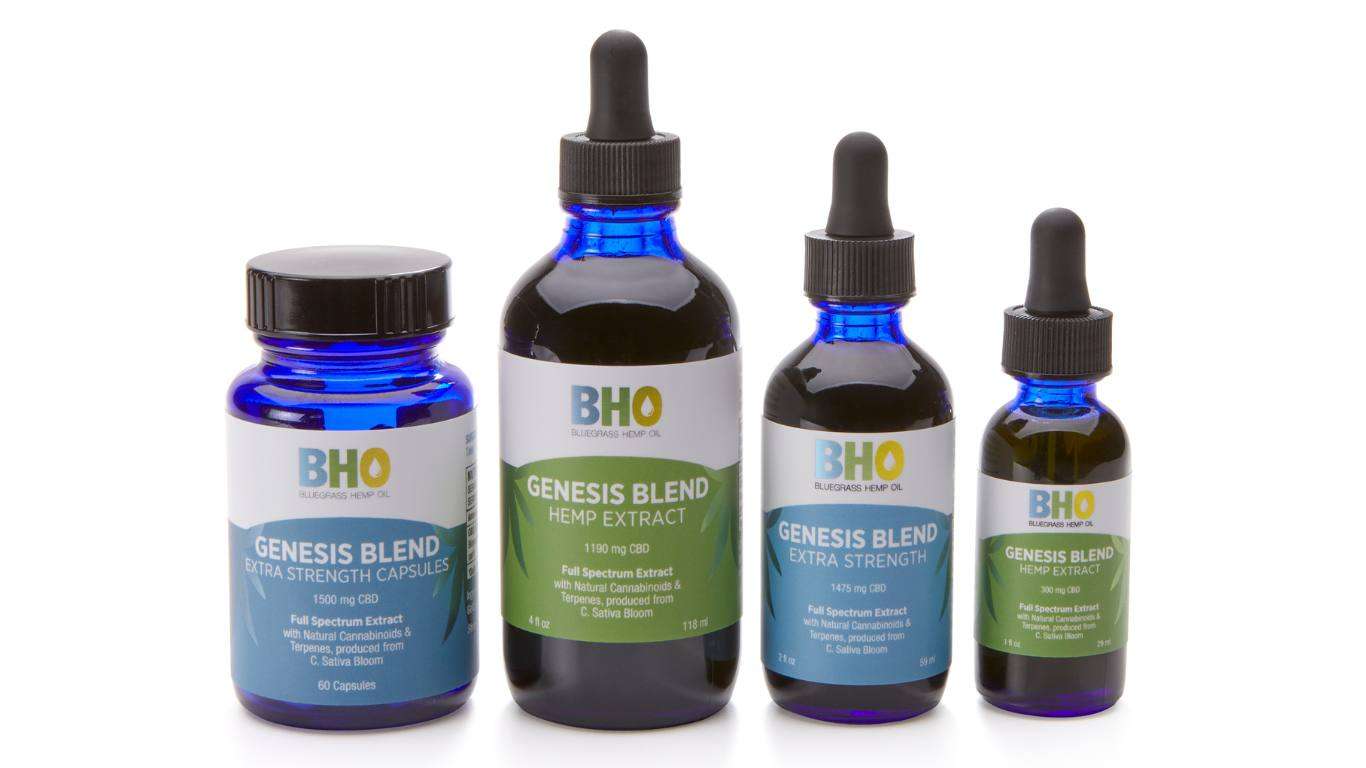
Four distinct CBD products from Bluegrass Hemp Oil displayed side by side: Genesis Blend Extra Strength Capsules, 4 oz Genesis Blend Full Spectrum CBD Oil, Genesis Blend Extra Strength Full Spectrum CBD Oil, and 1 oz Genesis Blend Hemp Extract CBD Oil.


Understanding Different Forms of CBD Oil

Understanding the different forms of CBD oil is important for choosing the right product to meet individual needs. Common forms include CBD tincture, CBD drops, and variations like Huile CBD and Aceite CBD, which cater to French and Spanish-speaking markets, respectively.

Each form offers unique advantages and methods of application, making it essential to comprehend their distinct characteristics and benefits.

CBD Tincture

When exploring the various forms of CBD oil, tinctures stand out due to their potency, ease of use, and rapid absorption. A CBD tincture is a liquid extract that combines CBD with a carrier oil, typically administered sublingually (under the tongue) for swift delivery into the bloodstream. This method is favored for its importance, allowing users to experience the benefits of CBD quickly.

Understanding how to use CBD tinctures effectively is vital for maximizing their potential benefits. To administer, one typically uses a dropper to place the desired dosage under the tongue, holding it there for about 60 seconds before swallowing. This process enhances absorption, ensuring that the CBD enters the bloodstream more directly compared to other methods.

The benefits of CBD tinctures are manifold, including relief from anxiety, pain, and inflammation, as well as improved sleep quality. The versatility of tinctures also allows for precise dosage control, which is particularly beneficial for individuals needing tailored CBD intake.

Proper CBD tincture dosage varies based on individual needs and conditions, highlighting the importance of starting with a low dose and gradually adjusting as needed.

CBD Drops

Building on the efficacy and ease of use offered by CBD tinctures, CBD drops emerge as another popular form of CBD oil, celebrated for their simplicity and versatility. These drops, known in various languages such as huile cbd and aceite cbd, provide users with a straightforward method to incorporate CBD into their daily routines.

There are 20 drops in a 1ml dropper. 20 drops or 1ml is the suggested starting serving size for Geneis Blend CBD Oil. 

Understanding how to use CBD oil in the form of drops can greatly enhance the user experience, making it accessible to a wider audience.

CBD drops offer several advantages:

  1. Precise Dosage Control: Users can easily adjust their CBD oil dosage drop by drop, ensuring they receive the exact amount needed for their individual needs.
  2. Versatile Application: CBD drops can be administered sublingually, added to beverages, or incorporated into food, offering flexibility in consumption methods.
  3. Rapid Absorption: When taken sublingually, CBD drops are absorbed quickly into the bloodstream, providing faster relief compared to other forms.
  4. Portability and Convenience: The compact nature of CBD drop bottles makes them easy to carry, allowing users to take their CBD on-the-go.

In essence, CBD drops are a reflection of the evolving landscape of CBD products, catering to those who prioritize both efficacy and ease of use in their wellness journey.

Discover the Benefits of Genesis Blend CBD Oil

Huile CBD (CBD Oil in French)

How does huile CBD, known as CBD oil in French, compare to other forms of CBD oil regarding composition and usage?

Huile CBD, like its counterparts around the world, is derived from the hemp plant and is celebrated for its potential health benefits. One key aspect that sets it apart is the local regulatory landscape, which influences the cbd oil labels and ingredients. In French-speaking regions, there's a strong emphasis on natural and organic products, ensuring that huile CBD often contains fewer additives and preservatives.

Understanding huile cbd benefits requires considering its cultural context. In France, holistic wellness and natural remedies are deeply valued, making huile CBD a popular choice for promoting overall wellness. It is commonly used to alleviate stress, improve sleep, and manage pain, aligning with the cultural preference for natural health solutions.

CBD oil for overall wellness is a guiding principle behind the usage of huile CBD. French consumers often seek products that are transparent in their sourcing and manufacturing processes. This transparency is reflected in detailed labeling, which helps consumers make informed decisions.

Aceite CBD (CBD Oil in Spanish)

Exploring aceite CBD, or CBD oil in Spanish, reveals a diverse landscape of applications and cultural significance in Spanish-speaking countries. The use of CBD oil has gained traction due to its myriad benefits, particularly in promoting skin health and overall well-being.

Understanding the different forms of CBD oil is essential for achieving best results and ensuring quality.

  1. Beneficios del aceite CBD: The benefits of CBD oil are extensive, ranging from pain relief to anxiety reduction. It is particularly renowned for its anti-inflammatory properties, making it an excellent choice for skincare routines.
  2. Aceite CBD para la salud de la piel: CBD oil is increasingly used for skin health due to its ability to soothe irritation, reduce acne, and enhance hydration. Its anti-inflammatory and antioxidant properties contribute to a radiant and healthy complexion.
  3. CBD de espectro completo: Full-spectrum CBD oil contains all the cannabinoids, terpenes, and other beneficial compounds found in the hemp plant. This form is preferred for its enhanced efficacy, often referred to as the 'entourage effect.'
  4. Guía de uso del aceite CBD: High-quality CBD oil, such as aceite CBD de alta calidad, should be used according to guidelines to ensure safety and effectiveness. Proper dosage and administration are key to reaping its full benefits.

Embracing aceite CBD can foster a sense of community and shared wellness in Spanish-speaking cultures.

Benefits of CBD Oil

CBD oil has garnered significant attention for its potential health benefits, including improved overall wellness, enhanced skin health, and support for heart health.

As research continues to expand, many are discovering the various ways in which CBD oil can contribute to a balanced and healthy lifestyle.

This section will explore these key benefits in greater detail, providing insights into how CBD oil may support your health and well-being.

Health and Wellness

The myriad health and wellness benefits of CBD oil have garnered significant attention in recent years, underscoring its potential as a natural remedy for various ailments. From alleviating chronic pain to promoting mental well-being, CBD oil has emerged as a versatile addition to holistic health practices.

  1. CBD Oil for Pain Relief: One of the most celebrated benefits of CBD oil is its ability to provide pain relief. Its interaction with the body's endocannabinoid system helps in modulating pain, making it a popular choice for those suffering from chronic conditions such as arthritis and multiple sclerosis.
  2. CBD Oil for Anxiety and Stress: The anxiolytic properties of CBD oil are well-documented. By influencing serotonin receptors in the brain, CBD oil can effectively reduce anxiety and stress levels, offering a natural alternative to pharmaceutical treatments.
  3. Anti-Inflammatory CBD Oil: Inflammation is a common underlying factor in many diseases. CBD's anti-inflammatory properties help in reducing inflammation, thereby aiding in the management of conditions like inflammatory bowel disease and autoimmune disorders.
  4. Neuroprotective CBD Oil: Emerging research suggests that CBD oil has neuroprotective benefits. It may support brain health and protect against neurodegenerative diseases such as Alzheimer's and Parkinson's, offering hope for improved cognitive function and longevity.

These benefits highlight CBD oil's promise as a multifaceted tool in promoting overall health and wellness.

Skin Health

In addition to its numerous internal health benefits, CBD oil also offers remarkable advantages for skin health, addressing conditions such as acne and eczema. Utilizing its anti-inflammatory and antibacterial properties, CBD oil can greatly reduce acne by inhibiting the overproduction of sebum and minimizing inflammation. This makes CBD oil for acne a popular choice among those seeking natural skincare solutions.

For individuals suffering from eczema, CBD oil has shown promise in alleviating the chronic itching and discomfort associated with this condition. The soothing properties of CBD oil for eczema can help calm irritated skin and reduce redness, providing much-needed relief.

CBD oil administration methods for skin health include topical applications such as CBD Calm Balm and CBD Relieving Salve. These products are designed to deliver CBD directly to affected areas, ensuring targeted relief and maximizing the therapeutic benefits.

While the focus here remains on skin health, it's worth noting that the holistic benefits of CBD oil extend beyond, contributing to overall well-being, including cardiovascular health. As the demand for natural remedies grows, the versatility and efficacy of CBD oil for skin health make it an invaluable addition to anyone's wellness routine.

Heart Health

Studies have increasingly highlighted the potential benefits of CBD oil for cardiovascular health, emphasizing its role in promoting heart wellness and preventing heart disease. Research on CBD oil indicates several mechanisms through which it may support heart function and mitigate risks associated with cardiovascular conditions.

  1. Anti-inflammatory Properties: Studies on CBD oil suggest it has significant anti-inflammatory effects, which can reduce inflammation in the arteries and veins, a critical factor in preventing heart disease.
  2. Reduction of Blood Pressure: CBD oil for heart health has been shown to lower blood pressure in stressful situations, contributing to the reduction of hypertension—a major risk factor for heart disease.
  3. Antioxidant Effects: Full-spectrum CBD oil contains a range of cannabinoids and terpenes that exhibit antioxidant properties, protecting the cardiovascular system from oxidative stress and damage.
  4. Improved Cholesterol Levels: Regular use of CBD oil may help balance cholesterol levels, enhancing overall heart health by reducing bad cholesterol (LDL) and increasing good cholesterol (HDL).

Overall Wellness

By harnessing its anti-inflammatory, antioxidant, and neuroprotective properties, CBD oil significantly contributes to overall wellness and general health. Numerous CBD oil testimonials highlight its efficacy in enhancing quality of life. For instance, many users report improved sleep patterns, showcasing the potential benefits of CBD oil for sleep. This natural remedy has been praised for its ability to alleviate insomnia and promote restful sleep, leading to better daily functioning and mental clarity.

The broad spectrum of CBD oil health benefits extends beyond sleep improvement. Users have shared experiences of reduced anxiety, improved mood, and enhanced cognitive function, underscoring the oil's role in fostering mental well-being. Importantly, safe CBD oil products, such as those rigorously tested by credible companies, guarantee consumers can enjoy these benefits without the risk of harmful side effects.

CBD oil user experiences also point to its effectiveness in pain management, offering a natural alternative to traditional pain relief methods. By incorporating CBD oil into their daily routine, many individuals have found a sense of belonging to a community that values natural health solutions. This shared journey towards better health underscores the meaningful impact of CBD oil on overall wellness.

The Benefits of CBD for Health

How to Choose the Right CBD Oil

When selecting the right CBD oil, it is essential to take into account quality indicators, sourcing, and sustainability. High-quality products are often verified through third-party testing and transparent labeling.

Additionally, understanding the sourcing practices, such as organic farming and ethical extraction methods, guarantees the CBD oil is both effective and environmentally responsible.

Quality Indicators

Selecting the right CBD oil involves understanding several key quality indicators, including the distinction between full-spectrum and isolate CBD, the importance of third-party testing, and the clarity of product labels and ingredients. These factors ensure that consumers are making informed decisions and selecting high-quality products that meet their needs.

  1. Full-Spectrum vs. Isolate: Full-spectrum CBD oil contains a range of cannabinoids and terpenes, including trace amounts of THC, which can enhance its efficacy through the entourage effect. In contrast, isolate CBD is pure CBD without other cannabinoids. Choosing between the two depends on personal preference and desired effects.
  2. Third-Party Testing: Reputable CBD brands conduct third-party testing to verify the purity, potency, and safety of their products. This independent testing provides consumers with confidence that the product is free from contaminants and accurately labeled.
  3. Certification: Look for products that have certifications from recognized bodies, indicating adherence to high standards of quality and safety. Certifications can also reflect a company's commitment to ethical practices.
  4. Labels and Ingredients: Transparent and detailed labeling is essential. Be certain that the product lists all ingredients, including the type of CBD used, additional cannabinoids, and any additives. This transparency helps consumers make informed choices and avoid unwanted substances.

Sourcing and Sustainability

Understanding the quality indicators of CBD oil is essential, but equally important is considering the sourcing and sustainability practices behind its production. Choosing sustainable CBD oil involves looking at how the hemp is cultivated and processed. Opt for brands like Bluegrass Hemp Oil and Kentucky Cannabis Company, which emphasize organic CBD oil and quality and sustainable farming practices. These companies ensure that their hemp is grown without pesticides and harmful chemicals, promoting environmental sustainability.

Ethical CBD oil production goes beyond just the farming techniques. It encompasses the entire process, including extraction and testing. Companies that use natural processing methods, such as hydrocarbon extraction, preserve the plant's natural compounds without introducing harmful chemicals. Additionally, third-party tested CBD oil guarantees purity, potency, and safety, fostering consumer trust and loyalty.

When selecting CBD oil, consider brands committed to ethical practices and environmental stewardship. Supporting companies that prioritize sustainable and transparent practices not only assures you of a high-quality product but also aligns you with a community dedicated to health and wellness. By making informed choices, you contribute to a more sustainable future while enjoying the benefits of premium CBD oil.

Using CBD Oil Effectively

To use CBD oil effectively, it is essential to understand proper dosage and administration methods tailored to individual needs. Equally important is being aware of potential side effects to guarantee safe and beneficial use.

This section will provide guidance on optimizing your CBD experience by addressing these key points.

Dosage and Administration

Administering CBD oil effectively involves understanding the recommended dosages for various conditions and the best methods of application, such as tinctures, drops, or topical solutions. When consulting a cbd oil usage guide, it's important to recognize that dosages can vary based on factors such as body weight, the severity of the condition, and individual tolerance levels.

To achieve the best results, consider the following methods of administration:

  1. Sublingual Tinctures: Place a few drops under the tongue and hold for 30-60 seconds. This method allows for quick absorption into the bloodstream.
  2. Topical Solutions: Apply directly to the skin to target localized pain or inflammation. This method is beneficial for conditions like arthritis or muscle soreness.
  3. Oral Capsules: These provide a pre-measured dose and are ideal for individuals seeking convenience and consistency.
  4. Vaping: Inhalation offers rapid delivery to the bloodstream and is suitable for acute symptoms requiring immediate relief.

When choosing CBD oil, it's important to start with a low dose and gradually increase until the desired effect is achieved, while being mindful of potential CBD oil side effects.

Proper dosage and administration are essential components in using the best CBD oil effectively, ensuring safety and efficacy.

Potential Side Effects

While proper dosage and administration are key to maximizing the benefits of CBD oil, it is equally important to be aware of the potential side effects associated with its use. Common side effects include dry mouth, dizziness, changes in appetite, and fatigue. These effects are generally mild but can be more pronounced depending on individual sensitivity and dosage.

One effective strategy for minimizing CBD oil side effects is to make sure you're using high-quality CBD oil. When buying CBD oil, look for products that have undergone rigorous third-party testing and carry CBD oil certification. These certifications guarantee that the product meets stringent quality and safety standards, reducing the likelihood of adverse reactions.

Consulting CBD oil product reviews can also provide valuable insights into the experiences of other users, helping you make an informed choice. Starting with a low dose and gradually increasing it allows the body to adjust, further minimizing potential side effects.

Conclusion

To sum up, CBD oil provides a variety of benefits, including pain relief and decreased anxiety, as well as better sleep and overall well-being. Its effectiveness is mainly due to the natural compounds preserved through thorough, clean extraction methods.

As consumer awareness increases, the need for premium, naturally-derived CBD products keeps growing, underscoring the importance of companies dedicated to these standards.

Summarizing the Benefits of CBD Oil

CBD oil offers a myriad of benefits, ranging from pain relief and anxiety reduction to improved sleep quality and anti-inflammatory effects. Understanding the differences between cbd isolate vs full-spectrum is vital when considering cbd oil recommendations.

Full-spectrum CBD products, for instance, retain a wide array of cannabinoids and terpenes, enhancing their overall efficacy. Conversely, CBD isolate contains pure cannabidiol, which may be preferable for those seeking to avoid THC.

When contemplating where to buy cbd oil, it is essential to select reputable sources that prioritize transparency and quality. Companies like Bluegrass Hemp Oil and Kentucky Cannabis Company, founded by Bill Polyniak, are exemplary in this regard, ensuring their products undergo rigorous third-party testing.

Here are four key benefits of CBD oil:

  1. Pain Relief: CBD oil is widely recognized for its analgesic properties, making it a go-to for chronic pain management.
  2. Anxiety Reduction: Many users report significant decreases in anxiety and stress levels with regular CBD oil use.
  3. Improved Sleep: CBD can enhance sleep quality by addressing underlying issues such as anxiety and chronic pain.
  4. Anti-inflammatory Effects: CBD's anti-inflammatory properties make it beneficial for conditions like arthritis and other inflammatory diseases.

Frequently Asked Questions


What Are the Side Effects of Using CBD Oil?

CBD oil is typically well-tolerated, but some users may experience side effects such as dry mouth, drowsiness, reduced appetite, and diarrhea.

Additionally, CBD can interact with certain medications, potentially altering their effectiveness.

It's important to consult with a healthcare provider before integrating CBD oil into your routine to make sure it aligns with your health needs and to mitigate any potential risks or adverse interactions.

Can CBD Oil Interact With Prescription Medications?
CBD and Children: Parent Safety Guide, Epidiolex, Labels & COAs

Parent Safety Guide

Quick Answer: What Should Parents Know About CBD and Children?

CBD and children requires extra caution. Parents should not treat over-the-counter CBD products as interchangeable with prescription Epidiolex. Epidiolex is an FDA-approved prescription cannabidiol medicine for specific seizure disorders in patients 1 year of age and older, while retail CBD products are not FDA-approved for pediatric treatment decisions.

Parents should speak with a licensed pediatrician, pediatric neurologist, or pharmacist before considering any CBD product for a child. This guide is educational and is designed to help parents prepare safer questions about labels, COAs, trace THC, side effects, medication interactions, and product quality.

Key takeaways

Key Takeaways

1

High-caution topic

CBD and children should start with pediatric-provider guidance, not product marketing.

2

Prescription vs retail

Parents should not treat over-the-counter CBD products as interchangeable with prescription Epidiolex.

3

FDA distinction

Epidiolex is a prescription cannabidiol medicine for specific seizure disorders. Retail CBD products are different.

4

Safety questions

CBD may raise questions about liver safety, medication interactions, drowsiness, GI effects, mood, and appetite.

5

Trace THC matters

Full-spectrum CBD may contain trace THC, so parents should review a current batch-specific COA.

6

Labels first

Parents should review ingredients, CBD amount, serving information, warnings, batch number, and expiration date.

7

COAs help verify

A COA helps compare label claims with lab-reported CBD, THC, batch, and testing information.

8

No pediatric treatment claims

This page does not claim retail CBD treats anxiety, autism, behavior issues, sleep, pain, inflammation, seizures, or any pediatric condition.

Entity summary

CBD and Children Terms to Know

Parents often encounter the same CBD terms in search results, product labels, articles, and lab reports. These definitions keep the page focused on education and safety instead of child-use promotion.

Entity Simple Explanation Why It Matters
CBD and children Parent safety topic involving pediatric-provider guidance High-caution YMYL topic
CBD for kids Common search phrase parents use Should be handled as education, not product promotion
Epidiolex FDA-approved prescription cannabidiol medicine for specific seizure disorders Not the same as retail CBD
Over-the-counter CBD Retail CBD product not approved to treat disease Should not be promoted for children
Full-spectrum CBD CBD plus other hemp compounds May contain trace THC
Trace THC Small THC amount possible in full-spectrum CBD Important child-safety concern
CBD label Product information panel Helps parents and providers review ingredients and CBD amount
COA Certificate of Analysis Helps verify CBD, THC, batch, and testing information
Medication interactions CBD may affect how some medications work Important provider discussion topic
Pediatric provider Licensed pediatrician, pediatric neurologist, or pharmacist Should guide any child-related CBD decision
Pediatric caution

CBD and Children: Why This Topic Requires Extra Caution

Why parents search

Parents may research CBD when they have questions about seizures, autism, anxiety, behavior, sleep, pain, inflammation, medication options, or product safety. This guide answers those questions carefully without claiming that over-the-counter CBD products treat pediatric conditions.

Parent safety note

This article is educational and is not medical advice. Parents should not delay medical evaluation, change medications, stop prescribed treatment, or use CBD products for a child based on marketing claims or online articles.

Prescription vs retail

Epidiolex vs Over-the-Counter CBD: Why the Difference Matters

The most important distinction for parents is that prescription Epidiolex and retail CBD products are not the same thing.

Topic Epidiolex Over-the-Counter CBD Products
Regulatory status FDA-approved prescription CBD drug for specific seizure disorders Not FDA-approved to diagnose, treat, cure, or prevent disease
Pediatric relevance Approved for certain seizure conditions in patients 1 year and older Not evaluated by FDA for general pediatric use
Medical supervision Used under licensed healthcare provider supervision Should not be used for children without pediatric provider guidance
Dosing Determined by prescription labeling and clinician oversight No FDA-evaluated OTC pediatric dosing
Quality control Prescription drug manufacturing standards Product quality, CBD amount, THC content, and contaminants can vary
Parent takeaway Medical product for specific diagnosed conditions Do not treat as equivalent to prescription CBD

For more background, compare Epidiolex vs retail CBD oil, review the CBD for epilepsy education guide, read the CBD for seizures education guide, and use the understanding seizures guide for families when preparing questions for a qualified clinician.

FDA approval

Is CBD FDA-Approved for Children?

Prescription Epidiolex

Prescription Epidiolex is FDA-approved for specific seizure disorders in patients 1 year of age and older. It is a prescription medicine used under clinician oversight.

Parent takeaway

“FDA-approved prescription CBD” and “retail CBD product” are not the same thing. Parents should avoid assuming that retail CBD oil, CBD gummies, or full-spectrum CBD products have the same safety, dosing, supervision, or quality controls as prescription CBD.

Search intent

Why Parents Research CBD for Kids

Most parents who search for CBD for kids are looking for clarity, not hype. A safety-first guide should help parents ask better questions without turning a child-related search into a product pitch.

Parent Concern Safe Page Response
Seizures Discuss prescription Epidiolex and pediatric neurology guidance
Anxiety Do not claim retail CBD treats anxiety in children
Autism Do not claim CBD treats autism or behavior concerns
Sleep Do not claim CBD treats sleep disorders
Pain Do not claim CBD treats pain or inflammation
Medication questions Ask a pediatrician, pediatric neurologist, or pharmacist
THC concerns Review full-spectrum status and COA
Product quality Review label, COA, batch, and ingredients
Provider conversation

What Parents Should Review Before Discussing CBD With a Provider

Parents should gather product details before asking a pediatric provider about CBD. The goal is not to self-dose a child. The goal is to have a safer, more informed conversation with a qualified professional.

What to Bring Why It Matters
Product label Lets the provider review ingredients and serving information
Ingredient list Helps identify allergens, sweeteners, oils, botanicals, or additives
CBD amount Helps clarify how much CBD the product claims to contain
THC information Important for safety and full-spectrum product review
COA Helps verify CBD, THC, batch, and testing information
Medication list Helps the provider check interaction risk
Child’s diagnosis/history Helps keep the discussion specific and medically appropriate
Reason you are researching CBD Helps avoid broad or unsupported use

When to contact a healthcare provider

Contact a pediatrician, pediatric neurologist, pharmacist, emergency department, or poison control resource if a child accidentally ingests CBD, THC, gummies, edibles, or an unknown hemp/cannabis product, or if a child has unusual sleepiness, vomiting, behavior changes, trouble walking, breathing difficulty, or other concerning symptoms.

Label literacy

CBD Labels: What Parents Should Check

A CBD label should make product review easier, not harder. Parents should use labels as a starting point for provider conversations, not as pediatric dosing guidance.

Label Item Why Parents Should Check It
Product type Oil, gummy, capsule, topical, or other format
CBD amount Helps verify the label claim
Serving information Helps provider understand proposed exposure
THC disclosure Important because full-spectrum products may contain trace THC
Ingredient list Helps identify allergens, sweeteners, or other additives
Warnings Important for safety review
Batch number Needed to match the product to its COA
Expiration date Helps assess product freshness
Company contact information Important if parents or providers have questions

For deeper label review, see how to read a CBD product label and the CBD oil guide for labels, THC, COAs, and safety questions.

COA verification

COAs and Lab Testing: How Parents Can Verify Product Information

A Certificate of Analysis helps compare the product label with lab-reported results. For parents, COAs matter because CBD amount, THC amount, batch information, and contaminant testing are important safety discussion points.

COA Item Why It Matters
Product name Confirms the report matches the product
Batch or lot number Confirms the report matches the package
Testing date Shows report freshness
Lab name Identifies who performed the testing
CBD amount Helps verify label claim
THC amount Important for full-spectrum and child-safety review
Minor cannabinoids Helps understand product profile
Heavy metals testing Important contaminant check
Pesticide testing Important contaminant check
Residual solvent testing Important production-quality check
Microbial testing Important product-safety check

Use CBD lab testing and Certificates of Analysis, review CBD Certificates of Analysis, and the CBD quality guide for transparent hemp products before discussing a product with a pediatric provider.

Trace THC

Full-Spectrum CBD, Trace THC, and Children

What full-spectrum means

Full-spectrum CBD products may contain CBD along with other hemp compounds and trace THC. Parents should not assume that “hemp-derived” means THC-free. THC information should be verified through a current, batch-specific COA before any provider conversation.

Related educational guides include what full-spectrum CBD means, hemp vs marijuana and THC differences, CBD, THC, drug testing, and COA questions, cannabinoids in hemp products explained, and terpenes in hemp products explained.

Trace THC safety box

Full-spectrum CBD may contain trace THC. Children should not be exposed to THC-containing products without medical supervision. Parents should store CBD, THC, cannabis, gummies, edibles, and supplements securely and out of reach.

Safety

CBD Safety: Liver, Medications, Drowsiness, Mood, Appetite, and GI Effects

CBD is not risk-free

Parents should discuss CBD with a licensed pediatrician, pediatric neurologist, or pharmacist before considering any product for a child. CBD may raise concerns about liver safety, medication interactions, drowsiness, diarrhea, appetite changes, mood changes, and product quality. Full-spectrum CBD may contain trace THC.

Safety Topic Why It Matters Safer Guidance
Medications CBD may interact with some medications Ask a pediatric provider or pharmacist
Liver concerns CBD can raise liver-safety questions Ask a healthcare provider before use
Drowsiness CBD may cause sleepiness or changes in alertness Do not assume it is harmless
GI effects Diarrhea or appetite changes may occur Discuss concerns with a provider
Mood changes Mood changes have been reported as a possible concern Monitor concerns and seek guidance
THC exposure Full-spectrum CBD may contain trace THC Review COA and avoid assumptions
Product quality Retail CBD quality can vary Review label, batch, and COA
Claim boundaries

What CBD Should Not Be Claimed to Treat in Children

Retail CBD child-use claim boundary

CBD oil, CBD gummies, full-spectrum CBD, hemp extract, cannabinoids, terpenes, Genesis Blend, and Bluegrass Hemp Oil products should not be described as diagnosing, treating, curing, preventing, reducing, relieving, or managing anxiety, autism, aggression, ADHD, sleep disorders, pain, inflammation, seizures, epilepsy, depression, behavioral disorders, developmental conditions, or any pediatric medical condition.

Important nuance: Prescription Epidiolex is different. It is an FDA-approved prescription cannabidiol medication for specific seizure disorders in patients 1 year of age and older. This page does not imply that retail CBD products are equivalent to Epidiolex.

Questions to ask

Questions to Ask a Pediatrician, Pediatric Neurologist, or Pharmacist

Use these questions to keep the conversation specific, documented, and safety-first.

  • Is this question appropriate for my child’s pediatrician or specialist?
  • Could CBD interact with my child’s current medications?
  • Are there liver-safety concerns for my child?
  • Is there any reason to avoid CBD based on my child’s diagnosis?
  • Is prescription Epidiolex relevant to my child’s condition?
  • Is over-the-counter CBD different from prescription CBD?
  • What product details should I bring for review?
  • How should I interpret the product’s COA?
  • Should full-spectrum products or trace THC be avoided?
  • What should I do if my child accidentally ingests CBD, THC, gummies, or edibles?
Product transparency

How Bluegrass Hemp Oil Supports CBD Education and Transparency

1

CBD education first

This page is educational and not a child-use product page. Medical questions about children belong with licensed pediatric healthcare providers.

2

Label literacy

Labels help parents and providers review CBD amount, ingredients, warnings, and serving information.

3

COA review

COAs help verify CBD amount, THC amount, batch information, and testing details.

4

Full-spectrum hemp education

Full-spectrum products may contain multiple hemp compounds and trace THC.

5

Safety boundaries

Bluegrass Hemp Oil should not position retail CBD products as treatments for pediatric conditions.

6

Customer support

Families can contact Bluegrass Hemp Oil with label or COA questions, but medical questions belong with licensed pediatric providers.

Helpful company resources include how Bluegrass Hemp Oil sources, formulates, tests, and supports CBD products, contact Bluegrass Hemp Oil for CBD label and COA questions, and review CBD Certificates of Analysis before discussing products with a provider.

Founder perspective

About Bill Polyniak and Bluegrass Hemp Oil

Bill Polyniak, founder of Bluegrass Hemp Oil and Kentucky Cannabis Company

Bill Polyniak, founder of Bluegrass Hemp Oil and Kentucky Cannabis Company has built his work around Kentucky hemp education, full-spectrum CBD product transparency, clear labeling, Certificates of Analysis, and helping families understand what questions to ask before choosing any hemp-derived product.

This CBD and children guide is written to help parents understand the difference between prescription Epidiolex and over-the-counter CBD products, review labels and COAs, identify THC and medication-interaction questions, and speak with qualified pediatric healthcare providers without relying on unsupported pediatric treatment claims.

Official sources

Official Safety and Regulatory References

FDA CBD consumer information

Use official FDA consumer information to understand CBD safety questions, the distinction between approved prescription CBD and retail products, and why children, medication use, pregnancy, and breastfeeding require extra caution.

FDA consumer update on cannabis and CBD products

Epidiolex prescribing information

Use the current prescribing information when discussing prescription Epidiolex with a qualified clinician. This page does not give pediatric dosing instructions.

FDA-approved Epidiolex prescribing information

Pregnancy and breastfeeding caution

Parents and caregivers who are pregnant or breastfeeding should review official safety guidance with a qualified healthcare professional.

FDA guidance on cannabis, CBD, pregnancy, and breastfeeding

Accidental ingestion and poisoning

Children can be harmed by accidental ingestion of cannabis or THC-containing products. Store CBD, THC, gummies, edibles, and supplements securely and out of reach.

CDC information on cannabis poisoning and children

FAQ

Frequently Asked Questions

Is CBD safe for kids?

CBD and children requires pediatric-provider guidance. Parents should not use over-the-counter CBD products for children without speaking with a licensed pediatrician, pediatric neurologist, or pharmacist.

What should parents know about CBD and children?

Parents should know that prescription Epidiolex and over-the-counter CBD products are different. Retail CBD products are not FDA-approved to diagnose, treat, cure, or prevent pediatric conditions.

Is CBD FDA-approved for children?

Prescription Epidiolex is FDA-approved for specific seizure disorders in patients 1 year of age and older. Over-the-counter CBD products are different and are not FDA-approved for pediatric treatment.

What is Epidiolex?

Epidiolex is a prescription cannabidiol medicine approved for specific seizure disorders. It is used under licensed healthcare-provider supervision and should not be treated as the same thing as retail CBD oil.

Is Epidiolex the same as over-the-counter CBD oil?

No. Epidiolex is a prescription drug with FDA-reviewed labeling, dosing, manufacturing standards, and clinician oversight. Over-the-counter CBD products vary by label, formulation, testing, and quality controls.

Can kids take CBD gummies?

Parents should not give a child CBD gummies or any retail CBD product without guidance from a licensed pediatric healthcare provider. Gummies and edibles also require secure storage because accidental ingestion can be serious.

Should I give my child CBD oil?

This is a medical-provider question. Bring the product label, ingredient list, COA, medication list, and the reason you are researching CBD to a licensed pediatrician, pediatric neurologist, or pharmacist.

Can CBD interact with my child’s medication?

CBD may interact with some medications. Parents should ask a pediatric provider or pharmacist to review possible interaction concerns before considering any CBD-related decision for a child.

Can CBD affect the liver?

CBD can raise liver-safety questions, especially when medications or medical conditions are involved. Parents should discuss liver-related concerns with a licensed healthcare provider.

Does full-spectrum CBD contain THC?

Full-spectrum CBD may contain trace THC. Parents should not assume that hemp-derived means THC-free and should review a current batch-specific COA.

Can CBD products contain more THC than the label says?

Product quality can vary in the retail CBD market. A current batch-specific COA helps compare label claims with lab-reported CBD and THC results.

What should parents check on a CBD product label?

Parents should check product type, CBD amount, serving information, THC disclosure, ingredients, warnings, batch number, expiration date, and company contact information.

What is a CBD Certificate of Analysis?

A CBD Certificate of Analysis, or COA, is a lab report that helps verify CBD amount, THC amount, batch information, and testing details when available.

What should I bring to my child’s doctor before discussing CBD?

Bring the product label, ingredient list, current COA, medication list, medical history details, and the specific reason you are researching CBD.

Does CBD treat anxiety, autism, behavior issues, sleep problems, pain, inflammation, or seizures in children?

This page does not claim retail CBD products diagnose, treat, cure, prevent, reduce, relieve, or manage any pediatric condition. Prescription Epidiolex is different and should be discussed with a qualified clinician when relevant.

How does Bluegrass Hemp Oil support CBD education and transparency?

Bluegrass Hemp Oil supports CBD education through label literacy, COA review, full-spectrum hemp education, product transparency, and clear safety boundaries. Medical questions about children should be directed to licensed pediatric healthcare providers.

Final takeaway

Final Takeaway

CBD and children should be approached with caution

CBD and children should be approached with pediatric-provider guidance and a clear understanding of the difference between prescription Epidiolex and over-the-counter CBD products. Parents should review labels, COAs, THC information, ingredients, medication interactions, liver-safety concerns, and provider questions before considering any CBD-related decision for a child.

Retail CBD products should not be promoted as treating anxiety, autism, sleep issues, behavior concerns, pain, seizures, or any pediatric condition.


Comprehensive Guide to CBD Lip Balm

Comprehensive Guide to CBD Lip Balm

Comprehensive Guide to CBD Lip Balm

CBD lip balm combines the moisturizing properties of traditional lip care with the therapeutic benefits of cannabidiol. This fusion provides hydration, reduces inflammation, and accelerates healing for irritated lips. Opting for high-quality ingredients, full-spectrum CBD, and reputable brands guarantees excellent results. Additionally, organic and safe extraction methods are essential for maintaining purity and efficacy. Ideal for chronic conditions like eczema, CBD lip balm also offers antioxidant protection against environmental damage. Dive deeper to explore how to choose the best product, understand safety considerations, and harness the full potential of CBD lip balm for thorough lip care.

Introduction to CBD Lip Balm

CBD lip balm represents a fusion of cannabidiol's therapeutic benefits with the traditional moisturizing properties of lip care products. As interest in CBD-infused products grows, CBD lip balm has emerged as a unique solution in the skincare community. By combining the hydrating qualities of conventional lip balms with the wellness attributes of cannabidiol, it offers an enhanced lip care experience.

What does CBD lip balm do that sets it apart from regular lip balms? This product leverages the natural properties of CBD to soothe, moisturize, and protect the lips. The best CBD lip balm formulations incorporate full-spectrum CBD, which includes essential cannabinoids and terpenes, enhancing its efficacy. The result is a balm that not only hydrates but also provides anti-inflammatory effects, making it ideal for chapped or irritated lips.

The CBD lip balm effects extend beyond mere hydration. It aids in the regeneration of damaged lip tissue and offers antioxidant protection, shielding the lips from environmental stressors.

Understanding the specific cbd lip balm benefits highlights its value in any all-encompassing skincare routine. This innovative blend of traditional and modern wellness practices ensures that users feel a sense of inclusion in a community dedicated to holistic well-being.

Soothe Your Skin with CBD Calming Balm

Benefits and Uses of CBD Lip Balm

Utilizing CBD lip balm offers numerous benefits that make it an essential part of a holistic skincare routine. This versatile product, particularly the best full spectrum CBD lip balms, combines the moisturizing qualities of traditional lip balm with the therapeutic effects of CBD oil.

Here are some key advantages and uses:

  1. Hydration and Moisture: Lip balm with CBD oil excels in keeping lips hydrated and moisturized, tackling dryness and chapping effectively.
  2. Soothing Irritation: The anti-inflammatory properties of CBD make it ideal for soothing irritated lips, reducing redness and swelling.
  3. Healing Cold Sores: Using a CBD lip balm for cold sores can accelerate the healing process and alleviate discomfort, thanks to CBD's regenerative properties.
  4. Antioxidant Protection: Rich in antioxidants, CBD lip balm helps shield the lips from environmental damage and free radicals.

Incorporating the best CBD lip balms into your daily routine ensures your lips receive thorough care. Whether addressing cold sores or simply maintaining lip health, the benefits of this multifaceted product are numerous.

Embrace the efficacy and holistic benefits of CBD lip balm to achieve soft, nourished lips that contribute to your overall well-being.


Two CBD lip balms: one Bluegrass Hemp Oil CBD Lip Balm from Bluegrass Hemp Oil and one Vanilla CBD Lip Balm.


Choosing the Best CBD Lip Balm

Selecting the ideal CBD lip balm involves considering several critical factors, including ingredient quality, extraction methods, and brand reputation. When evaluating various products, it's important to understand what does CBD lip balm do anything for your lips.

The benefits of CBD lip balm include hydration, soothing properties, and antioxidant protection, making it a valuable addition to your skincare regimen.

Ingredient quality is paramount; opt for lip balm with CBD that contains natural, organic ingredients and avoids synthetic additives. The best CBD oil lip balm will utilize full-spectrum CBD to ensure maximum efficacy.

Extraction methods also play a pivotal role. Brands like Bluegrass Hemp Oil, known for their hydrocarbon extraction techniques, preserve essential cannabinoids and terpenes, enhancing the balm's therapeutic properties.

Brand reputation cannot be overlooked. Companies like Kentucky Cannabis Company, which prioritize consumer well-being and maintain stringent quality control, are trusted choices. When searching for 'CBD lip balm near me,' make sure the brand is transparent about its sourcing and manufacturing processes.

high-quality CBD balm from Bluegrass Hemp Oil

Safety and Considerations

Securing the safety of CBD lip balm involves grasping the sourcing, extraction methods, and ingredient transparency provided by reputable brands. Trusted companies like Bluegrass Hemp Oil and Kentucky Cannabis Company are exemplary for their rigorous quality control and commitment to consumer safety when producing lip balm. These brands utilize full-spectrum CBD, ensuring that their lip balm contains a wide range of cannabinoids and terpenes without harmful additives.

When contemplating if CBD infused lip balm is safe, it is essential to look for products that adhere to thorough standards. Here are four critical factors to ponder:

  1. Sourcing: Confirm the hemp used is organically grown without pesticides or harmful chemicals.
  2. Extraction Methods: Prefer products using safe extraction methods like hydrocarbon extraction to preserve the beneficial compounds.
  3. Third-Party Testing: Look for third-party lab results that confirm the product's purity, potency, and safety.
  4. Ingredient Transparency: Choose brands that disclose all ingredients, ensuring there are no synthetic additives or harmful substances.

Learn More About CBD Gummies for Kids at Bluegrass Hemp Oil

Specialized Uses

CBD lip balm offers versatile uses that extend beyond basic lip care, making it a versatile addition to your skincare regimen. The unique formulation of CBD oil lip balm not only provides exceptional hydration but also delivers targeted benefits tailored to specific needs.

For individuals who struggle with chronic lip conditions such as eczema or psoriasis, the anti-inflammatory properties of CBD can offer significant relief, reducing redness and irritation.

Another specialized use of balm CBD lip products is their application in stress relief and relaxation. The best full spectrum hemp lip balm harnesses the synergistic effect of cannabinoids and terpenes, promoting a sense of calm when applied to the lips. This can be particularly beneficial for those seeking a natural way to manage stress throughout the day.

Moreover, CBD lip balm for sale often includes additional natural ingredients like essential oils and vitamins, which enhance its healing properties. For athletes or individuals exposed to harsh environmental conditions, this makes it an ideal option for repairing and protecting lips from damage.

Soothe Your Skin with Full-Spectrum CBD Balm

Understanding why CBD lip balm is a superior choice involves recognizing these multifaceted benefits, which collectively contribute to versatile lip and overall skin wellness.

Discover the source of premium Full Spectrum CBD by visiting Kentucky Cannabis Company, the proud parent company of Bluegrass Hemp Oil

CBD Capsules for Pain Relief, Anxiety, and Sleep

Finding and Purchasing CBD Lip Balm

For those looking to incorporate the versatile benefits of CBD lip balm into their daily routine, finding and purchasing high-quality products is a key step. Making sure you select the best CBD lip balm involves understanding where to buy these products and what to look for in terms of quality and safety.

Here are essential steps to guide you:

  1. Research Reputable Brands: Begin by identifying well-established brands like Bluegrass Hemp Oil and Kentucky Cannabis Company, known for their commitment to quality and stringent production standards. Their full-spectrum CBD products are highly regarded for their efficacy and safety.
  2. Examine Product Labels: Look for detailed information on the product labels, including the type of CBD used (full-spectrum, broad-spectrum, or isolate), the concentration of CBD, and a list of all ingredients. This ensures transparency and helps you avoid any harmful additives.
  3. Read Customer Reviews: Customer feedback can provide insight into the product's effectiveness and quality. Look for reviews on the brand's website or third-party review platforms to gauge overall customer satisfaction.
  4. Verify Lab Testing: Make sure the CBD lip balm has undergone third-party lab testing, which verifies the product's potency, purity, and safety. Availability of lab reports is a hallmark of a trustworthy brand.

Discover the source of premium Full Spectrum CBD by visiting Kentucky Cannabis Company, the proud parent company of Bluegrass Hemp Oil.

Frequently Asked Questions

Can CBD Lip Balm Cause Any Allergic Reactions?

Yes, CBD lip balm can potentially cause allergic reactions in some individuals. Though rare, reactions may arise from CBD itself or other ingredients in the balm, such as essential oils or preservatives.

It is advisable to patch-test the product on a small skin area before full application and to consult a healthcare professional if you have known sensitivities. Trusting reputable brands can also minimize the risk of adverse reactions.

How Often Should I Apply CBD Lip Balm?

'A stitch in time saves nine.'

Regular application of CBD lip balm can prevent dryness and promote peak lip health. For best results, it is recommended to apply CBD lip balm 2-3 times daily, especially in the morning, after meals, and before bed.

This routine will keep your lips moisturized and protected, fostering a sense of well-being and belonging in a community that values holistic skincare solutions.

Is CBD Lip Balm Safe for Children?

CBD lip balm is generally considered safe for children, but it is important to consult with a healthcare professional before use.

Given the delicate nature of children's skin, selecting high-quality products from reputable brands, such as Bluegrass Hemp Oil or Kentucky Cannabis Company, guarantees adherence to safety standards.

These companies prioritize consumer well-being and avoid harmful chemicals, making their products a reliable choice for all ages.

Learn More About CBD Gummies for Kids at Bluegrass Hemp Oil

How Should I Store CBD Lip Balm?

To guarantee the longevity and efficacy of your CBD lip balm, store it in a cool, dry place away from direct sunlight and extreme temperatures.

Avoid leaving it in hot environments such as cars, as heat can degrade the product's quality.

Can I Use CBD Lip Balm Under Lipstick?

Yes, you can use CBD lip balm under lipstick. Applying CBD lip balm as a base will not only provide hydration and a smooth surface but also offer soothing and healing benefits throughout the day.

It guarantees your lips remain moisturized and protected, enhancing the longevity and appearance of your lipstick. This practice seamlessly integrates the benefits of CBD into your beauty regimen, fostering a sense of well-being and community among skincare enthusiasts.

Conclusion

In summary, CBD lip balm offers multifaceted benefits, from hydrating chapped lips to providing soothing and protective effects.

According to recent market research, the global CBD skincare market, including lip balms, is projected to reach $1.7 billion by 2025, reflecting its growing acceptance and demand.

Selecting high-quality products from reputable sources, such as Bluegrass Hemp Oil and Kentucky Cannabis Company, is essential for ensuring safety and efficacy in lip care regimens.