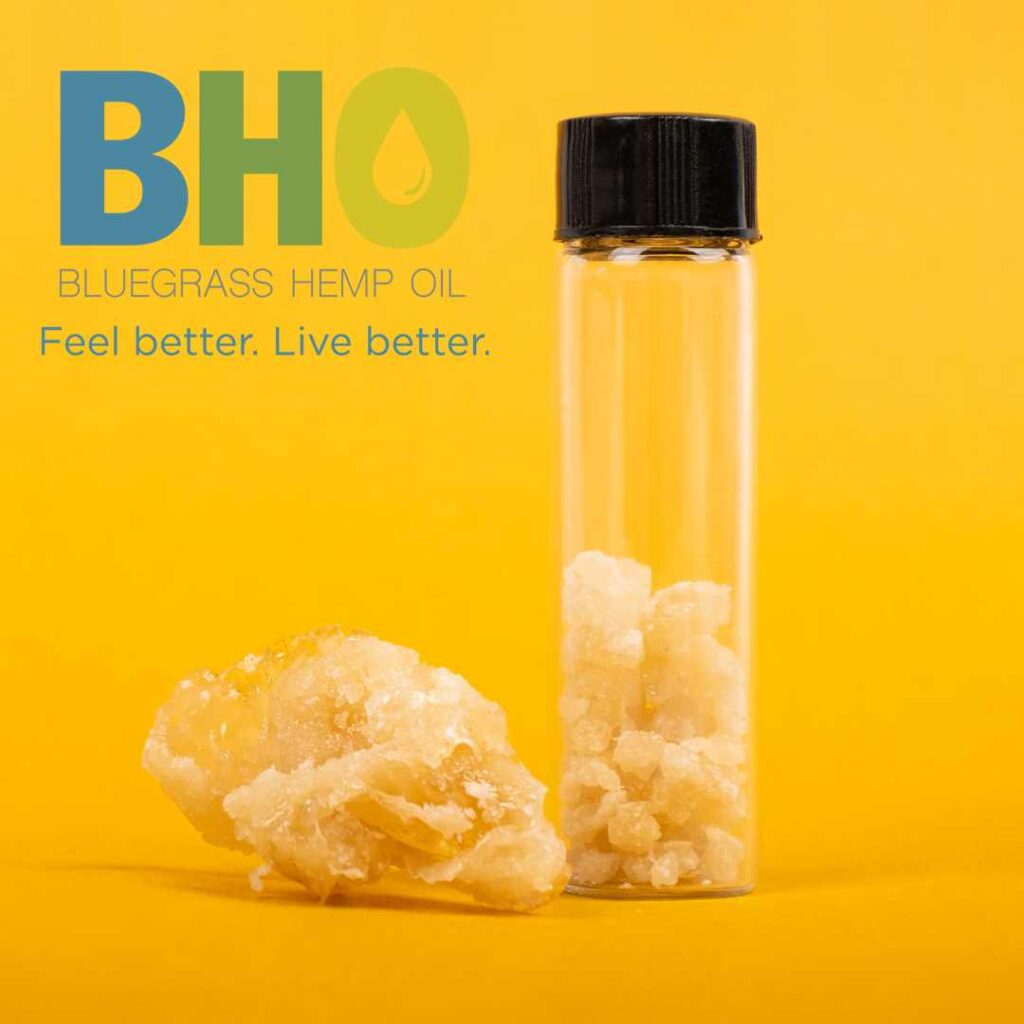
Sample Flavored CBD Extracts from Bluegrass Hemp Oil

Sample Flavored CBD Extracts from Bluegrass Hemp Oil

Flavored CBD Oil: Enjoy the Benefits With a Taste You Love

If you're looking for a way to enjoy the benefits of CBD without the strong taste of hemp, flavored CBD oil could be the solution you need. With options like Bubblegum and Vanilla Wafer, it's easier than ever to incorporate CBD into your daily routine. But what makes flavored CBD oil so appealing? Let's explore the various flavors and their advantages, helping you find the perfect fit for your wellness journey.

Discover Flavored CBD Oil – A Tasty Way to Wellness

Flavored CBD oil has quickly become a popular choice for those seeking wellness in a delicious form.

You're not alone in wanting to enjoy the health benefits of CBD without the earthy taste of unflavored options. Flavored CBD oils cater to various taste preferences, making it easier for everyone to find a flavor they love.

Whether you prefer fruity, dessert-like, or even coffee flavors, there's something for you. This tasty approach encourages both kids and adults to incorporate CBD into their routines without hesitation.

By choosing flavored options, you can experience the full-spectrum benefits of CBD while savoring each drop. Additionally, it's important to consider the quality and purity
of flavored CBD oils, as third-party lab testing ensures safety and effectiveness.

Bluegrass Hemp Oil's Genesis Blend – Now Available in 4 Flavors

If you're looking for a way to enjoy the benefits of full-spectrum CBD without the strong taste of hemp, Bluegrass Hemp Oil's Genesis Blend now comes in four delicious flavors.

These flavored options cater to different taste preferences, making it easier for everyone—kids and adults alike—to embrace CBD.

Choose from Bubblegum for a nostalgic treat, Vanilla Wafer for a creamy delight, Black Cherry for a fruity twist, or Coffee for a bold energy boost.

Each flavor maintains the integrity of the full-spectrum formula, ensuring you get all the benefits without compromising on taste.

Flavors That Make CBD Enjoyable for Everyone

When it comes to enjoying CBD, flavor can make all the difference.

Bluegrass Hemp Oil offers a range of options like Bubblegum, Vanilla Wafer, Black Cherry, and Coffee, ensuring there's something for everyone.

These enticing flavors transform your CBD experience, making it not only effective but also truly enjoyable.

Bubblegum CBD Oil

Bubblegum CBD Oil brings a playful twist to your wellness routine, making it an ideal choice for kids and those who enjoy a sweet, candy-like flavor.

This delightful option not only satisfies your taste buds but also offers bubblegum benefits, including relaxation and stress relief.

You'll find it easier to introduce CBD into your family's routine without any fuss. Plus, it opens the door to fun bubblegum recipes!

Imagine mixing it into smoothies or yogurt for a tasty treat that everyone can enjoy. With Bubblegum CBD Oil, you're not just choosing a product; you're embracing a sense of belonging in a community that values enjoyment and well-being. Additionally, the better absorption
of CBD edibles compared to tinctures enhances the overall effectiveness of your wellness journey.

Vanilla Wafer CBD Oil

Indulging in Vanilla Wafer CBD Oil is like treating yourself to a comforting dessert that enhances your wellness routine. This smooth, creamy option offers a delightful escape, combining the delicious flavor of vanilla with the numerous vanilla benefits, such as reduced stress and improved mood.

You'll love how the familiar taste transforms your CBD experience, making it enjoyable for everyone, including those new to CBD. Its rich flavor profiles can easily complement your daily rituals, allowing you to feel a sense of belonging in the world of wellness. Additionally, the quality of the product is essential, as third-party lab testing
ensures its purity and potency, contributing to a safer user experience.

Black Cherry CBD Oil

Black Cherry CBD Oil brings a burst of rich, fruity flavor that perfectly complements the natural taste of hemp. This delightful option not only makes your CBD experience enjoyable but also offers black cherry benefits, like antioxidants and anti-inflammatory properties. Additionally, CBD tinctures
may provide a range of health benefits, including potential pain relief and alleviation of anxiety.

You might find it an ideal choice if you're looking to enhance your wellness routine while indulging your taste buds.

Feeling adventurous? Try incorporating Black Cherry CBD Oil into your favorite black cherry recipes, like smoothies or desserts, for an extra kick of flavor and health.

Whether you're new to CBD or a seasoned user, this flavor adds a sense of community and enjoyment, making it easier for everyone to embrace the wellness journey together.

Coffee CBD Oil

For coffee enthusiasts, Coffee CBD Oil offers a robust and aromatic way to incorporate the wellness benefits of CBD into your daily routine.

Imagine starting your day with a coffee infusion that delivers not just caffeine, but also the calming effects of CBD. This delightful blend creates a unique caffeine synergy, enhancing your focus while promoting relaxation.

Whether you're enjoying it in the morning or as an afternoon pick-me-up, Coffee CBD Oil makes your CBD experience enjoyable and satisfying.

It's perfect for those who appreciate the rich flavor of coffee and want to feel good about their choices.

Join the community of coffee lovers discovering a new way to elevate their day with this flavorful CBD option!

Why Choose Flavored CBD Oil?

If you find the natural taste of hemp unappealing, flavored CBD oil might be the perfect solution for you.

These flavored options make it easier to incorporate CBD into your daily routine, especially for kids and first-time users. You won't have to worry about the earthy taste of hemp, as these delicious flavors cater to a variety of taste preferences.

Whether you enjoy fruity, sweet, or creamy flavors, there's something for everyone to love. Plus, you'll still receive all the benefits of the original Genesis Blend Full-Spectrum CBD Oil, ensuring that you're getting effective relief without compromising on enjoyment.

Discover a delightful array of fruity, sweet, and creamy flavors that enhance your wellness while delivering the full benefits of CBD.

Embrace a tastier way to enhance your wellness journey with flavored CBD oil.

How to Use Flavored CBD Oil for Maximum Benefits

Flavored CBD oil offers a delightful way to enjoy the benefits of full-spectrum CBD, but using it effectively can enhance your experience even further.

Start by following dosage guidelines to find what works best for you; begin with a low dose and gradually increase until you feel the desired effects.

You can take flavored CBD oil sublingually for quick absorption—just place it under your tongue for 30-60 seconds before swallowing. Alternatively, mix it into your favorite beverages or foods for a tasty twist.

Remember to listen to your body, and don't hesitate to adjust your consumption methods as needed. By tuning into your preferences, you'll enjoy the full benefits of flavored CBD oil while feeling connected and supported in your wellness journey.

What Makes Bluegrass Hemp Oil's Flavored CBD Stand Out?

When you choose Bluegrass Hemp Oil's flavored CBD, you're not just picking a product; you're opting for a carefully crafted experience that prioritizes quality and integrity.

Their flavored CBD stands out because it's made from premium Kentucky-grown hemp, ensuring you receive the full advantages of hemp oil. The full-spectrum formulation amplifies the flavored CBD benefits, allowing you to enjoy the entourage effect without compromising on taste.

Plus, with no artificial additives, you're getting only natural flavors that enhance your experience.

Whether you're new to CBD or looking for a family-friendly option, Bluegrass Hemp Oil's commitment to purity and flavor makes it a perfect choice for everyone seeking wellness in a delicious way.

Where to Buy the Best Flavored CBD Oil?

Finding the best flavored CBD oil is straightforward, especially with Bluegrass Hemp Oil's offerings. You can explore their selection online or visit one of their retail locations.

Buying directly from Bluegrass guarantees you get the highest quality, full-spectrum products that cater to your CBD taste preferences. Their flavored oils provide all the flavored oil benefits without compromising on quality—perfect for both newcomers and seasoned users.

You'll find delightful options like Bubblegum and Black Cherry, making your CBD experience enjoyable and effective. Plus, supporting a trusted brand means you're part of a community that values transparency and quality.

Frequently Asked Questions

Is Flavored CBD Oil Suitable for Pets?

Flavored CBD oil can be suitable for pets, but it's important to take into account flavor safety and your pet's preferences.

Many pets enjoy flavors like chicken or beef, which can make administering CBD easier. However, always choose products specifically formulated for pets, as human flavors might contain harmful ingredients.

Before introducing flavored CBD to your furry friend, consult your veterinarian to verify it's safe and appropriate for their needs and health.

Can Flavored CBD Oil Cause Allergic Reactions?

Flavored CBD oil can cause allergic reactions in some individuals, especially if you have ingredient sensitivities.

You might experience allergy symptoms like itching, hives, or digestive discomfort.

It's crucial to check the ingredients before trying any flavored CBD product, as certain flavors or additives could trigger a reaction.

If you're unsure, consider starting with a small amount or consult a healthcare professional to guarantee you're making a safe choice for your wellness journey.

How Long Does Flavored CBD Oil Take to Work?

When you ask, "How long does flavored CBD oil take to work?" you'll find the answer varies based on dosage recommendations and individual metabolism.

Generally, you can expect onset time to be about 30 minutes to 2 hours.

Starting with a lower dose allows you to gauge your body's response, helping you feel more comfortable and connected in your CBD journey.

Are There Any Side Effects of Flavored CBD Oil?

When considering flavored CBD oil side effects, you should know they can vary from person to person.

Some might experience mild issues like fatigue or changes in appetite, especially if you're new to CBD.

It's important to start with a low flavored CBD oil dosage to see how your body reacts.

Always consult a healthcare professional if you're unsure, and remember that everyone's experience with CBD can be different, so it's okay to take it slow.

Can I Mix Flavored CBD Oil With Food or Drinks?

Absolutely, you can mix flavored CBD oil with food or drinks!

It opens up a world of combination recipes, from smoothies to baked goods, making your CBD experience more enjoyable.

Just remember to follow dosage guidelines to guarantee you're getting the right amount for your needs.

Conclusion

In a world where wellness meets flavor, flavored CBD oil is your golden ticket to a happier, healthier you! Imagine savoring a luscious bubblegum explosion or sipping a rich coffee brew while reaping the benefits of CBD—it's like a party for your taste buds and your body! With each delightful drop, you're not just enhancing your routine; you're transforming it into a sensational experience. So go ahead, elevate your wellness journey with flavors that'll make you dance with joy!
Delta-8 THC Dangers: What Consumers Should Know

Consumer safety guide

Delta-8 THC Dangers: What Consumers Should Know

Delta-8 THC is an intoxicating cannabinoid often sold in gummies, vapes, edibles, oils, and other hemp-labeled products. This guide explains why “hemp-derived” does not automatically mean non-intoxicating, risk-free, or properly tested.

Educational content only. This article is not medical, legal, or poison-control advice.

Quick answer

What is Delta-8 THC, and why can it be dangerous?

Delta-8 THC is a psychoactive cannabinoid that can cause intoxication. Many Delta-8 products are sold as hemp products, which can confuse consumers who expect hemp to mean non-intoxicating. The main concerns include impairment, inconsistent potency, chemical-conversion byproducts, mislabeled products, child-appealing edibles, pet exposure, drug testing risk, and medication-safety questions.

For safer comparison shopping, review how to read a CBD product label, Bluegrass Hemp Oil Certificates of Analysis, and CBD lab testing and Certificates of Analysis.

Key takeaways

Delta-8 THC Safety Points for Shoppers

  • Delta-8 THC can cause a high and impair judgment, coordination, and reaction time.
  • Products labeled as hemp may still contain intoxicating THC.
  • Delta-8 THC is often made by chemically converting CBD or other cannabinoids.
  • Packaging can look like candy, cereal, cookies, or snacks, which increases child-exposure risk.
  • Pets can be harmed by accidental THC exposure.
  • Delta-8 THC may affect drug testing because many tests look for THC metabolites.
  • Medication, alcohol, sedatives, and other cannabis products can raise safety concerns.
  • If a label or COA is unclear, avoid the product.
Plain-English summary

Delta-8 THC Entity Summary for Consumers and AI Answers

EntitySimple explanationWhat shoppers should check
Delta-8 THCAn intoxicating cannabinoid often sold in hemp-labeled products.THC amount, serving size, impairment warning, COA, and state rules.
CBDA cannabinoid that is not typically intoxicating by itself.Product label, THC content, COA, medication cautions, and company transparency.
Chemical conversionA process used to change CBD or other cannabinoids into Delta-8 THC.Residual solvents, byproducts, heavy metals, pesticides, and lab-testing scope.
Certificate of AnalysisA lab report for a product batch.Batch match, cannabinoid levels, THC, contaminants, lab name, and testing date.
Child-appealing edibleA THC product that looks like candy, cookies, cereal, or snacks.Avoid these products and store all cannabinoids away from children and pets.
CBD vs THC

Delta-8 THC Is Not the Same as CBD

CBD and Delta-8 THC are both cannabinoids, but they are not the same. CBD alone is not typically intoxicating. Delta-8 THC is psychoactive and can cause a high.

Do not assume a product is non-intoxicating just because it says “hemp.” Learn the difference between CBD and THC, full-spectrum CBD, hemp and marijuana, and cannabinoids in hemp products.

Voice-search answer

Can Delta-8 THC get you high? Yes. Delta-8 THC can cause intoxication and may impair judgment, coordination, reaction time, and decision-making.

Is Delta-8 THC a CBD product? No. Delta-8 THC is not the same as CBD, even when it is sold in a hemp marketplace.

Risk review

Why Delta-8 THC Can Be Dangerous

Delta-8 THC risks are not limited to feeling “too high.” Problems can include impairment, mislabeled hemp products, inconsistent potency, unknown byproducts from chemical conversion, drug testing risk, medication-safety questions, and accidental exposure to children or pets.

Intoxication and impairment

Delta-8 THC can impair driving, work, reaction time, coordination, and decision-making.

Mislabeled hemp products

Some products may be marketed as hemp even though they contain intoxicating THC.

Contamination concerns

Chemical conversion can leave unwanted byproducts, solvents, heavy metals, or other contaminants.

Children and pets

Edibles may resemble candy, cookies, cereal, or snacks and can create accidental-ingestion risks.

Unwanted effects

Adverse effects may include vomiting, dizziness, confusion, hallucinations, tremor, sedation, or loss of consciousness.

Higher-risk situations

Children, pets, older adults, pregnant or nursing people, and people taking medication may face higher risks.

Safety rule

Do not use Delta-8 THC before driving, working in a safety-sensitive role, operating machinery, caring for children, or making important decisions.

Comparison guide

Delta-8 THC vs CBD: What Is the Difference?

TopicCBDDelta-8 THC
IntoxicationCBD alone is not typically intoxicating.Delta-8 THC is psychoactive and intoxicating.
Consumer confusionOften associated with non-intoxicating hemp products.May be labeled as hemp but can still cause a high.
Main safety concernsMedication interactions, liver-safety questions, THC content, and product quality.Intoxication, impairment, conversion byproducts, labeling problems, accidental ingestion, and drug testing risk.
Children and petsKeep supplements away from children and pets.Especially concerning when gummies or edibles resemble candy or snacks.
Label reviewReview COAs, THC content, serving information, and ingredients.Avoid unclear, candy-like, poorly tested, or intoxicating products.
Manufacturing concern

The Synthetic Conversion Problem

Delta-8 THC naturally occurs in very small amounts. Many commercial Delta-8 THC products are made by chemically converting CBD or other cannabinoids into Delta-8 THC. This process can involve solvents, acids, catalysts, or other chemicals.

Why contamination is hard to see

Consumers may not be able to tell from packaging whether a product contains unwanted byproducts, excessive THC, residual solvents, heavy metals, or other contaminants.

Why testing still matters

Lab testing matters, but not all testing is equally complete. Review CBD lab testing, Certificates of Analysis, the CBD quality guide, and Bluegrass Hemp Oil quality standards.

Side effects

Side Effects and Adverse Events Reported With Delta-8 THC

Delta-8 THC can cause unwanted effects, especially when a person takes more than expected, uses an edible product, combines it with alcohol or medication, or does not realize the product contains intoxicating THC.

Watch forHallucinations
Watch forVomiting
Watch forTremor
Watch forAnxiety or panic
Watch forDizziness
Watch forConfusion
Watch forLoss of consciousness
Watch forIncreased heart rate
Watch forSedation
Watch forImpaired judgment
Watch forUnexpected intoxication
Watch forEmergency medical visits
Label and COA check

How to Review Hemp Product Labels Before Buying

Label checklist

  • Is Delta-8 THC listed?
  • Is the product intoxicating?
  • Is the THC amount clear?
  • Is the serving size clear?
  • Are all ingredients disclosed?
  • Does the package appeal to children?
  • Could it affect drug testing?
  • Is the company easy to contact?

COA checklist

  • Match the product name.
  • Match the batch or lot number.
  • Review total THC and Delta-8 THC.
  • Check for residual solvents.
  • Check for pesticides.
  • Check for heavy metals.
  • Check the lab name.
  • Check the testing date.

Use this CBD product label guide, this CBD lab testing guide, and these CBD Certificates of Analysis to understand the kind of transparency shoppers should expect.

Child and pet safety

Delta-8 Edibles Can Be Especially Risky for Children and Pets

Delta-8 gummies, candies, cookies, cereal-style products, and snack-like edibles may appeal to children. Some packaging mimics popular snacks or candy, which can lead to accidental ingestion.

  • Do not store THC edibles with regular snacks.
  • Keep products in original packaging.
  • Use locked storage.
  • Keep Delta-8 THC away from pets.
  • Avoid products that mimic candy, cereal, chips, cookies, or children’s snacks.
  • Seek help promptly after suspected accidental exposure.

For additional context, review FDA information about accidental ingestion of THC edibles by children.

Emergency action

What to Do After Accidental Delta-8 THC Exposure

If a child, pet, older adult, or anyone else may have consumed Delta-8 THC accidentally, contact Poison Control, a healthcare professional, a veterinarian, or emergency services.

In the United States, call Poison Control at 1-800-222-1222 or use the official Poison Control online tool. Call 911 immediately if the person collapses, has a seizure, has trouble breathing, cannot be awakened, or appears severely ill.

Drug testing

Can Delta-8 THC Cause a Positive Drug Test?

Yes. Delta-8 THC may cause a positive THC drug test because many tests look for THC metabolites and may not distinguish between Delta-8 THC and Delta-9 THC.

Review CBD and drug testing research context, CBD vs THC differences, and what full-spectrum CBD means.

Medication safety

Delta-8 THC, Alcohol, and Medications

People taking prescription medications, over-the-counter medications, herbs, or supplements should speak with a healthcare professional before using any intoxicating cannabinoid product.

Use extra caution with alcohol, sedatives, sleep medications, anxiety medications, pain medications, blood pressure medications, blood thinners, seizure medications, and liver-related medications. For general cannabinoid safety education, review CBD interaction considerations.

About the author

About Bill Polyniak

Bill Polyniak is the founder of Bluegrass Hemp Oil and Kentucky Cannabis Company. His education-first work focuses on Kentucky hemp, full-spectrum CBD product quality, transparent labels, Certificates of Analysis, THC information, and helping adults ask better questions before choosing hemp-derived products.

Bill’s approach does not present CBD as a cure or treatment. It focuses on what shoppers can verify: product labels, ingredients, lab reports, THC content, sourcing, and company standards.

Read Bill Polyniak’s founder profile and hemp education background or review the Bluegrass Hemp Oil family and company story.

FAQ

Frequently Asked Questions About Delta-8 THC Dangers

What is Delta-8 THC?

Delta-8 THC is a psychoactive cannabinoid that can cause intoxication. It may be sold in gummies, vapes, edibles, oils, and other hemp-labeled products.

Can Delta-8 THC get you high?

Yes. Delta-8 THC can cause a high and may impair judgment, coordination, reaction time, and decision-making.

Is Delta-8 THC the same as CBD?

No. CBD alone is not typically intoxicating. Delta-8 THC is psychoactive and can be intoxicating, even when sold in a hemp marketplace.

Why are Delta-8 edibles risky for children?

Delta-8 edibles can look like candy, cookies, cereal, gummies, or snacks. Children may mistake them for regular food, and accidental ingestion can require urgent medical help.

Can Delta-8 THC affect a drug test?

Yes. Delta-8 THC may cause a positive THC drug test because many tests look for THC metabolites.

Should I drive after using Delta-8 THC?

No. Do not drive, operate machinery, work in safety-sensitive roles, or care for children while intoxicated or impaired.

What should I do after accidental Delta-8 THC exposure?

Contact Poison Control at 1-800-222-1222, use the official Poison Control online tool, or seek emergency help. Call 911 if the person collapses, has a seizure, has trouble breathing, cannot be awakened, or appears severely ill.

Does Bluegrass Hemp Oil recommend Delta-8 THC?

No. Bluegrass Hemp Oil does not recommend Delta-8 THC products. The company focuses on CBD education, product transparency, lab testing, COAs, label clarity, and responsible hemp education.

Final takeaway

Choose Transparency Over Intoxication Claims

Delta-8 THC is not the same as CBD. Shoppers should be cautious with intoxicating hemp products, especially products with unclear labels, missing COAs, candy-like packaging, unknown testing, or strong safety claims. When safety information is unclear, avoid the product.

Isolated CBD vs. Oleoresin Extract – The Powerful Differences Exist

CBD Isolate vs Oleoresin Extract: What Shoppers Should Know

Quick answer: CBD isolate is a refined single-compound extract made for precision, neutral flavor, and THC-conscious use. Oleoresin is a whole-plant hemp extract that preserves a wider profile of cannabinoids, terpenes, flavonoids, and aromatic plant compounds for shoppers who want a broader full-spectrum hemp profile.

This guide explains CBD isolate vs oleoresin, common cannabis extraction methods, and how to review a batch-specific Certificate of Analysis before choosing a hemp product.

Oleoresin extract vs isolated CBD comparison showing whole plant hemp extract and CBD isolate
Important safety note

CBD products are not intended to diagnose, treat, cure, or prevent disease. Talk with a qualified healthcare professional before using CBD if you take medications, are pregnant or nursing, or manage a medical condition. For general safety context, review the FDA consumer safety information about CBD and cannabis-derived products.

Plain-English shopper summary

CBD Isolate vs Oleoresin: The Difference in One Minute

CBD isolate is a refined hemp extract focused on one cannabinoid, CBD. It is usually chosen for neutral flavor, precise formulation, and THC-conscious routines. Oleoresin extract is a resin-rich whole-plant hemp extract that keeps a broader profile of cannabinoids, terpenes, flavonoids, and natural plant compounds.

Choose isolate when you want:

  • one main cannabinoid listed on the COA
  • neutral taste and smell
  • simple formulation and serving control
  • extra attention to non-detectable THC, when verified by the batch lab report

Choose oleoresin when you want:

  • a whole-plant hemp extract profile
  • natural terpenes and aromatic plant compounds
  • full-spectrum CBD education before buying
  • a COA that shows cannabinoids, THC level, and contaminant screening

CBD Isolate vs Oleoresin: Whole Plant Hemp Extract vs Single Compound

Both extracts can start with similar plant material and extraction equipment. The biggest difference is what remains after processing: isolate narrows the profile to CBD, while oleoresin keeps more of the plant’s natural chemistry intact.

CBD Isolate

Best fit: precise CBD serving control, neutral taste, and strict THC-conscious routines.

  • Single cannabinoid focus
  • Typically odorless and flavor-neutral
  • Often preferred for formulas needing precision
  • Drug-testing concern: lower THC risk, but always verify the COA

Oleoresin Extract

Best fit: users seeking a whole-plant hemp extract with natural terpenes, flavonoids, and minor cannabinoids.

  • Broader cannabinoid profile
  • More plant-like aroma and flavor
  • Built for a broader full-spectrum profile
  • Full-spectrum products may contain legal trace THC below 0.3%

Potency, Flavor, and Purity: How the Choice Changes the Experience

Potency

Isolate is easier to formulate around a specific CBD number. Oleoresin focuses on the broader plant profile, not only one cannabinoid count.

Flavor

Isolate is usually neutral. Oleoresin may smell and taste like the plant because it retains more volatile aromatic compounds, including terpenes.

Purity

Purity does not only mean “one compound.” For either extract, purity should be verified through third-party testing for potency and contaminants.

Oleoresin Extract: A Whole-Plant Hemp Profile With Natural Complexity

Oleoresin is a resin-rich, whole-plant capture that may preserve more cannabinoids, terpenes, flavonoids, pigments, and aromatic plant compounds than heavily refined extracts.

That matters for people comparing whole plant hemp extract options and researching whether oleoresin extract is better for the entourage effect. The entourage effect describes the way cannabinoids, terpenes, and flavonoids may interact as a broader plant matrix.

For more background on the full-spectrum approach, read our full-spectrum CBD guide guide.

Cannabinoid Spectrum Map

Oleoresin

CBD · CBDA · CBG · CBC · Terpenes

Isolate

CBD only

Cannabinoid Chart: CBD, THC, CBG, CBN, CBC, and Terpenes

Use this cannabinoid chart as a quick visual reference when comparing CBD isolate, oleoresin extract, full-spectrum CBD, minor cannabinoids, terpenes, and trace THC. Then verify the product itself with a consumer-friendly cannabinoid guide, a full-spectrum CBD explanation, and a batch-specific Certificate of Analysis.


Cannabinoid chart wheel showing CBD, THC, CBG, CBC, CBN, CBDA, THCA, and other hemp cannabinoids
Cannabinoids work best as a product-comparison topic, not a medical promise. Use the chart to understand labels, then confirm CBD, minor cannabinoids, and THC levels on the current lab report.

When CBD Isolate May Be the Better Fit

CBD isolate can be the better fit when the goal is a precise CBD amount, a clean flavor profile, or a formula that avoids hemp’s natural earthy taste.

It is also the extract many shoppers consider when they have strict THC or drug-testing concerns. A true isolate should show non-detectable THC on a current COA, but drug-testing risk can never be reduced to zero without reviewing the product and your specific testing requirements.

Precise CBD Count

Useful for formulas that need a narrow CBD target.

Neutral Taste

Good for shoppers sensitive to hemp’s earthy flavor.

THC-Conscious Use

Verify non-detectable THC with a batch-specific COA.

Simple Formulation

Best when the goal is one isolated cannabinoid.

Cannabis Extraction Methods and the Post-Processing Difference

The first extraction step, such as ethanol, CO2, or hydrocarbon extraction, pulls compounds from hemp flower. The final product is shaped by post-processing. Winterization can remove waxes and fats, distillation can concentrate selected fractions, and crystallization can produce CBD isolate by separating CBD from other plant compounds.

Extraction Path Main Priority What to Review
Ethanol Efficient broad extraction Post-processing, residual solvent testing, cannabinoid profile
CO2 Controlled extraction parameters Terpene retention, batch consistency, COA results
Hydrocarbon / Oleoresin Workflow Profile preservation and aromatic plant compounds Purging standards, terpene preservation, contaminant screening
Hemp Flower

→

Primary Extraction

→

Crude Oleoresin
whole-plant profile

or

Refined Isolate
winterized · distilled · crystallized

How to Compare Extract Quality: Start With Testing, Not Marketing Claims

Whether you choose isolate or oleoresin, the most important trust signal is a batch-specific COA. A good lab report verifies cannabinoid profile, confirms THC levels, and screens for contaminants such as pesticides, heavy metals, microbials, and residual solvents.

Bluegrass Hemp Oil emphasizes Kentucky-grown hemp, practical product education, and transparent quality review so shoppers can compare products with confidence.

Kentucky-Grown

Traceable hemp origin matters because extraction quality begins before the lab. Strong cultivation standards help support cleaner inputs, better batch consistency, and more transparent finished products.

Which Hemp Extract Should You Choose?

Choose CBD Isolate If...

You want an odorless CBD option, a precise CBD serving, or a THC-conscious formula that can be verified by COA.

Choose Oleoresin If...

You want a Kentucky-grown full-spectrum hemp oil with plant aroma, minor cannabinoids, terpenes, and a broader whole-plant profile.

Need Help Comparing?

Start with product education, read COAs, and compare cannabinoid profiles before buying.

Read CBD Quality Guide

CBD Isolate vs Oleoresin FAQ for Shoppers

What’s the difference between CBD isolate and resin?

CBD isolate is refined to contain one main compound: CBD. Oleoresin, sometimes described as a resin-rich whole-plant hemp extract, keeps a broader mix of cannabinoids, terpenes, flavonoids, and aromatic compounds.

Will CBD isolate show up on a drug test?

CBD itself is not usually the target of standard THC drug tests, but product contamination or mislabeled THC can create risk. Review a current COA and follow your workplace or testing program rules.

Why does oleoresin smell like the plant?

Oleoresin can smell more like hemp because it preserves volatile aromatic compounds such as terpenes. These compounds contribute to the plant’s natural aroma and are often reduced during heavy refining.

Is oleoresin extract better for the entourage effect?

Oleoresin may be preferred by users seeking a whole-plant profile because it retains more cannabinoids, terpenes, and flavonoids. The entourage effect is an area of ongoing research, not a guaranteed outcome.

What is the cleanest cannabis extraction for terpenes?

There is no single cleanest method for every goal. Review cultivation standards, extraction controls, post-processing methods, residual solvent testing, terpene profile, and contaminant screening on the COA.

Are isolate and oleoresin medical treatments?

No. CBD and hemp extracts are not intended to diagnose, treat, cure, or prevent disease. Talk with a healthcare professional before using CBD, especially if you take medications or manage a medical condition.

BP

About the author

About Bill Polyniak

Bill Polyniak is the founder of Bluegrass Hemp Oil and Kentucky Cannabis Company. His hemp education work focuses on Kentucky-grown hemp, full-spectrum CBD, product transparency, Certificates of Analysis, clear labels, and helping shoppers ask better questions before choosing a CBD product.

Bill’s practical approach is simple: compare the label, review the batch-specific lab report, understand THC content, and choose products from companies that are willing to explain their quality standards in plain language.

Shop Lab-Tested Full Spectrum Hemp Oil

Explore Kentucky-grown full-spectrum hemp products with clear labels, realistic wellness language, and batch-specific lab testing.

Endocannabinoid System: What It Is and How CBD Fits

Consumer CBD Education Guide

Endocannabinoid System: What It Is, How It Works, and How CBD Fits

The endocannabinoid system, often shortened to ECS, is a cell-signaling network involved in balance across the body. This guide explains ECS basics, CBD, full-spectrum hemp, cannabinoids, terpenes, Certificates of Analysis, safety questions, and how to evaluate a product before you buy.

Educational content only. This article is not medical advice and does not replace guidance from a qualified healthcare professional.

Plain-English Summary

Quick Answer: What Is the Endocannabinoid System?

The endocannabinoid system is a communication network that helps the body respond to change. It includes endocannabinoids made by the body, cannabinoid receptors such as CB1 and CB2, and enzymes that help make and break down endocannabinoids.

What does the ECS do?

It is involved in balance across processes such as sleep-wake rhythm, appetite, stress response, immune signaling, skin function, and pain signaling.

Does CBD replace the ECS?

No. CBD is a hemp compound that may interact with cannabinoid signaling and other pathways. It does not replace your body’s own endocannabinoids.

Should every adult use CBD?

No. CBD is not appropriate for everyone. Medication use, pregnancy, nursing, liver concerns, THC sensitivity, and drug testing all matter.

ECS Basics

How the Endocannabinoid System Works

The ECS is not one organ. It is a signaling system found throughout the body. Scientists commonly describe it in three parts: endocannabinoids, receptors, and enzymes.

When the body needs to respond to internal or external change, endocannabinoids can act as short-lived messengers. Receptors help cells receive signals, and enzymes help turn those signals off when the job is done.

For additional background, review the NCCIH overview of cannabis, cannabinoids, and current research.

The ECS in three parts

  • Endocannabinoids: compounds your body makes as signaling molecules.
  • Receptors: CB1 and CB2 are the best-known cannabinoid receptors.
  • Enzymes: proteins that help create and break down endocannabinoids.
ECS Term Plain-English Meaning Consumer Takeaway
CB1 receptors Receptors often discussed in relation to the brain and nervous system. THC strongly relates to CB1 activity, which is one reason intoxicating THC products require caution.
CB2 receptors Receptors often discussed in relation to immune signaling and peripheral tissues. CBD education should still avoid disease claims, because receptor activity is not the same as a proven product outcome.
Endocannabinoids Body-made compounds such as anandamide and 2-AG. Your body already makes cannabinoid-like messengers. CBD does not mean the ECS is broken.
Enzymes Proteins that help regulate how long endocannabinoid signals last. Good CBD content should explain mechanisms carefully and avoid overpromising.
CBD and the ECS

How CBD Fits Into Endocannabinoid System Education

CBD is one of many cannabinoids found in hemp. Unlike intoxicating THC, CBD alone is not typically associated with a high, but that does not make every CBD product risk-free or appropriate for every person.

CBD

CBD is a hemp-derived cannabinoid often used in oils, gummies, capsules, topicals, and pet products. Product quality depends on the formula, testing, label clarity, and company transparency.

Read the consumer guide to what CBD is

Full-spectrum hemp

Full-spectrum CBD contains CBD plus other naturally occurring hemp compounds and may include legal trace THC. The COA is the best place to confirm cannabinoid levels.

Learn what full-spectrum CBD means

THC and drug testing

Full-spectrum products may contain trace THC. If drug testing matters, review the lab report and your testing policy before using any hemp product.

Read about CBD and drug testing risk

Cannabinoid Keywords

CBD, THC, CBG, CBN, CBC, and Terpenes: What Consumers Should Compare

Different hemp compounds are not interchangeable. A product label should make it clear which cannabinoids are present, how much CBD is listed, whether THC appears on the lab report, and whether the product is full-spectrum, broad-spectrum, or isolate.

CBD

The main hemp compound many shoppers look for. Confirm the CBD amount per serving and per container.

THC

The intoxicating cannabinoid. Full-spectrum hemp products may contain legal trace THC, which can matter for sensitivity and drug testing.

CBG, CBN, and CBC

Minor cannabinoids that may appear in full-spectrum hemp. Their presence should be verified on a current COA.

Terpenes

Aromatic plant compounds that influence hemp aroma and product profile. Terpene content should not be used as a disease claim.

Broad-spectrum CBD

Typically formulated to include multiple hemp compounds while taking a different approach to THC content.

CBD isolate

A refined CBD-only ingredient. It still needs a batch-specific lab report and clear label review.

Helpful cross-reading: consumer guide to cannabinoids, plain-English terpene guide, and CBD vs THC comparison.

COAs and Labels

How to Evaluate a CBD Product Without Guessing

A strong CBD product page should make important details easy to find. Look for product type, serving size, CBD amount, THC content, ingredients, batch number, testing date, and a current Certificate of Analysis.

Start with the guide to reading a CBD product label, then compare it with the batch-specific CBD Certificates of Analysis.

Quality checklist before buying CBD

  • Is the CBD amount clear per serving?
  • Does the product type say full-spectrum, broad-spectrum, or isolate?
  • Is THC content shown on the COA?
  • Is the lab report batch-specific and current?
  • Are pesticides, heavy metals, microbials, and residual solvents addressed?
  • Are ingredients, warnings, and company contact information easy to find?
Safety First

CBD Safety Questions to Ask Before Use

CBD content should not make medical promises. The FDA notes that CBD may raise safety concerns such as liver injury, drug interactions, and sedation or drowsiness when combined with alcohol or other drugs that slow brain activity. The FDA also advises against CBD, THC, and marijuana use during pregnancy or while breastfeeding.

Medication use

Talk with a doctor or pharmacist before using CBD if you take prescription medication, over-the-counter medication, herbs, or supplements.

Read about CBD interaction questions

Pregnancy or nursing

Do not use CBD, THC, or marijuana while pregnant or breastfeeding unless a qualified healthcare professional gives guidance specific to your situation.

Read FDA guidance on CBD, THC, pregnancy, and breastfeeding

Children and pets

Keep CBD and THC products away from children and pets. Use pet products only with veterinarian guidance and clear product labeling.

Review CBD safety questions for cats

When to pause and ask a professional

Speak with a qualified healthcare professional before using CBD if you have liver concerns, take medication, use alcohol or sedating products, are pregnant or nursing, are shopping for a child or dependent, are subject to drug testing, or are unsure whether THC exposure is acceptable for you.

Read FDA consumer safety information about cannabis and CBD products

Related Reading

Helpful Next Reads for CBD, the ECS, and Product Quality

CBD Lab Testing

Learn what a lab report can and cannot tell you.

Read the CBD lab testing guide

Certificates of Analysis

Compare CBD amount, THC content, and batch information.

View CBD Certificates of Analysis

CBD Quality Guide

Use a practical checklist before buying CBD.

Read the CBD quality guide

CBD Absorption

Understand why product format and serving habits matter.

Learn about CBD absorption

Bill Polyniak Founder, hemp educator, and product transparency advocate
About the Author

Why Bill Polyniak’s Hemp Background Matters

Bill Polyniak is the founder of Bluegrass Hemp Oil and Kentucky Cannabis Company. His work focuses on Kentucky-grown hemp, full-spectrum CBD education, extraction standards, lab testing, labels, and helping consumers ask clearer product-quality questions before they buy.

Bill’s consumer education approach emphasizes practical transparency: read the label, review the batch-specific COA, understand CBD vs THC, and avoid product claims that sound like medical promises.

Questions Shoppers Ask

Endocannabinoid System and CBD FAQ

What is the endocannabinoid system in simple terms?

The endocannabinoid system is a body-wide communication network. It uses body-made endocannabinoids, receptors, and enzymes to help cells respond to changing conditions.

Does CBD attach directly to CB1 and CB2 receptors?

CBD is often discussed as interacting with cannabinoid signaling in more indirect and complex ways than THC. Consumers should avoid oversimplified claims that CBD directly fixes or replaces the ECS.

Is full-spectrum CBD better than CBD isolate?

Not always. Full-spectrum CBD includes a broader hemp profile and may contain trace THC. CBD isolate focuses on CBD only. The better choice depends on your goals, THC sensitivity, drug-testing concerns, medication use, and preference.

Can the ECS explain every CBD benefit claim?

No. The ECS is important, but it should not be used to justify unsupported medical claims. Product pages should focus on transparent labels, lab testing, realistic education, and safety considerations.

What should I check before buying CBD?

Check the product type, CBD amount, THC content, ingredient list, serving directions, warning language, company transparency, and batch-specific Certificate of Analysis.

Can full-spectrum CBD affect a drug test?

It may. Full-spectrum hemp products can contain trace THC. If drug testing matters, read the COA and your testing policy before using any hemp-derived product.

How to Support a Healthy Endocannabinoid System

Consumer CBD Education Guide

Endocannabinoid System: What It Is, How It Works, and How CBD Fits

The endocannabinoid system, often shortened to ECS, is a cell-signaling network involved in balance across the body. This guide explains ECS basics, CBD, full-spectrum hemp, cannabinoids, terpenes, Certificates of Analysis, safety questions, and how to evaluate a product before you buy.

Educational content only. This article is not medical advice and does not replace guidance from a qualified healthcare professional.

Plain-English Summary

Quick Answer: What Is the Endocannabinoid System?

The endocannabinoid system is a communication network that helps the body respond to change. It includes endocannabinoids made by the body, cannabinoid receptors such as CB1 and CB2, and enzymes that help make and break down endocannabinoids.

What does the ECS do?

It is involved in balance across processes such as sleep-wake rhythm, appetite, stress response, immune signaling, skin function, and pain signaling.

Does CBD replace the ECS?

No. CBD is a hemp compound that may interact with cannabinoid signaling and other pathways. It does not replace your body’s own endocannabinoids.

Should every adult use CBD?

No. CBD is not appropriate for everyone. Medication use, pregnancy, nursing, liver concerns, THC sensitivity, and drug testing all matter.

ECS Basics

How the Endocannabinoid System Works

The ECS is not one organ. It is a signaling system found throughout the body. Scientists commonly describe it in three parts: endocannabinoids, receptors, and enzymes.

When the body needs to respond to internal or external change, endocannabinoids can act as short-lived messengers. Receptors help cells receive signals, and enzymes help turn those signals off when the job is done.

For additional background, review the NCCIH overview of cannabis, cannabinoids, and current research.

The ECS in three parts

  • Endocannabinoids: compounds your body makes as signaling molecules.
  • Receptors: CB1 and CB2 are the best-known cannabinoid receptors.
  • Enzymes: proteins that help create and break down endocannabinoids.
ECS Term Plain-English Meaning Consumer Takeaway
CB1 receptors Receptors often discussed in relation to the brain and nervous system. THC strongly relates to CB1 activity, which is one reason intoxicating THC products require caution.
CB2 receptors Receptors often discussed in relation to immune signaling and peripheral tissues. CBD education should still avoid disease claims, because receptor activity is not the same as a proven product outcome.
Endocannabinoids Body-made compounds such as anandamide and 2-AG. Your body already makes cannabinoid-like messengers. CBD does not mean the ECS is broken.
Enzymes Proteins that help regulate how long endocannabinoid signals last. Good CBD content should explain mechanisms carefully and avoid overpromising.
CBD and the ECS

How CBD Fits Into Endocannabinoid System Education

CBD is one of many cannabinoids found in hemp. Unlike intoxicating THC, CBD alone is not typically associated with a high, but that does not make every CBD product risk-free or appropriate for every person.

CBD

CBD is a hemp-derived cannabinoid often used in oils, gummies, capsules, topicals, and pet products. Product quality depends on the formula, testing, label clarity, and company transparency.

Read the consumer guide to what CBD is

Full-spectrum hemp

Full-spectrum CBD contains CBD plus other naturally occurring hemp compounds and may include legal trace THC. The COA is the best place to confirm cannabinoid levels.

Learn what full-spectrum CBD means

THC and drug testing

Full-spectrum products may contain trace THC. If drug testing matters, review the lab report and your testing policy before using any hemp product.

Read about CBD and drug testing risk

Cannabinoid Keywords

CBD, THC, CBG, CBN, CBC, and Terpenes: What Consumers Should Compare

Different hemp compounds are not interchangeable. A product label should make it clear which cannabinoids are present, how much CBD is listed, whether THC appears on the lab report, and whether the product is full-spectrum, broad-spectrum, or isolate.

CBD

The main hemp compound many shoppers look for. Confirm the CBD amount per serving and per container.

THC

The intoxicating cannabinoid. Full-spectrum hemp products may contain legal trace THC, which can matter for sensitivity and drug testing.

CBG, CBN, and CBC

Minor cannabinoids that may appear in full-spectrum hemp. Their presence should be verified on a current COA.

Terpenes

Aromatic plant compounds that influence hemp aroma and product profile. Terpene content should not be used as a disease claim.

Broad-spectrum CBD

Typically formulated to include multiple hemp compounds while taking a different approach to THC content.

CBD isolate

A refined CBD-only ingredient. It still needs a batch-specific lab report and clear label review.

Helpful cross-reading: consumer guide to cannabinoids, plain-English terpene guide, and CBD vs THC comparison.

COAs and Labels

How to Evaluate a CBD Product Without Guessing

A strong CBD product page should make important details easy to find. Look for product type, serving size, CBD amount, THC content, ingredients, batch number, testing date, and a current Certificate of Analysis.

Start with the guide to reading a CBD product label, then compare it with the batch-specific CBD Certificates of Analysis.

Quality checklist before buying CBD

  • Is the CBD amount clear per serving?
  • Does the product type say full-spectrum, broad-spectrum, or isolate?
  • Is THC content shown on the COA?
  • Is the lab report batch-specific and current?
  • Are pesticides, heavy metals, microbials, and residual solvents addressed?
  • Are ingredients, warnings, and company contact information easy to find?
Safety First

CBD Safety Questions to Ask Before Use

CBD content should not make medical promises. The FDA notes that CBD may raise safety concerns such as liver injury, drug interactions, and sedation or drowsiness when combined with alcohol or other drugs that slow brain activity. The FDA also advises against CBD, THC, and marijuana use during pregnancy or while breastfeeding.

Medication use

Talk with a doctor or pharmacist before using CBD if you take prescription medication, over-the-counter medication, herbs, or supplements.

Read about CBD interaction questions

Pregnancy or nursing

Do not use CBD, THC, or marijuana while pregnant or breastfeeding unless a qualified healthcare professional gives guidance specific to your situation.

Read FDA guidance on CBD, THC, pregnancy, and breastfeeding

Children and pets

Keep CBD and THC products away from children and pets. Use pet products only with veterinarian guidance and clear product labeling.

Review CBD safety questions for cats

When to pause and ask a professional

Speak with a qualified healthcare professional before using CBD if you have liver concerns, take medication, use alcohol or sedating products, are pregnant or nursing, are shopping for a child or dependent, are subject to drug testing, or are unsure whether THC exposure is acceptable for you.

Read FDA consumer safety information about cannabis and CBD products

Related Reading

Helpful Next Reads for CBD, the ECS, and Product Quality

CBD Lab Testing

Learn what a lab report can and cannot tell you.

Read the CBD lab testing guide

Certificates of Analysis

Compare CBD amount, THC content, and batch information.

View CBD Certificates of Analysis

CBD Quality Guide

Use a practical checklist before buying CBD.

Read the CBD quality guide

CBD Absorption

Understand why product format and serving habits matter.

Learn about CBD absorption

Bill Polyniak Founder, hemp educator, and product transparency advocate
About the Author

Why Bill Polyniak’s Hemp Background Matters

Bill Polyniak is the founder of Bluegrass Hemp Oil and Kentucky Cannabis Company. His work focuses on Kentucky-grown hemp, full-spectrum CBD education, extraction standards, lab testing, labels, and helping consumers ask clearer product-quality questions before they buy.

Bill’s consumer education approach emphasizes practical transparency: read the label, review the batch-specific COA, understand CBD vs THC, and avoid product claims that sound like medical promises.

Questions Shoppers Ask

Endocannabinoid System and CBD FAQ

What is the endocannabinoid system in simple terms?

The endocannabinoid system is a body-wide communication network. It uses body-made endocannabinoids, receptors, and enzymes to help cells respond to changing conditions.

Does CBD attach directly to CB1 and CB2 receptors?

CBD is often discussed as interacting with cannabinoid signaling in more indirect and complex ways than THC. Consumers should avoid oversimplified claims that CBD directly fixes or replaces the ECS.

Is full-spectrum CBD better than CBD isolate?

Not always. Full-spectrum CBD includes a broader hemp profile and may contain trace THC. CBD isolate focuses on CBD only. The better choice depends on your goals, THC sensitivity, drug-testing concerns, medication use, and preference.

Can the ECS explain every CBD benefit claim?

No. The ECS is important, but it should not be used to justify unsupported medical claims. Product pages should focus on transparent labels, lab testing, realistic education, and safety considerations.

What should I check before buying CBD?

Check the product type, CBD amount, THC content, ingredient list, serving directions, warning language, company transparency, and batch-specific Certificate of Analysis.

Can full-spectrum CBD affect a drug test?

It may. Full-spectrum hemp products can contain trace THC. If drug testing matters, read the COA and your testing policy before using any hemp-derived product.

CBD and Pain: Research, Safety, and What Adults Should Know

CBD and Pain: Research, Safety, and What Adults Should Know

CBD Research and Safety Guide

CBD and Pain: Research, Safety, and What Adults Should Know

Many adults researching CBD are also looking for pain information. This consumer guide explains what CBD research can and cannot say, why retail CBD products should not be treated as pain medicine, and how to review full-spectrum CBD, product labels, THC content, and Certificates of Analysis before buying.

Important medical safety note: This article is educational and is not medical advice. Bluegrass Hemp Oil products are not intended to diagnose, treat, cure, or prevent pain, inflammation, arthritis, neuropathy, injury, chronic pain, or any disease. Speak with a licensed healthcare professional before using CBD if you take medication, have a medical condition, are pregnant or nursing, have liver concerns, or are shopping for a child or dependent.

Use this guide to understand CBD research limits, safety questions, product labels, and Certificates of Analysis before you compare products.

Quick Answers

CBD and Pain Questions, Answered in Plain English

Use these short answers as a starting point, then read the full sections for context, safety, and product-quality details.

Can CBD help with pain?

Retail CBD products are not approved pain treatments. Some research has explored cannabinoids and pain, but adults with pain should seek medical guidance instead of relying on CBD as treatment.

Is full-spectrum CBD better for pain?

Full-spectrum CBD is a product type, not a pain claim. It contains CBD plus other hemp compounds and may contain trace THC, which should be reviewed on the current COA.

What should I check before buying?

Review CBD amount per serving, total CBD, ingredients, full-spectrum or isolate status, THC content, warnings, batch number, and lab testing.

First Step

Pain Should Be Evaluated by a Healthcare Professional

Pain can have many causes. New, severe, worsening, unexplained, or daily-life-disrupting pain should be discussed with a licensed healthcare professional.

Seek urgent care immediately for pain with chest pressure, shortness of breath, sudden weakness, neurological symptoms, serious injury, fever, signs of infection, sudden severe pain, loss of bladder or bowel control, fainting, or confusion.

CBD should not be used to delay diagnosis, emergency care, or clinician-guided treatment. A pain plan may include evaluation, physical therapy, medications, imaging, lifestyle support, or other evidence-based care depending on the cause.

Research Context

What Current CBD and Pain Research Can and Cannot Say

Research can help scientists study cannabinoids, but it does not automatically prove that a retail CBD product treats pain.

Evidence or Claim TypeWhat It Can Tell YouWhat It Cannot Prove
Human clinical studiesMay evaluate specific cannabinoids, products, doses, populations, and outcomes.Do not automatically apply to every CBD oil, gummy, capsule, or topical sold online.
Cannabis-based product studiesMay involve THC, CBD, or mixed cannabinoid products in controlled settings.Should not be treated as proof that nonprescription CBD products treat pain.
Customer testimonialsCan reflect an individual experience.Are not clinical evidence and should not replace medical evaluation.
Certificates of AnalysisCan support transparency around cannabinoid content, THC levels, and batch information.Do not prove medical effectiveness for pain or any condition.

For background on product transparency, read how CBD lab testing helps consumers review product details and how to find batch-specific Certificates of Analysis.

FDA Context

Is CBD Approved to Treat Pain?

No. Nonprescription CBD products are not FDA-approved to diagnose, treat, cure, or prevent pain, inflammation, arthritis, neuropathy, injury, chronic pain, or any disease.

The FDA-approved prescription CBD medication Epidiolex is indicated for specific seizure disorders, not pain. To understand the difference between prescription CBD and retail CBD oil, read Epidiolex vs CBD oil explained for consumers.

Product Type

Full-Spectrum CBD and the “Entourage Effect”

Full-spectrum CBD products contain CBD along with other naturally occurring hemp compounds, such as minor cannabinoids, terpenes, flavonoids, and trace amounts of THC within applicable hemp limits.

Some people use the term “entourage effect” to describe how hemp compounds may be studied together. That term should not be used to claim that a product treats pain, inflammation, arthritis, neuropathy, or any condition.

Trace THC may matter

Full-spectrum products may contain trace THC. Learn more through the CBD vs THC consumer guide.

Product type is personal

Full-spectrum, broad-spectrum, and isolate products differ by cannabinoid profile, THC considerations, and consumer preference.

COAs support transparency

A COA can help review cannabinoid content, THC levels, and batch details, but it does not prove a pain-treatment effect.

Safety First

CBD Safety, Medication Interactions, and Drug Testing

CBD is not risk-free. It may interact with medications, may affect liver-safety considerations, and may cause side effects such as drowsiness, digestive changes, appetite changes, mood changes, dry mouth, or lightheadedness in some people.

Medication safety: Do not stop, reduce, or change medication without guidance from a licensed healthcare professional. Ask a doctor or pharmacist before using CBD with opioids, NSAIDs, acetaminophen, blood thinners, blood pressure medication, heart medication, diabetes medication, seizure medication, mood or sleep medication, muscle relaxers, sedatives, alcohol, herbs, or supplements.

Product Formats

CBD Oils, Gummies, Capsules, and Topicals

Product format should be discussed as a routine and label-reading question, not as a pain-treatment claim.

FormatWhat to ReviewSafe Takeaway
CBD oilServing information, carrier oil, THC content, ingredients, and Certificate of Analysis.Flexible format that requires measuring and label review.
CBD gummiesIngredients, sweeteners, THC content, serving information, and child-safety storage.Convenient food-like product that should be kept away from children and pets.
CBD capsulesCapsule ingredients, serving information, THC content, and Certificate of Analysis.Supplement-style format with less serving flexibility.
CBD topicalsIngredients, external-use directions, warnings, and label details.External-use product; not an FDA-approved pain treatment.
Before You Buy

CBD Product Quality Checklist

A responsible CBD shopper should review the label, CBD amount per serving, total CBD per package, product format, ingredients, full-spectrum, broad-spectrum, or isolate status, THC content, batch number, warning language, medication-interaction concerns, and Certificate of Analysis.

CBD lab testing

Learn what transparent product testing should show. Read the CBD lab testing guide.

Certificates of Analysis

Review batch-specific cannabinoid and THC information. View available COAs.

Product labels

Check serving size, ingredients, and warnings. Learn how to read a CBD label.

Quality standards

Compare sourcing, testing, and transparency. Review Bluegrass Hemp Oil standards.

Ask Your Clinician

Questions to Ask Before Using CBD When Pain Is Involved

  • What might be causing my pain?
  • Do I need medical evaluation, imaging, or lab work?
  • What are evidence-based options for my type of pain?
  • Could CBD interact with my pain medication?
  • Could CBD increase drowsiness, dizziness, confusion, or fall risk?
  • Could CBD affect liver-related safety concerns?
  • Could CBD interact with opioids, NSAIDs, acetaminophen, sedatives, or muscle relaxers?
  • Should I avoid full-spectrum CBD because of THC?
  • Could CBD affect workplace drug testing?
  • Should I avoid CBD because of pregnancy, breastfeeding, age, or health conditions?
BP
About the Author

Bill Polyniak, Founder and CBD Educator

Bill Polyniak is a Kentucky hemp pioneer, founder, product developer, and CBD educator. He founded Bluegrass Hemp Oil and Kentucky Cannabis Company after his family searched for a hemp product that was transparent, consistent, and understandable.

Bill’s consumer education focuses on full-spectrum hemp, clear labels, batch-specific COAs, product quality, and helping adults ask better questions before choosing CBD products.

Learn more from Bill Polyniak’s founder profile, the Bluegrass Hemp Oil story, and the company’s science and quality resources.

Related Reading

CBD Safety and Product Education Resources

Continue learning with related guides that help consumers compare CBD products responsibly.

FAQ

CBD and Pain FAQs

Can CBD help with pain?

CBD products are not approved to diagnose, treat, cure, or prevent pain or any disease. Some research has explored cannabinoids and pain, but adults with pain should seek professional medical guidance rather than relying on retail CBD products as treatments.

Is full-spectrum CBD better than CBD isolate for pain?

Full-spectrum CBD and CBD isolate are product types, not pain-treatment categories. Full-spectrum CBD contains CBD plus other hemp compounds and may contain trace THC. Isolate is CBD-only. Choose based on label review, THC considerations, product quality, and professional guidance when needed.

Can CBD replace pain medication?

No. CBD should not replace prescribed or clinician-recommended pain medication. Do not stop, reduce, or change medication without guidance from a licensed healthcare professional.

What should I check before buying CBD?

Check the CBD amount per serving, total CBD, ingredients, THC content, full-spectrum or isolate status, batch number, warning language, third-party testing, and the Certificate of Analysis.

Can CBD interact with medication?

Yes. CBD may interact with medications and may increase sedation with alcohol, opioids, sleep medication, anxiety medication, muscle relaxers, and other sedating substances. Ask a doctor or pharmacist before using CBD with medication.

Can full-spectrum CBD show up on a drug test?

Full-spectrum CBD may contain trace THC. Drug testing risk depends on product contents, use pattern, test type, and individual factors. Review the COA and read the CBD and drug testing guide.

Next Step

Compare CBD Products by Transparency, Not Pain Claims

Use labels, COAs, product type, THC information, ingredients, warnings, and healthcare guidance to make a more informed CBD decision. Avoid any CBD product or seller that promises to treat pain, inflammation, arthritis, neuropathy, or a medical condition.