Recommended Dosage and Usage
This discussion will focus on CBD oil's recommended dosage and usage for diabetes and tips for taking CBD oil with food.
The optimal CBD oil dosage for diabetes can vary, so it is advised to start with the manufacturer's recommended dose. We suggest starting with 1 ml of Genesis Blend full-spectrum CBD oil twice daily. Once in the AM and once in the PM. Gradually increase if needed while monitoring blood sugar levels. Take a consistent serving for two weeks before making any dosage adjustments.
Taking CBD oil with food may enhance its absorption and optimize its benefits.
CBD Oil: How to Take CBD Oil, How Much, and How Often
It is important to note that no reported side effects are associated with full-spectrum CBD oil for diabetes.
The optimal dosage of CBD oil for diabetes
When determining the optimal CBD oil dosage for diabetes, starting with a lower dosage and gradually increasing it while monitoring blood sugar levels is recommended. Beginning with the suggested dosage of your product is a good place to start. This approach allows individuals to assess their body's response to CBD and adjust the dosage accordingly.
It is important to note that there is currently limited scientific evidence on the specific optimal dosage of CBD for diabetes management.
While CBD has shown potential benefits for managing blood sugar levels in preliminary studies, it is crucial to consider potential risks and interactions with medications. CBD can interact with certain medications used to treat diabetes, such as insulin or oral hypoglycemic agents, which may result in adverse effects or altered effectiveness. Therefore, it is essential for individuals with diabetes who are considering using CBD oil to consult their healthcare provider before incorporating it into their treatment regimen.
Furthermore, the long-term effects of CBD oil on blood sugar regulation in different types of diabetes are still unknown. Research in this area is ongoing, and more studies are needed to determine CBD oil's optimal dosage and effectiveness for managing blood sugar levels in individuals with different types of diabetes.
It is also important to note that while some individuals may experience positive results from using CBD oil for diabetes management, its effectiveness may vary due to factors such as individual metabolism and overall health status.
Tips for taking CBD oil with food
To optimize the absorption and benefits of CBD oil, it is recommended to take it with a meal or snack. Consuming CBD oil with food helps enhance its absorption into the body.
When taken on an empty stomach, CBD oil may have a lower bioavailability, meaning that less of the compound is absorbed and utilized by the body. Taking CBD oil with food, especially foods high in fat or oils, can increase CBD's bioavailability. This is because cannabinoids like CBD are lipophilic, meaning they dissolve in fat rather than water.
As a result, when consumed with fatty foods, CBD can bind to the fats and be carried through the digestive system more efficiently.
In addition to improving absorption, taking CBD oil with food also has other benefits. The presence of food in the stomach can help slow down the digestion process and extend the release of nutrients into the bloodstream. This slower digestion rate allows for a more gradual release of CBD into your system, potentially leading to longer-lasting effects and sustained relief from symptoms associated with diabetes.
It is important to note that while consuming CBD oil with food can optimize its benefits, choosing healthy and nutritious options is essential. Foods rich in omega-3 fatty acids, such as avocados or nuts, may be particularly beneficial due to their anti-inflammatory properties.
By incorporating CBD oil into your meals or snacks, you can maximize its absorption and potentially experience enhanced therapeutic effects for managing blood sugar levels in diabetes patients.
Potential side effects of CBD oil for diabetes
The use of CBD oil for diabetes may potentially lead to specific adverse effects. While CBD is generally considered safe, there are a few safety concerns that individuals with diabetes should be aware of.
One potential side effect is decreased blood pressure, which can cause dizziness or lightheadedness. Therefore, it is essential to monitor blood pressure regularly when using CBD oil for diabetes.
Dosage considerations are also crucial when using CBD oil for diabetes. The recommended dosage can vary depending on the individual and their specific needs. It would be best for you to start with a lower dosage and gradually increase it if necessary. This allows the body to adjust and helps minimize any potential side effects.
In order to optimize the absorption of CBD oil and ensure its benefits, it is recommended to take it with food. Taking CBD with food increases its bioavailability and absorption into the bloodstream. By doing so, individuals can maximize the potential benefits of CBD oil for managing blood sugar levels.
While CBD oil shows promise as a potential treatment option for diabetes, some possible side effects and safety concerns must be considered. Monitoring blood sugar levels regularly and starting with a lower dosage can help minimize these risks. Additionally, taking CBD oil with food can optimize absorption and enhance its effectiveness in managing blood sugar levels. As always, it is essential to consult with a healthcare professional before incorporating any new supplement into your diabetes management plan.
Choosing a Reputable CBD Oil Brand
Selecting a reputable CBD oil brand is of utmost importance when considering its usage for managing diabetes.
One such brand that stands out is Bluegrass Hemp Oil, known for providing high-quality CBD oil.
Their Genesis Blend CBD oil is full-spectrum and practical, offering fast-acting relief for various ailments.
It is safe for children and promotes better sleep and relaxation, making it a suitable option for individuals looking to incorporate CBD into their diabetes management routine.
Importance of selecting a reliable CBD oil brand
Choosing a reputable and trustworthy CBD oil brand is crucial to ensure the product's quality and effectiveness when considering its potential benefits for managing blood sugar levels in individuals with diabetes.
Several critical selection criteria must be considered when selecting a CBD oil brand. One crucial factor is the trustworthiness of the brand. Choosing a brand with a good reputation and is known for producing high-quality products is essential. This can be determined by researching the brand's history, customer reviews, and overall reputation within the industry.
Please take a look at our Trustpilot reviews
Another essential aspect to consider is the quality assurance measures taken by the brand. A reliable CBD oil brand will have rigorous testing procedures to ensure its products are free from contaminants and meet strict quality standards. This may include third-party lab testing to verify the potency and purity of the product.
Additionally, customer reviews can provide valuable insights into the reliability and effectiveness of a CBD oil brand. Reading reviews from other individuals with diabetes who have used the product can help determine if it has effectively managed blood sugar levels.
Overall, selecting a reputable CBD oil brand is vital when considering its potential benefits for managing blood sugar levels in individuals with diabetes. Factors such as trustworthiness, quality assurance measures, customer reviews, and lab testing should all be considered when making this decision. By choosing a reliable brand, individuals can have confidence in their CBD oil product's quality and effectiveness for diabetes management purposes.
Introduction to Bluegrass Hemp Oil and their Genesis Blend CBD oil
Bluegrass Hemp Oil stands out as a reputable brand in the CBD industry, offering its highly effective Genesis Blend CBD oil for individuals seeking potential benefits for blood sugar management.
As an introductory overview, CBD oil is derived from the hemp plant and contains cannabidiol (CBD), which is known for its potential therapeutic properties. Not all CBD oils are created equal, and selecting a reliable brand like Bluegrass Hemp Oil ensures that you are getting a high-quality product.
When it comes to using CBD oil for diabetes, dosage recommendations can vary depending on individual needs and preferences. It is generally recommended to start with a lower dosage and gradually increase it as needed. Taking CBD with food may also help increase absorption and optimize its benefits. However, it is crucial to monitor blood sugar levels while using CBD oil for diabetes management, as it may affect glucose metabolism and insulin sensitivity.
Choosing a trustworthy brand like Bluegrass Hemp Oil is essential when considering CBD oil for blood sugar management. Their Genesis Blend CBD oil has gained recognition for its fast-acting relief and effectiveness in addressing various ailments. Moreover, their products are safe for children and promote better sleep and relaxation.
By selecting a reputable brand like Bluegrass Hemp Oil, individuals can have peace of mind knowing they are consuming high-quality CBD oil that could aid in managing blood sugar levels effectively while minimizing the risk of adverse effects.
Benefits and usage of Genesis Blend CBD oil
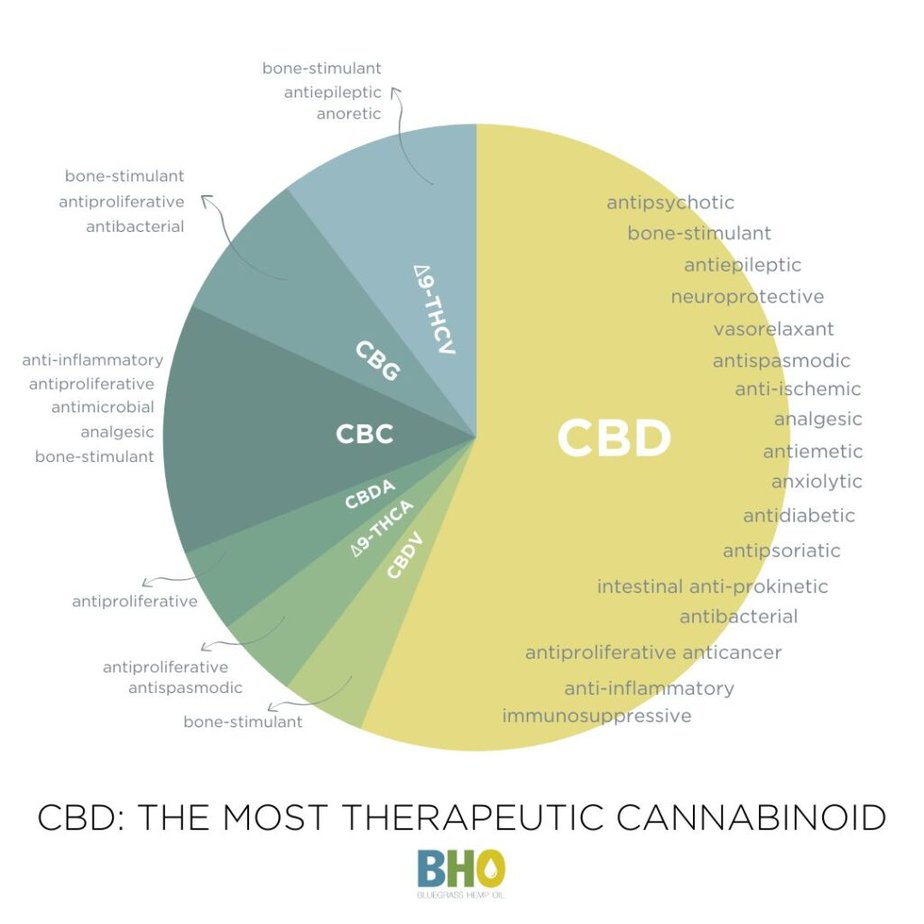
One significant advantage of the Genesis Blend CBD oil is its potential to alleviate symptoms commonly associated with diabetes. CBD has been found to have anti-inflammatory properties, which can help reduce inflammation in the body and potentially improve insulin sensitivity. This may decrease blood sugar levels and insulin resistance, making it a potential treatment option for managing diabetes.
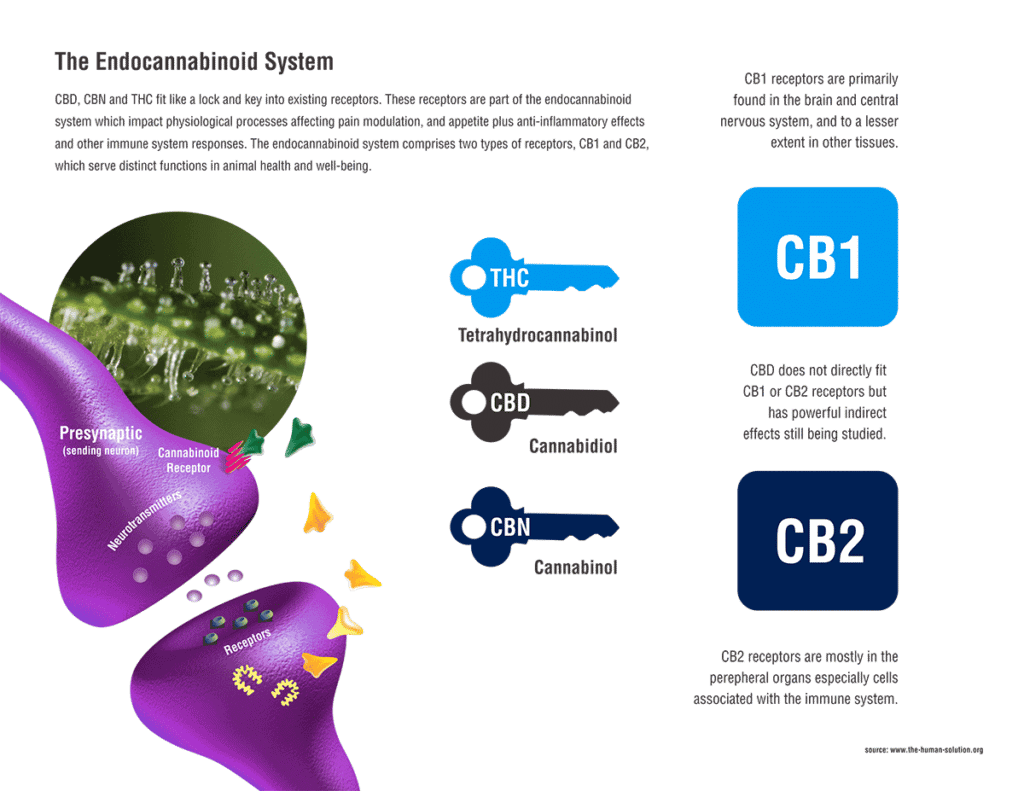
In addition to its anti-inflammatory effects, CBD oil may provide neuroprotective benefits for nerves damaged by diabetes. Nerve damage, or diabetic neuropathy, is a common complication of diabetes that can cause symptoms such as pain, tingling, and numbness in the hands and feet. Studies have shown that CBD can help relieve these symptoms by interacting with receptors in the endocannabinoid system, which plays a role in regulating pain perception.
When using Genesis Blend CBD oil for diabetes management, starting with a lower dosage and gradually increasing it as needed is essential. Dosage recommendations may vary depending on individual factors such as weight and severity of symptoms. Taking CBD oil with food is also recommended to increase absorption and optimize its benefits.
Monitoring blood sugar levels is advised when using CBD oil for diabetes management. While research suggests that CBD may help regulate glucose metabolism and improve insulin sensitivity, it is essential to closely monitor blood sugar levels and make any necessary adjustments to medication or insulin doses under the guidance of a healthcare professional.
As with any supplement or medication, there may be potential side effects associated with using CBD oil for diabetes management. However, studies have shown that full-spectrum CBD oil from reputable brands like Bluegrass Hemp Oil does not typically cause significant side effects. It is always advisable to consult with a healthcare professional before starting any new treatment regimen, especially if you are taking other medications or have underlying health conditions.
Conclusion
In conclusion, CBD oil has shown potential benefits for managing diabetes. It may help reduce inflammation, regulate glucose metabolism, and improve insulin sensitivity.
However, further research is needed to understand its effectiveness and recommended dosage fully.
Additionally, it is essential for individuals using CBD oil for diabetes to monitor their blood sugar levels closely to ensure optimal management of the condition.
Summary of the potential benefits and usage of CBD oil for managing diabetes
Preliminary research suggests that CBD oil may offer potential benefits for managing diabetes, including reducing inflammation, improving glucose metabolism, and relieving symptoms such as fatigue and nerve pain.
Studies have shown that CBD has anti-inflammatory properties, which may help reduce chronic inflammation often associated with diabetes. Inflammation is vital in developing insulin resistance and high blood sugar levels. CBD oil may help improve insulin sensitivity and regulate glucose metabolism by reducing inflammation.
Furthermore, CBD oil has been found to have potential neuroprotective effects in diabetes. Diabetes can cause damage to nerves, leading to symptoms such as numbness, tingling, and pain. CBD's ability to interact with the endocannabinoid system and its anti-inflammatory properties may help protect nerves from further damage and alleviate neuropathic pain.
In addition to these potential benefits, CBD oil may also play a role in reducing the risk of long-term complications associated with diabetes. High blood sugar levels can lead to complications such as cardiovascular disease and kidney problems. Some studies suggest that CBD oil may protect the heart and kidneys, potentially reducing the risk of these complications.
Overall, while research on the efficacy of CBD oil for diabetes management is still in its early stages, preliminary findings indicate that it may offer several potential benefits. However, it is essential to note that individual responses to CBD can vary, and more research is needed to understand its effects on diabetes management fully. It is advisable for individuals considering using CBD oil for diabetes to consult with their healthcare provider for personalized guidance based on their specific condition.
Importance of monitoring blood sugar levels when using CBD oil
Watching glycemic control is crucial when incorporating CBD oil into diabetes management. Understanding the impact of CBD on blood glucose regulation can inform appropriate dosage adjustments and improve overall glycemic stability.
Regular monitoring of blood sugar levels allows individuals to assess the effectiveness of CBD oil in managing their diabetes and make necessary adjustments to their treatment plans. This includes determining the optimal frequency at which blood sugar levels should be checked and establishing a baseline for comparison.
In addition to monitoring blood sugar levels, it is essential to consider CBD oil dosage and absorption optimization for diabetes management. The recommended dosage of CBD oil can vary depending on factors such as body weight, severity of symptoms, and individual response. Starting with a lower dosage and gradually increasing it allows for better tolerance assessment and minimizes the risk of adverse effects.
Taking CBD oil with food may also help optimize absorption, maximizing its potential benefits in regulating blood sugar levels.
While no known side effects are associated with full-spectrum CBD oil for diabetes, regular monitoring is still advised to ensure safety. Monitoring for any changes in blood sugar levels or other potential side effects is essential to prevent any negative impacts on glycemic control or overall health.
By closely monitoring blood sugar levels and being vigilant about pole side effects, individuals can effectively incorporate CBD oil into their diabetes management plan while maintaining optimal glycemic stability.
Frequently Asked Questions
Are there any potential drug interactions between CBD oil and diabetes medications?
Potential interactions between CBD oil and diabetes medications are a concern that needs to be addressed. While research on this topic is limited, it is essential to consider the potential for drug interactions due to how CBD affects certain enzymes in the body responsible for metabolizing medications.
One study found that CBD can inhibit these enzymes, potentially leading to higher levels of medication in the bloodstream and increasing the risk of side effects. However, more research is needed to understand these interactions' extent and clinical significance fully.
Therefore, it is crucial for individuals with diabetes who are taking medications to consult their healthcare provider before incorporating CBD oil into their treatment regimen. They can provide personalized dosage recommendations and monitor for potential safety concerns or adverse effects.
Further research is needed to fill existing gaps in our understanding of how CBD interacts specifically with diabetes medications, ensuring effectiveness and safety in managing blood sugar levels.
Can CBD oil help with weight loss and management in individuals with diabetes?
CBD oil has been studied for its potential benefits in weight loss and management, particularly in individuals with diabetes. While research is still limited, CBD oil may help manage weight by targeting multiple factors.
It has been shown to reduce inflammation, which can contribute to insulin resistance and obesity. Additionally, CBD oil may promote the browning of white adipose tissue, leading to increased calorie expenditure and improved metabolic function.
Furthermore, CBD oil may help regulate appetite and food intake by interacting with cannabinoid receptors in the brain. Although more studies are needed to fully understand the effects of CBD oil on weight management in individuals with diabetes, it shows promise as a natural remedy that could complement existing treatment strategies for diabetes prevention and insulin resistance.
Is a specific time of day recommended for taking CBD oil for diabetes?
Recommended timing for taking CBD oil for diabetes is not well-established due to limited research evidence. However, user experiences and anecdotal reports suggest that taking CBD oil in the morning or evening may be beneficial, depending on individual preferences and symptoms.
It is essential to consider dosage considerations when determining the timing of CBD oil intake. Starting with a lower dosage and gradually increasing it can help assess its effects on blood sugar levels.
Potential benefits of taking CBD oil for diabetes include reducing inflammation, modulating sugar metabolism, improving insulin sensitivity, relieving symptoms such as fatigue and nerve pain, and decreasing the risk of long-term complications associated with diabetes.
While there is still a need for more scientific studies explicitly focusing on recommended timing of CBD oil intake for diabetes management, many users have reported positive outcomes by incorporating it into their daily routine.
Can CBD oil be used as a substitute for traditional diabetes treatments, such as insulin or oral medications?
CBD oil has shown potential as a treatment option for diabetes, but it should not be used as a substitute for traditional diabetes treatments such as insulin or oral medications.
Research on the effectiveness of CBD oil for diabetes is still in its early stages, and more studies are needed to understand its benefits fullyessential.
The recommended dosage of CBD oil can vary, and it is important to start with a lower dosage and gradually increase it as needed.
CBD oil appears safe with no associated side effects when taken in full-spectrum form. However, it is essential to monitor blood sugar levels when using CBD oil for diabetes.
While CBD oil may provide various benefits such as reducing inflammation, modulating sugar metabolism, decreasing blood sugar levels, improving insulin sensitivity, relieving symptoms like fatigue and nerve pain, and reducing the risk of long-term complications associated with diabetes, it should not replace traditional treatments without medical supervision.
Bluegrass Hemp Oil offers high-quality CBD oil called Genesis Blend that is full-spectrum and effective in providing fast-acting relief for various ailments. It is safe for children and promotes better sleep and relaxation.
However, further research is needed to fully explore the potential of CBD oil in managing blood sugar levels in individuals with diabetes.
Are there any known risks or side effects associated with the long-term use of CBD oil for diabetes management?
Long-term use of CBD oil for diabetes management has not been extensively studied, so there is limited information on the potential risks or side effects. However, based on current research and patient testimonials, CBD oil appears safe and well-tolerated. It is important to note that dosage recommendations can vary, and it is recommended to start with a lower dosage and gradually increase as needed.
Monitoring blood sugar levels while using CBD oil for diabetes is advised to ensure optimal management. While no known side effects are associated with full-spectrum CBD oil for diabetes, further effectiveness studies are needed to fully understand its potential benefits in managing blood sugar levels.
Bluegrass Hemp Oil offers Genesis Blend CBD oil, which is a reputable source of high-quality full-spectrum CBD oil that provides fast-acting relief for various ailments and promotes better sleep and relaxation.
Conclusion
In conclusion, CBD oil shows promise as a potential treatment option for managing blood sugar levels in diabetes. Research on the effects of CBD on diabetes is still in its early stages, but preliminary studies suggest that CBD may have anti-inflammatory properties and improve insulin sensitivity.
It may also provide neuroprotective benefits and relieve symptoms such as fatigue and nerve pain associated with diabetes.
When using CBD oil for diabetes management, following recommended dosage guidelines and choosing a reputable brand is essential. Bluegrass Hemp Oil's Genesis Blend is recommended as a high-quality, full-spectrum option that offers fast-acting relief while promoting better sleep and relaxation.
As research continues to explore the potential benefits of CBD for diabetes, it is crucial to consult with healthcare professionals before incorporating CBD into your treatment plan. While initial findings are promising, more extensive research is needed to fully understand CBD oil's long-term effects and optimal usage for managing blood sugar levels in diabetes.
And even apply custom CSS to this text in the module Advanced Settings.