CBD FOR DIABETES LEARN WHAT YOU NEED TO KNOW.

CBD FOR DIABETES LEARN WHAT YOU NEED TO KNOW.

CBD For Diabetes: Can It Help Manage Blood Sugar Levels?

Diabetes, a chronic metabolic disorder characterized by high blood sugar levels, affects millions of people worldwide.

As the prevalence of diabetes continues to rise, there is a growing need for effective treatment options that can help manage blood sugar levels and reduce the risk of complications.

One potential avenue of exploration is the use of CBD, or cannabidiol, a non-psychoactive compound found in cannabis plants.

Research on CBD and its potential benefits for diabetes management is still in its early stages, but initial findings are promising.

Studies suggest that CBD may have anti-inflammatory properties and can modulate sugar metabolism, improving insulin sensitivity.

Furthermore, CBD may provide neuroprotective effects for nerves damaged by diabetes and alleviate symptoms such as fatigue and nerve pain.

With its potential to address multiple facets of diabetes management, CBD has garnered attention as a possible adjunct therapy for individuals with this condition.

In this article, we will delve into the research surrounding CBD for diabetes and explore how it may help manage blood sugar levels effectively.

Introduction

CBD oil, also known as cannabidiol oil, is gaining attention as a potential treatment option for managing diabetes. Research is still in its early stages, but preliminary studies suggest that CBD oil may have several potential benefits for individuals with diabetes.

These benefits include: - Reducing inflammation - Modulating sugar metabolism - Decreasing blood sugar levels and insulin resistance - Providing neuroprotective benefits for damaged nerves - Relieving symptoms such as fatigue and nerve pain - Regulating glucose metabolism and improving insulin sensitivity - Reducing the risk of long-term complications associated with diabetes.

Definition of CBD oil

Derived from the hemp plant, CBD oil is a natural extract that has gained attention for its potential therapeutic effects.

CBD, short for cannabidiol, is one of the many compounds found in cannabis plants. Unlike THC, another well-known compound found in cannabis, CBD does not have psychoactive effects and does not cause a 'high.' This makes it an attractive option for those seeking the potential health benefits of cannabis without the mind-altering effects.

Research on the benefits of CBD oil for various conditions, including diabetes, is still in its early stages. However, preliminary studies suggest that CBD may have several mechanisms by which it could potentially help manage blood sugar levels in individuals with diabetes.

One possible mechanism is through its anti-inflammatory properties. Chronic inflammation plays a significant role in the development and progression of diabetes, and reducing inflammation may improve insulin sensitivity and glucose metabolism. Additionally, studies have shown that CBD may modulate sugar metabolism by interacting with receptors regulating glucose uptake and utilization.

While more research is needed to fully understand these mechanisms and determine optimal dosage for diabetes management, early evidence suggests that CBD oil may hold promise as a potential adjunct therapy for individuals with diabetes.

Overall, while more research is needed to fully understand CBD oil's benefits and mechanisms of action for managing blood sugar levels in individuals with diabetes, preliminary findings are promising.

It's important to note that each individual's response to CBD oil may vary, so finding the correct dosage and monitoring blood sugar levels is crucial when using this supplement. Consulting with a healthcare professional knowledgeable about medical marijuana or cannabinoids can guide appropriate dosing strategies and potential interactions with other medications.

Potential benefits of CBD oil for managing diabetes

Emerging research suggests that harnessing the potential therapeutic properties of this natural extract could offer a glimmer of hope for those grappling with the complexities of diabetes management. CBD oil has been found to have several potential benefits in managing diabetes.

Studies have shown that CBD may help reduce inflammation and modulate sugar metabolism, which could lead to decreased blood sugar levels and improved insulin resistance. Additionally, CBD has been found to provide neuroprotective benefits for nerves damaged by diabetes, relieving symptoms such as fatigue and nerve pain.

Regarding using CBD oil for diabetes, dosage recommendations can vary. It is generally recommended to start with a lower dosage and gradually increase it until the desired effects are achieved. Taking CBD oil with food may also increase absorption and optimize its benefits. However, individuals with diabetes need to monitor their blood sugar levels when using CBD oil, as it may affect glucose metabolism and insulin sensitivity.

Regarding safety considerations, full-spectrum CBD oil has been found to have no associated side effects specifically related to diabetes management. However, it is always advisable to consult with a healthcare professional before incorporating any new treatment or supplement into your routine, especially if you are taking other medications or have underlying health conditions. Potential drug interactions should be taken into account as well.

While there is still ongoing research on the efficacy of CBD oil for managing diabetes, patient testimonials indicate that some individuals have experienced positive results in terms of regulating blood sugar levels and reducing neuropathic pain associated with the condition. Overall, further studies are needed to fully understand CBD oil's potential benefits and risks for diabetes management.

Research on CBD and Diabetes

The current research on CBD and diabetes is still in its early stages, but it has gained attention as a potential treatment option.

CBD may have several potential mechanisms of action in managing diabetes, including reducing inflammation, modulating sugar metabolism, and improving insulin sensitivity.

However, further research is needed to fully understand the effects of CBD on blood sugar levels and its potential benefits for individuals with diabetes.

We suggest those interested in CBD for diabetes that test blood sugar levels do so and record the results before consuming CBD, then retest and record the results 45 mins after consuming CBD. Try this for two weeks and see if CBD helps you!

The current state of research on CBD and diabetes

Research on the potential benefits of CBD for diabetes is still in its early stages. Still, preliminary findings suggest that it may help regulate glucose metabolism, improve insulin sensitivity, and reduce the risk of long-term complications associated with the disease. However, it is essential to note that current research has several limitations.

Many studies have been conducted on animals or in vitro, meaning that their findings may not directly translate to humans. Additionally, most of the available research has focused on THC and CBD in combination rather than CBD alone. More clinical trials are needed to fully understand the efficacy and safety of using CBD for diabetes management.

When considering using CBD for diabetes, it is crucial to be aware of potential side effects and dosage recommendations. While CBD is generally well-tolerated, some individuals may experience side effects such as fatigue. Monitoring blood sugar levels regularly is also advised when incorporating CBD into a diabetes treatment plan.

Furthermore, while there are promising indications that CBD may help reduce the risk of long-term complications associated with diabetes, more research is required to establish its long-term effects fully. It is also important to consider individual factors such as medication interactions and overall health status when incorporating CBD into a diabetes management routine. Consulting with a healthcare professional experienced in cannabis medicine can provide personalized guidance regarding dosage recommendations and potential risks or benefits associated with using CBD for diabetes management.

Potential mechanisms of action of CBD in managing diabetes

One potential avenue of investigating CBD's effects in diabetes management involves exploring its impact on inflammation and cellular signaling pathways. Inflammation plays a key role in the development and progression of diabetes, as it contributes to insulin resistance and pancreatic beta-cell dysfunction.

Preliminary research suggests that CBD may have anti-inflammatory properties, which could help alleviate inflammation associated with diabetes. Additionally, CBD has been shown to modulate cellular signaling pathways involved in glucose metabolism and insulin sensitivity. By targeting these pathways, CBD may help regulate blood sugar levels and improve insulin function.

Clinical trials examining the effects of CBD on diabetes are still in their early stages, but initial findings are promising. Some studies have reported that CBD can reduce blood sugar levels and insulin resistance in animal models of diabetes. Furthermore, CBD has demonstrated neuroprotective effects on nerves damaged by diabetes, potentially relieving symptoms such as fatigue and nerve pain. These findings suggest that CBD may benefit individuals with diabetes by improving glucose metabolism and providing neuroprotection.

When considering the use of CBD for managing diabetes, dosage recommendations can vary depending on individual needs and responses. It is generally recommended to start with a lower dosage and gradually increase it until desired effects are achieved. Taking CBD with food may also increase its absorption and optimize its benefits. However, it is essential to note that monitoring blood sugar levels is advised when using CBD oil for diabetes management to ensure optimal glycemic control.

While research on the mechanisms of action of CBD in managing diabetes is still ongoing, preliminary evidence suggests that it may exert beneficial effects through its anti-inflammatory properties, modulation of cellular signaling pathways involved in glucose metabolism, and its neuroprotective effects. Clinical trials are needed to explore these mechanisms further and determine optimal dosage recommendations for individuals with diabetes seeking to incorporate CBD into their management regimen.

How CBD Oil May Help with Diabetes

CBD oil may have several potential benefits in managing diabetes.

It has been suggested that CBD can help reduce inflammation, which is a key factor in developing insulin resistance and other complications associated with diabetes.

Additionally, CBD may affect sugar metabolism, potentially helping to regulate glucose levels and improve insulin sensitivity.

Furthermore, CBD's neuroprotective properties may benefit individuals with diabetes by preventing nerve damage and managing neuropathy pain.

Finally, some studies suggest that CBD may also impact heart palpitations, a common symptom of diabetes.

Impact of CBD on Inflammation

Inflammation, a common symptom of diabetes, can be alleviated by using CBD oil. CBD has been found to possess anti-inflammatory properties, which can help reduce inflammation in the body. This is especially important for individuals with diabetes as chronic inflammation can contribute to various complications associated with the disease.

By targeting and reducing inflammation, CBD oil may help regulate the immune response and provide relief from symptoms.

Furthermore, studies have shown that CBD may impact insulin production and sensitivity. Insulin regulates blood sugar levels, and individuals with diabetes often experience insulin resistance or inadequate insulin production. CBD has been found to improve insulin function and enhance glucose metabolism, potentially leading to better blood sugar control.

Additionally, CBD oil may have the potential to prevent diabetic complications. Chronic high blood sugar levels can damage various organs such as the heart, kidneys, and nerves. CBD oil may help protect against these long-term complications by reducing inflammation and improving insulin sensitivity.

Moreover, another benefit of CBD oil for individuals with diabetes is its potential to alleviate diabetes-related pain. Nerve damage (neuropathy) is a common complication of diabetes that can cause symptoms such as tingling, numbness, and pain in the extremities. Studies suggest that CBD may provide neuroprotective benefits and relieve neuropathic pain associated with diabetes.

Overall, while more research is needed to fully understand the impact of CBD on inflammation in individuals with diabetes specifically, preliminary studies show promising results. The anti-inflammatory properties of CBD oil, coupled with its potential effects on insulin function, make it a good option for managing blood sugar levels in individuals with diabetes.

However, individuals need to consult their healthcare provider before incorporating CBD into their treatment regimen due to potential interactions with other medications they may be taking.

Effects of CBD on sugar metabolism

Research on the effects of cannabidiol (CBD) oil has shown the potential to improve sugar metabolism, which is crucial for individuals with diabetes. CBD has been found to positively impact insulin sensitivity and glucose metabolism.

Insulin resistance is a common problem in diabetes, where the body's cells become less responsive to insulin, leading to elevated blood sugar levels. Studies suggest CBD can help regulate glucose metabolism by enhancing insulin signaling and reducing insulin resistance. This may lead to better control of blood sugar levels and improved overall glycemic control in individuals with diabetes.

In addition to its effects on sugar metabolism, CBD also reduces inflammation, which is often associated with diabetes. Chronic inflammation can contribute to developing and progressing diabetes complications such as nerve pain. CBD has been found to have anti-inflammatory properties that can help reduce inflammation and provide relief from symptoms such as neuropathic pain.

Furthermore, CBD may have neuroprotective benefits for nerves damaged by diabetes, potentially preventing further damage and promoting nerve health.

When considering CBD for diabetes management, it is essential to note that the recommended dosage can vary depending on individual needs. It is generally advised to start with a lower dosage and gradually increase it as needed. Taking CBD with food may also increase absorption and optimize its benefits. Regular monitoring of blood sugar levels is recommended when using CBD oil for diabetes management.

Overall, research suggests that CBD oil may potentially benefit managing blood sugar levels in individuals with diabetes. Its effects on improving insulin sensitivity, regulating glucose metabolism, reducing inflammation, and providing relief from nerve pain make it an intriguing option for further study and consideration as part of a comprehensive treatment plan for diabetes management.

Role of CBD in insulin resistance

In the previous subtopic, we explored the effects of CBD on sugar metabolism. Now, let's delve into the role of CBD in insulin resistance and its potential impact on glucose regulation.

Insulin resistance is when the body's cells become less responsive to insulin, leading to elevated blood sugar levels. Emerging research suggests that CBD may play a role in improving insulin sensitivity and combating insulin resistance.

CBD can potentially enhance glucose metabolism by promoting the uptake and utilization of glucose by cells. This mechanism may help regulate blood sugar levels and improve insulin function in individuals with diabetes or prediabetes.

Additionally, CBD has been found to have anti-inflammatory properties, which could further contribute to its potential benefits in managing insulin resistance.

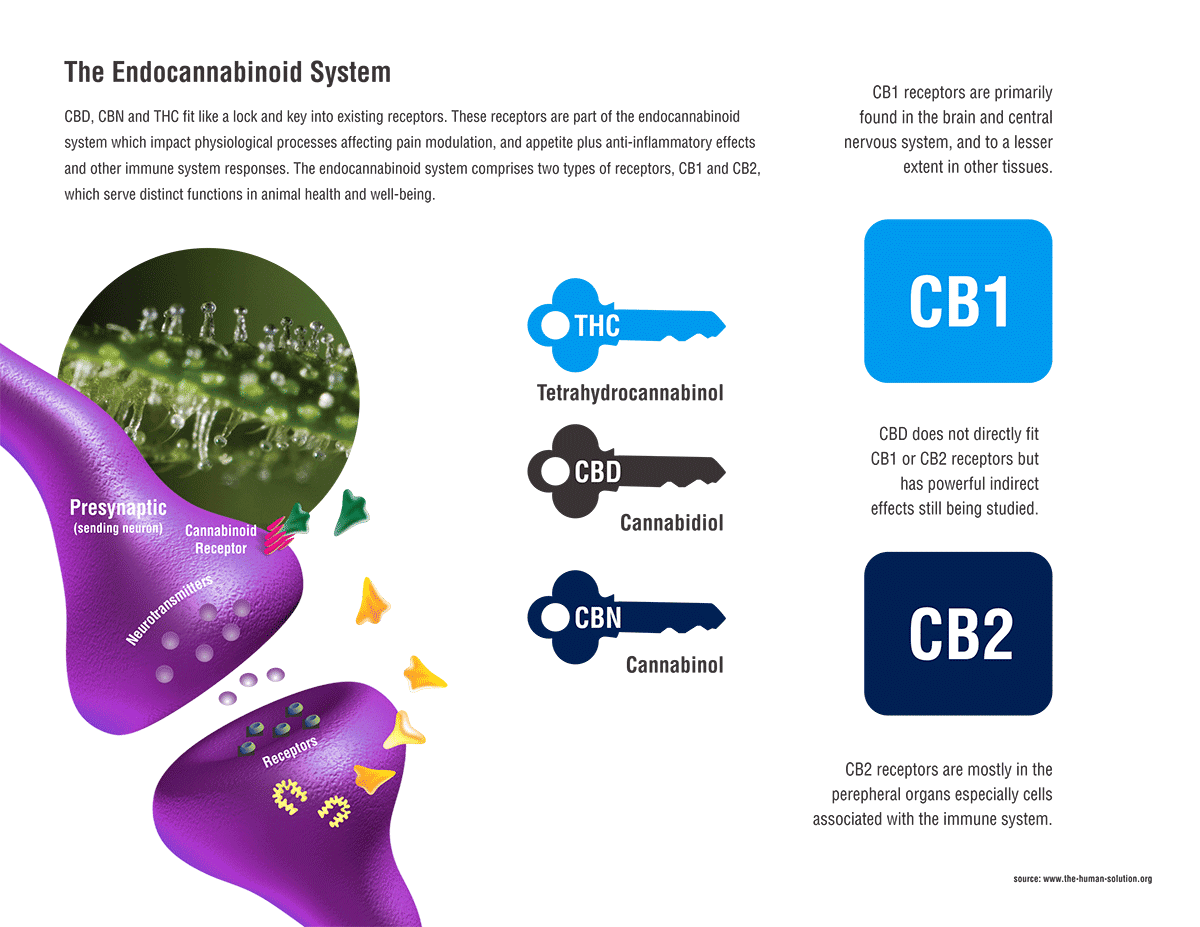
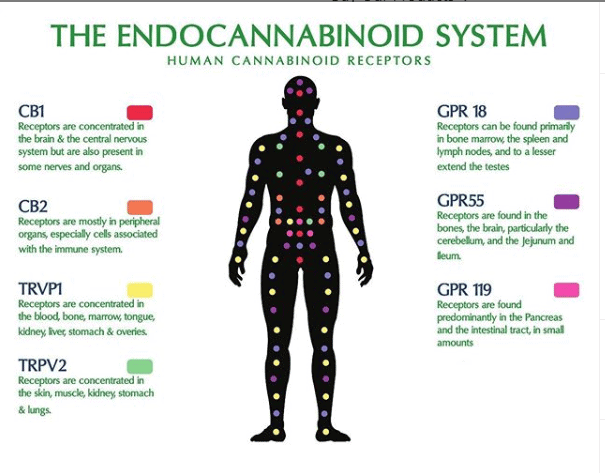
The exact mechanisms through which CBD exerts its effects on insulin resistance are not yet fully understood but are thought to involve interactions with cannabinoid receptors in the endocannabinoid system. By modulating these receptors, CBD may help restore balance and improve insulin sensitivity.

Research investigating the effectiveness of CBD in reducing blood sugar levels is still limited, but early findings are promising. Some studies have suggested that CBD supplementation may decrease fasting blood glucose levels and improve overall glycemic control.

Overall, while more research is needed to fully understand the benefits of CBD for improving insulin function and managing insulin resistance, initial evidence suggests that it may hold promise as a potential therapeutic option for individuals with diabetes or prediabetes.

CBD's potential in preventing nerve damage and managing neuropathy pain

The possibility of CBD in preventing nerve damage and alleviating neuropathy pain warrants further investigation, as it may offer a promising avenue for addressing the debilitating effects of diabetic complications.

Research suggests that CBD's impact on nerve damage prevention and its role in neuropathy management could be attributed to several potential mechanisms. Firstly, CBD has been found to possess anti-inflammatory properties, which may help reduce inflammation in the nerves caused by diabetes. Inflammation is a crucial contributor to nerve damage, and by lowering it, CBD may protect the nerves from further harm.

Additionally, CBD oil has effectively managed neuropathy symptoms such as pain and discomfort. CBD is believed to interact with receptors in the endocannabinoid system (ECS), which plays a role in regulating pain perception. By modulating these receptors, CBD may help alleviate nerve pain associated with neuropathy.

Moreover, studies have suggested that CBD oil for nerve pain relief can also provide neuroprotective benefits by promoting the survival of neurons and preventing oxidative stress-induced cell death.

While more research is needed to fully understand the exact mechanisms involved and determine optimal dosage guidelines for using CBD in preventing nerve damage and managing neuropathy symptoms, early findings are promising.

Incorporating CBD into diabetes management plans may hold the potential for improving the overall quality of life for individuals with diabetes suffering from neuropathy-related complications.

CBD's impact on heart palpitations

Preliminary evidence suggests that CBD may positively impact heart palpitations, providing an intriguing avenue for further exploration of its therapeutic benefits in managing cardiovascular complications associated with diabetes.

Heart palpitations, also known as arrhythmias, can be a common symptom experienced by individuals with diabetes due to the disruption of electrical signals in the heart.

CBD has been found to possess anti-inflammatory and antioxidant properties, which may help reduce inflammation and oxidative stress in the cardiovascular system. Additionally, CBD has been shown to have vasorelaxant effects, potentially promoting better blood flow and reducing the strain on the heart.

When considering CBD for managing heart palpitations in individuals with diabetes, it is essential to consider potential side effects and safety for long-term use. While CBD is generally well-tolerated by most people, some may experience mild side effects such as drowsiness or dry mouth. However, these side effects are typically minimal and transient.

It is also crucial to consult with a healthcare professional before incorporating CBD into a treatment regimen, especially if taking other medications. CBD can interact with certain medications metabolized by the liver enzymes responsible for drug metabolism, potentially altering their effectiveness or increasing the risk of adverse reactions.

Further research is needed to determine the efficacy of CBD in managing diabetic complications related to heart palpitations specifically. However, its potential impact on cardiovascular health warrants attention and exploration.

Can CBD Help With Heart Palpitations?

By understanding how CBD interacts with the body's endocannabinoid system and influences various physiological processes related to cardiac function, researchers can gain valuable insights into novel therapeutic strategies for improving cardiovascular outcomes in individuals with diabetes.


a graphic of a mother testing a childs blood sugar levels.

Recommended Dosage and Usage

This discussion will focus on CBD oil's recommended dosage and usage for diabetes and tips for taking CBD oil with food.

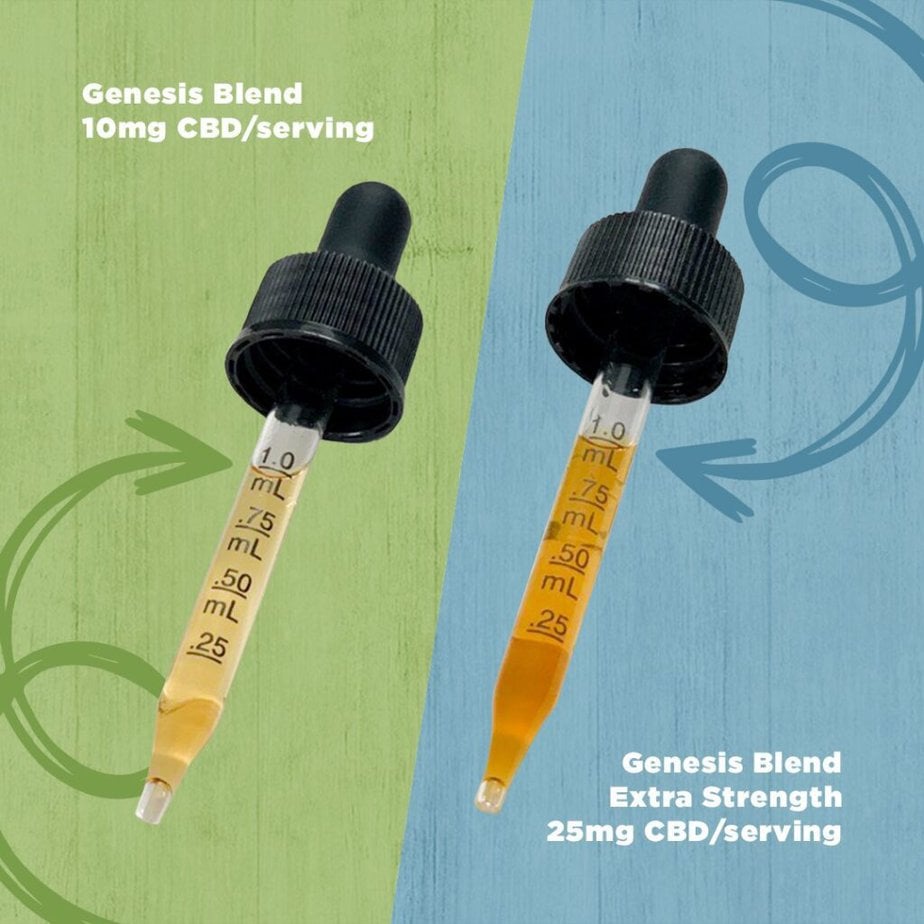
The optimal CBD oil dosage for diabetes can vary, so it is advised to start with the manufacturer's recommended dose. We suggest starting with 1 ml of  Genesis Blend full-spectrum CBD oil twice daily. Once in the AM and once in the PM. Gradually increase if needed while monitoring blood sugar levels. Take a consistent serving for two weeks before making any dosage adjustments.

Taking CBD oil with food may enhance its absorption and optimize its benefits.

CBD Oil: How to Take CBD Oil, How Much, and How Often

It is important to note that no reported side effects are associated with full-spectrum CBD oil for diabetes.

The optimal dosage of CBD oil for diabetes

When determining the optimal CBD oil dosage for diabetes, starting with a lower dosage and gradually increasing it while monitoring blood sugar levels is recommended. Beginning with the suggested dosage of your product is a good place to start. This approach allows individuals to assess their body's response to CBD and adjust the dosage accordingly.

It is important to note that there is currently limited scientific evidence on the specific optimal dosage of CBD for diabetes management.

While CBD has shown potential benefits for managing blood sugar levels in preliminary studies, it is crucial to consider potential risks and interactions with medications. CBD can interact with certain medications used to treat diabetes, such as insulin or oral hypoglycemic agents, which may result in adverse effects or altered effectiveness. Therefore, it is essential for individuals with diabetes who are considering using CBD oil to consult their healthcare provider before incorporating it into their treatment regimen.

Furthermore, the long-term effects of CBD oil on blood sugar regulation in different types of diabetes are still unknown. Research in this area is ongoing, and more studies are needed to determine CBD oil's optimal dosage and effectiveness for managing blood sugar levels in individuals with different types of diabetes.

It is also important to note that while some individuals may experience positive results from using CBD oil for diabetes management, its effectiveness may vary due to factors such as individual metabolism and overall health status.

Tips for taking CBD oil with food

To optimize the absorption and benefits of CBD oil, it is recommended to take it with a meal or snack. Consuming CBD oil with food helps enhance its absorption into the body.

When taken on an empty stomach, CBD oil may have a lower bioavailability, meaning that less of the compound is absorbed and utilized by the body. Taking CBD oil with food, especially foods high in fat or oils, can increase CBD's bioavailability. This is because cannabinoids like CBD are lipophilic, meaning they dissolve in fat rather than water.

As a result, when consumed with fatty foods, CBD can bind to the fats and be carried through the digestive system more efficiently.

In addition to improving absorption, taking CBD oil with food also has other benefits. The presence of food in the stomach can help slow down the digestion process and extend the release of nutrients into the bloodstream. This slower digestion rate allows for a more gradual release of CBD into your system, potentially leading to longer-lasting effects and sustained relief from symptoms associated with diabetes.

It is important to note that while consuming CBD oil with food can optimize its benefits, choosing healthy and nutritious options is essential. Foods rich in omega-3 fatty acids, such as avocados or nuts, may be particularly beneficial due to their anti-inflammatory properties.

By incorporating CBD oil into your meals or snacks, you can maximize its absorption and potentially experience enhanced therapeutic effects for managing blood sugar levels in diabetes patients.

Potential side effects of CBD oil for diabetes

The use of CBD oil for diabetes may potentially lead to specific adverse effects. While CBD is generally considered safe, there are a few safety concerns that individuals with diabetes should be aware of.

One potential side effect is decreased blood pressure, which can cause dizziness or lightheadedness. Therefore, it is essential to monitor blood pressure regularly when using CBD oil for diabetes.

Dosage considerations are also crucial when using CBD oil for diabetes. The recommended dosage can vary depending on the individual and their specific needs. It would be best for you to start with a lower dosage and gradually increase it if necessary. This allows the body to adjust and helps minimize any potential side effects.

In order to optimize the absorption of CBD oil and ensure its benefits, it is recommended to take it with food. Taking CBD with food increases its bioavailability and absorption into the bloodstream. By doing so, individuals can maximize the potential benefits of CBD oil for managing blood sugar levels.

While CBD oil shows promise as a potential treatment option for diabetes, some possible side effects and safety concerns must be considered. Monitoring blood sugar levels regularly and starting with a lower dosage can help minimize these risks. Additionally, taking CBD oil with food can optimize absorption and enhance its effectiveness in managing blood sugar levels. As always, it is essential to consult with a healthcare professional before incorporating any new supplement into your diabetes management plan.

Choosing a Reputable CBD Oil Brand

Selecting a reputable CBD oil brand is of utmost importance when considering its usage for managing diabetes.

One such brand that stands out is Bluegrass Hemp Oil, known for providing high-quality CBD oil.

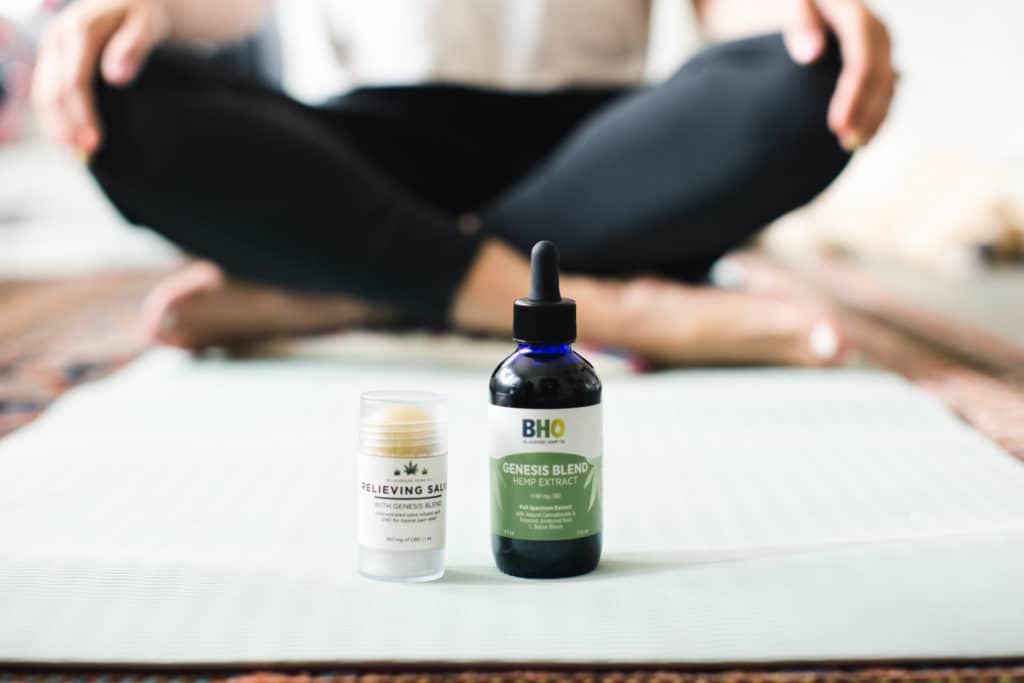
Their Genesis Blend CBD oil is full-spectrum and practical, offering fast-acting relief for various ailments.

It is safe for children and promotes better sleep and relaxation, making it a suitable option for individuals looking to incorporate CBD into their diabetes management routine.

Importance of selecting a reliable CBD oil brand

Choosing a reputable and trustworthy CBD oil brand is crucial to ensure the product's quality and effectiveness when considering its potential benefits for managing blood sugar levels in individuals with diabetes.

Several critical selection criteria must be considered when selecting a CBD oil brand. One crucial factor is the trustworthiness of the brand. Choosing a brand with a good reputation and is known for producing high-quality products is essential. This can be determined by researching the brand's history, customer reviews, and overall reputation within the industry.

Please take a look at our Trustpilot reviews


Another essential aspect to consider is the quality assurance measures taken by the brand. A reliable CBD oil brand will have rigorous testing procedures to ensure its products are free from contaminants and meet strict quality standards. This may include third-party lab testing to verify the potency and purity of the product.

Additionally, customer reviews can provide valuable insights into the reliability and effectiveness of a CBD oil brand. Reading reviews from other individuals with diabetes who have used the product can help determine if it has effectively managed blood sugar levels.

Overall, selecting a reputable CBD oil brand is vital when considering its potential benefits for managing blood sugar levels in individuals with diabetes. Factors such as trustworthiness, quality assurance measures, customer reviews, and lab testing should all be considered when making this decision. By choosing a reliable brand, individuals can have confidence in their CBD oil product's quality and effectiveness for diabetes management purposes.

Introduction to Bluegrass Hemp Oil and their Genesis Blend CBD oil

Bluegrass Hemp Oil stands out as a reputable brand in the CBD industry, offering its highly effective Genesis Blend CBD oil for individuals seeking potential benefits for blood sugar management.

As an introductory overview, CBD oil is derived from the hemp plant and contains cannabidiol (CBD), which is known for its potential therapeutic properties. Not all CBD oils are created equal, and selecting a reliable brand like Bluegrass Hemp Oil ensures that you are getting a high-quality product.

When it comes to using CBD oil for diabetes, dosage recommendations can vary depending on individual needs and preferences. It is generally recommended to start with a lower dosage and gradually increase it as needed. Taking CBD with food may also help increase absorption and optimize its benefits. However, it is crucial to monitor blood sugar levels while using CBD oil for diabetes management, as it may affect glucose metabolism and insulin sensitivity.

Choosing a trustworthy brand like Bluegrass Hemp Oil is essential when considering CBD oil for blood sugar management. Their Genesis Blend CBD oil has gained recognition for its fast-acting relief and effectiveness in addressing various ailments. Moreover, their products are safe for children and promote better sleep and relaxation.

By selecting a reputable brand like Bluegrass Hemp Oil, individuals can have peace of mind knowing they are consuming high-quality CBD oil that could aid in managing blood sugar levels effectively while minimizing the risk of adverse effects.

Benefits and usage of Genesis Blend CBD oil

One significant advantage of the Genesis Blend CBD oil is its potential to alleviate symptoms commonly associated with diabetes. CBD has been found to have anti-inflammatory properties, which can help reduce inflammation in the body and potentially improve insulin sensitivity. This may decrease blood sugar levels and insulin resistance, making it a potential treatment option for managing diabetes.

In addition to its anti-inflammatory effects, CBD oil may provide neuroprotective benefits for nerves damaged by diabetes. Nerve damage, or diabetic neuropathy, is a common complication of diabetes that can cause symptoms such as pain, tingling, and numbness in the hands and feet. Studies have shown that CBD can help relieve these symptoms by interacting with receptors in the endocannabinoid system, which plays a role in regulating pain perception.

When using Genesis Blend CBD oil for diabetes management, starting with a lower dosage and gradually increasing it as needed is essential. Dosage recommendations may vary depending on individual factors such as weight and severity of symptoms. Taking CBD oil with food is also recommended to increase absorption and optimize its benefits.

Monitoring blood sugar levels is advised when using CBD oil for diabetes management. While research suggests that CBD may help regulate glucose metabolism and improve insulin sensitivity, it is essential to closely monitor blood sugar levels and make any necessary adjustments to medication or insulin doses under the guidance of a healthcare professional.

As with any supplement or medication, there may be potential side effects associated with using CBD oil for diabetes management. However, studies have shown that full-spectrum CBD oil from reputable brands like Bluegrass Hemp Oil does not typically cause significant side effects. It is always advisable to consult with a healthcare professional before starting any new treatment regimen, especially if you are taking other medications or have underlying health conditions.

Conclusion

In conclusion, CBD oil has shown potential benefits for managing diabetes. It may help reduce inflammation, regulate glucose metabolism, and improve insulin sensitivity.

However, further research is needed to understand its effectiveness and recommended dosage fully.

Additionally, it is essential for individuals using CBD oil for diabetes to monitor their blood sugar levels closely to ensure optimal management of the condition.

Summary of the potential benefits and usage of CBD oil for managing diabetes

Preliminary research suggests that CBD oil may offer potential benefits for managing diabetes, including reducing inflammation, improving glucose metabolism, and relieving symptoms such as fatigue and nerve pain.

Studies have shown that CBD has anti-inflammatory properties, which may help reduce chronic inflammation often associated with diabetes. Inflammation is vital in developing insulin resistance and high blood sugar levels. CBD oil may help improve insulin sensitivity and regulate glucose metabolism by reducing inflammation.

Furthermore, CBD oil has been found to have potential neuroprotective effects in diabetes. Diabetes can cause damage to nerves, leading to symptoms such as numbness, tingling, and pain. CBD's ability to interact with the endocannabinoid system and its anti-inflammatory properties may help protect nerves from further damage and alleviate neuropathic pain.

In addition to these potential benefits, CBD oil may also play a role in reducing the risk of long-term complications associated with diabetes. High blood sugar levels can lead to complications such as cardiovascular disease and kidney problems. Some studies suggest that CBD oil may protect the heart and kidneys, potentially reducing the risk of these complications.

Overall, while research on the efficacy of CBD oil for diabetes management is still in its early stages, preliminary findings indicate that it may offer several potential benefits. However, it is essential to note that individual responses to CBD can vary, and more research is needed to understand its effects on diabetes management fully. It is advisable for individuals considering using CBD oil for diabetes to consult with their healthcare provider for personalized guidance based on their specific condition.

Importance of monitoring blood sugar levels when using CBD oil

Watching glycemic control is crucial when incorporating CBD oil into diabetes management. Understanding the impact of CBD on blood glucose regulation can inform appropriate dosage adjustments and improve overall glycemic stability.

Regular monitoring of blood sugar levels allows individuals to assess the effectiveness of CBD oil in managing their diabetes and make necessary adjustments to their treatment plans. This includes determining the optimal frequency at which blood sugar levels should be checked and establishing a baseline for comparison.

In addition to monitoring blood sugar levels, it is essential to consider CBD oil dosage and absorption optimization for diabetes management. The recommended dosage of CBD oil can vary depending on factors such as body weight, severity of symptoms, and individual response. Starting with a lower dosage and gradually increasing it allows for better tolerance assessment and minimizes the risk of adverse effects.

Taking CBD oil with food may also help optimize absorption, maximizing its potential benefits in regulating blood sugar levels.

While no known side effects are associated with full-spectrum CBD oil for diabetes, regular monitoring is still advised to ensure safety. Monitoring for any changes in blood sugar levels or other potential side effects is essential to prevent any negative impacts on glycemic control or overall health.

By closely monitoring blood sugar levels and being vigilant about pole side effects, individuals can effectively incorporate CBD oil into their diabetes management plan while maintaining optimal glycemic stability.

Frequently Asked Questions

Are there any potential drug interactions between CBD oil and diabetes medications?

Potential interactions between CBD oil and diabetes medications are a concern that needs to be addressed. While research on this topic is limited, it is essential to consider the potential for drug interactions due to how CBD affects certain enzymes in the body responsible for metabolizing medications.

One study found that CBD can inhibit these enzymes, potentially leading to higher levels of medication in the bloodstream and increasing the risk of side effects. However, more research is needed to understand these interactions' extent and clinical significance fully.

Therefore, it is crucial for individuals with diabetes who are taking medications to consult their healthcare provider before incorporating CBD oil into their treatment regimen. They can provide personalized dosage recommendations and monitor for potential safety concerns or adverse effects.

Further research is needed to fill existing gaps in our understanding of how CBD interacts specifically with diabetes medications, ensuring effectiveness and safety in managing blood sugar levels.

Can CBD oil help with weight loss and management in individuals with diabetes?

CBD oil has been studied for its potential benefits in weight loss and management, particularly in individuals with diabetes. While research is still limited, CBD oil may help manage weight by targeting multiple factors.

It has been shown to reduce inflammation, which can contribute to insulin resistance and obesity. Additionally, CBD oil may promote the browning of white adipose tissue, leading to increased calorie expenditure and improved metabolic function.

Furthermore, CBD oil may help regulate appetite and food intake by interacting with cannabinoid receptors in the brain. Although more studies are needed to fully understand the effects of CBD oil on weight management in individuals with diabetes, it shows promise as a natural remedy that could complement existing treatment strategies for diabetes prevention and insulin resistance.

Is a specific time of day recommended for taking CBD oil for diabetes?

Recommended timing for taking CBD oil for diabetes is not well-established due to limited research evidence. However, user experiences and anecdotal reports suggest that taking CBD oil in the morning or evening may be beneficial, depending on individual preferences and symptoms.

It is essential to consider dosage considerations when determining the timing of CBD oil intake. Starting with a lower dosage and gradually increasing it can help assess its effects on blood sugar levels.

Potential benefits of taking CBD oil for diabetes include reducing inflammation, modulating sugar metabolism, improving insulin sensitivity, relieving symptoms such as fatigue and nerve pain, and decreasing the risk of long-term complications associated with diabetes.

While there is still a need for more scientific studies explicitly focusing on recommended timing of CBD oil intake for diabetes management, many users have reported positive outcomes by incorporating it into their daily routine.

Can CBD oil be used as a substitute for traditional diabetes treatments, such as insulin or oral medications?

CBD oil has shown potential as a treatment option for diabetes, but it should not be used as a substitute for traditional diabetes treatments such as insulin or oral medications.

Research on the effectiveness of CBD oil for diabetes is still in its early stages, and more studies are needed to understand its benefits fullyessential.

The recommended dosage of CBD oil can vary, and it is important to start with a lower dosage and gradually increase it as needed.

CBD oil appears safe with no associated side effects when taken in full-spectrum form. However, it is essential to monitor blood sugar levels when using CBD oil for diabetes.

While CBD oil may provide various benefits such as reducing inflammation, modulating sugar metabolism, decreasing blood sugar levels, improving insulin sensitivity, relieving symptoms like fatigue and nerve pain, and reducing the risk of long-term complications associated with diabetes, it should not replace traditional treatments without medical supervision.

Bluegrass Hemp Oil offers high-quality CBD oil called Genesis Blend that is full-spectrum and effective in providing fast-acting relief for various ailments. It is safe for children and promotes better sleep and relaxation.

However, further research is needed to fully explore the potential of CBD oil in managing blood sugar levels in individuals with diabetes.

Are there any known risks or side effects associated with the long-term use of CBD oil for diabetes management?

Long-term use of CBD oil for diabetes management has not been extensively studied, so there is limited information on the potential risks or side effects. However, based on current research and patient testimonials, CBD oil appears safe and well-tolerated. It is important to note that dosage recommendations can vary, and it is recommended to start with a lower dosage and gradually increase as needed.

Monitoring blood sugar levels while using CBD oil for diabetes is advised to ensure optimal management. While no known side effects are associated with full-spectrum CBD oil for diabetes, further effectiveness studies are needed to fully understand its potential benefits in managing blood sugar levels.

Bluegrass Hemp Oil offers Genesis Blend CBD oil, which is a reputable source of high-quality full-spectrum CBD oil that provides fast-acting relief for various ailments and promotes better sleep and relaxation.

Conclusion

In conclusion, CBD oil shows promise as a potential treatment option for managing blood sugar levels in diabetes. Research on the effects of CBD on diabetes is still in its early stages, but preliminary studies suggest that CBD may have anti-inflammatory properties and improve insulin sensitivity.

It may also provide neuroprotective benefits and relieve symptoms such as fatigue and nerve pain associated with diabetes.

When using CBD oil for diabetes management, following recommended dosage guidelines and choosing a reputable brand is essential. Bluegrass Hemp Oil's Genesis Blend is recommended as a high-quality, full-spectrum option that offers fast-acting relief while promoting better sleep and relaxation.

As research continues to explore the potential benefits of CBD for diabetes, it is crucial to consult with healthcare professionals before incorporating CBD into your treatment plan. While initial findings are promising, more extensive research is needed to fully understand CBD oil's long-term effects and optimal usage for managing blood sugar levels in diabetes.

And even apply custom CSS to this text in the module Advanced Settings.

The Shocking Truth About CBD vs. THC

Have you ever wondered what the shocking truth is about CBD vs. THC? Are you looking for the differences between these two potent cannabinoids? In this blog post, we will discuss the differences between CBD and THC, as well as THC vs. CBD. We will be exploring the medical benefits of both cannabinoids and which one offers the most beneficial effects for different ailments. By the end of this article, you will better understand the two and be able to make an informed decision on which one is best for your specific needs.  Read the blog The Shocking Truth About CBD vs. THC

CBN: The Mysterious Degradation Cannabinoid

CBN cannabinoid, known as cannabinol, is being added to CBD products. The CBN cannabinoid is a degradation cannabinoid, a product of the more commonly known cannabinoid THC. CBN is not produced from the Cannabis Sativa plant but rather from the breakdown of the THC molecule. THC is only in trace amounts in hemp, as CBD is the dominant cannabinoid in hemp, and CBN comes from the breakdown process of THC. So, how is it that so much CBN is available to mix with CBD products? Continue here to learn about CBN: The Mysterious Degradation Cannabinoid

How Much CBD Oil Should I Take To Relax?

Are you looking for a natural way to relax your muscles? If so, you might wonder how much CBD oil you should take to achieve the desired effect. The answer can be complicated, but the good news is that Genesis Blend full spectrum CBD oil is one of the best options for those seeking a natural way to relax. In this blog post, we’ll discuss the potential benefits of CBD oil and how much you should take to relax your muscles. Keep reading to find out more! How Much CBD Oil Should I Take To Relax?

cbd for diabetes

Let's Learn Together!

Have questions? Look over our FAQ page. If you don't see an answer to your question, Contact us!

859-963-3550

info@bluegrasshempoil.com

Full Spectrum Living Ep 6  Endocannabinoid System Part 2

Full Spectrum Living Ep 6 Endocannabinoid System Part 2

Adriane Polyniak and Jessica Charles, co-hosts of The Full Spectrum Living with CBD show, continue to discuss the endocannabinoid system.  They quickly get into the different parts of the Endocannabinoid System. Gain valuable insight into how CBD or THC might interact with receptors in your body.

The ladies explore different cannabinoids, such as CBD or THC. Learn what impact phytocannabinoids and endocannabinoids may have on other bodily processes.

Watch and learn about the chemical reactions that govern human physiology and how this sensitive balance can be affected by external forces such as lifestyle choices or medicinal treatments.

endocannabinoid system

More information about what was discussed in Full Spectrum Living With CBD Episode 6

The Dangers of Synthetic Cannabinoids: Deaths and Negative Research

The dangers of synthetic cannabinoids are becoming increasingly well-known, as deaths and research have begun to demonstrate the negative impacts of these drugs. Synthetic cannabinoids include Delta-8, Isolated CBD, Epidiolex, Marinol, dronabinol, K2 and Spice. All of these drugs are isolated and/or synthetic versions of the natural cannabinoid compounds found in cannabis plants, which can create far more powerful effects than their natural counterparts. The CBD market has become flooded with many products that contain these fake cannabinoids. Read more here about this growing problem.


isolated cannbinoids

What are Cannabinoids and What are the Top Cannabinoids in Cannabis?

Cannabinoids are chemical compounds that naturally occur in the cannabis plant (Cannabis sativa). The most notable of these are tetrahydrocannabinol (THC) and cannabidiol (CBD). These compounds can be used to treat many ailments and diseases, including cancer, diabetes, autoimmune disorders, chronic pain and inflammation, among others. Since the early 1900s, cannabinoids have been studied by researchers all around the world, looking to determine their potential medical applications. Continue here for what you should know about these amazing compounds called cannabinoids.

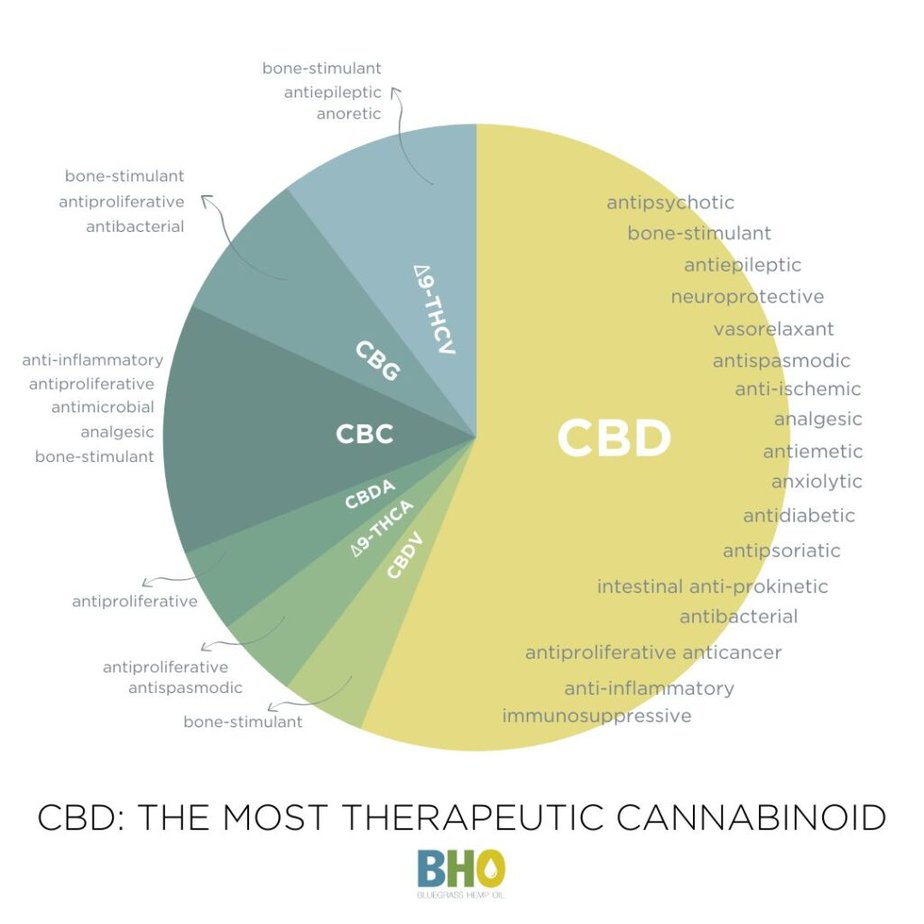
CBD The most therapeueic cannabinoid

Terpenes

What are Cannabis Terpenes

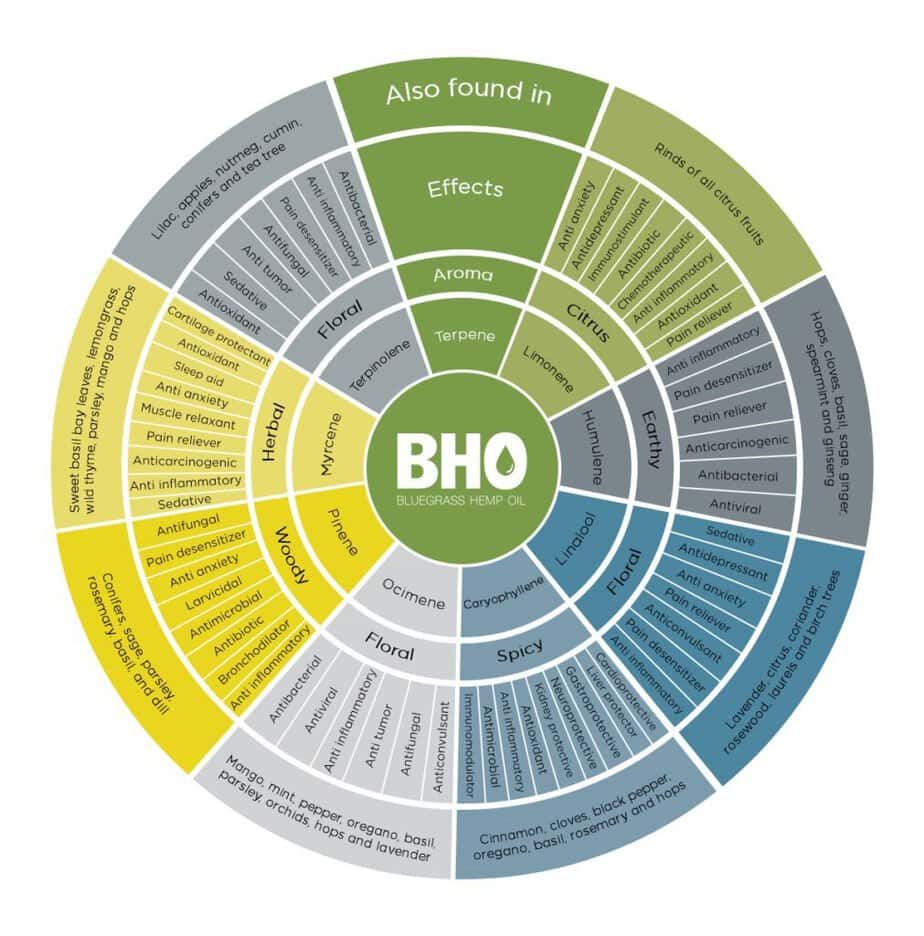
Firstly, What are Terpenes, Terpenes are a large family of molecules found in plants. They give plants their smell and flavor and often have biological effects on humans when inhaled or consumed in small amounts. Some examples of terpenes include limonene (lemon), pinene (pine), and myrcene (clove).

The Cannabis plant contains over 100 different terpenes but the most abundant are Myrcene, Pinene, Limonene, Linalool, Caryophyllene, and β-caryophyllene. These all have different effects on people depending on how much they consume. For example, Myrcene helps with sleep while Pinene helps with memory retention.

Terpenes are the aromatic oils found in plants. They give fruits and vegetables their unique smells, as well as help protect them from environmental damage. Some examples of plants containing terpenes include lemon trees, pine trees, and cannabis plants! Learn about Terpenes here.

terpene chart
graphic of a full dropper of CBD oil

 How to take CBD Oil?

The standard dose for CBD oil is 10mg twice daily, placing the oil under the tongue and waiting 20 – 30 seconds before swallowing.  This means that you should take 20mg of CBD in total daily to start. If you find that you are taking the maximum dosage but are still not feeling the desired effects, try doubling your intake to 40mg. The key is to listen to your body and see how much CBD it needs.

CBD interacts with receptors throughout the endocannabinoid system (ECS) – a vast network of neurotransmitters, chemicals, and hormones that regulate a variety of processes within the body. Dosing CBD can be difficult because it does not act as either a stimulant or depressant; so different people will have different responses. You may need more or less CBD than others depending on your lifestyle and situation. Continue here for more information about How to take CBD Oil.

PubMed

Another Place to research is the National Library of Medicine, PubMed.  Per the Pubmed website, PubMed® comprises more than 34 million citations for biomedical literature from MEDLINE, life science journals, and online books. Citations may include links to full-text content from PubMed Central and publisher web sites.

On the PubMed website if one wanted to search for topics related to the Endocannabinoids System some good search options would include;

Cannabinoids and Endocannabinoid system

Cannabidiol and endocannabinoid system

Google Scholar is a great research resource.

What to do research on your own? Google Scholar is a great starting point.  Go to the main Google Scholar Page Here.   For an interest like the current Full Spectrum Living With CBD episode on the Endocannabinoid System a search like Cannabis and Endocannabinoid system is good. One could also use the search term cannabidiol and endocannabinoid system.  Starting here you are just about assured you will find a infomation.

Full Spectrum Living Ep 6  Endocannabinoid System Part 2

Full Spectrum Living with CBD – Episode 3

Full Spectrum Living With CBD

 Part-1

Adriane Polyniak and Jessica Charles with co-host Meredith. The hosts of Full Spectrum Living with CBD discuss the Common delivery methods of CBD. As well as the pro and cons of them. Adriane and Jessica talk about children and edibles. 

More information is discussed in Full Spectrum Living With CBD Episode 3

Methods of CBD Consumption

So you’ve done your research on CBD and how it may help you. Sounds great! You can’t wait to place an order and get started right away! But wait… There are so many different products to choose from… *Anxiety sets in* “Sure could use some CBD right about now. How do I know what I need? Or which product is best for me?” The amount of information can be overwhelming. With so many products to choose from, a good differentiator is methods of CBD consumption. READ MORE About Methods of Consumption

CBD Absorption

Absorption and bioavailability are two popular terms in the CBD world. Many companies use “CBD absorption” in their marketing to confuse and coerce consumers to purchase. Some will even demonstrate their product dissolving into the water as proof that it will work better than others.

It’s nonsense.

No scientific study proves water-soluble products are more effective than botanical, fat-soluble ones. (If they say there is – ask them to see it! There has yet to be one company that can deliver.) It is simply a scare tactic that companies use to get your money and charge more for their product in the process. READ MORE about CBD Absorption.


Thank you for reviewing Full Spectrum Living with CBD Ep3. The following next couple of episodes for Full Spectrum Living With CBD will cover these Topics.

Google Scholar is an excellent research resource.

Would you be interested in some research on your own? Google Scholar is a great starting point.  Go to the central Google Scholar Page Here.   For an interest like the current Full Spectrum Living With CBD episode three. A search like the pharmacokinetics of cannabidiol hemp extract is good. One could also use the search term cannabidiol and anxiety. Starting here, you are just about assured you will find information.


PubMed

Another Place to research is the National Library of Medicine, PubMed.  Per the Pubmed website, PubMed® comprises more than 34 million citations for biomedical literature from MEDLINE, life science journals, and online books. Sources may include links to full-text content from PubMed Central and publisher websites.

On the PubMed website, if one wanted to search for topics related to the Endocannabinoids System, some good search options would include;

Here are the same two cases from the Google search.

Pharmacokinetics of cannabidiol hemp extract

cannabidiol and anxiety


Full Spectrum Living Bluegrass Hemp Oil
Full Spectrum Living With CBD Ep3 - Transcript

All right.

Welcome back to your next episode

of Full Spectrum Living with CBD.

I'm Meredith, your cohost here with Jessica and Adriane.

And today we have got a fantastic topic, one

that I'm sure so many people have questions about.

And it's really what type of CBD

delivery method is the best for me?

There are so many options out there as far

as how to really use CBD, and you guys

want to help people understand the best way to

pick the right delivery method for them.

So, Jessica, why don't you kick us off and give

us some ideas about what you can share today?

Yeah, sure.

Essentially, I guess, we found that there are so many

options that that's a really nice thing for the consumer,

but it can be a bit confusing as to what's

the best match for their particular symptoms.

So we kind of broke it down to a few categories,

list out some pros and cons, and offer that as information

for our clients and wanted to share it here.

So I guess to start, the general categories

are sublingual, capsules, edibles, topicals and smokable products.

Okay.

And just right off the bat, to make it very

simple, we find that the overwhelming majority of people need

sublingual, so that's the best match for them.

For one, it's generally less

expensive than other options.

It has an overall better impact through the whole body.

So can you even tell me what is sublingual?

I mean, somebody might not

even really understand that terminology.

So when you say sublingual, what do you mean? Yeah.

So it's like the most common, I guess,

form that you'll find CBD in right now.

It's like an oil or tincture or drops.

There's different terms that people use for it.

Sublingual means it's a kind of delivery method where

you just put it under your tongue and allow

it to hold 20 or 30 seconds up to

a minute, whatever, before swallowing it.

And because you're holding it under the tongue

where there are a lot of blood vessels,

you get a better absorption rate occurring and

a speedier delivery to the body. Okay.

So that's basically the most common way that you'll see

it on the market currently, which is good because it's

the most ideal way for most for most people.

So what about taste like, what can I expect

as far as is it going to taste terrible?

Well, taste might be very different depending

upon who you are, of course, depends

on the products that you're taking.

So a full spectrum product that has the naturally

occurring terpenes, it's going to taste like the plant.

It's going to taste like hemp.

So with the extraction method that's used, of

course, you can get something that tastes Hempy

but also tastes really kind of almost like

the Earth is in with it, too.

That's because the extraction method has

pulled some of the chlorophyll.

So it really depends upon the product.

So you'll find some that they may flavor with

peppermint or Orange and they're clear and it really

denotes the type of product that it is.

And, of course, I'm probably taking us way down in

the weeds, but with an isolate product, they can usually

flavor it with anything because it has no flavor whatsoever

other than the oil that it's in.

With full spectrum products that are

done using a hydrocarbon distillation, it'll

be very natural flavored, very old.

And then you'll have those that are probably done

through the larger way where it's done through where

you get some more of that Earth flavor more

the chlorophyll comes through with it.

So it really kind of depends.

And that's pretty easy to do. Right.

So I'm just going to put these drops under

my tongue, hold it there for a few seconds,

and then go about my day, right? Yes.

And I wanted to add to that.

Well, so Adriane used another term that I'm thinking maybe

some of our listeners may not understand, but terpenes are

essentially they're the agent that causes the flavor and the

taste and the smell of the product.

And they occur naturally in the cannabis plants.

They can be like a

different experience for different people.

Some people will taste our oil and get

a very lemon taste or pine taste or

more of an earthy taste or peppery taste.

And those are all different chemical terpenes

that are found in the plant, and

people just perceive that differently.

So your actual taste will vary

dependent on your taste buds.

But the reason that they're there in ours,

we've extracted them in a way that they

remain in our product on purpose because they're

really beneficial substances, kind of like the cannabinoids.

The terpenes offer a lot

of synergy and health benefits.

They kind of act as a catalyst

to essentially magnify the effects of cannabinoids.

And so we feel they're not just flavoring

agents, but really vital to the overall benefit.

Absolutely. Awesome.

Okay, so if I'm not going to take a

product sublingually, then what's kind of the next most

common way that I would use CBD?

Well, consumers will typically go to a capsule

or a soft gel, usually just because that's

more natural, that's more everyday people take capsules

and Softgels for a lot of different reasons.

So it becomes very natural.

It feels more normal in that sense.

Not ideal, honestly, because it takes a little bit

longer for it to get into your system.

It's not a bad delivery method.

Don't misunderstand me.

But it does take a little bit longer because

it has to go through that digestive tract.

And so the onset of the feelings of relief are delayed.

Okay.

But kind of portable, right?

I mean, it's easy to take a soft gel and put in my pocket

or have it in a little dish that I carry in my bag.

So ease of use is high, but maybe speed

of relief is on the lower side right? Absolutely.

When it comes to from a travel standpoint, if you're

going on vacation, it's a lot easier to throw some

capsules in a bag than it is to travel with

your oil because God forbid something happened while you're traveling.

But again, it comes down to when

do you want to see the results? Right.

We actually started creating capsules only after

some people reported not really being available

to the flavor of the extract.

That natural flavor.

And when you're giving it to a senior citizen or

quite possibly even a child with special needs, that flavor

and even the texture of just the oil, the flavor

may not even be what they don't like about it.

It could just be the texture of the oil.

Just giving them another delivery method to take

it can definitely be beneficial for those people.

I know it's made a really big difference.

Like, for example, with my sister that I spoke

about in a previous episode, she didn't really necessarily

mind the taste, but she didn't love it either.

And so she tends to prefer the capsules also because now

that she's back in school and more able to make decisions

for herself, she takes a capsule with her so that if

she has a really hard day, she can take one midday

and really help her to combat some stressors there.

So there's a lot of reasons, but I

think the nice thing is the convenience and

the downside is the lack of flexibility.

Some people find that ten milligram capsules

are a perfect match for them.

Some people need a bit more, but

20 is a bit too much almost.

It just depends on the person.

But the sublingual oils would offer

that variability a little easier. Okay. Good to know.

Good to know.

Tell me another popular delivery method.

I think you guys said there's about four or five

out there that you wanted to chat about, right?

I mean, I think our next one up would be topical.

Topicals are really comfortable entry point for

anyone who's really a bit more hesitant

for using cannabis or CBD.

We don't find a ton of people who just are

opposed to the idea of it, but using a topical

can be a softer entry point for them.

Allow them to get some experiences with it and

see if it's a good match for them.

It's also really nice for people who have

just like, there's just a shoulder injury that

they're dealing with or a knee issue.

Something that's really centralized just to one area is a

nice match for topicals because they can be a really

fast and effective pain reliever for a lot of people,

whereas some sublinguals are a great pain reliever.

But it does seem like the trend is

that they do tend to take a bit

longer than the topicals for their analgesic effect.

Got it.

So you are saying really like, if

I have something that's kind of systemic.

So if I'm faced with something that's more whole

body focus that's not related to sore joints or

muscles or an injury, then maybe those first two

delivery methods we talked about would be best.

But if I had to sore muscle, if I have an injury

to an area that I really want to focus on, that the

topical is a great way to get quick relief from using that.

Yeah.

And like Jessica said, for those that are maybe

a little weary but want to understand or experience

the benefits of CBD, it's a great way to

just kind of dip their toe in.

Also, what we found is the topical.

You may be using it for pain relief, but maybe you

got a bug bite or maybe your child bumped their head.

I know Jessica has actually used

this for this specific reason.

Your child has an alley and you place the Sav on there.

It does crazy things, like it'll reduce the inflammation

on bumps and bruises and on bug bites.

So while you may have been using it for that tennis

elbow, you've now found that it works for your kids.

Boo boos.

In my surprise, our relieving staff just on Mother's Day,

actually, I was doing a bit of laundry and a

B was somehow in my laundry and stung me.

It was a Hornet.

Oh, no, I got a Hornet thing.

And I immediately rubbed the relieving staff on it.

And it really was instant relief.

Like, I didn't expect complete instant relief.

And it was I had to reapply

it probably every 30 minutes or so.

But that was severe pain

that is immediately addressed completely.

And then it minimized the swelling as well.

I have allergic reactions where I swell really

large tube these things and mosquito bites, but

that just barely puffed up at all.

So I thought that was amazing.

And I sell this stuff, though. Yeah.

It's funny because Jessica and I often used to

when we used to be in the same building,

we used to joke like CBDs, like Windex.

I don't know if you remember the movie.

Oh, my gosh, Jessica, what's the name of the movie?

My Fat Creek Wedding on everything.

Like it fixes everything.

Honestly, that's what CBD feels like.

It really does. Yeah.

And you guys are saying, hey, it can't hurt.

So why wouldn't you try it? Right?

Why wouldn't you try it and see what happened?

So that's awesome. Yeah.

I think all of my relatives have gotten to the

point where they call me and anything's wrong and they

already know, like I'm going to say, well, try CBD.

Sure. Yeah.

That's so cool.

You've got sublingual, you've got soft

gels like capsules, you've got topicals.

What else is out there on the

market that people might be seeing?

So we can get a lot of

people coming in looking for edibles.

So that means especially when it comes to

children, they're looking for that easy delivery method,

something that is appealing to a child, they're

quite possibly even an adult.

I have adults looking for them, too, or CBD infused chocolate,

things that are quick and easy and on the go.

And Jessica said it best.

The thing with edibles is that

they're tasty and they're fun, right.

So it maybe makes it feel better like

you're getting a treat in addition to also

taking something that is therapeutic for you.

So with that, can we address really quick

how do you guys make recommendations for parents?

We've heard a lot about kids taking gummy bears and

infusing them with vodka and then passing them out on

the school bus and things along those lines.

So how do you guys help

or what education can you provide?

Tips can you provide?

Should people be thinking of their edibles?

Just like you would think of a bottle of Advil

Full Spectrum Living Ep 6  Endocannabinoid System Part 2

Full Spectrum Living With CBD – Episode 2

Welcome to Full Spectrum Living.

Hosts Adriane and Jessica with

Co-host Meredith.

In Episode two, Adriane and Jessica, along with co-host Meredith, discuss people talking about CBD Oil with their doctors and the ups and downs of the CBD industry.

In Episode two, part 2 Adriane and Jessica, along with co-host Meredith, discuss the different products. What is the difference between CBD oils?

In Episode two, part 3 Adriane and Jessica, along with co-host Meredith, share some great powerful stories about how lives are being positively impacted by CBD.

More information discussed in Episode-2

Top 5 CBD Benefits


The benefits of CBD are proving to be an option for many issues, including preventative care and the potential for overall quality of life improvement. Supported by thousands of studies and backed by even more consumer testimonies, CBD is readily available across the United States and is commonly being used to address anxiety, secondary insomnia (the most common type and defined as a symptom or a side effect of something else, like pain, stress, anxiety, hormonal imbalance, or depression.) Read here for how CBD oil came to Kentucky. 

Listen  to our most recent podcast to hear some of our favorite consumer testimonies and the Top 5 Reasons we see people turning to CBD!

Top 5 Reasons we see people turning to CBD!

  1. Pain & Inflammation
  2. Mood / Sleep Regulation
  3. Neurological Conditions – epilepsy, migraines, mental clarity, etc.
  4. Anxiety
  5. QOL Improvement

READ MORE

Why Aren’t More People Taking CBD?


Somewhere between 7% and 20% of Americans take CBD… So what’s keeping the rest from getting started?

CBD is on the rise in terms of both topics and treatments. You honestly see and hear about it almost everywhere. More and more people from all walks of life are embracing its therapeutic benefits; however, its use may not be as widespread as it seems. In an earlier 2019 report, Cowen & Co. suggested that only 7% of Americans used CBD – with 10% expected to use it by 2025.

Along those same lines, albeit with slightly higher results, a Gallup Poll from mid-2019 found that 14% of American adults were actively using CBD. Of these, 40% said they used CBD to treat pain symptoms, while 20% use it for anxiety, 11% for insomnia and 8% for pain symptoms, while 20%  symptoms, while 20% use it for anxiety, 11% for insomnia, and 8% use it for arthritis. Other reasons included Depression (2%), Stress (5%), Migraines/Headaches (5%), and General Health reasons (4%). The potential benefits are all over the board. It’s no surprise everyone is seemingly talking about it.

Read More

Google Scholar is an excellent research resource.

What to research on your own? Google Scholar is a great starting point.  Go to the principal Google Scholar Page Here.   For an interest like the current Full Spectrum Living With CBD episode on the Endocannabinoid System, a search like Cannabis and Endocannabinoid system is good. One could also use the search term cannabidiol and endocannabinoid system.  Starting here, you are just about assured you will find information.


PubMed

Another Place to research is the National Library of Medicine, PubMed.  Per the Pubmed website, PubMed® comprises more than 34 million citations for biomedical literature from MEDLINE, life science journals, and online books. Citations may include links to full-text content from PubMed Central and publisher web sites.

On the PubMed website if one wanted to search for topics related to the Endocannabinoids System some good search options would include;

Cannabinoids and Endocannabinoid system

Cannabidiol and endocannabinoid system

Full Spectrum Living With CBD by Bluegrass Hemp Oil
Full Spectrum Living Show Transcript

All right.

Welcome back to Full Spectrum Living with CBD.

I am Meredith Your Cohost.

And I am here today with Jessica and Adriane,

who are both with bluegrass hemp oil.

And today we were just having a conversation before

we we started recording this, and we were talking

about how many people are actually using CBD products

versus how much it's now available across the country

and why people aren't really stepping into this as

a solution or why people are kind of freaked

out or afraid to try these products.

And that was something that you

guys are both really passionate about.

So, Adriane, why do you think people are

not necessarily jumping in with both feet?

Yeah, it's so crazy.

So we've seen a couple of different

articles anywhere from 7% of the population

are taking CBD products upwards to 20%.

So somewhere in between, there

is probably the right answer.

But you're right, there's so many

other people that aren't taking it.

And there's a few things, I guess, Jessica and

we kind of talk about this a lot, and

we talk to customers all the time.

And first thing, I think they're just kind of nervous.

They're worried about the stigma.

Even though it has been around for a

few years, I think they're still worried about

what's my family going to think.

What are my kids going to think?

My mom, my physician, my employer.

We have consumers that probably still haven't told their

doctor that they're taking our products or actually talked

with a woman today who said she told her

son, but she hadn't told her daughter.

So again, it's that nervousness of people

thinking that they're doing something nefarious.

So do you think that that's like maybe just kind of

a cultural aftermath of how in just talking in the US,

we've been taught and brought up that if you're sick, you

go to the doctor and the doctor knows best and that

they're going to give you what's best.

But then you start looking at the statistics and

it's like doctors aren't even educated around this or

nutrition as well as you guys are?

I definitely think that's a huge factor.

I think there's a lot of reefer madness

stigma still hanging on, which is insane.

But we have people in their 50s, 60s, 70s who come

in and they kind of get a little thrill out of

their purchase there because even though they know logically this is

not an intoxicating product, this is a legal product, and it's

great for help with almost no side effects.

They still get this little jolt out of their

purchase sometimes with us, like they're doing something taboo

and it's just leftovers from the reefer bandits era.

I think when you talk about

physicians, I think it's very interesting.

So there are a lot of physicians

that will shake their finger at you.

If you say, I don't want a flu shot, so much

less you say, hey, I want to take this natural holistic

product instead of the Pharmaceuticals instead of the pain meds.

Actually, more and more physicians, excuse me,

are getting on board with it.

So I don't want to throw them all under that same bus.

But there still are quite a few

that will absolutely not support CBD.

So you can understand why consumers may

be a little nervous and getting started.

You've got people like my father, who is a

veteran, who I think it would be life changing

for him in many ways to take our product.

And his fear is that he'll lose

his veteran benefits by taking our product.

Even though we know that's not true and we

know that we have clients who take it with

no issues through the VA and it's approved and

all of that, he's still really concerned.

So there's just a lot of leftover fear, I think.

But we've been taught fear around the

cannabis plant for a long time.

So it takes a while to unteach that, I think. Yeah.

Well, that's why we're here, though, right?

I mean, that's what you are

wanting to create with the show.

So what other reasons do people have?

So maybe there's a stigma around it, but what

else is keeping people from giving it a shot?

I think a lot of people

probably think it's snake oil, right.

Too good to be true.

Probably they may have tried a product

and it didn't work for them.

So they're just like, yeah, it's the next best thing.

It'll be gone just as quickly as it got here.

You always hear these new whether it's new essential

oils or celery juice or all these fads that,

yes, are definitely beneficial in their own right.

But to have that level of response that

we're seeing from consumers and all of the

studies that you can find on PubMed.

Gov with regards to cannabis and cannabinoids as

a treatment, as a viable treatment for these

conditions, it's a little different, right?

Yeah, I think that there's definitely

some snake oil to it.

So let me ask you something.

Sorry, Jessica, but just real quick, how long has

CBD been utilized for the things that you see

your customers and clients utilizing it for?

Well, so that's a great question.

So the endocannabinoid system.

And Jessica, correct me if I'm wrong.

I think it was discovered in the 90s.

Yes, discovered in the 90s.

And actually CBD was actually isolated and found

and discovered before THC was fun fact.

So it's definitely been there.

But a lot of the studies were focused on

the THC aspect because of its intoxicating factor.

Right.

That's what everybody wanted to figure out.

So CBD kind of took maybe a backseat to it.

So I'd say probably here more.

So within the last 20 years, what we've seen on PubMed.

Gov, which is the US Library of Medicine,

there's over 24,000 studies done on cannabis and

cannabinoids just within the last 20 years, that's

over three and a half studies per day.

So when they talk about there's not enough

studies to support the fact that cannabis or

cannabinoids are beneficial for this condition, that condition

called BS, to be perfectly honest, there may

not be 250 studies on one particular condition,

which may be what everybody wants.

But there's definitely enough studies out there

that are rooted in autoimmune or in

inflammatory conditions that are, in my opinion,

my professional opinion, definitely enough. Right.

For people to have some trust

in some faith in quality products.

That's the thing in quality products.

And combined with the information that does exist in

the research that has been done, combined with the

amount of anecdotal evidence that we're seeing now that

so many people are taking it's just really undeniable.

I think where the snake oil thing comes into play

is where it's maybe talked about in such an unrealistic

frame, like it will do this and it will do

that and it will fix every single thing.

I think that's easy to fall into.

Well, it must be snake oil,

because obviously that can't be true.

And so I think it's a matter of reframing how

we speak about it, because it could do all of

those things we don't know, particularly if it will do

every single thing for one person, although for some people

it has so many different ways where you see benefit,

but for others, it's one or two ways.

And that's still great.

So I think it's reframing how we speak about it

as well and the claims that are being made. Right.

I think that that's where they may have tried a product

and they may not be taking it today, but maybe they

tried one and it really has to look at.

Okay, so let's have a conversation

about what product you tried.

Where did you get it?

Was it bought in a convenience

store shelf or via Amazon?

Did you get it from a trusted source

where you know who's cultivating your plants, where

the plants came from, how was it extracted?

There are so many questions that again, when you go

and buy a bottle of shampoo on the shelf, you

don't ever have to ask yourself, right, you're just going

to go, I'm going to buy it. I've seen the commercial.

It's great.

Or if it's a pharmaceutical,

the physician prescribed it.

I know it's been this, that or whatever.

So, yeah, I know it's fine to take with CBD.

Again, it is kind of the wild while west out

there with products, but it really requires the consumer to

kind of educate themselves on what it is.

And then two also give it a fair shake.

There's a lot of people again, I think we are struck

with this Western Pharmacopia where I'm going to take a pill

and I'm going to feel better within an hour or two.

And with CBD, the way that it works within our

bodies, it doesn't necessarily act that way for everybody.

Now, I personally take it from migraines.

And I do see relief probably

almost immediately in that sense.

So from like a 15 to 20 minutes, which is fantastic.

But I also take it for arthritis does

not work the same way for my arthritis.

So it's really giving it a true test. Right.

So Jessica, she always talks about Page and how

it took two months, I believe, two months for

Page to actually see the benefits of CBD, two

really long months of us at that time.

When we started her on CBD, it was five years ago,

and no one was taking it, hardly at that time.

And so her psychiatrist was really concerned

and she called Child Protective Services honest.

And of course, that was immediately dismissed.

It's a legal product to give her.

But I think that, of course, would scare

any parent that that could possibly happen.

And they have to defend their choices and

have someone looking at that in that way.

For two months, we're sitting here thinking like,

oh, my gosh, we got CPS called on

us and we're taking her off of Pharmaceuticals,

and we don't even see that it's working.

And then it was boom, like a light switch

flipped or something because we just started seeing one

sign after another that things were improving and it

just continues to improve here still five years later.

So let me ask you this, like, you kind of alluded to

it a little bit, but I think it's like anything, right?

There are people who do good, and

then there are people who do a

disservice in any industry around any product.

I think the Internet is kind of

like actually helping us to see that. Right?

There's good information, there's mediocre

information, there's poor information.

But it must be seen with

the product quality here, too, right?

Like, if I can buy something on a drugstore

shelf, if I can buy something on Amazon and

I can buy something from you guys or other

high quality producers of different types of products, what

should consumers knowledge around that really be? Right?

Are all those things the same, or is there

a big difference between what I get at the

drugstore versus what I can buy from you guys?

There actually is.

And we can definitely I mean, that's a whole other

episode in and of itself, to be perfectly honest, like

things to look out and to check for.

But there's been a lot of independent studies.

There's been a lot of investigative reporting that some

news outlets have done, and they've taken products off

the shelf and they've sent them off for testing.

And the sad thing is there will be

numbers that are on the front of the

bottle claiming so many milligrams of CBD.

And whenever the test comes

back, there's nothing in there.

It's premium price.

And so no CBD or the level of CBD

that's supposed to be in there isn't in there.

Or it will actually will

test positive for toxic chemicals.

There's so many things that consumers you really

do have to do your research with this.

And I know everybody.

If you do want to try it, if you're deciding

to jump out of that not taking CBD into the

taking CBD bucket, you want to do your research. Right.

You want to be able to feel comfortable with

the people and the product that you're purchasing.

And honestly, word of mouth is the best way to go.

Right.

So talk to your friends that are taking it.

There are more out there than what you think.

Absolutely.

So it's really important then that the consumer

understand where their product is coming from.

Because what you're saying is

there's not regulation around this.

It's not like it's not like food. Right.

I think the biggest thing to that is if I could

say one thing is Amazon does not sell CBD products.

They are labeled to make you think that they are

CBD products, but they are not their hemp seed oil.

And the labeling is intentionally misleading.

It's the big issue that's very well known, and

a lot of people still fall for it because

it's cheaper than a quality CBD product would be.

But it's a hell of a lot more expensive than

hemp seed oil would be in a 1oz container.

You could get a stinking gallon of it

for the price that you'll pay on Amazon.

And that's what you're getting is hemp seed oil.

That's been intentionally mislabeled to appear to be a

CBD product, and they don't sell CBD on Amazon. Right.

So if people are a little bit freaked out because

of maybe the cultural view, maybe they also feel like

that you're saying it's a little bit of this snake

oils is too good to be true.

Could it really work because of people that may be

having over promised in the industry or their experiences?

What else are you guys seeing that is preventing

people from working with CBD products as a solution?

Yeah.

I think there's some people that just don't

realize the way that it could impact them.

So they think, like, I don't have severe

epilepsy or I don't have intense chronic pain

or medication is working for me.

But what they don't realize is that the

benefits of CBD goes far beyond that.

They're extremely beneficial for preventative, just

maintenance of the body, I guess.

So just by taking CBD regularly, you can

increase your body's ability to fight off toxins

from the environment and to calm inflammation in

the neurological system and potentially avoid neurodegenerative conditions

like Parkinson's or Alzheimer's.

We're still studying that, and that's

not a claim that I'm making.

It's just the potential that

looks promising for taking CBD.

There's been a couple of quality studies related to

that, and it looks like for the average person,

taking it preventatively is going to be more and

more a common use of CBD and just maintaining

balance in the body more optimally.

We all succumb to stressors and to cold and

fluid, but your ability to fight those off is

thought to be enhanced by CBD supplementation.

I know, like, when I take it regularly,

my whole family has come down with a

stomach bug, and I'm totally fine.

And that's happened twice.

And I'll say last year, I guess if you call

it an independent study where we were all in store.

So before we had moved our office

spaces, we office behind our retail location.

So we had a lot of people mulling in

and around the store middle of flu season.

We had customers coming in with flu.

We wiped things down and so forth.

But none of the employees got a flu shot,

and none of us also got the flu.

So I'm not saying that it can keep the

flu away, but I'm saying it helped us.

We are strong believers that it really did help our

immune system to be in prime fighting position against all

the germs that we were just being inundated with or

even when they're actively I think people don't associate CBD

use with a stomach bug or flu or something.

But I've used it for my son.

And back two days ago, he woke up in the

middle of the night rolling around with an upset stomach.

And I gave him a few drops.

And 1520 minutes later, he went to

sleep peacefully, and he was totally fine.

And so I think there's just uses that people

don't recognize for CBD that would very much benefit

them that they're just not really aware of yet.

That's fascinating, because I don't think that people think about

it for prevention as much as they we've heard so

much in the media, amazing stories like the ones that

you guys have shared with us here about people that

have had massive sea changes in really severe conditions that

were impairing their lives in really significant ways and the

lives of their family.

But I don't think that we've yet come to

think about it as a preventative so much.

It's making me think of a baby aspirin honestly, right

back in the day, aspirin was, like, sold out of

little special little vials by kind of a witch doctory

guy in the Old West or whatever.

Then it becomes largely accepted for

headache relief or for pain relief.

And now it's prescribed to help people

in stroke and like, heart attack prevention.

I think it is. Right.

Like they carry this little vial of it. Yes, ma'am.

Yeah. The baby aspirin.

And it's like but 100 years ago, man, I don't know.

Or maybe 200 years ago, whenever it was, we

wouldn't have admitted that we had that little Brown

vial with a Cork in our handbag. Right.

What's so interesting is then you think about that.

And then 40% give or take of medications back

in those olden days had a cannabis derivative. Right.

So then you think about you went from cannabis,

being part of a widely accepted pharmaceutical regimen or

therapeutic regimen and flip that to reefer madness years.

You get to the 1930s, and then they have

to have some bad guy that they're going after

80 years of prohibition to where we are today. Right.

Where we're trying to beat that stigma, to bring it back

to just a normal way to kind of help fight symptoms.

When you think of someone that you have worked

with, it's been like your ultimate skeptic, right.

That may be presented with one of these reasons for not

doing it and is

 now just like a raving fan.

Do you have somebody like that that you can think of?I was going to say for a while there's

probably every consumer that walks in her I've heard

this will help, but come on, kind of reaction.

We had a gentleman, actually, who came in store, and

I don't necessarily know that he meets this criteria, but

he came in store and he bought it.

He said the arthritis in his ankle, it hurts so bad.

And we told him it's going to take time.

You have to give it his true test.

You can't just give up after a few days.

And he came in on day 30 and he said it was day 29.

I was so angry because my ankle was still killing me.

I was taking this product. It wasn't working.

He said, I knew I was going to come in today

and I was just going to talk to you about it.

And he said, and then I woke up and I

got out of bed and my ankle didn't hurt.

And I was like, yes.

So again, it's just those things.

Everybody sees relief at different times.

And he's an advocate for it.

I think Jessica actually talked with a veteran who

had, what was it, seven years of headaches?

Well, that's the story I was wanting to tell, actually.

That definitely sticks out in my mind because, yes,

I talked to him both in store and on

the phone, and he was certainly a skeptic.

We talked on the phone at length a few

times before he came in, and he had seven

years of chronic migraines that were extremely severe.

He ranked as eleven on the one to ten pain scale.

And he had zero days of relief in those seven years.

And so he was really at the

end of his will to continue.

And it was really powerful because he came

in the store after talking for a while.

It was still extremely kind of just

skeptical, I guess is the word.

And so I could see he was in pain.

I gave him a sample in store and before

he had left, his headache had gone down.

I think he said it was like

an eight or something like that.

And so for him, that was already a big deal.

And then when he got home, he called to let me

know his headache was gone for the first time in seven

years, day one and he maintained a headache free self.

He was headache free.

I can't honestly say if he's still headache free,

but I talked to him months and months afterwards

and he was still headache free at that point.

And I know he's still a recurring

customer who comes in, who orders online.

And the amount of relief that it provided him

immediately, it was a really powerful thing to witness

and it was really changing for him.

He was facing just giving up on life

and that really brought back everything for him. Well.

And that just makes me think about

the perspective of what if, right?

What if it does work?

What if it does?

So thank you both for just sharing such awesome information

today around some of these stigmas and helping people to

maybe break those down a little bit so that they

can live a better quality of life.

Because I think that's the goal, right?

That's really what you're trying to do here is share

great information with people so that they can consider whether

or not this might be an option that they would

allow to help them in their lives.

So if people wanted to connect with you further,

get more information, hear more about your knowledge, your

products, all of that, what would be the best

place for them to go and find out more?

Yeah, absolutely.

Go to our website@bluegrassandboyle.com, we

send out bi weekly newsletters.

So register, subscribe for a newsletter, go to our

Facebook page, engage with our post or engage with

the other consumers that are there as well and

ask them the questions too, right?

That's what they're there for.

Yeah, read some of the oh, gosh,

I'm blanking on the word blog.

Yeah, well, definitely read the blog.

Those are fantastic and really address

some of the frequently asked questions.

But the consumer reviews, I think a lot

of people read the reviews and they see

in that person something that reflects themselves and

it really strikes home for them.

So I think read the reviews.

They really speak for themselves. Yeah. Awesome.

Well, for this episode of full spectrum

living with CBD, I'm your co host

Meredith with our host Jessica and Adrian.

It's been awesome sharing with you guys and

we'll see you all around the next time. Bye.
Genesis Blend CBDa Oil

Genesis Blend CBDa Oil

CBDA vs. CBD: Unlocking the Power of the Raw Cannabinoid (What Is CBDA?)

Imagine you've always reached for CBD products to help with relaxation after a long day, but have you ever wondered if there's more to hemp? CBDA, the lesser-known precursor to CBD, offers unique interactions with your body's systems. Unlike its more famous counterpart, CBDA works directly with the endocannabinoid system and serotonin receptors. This could mean benefits with smaller doses. Curious about how CBDA might enhance your wellness routine?

Introduction: Moving Beyond CBD—Understanding the Raw Difference

You've probably heard a lot about CBD, but have you ever wondered about its raw form, CBDA? As more people search for purity in their wellness routines, CBDA is gaining attention for its unique properties and potential benefits. Understanding the raw difference can open up new possibilities for your health journey. The entourage effect achieved with full spectrum products enhances therapeutic effects, offering a more comprehensive approach to wellness.

The Search for Purity: Why CBDA is Gaining Attention

As the wellness community's understanding of cannabinoids deepens, interest in CBDA is rapidly gaining momentum. Unlike CBD, CBDA is the raw, acidic precursor found in hemp.

The key difference, CBDA vs CBD, lies in their effects and benefits. CBDA is gaining attention for its unique potential in pain and inflammation, backed by emerging research.

Traditional processes like smoking or cooking use heat, converting CBDA into CBD—a transformation explained by decarboxylation. However, preserving CBDA in hemp oil requires low-heat extraction techniques, which Bluegrass Grass expertly employs. Genesis Blend CBD Oil, known for its full-spectrum formulation, is crafted to maximize the synergy with the endocannabinoid system, highlighting the importance of preserving a wide range of cannabinoids for optimal benefits.

The Core Difference: CBDA vs CBD (The Decarboxylation Story)

Understanding the transformation from CBDA to CBD begins with the process of decarboxylation, where heat plays a vital role.

By applying heat, CBDA is converted into CBD, altering its chemical structure and potential benefits.

As research continues to explore CBDA's unique properties, you'll find emerging evidence suggesting it may offer distinct advantages over its more commonly known counterpart.

The Chemistry of Change: How Heat Transforms Hemp

When you explore the transformation of hemp, understanding decarboxylation is key. This process involves applying heat to CBDA, converting it into the more familiar CBD, which changes its effects and bioavailability. Cannabinoids like THCa and THCV are also affected by decarboxylation, altering their properties and potential benefits.

What is Decarboxylation?

Decarboxylation is the transformative process that turns CBDA into CBD, changing the chemistry of hemp through the application of heat.

This shift raises questions like, does CBDA interact with the serotonin receptor?

You might wonder how to find cold-pressed CBDA oil products or if raw CBDA is better absorbed than CBD.

Understanding the difference between CBDA and CBGA, alongside CBDA products dosage and usage guide, is key.

CBD vs CBDA: Difference in Effect and Bioavailability

Exploring the transformation of CBDA to CBD reveals a fascinating story of chemistry and its impact on how these compounds affect the body. CBD indirectly interacts with your Endocannabinoid System, while CBDA directly engages with the 5-HT1A receptor, linked to serotonin. This difference suggests that CBDA might offer unique benefits. Embrace the potential of CBDA’s greater bioavailability and discover a community committed to your wellness. Furthermore, the interactions between cannabinoids and terpenes form a synergistic interaction known as the entourage effect, enhancing therapeutic outcomes beyond isolated compounds.

Emerging CBDA Benefits and Research Focus

You're probably wondering why CBDA is gaining so much attention lately.

Unlike its decarboxylated counterpart, CBDA interacts with your endocannabinoid system in a unique way that could enhance its effectiveness.

As more research highlights these potential benefits, the raw form of hemp, CBDA, is becoming an exciting focus for both scientists and health enthusiasts.

CBDA's Unique Interaction with the ECS

While many are familiar with CBD's interaction with the endocannabinoid system (ECS), CBDA presents a unique profile that deserves attention.

Pre-clinical studies suggest that CBDA may offer enhanced therapeutic potential in certain areas by interacting differently with the ECS.

This raw compound might engage with your body's receptors more effectively, making it an exciting frontier for those seeking new ways to support their wellness journey together.

Why Raw is Gaining Interest

As consumers become more discerning about their wellness products, the raw form of hemp, particularly CBDA, is gaining significant interest.

You’re part of a community seeking effective solutions, and CBDA’s unique bioavailability offers potential benefits at lower doses compared to CBD.

This means you might experience enhanced effects without consuming as much, aligning with your desire for efficient, holistic wellness approaches. Studies suggest that full spectrum may offer broader therapeutic effects compared to isolates, which may enhance the overall wellness experience.

CBDA Products and Usage: How to Keep it Raw

When you're searching for genuine CBDA products, like CBDA oil and tinctures, it's essential to guarantee you're getting a true raw form.

Opt for products that explicitly state they use low-heat extraction methods to preserve the CBDA's natural state.

Consider your needs carefully to choose the right CBDA form, whether you're looking for a supplement or topical application, to maximize the benefits of this potent compound.

Finding True CBDA Products (CBDA Oil & Tinctures)

To truly benefit from CBDA products, it's essential to understand the importance of low-heat extraction methods.

This process helps preserve the natural, raw state of CBDA, ensuring you receive the full spectrum of its potential benefits.

The Importance of Low-Heat Extraction

Preserving the integrity of CBDA hinges on employing low-heat extraction techniques, ensuring you retain the raw benefits of the hemp plant. Cold-press or minimal-heat methods are essential to maintaining CBDA's natural state. Beware of heavily processed or baked products; they convert CBDA into CBD, losing the raw essence. Choose brands that honor this process, keeping you connected to nature's pure offerings. Phospholipids form cell membranes, including those in the endocannabinoid system, and their interaction with cannabinoids promotes wellness.

Choosing the Right CBDA Form for Your Needs

When you're choosing the right CBDA form for your needs, tinctures offer a versatile and effective option. These liquid extracts preserve the raw state of CBDA, ensuring you benefit from its natural properties. Full-spectrum CBD oils like those offered by Bluegrass Hemp Oil ensure a wider range of potential benefits due to the entourage effect.

CBDA Products: Tinctures

Although many methods exist for consuming cannabinoids, tinctures stand out as the most effective way to enjoy CBDA in its raw form.

By choosing tinctures, you're opting for a method that avoids decarboxylation, preserving CBDA's natural benefits.

This means you’re part of a community that values authenticity and transparency in wellness.

Feel confident knowing you're embracing the full potential of CBDA, just as nature intended.

The Bluegrass Grass Promise: Transparency and Testing

When you choose a Bluegrass Grass product, you're guaranteed of its purity and potency through rigorous testing. We prioritize third-party verification to confirm every batch meets the highest standards. With transparency at the core of our mission, you can trust in the quality and effectiveness of our hemp offerings. Our commitment to sustainable farming practices ensures that each product not only benefits you but also supports eco-friendly agricultural initiatives.

Verifying Purity and Potency

When verifying the purity and potency of your CBDA products, always check the Certificate of Analysis (COA) for high CBDA levels and low or non-detectable CBD levels. This guarantees you're getting the raw extract benefits without unnecessary conversions. Bluegrass Grass prioritizes local farming and minimal processing to maintain the fragile CBDA compound, offering you transparency and quality in every bottle. Bluegrass Hemp Oil's sustainable and pesticide-free farming practices ensure their products are both environmentally friendly and safe for consumers.

The COA Check: Instructing customers to check the Certificate of Analysis (COA) specifically for high levels of "CBDA" and low/non-detectable levels of "CBD" to confirm the raw extract.

Understanding the Certificate of Analysis (COA) is essential for ensuring you're getting a genuine CBDA product.

By checking the COA, you confirm the presence of high CBDA levels and low or non-detectable CBD levels, guaranteeing the raw extract's integrity.

This step connects you to Bluegrass Grass's promise of transparency and quality, letting you join a community that values purity and informed wellness choices.

Why Source Matters: Highlighting Bluegrass Grass’s local farming methods that prioritize immediate, minimal-process handling to preserve the delicate CBDA molecule

After ensuring the authenticity of your CBDA product with a Certificate of Analysis, it's time to contemplate the source of that product.

Bluegrass Grass’s local Kentucky farms prioritize immediate, minimal-process handling to preserve CBDA's delicate nature.

By choosing locally grown hemp, you're supporting sustainable practices and joining a community that values quality.

Trust Bluegrass Grass for transparency and the purest CBDA experience, where potency meets passion.

Bill Polyniak's role in the hemp industry has been instrumental in setting new benchmarks for natural processing methods, ensuring that consumers receive safe and effective products.

Conclusion: The Future of Raw Hemp Wellness

As you consider integrating CBDA into your wellness routine, focus on the unique benefits it offers over traditional CBD.

With Bluegrass Grass Hemp Oil's commitment to transparency and science-backed formulations, you can confidently explore the advantages of this potent compound.

Embrace the future of raw hemp wellness by choosing products that prioritize quality and integrity.

A Final Word on Integrating CBDA into Your Routine

When you choose to integrate CBDA into your wellness routine, you're embracing the raw, unheated version of hemp that offers its full potential.

By doing so, you join a community that values authenticity and desires the purest form of nature’s offerings.

At Bluegrass Grass Hemp Oil, we don’t just provide you with products; we invite you to explore the cutting edge of cannabinoid science with us.

Our line of verified raw CBDA products is crafted with precision and integrity, ensuring you fully benefit from this potent compound.

You can trust us to guide you through understanding the unique advantages of CBDA over CBD, knowing you're backed by a brand committed to transparency and quality.

Embrace the future of raw hemp wellness with confidence and belonging.

Frequently Asked Questions

What Are the Potential Health Benefits of CBDA Compared to CBD?

You'll find that CBDA offers unique potential health benefits compared to CBD.

It may provide more effective anti-inflammatory and anti-nausea effects, possibly due to its enhanced bioavailability. Some studies suggest CBDA could be more potent in inhibiting enzymes responsible for inflammation.

You'll feel a sense of belonging with a community that values natural wellness when you choose CBDA, exploring its promising role in enhancing overall health and vigor.

How Does CBDA Interact With the Body's Endocannabinoid System?

CBDA interacts with your body's endocannabinoid system by influencing serotonin receptors, which may promote well-being and balance.

Unlike CBD, CBDA doesn't bind directly to CB1 or CB2 receptors but still plays a critical role in enhancing your system's efficiency and responsiveness.

Embrace the sense of community and belonging that comes with exploring CBDA, as it offers a unique pathway to holistic health, supported by a network committed to your wellness journey.

Are There Any Known Side Effects of Using CBDA?

Imagine the calm of a sunset over a serene lake; that's how CBDA interacts with your body.

Known side effects are minimal, similar to a gentle breeze—some might experience mild tiredness or dry mouth.

You're not alone in this journey; many find CBDA a peaceful addition to their wellness routine.

Together, we embrace the natural path, ensuring every step feels like a shared adventure towards balance and harmony.

How Is CBDA Absorbed and Metabolized in the Body?

CBDA is absorbed through the digestive system when taken orally and may have higher bioavailability than CBD due to its raw form.

Once in your body, CBDA is metabolized in the liver, where it's converted into various metabolites that can interact with your endocannabinoid system. This interaction may influence inflammation and mood regulation.

Can CBDA Be Used Synergistically With Other Cannabinoids?

Absolutely, you can use CBDA synergistically with other cannabinoids to enhance your wellness experience.

When combined, these compounds can interact through the entourage effect, potentially amplifying each other's benefits.

By embracing this holistic approach, you're joining a community that values the full spectrum of hemp's potential.

Don't hesitate to explore and find the blend that resonates with your needs, knowing you're part of a supportive, informed circle.