CBD for Dog Seizures: Safety, Research & What to Ask Your Veterinarian

Veterinarian-first pet CBD education

CBD for Dog Seizures: Safety, Research & What to Ask Your Veterinarian

CBD for dog seizures is a high-stakes topic. Seizures require veterinary evaluation, and CBD should never replace diagnosis, emergency care, prescribed anti-seizure medication, or seizure monitoring. This guide explains what current research does and does not show, what safety questions to ask, and how to review pet CBD labels, THC levels, lab testing, and Certificates of Analysis.

Updated May 21, 2026 · Educational pet CBD guidance from Bluegrass Hemp Oil

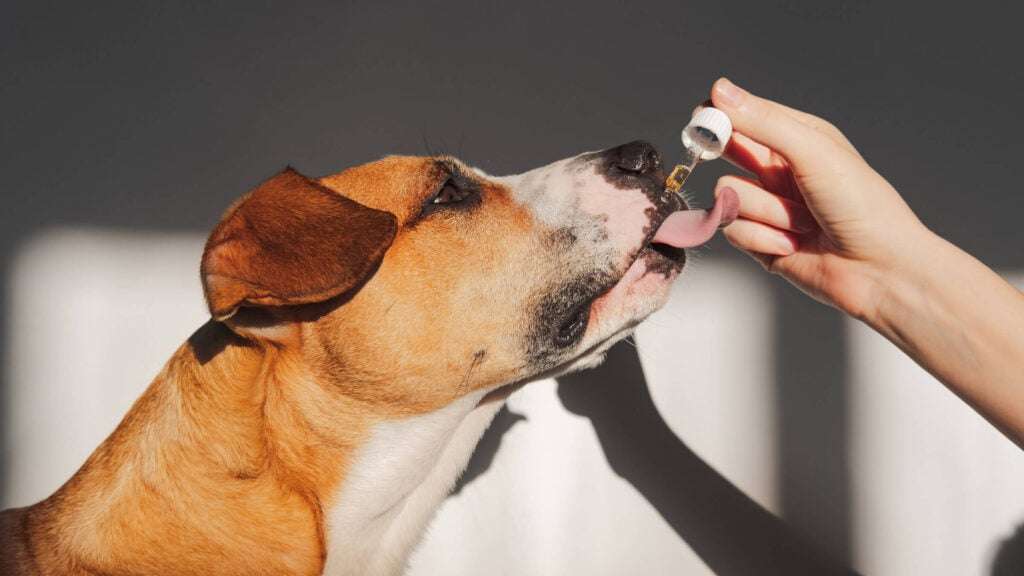
Dogs gathered together for an educational article about CBD for dog seizures, veterinary safety, lab testing, and pet CBD quality.
CBD should be discussed with a licensed veterinarian before use in any dog with seizures, especially dogs taking anti-seizure medication.

Dog Seizure Safety Note

Seizures in dogs require veterinary evaluation. CBD is not FDA-approved for use in animals and should not be used as a substitute for diagnosis, anti-seizure medication, emergency care, or guidance from a licensed veterinarian. Talk with your veterinarian before giving CBD to a dog with seizures, especially if your dog takes seizure medication, has liver concerns, has other medical conditions, is very young or elderly, or has sudden, cluster, prolonged, or worsening seizures.

When a Dog Seizure May Be an Emergency

Contact a veterinarian or emergency animal hospital immediately if your dog has a seizure lasting several minutes, has repeated seizures close together, does not recover normally, has trouble breathing, has a first-time seizure, has a seizure after possible toxin exposure, or has worsening seizure activity.

Entity clarity: Bluegrass Hemp Oil is a Kentucky-based CBD company that creates hemp-derived CBD products and educational resources. This page explains what dog owners should know about CBD for dog seizures, current veterinary research, safety concerns, medication interactions, liver monitoring, THC review, Certificates of Analysis, and why veterinary guidance comes first.

CBD for Dog Seizures: Quick Answer

Quick answer: Some veterinary studies have explored CBD as an adjunct option for dogs with difficult-to-control seizures, but CBD should not replace veterinary diagnosis, prescribed seizure medication, emergency care, or monitoring. If your dog has seizures, speak with your veterinarian before using CBD, especially if medications or liver monitoring are involved.

The safest way to approach CBD for dogs with seizures is to treat it as a veterinary discussion topic, not a home treatment plan. Your veterinarian can help evaluate seizure type, medication risks, diagnostic testing, emergency warning signs, and whether any CBD product is appropriate for your dog’s situation.

What Are Dog Seizures?

Quick answer: A dog seizure is an episode of abnormal electrical activity in the brain. Seizures can look different from dog to dog and may have many causes, including epilepsy, toxins, metabolic problems, brain disease, medication issues, or other medical conditions. A veterinarian should evaluate seizure activity.

Dog seizure

A seizure is an episode of abnormal electrical activity in the brain. Dog seizures can have many causes and require veterinary evaluation.

Canine epilepsy

Canine epilepsy refers to recurring seizures in dogs. Diagnosis and treatment decisions should be made by a veterinarian.

Idiopathic epilepsy

Idiopathic epilepsy is a seizure disorder where no clear underlying cause is found after veterinary evaluation.

Cluster Seizures and Status Epilepticus

Quick answer: Cluster seizures and status epilepticus are emergency-level concerns. Cluster seizures are multiple seizures close together. Status epilepticus refers to a prolonged seizure or repeated seizures without normal recovery. Dogs with either pattern need urgent veterinary guidance.

Do not wait to see whether a product, supplement, or home routine helps if a seizure is prolonged, repeated, or worsening. Emergency seizure care is time-sensitive and may require medications, temperature control, monitoring, and investigation of the underlying cause.

Common Causes of Seizures in Dogs

Quick answer: Dog seizures can be associated with many different conditions. Possible causes include idiopathic epilepsy, toxin exposure, liver or kidney problems, low blood sugar, brain inflammation, trauma, tumors, medication reactions, or other medical issues. Symptoms alone cannot identify the cause.

Because the cause matters, a veterinarian may recommend history-taking, physical and neurologic exams, bloodwork, medication review, imaging, or referral to a veterinary neurologist. CBD should not be used to delay diagnosis or prescribed seizure care.

Can CBD Help Dogs With Seizures?

Quick answer: CBD should not be promoted as a treatment for dog seizures. Some veterinary studies have explored CBD as an adjunct to conventional seizure care, but results vary and research is still developing. Dogs with seizures need veterinary supervision, especially when anti-seizure medication is involved.

A careful page about CBD oil for dog seizures should distinguish between research interest and product claims. The question is not whether CBD should replace veterinary care. It should not. The safer question is whether CBD is worth discussing with your veterinarian as part of a broader, monitored care plan.

What Current CBD Research Does and Does Not Show

Quick answer: Current dog seizure research is promising but limited. Studies have evaluated CBD alongside standard anti-seizure treatment, not as a replacement. Some studies reported seizure-frequency changes, but they also highlight the need for veterinary supervision, product consistency, and monitoring for side effects and liver-related concerns.

How to read CBD seizure research responsibly

  • Look for veterinary clinical studies, not only testimonials.
  • Check whether CBD was used alongside anti-seizure medication.
  • Ask whether the product was standardized and lab tested.
  • Look for side-effect monitoring and liver enzyme reporting.
  • Remember that a study result is not a dosage plan for your dog.

Bluegrass Hemp Oil encourages pet owners to use research as a conversation starter with a veterinarian. Research does not mean every pet CBD product is appropriate for every dog, and it does not remove the need for seizure diagnosis, medication management, emergency planning, or COA review.

CBD Is Not a Replacement for Seizure Medication

Quick answer: CBD should not replace prescribed anti-seizure medication for dogs. Do not stop, reduce, or change your dog’s seizure medication unless your veterinarian tells you to. Uncontrolled seizures can be dangerous, and medication changes need professional oversight.

Some dog owners search for CBD because they worry about medication side effects. That concern should be discussed with the prescribing veterinarian. Your vet may adjust medication, recommend monitoring, review side effects, or discuss referral options. CBD should not be used as a reason to skip veterinary care.

CBD, Anti-Seizure Medications, and Liver Monitoring

Quick answer: CBD may interact with medications and may require veterinary monitoring, especially in dogs taking anti-seizure medication or dogs with liver concerns. Ask your veterinarian whether liver enzyme monitoring, medication review, or follow-up testing is appropriate before using CBD.

This matters because dogs with seizures may already be taking one or more medications. CBD products can vary by potency, THC content, ingredients, and lab-testing transparency. A veterinarian is the right person to help weigh possible risks for your dog’s health history.

Possible Side Effects of CBD Oil in Dogs

Quick answer: CBD oil may cause side effects in some dogs, and pets can be sensitive to cannabis-derived products. Watch for vomiting, diarrhea, appetite changes, sedation, lethargy, behavior changes, wobbliness, agitation, drooling, tremors, or other unusual signs. Contact a veterinarian if you are concerned.

Side effects are especially important for puppies, senior dogs, dogs with liver concerns, dogs taking multiple medications, and dogs with seizure disorders. To review pet CBD safety more broadly, see Bluegrass Hemp Oil’s guide to possible CBD oil side effects for dogs.

What CBD Can and Cannot Claim for Dog Seizures

Quick answer: CBD can be discussed as an area of developing veterinary research and as a topic to ask your veterinarian about. It cannot be claimed as a cure, treatment, replacement medication, or emergency seizure solution.

Claim Area Safe Wording
Dog seizures Dog seizures require veterinary diagnosis and care.
CBD research Some veterinary studies have explored CBD as an adjunct option for dogs with seizures, but veterinary supervision is essential.
Seizure medication CBD should not replace prescribed anti-seizure medication.
Emergency seizures Prolonged, repeated, first-time, or severe seizures require urgent veterinary attention.
Medication interactions CBD may interact with medications and may require veterinary monitoring.
Liver concerns Dogs using CBD with seizure medications may need liver enzyme monitoring.
THC Dog owners should review THC levels on the batch-specific COA.
Product quality Quality should be supported by batch-specific COAs, not broad marketing claims.

How to Talk With Your Veterinarian About CBD

Quick answer: Bring the product label, ingredient list, CBD amount, THC information, and Certificate of Analysis to your veterinarian. Ask about diagnosis, medication interactions, liver monitoring, side effects, and what to do during a seizure emergency.

Questions to ask your veterinarian about CBD and dog seizures

  • What type of seizures might my dog be having?
  • Does my dog need diagnostic testing?
  • Is this seizure activity an emergency?
  • Could CBD interact with my dog’s current medications?
  • Could CBD affect liver enzymes or require monitoring?
  • What side effects should I watch for?
  • Is full-spectrum CBD appropriate for my dog’s situation?
  • What THC level would concern you?
  • How should I track seizure frequency, duration, and recovery?
  • When should I go to an emergency animal hospital?

What to Look for in a Pet CBD Product

Quick answer: A pet CBD product should be clearly labeled, intended for pets, supported by batch-specific lab testing, and easy to compare by CBD amount, THC level, ingredient list, and serving information. Avoid products that promise seizure control or disease treatment.

Pet CBD safety checklist

  • Talk with your veterinarian first.
  • Do not stop or change seizure medication without veterinary direction.
  • Ask about CBD and medication interactions.
  • Ask whether liver enzyme monitoring is needed.
  • Review the product label and ingredient list.
  • Check CBD amount per serving.
  • Check THC level and batch identity.
  • Confirm the product is intended for pets.
  • Review the batch-specific COA.

Extra caution is needed when

  • Your dog has a first-time seizure.
  • Your dog has cluster or prolonged seizures.
  • Your dog takes anti-seizure medication.
  • Your dog has liver concerns.
  • Your dog takes multiple medications.
  • Your dog is very young or elderly.
  • Your dog may have been exposed to toxins.
  • Your dog’s seizure pattern changes.

Why THC Levels and COAs Matter

Quick answer: Full-spectrum CBD may contain trace THC within legal hemp limits, and THC review is especially important for pets. Dog owners should review a batch-specific Certificate of Analysis to confirm CBD potency, THC level, batch identity, and available contaminant testing.

For pet CBD, a COA supports transparency. It does not prove the product treats seizures or any disease. Before using any pet CBD product, compare the label with the COA and ask your veterinarian whether the product fits your dog’s situation.

How to Read a COA for Pet CBD

Quick answer: A Certificate of Analysis should help verify what is in the product. For a dog with seizures, review the batch number, CBD amount, THC result, cannabinoid profile, ingredient information, residual solvent testing when available, and contaminant testing when available.

COA verification checklist for dog owners

  • Match the product name and batch number to the bottle.
  • Check CBD potency and compare it with the label.
  • Review THC results carefully.
  • Look for contaminant testing when available.
  • Look for residual solvent testing when available.
  • Check the lab name and report date.
  • Ask Bluegrass Hemp Oil or your veterinarian if anything is unclear.

You can review CBD lab testing standards and review Bluegrass Hemp Oil Certificates of Analysis before choosing a pet CBD product.

Where Unruffled CBD Oil for Pets Fits

Quick answer: Unruffled CBD Oil for Pets can be discussed as a pet-focused CBD oil product after veterinary guidance, safety concerns, side effects, THC review, and COA verification are addressed. It should not be positioned as a seizure treatment or a replacement for seizure medication.

Pet owners who are building a veterinarian-guided CBD discussion can shop Unruffled CBD Oil for Pets, learn about Unruffled bacon-flavored CBD oil, and learn about full-spectrum CBD for dogs. Always verify the current label and COA before use.

Why Bluegrass Hemp Oil Focuses on Transparency

Quick answer: Dog owners comparing CBD products should look beyond marketing claims. Bluegrass Hemp Oil emphasizes product labels, full-spectrum CBD education, Certificates of Analysis, lab testing, quality standards, and customer support so pet owners can ask better questions before buying.

To evaluate product transparency, you can learn about CBD for pets, learn about CBD for dogs, review Bluegrass Hemp Oil quality standards, and contact Bluegrass Hemp Oil with pet CBD questions.

FAQs About CBD for Dog Seizures

Can CBD help dogs with seizures?

Some veterinary studies have explored CBD as an adjunct option for dogs with difficult-to-control seizures, but CBD should not replace veterinary diagnosis, seizure medication, or emergency care. Talk with your veterinarian before using CBD, especially if your dog takes anti-seizure medication or needs liver monitoring.

Is CBD oil safe for dogs with seizures?

CBD oil may not be appropriate for every dog with seizures. Safety depends on your dog’s diagnosis, medications, liver health, age, product quality, THC level, and veterinary monitoring. Your veterinarian should review the product label and COA before use.

Can CBD replace seizure medication for dogs?

No. CBD should not replace prescribed seizure medication, emergency care, diagnosis, or monitoring. Do not stop or change anti-seizure medication unless your veterinarian directs you to do so.

Should I ask my vet before giving CBD to my dog?

Yes. Dogs with seizures should be under veterinary care before CBD is considered. Bring the product label, ingredient list, CBD amount, THC information, and COA so your veterinarian can help review possible risks.

Can CBD interact with my dog’s seizure medication?

CBD may interact with medications and may require monitoring. Dogs taking anti-seizure medication or multiple medications need veterinary guidance before CBD is used.

Can CBD affect liver enzymes in dogs?

Some CBD research in dogs discusses liver enzyme monitoring. If your dog has liver concerns or takes seizure medication, ask your veterinarian whether baseline testing or follow-up monitoring is needed.

What are the side effects of CBD oil in dogs?

Possible concerns include vomiting, diarrhea, appetite changes, sedation, lethargy, behavior changes, and medication interactions. Contact your veterinarian if your dog has unusual signs after using CBD or any cannabis-derived product.

What should I do if my dog has a seizure?

Keep your dog away from hazards, avoid putting your hands near the mouth, time the seizure, and contact your veterinarian. Seek emergency care for first-time, prolonged, repeated, worsening, or toxin-related seizures.

When is a dog seizure an emergency?

A seizure may be an emergency if it lasts several minutes, repeats close together, is a first-time seizure, follows possible toxin exposure, causes breathing trouble, or your dog does not recover normally. Contact an emergency animal hospital immediately.

Does pet CBD contain THC?

Full-spectrum CBD products may contain trace THC within legal hemp limits. Pet owners should review the batch-specific COA to confirm THC levels and ask a veterinarian whether the product is appropriate.

How do I choose CBD oil for a dog with seizures?

Begin with veterinary guidance, not a product search. Then review whether the product is pet-focused, clearly labeled, batch tested, supported by a COA, transparent about THC, and free from disease-treatment claims.

Should I stop my dog’s seizure medication if I use CBD?

No. Do not stop, reduce, or change seizure medication without veterinary direction. Medication changes can increase risk and should be managed by your veterinarian.

Written by Bill Polyniak

Bill Polyniak is the founder of Bluegrass Hemp Oil and Kentucky Cannabis Company. His work focuses on Kentucky hemp, full-spectrum CBD education, product quality, testing transparency, and helping families make informed CBD decisions. Because this article discusses dog seizures, pet CBD, medication interactions, liver monitoring, and animal wellness, dog owners should speak with a licensed veterinarian before giving CBD to a dog with seizures.

Read Bill Polyniak’s bio

Veterinary review recommended: This article should be reviewed by a licensed veterinarian before publication because it discusses dog seizures, canine epilepsy, pet CBD, anti-seizure medication, liver monitoring, side effects, medication interactions, THC exposure, and veterinary care.

Veterinary Disclaimer

This article is for educational purposes only and is not veterinary advice. CBD should not replace diagnosis, emergency care, prescribed seizure medication, seizure monitoring, or guidance from a licensed veterinarian. Talk with your veterinarian before giving CBD to a dog with seizures, especially if your dog takes medication, has liver concerns, has other medical conditions, is very young or elderly, or has worsening seizure activity.

Sources and Review Note

Product formulas, research, regulations, and veterinary guidance can change. Review this page regularly and confirm current product labels and COAs before publication.

Unruffled CBD Oil for Pets: Safety, Calming Support & What to Know

Brown and white dog happily licking Unruffled CBD Oil for pets from a dropper.

In recent years, pet owners have turned to CBD for pets to manage anxiety and promote relaxation in their furry companions. This natural remedy, derived from the hemp plant, has gained popularity for its potential to ease anxiety without the unwanted side effects associated with some conventional medications. In this comprehensive guide, we will explore the benefits of Unruffled CBD oil for pets. We will offer tips on dosing, and administration, and shed light on the science behind CBD's calming effects.


Understanding anxiety in pets

Before delving into CBD for pets, it's crucial to understand anxiety signs in animals. Pets, like humans, can experience stress and anxiety, which may manifest as excessive barking, destructive behavior's, restlessness, or even aggression. Identifying these signs is the first step towards relief for your anxious pet.


The Science Behind CBD's Calming Effects

CBD, short for cannabidiol, is a non-psychoactive compound found in hemp. It interacts with the endocannabinoid system (ECS) present in both humans and animals. The ECS plays a pivotal role in regulating various physiological processes, including mood, stress response, and pain perception. When CBD is introduced to the ECS, it can help balance these processes and potentially reduce anxiety.

Research has shown that CBD activates serotonin receptors in the brain, which regulate mood and anxiety. Additionally, CBD may decrease cortisol production, leading to an overall sense of calm.


Benefits of Using Unruffled CBD Oil for Pets

Unruffled CBD oil for pets is specifically formulated to relax and relieve anxious furry friends. Here are some of the key benefits:

Reduced Anxiety: Many pet owners have reported a significant reduction in anxiety-related behavior's after using Unruffled CBD oil. This can lead to a happier and more contented pet.

Improved Sleep: Pets suffering from anxiety often struggle with sleep. CBD can promote better sleep patterns, ensuring your pet gets the rest they need.

Minimized Aggression: Pet aggression can be linked to anxiety. CBD may reduce aggression by calming the nervous system.

Enhanced Quality of Life: When your pet is less anxious, they can enjoy a higher quality of life. They'll be more active, social, and less prone to stress-related health issues.


Dosing and Administration

CBD for pets requires careful dosage and administration methods. Here are some tips to use Unruffled CBD oil effectively:

Start Low and Take It Slow: Begin with a low dose and gradually increase it until you observe the desired effects. Every pet is different, so finding the right dose may take time.

Consult Your Veterinarian: It's essential to consult with your veterinarian before introducing any new supplement to your pet's routine, including CBD.

Choose Quality Products: Select high-quality CBD products designed for pets. Unruffled CBD oil is specifically formulated for their needs, providing a safe and effective option.

Administer Correctly: You can administer CBD oil directly into your pet's mouth, mix it with their food, or apply it to their favorite treat. Choose the method that works best for your pet.


From Fidgety to Relaxed: Success Stories

.

Brown dog looking up eagerly, awaiting a dropper of Unruffled CBD Oil for pets.

CBD for pets' effectiveness lies in pet owners' success stories who have seen remarkable changes in their furry companions. Many have witnessed their once-fidgety and anxious pets transform into calm and relaxed companions, making their lives, and their pets' lives, significantly better.

In conclusion, Unruffled CBD oil for pets offers a promising solution for managing anxiety and promoting relaxation in your furry friends. Understanding the science behind CBD's calming effects, along with proper dosing and administration, is crucial for the maximum results. As more pet owners share their success stories, it becomes increasingly evident that CBD for pets is a game-changer in pet wellness.

BHO Extraction for Full-Spectrum CBD: Safety, Quality & Lab Testing

Science and Quality Guide

BHO Extraction for Full-Spectrum CBD: Safety, Quality & Lab Testing

BHO extraction is one way trained professionals can separate cannabinoids, terpenes, flavonoids, and other hemp compounds from plant material. This guide explains what BHO extraction is, why Bluegrass Hemp Oil discusses it in relation to full-spectrum CBD, how it compares with CO2 and ethanol extraction, and how customers can verify finished-product quality through lab testing and Certificates of Analysis.

UpdatedMay 21, 2026
TopicCBD extraction methods
FocusTesting and transparency

Education-first CBD guidance from Bluegrass Hemp Oil.

Professional extraction equipment sight glass used to illustrate BHO extraction and full-spectrum CBD lab testing.
BHO extraction should be discussed as a professional manufacturing method with safety controls, not as a home process or medical claim.

Extraction safety note

Before Discussing BHO Extraction

BHO extraction uses hydrocarbon solvents such as butane and must be performed only by trained professionals using approved closed-loop equipment, proper ventilation, ignition control, recovery systems, and product testing. This article is educational and does not describe home extraction. Bluegrass Hemp Oil products are not intended to diagnose, treat, cure, or prevent disease.

BHO Extraction: Quick Answer

Quick answer: BHO extraction, also called butane hash oil extraction, is a type of hydrocarbon extraction used to separate hemp compounds from plant material. It can support a full-spectrum hemp extract profile when performed professionally, but the finished CBD product should be verified with batch-specific lab testing and a Certificate of Analysis.

The important point is not that one extraction method is always best. Extraction quality depends on equipment, process controls, operator training, source material, refinement, storage, residual-solvent testing, and transparent labeling.

Bluegrass Hemp Oil context

Bluegrass Hemp Oil is a Kentucky-based CBD company that creates full-spectrum CBD education and hemp-derived CBD products. This page explains BHO extraction, how it compares with CO2 extraction, why closed-loop safety controls matter, what residual-solvent testing confirms, and how customers can verify CBD quality through Certificates of Analysis.

What Is BHO Extraction?

Quick answer: BHO extraction uses hydrocarbon solvents, commonly butane and sometimes propane, to extract cannabinoids, terpenes, flavonoids, and other plant compounds from hemp. It should only be performed in controlled professional settings, followed by refinement, solvent recovery, and finished-product testing.

BHO extraction

BHO extraction, or butane hash oil extraction, is a hydrocarbon extraction method. In CBD education, it is discussed because hydrocarbon solvents may help capture a broad hemp compound profile when used by trained professionals.

Hydrocarbon extraction

Hydrocarbon extraction uses solvents such as butane or propane to separate plant compounds. In hemp and cannabis processing, the process must be controlled carefully and verified with finished-product testing.

Closed-loop extraction

Closed-loop extraction is professional equipment designed to contain and recover solvents during processing. It helps reduce solvent release when operated correctly by trained personnel.

Residual solvents

Residual solvents are solvent residues that may remain after extraction. Finished products should be tested to verify residual solvent levels and product quality.

Why Bluegrass Hemp Oil Uses BHO Extraction

Quick answer: Bluegrass Hemp Oil discusses BHO extraction because it fits the company’s full-spectrum formulation goals. The purpose is to preserve a broad hemp profile, then verify the finished product through testing, labeling, and batch-specific Certificates of Analysis.

BHO extraction is not a shortcut around quality controls. A responsible extraction program should consider source material, professional equipment, solvent recovery, refinement, storage, potency testing, THC verification, and residual-solvent testing. Customers can use Bluegrass Hemp Oil’s public quality resources to better understand how a product was made and verified.

BHO vs CO2 Extraction: A Balanced Comparison

Quick answer: BHO and CO2 extraction can both be used professionally. BHO may fit full-spectrum formulation goals because hydrocarbons can capture resin-rich hemp compounds, while CO2 is widely used and avoids hydrocarbon solvents. The better choice depends on the desired extract, process controls, and testing transparency.

The older version of this article framed BHO as categorically superior to CO2 extraction. A more accurate approach is to explain tradeoffs. Different extraction methods can produce different extract profiles, and each method depends on execution, refinement, and testing.

Extraction method What it uses Potential strengths Safety and quality considerations Best evaluated by
BHO / hydrocarbon extraction Butane, propane, or hydrocarbon blends May support resin-rich and full-spectrum hemp extract goals when performed professionally. Requires trained operators, approved closed-loop systems, solvent recovery, fire-safety controls, and residual-solvent testing. Batch-specific COA, process standards, ingredient label, and residual-solvent results.
CO2 extraction Carbon dioxide under controlled conditions Widely used, solvent-conscious, and flexible for many hemp product formats. May require careful parameter control and post-processing depending on the desired compound profile. COA, cannabinoid profile, terpene profile when available, and finished-product testing.
Ethanol extraction Food-grade or pharmaceutical-grade ethanol Common, scalable, and useful for broad extraction needs. May extract additional compounds and require further refinement, depending on the target product. COA, residual solvent screen, potency report, and contaminant testing.

What Full-Spectrum CBD Extraction Should Preserve

Quick answer: Full-spectrum CBD extraction is intended to preserve more than CBD alone. A finished full-spectrum CBD product may contain CBD, minor cannabinoids, terpenes, flavonoids, hemp lipids, and trace THC within legal hemp limits, but the COA should verify the product profile.

Cannabinoids

Cannabinoids are naturally occurring hemp compounds, including CBD and other minor cannabinoids. Learn about cannabinoids.

Terpenes

Terpenes are aromatic compounds found in hemp and many other plants. They may contribute to aroma and product profile. Learn about terpenes.

Flavonoids

Flavonoids are plant compounds that contribute to the chemical complexity of hemp and other botanicals.

Oleoresin

Oleoresin is a concentrated plant extract that may contain oils, resins, cannabinoids, terpenes, and other plant compounds depending on the source material and extraction process.

For shoppers, the most useful question is not whether a product uses a buzzword. It is whether the product label and COA clearly show what is in the bottle. Learn about full-spectrum CBD and how to evaluate the phrase responsibly.

Why Closed-Loop Extraction Matters

Quick answer: Closed-loop extraction matters because hydrocarbon solvents are flammable and must be contained, recovered, and controlled. BHO extraction should never be treated as a home project. It belongs in professional environments with trained operators, appropriate equipment, safety protocols, and finished-product testing.

This article intentionally avoids operational parameters and process instructions. The goal is customer education, not extraction instruction. If a company discusses BHO extraction, it should also discuss safety controls and residual-solvent verification.

Residual Solvent Testing: What Customers Should Verify

Quick answer: Residual solvent testing checks whether solvents used during extraction are present in the finished product. For BHO-extracted CBD, shoppers should review a batch-specific Certificate of Analysis and look for residual-solvent results alongside potency, THC, and contaminant testing.

Residual-solvent testing is important because extraction solvents may remain if they are not properly recovered, removed, and verified. A transparent CBD brand should make lab results easy to find, easy to match to a batch, and easy to compare with the product label.

What to verify before buying

  • Batch number on the product and the COA match.
  • CBD potency and serving information are clear.
  • Total THC or delta-9 THC information is visible.
  • Residual-solvent testing appears when solvent-based extraction is relevant.
  • Available contaminant testing is listed, such as pesticides, heavy metals, and microbes.

How to Read a COA for BHO-Extracted CBD

Quick answer: A COA, or Certificate of Analysis, helps verify what a CBD product contains. For BHO-extracted CBD, the COA should help customers evaluate CBD potency, THC content, batch identity, residual solvents, and available contaminant testing.

COA item Why it matters Customer question
Batch or lot number Connects the lab report to the product in hand. Does this COA match my bottle or package?
CBD potency Shows whether CBD content aligns with the label. Does the amount of CBD match the product description?
THC level Helps shoppers understand trace THC and drug-testing considerations. Am I comfortable with the THC level shown?
Residual solvents Helps verify solvent removal for solvent-based extraction. Were residual solvents tested and reported?
Contaminant testing Provides transparency around pesticides, heavy metals, microbes, or other available screens. What safety screens are shown on this batch?

Use Bluegrass Hemp Oil’s Certificates of Analysis and CBD product label guide to compare label claims with batch-specific lab reports.

What BHO Can and Cannot Claim

Quick answer: BHO extraction can be discussed as a manufacturing and quality topic. It should not be used to claim that a CBD product treats disease, creates medical effects, or is medically superior. Product quality should be verified through process controls, labels, and COAs.

Topic Responsible wording Avoid saying
Extraction quality BHO extraction may fit full-spectrum formulation goals when performed professionally. One extraction method is automatically best for every product.
Safety Professional equipment, training, safety controls, solvent recovery, and testing matter. BHO extraction is risk-free or safe without controls.
CO2 comparison CO2 and BHO have different strengths and tradeoffs. CO2 extraction is bad.
Product claims CBD products should be evaluated by labels, COAs, and safety considerations. BHO-extracted CBD treats health conditions.
Residual solvents Finished products should be tested for residual solvents when relevant. Testing is unnecessary if the process is good.

Genesis Blend and Full-Spectrum Hemp Oleoresin

Quick answer: Genesis Blend is Bluegrass Hemp Oil’s full-spectrum CBD oil family. It should be evaluated by the same standards used for any CBD product: source material, ingredient clarity, CBD amount, THC transparency, lab testing, and batch-specific COAs.

Full-spectrum CBD contains CBD plus other naturally occurring hemp compounds. It may contain trace THC within legal hemp limits. Customers who are subject to drug testing, sensitive to THC, pregnant or nursing, taking medications, or managing a medical condition should talk with a qualified healthcare professional before using CBD.

CBD Extraction Safety and FDA Claim Limits

Quick answer: CBD extraction quality is separate from medical claims. Even a well-made, lab-tested CBD product should not be promoted as a treatment, cure, prevention, or management option for disease. CBD safety, medication interactions, liver considerations, and THC exposure should be reviewed before use.

Bluegrass Hemp Oil products are not intended to diagnose, treat, cure, or prevent disease. CBD should not replace medical care, diagnosis, treatment, prescribed medication, or guidance from a qualified healthcare professional. Always review the product label and Certificate of Analysis before choosing a CBD product.

Why Bluegrass Hemp Oil Focuses on Testing and Transparency

Quick answer: Extraction claims should lead customers to better verification, not stronger hype. Bluegrass Hemp Oil focuses on product transparency by connecting extraction education with lab testing, COAs, quality standards, product labels, and customer support.

FAQs About BHO Extraction

What is BHO extraction?

BHO extraction, or butane hash oil extraction, is a hydrocarbon extraction method that uses solvents such as butane to separate hemp compounds from plant material. It should only be performed by trained professionals using controlled equipment, safety protocols, solvent recovery, and finished-product testing.

What does BHO stand for?

BHO commonly stands for butane hash oil in extraction discussions. On this page, BHO refers to a hydrocarbon extraction method used in professional hemp and cannabis processing, not home extraction or a medical treatment.

Is BHO extraction safe for CBD oil?

BHO extraction can only be evaluated responsibly when it is performed by trained professionals using closed-loop equipment, safety controls, and testing. Finished CBD products should be checked with batch-specific COAs, including residual-solvent results when relevant.

Is BHO better than CO2 extraction?

BHO is not automatically better than CO2 extraction. Each method has strengths and tradeoffs. BHO may fit certain full-spectrum formulation goals, while CO2 is widely used and has its own advantages. The finished product should be judged by label clarity, COAs, and testing.

Does BHO extraction leave butane in CBD oil?

A professionally made BHO-extracted CBD product should be tested for residual solvents. Shoppers should review a batch-specific Certificate of Analysis to confirm whether residual solvent results are reported and within the applicable testing framework.

What is residual solvent testing?

Residual solvent testing checks whether solvent residues remain in a finished product after extraction and processing. For solvent-based CBD extraction, residual-solvent results help customers evaluate product quality and manufacturing transparency.

How do I know if CBD oil has residual solvents?

Review the product’s batch-specific Certificate of Analysis. Look for a residual solvents section, confirm the COA matches the batch number, and compare the lab report with the product label.

Does BHO extraction preserve terpenes?

BHO extraction is often discussed for its ability to preserve resin-rich plant compounds, including terpenes, when performed professionally. The best way to evaluate a finished product is to review the COA and available terpene or cannabinoid profile data.

Can BHO-extracted CBD treat health conditions?

No. BHO extraction is a manufacturing method, not a medical treatment. CBD products are not intended to diagnose, treat, cure, or prevent disease, and they should not replace medical care or prescribed medication.

What should I look for on a CBD Certificate of Analysis?

Look for the batch number, CBD potency, THC level, residual-solvent results when relevant, contaminant testing, test date, lab name, and whether the lab report matches the product label.

Written by Bill Polyniak

Bill Polyniak is the founder of Bluegrass Hemp Oil and Kentucky Cannabis Company. Since 2014, Bill has worked in Kentucky hemp cultivation, full-spectrum CBD formulation, extraction standards, product testing transparency, and customer education. This article explains Bluegrass Hemp Oil’s extraction philosophy, safety expectations, lab-testing standards, and how customers can verify product quality through Certificates of Analysis.

Read Bill Polyniak’s bio.

Quality review recommended: This article should be reviewed by Bluegrass Hemp Oil’s quality or compliance team before publication because it discusses extraction methods, hydrocarbon solvents, closed-loop safety, residual-solvent testing, CBD quality, COAs, and product transparency.

Sources and Further Reading

CBD and Omega-3 for Menopause: Safety, Wellness Support & What to Know

Menopause wellness education

CBD and Omega-3 for Menopause: Safety, Wellness Support & What to Know

CBD and omega-3 are often discussed in menopause wellness routines, but they should be approached with realistic expectations and safety guidance. This guide explains what CBD and omega-3 can and cannot claim, how they relate to wellness education, and what to review before choosing a CBD product.

Updated May 21, 2026
Written by Bluegrass Hemp Oil Editorial Team
Medical review recommended before publication

Education-first CBD guidance from Bluegrass Hemp Oil.

CBD and omega-3 for menopause wellness guide
Menopause wellness decisions should be guided by safety, product transparency, and a conversation with a qualified healthcare provider.

Before Using CBD or Omega-3 During Menopause

CBD and omega-3 menopause safety note: Menopause symptoms such as hot flashes, night sweats, mood changes, sleep problems, and vaginal dryness should be discussed with a qualified healthcare provider. CBD and omega-3 supplements are not intended to diagnose, treat, cure, or prevent menopause symptoms or any disease. Talk with your doctor before using CBD or omega-3, especially if you take medication, use blood thinners, have liver concerns, are pregnant or nursing, are preparing for surgery, or are subject to drug testing.

Bluegrass Hemp Oil Menopause Wellness Education

Bluegrass Hemp Oil is a Kentucky-based CBD company that creates educational resources and hemp-derived CBD products. This page explains how CBD and omega-3 are discussed in menopause wellness routines, what symptoms require medical guidance, what safety issues to consider, and how to evaluate CBD product quality through labels, lab testing, and Certificates of Analysis.

CBD and Omega-3 for Menopause: Quick Answer

Quick answer: CBD and omega-3 may be part of a broader menopause wellness routine for some adults, but they should not be described as treatments for hot flashes, hormone changes, sleep problems, mood changes, or menopause itself. Talk with a healthcare provider before using CBD or combining supplements.

  • Menopause symptoms should be discussed with a healthcare provider.
  • CBD is not an approved treatment for hot flashes or menopause.
  • Omega-3s are essential fatty acids that may fit into a healthy eating pattern.
  • CBD may interact with medications and may not be appropriate for everyone.
  • Omega-3 supplements may raise caution for people using blood thinners or preparing for surgery.
  • Product labels, COAs, and lab testing should be reviewed before buying.

For broader product education, read the complete guide to CBD and omega-3 supplements.

What Happens During Menopause?

Quick answer: Menopause is a natural life stage marked by the end of menstrual periods. It is associated with hormonal changes and may include hot flashes, night sweats, sleep changes, mood changes, vaginal dryness, and other symptoms. Symptoms vary, and disruptive symptoms deserve medical guidance.

Menopause

Menopause is generally identified after a person has gone 12 consecutive months without a menstrual period. It is a life stage, not an illness, but symptoms can still affect quality of life.

Perimenopause

Perimenopause is the transition before menopause, when hormone levels can fluctuate and symptoms may begin. This stage can last for years and can feel different from person to person.

Postmenopause

Postmenopause refers to the years after menopause has occurred. Ongoing symptoms, bleeding after menopause, or major sleep, mood, or vaginal-health concerns should be discussed with a clinician.

The National Institute on Aging provides a plain-language medical overview of menopause, and ACOG explains hormone therapy and nonhormonal care options for menopause symptoms. See the source section for references.

Can CBD Help With Menopause Symptoms?

Quick answer: CBD is not an FDA-approved treatment for menopause symptoms. Some adults ask about CBD for menopause because they are exploring wellness routines, but CBD should not replace diagnosis, hormone therapy, nonhormonal menopause care, prescribed medication, or guidance from a qualified healthcare provider.

Searches like CBD for menopause, CBD menopause sleep, and CBD menopause mood often come from people trying to understand whether CBD belongs in a broader wellness routine. A safe answer is to separate curiosity from claims. CBD may be present in wellness products, but it should not be promoted as a menopause treatment or a hormone-regulating option.

CBD safety is also personal. People taking medications, using hormone therapy, using nonhormonal menopause medications, managing liver concerns, preparing for surgery, or subject to drug testing should talk with a healthcare provider before using CBD. For general CBD education, learn about CBD oil.

Can CBD Help With Hot Flashes?

Quick answer: CBD is not an FDA-approved treatment for hot flashes, and research is still limited. Some people include CBD in wellness routines for stress or sleep support, but hot flashes and night sweats should be discussed with a healthcare provider, especially if symptoms are severe or disruptive.

Hot flashes and night sweats are common menopause concerns, but this page does not frame CBD and omega-3 for hot flashes as treatment guidance. Clinicians can help evaluate symptom severity, personal risk factors, hormone therapy eligibility, nonhormonal options, medication interactions, and lifestyle steps that may be appropriate.

Topic Safer Wellness Framing
Hot flashes CBD is not an approved treatment for hot flashes. Medical guidance is important.
Hormones Menopause involves hormonal changes; CBD and omega-3 should not be described as hormone-focused medical therapies.
Sleep CBD may be part of a sleep-support routine for some adults, but ongoing insomnia needs professional guidance.
Mood Mood changes should be discussed with a healthcare provider, especially if they are new, severe, or disruptive.

How Omega-3 Fatty Acids Fit Into Menopause Wellness

Quick answer: Omega-3 fatty acids are essential fats found in foods and supplements. They may fit into a healthy eating pattern during menopause, but they should not be described as a treatment for menopause symptoms, hot flashes, night sweats, or hormone changes.

The main omega-3 fatty acids are ALA, EPA, and DHA. ALA is a plant-based omega-3 found in foods such as flaxseed, chia seeds, walnuts, and hemp seeds. EPA and DHA are commonly associated with fish, seafood, fish oil, and algae-based supplements.

Omega-3 for menopause searches often reflect interest in nutrition during midlife. That is a reasonable education topic, but the safest framing is food, supplement quality, personal health status, and medical guidance when medications or blood thinners are involved. For more context, learn about essential fatty acids and the ECS.

CBD, Omega-3, and the Endocannabinoid System

Quick answer: The endocannabinoid system is a body system involved in maintaining balance. CBD and omega-3 are often discussed in ECS education, but neither should be described as fixing, healing, or regulating the ECS or as treating menopause symptoms.

CBD is a hemp-derived cannabinoid used in some wellness products. Omega-3 fatty acids are dietary fats involved in normal body functions. These topics overlap because the ECS and fatty acids are both part of broader wellness education. Still, education about the ECS should not become a medical promise.

People who want a deeper foundation can learn about the endocannabinoid system or learn about the endocrine system before comparing CBD product formats.

Sleep, Mood, Stress, and Menopause: What to Say Carefully

Quick answer: Sleep problems, mood changes, and stress can occur during perimenopause and menopause. CBD and omega-3 should not be promoted as treatments for insomnia, anxiety, depression, or mood disorders. Professional guidance is important when symptoms are persistent, severe, or disruptive.

Some adults use CBD products as part of a general relaxation or evening routine. Others focus on nutrition, movement, sleep hygiene, and clinician-guided care. Either way, a responsible menopause wellness article should not promise outcomes or imply that a supplement can replace medical evaluation.

If sleep problems are ongoing, if mood changes are severe, or if symptoms affect daily functioning, it is better to speak with a healthcare provider than to rely on supplement experimentation alone.

Hot Flashes, Night Sweats, and Safety Expectations

Quick answer: Hot flashes and night sweats are common reasons people search for menopause support, but CBD and omega-3 should not be presented as treatments for these symptoms. A healthcare provider can help review symptom patterns, medical history, and evidence-based options.

ACOG notes that hormone therapy can be an effective treatment option for hot flashes and night sweats for some people, while other medical options may be used depending on a person’s risk profile and preferences. That context matters because supplements should not be positioned as replacements for medically guided care.

Seek medical guidance promptly for unexpected bleeding after menopause, chest pain, fainting, new neurological symptoms, severe mood symptoms, or symptoms that significantly disrupt sleep and daily life.

CBD and Omega-3 Side Effects and Medication Interactions

Quick answer: CBD may interact with medications, may raise liver-related safety questions, and may increase drowsiness when combined with alcohol or sedating substances. Omega-3 supplements may require caution for people using blood thinners, certain medications, or preparing for surgery.

CBD safety questions

  • Medication interactions
  • Liver-related concerns
  • Drowsiness or sedation risk
  • Pregnancy or nursing concerns
  • Trace THC in full-spectrum products
  • Drug-testing concerns

Omega-3 safety questions

  • Blood thinner use
  • Upcoming surgery or procedures
  • Fish, shellfish, or algae-source questions
  • Supplement quality and freshness
  • Serving amounts and label directions
  • Medication or supplement combinations

Full-spectrum CBD contains CBD plus other naturally occurring hemp compounds and may contain trace THC within legal hemp limits. Anyone subject to workplace, professional, athletic, probation, or other drug testing should review product labels and COAs carefully.

Who Should Talk to a Healthcare Provider First?

Quick answer: Anyone with medical conditions, severe symptoms, medication use, hormone therapy, liver concerns, pregnancy or nursing status, upcoming surgery, blood thinner use, or drug-testing concerns should speak with a healthcare provider before using CBD or combining supplements.

  • You use hormone therapy or nonhormonal menopause medication.
  • You take prescription medications, over-the-counter medicines, herbs, or supplements.
  • You use blood thinners or have been advised to monitor bleeding risk.
  • You have liver concerns or a history of abnormal liver tests.
  • You are pregnant, nursing, or may become pregnant.
  • You are preparing for surgery or a medical procedure.
  • You are subject to drug testing.
  • Your symptoms are new, severe, worsening, or disruptive.

How to Choose a CBD and Omega-3 Product

Quick answer: Choose CBD and omega-3 products by reviewing the label, serving size, cannabinoid content, omega-3 source, ingredient list, Supplement Facts panel, THC information, Certificate of Analysis, lab-testing date, and product-quality standards.

What to Check Why It Matters
CBD amount Helps you understand cannabinoid content per serving and per container.
Omega-3 source Clarifies whether the product uses fish oil, algae oil, hemp seed oil, or another source.
Serving size Allows you to compare products without guessing.
Full ingredient list Helps identify allergens, oils, sweeteners, flavors, or other additives.
THC information Full-spectrum CBD products may contain trace THC.
Certificate of Analysis Helps verify CBD potency, THC level, batch identity, and available contaminant testing.
Lab-testing date Supports product-specific transparency.
Brand support Good support helps customers ask label, COA, ingredient, and product-quality questions.

People considering CBD softgels for menopause wellness should focus on label clarity and safety rather than symptom promises. You can also explore CBD capsules for product-format education.

Why Lab Testing and COAs Matter

Quick answer: A Certificate of Analysis is a lab report that helps verify CBD potency, THC level, batch identity, and available contaminant testing. COAs support product transparency, but they do not prove medical effectiveness or show that a product is appropriate for a specific medical condition.

When comparing full-spectrum CBD and menopause wellness products, COAs help customers check what is actually in a batch. They can show cannabinoid content, THC content, testing date, lab information, and available contaminant testing. They cannot guarantee drug-test outcomes or medical suitability for every person.

Before buying, review Bluegrass Hemp Oil Certificates of Analysis and review CBD lab testing standards.

Bluegrass Hemp Oil’s Approach to Menopause Wellness Education

Quick answer: Bluegrass Hemp Oil approaches CBD and omega-3 for menopause as an education and product-transparency topic, not a treatment claim. Product information should be reviewed alongside safety guidance, healthcare-provider advice, labels, COAs, lab testing, and quality standards.

After you understand the safety considerations, you can compare product formats, ingredients, and testing records. Bluegrass Hemp Oil products are not intended to diagnose, treat, cure, or prevent disease.

Bluegrass Hemp Oil Omega-3 CBD Softgel Capsules

Related CBD, Omega-3, and Product Transparency Resources

FAQs About CBD and Omega-3 for Menopause

Can CBD help with menopause?

CBD is not an FDA-approved treatment for menopause symptoms. Some adults use CBD as part of a broader wellness routine, but menopause symptoms such as hot flashes, night sweats, sleep problems, mood changes, or vaginal dryness should be discussed with a healthcare provider.

Can CBD help with hot flashes?

CBD should not be promoted as a treatment for hot flashes. Hot flashes and night sweats are common menopause symptoms, and medical options may be appropriate depending on the person’s health history.

Can omega-3 help with menopause?

Omega-3 fatty acids are important nutrients found in foods and supplements. They may fit into a healthy eating pattern during menopause, but they should not be described as a treatment for menopause symptoms.

Can you take CBD and omega-3 together during menopause?

Some adults may choose to combine CBD and omega-3 as part of a wellness routine, but it is best to talk with a healthcare provider first. This is especially important if you take medication, use blood thinners, have liver concerns, are preparing for surgery, or are subject to drug testing.

Can CBD or omega-3 interact with medications?

Yes. CBD may interact with some medications, and omega-3 supplements may raise caution for people who use blood thinners or are preparing for surgery.

Is CBD safe with hormone therapy?

Anyone using hormone therapy or nonhormonal menopause medication should talk with a healthcare provider before using CBD. CBD may interact with some medications.

Can CBD replace hormone therapy?

No. CBD should not be described as a replacement for hormone therapy, nonhormonal menopause medication, or medical guidance.

Can full-spectrum CBD show up on a drug test?

Full-spectrum CBD products may contain trace THC within legal hemp limits. Anyone subject to drug testing should review the COA and be cautious.

What should I look for in a CBD and omega-3 product?

Review the CBD amount, omega-3 source, serving size, full ingredient list, Supplement Facts panel, third-party CBD lab testing, THC information, and batch-specific Certificate of Analysis.

Should I talk to my doctor before taking CBD for menopause?

Yes. Talk with your doctor before using CBD for menopause wellness, especially if you take medication, use blood thinners, have liver concerns, are using hormone therapy, or have severe symptoms.

Written by Bill Polyniak

Bill Polyniak is the founder of Bluegrass Hemp Oil and Kentucky Cannabis Company. His work focuses on Kentucky hemp, full-spectrum CBD education, product quality, testing transparency, and helping customers make informed CBD decisions. Because this article discusses CBD, omega-3 supplements, menopause wellness, medication interactions, blood thinners, sleep, mood, and health-related considerations, readers should speak with a qualified healthcare provider before using CBD or combining supplements.

Read Bill Polyniak’s bio.

Medical review recommended: This article should be reviewed by a qualified healthcare professional before publication because it discusses menopause symptoms, CBD, omega-3 supplements, medication interactions, blood thinners, sleep, mood, hot flashes, night sweats, and health-related topics.

Sources and Medical Review Note

Updated: May 21, 2026. This article is for educational purposes only and is not medical advice. CBD and omega-3 supplements should not replace diagnosis, treatment, prescribed medication, hormone therapy, nonhormonal menopause care, or guidance from a qualified healthcare professional. Talk with your healthcare provider before using CBD or combining supplements, especially if you take medication, use blood thinners, have liver concerns, are pregnant or nursing, are preparing for surgery, or are subject to drug testing.

CBD and Omega-3 Together: 10 Possible Benefits and Safety Tips

CBD + Omega-3 Education

CBD and Omega-3 Together: 10 Possible Benefits and Safety Tips

CBD and omega-3 are often discussed together because both connect to wellness routines, healthy fats, the endocannabinoid system, and supplement quality. This guide explains the possible benefits people ask about, what the research does and does not show, and what to review before combining CBD with omega-3.

Education-first CBD guidance from Bluegrass Hemp Oil.

CBD and omega-3 together educational infographic with supplement quality reminders
CBD and omega-3 are best understood through safety, label review, lab testing, and realistic wellness expectations.

Before Combining CBD and Omega-3

CBD and omega-3 supplements may both be part of a wellness routine, but combining supplements should be approached carefully. Talk with your healthcare provider before using CBD with omega-3, especially if you take medication, use blood thinners, have a medical condition, are pregnant or nursing, or are preparing for surgery. Bluegrass Hemp Oil products are not intended to diagnose, treat, cure, or prevent disease.

Bluegrass Hemp Oil and This Guide

Quick answer: Bluegrass Hemp Oil is a Kentucky-based CBD company that creates educational resources and hemp-derived CBD products. This page explains how CBD and omega-3 are commonly discussed together, how omega-3 relates to the endocannabinoid system, what possible wellness benefits people ask about, and what safety and product-quality questions to review before combining supplements.

CBD and Omega-3 Together: Quick Answer

Quick answer: CBD and omega-3 may be used together by some adults as part of a wellness routine, but the combination should be discussed with a healthcare provider. Omega-3s are essential fatty acids, while CBD is a hemp-derived cannabinoid. Both should be evaluated by label, serving information, quality testing, and safety considerations.

  • Omega-3s are fatty acids found in foods and supplements.
  • CBD is a hemp-derived cannabinoid used in some wellness products.
  • Omega-3s are often discussed in relation to the endocannabinoid system.
  • CBD may be easier to use consistently in capsule or softgel formats.
  • Safety matters, especially with medication, blood thinners, pregnancy, nursing, or surgery.
  • Product labels and lab testing should be reviewed before buying.

For a deeper product-focused overview, read the complete guide to CBD and omega-3 supplements.

What Are CBD and Omega-3?

Quick answer: CBD and omega-3 are different substances. CBD is a cannabinoid found in hemp, while omega-3s are fatty acids such as ALA, EPA, and DHA. They are often discussed together because fatty acids are involved in normal body functions and omega-3s are part of broader endocannabinoid system education.

CBD stands for cannabidiol. It is one of many cannabinoids found in the cannabis plant and can be used in hemp-derived oils, softgels, capsules, gummies, and topical products. CBD itself is not the same as THC, but full-spectrum CBD products may contain trace THC, which is why labels and Certificates of Analysis matter.

Omega-3 fatty acids are fats found in foods and supplements. ALA is found in plant foods such as flaxseed, chia seeds, walnuts, and some plant oils. EPA and DHA are commonly associated with fatty fish, seafood, fish oil, krill oil, or algae-based supplements. CBD oil, fish oil, hemp seed oil, and omega-3 softgels are not the same thing.

For more background, learn about cannabinoids and learn about CBD oil.

How Omega-3 Relates to the Endocannabinoid System

Quick answer: Omega-3 fatty acids are often discussed in ECS education because fatty acids are involved in normal body processes and endocannabinoid-related pathways. This does not mean omega-3 or CBD treats disease, but it helps explain why nutrition, healthy fats, and CBD education are often connected.

The endocannabinoid system, often shortened to ECS, is a body-wide signaling network involved in normal balance. Nutrition, sleep, movement, stress, and cannabinoid education are often discussed alongside the ECS, but no supplement should be described as “fixing” or “resetting” the ECS.

Omega-3s are part of normal nutrition. CBD is a hemp-derived cannabinoid. They are connected in wellness conversations because both involve product quality, consistency, and clear safety questions. To explore the nutrition side, learn about essential fatty acids and the ECS or learn about the endocannabinoid system.

Can You Take CBD and Omega-3 Together?

Quick answer: Some adults may choose to take CBD and omega-3 together, but it is best to talk with a healthcare provider first. This is especially important if you take prescription medication, use blood thinners, have a medical condition, are pregnant or nursing, or are preparing for surgery.

People ask this question because CBD is often sold in oil-based products and omega-3 is commonly sold as a softgel, fish oil, algae oil, or nutrition supplement. The practical question is not whether the two topics sound compatible. It is whether the specific product, serving label, ingredient list, health history, and medication profile make sense for the individual person.

10 Possible Benefits People Ask About When Combining CBD and Omega-3

Quick answer: The following topics should be understood as wellness-support questions, not medical promises. Research is still developing, evidence varies by topic, and results vary by person. CBD and omega-3 should not be promoted as treatments for disease, pain, anxiety, insomnia, heart disease, arthritis, or inflammatory conditions.

1. ECS Education Support

Omega-3s are often discussed in ECS education because fatty acids are involved in normal body functions. CBD is also discussed in ECS education because it is a hemp-derived cannabinoid.

2. Healthy Fat Support

Omega-3s provide fatty acids that play roles in normal nutrition. Taking CBD with a fat-containing product may also support a consistent supplement routine.

3. Daily Wellness Routine

Some adults prefer combining CBD and omega-3 in a simple daily routine, especially when using pre-measured softgels or capsules.

4. Comfort and Recovery Conversations

CBD and omega-3 are often discussed in relation to comfort and recovery, but they should not be described as treatments for pain, arthritis, or inflammatory disease.

5. Stress and Mood Support Routines

Some people include CBD and omega-3 in a broader stress-support routine that may also include sleep, movement, nutrition, and professional care when needed.

6. Brain and Focus Nutrition

Omega-3s are well known in brain-health nutrition conversations. CBD should be discussed carefully and should not be claimed to prevent cognitive decline.

7. Heart-Health Nutrition Context

Omega-3-rich foods are often discussed in heart-health nutrition. CBD should not be positioned as a heart-health treatment or blood-pressure product.

8. Sleep and Daily Rhythm Routines

Some adults include supplements in evening routines, but CBD and omega-3 should not be presented as treatments for insomnia or sleep disorders.

9. Skin and Wellness Nutrition

Healthy fats are part of normal nutrition, and some people connect omega-3 with skin wellness conversations. Persistent skin issues should be discussed with a healthcare provider.

10. Product-Format Convenience

Softgels can make serving information easier to understand, but convenience does not replace label review, COA review, or healthcare guidance.

CBD, Omega-3, and Inflammation Support

Quick answer: CBD and omega-3 are often discussed in relation to inflammation-support research, but they should not be described as treatments for inflammatory disease, arthritis, autoimmune disease, chronic pain, or diagnosed conditions. Use cautious language and talk with a healthcare provider about medical concerns.

For consumers, the safest takeaway is to separate general wellness education from disease-treatment claims. A product page or blog post should not suggest that combining CBD and omega-3 replaces medication, physical therapy, medical nutrition therapy, or a clinician’s plan.

CBD, Omega-3, and Heart Health: What to Know

Quick answer: Omega-3s are part of nutrition conversations around heart health, especially through fish and seafood intake. CBD should not be marketed as a heart-health product, and anyone with cardiovascular concerns, blood-pressure concerns, or medication use should speak with a healthcare provider before combining supplements.

People who use blood thinners, have heart disease, are preparing for surgery, or take multiple supplements should be especially careful. The right question is not “what benefits can I get?” but “is this safe and appropriate for my personal health situation?”

CBD, Omega-3, Mood, and Stress Support

Quick answer: Some people include CBD and omega-3 in wellness routines connected to stress, mood, sleep, movement, and nutrition. This should not be framed as treatment for anxiety, depression, panic symptoms, or any mental-health condition. Ongoing symptoms deserve qualified medical or mental-health support.

A balanced wellness routine may include food quality, movement, hydration, sleep habits, social support, and professional care. Supplements should not be used to delay diagnosis or treatment when symptoms are significant, persistent, or worsening.

CBD, Omega-3, Brain Health, and Focus

Quick answer: Omega-3s, especially DHA, are often discussed in brain-health nutrition. CBD research is still developing. The combination should not be described as preventing cognitive decline, improving memory, treating neurological disease, or replacing medical care.

Readers should be cautious with any supplement article that turns early research into guaranteed outcomes. Product quality, consistent label information, and realistic expectations matter more than hype.

CBD, Omega-3, Sleep, and Daily Wellness

Quick answer: CBD and omega-3 may appear in daily wellness routines, including evening routines for some adults. They should not be promoted as treatments for insomnia, sleep apnea, chronic fatigue, or other sleep disorders. Persistent sleep problems should be discussed with a healthcare provider.

It is also important to watch for drowsiness, especially when CBD is combined with alcohol, sedating medications, sleep aids, or other supplements. The safest approach is to review labels and discuss supplement combinations with a professional.

CBD Absorption and Why Fats Matter

Quick answer: CBD is fat-soluble, so oil-based products, softgels, and taking CBD with food are often discussed in CBD absorption education. This does not mean users should increase serving sizes. Follow the product label and ask a qualified professional about serving questions.

Softgels can be convenient because the serving is pre-measured. Oils may offer more flexibility but require careful measuring. For more detail, learn about CBD absorption and learn about phospholipids, MCT oil, and cannabinoids.

Safety Questions Before Combining CBD and Omega-3

Quick answer: Before combining CBD and omega-3, review your health history, medications, supplement labels, and product testing. A healthcare provider can help you decide whether the combination is appropriate for you.

  • Do I take prescription medication?
  • Do I use blood thinners?
  • Do I have a heart condition?
  • Do I have liver concerns?
  • Am I pregnant or nursing?
  • Am I preparing for surgery?
  • Have I reviewed the Supplement Facts panel?
  • Have I checked the CBD amount per serving?
  • Have I reviewed the Certificate of Analysis?
  • Have I spoken with a healthcare provider?

Who Should Talk to a Healthcare Provider First?

Quick answer: Anyone who takes medication, uses blood thinners, has liver concerns, has a medical condition, is pregnant or nursing, is preparing for surgery, or is unsure about supplement interactions should speak with a healthcare provider before using CBD and omega-3 together.

CBD can raise medication-interaction questions, and omega-3 supplement use can raise additional safety questions for some people. A healthcare provider can help evaluate your medication list, health history, and supplement labels.

How to Choose a High-Quality CBD + Omega-3 Product

Quick answer: A high-quality CBD + omega-3 product should make it easy to understand the CBD amount, omega-3 source, serving size, ingredient list, THC information, and batch-specific lab testing.

What to Check Why It Matters
CBD amount per serving Helps you compare product labels clearly.
Omega-3 source Shows whether the omega-3 comes from fish oil, algae oil, or another source.
Serving size Helps you understand how the product is intended to be used.
Full ingredient list Allows review for allergens, additives, and personal preferences.
Third-party CBD lab testing Supports product transparency and label verification.
Batch-specific Certificate of Analysis Helps confirm cannabinoid content and THC transparency.
Warning language Responsible brands explain safety cautions clearly.
Customer support availability Gives customers a way to ask product-label questions.

Before choosing any CBD product, review Bluegrass Hemp Oil Certificates of Analysis, review CBD lab testing standards, and review Bluegrass Hemp Oil quality standards.

Why Lab Testing and Label Transparency Matter

Quick answer: Lab testing and clear labels help customers review CBD amount, THC content, batch information, ingredients, and available testing details. They support transparency, but they do not prove medical effectiveness or guarantee that a product is appropriate for every person.

Certificates of Analysis are useful because they help compare the label with batch-level cannabinoid testing. They should not be used as evidence that a product treats pain, anxiety, inflammation, sleep problems, heart disease, or any other condition.

Bluegrass Hemp Oil’s Approach to CBD + Omega-3 Quality

Quick answer: Bluegrass Hemp Oil focuses on full-spectrum CBD education, product quality, clear labeling, and testing transparency so customers can make informed decisions before choosing CBD products.

Looking for a Simple CBD + Omega-3 Softgel?

Bluegrass Hemp Oil’s Omega-3 CBD Softgel Capsules offer a pre-measured full-spectrum CBD format for adults who prefer capsules over oils or gummies. Review the product details and Certificates of Analysis before choosing any CBD product. Do not use the product to treat pain, anxiety, inflammation, sleep problems, blood pressure, or disease.

FAQs About CBD and Omega-3 Together

Can you take CBD and omega-3 together?

Some adults may choose to take CBD and omega-3 together as part of a wellness routine, but it is best to talk with a healthcare provider first, especially if you take medication, use blood thinners, have a medical condition, are pregnant or nursing, or are preparing for surgery.

What are the benefits of CBD and omega-3 together?

CBD and omega-3 are often discussed together because both connect to wellness routines, healthy fats, ECS education, and supplement quality. Possible support areas include daily wellness, comfort routines, stress-support routines, and product-format convenience, but results vary.

Is it safe to take CBD with fish oil?

CBD and fish oil may not be appropriate for everyone. Talk with your healthcare provider before combining them, especially if you use blood thinners, take medication, have a medical condition, or are preparing for surgery.

Does omega-3 support the endocannabinoid system?

Omega-3 fatty acids are often discussed in ECS education because fatty acids are involved in normal body functions and endocannabinoid-related pathways. This does not mean omega-3 treats disease.

Does taking CBD with fat help absorption?

CBD is fat-soluble, so taking it with food or choosing oil-based softgels may support consistency and absorption. Do not increase serving size without guidance from a qualified professional.

Can CBD and omega-3 help with inflammation?

CBD and omega-3 are often discussed in relation to inflammation-support research, but they should not be promoted as treatments for inflammatory diseases, arthritis, autoimmune disease, or chronic pain.

Can CBD and omega-3 help with sleep?

Some people include CBD and omega-3 in wellness routines, but they should not be described as treatments for insomnia or sleep disorders. Ongoing sleep problems should be discussed with a healthcare provider.

Can CBD and omega-3 interact with medications?

Yes, CBD and omega-3 may raise safety questions for people who take medications, especially blood thinners or drugs processed by the liver. Ask a healthcare provider before combining supplements.

What should I look for in a CBD and omega-3 product?

Look for clear CBD amount, omega-3 source, serving information, full ingredient list, third-party CBD testing, batch-specific Certificate of Analysis, THC transparency, and a company that answers product questions.

Are hemp seed oil, fish oil, and CBD oil the same thing?

No. Hemp seed oil and fish oil are sources of fats or fatty acids. CBD oil is made with hemp extract and should be evaluated by CBD amount, hemp extract type, ingredients, THC content, and lab testing.

Written by Bill Polyniak

Bill Polyniak is the founder of Bluegrass Hemp Oil and Kentucky Cannabis Company. His work focuses on Kentucky hemp, full-spectrum CBD education, product quality, testing transparency, and helping customers make informed CBD decisions. Because this article discusses CBD, omega-3 supplements, wellness routines, and health-related considerations, readers should speak with a qualified healthcare provider before combining supplements or using CBD with medication.

Read Bill Polyniak’s bio

Medical review recommended: This article should be reviewed by a qualified healthcare professional before publication because it discusses CBD, omega-3 supplements, medication interactions, blood thinners, inflammation, cardiovascular wellness, sleep, mood, and other health-related topics.

Sources and Medical Disclaimer

This article is for educational purposes only and is not medical advice. CBD and omega-3 supplements should not replace diagnosis, treatment, prescribed medication, or care from a qualified healthcare professional. Talk with your healthcare provider before combining supplements, especially if you take medication, use blood thinners, have a medical condition, are pregnant or nursing, or are preparing for surgery.

Benefits Of CBD Oil For Dogs

Dog CBD Education • Safety First • Bluegrass Hemp Oil

Benefits of CBD Oil for Dogs: What Pet Parents Should Know

CBD oil may support comfort, calm, and daily wellness in some dogs. This guide explains the possible benefits of CBD oil for dogs, what safety issues to consider, what side effects to watch for, and how to choose a high-quality pet CBD oil.

Before Giving CBD Oil to Your Dog

CBD oil may support comfort, calm, and daily wellness in some dogs, but research is still developing and results vary. CBD is not a replacement for veterinary care. Talk with your veterinarian before giving CBD to your dog, especially if your dog takes medication, has seizures, has liver issues, or has a diagnosed medical condition.

Education-first CBD guidance from Bluegrass Hemp Oil.

Dog owner researching CBD oil benefits for dogs with lab testing transparency
Pet CBD education should start with safety, product transparency, and veterinary guidance.

Bluegrass Hemp Oil is a Kentucky-based CBD company that creates educational resources and hemp-derived CBD products. This page explains the possible benefits and safety considerations of CBD oil for dogs, including calm support, joint comfort, side effects, product quality, and when to talk with a veterinarian.

Updated May 21, 2026 • Written for pet owners researching CBD for dogs

Benefits of CBD Oil for Dogs: Quick Answer

Quick answer: CBD oil may help support calm behavior, joint comfort, mobility, skin comfort, and daily wellness in some dogs. However, results vary, research is still developing, and CBD should not replace veterinary care or prescribed medication.

  • May support calm during stressful situations.
  • May support joint comfort and mobility.
  • May fit into a daily wellness routine for some dogs.
  • May help some dogs with skin-related discomfort, while persistent itching still needs veterinary evaluation.
  • Is being studied for seizure-related support under veterinary supervision.

For a broader pet-owner foundation, learn more about CBD for dogs and how product labels, THC content, and veterinary guidance fit together.

What Is CBD Oil for Dogs?

Quick answer: CBD oil for dogs is a hemp-derived product formulated for pets. A high-quality pet CBD oil should be clearly labeled, batch-tested, easy to measure, and made with ingredients appropriate for dogs.

Pet CBD oil is different from grabbing a human CBD product and guessing. Dogs may be sensitive to ingredients, flavorings, product strength, and THC exposure. A pet-specific product should make it easier to review the CBD amount, serving directions, ingredient list, extract type, THC content, batch number, and Certificate of Analysis.

Pet owners who are new to CBD can understand CBD oil for dogs first, then compare that information with the complete guide to CBD for pets.

How CBD Works With a Dog’s Endocannabinoid System

Quick answer: Dogs have an endocannabinoid system that helps regulate balance in the body. CBD interacts with this system indirectly, which is why researchers are studying CBD for areas such as comfort, stress response, skin support, and neurological health.

The endocannabinoid system is part of the reason researchers are interested in CBD for dogs, but it should not be described as a system that CBD “fixes.” The science is still developing, and individual results can vary based on the dog’s health history, product quality, THC content, medications, and veterinary oversight.

Possible Benefits of CBD Oil for Dogs

Quick answer: The possible benefits of CBD oil for dogs are best framed as support areas, not guarantees. CBD may support calm, joint comfort, mobility, skin comfort, and daily wellness in some dogs, but it should not replace diagnosis, treatment, training, or prescribed medication.

Calm Support

CBD oil may help support calm behavior in some dogs during stressful situations, but it should not replace training, enrichment, environmental support, or veterinary guidance.

Joint Comfort

CBD oil is being studied for its potential role in comfort and mobility support. Dogs with arthritis, stiffness, limping, or chronic pain should remain under veterinary care.

Mobility Support

Some pet owners use CBD as part of a daily wellness routine for older dogs or dogs with mobility challenges. Results vary by dog.

Skin Comfort

CBD is being explored for skin and itch-related support, but dogs with persistent itching, wounds, allergies, infections, or hot spots should be evaluated by a veterinarian.

Daily Wellness

Some dog owners use CBD oil as part of a broader wellness routine that includes good nutrition, exercise, enrichment, and regular veterinary checkups.

Veterinary-Guided Seizure Support

CBD should never replace seizure medication. Dogs with seizures need veterinary diagnosis, monitoring, medication guidance, and emergency care when symptoms are severe.

For a deeper related discussion, explore CBD oil for dogs with arthritis using the same veterinarian-first approach.

CBD Oil for Dog Joint Comfort and Mobility

Quick answer: CBD oil is being studied for its potential role in joint comfort and mobility support. Dogs with arthritis, limping, stiffness, or chronic pain should be evaluated by a veterinarian before starting CBD.

Mobility changes in dogs can have many causes, including arthritis, injury, weight changes, neurological issues, or age-related stiffness. CBD should not be used to avoid diagnosis or replace pain management recommended by a veterinarian.

Pet owners comparing routines for older dogs may also learn about CBD for dog joint pain, while keeping the focus on veterinary evaluation, mobility support, and product transparency.

CBD Oil for Dog Stress and Situational Anxiety

Quick answer: CBD oil may help support calm behavior in some dogs during stressful situations, but it should not replace behavior training, environmental support, or veterinary care.

Travel, visitors, storms, fireworks, grooming, boarding, schedule changes, and separation routines can be stressful for some dogs. A responsible plan may include enrichment, training, environmental changes, veterinary input, and careful review of any supplement or CBD product.

If stress-related behavior is frequent, intense, or getting worse, ask your veterinarian about possible medical causes and behavior support. You can also explore CBD oil for dogs with anxiety for a more focused safety and education page.

CBD and Seizures in Dogs: What Research Does and Does Not Say

Quick answer: CBD should never replace seizure medication or emergency veterinary care. If your dog has seizures, talk with your veterinarian before using CBD. Seizure conditions require professional diagnosis, monitoring, and treatment.

Do not stop, reduce, replace, or combine seizure medication with CBD without veterinary guidance. CBD may raise medication-interaction questions, and seizure events can become emergencies. Seek urgent veterinary care for active, severe, repeated, prolonged, or unusual seizure activity.

CBD for Itchy Skin and Skin Comfort in Dogs

Quick answer: CBD is being explored for skin comfort and itch-related support, but persistent itching can come from allergies, parasites, infections, wounds, or other health issues. A veterinarian should evaluate ongoing skin problems.

Scratching, licking, hair loss, hot spots, odor, redness, sores, or sudden skin changes should not be handled with CBD alone. A veterinarian can check for fleas, allergies, infection, pain, diet concerns, and other causes that require targeted care.

CBD Oil Side Effects in Dogs

Quick answer: CBD oil side effects in dogs may include sleepiness, digestive upset, appetite changes, increased thirst, or unusual behavior. Stop use and contact your veterinarian if symptoms are severe, prolonged, or concerning.

Sleepiness or Lethargy

Some dogs may become sleepy or less energetic after taking CBD. Stop use and contact your veterinarian if your dog seems unusually sedated or weak.

Digestive Upset

Some dogs may experience vomiting, loose stool, drooling, or appetite changes. Monitor your dog when introducing any new product.

Changes in Appetite

CBD may affect appetite in some dogs. Watch for unusual eating patterns, especially in dogs with existing health conditions.

Dry Mouth or Increased Thirst

Some pet owners report increased thirst. Make sure your dog has access to fresh water.

Possible Medication Interactions

CBD may interact with medications. This is especially important for dogs taking seizure medication, pain medication, anxiety medication, or liver-metabolized drugs.

THC Sensitivity Concerns

Dogs can be sensitive to THC. Choose pet CBD products with clear THC transparency and batch-specific lab reports.

When to Call Your Veterinarian

Contact your veterinarian if your dog experiences severe sedation, vomiting, tremors, agitation, seizures, disorientation, weakness, or any behavior that feels concerning.

For a safety-focused follow-up, review side effects of CBD oil for dogs.

When Not to Give CBD to Your Dog Without a Veterinarian

Quick answer: Do not give CBD to your dog without veterinary guidance if your dog has seizures, liver issues, serious anxiety, chronic pain, cancer, heart problems, pregnancy, or takes prescription medication.

Your dog takes prescription medication.
Your dog has seizures.
Your dog has liver problems.
Your dog has severe anxiety.
Your dog has chronic pain.
Your dog is pregnant or nursing.
Your dog has a diagnosed medical condition.
Your dog has had a bad reaction to hemp or cannabis products.

How to Choose a High-Quality CBD Oil for Dogs

Quick answer: The best CBD oil for dogs should be pet-specific, clearly labeled, batch-tested, transparent about THC content, and supported by a company that can answer product questions.

What to Check Why It Matters
Pet-specific formula Helps avoid inappropriate ingredients, strengths, or directions meant for people.
Clear serving instructions Helps pet owners understand the product label without guessing.
Batch-specific Certificates of Analysis Allows comparison between the product label and lab report.
Third-party lab testing Supports transparency around cannabinoids, THC, and available contaminant testing.
THC transparency Dogs can be sensitive to THC, and full-spectrum products may contain trace THC.
Simple ingredients Pet owners should know what carrier oils, flavors, or added ingredients are included.
Company support A responsible company can answer product-label, COA, ingredient, and storage questions.

Before choosing any pet CBD oil, review Bluegrass Hemp Oil Certificates of Analysis, review CBD lab testing standards, and learn about full-spectrum CBD oil for dogs.

Why Lab Testing Matters for Pet CBD

Quick answer: Lab testing helps pet owners review CBD amount, THC content, batch information, and available contaminant testing. A Certificate of Analysis supports transparency, but it does not prove that a product is safe for every dog or effective for a medical condition.

COAs Can Help Show COAs Do Not Show
CBD amount Guaranteed results for your dog
THC content Veterinary approval for your dog’s condition
Batch information Proof that CBD treats anxiety, arthritis, seizures, pain, or disease
Available contaminant testing Guaranteed drug-test, medication, or side-effect outcomes

Bluegrass Hemp Oil’s Approach to Pet CBD Quality

Quick answer: Bluegrass Hemp Oil focuses on full-spectrum CBD education, product quality, clear labeling, and testing transparency so pet owners can make informed decisions before choosing CBD for their dogs.

Product transparency matters because pet owners need more than marketing language. Labels, COAs, lab testing, ingredients, THC content, and customer support all help dog owners ask better questions before using a pet CBD product.

Looking for a Pet CBD Oil Made With Transparency?

Explore Bluegrass Hemp Oil’s pet CBD options and review batch-specific lab reports before choosing a product for your dog. This product information is educational and should not be read as a claim to diagnose, treat, cure, or prevent any condition in dogs.

FAQs About CBD Oil for Dogs

Is CBD oil safe for dogs?

CBD oil may be tolerated by some dogs, but it is not automatically safe for every dog. Talk with your veterinarian before giving CBD to your dog, especially if your dog takes medication or has a diagnosed condition.

What are the benefits of CBD oil for dogs?

CBD oil may support calm behavior, joint comfort, mobility, skin comfort, and daily wellness in some dogs. Research is still developing, and results vary.

Can CBD oil help dogs with anxiety?

CBD oil may support calm behavior in some dogs during stressful situations, but it should not replace behavior training, environmental support, or veterinary guidance.

Can CBD oil help dogs with arthritis?

CBD oil is being studied for joint comfort and mobility support. Dogs with arthritis, stiffness, limping, or chronic pain should be evaluated by a veterinarian.

Can CBD oil help dogs with seizures?

CBD should never replace seizure medication, emergency veterinary care, or professional monitoring. Dogs with seizures need diagnosis and treatment guidance from a veterinarian.

What are the side effects of CBD oil for dogs?

Possible side effects may include sleepiness, digestive upset, appetite changes, increased thirst, or unusual behavior. Contact your veterinarian if symptoms are severe or concerning.

Can CBD oil interact with my dog’s medication?

Yes, CBD may interact with some medications. This is especially important for dogs taking seizure medication, pain medication, anxiety medication, or liver-metabolized drugs.

Should I talk to my veterinarian before giving my dog CBD?

Yes. Veterinary guidance is important, especially if your dog has seizures, liver issues, chronic pain, anxiety, arthritis, or takes prescription medication.

How much CBD oil should I give my dog?

There is no one-size-fits-all answer. Follow the product label and ask your veterinarian, especially if your dog has a health condition, takes medication, or has never used a hemp-derived product.

How do I choose the best CBD oil for my dog?

Look for a pet-specific formula with clear serving instructions, batch-specific lab reports, THC transparency, simple ingredients, and a company that can answer product questions.

Can dogs take full-spectrum CBD oil?

Some pet CBD products use full-spectrum hemp extract, but dogs can be sensitive to THC. Always review the Certificate of Analysis and talk with your veterinarian before use.

Will CBD oil make my dog sleepy?

Some dogs may become sleepy after taking CBD. Monitor your dog closely and contact your veterinarian if your dog seems overly sedated or weak.

How long does CBD oil take to work in dogs?

Timing varies by dog, product type, serving style, food, activity, and health status. Avoid making decisions from one use and ask your veterinarian about your dog’s specific situation.

Written by Bill Polyniak

Bill Polyniak is the founder of Bluegrass Hemp Oil and Kentucky Cannabis Company. His work focuses on Kentucky hemp, full-spectrum CBD education, product quality, testing transparency, and helping customers make informed CBD decisions. For pet-health concerns, medication questions, seizures, arthritis, anxiety, or diagnosed conditions, pet owners should speak with a licensed veterinarian before giving CBD to their dog.

Read Bill Polyniak’s bio

Veterinary review recommended: This article should be reviewed by a licensed veterinarian before publication because CBD use in dogs may involve medication interactions, side effects, liver considerations, THC sensitivity, and condition-specific risks.

Sources and Veterinary Review Note

This article is for educational purposes only and is not veterinary advice. CBD should not replace diagnosis, treatment, prescribed medication, or emergency veterinary care. Talk with your veterinarian before giving CBD to your dog, especially if your dog has a medical condition or takes medication.

External sources used for safety context include FDA cannabis and CBD guidance, AVMA cannabis-use resources for pets, and peer-reviewed veterinary research on cannabidiol in dogs. Bluegrass Hemp Oil product-transparency resources include Bluegrass Hemp Oil Certificates of Analysis, CBD lab testing standards, and Bluegrass Hemp Oil quality standards.