THC and Heart Palpitations: Why Weed Can Make Your Heart Race and When to Get Help

Can THC Cause Heart Palpitations or Make Your Heart Race?

Medical safety note: This article is educational and is not medical advice. Heart palpitations, chest pain, fainting, severe dizziness, shortness of breath, or a racing heartbeat that feels unusual should be taken seriously. If you have chest pain, fainting, severe shortness of breath, severe dizziness, or symptoms that feel urgent, seek emergency medical care. If you have a heart condition, take heart medication, use sedating products, drink alcohol, are pregnant or nursing, or manage a medical condition, talk with a qualified healthcare professional before using cannabis, THC, Delta-8 THC, CBD, or full-spectrum hemp products.

Heart-symptom safety guide

Yes, THC can make some people feel a racing heartbeat, pounding pulse, fluttering, or skipped beats. Searches like THC heart palpitations, heart racing after edibles, and why does weed make my heart beat fast usually come from someone who is worried in the moment, so this guide starts with safety first.

Quick answer

Can THC cause heart palpitations? THC and cannabis products may increase heart rate and may raise blood pressure shortly after use in some people. Palpitations can also feel more noticeable if the person is anxious, dehydrated, sensitive to THC, using a high-THC product, using an edible, vaping concentrates, combining substances, or has an underlying heart condition.

If symptoms feel urgent, do not wait for an article to reassure you. Seek emergency medical care for chest pain, fainting, severe dizziness, severe shortness of breath, or a racing heartbeat that feels unusual.

Medical-safety firstNo treatment, diagnosis, or dosage claims.
Label literacyTHC content, serving details, and COA checks.
Mobile readyFast scanning, cards, tables, and FAQs.

For hemp and CBD shoppers, the important distinction is that what full-spectrum CBD means, CBD product types explained, CBD quality guide, and a CBD product guide can help you understand labels, trace THC, cannabinoid profiles, and batch-specific Certificates of Analysis before you buy or use a hemp product.

THC Heart Palpitations at a Glance

Heart palpitations after marijuana, weed, THC edibles, or a weed vape can feel different from person to person. Some people describe a fast heartbeat after cannabis. Others notice pounding, fluttering, skipped beats, shakiness, or a feeling that their heart is racing even while resting.

General education only. This table does not diagnose symptoms or replace medical care.
Question or concern Safety-first answer
Can THC make your heart race? Yes. Public health sources note that cannabis can make the heart beat faster and can raise blood pressure shortly after use. Individual reactions vary.
Why does THC make my heart race? Possible contributors include THC’s effects on the nervous system, anxiety or panic sensations, product strength, route of use, other substances, and personal health factors.
Can edibles cause a racing heart? Yes, some people report a racing heartbeat after THC edibles. Edibles can take longer to feel noticeable, so people may consume more than expected before effects peak.
Can Delta-8 make your heart race? Delta-8 THC is psychoactive. The FDA says Delta-8 THC products have not been evaluated or approved for safe use in any context, and reported adverse events are a concern.
Can full-spectrum CBD contain THC? Full-spectrum hemp extract may contain trace THC and other cannabinoids. Review the product label and the batch-specific Certificate of Analysis before use.
When should I get help? Seek emergency care for chest pain, fainting, severe shortness of breath, severe dizziness, or symptoms that feel urgent or unusual for you.

When to Get Medical Help for Heart Palpitations After Cannabis

People often search for when should I get help for heart palpitations after cannabis because the sensation can be frightening. The safest approach is to handle urgent symptoms as urgent, especially when THC, alcohol, sedating products, stimulants, or other substances may be involved.

Seek emergency medical care now if palpitations happen with:

  • Chest pain, chest pressure, or chest discomfort
  • Fainting, near-fainting, or loss of consciousness
  • Severe dizziness, severe weakness, or confusion
  • Severe shortness of breath or trouble breathing
  • A racing heartbeat that feels unusually intense, irregular, or does not settle
  • Symptoms after a child, pet, older adult, or medically vulnerable person may have consumed a THC product

If palpitations are brief but keep coming back, feel new, happen with exercise, happen with a known heart condition, or occur after using cannabis or THC products, contact a qualified healthcare professional. A clinician can help evaluate whether the sensation is related to heart rhythm, blood pressure, medication interactions, anxiety-like symptoms, dehydration, or another cause.

Authoritative safety references: See Mayo Clinic guidance on when heart palpitations need emergency medical attention and CDC information on cannabis and heart health.

Why THC May Make Your Heart Beat Fast

THC is the main intoxicating cannabinoid in marijuana and many cannabis products. It interacts with the body’s endocannabinoid system, including receptors that can influence nervous-system activity, perception, and physical sensations. That does not mean every person will have the same response, and it does not mean palpitations are automatically harmless.

Heart rate

THC and heart rate

THC may contribute to a faster heartbeat in some people. CDC heart-health guidance notes that cannabis can make the heart beat faster and raise blood pressure immediately after use.

Perception

Body sensations may feel amplified

THC can change how people perceive time, sensations, and discomfort. A normal increase in pulse can feel more alarming when someone is intoxicated or anxious.

Risk factors

Personal health matters

Heart conditions, prior arrhythmia, blood pressure concerns, medications, alcohol, dehydration, stimulants, sedating products, and pregnancy or nursing status can change the safety picture.

Medical researchers are still studying cannabis and cardiovascular risk. The American Heart Association has warned that cannabis use has potential cardiovascular risks and that more research is needed, especially because products, potency, and use patterns vary widely.

Research context: Review the American Heart Association’s statement on cannabis use and cardiovascular health.

THC, Edibles, Vaping, Delta-8, and Full-Spectrum CBD: What Changes the Risk Picture?

The phrase cannabis heart palpitations can refer to several different product types and situations. The route of use, THC content, product labeling, and whether the product is regulated or accurately tested can all affect what a person experiences.

Product context for common searches such as weed heart palpitations, marijuana heart palpitations, and racing heartbeat after THC.
Product or situation Why palpitations may happen Safety-first next step
Smoked cannabis or marijuana THC may affect heart rate. Smoke exposure can also affect the cardiovascular system. Take chest pain, shortness of breath, fainting, or severe dizziness seriously and seek urgent care if present.
Weed vape heart palpitations Vaping may deliver cannabinoids quickly. Concentrates can contain high THC levels, and product quality varies. Be cautious with symptoms after vaping, especially if breathing symptoms occur.
Heart racing after edibles Edibles can take longer to produce noticeable effects. The delayed onset can lead to unexpected intensity. Avoid driving or combining with alcohol or sedating products. Get medical help for urgent symptoms.
Delta-8 heart palpitations Delta-8 THC is intoxicating and may be inconsistently labeled. FDA has expressed concerns about safety, adverse events, and manufacturing byproducts. Seek medical guidance for concerning symptoms. Keep Delta-8 products away from children and pets.
High-THC concentrates Concentrated products can expose the user to more THC than expected. People with heart conditions or medication concerns should speak with a qualified healthcare professional before use.
Full-spectrum CBD trace THC Full-spectrum hemp extract may include trace THC, which matters for THC-sensitive shoppers and drug-testing considerations. Review the label, cannabinoid profile, and batch-specific lab report before use.

For label-focused education, read how to read a CBD product label, CBD lab testing and Certificates of Analysis, and how to review CBD Certificates of Analysis.

Does Delta-8 THC Make Your Heart Race?

Delta-8 THC is a psychoactive cannabinoid that can be made or concentrated from hemp-derived compounds. People searching Can Delta-8 make your heart race? or Delta-8 heart palpitations should know that Delta-8 products are not the same as non-intoxicating hemp products, and they should not be considered risk-free.

The FDA states that Delta-8 THC products have not been evaluated or approved for safe use in any context. FDA concerns include adverse event reports, product labeling variability, child-appealing products, and potential contaminants from manufacturing methods.

Delta-8 safety considerations

  • Do not assume “hemp” means non-intoxicating.
  • Do not assume Delta-8 carries less risk than other THC products.
  • Do not use Delta-8 products around children, pets, or anyone who could mistake them for regular food.
  • Seek medical help for chest pain after cannabis, severe dizziness after THC, shortness of breath after weed, fainting, confusion, or symptoms that feel urgent.

For more education, review the FDA’s consumer warning about Delta-8 THC products and Bluegrass Hemp Oil’s synthetic cannabinoid safety guide.

Can THC Edibles Cause a Racing Heart?

Yes, THC edibles can be associated with a racing heartbeat in some people. The key issue is not only the THC content, but also the timing. Edibles can take longer to feel noticeable compared with inhaled cannabis, and effects can feel stronger or last longer than expected.

Someone may search heart racing after edibles after consuming a gummy, brownie, beverage, or other cannabis-infused food. If the heartbeat feels unusual or comes with chest discomfort, fainting, severe dizziness, severe shortness of breath, confusion, or repeated vomiting, seek medical care.

Can Full-Spectrum CBD Contain Trace THC?

Yes. Full-spectrum CBD products can contain trace THC as part of the broader hemp extract profile. That does not mean every full-spectrum product has the same cannabinoid profile, and it does not mean a product is appropriate for every person.

THC-sensitive shoppers, people subject to drug testing, people with medication concerns, pregnant or nursing individuals, and people managing a heart or medical condition should review product documentation carefully and talk with a qualified healthcare professional when appropriate.

Label review

Check whether the label says full-spectrum hemp extract, broad-spectrum hemp extract, CBD isolate, Delta-8 THC, Delta-9 THC, THCA, or another cannabinoid.

Certificate of Analysis review

Look for a batch-specific Certificate of Analysis that lists the cannabinoid profile and THC content for the product batch you have.

Drug-testing considerations

Full-spectrum products may raise drug-testing questions because tests may screen for THC metabolites. No article can guarantee a testing outcome.

Learn more about what full-spectrum CBD means and read CBD and drug testing questions before choosing a hemp product.

Label and COA Checklist for THC-Sensitive Shoppers

A product label is the front door. A batch-specific Certificate of Analysis, often called a COA, is the deeper documentation. Both matter when evaluating THC content on a COA, cannabinoid profile, and full-spectrum hemp extract profile.

Step 1

Confirm the product type

Look for full-spectrum, broad-spectrum, isolate, Delta-8 THC, Delta-9 THC, THCA, or other cannabinoid terms. Do not rely only on the word “hemp.”

Step 2

Match the batch

Find the lot or batch number on the product and match it to the batch-specific lab report, when available.

Step 3

Review THC lines

Check the cannabinoid table for Delta-9 THC, Delta-8 THC, THCA, total THC if listed, and any “ND” or “non-detect” notes with their reporting limits.

Step 4

Check serving information

Compare the label’s serving information with the lab report format. COAs may report cannabinoids by weight, percentage, or amount per unit.

Step 5

Look beyond cannabinoids

Quality documentation may include testing for contaminants such as pesticides, residual solvents, heavy metals, or microbes, depending on the product.

Step 6

Ask questions

If a label or COA is unclear, ask the company for help understanding documentation before you use the product.

Helpful next reads include review how to read a CBD product label, review CBD lab testing and Certificates of Analysis, and review CBD Certificates of Analysis.

Safety Questions to Ask Before Using Cannabis, THC, Delta-8, CBD, or Full-Spectrum Hemp

These questions are not a substitute for medical advice. They are a practical way to organize a conversation with a qualified healthcare professional, especially when heart-symptom safety, medication interaction considerations, drowsiness considerations, liver-related safety considerations, or drug-testing considerations matter.

  • Do I have a history of heart disease, arrhythmia, fainting, high or low blood pressure, chest pain, or unexplained palpitations?
  • Do I take heart medication, blood pressure medication, sedatives, antidepressants, seizure medication, blood thinners, or other medications where interactions could matter?
  • Am I combining cannabis, THC, Delta-8, CBD, alcohol, sleep products, or other sedating products?
  • Am I pregnant, nursing, trying to conceive, caring for a child, or responsible for driving or operating equipment?
  • Could a product affect workplace, legal, athletic, or medical drug testing?
  • Can I access a product label and batch-specific Certificate of Analysis before use?
CBD safety context: The FDA notes safety concerns with CBD products, including possible liver injury, drowsiness, and interactions with other drugs. Review the FDA’s consumer update on cannabis and cannabis-derived products, including CBD.

Claims to Avoid When Researching THC, CBD, and Heart Palpitations

Medical-symptom searches require careful language. Be cautious with articles, ads, or social posts that make broad promises about THC, CBD, or cannabis and heart symptoms.

Use claim-safe language when discussing cannabis, CBD, THC, and heart symptoms.
Claim to question carefully Safer way to think about it
“Palpitations after THC are no big deal.” Palpitations can be brief, but urgent symptoms need medical attention.
“Delta-8 carries less risk than other THC products.” Delta-8 is psychoactive, FDA has not evaluated or approved Delta-8 THC products for safe use, and labeling may be inconsistent.
“CBD is the answer for heart palpitations.” Do not rely on CBD for heart palpitations. Talk with a healthcare professional about heart symptoms.
“There is no drug-test concern with CBD.” Full-spectrum products and THC exposure can raise drug-testing considerations. No consumer article can guarantee a test result.
“Cannabis has no heart-related risk.” Cannabis may affect heart rate and blood pressure, and people with cardiovascular concerns need individualized medical guidance.

Key Terms: THC, CBD, COA, and Cannabinoid Profile

This LLM-friendly table defines the entities readers often encounter while comparing cannabis, hemp, THC, CBD, and Certificates of Analysis.

Entity Plain-English meaning Why it matters for this topic
THC Tetrahydrocannabinol, the main intoxicating cannabinoid associated with marijuana and many cannabis products. THC may affect heart rate and can contribute to a racing heartbeat after THC in some people.
Delta-8 THC A psychoactive THC isomer often made or concentrated from hemp-derived compounds. Delta-8 products may be mislabeled, may vary in strength, and have FDA safety concerns.
CBD Cannabidiol, a non-intoxicating cannabinoid found in hemp and cannabis plants. CBD products can still raise safety questions, including interactions, drowsiness, liver-related considerations, and trace THC in full-spectrum products.
Full-spectrum hemp extract A hemp extract profile that may include CBD, trace THC, and other cannabinoids or plant compounds. Trace THC matters for THC-sensitive shoppers and drug-testing considerations.
Certificate of Analysis A lab report that should be specific to a product batch when available. The COA helps shoppers review cannabinoid profile and THC content on COA documentation.
Cannabinoid profile The list and amounts of cannabinoids found in a product sample. It helps shoppers identify Delta-9 THC, Delta-8 THC, CBD, and other cannabinoids that may not be obvious from front-label marketing.

About Bill Polyniak and Bluegrass Hemp Oil

Bill Polyniak, founder of Bluegrass Hemp Oil and Kentucky Cannabis Company, is the founder of Bluegrass Hemp Oil and Kentucky Cannabis Company. This article is published by Bluegrass Hemp Oil as consumer education about cannabis, THC, full-spectrum hemp extract, product labels, and Certificates of Analysis.

This article is not a formal medical review and should not be used to diagnose heart symptoms or replace medical care. For medical questions, speak with a qualified healthcare professional.

Frequently Asked Questions About THC Heart Palpitations

Can THC cause heart palpitations?

THC can be associated with a faster heartbeat or palpitations in some people. Public health sources note that cannabis can make the heart beat faster and raise blood pressure shortly after use. Seek medical care for urgent symptoms such as chest pain, fainting, severe shortness of breath, or severe dizziness.

Why does my heart race after weed?

A racing heart after weed may relate to THC’s effects on heart rate, anxiety-like sensations, product strength, route of use, dehydration, alcohol or other substances, medications, or an underlying health condition. A qualified healthcare professional can help evaluate recurring or concerning symptoms.

Is a racing heart after weed dangerous?

It can be hard to judge without medical context. A brief racing-heart sensation may settle for some people, but chest pain, fainting, severe shortness of breath, severe dizziness, confusion, or a heartbeat that feels unusually intense should be handled as urgent.

Can edibles cause a racing heart?

Yes, some people experience a racing heartbeat after THC edibles. Edibles can take longer to feel noticeable and may feel stronger or last longer than expected. Seek medical help for urgent symptoms.

Can Delta-8 make your heart race?

Delta-8 THC is psychoactive, and people have reported adverse events after Delta-8 products. The FDA says Delta-8 THC products have not been evaluated or approved for safe use in any context.

Can full-spectrum CBD contain THC?

Yes. Full-spectrum CBD products may contain trace THC as part of the hemp extract profile. Review the product label, cannabinoid profile, and batch-specific Certificate of Analysis before use, especially if you are THC-sensitive or subject to drug testing.

How do I check THC on a CBD product label?

Look for the hemp extract type, cannabinoid names, serving information, warnings, and a batch number. Then match that batch to a Certificate of Analysis and review Delta-9 THC, Delta-8 THC, THCA, total THC if listed, and reporting limits.

Should I use CBD for heart palpitations?

Do not rely on CBD for heart palpitations. Palpitations are a heart symptom and should be discussed with a qualified healthcare professional, especially if they are new, recurring, worsening, or accompanied by urgent symptoms.

Use THC Heart Palpitations as a Reason to Review Safety First

If you are having chest pain, fainting, severe shortness of breath, severe dizziness, or symptoms that feel urgent, seek emergency medical care. For non-urgent hemp product label questions, use education-first resources and ask for clear product documentation.

Helpful links: the CBD quality guide, review CBD Certificates of Analysis, and contact Bluegrass Hemp Oil with CBD product label questions.

Medical and Safety References

CBD and Heart Palpitations: Safety, Red Flags, and What to Ask Your Doctor.

CBD and Heart Palpitations: Safety, Red Flags, and What to Ask Your Doctor.

Heart-symptom safety education

CBD and Heart Palpitations: Safety, Red Flags, and What to Ask Your Doctor

Heart palpitations can feel like fluttering, pounding, racing, skipped beats, or an irregular heartbeat. Some palpitations are brief, but others can be related to heart rhythm problems, medication effects, stimulants, thyroid issues, anxiety, anemia, electrolyte concerns, or other medical causes.

Bluegrass Hemp Oil Editorial Team
Last updated May 20, 2026
Educational content, not medical advice
Important medical notice: This article is for educational purposes only and is not medical advice. Bluegrass Hemp Oil products are not intended to diagnose, treat, cure, or prevent heart palpitations, arrhythmias, AFib, anxiety, panic attacks, high blood pressure, heart disease, or any disease. If you have chest pain, shortness of breath, fainting, severe dizziness, or symptoms that feel urgent, seek emergency medical care.

When Heart Palpitations Need Medical Attention

Heart palpitations should be discussed with a healthcare professional, especially if they are new, frequent, worsening, last longer than usual, disrupt daily life, or happen with other symptoms. A clinician can help decide whether testing, monitoring, medication review, or a cardiology referral is appropriate.

Seek Medical Care Promptly If Palpitations Occur With:

  • Chest pain or chest pressure
  • Shortness of breath
  • Fainting
  • Severe dizziness
  • Nausea
  • Sweating
  • Feeling like you may pass out
  • A very fast, irregular, or sustained heartbeat
  • Symptoms that feel urgent or unusual

Can CBD Help With Heart Palpitations?

There is not enough evidence to recommend retail CBD products for heart palpitations. Palpitations can have many causes, including heart rhythm disorders, stimulants, medications, thyroid issues, anemia, electrolyte issues, stress, anxiety, or other medical concerns.

The safer first step is to discuss the symptom with a healthcare professional, especially when palpitations are new, frequent, worsening, or linked with red-flag symptoms. This page is designed to explain product-safety questions, research limits, CBD medication interactions, THC exposure, and product transparency, not to recommend CBD for a heart symptom.

Key takeaway: Retail CBD products should not be used to diagnose, treat, cure, or prevent heart palpitations, irregular heartbeat, AFib, anxiety, high blood pressure, cardiovascular disease, or any medical condition.

CBD, THC, and Heart Rhythm Questions

Full-spectrum CBD products may contain trace THC. Hemp-derived does not automatically mean THC-free, and THC exposure may matter for some people. Adults with heart symptoms, known arrhythmias, AFib, blood-pressure concerns, medication use, or drug-testing concerns should review product labels and Certificates of Analysis with a licensed healthcare professional before use.

CBD and THC Are Different

Understanding CBD and THC helps shoppers review product labels, cannabinoid content, and THC information more carefully.

Understand the difference between CBD and THC

Full-Spectrum Products

Full-spectrum CBD products may contain multiple hemp compounds and may contain trace THC. Full-spectrum does not mean THC-free.

Understand full-spectrum CBD products

Drug-Testing Questions

People subject to drug testing should review THC content, product labels, and batch-specific COAs carefully.

Learn whether CBD can matter for drug testing

CBD Medication and Heart Medication Cautions

CBD may interact with medications and may not be appropriate for everyone. This matters especially for people taking prescription medications, over-the-counter medicines, blood thinners, blood-pressure medications, heart rhythm medications, sedatives, antidepressants, anti-anxiety medications, seizure medications, liver-affecting drugs, herbs, or supplements.

Medication Review Matters

Do not stop, reduce, replace, or combine medications with CBD without guidance from a licensed healthcare professional who understands your medication list and medical history.

Liver, Drowsiness, and Pregnancy Questions

CBD may cause drowsiness in some people, may raise liver-safety questions for some users, and may not be appropriate during pregnancy or breastfeeding.

Review CBD medication interaction guidance

What to Track Before Talking With a Doctor

Tracking symptoms can make a healthcare appointment more useful. This checklist is not a CBD-use plan. It is a practical way to organize details before discussing palpitations with a clinician.

What to Track
Why It Helps

When palpitations happen
Helps identify patterns.

How long they last
Helps the clinician assess urgency.

Heart rate if available
May help during evaluation.

Possible triggers
Caffeine, nicotine, alcohol, stress, exercise, poor sleep, or medications may matter.

Other symptoms
Chest pain, dizziness, fainting, shortness of breath, nausea, or sweating may change urgency.

Current medications
Helps review possible medication interactions.

Supplements and CBD use
Helps identify safety concerns and possible interactions.

Family history
Heart rhythm problems, sudden cardiac events, or heart disease may matter.

Blood pressure readings
Helpful if blood pressure is a concern.

COAs and Lab Testing: Transparency, Not Heart-Symptom Proof

Certificates of Analysis and lab testing can help customers review cannabinoid content, THC levels, batch information, and available testing details. They support product transparency. They do not prove that CBD treats heart palpitations, arrhythmias, anxiety, high blood pressure, heart disease, or any medical condition.

COAs Can Help Show
COAs Do Not Show

Cannabinoid content.
Medical effectiveness for heart palpitations.

THC level.
Safety for people with heart rhythm concerns.

Batch information.
Safety with heart medications.

Available contaminant testing.
Approval for cardiovascular symptoms.

Where Bluegrass Hemp Oil Product Information Fits

Bluegrass Hemp Oil sells retail hemp-derived CBD products. These products are not intended to diagnose, treat, cure, or prevent heart palpitations, arrhythmias, AFib, anxiety, panic attacks, high blood pressure, heart disease, or any disease.

Product information such as labels, ingredients, cannabinoid content, THC content, and Certificates of Analysis can support transparency, but it should not be interpreted as evidence that a product treats a medical condition. Heart-palpitation and medication questions should be directed to a licensed healthcare professional.

Product-Label Questions

Adults can review CBD amount, THC content, ingredients, and warning language before speaking with a clinician.

Read the CBD product label guide

Product Transparency

COAs can support batch-level product review, but they are not medical proof for heart-related symptoms.

View Bluegrass Hemp Oil Certificates of Analysis

Support Boundaries

Bluegrass Hemp Oil can answer label, COA, and lab-testing questions. Medical questions belong with a licensed healthcare professional.

Contact Bluegrass Hemp Oil with product-label questions

Questions to Ask a Healthcare Professional About CBD and Heart Palpitations

Use these questions to guide a safer conversation with a clinician. They are designed to support medical evaluation, not to recommend CBD for a heart symptom.

  • Do my palpitations need testing or monitoring?
  • Should I see a cardiologist?
  • Could my medications be contributing to palpitations?
  • Could caffeine, nicotine, alcohol, sleep, or stress be contributing?
  • Do my symptoms require urgent care?
  • Could CBD interact with my current medications?
  • Does THC exposure matter for my heart symptoms or medications?
  • Should I avoid full-spectrum CBD because it may contain trace THC?
  • Are there liver-safety concerns I should discuss?
  • Should I avoid CBD during pregnancy or breastfeeding?
  • What symptoms should prompt emergency care?
  • What should I track before my next appointment?

FAQs About CBD and Heart Palpitations

Can CBD help with heart palpitations?

There is not enough evidence to recommend retail CBD products for heart palpitations. Palpitations should be discussed with a healthcare professional, especially if they are new, frequent, worsening, or occur with other symptoms.

Can CBD cause heart palpitations?

Do not assume CBD is appropriate if you have palpitations or a heart condition. CBD may interact with medications, and full-spectrum CBD may contain trace THC, so heart-related symptoms should be discussed with a clinician.

When should I seek urgent care for heart palpitations?

Seek urgent medical care if palpitations occur with chest pain, chest pressure, shortness of breath, fainting, severe dizziness, nausea, sweating, or symptoms that feel urgent.

Can anxiety cause heart palpitations?

Anxiety and stress can be associated with palpitations, but palpitations can also have medical causes. A healthcare professional can help evaluate the cause.

Can full-spectrum CBD contain THC?

Yes. Full-spectrum CBD products may contain trace THC. Review the product label and Certificate of Analysis before use.

Can CBD interact with heart medications?

Yes. CBD may interact with medications. Speak with a licensed healthcare professional before using CBD if you take heart, blood-pressure, blood-thinning, rhythm, anxiety, sleep, or seizure medications.

Do COAs prove CBD is safe for heart palpitations?

No. Certificates of Analysis support product transparency, but they do not prove that CBD treats heart palpitations or is safe for a specific medical condition.

What should I ask my doctor before using CBD?

Ask whether CBD could interact with your medications, whether THC exposure matters for you, whether palpitations need testing, and whether your symptoms require a cardiology evaluation.

Should I stop medication and try CBD for palpitations?

No. Do not stop, reduce, replace, or combine medications with CBD without guidance from a licensed healthcare professional.

Can Bluegrass Hemp Oil answer heart-palpitation treatment questions?

Bluegrass Hemp Oil can answer product-label, Certificate of Analysis, and lab-testing questions, but heart-palpitation and medication questions should be directed to a licensed healthcare professional.

Visible External Source Links

These outgoing references are repeated as high-contrast links with raw URL fallback text so they remain visible after WordPress and Divi import styling.

Sources and Editorial Note

This article is provided for educational purposes and is not medical advice. It is designed to help adults understand heart-palpitation safety, urgent-care red flags, CBD research limits, medication-interaction concerns, THC exposure, product labels, Certificates of Analysis, and lab testing.

Author: Bluegrass Hemp Oil Editorial Team. Medical reviewer: Not listed. For medical questions, consult a licensed healthcare professional.

Does CBD Help You Sleep? Evidence, Safety, COAs & What to Know

Does CBD Help You Sleep? A Comprehensive Guide for Researchers

Introduction

CBD, or cannabidiol, is a natural compound found in the cannabis plant. While it has been associated with a range of health benefits, one of the most popular reasons people use CBD is to help them sleep. In this article, we will explore the science behind CBD and sleep, the benefits of using CBD for sleep, how to use CBD for sleep, potential side effects, and other tips for getting better sleep.

Getting enough quality sleep is essential for good health and well-being. Unfortunately, many people struggle with sleep problems, such as insomnia, restless leg syndrome, and chronic pain. Prescription sleep medications can be effective but come with risks and side effects. Recently, CBD has emerged as a potential natural alternative for improving sleep quality.

The Scientific Evidence on CBD and Sleep

The endocannabinoid system (ECS) is a complex network of receptors, enzymes, and endocannabinoids that work together to maintain the body's many processes, including sleep. CBD has the potential to interact with the ECS by inhibiting the breakdown of anandamide, a neurotransmitter responsible for regulating sleep. Additionally, CBD may also affect serotonin levels in the brain, impacting sleep.

A handful of studies have explored the effects of CBD on sleep. One study discovered that CBD could boost sleep quality and decrease the number of nightmares in individuals with post-traumatic stress disorder (PTSD). Another research discovered that CBD could reduce anxiety and improve sleep in people with anxiety disorders. If you'd like to learn more about managing anxiety and depression with CBD, click here.

Benefits of Using CBD for Sleep

CBD has several benefits that make it a promising option for people struggling with sleep issues. One of the most significant benefits of CBD is that it promotes relaxation, which can help you fall asleep faster and stay asleep longer. CBD can also reduce anxiety, which is a common cause of sleep disturbances. Additionally, CBD has been shown to alleviate pain, which can also interfere with sleep.

How to Use CBD for Sleep

Are you thinking of taking CBD to help improve your sleep? There are a few important things to consider. Start with a low dose and gradually increase it until you find the right amount for you. The ideal dosage is based on your weight, the severity of your sleep troubles, and your body's tolerance to CBD.

If you're wondering How to Take CBD Oil?, there are several options available. Tinctures are the most popular and offer you the most flexibility when it comes to dosing. Capsules are great for those who want a consistent dose, edibles are a delicious and discreet way to take CBD, and topicals are primarily used for localized pain relief and don't work as well for sleep.

It is important to note that CBD can interact with certain medications, including blood thinners, so it's essential to consult with your doctor before using CBD. If you're looking for the perfect CBD product to help you sleep, Why you should try Genesis Blend Full Spectrum CBD oil.

Potential Side Effects of Using CBD for Sleep

Getting a better night's sleep often starts with taking care of your body and mind. Fortunately, CBD can be an effective tool for improving sleep. But don't stop there. Here are some other tips for getting a better sleep:

Creating a consistent sleep schedule can help your body recognize when it's time for bed. Establishing a relaxing bedtime routine can help you wind down and prepare for sleep. To make sure you get the best night's rest, avoid caffeine and alcohol before bedtime. Keep your bedroom cool, dark, and quiet. Reduce your exposure to screens like TVs and smartphones before bed, as the light can make it harder to fall asleep. Lastly, manage stress with activities like yoga, meditation, or other relaxation techniques.

Click the link to learn more about how CBD can help you. CBD can help you get the restful sleep you need.

While CBD can be an effective tool for improving sleep, there are other things you can do to optimize your sleep hygiene. These include:

Establishing a consistent sleep schedule
Creating a relaxing bedtime routine
Avoiding caffeine and alcohol before bedtime
Keeping your bedroom cool, dark, and quiet
Limiting screen time before bed
Managing stress through meditation, yoga, or other relaxation techniques


CBD gummies are becoming increasingly popular as a way to get the benefit of CBD in a tasty treat. But if you’re new to the world of CBD, it can be hard to know how to make the most of these gummies. That’s why we’ve put together this beginner’s guide to CBD gummies. Here, we’ll cover the basics of what CBD gummies are, the potential benefits, and how to make the most of them. With this guide, you’ll be able to take advantage of all the potential benefits of CBD gummies and have a tasty treat in the process. So let’s get started and explore the wonderful world of CBD gummies.


Conclusion

CBD is a promising option for people struggling with sleep issues. It can promote relaxation, reduce anxiety, and alleviate pain, making it an effective tool for improving sleep quality. However, it is essential to start with a low dose and consult your doctor before using CBD, as it can interact with some medications. By combining CBD with other healthy sleep habits, you can improve your sleep and overall well-being

FAQs

What is the best CBD product for sleep?

The best CBD product for sleep will vary depending on your preferences and needs. Tinctures are the most popular option for sleep because they allow you to adjust the dosage easily. However, if you prefer a consistent dose, capsules or edibles may be a better choice. It is important to choose a high-quality product from a reputable brand like Bluegrass Hemp Oil to ensure you are getting a safe and effective product.

How much CBD should I take for sleep?

The optimal dosage of CBD for sleep will vary depending on several factors, including your weight, the severity of your sleep issues, and your tolerance to CBD. It is essential to start with a low dose and gradually increase it until you find the optimal dosage for your needs. It is also important to consult your doctor before using CBD to ensure it is safe for you.

Can CBD make you feel more alert?

While CBD is often used for its relaxing properties, some people may experience a paradoxical effect and feel more alert after using CBD. This is because CBD can increase serotonin levels in the brain, which can have an energizing effect. If you experience this effect, you may want to use CBD earlier in the day or switch to a different product or dosage.

Is it safe to use CBD every night for sleep?

While CBD is generally considered safe, it is important to consult your doctor before using it every night for sleep. Long-term use of CBD can lead to tolerance, which may require higher doses to achieve the same effects. Additionally, CBD can interact with some medications, so it is essential to talk to your doctor before using CBD regularly.

Tips for Buying CBD Products

When buying CBD products, it is essential to choose a high-quality product from a reputable brand. Here are some tips for buying CBD products:

  • Look for products that are third-party tested for purity and potency
  • Choose products made from organic hemp
  • Check the CBD concentration and ensure it is appropriate for your needs
  • Read customer reviews to ensure the product is effective and safe

About Bluegrass Hemp Oil

Bluegrass Hemp Oil is a reputable CBD brand that offers high-quality CBD products made from organic hemp. Their products are third-party tested for purity and potency, ensuring you are getting a safe and effective product. Bluegrass Hemp Oil offers a range of CBD products, including tinctures, capsules, edibles, and topicals, making it easy to find the right product for your needs. If you are interested in using CBD for sleep, visit their website to explore their products and learn more about the benefits of CBD. 

Does Beginners Guide To CBD Gummies

Cannabidiol (CBD) gummies are becoming increasingly popular as a way to manage anxiety, pain, and other health-related issues. But for those new to the world of CBD products, getting started can be intimidating. That's why we’ve created this beginner’s guide to CBD gummies—to help make your first foray into the world of CBD easy and enjoyable. 

CBD Gummies Lexington, KY

CBD Gummies in Lexington, KY are a great way to experience the healing power of CBD. CBD Gummies are a delicious and convenient way to enjoy the benefits of CBD without the hassle of traditional tinctures or oils. From relieving stress and anxiety to helping with chronic pain, the healing power of CBD Gummies is undeniable. With a wide variety of flavors and concentrations to choose from, you can easily find the perfect CBD Gummies to suit your needs. There's no better way to start your journey to wellness than with CBD Gummies in Lexington, KY. Experience the healing power of CBD Gummies today! 

Disclaimer

The information provided in this article is for educational purposes only and is not intended to diagnose, treat, or cure any disease or medical condition. Always consult with your doctor before using CBD or any other supplement, especially if you are pregnant, nursing, or have a medical condition. This article is not intended to be a substitute for professional medical advice, diagnosis, or treatment.

Conclusion

CBD is a natural compound that has the potential to improve sleep quality by promoting relaxation, reducing anxiety, and alleviating pain. The scientific research on CBD and sleep is still in its early stages, but the existing studies are promising. If you are interested in using CBD for sleep, it is essential to start with a low dose and consult your doctor before using CBD, as it can interact with some medications. By combining CBD with other healthy sleep habits, you can improve your sleep and overall well-being.

Remember to choose a high-quality CBD product from a reputable brand like Bluegrass Hemp Oil to ensure you are getting a safe and effective product. With the right approach, CBD can be a powerful tool for improving sleep quality and achieving better health outcomes.

Understanding Autism Spectrum Disorder: Signs, Symptoms, and Treatment

Understanding Autism Spectrum Disorder: Signs, Symptoms, and Treatment

Understanding Autism Spectrum Disorder: Signs, Symptoms, and Treatment


Autism Spectrum Disorder (ASD) is a complex neurodevelopmental disorder that affects an estimated 1 in 54 children in the United States. While there is no known cure for ASD, early diagnosis and treatment can significantly improve outcomes. In this article, we'll explore the signs, symptoms, causes, and treatment options for ASD.


Early Signs Of Autism Spectrum Disorder"


Understanding Autism Spectrum Disorder (ASD) is like reading a book with different stories for each individual. It can be mild or severe, and can manifest itself in unique ways. Early detection is difficult, but parents should look out for certain behaviors.

One of the earliest signs is difficulty making eye contact or responding to their name. They may also prefer playing alone, rather than interacting with other children or adults. Furthermore, they may struggle to understand non-verbal cues such as facial expressions and body language, and may repeat words without really knowing what they mean.

As the condition progresses, it can lead to frustration and anxiety due to their inability to understand social situations. This can cause them to avoid contact altogether. Understanding Autism Spectrum Disorder is important to help those affected live happy lives, so we will now explore how it is diagnosed and treated.


Signs and Symptoms of Autism Spectrum Disorder


ASD can manifest in a variety of ways, and symptoms can vary from person to person. Some common signs and symptoms of ASD include:

  • Difficulty with social interactions, including making and maintaining eye contact, sharing interests, and making friends
  • Repetitive behaviors, such as hand-flapping or rocking
  • Delayed language development or difficulty communicating
  • Sensory sensitivities, such as aversions to certain textures or sounds
  • Fixation on specific topics or objects

It's important to note that some individuals with ASD may exhibit exceptional skills or talents, such as exceptional memory or musical ability.


Diagnosis and Treatment of Autism Spectrum Disorder


ASD is typically diagnosed through behavioral evaluations, developmental screenings, and medical tests. While there is no cure for ASD, early intervention and treatment can significantly improve outcomes. Regarding treatment options for individuals with autism spectrum disorder, there is no one size fits all approach. Different types of therapies are used depending on the individual’s needs and goals. These may include occupational therapy, behavioral interventions such as Applied Behavior Analysis (ABA) therapy, speech therapy, art/music therapy, physical therapy and more. In some cases medications may also be prescribed to address core symptoms such as anxiety or aggression.  Some common treatment options for ASD include:

  • Applied Behavior Analysis (ABA): ABA is a type of therapy that focuses on shaping positive behaviors through positive reinforcement.
  • Speech Therapy: Speech therapy can help individuals with ASD develop communication skills and overcome speech delays.
  • Occupational Therapy: Occupational therapy can help individuals with ASD develop daily living skills, such as grooming and dressing.
  • Medications: In some cases, medications such as antidepressants or antipsychotics may be used to treat symptoms of ASD. Full Spectrum CBD is a safe first option to try.

There are several ways to diagnose ASD, including evidence-based assessments from psychologists and other medical professionals. To get an accurate diagnosis, these evaluations typically involve observations of behaviors that can help identify risk factors for autism. Additionally, there may be tests performed to rule out any underlying conditions or disorders that could be causing similar symptoms.

It's important to remember that everyone experiences autism differently - even across different genders! Let's now explore what autism spectrum disorder looks like, specifically in girls.


Autism Spectrum Disorder In Girls


Understanding Autism Spectrum Disorder in Girls is a complex issue. Signs and symptoms of ASD can often be more subtle in females, making it harder for teachers to identify. For example, a girl with ASD may demonstrate signs of emotional sensitivity without expressing any outward signs of distress. This can make it difficult for her to make and keep friends in her class.

It is important for teachers to look out for any unusual behaviors which may suggest the presence of ASD, such as having difficulty engaging in social interactions or avoiding eye contact. Early diagnosis and intervention are essential for helping kids with autism reach their full potential.

Special education programs tailored to the individual needs of each student can help girls on the autistic spectrum gain the skills they need to have a successful adulthood. These programs provide them with the resources to understand how others communicate and interact, which can help them build relationships and gain self-confidence.

Full-spectrum CBD oil has been proven to be safe for kids, and it can be an effective tool in managing autism spectrum disorder. It can help ease symptoms such as anxiety, aggression, and insomnia, giving kids and their families a chance to have a better quality of life.

Therefore, it is essential that we continue to discuss Autism Spectrum Disorder and Social Skills, as early diagnosis and intervention are essential for helping kids with ASD reach their fullest potential. Full-spectrum CBD oil can help reduce the symptoms of ASD, allowing kids to live happier, healthier lives. 


Autism Spectrum Disorder And Social Skills


When it comes to understanding Autism Spectrum Disorder (ASD), it is important to look out for any signs of the disorder in children as they grow. Unfortunately, there are many misconceptions about ASD in girls that can lead to a lack of diagnosis or revision with age. It is important to note that ASD in girls often presents differently than in boys, with physical symptoms such as restlessness or hand-flapping being more obvious in boys, and more withdrawn or disinterested behavior being more common in girls.

Research has suggested that girls with ASD may struggle more with social skills than boys, often masking their behavior in an effort to fit in. However, this can have the opposite effect in the long run, resulting in difficulties with expressing themselves socially and emotionally.

It is essential that physicians evaluate each case of ASD carefully before deciding on a course of action, as the nuances between how ASD manifests in boys and girls can be significant. Communication deficits associated with ASD can be challenging for both genders, so understanding the differences is key to providing effective treatment plans that are tailored to each individual's needs.

With this in mind, we can now move forward in exploring how autism spectrum disorder affects communication abilities.

 Autism Spectrum Disorder And Communication

 Communication is a fundamental part of life, but for those with autism spectrum disorder (ASD), it can be particularly challenging. One of the primary signs of ASD is difficulty in communicating verbally and non-verbally. That’s why understanding how communication works differently in people with ASD can help them feel more connected to their environment and loved ones.

People with ASD may have trouble expressing themselves through words or sounds, even if they understand the language being used around them. They might use limited facial expressions or gestures instead of talking when making requests or asking questions.

It's also common for individuals on the spectrum to repeat phrases or sound out loud as a way to connect and communicate—this could be an attempt to make sense of what's going on around them. As a result, creating pathways that allow for meaningful dialogue between individuals with ASD and those without it is key for successful social interaction.

These pathways include actively listening to one another, using visual tools like pictures or drawings to explain concepts, providing additional time for responses from someone who has ASD, and allowing space for creative expression outside verbal conversations. Finding the right techniques depends on individual needs but can ultimately lead to better relationships and improved quality of life overall.

Moving forward, exploring the causes of autism spectrum disorder can help us further our understanding of this complex condition.


Causes Of Autism Spectrum Disorder


The causes of Autism Spectrum Disorder (ASD) remain a mystery, yet it is becoming increasingly evident that a combination of genetic and environmental factors contribute to the condition. Research has identified many genes linked to autism, yet no single gene is responsible for this complex illness. Consequently, individuals may display varying levels of difficulty in distinct areas such as communication and social interaction.

Environmental triggers can also have a significant impact on how autism manifests in an individual. Preterm birth, air pollution exposure during pregnancy, and maternal infection during pregnancy are just a few factors that can increase the risk of developing ASD. Moreover, certain medications taken by the mother or father prior to birth may damage the unborn child’s brain development.

Gaining more insight into these potential influences on ASD will help us understand how genetics and environment collaborate to shape a person’s unique experiences. This knowledge will also be useful in helping us create treatments and interventions that are tailored to every person’s needs. As we move forward, it will be essential to determine how each factor contributes to ASD in order to assist people living with the condition in achieving fulfilling lives.

It is important to note that vaccinations can also be a contributing factor in the increase of autism rates. Additionally, sensory processing issues are often associated with ASD and can be a challenge to manage. Therefore, understanding the underlying causes of ASD will be critical in aiding us to diagnose and treat it more effectively.


Autism Spectrum Disorder And Sensory Processing


Living with autism spectrum disorder (ASD) can be a difficult experience. But, through the right diagnosis and treatment plan, individuals on the spectrum can find ways to manage their sensory processing issues.

Recently, there has been an app developed specifically for those living with ASD that helps them process noises in their environment better. For example, one user of the app reported being able to go into restaurants or crowded environments without feeling overwhelmed anymore.

Sensory processing is just one part of ASD that needs attention. People on the spectrum often have difficulty interpreting both external and internal stimuli. This means they are likely to struggle more than others when it comes to loud sounds, bright lights, intense tastes and smells and even physical touch if not properly managed.

As such, many people on the spectrum require help managing these sensitivities so that everyday activities like going out for dinner won't become overwhelming experiences. That's why understanding how a person’s individual needs affect their ability to process sensory inputs is so important for helping them live their best life possible.

It's also why apps like this are becoming increasingly popular among individuals on the ASD spectrum – because they offer a way to control environmental noise levels while still allowing access to public places such as restaurants or parks. With continued developments in technology and treatments tailored to specific needs of persons with ASD, we'll continue see improvements in quality of life across this unique group of people.

Moving forward, our focus should be on identifying effective strategies for supporting those living with autism spectrum disorder - including finding new ways to address sensory processing challenges head-on.


Autism Spectrum Disorder And Behavior


Behavior is another major factor when it comes to autism spectrum disorder. People with ASD often have frequent difficulty in communication and social interaction, as well as repetitive behaviors. This can range from mild to severe depending on the individual.

For some people, their behavior may be seen as advanced for their age or development level. They might also display new behaviors that don't fit into what would normally be expected of them due to their age and stage of life.

It's important to note that there is no one-size-fits-all approach when it comes to managing behavior associated with autism spectrum disorder. Every person will require a tailored plan based on their own needs and abilities.

It's essential that those who are caring for an autistic individual understand how best to work with them so they can develop positive behaviors while decreasing negative ones over time. These strategies should involve collaboration between doctors, parents, teachers, therapists, support staff, and other professionals involved in the care of someone with ASD.

With the right help and guidance, individuals living with this condition can learn to manage their behavioral symptoms effectively and lead meaningful lives within their communities. And now we turn our attention towards understanding Autism Spectrum Disorder and education...


Autism Spectrum Disorder And Education"


It's clear that autism spectrum disorder has a remarkable impact on behavior. But what about the effect of ASD on education? Let’s take a look at what this may mean for someone with an autism diagnosis and how they can find support.

One way to learn more is through brochures or other printed materials, which offer detailed information about educational resources available to those living with autism. There are also training sessions offered to parents and family members who need help understanding the challenges of ASD in the classroom setting. Of course, technology is playing its part by providing helpful apps and tools on smartphones so people affected by autism can access these same materials from any place at any time.

So there are plenty of options when it comes to getting informed about autism and education. To start off, here's a quick list of ways you can gain knowledge:

  • Read up on online blogs written by experts or families dealing with ASD
  • Attend local seminars hosted by educators who specialize in teaching children with special needs
  • Connect with peers via social media groups devoted to sharing experiences related to learning disabilities
  • Speak directly with school administrators or teachers specializing in working with autistic students

Now that we have explored some of the basics around finding out more about Autism Spectrum Disorder and Education, let's move onto another important topic - employment!


Autism Spectrum Disorder And Employment


When it comes to employment, people on the autism spectrum face unique challenges. It's important to understand how these can be addressed in order for them to find success and become productive members of society.

It also assists employers in developing strategies that will enable employees with ASD to reach their full potential at work.

Having access to comprehensive resources like CBC is key for individuals with Autism Spectrum Disorder who are looking for employment opportunities. With proper guidance and support, they can gain valuable hands-on experience in the working world and achieve meaningful outcomes in their lives.


FAQs


Can girls have autism spectrum disorder?

Yes, girls can have ASD. However, it is often diagnosed less frequently in girls than in boys.

What causes autism spectrum disorder?

The exact causes of ASD are not fully understood, but genetic and environmental factors are believed to play a role.

Can autism spectrum disorder be cured?

There is no known cure for ASD, but early intervention and treatment can significantly improve outcomes.

Can individuals with autism spectrum disorder lead productive lives?

Yes, with the right treatment and management strategies, many individuals with ASD are able to lead full and productive lives.


What Is The Best Way To Support Someone With Autism Spectrum Disorder?


When it comes to supporting someone with autism spectrum disorder, there is no one-size-fits-all approach.

It can be a daunting and overwhelming task for those who want to help but don't know where to start.

To begin helping, it's important to think of your friend or loved one as an individual first.

Picture them as a lighthouse in the night sky - strong, independent and always illuminating the path ahead despite any storms that come their way.

This metaphor helps us remember that everyone has unique needs, so we must be patient and understanding when providing support for our friends on the autism spectrum.


Is There A Cure For Autism Spectrum Disorder?


No, there is no known cure for autism spectrum disorder.

However, with appropriate treatment and support from family and professionals, those living with ASD can lead happy, healthy lives.

Treatment typically involves behavior therapy to help a person learn new skills, medications that may ease certain symptoms of ASD like anxiety or depression, and alternative therapies to improve communication and socialization skills.

With the right resources in place, individuals can find ways to successfully manage their condition as they grow up.


What Resources Are Available For Families With An Autistic Child?


For families with an autistic child, there are many resources available to them.

From online support groups and educational programs to occupational therapy and specialized medical care, finding the right help for your family can make a huge difference in quality of life.

Getting connected with local organizations that specialize in helping families living with autism is also a great way to get further information on what kind of assistance may be best suited for you and your loved one.


How Can I Better Understand And Relate To Someone With Autism Spectrum Disorder?


I can only imagine the struggles of having a child with autism spectrum disorder (ASD). It must be difficult to connect and relate to them in ways that other parents might not understand.

To better understand someone with this condition, it's important to take the time to learn about their experiences and feelings. Taking into consideration how ASD affects their behavior and communication is key for building stronger relationships.

Being empathetic and patient are two qualities that will help us make meaningful connections with those living on the autism spectrum.


Are There Any Lifestyle Changes I Can Make To Help Someone With Autism Spectrum Disorder?


You may be wondering if there are any lifestyle changes you can make to help someone with autism spectrum disorder. The answer is yes!

It's important to show empathy and patience when interacting with individuals on the autism spectrum, as well as educate yourself about their behaviors and how they process information.

Additionally, it helps to create a supportive environment for them by providing consistency in routine activities and allowing time for sensory breaks if needed.

Finally, staying open-minded and having conversations rather than lectures can go a long way towards understanding and relating to those affected by ASD.


Conclusion


Autism Spectrum Disorder is a complex and often challenging neurodevelopmental disorder, but with early intervention and treatment, individuals with ASD can achieve significant improvements in their symptoms and quality of life. If you or a loved one is struggling with symptoms of ASD, it's important to seek support and work closely with a healthcare provider to find the best treatment options for your individual needs.


References

CBD for Pets, The Benefits and How It Compares to Human CBD

CBD for Pets, The Benefits and How It Compares to Human CBD

CBD For Pets

Cannabidiol, abbreviated as CBD, is a naturally-occurring compound found in the hemp plant. It has recently gained attention for its potential use as an effective treatment for animals. As research on the effects of CBD oil and pets continues to emerge, pet owners may be faced with difficult decisions regarding their animal’s health and wellbeing. This article will consider what is known about the efficacy and safety of using CBD products for pets.

The medicinal properties of CBD have been studied extensively in humans; however, much less is known about its application to veterinary medicine. While some studies suggest that it could provide relief from certain conditions such as anxiety and inflammation, others indicate more cautious approaches due to lack of data. Thus far, few clinical trials have evaluated the effectiveness or safety of administering CBD to animals.

Despite limited evidence, many pet owners are turning to over-the-counter (OTC) CBD products as treatments for various ailments in their furry friends. They hope that these supplements can help alleviate symptoms without putting their beloved companions at risk of adverse side effects often associated with conventional drugs prescribed by veterinarians.

In this article we explore how CBD might benefit our four legged family members and discuss options available when considering whether to try out these alternative therapies for your pet's care needs.

Benefits Of CBD For Pets

Recent studies have indicated that the use of cannabidiol (CBD) products has increased significantly in recent years, with an estimated 25 million US adults having used CBD-based treatments as of 2020. This rising popularity is also evident among pet owners, who are increasingly turning to CBD supplements and oils to help their animals manage a range of conditions. CBD has many benefits for pets. A greater understanding of how CBD interacts with our pets' bodies can help us make informed decisions about the potential benefits this substance may offer them.

When taken orally or topically by a pet, CBD attaches itself to endocannabinoid receptors located throughout their body and helps regulate certain biological processes such as sleep patterns, pain perception and inflammation responses. Studies suggest these effects could be beneficial for pets suffering from chronic pain caused by arthritis, cancer or neurological diseases. Furthermore, anecdotal evidence suggests that it might play a role in reducing anxiety levels when travelling or during thunderstorms or fireworks displays.

The research into the efficacy of CBD for pets is still ongoing but initial results suggest there may be real advantages associated with its use. It's important to note however that not all products available on the market are created equal – always check with your veterinarian before giving any kind of supplement to your animal companion. With their guidance you can ensure they receive the best possible care tailored specifically to their needs. Moving forward, further exploration into the effectiveness of CBD oil for pets will continue to shape our understanding of what this promising compound can do for our beloved four-legged family members.


CBD Oil For Pets

CBD oil is a safe, natural and effective option for treating pets with conditions such as anxiety, chronic pain and seizures. CBD oils are made from the hemp plant and contain very low levels of THC (the psychoactive component that produces the 'high' associated with marijuana). As such, it does not cause any euphoria or other psychoactive effects in your pet. Instead, its main active ingredient – cannabidiol (CBD) – has been found to have multiple therapeutic benefits.

Studies have shown that CBD can reduce inflammation and offer relief from various types of pain, including arthritis and muscle spasms. In addition, it can help alleviate symptoms of anxiety in dogs by calming them down and reducing their stress levels. It may also be useful for controlling seizures due to its anticonvulsant properties.

When administering CBD oil to your pet, it is important to always consult your veterinarian first so they can provide guidance on dosage amounts depending on their size and condition.

Also make sure you purchase high-quality products specifically designed for animals because human-grade formulations may contain ingredients which could harm them if consumed. With these precautions taken into consideration, using CBD oil for pets can be an excellent way of providing relief without exposing them to potential side effects caused by certain medications.

This transition sentence will lead into the next section about ‘CBD pet products’: While there are many ways to reap the benefits of this powerful cannabinoid, some people prefer more convenient options when giving their beloved animals CBD supplements - like CBD pet products!

CBD Pet Products

CBD products are increasingly being made available for pets, with numerous brands offering specialized products tailored to the needs of cats and dogs. These pet-specific products often include tinctures, treats and topical oils that can be administered easily. CBD oil is a popular choice among pet owners as it provides consistent dosing, allowing them to monitor their animal's response more effectively.

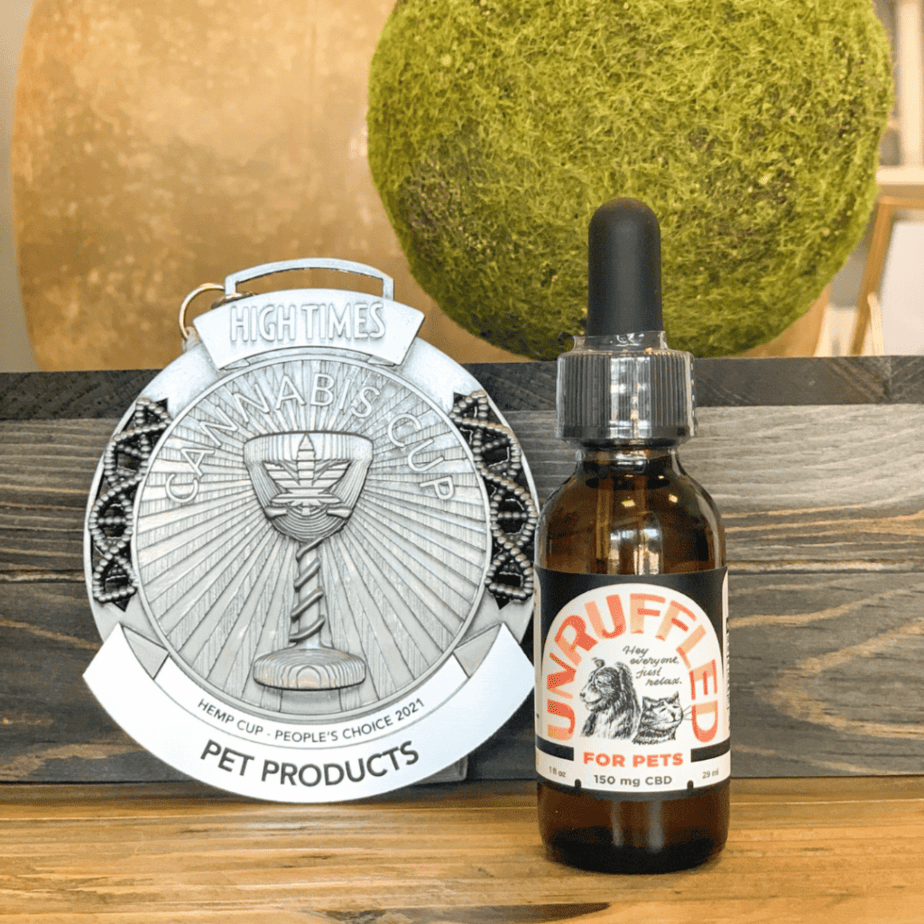
Additionally, many companies offer flavored varieties such as bacon which make administering the product much easier for some animals who may not take other forms willingly. Our Unruffled CBD oil for pets is our Genesis Blend CBD extract mixed with Wild caught Salmon oil. 

When considering using CBD on your pet, there are several important factors to consider. Firstly, always ensure that you purchase from a reputable company that offers third party testing results on its products. Secondly, speak with your veterinarian before starting any kind of supplementation regime so they can advise you on whether it would be suitable for your particular animal’s health condition and situation.

Finally, start small when introducing any new supplement into an animal’s diet and observe how they respond before increasing the dose.

With these precautions in mind, CBD could be beneficial for supporting a variety of conditions in both cats and dogs including chronic pain relief, reducing anxiety levels and improving overall wellbeing.

As awareness increases around this emerging topic amongst veterinary professionals and researchers alike, further studies will no doubt gain greater insight into how exactly CBD interacts with our furry friends bodies in order to provide maximum benefit. Moving forward then to exploring the use of CBD specifically for cats and dogs.

CBD For Cats And Dogs

CBD is becoming increasingly popular among pet owners as an alternative treatment option for their beloved cats and dogs. It has been used to treat a variety of ailments that range from anxiety, inflammation, seizures, arthritis and more. To understand how CBD works in pets we must first examine the following:

  • How does CBD work?
  • Endocannabinoid System (ECS): All animals have an endocannabinoid system which helps regulate various physiological processes such as pain, mood, appetite and memory. This system contains receptors located throughout the body that interact with cannabinoids like CBD when ingested.
  • Benefits: Studies have shown that by activating these receptors with CBD it can help reduce inflammation and pain associated with a variety of conditions. Additionally, due to its calming effects on the nervous system it may be beneficial for treating anxiety or behavioral issues in both cats and dogs.
  • Side Effects: While there are potential benefits to using CBD to treat certain illnesses in pets, there are also some side effects including drowsiness or decreased appetite depending on the dosage given. As always consult your veterinarian before starting any supplement regime for your pet.

Given all this information one might consider if they should give their cat or dog CBD supplements and what would be the right dose for them? In order to determine this you will need to assess your pet’s condition and size along with consulting your vet who can guide you through the process while providing medical advice tailored specifically for your companion animal's needs. From here, transitioning into understanding proper dosing becomes essential in optimizing therapeutic benefits of cannabis products for pets.

CBD Dosage For Pets

When it comes to pets, the importance of finding the right CBD dosage cannot be overstated. While some animals may respond well to small doses of cannabidiol (CBD), others may need more for optimal relief and comfort. To illustrate this point, consider Max - a ten year old Labrador Retriever with severe joint pain due to arthritis.

After his owner began giving him low-dose CBD oil each morning, he quickly regained mobility and energy that had been missing before. The story of Max is but one example of how important it is to find an effective dose when using CBD products for your pet.

The best way to determine which dosage works best for your pet is by working closely with a veterinarian who understands both traditional and alternative treatments. In addition, there are many online resources that provide general guidelines on suggested dosages based on weight and age of the animal in question.

However, these should not take precedence over advice from a qualified medical professional.

Regardless of what route you choose, it's always recommended that you start slow and gradually increase the amount until desired results are achieved or any side effects become apparent. As long as proper precautions are taken and clear communication between yourself and your vet exists throughout the process, then finding the ideal CBD dosage for your pet will be easier than ever before!

With this knowledge in hand, we can now move forward into exploring different types of CBD available for our furry friends.

Types Of CBD For Pets

CBD products for pets come in a variety of forms, each with its own advantages and disadvantages. This section will outline the types available so that pet owners can make an informed decision when selecting which product to purchase for their animal companion.

The four most common types of CBD products for pets are CBD oil in a bottle mixed with a carrier, and treats. - Tinctures are usually administered orally using a dropper bottle. They are easy to dose accurately, but some animals may not like the taste or texture of the Wild Alaskan Salmon oil itself. – The Unruffled CBD Bites are consumed by cat and dogs. The Unruffled CBD Pet Bites have been formulated into something similar to traditional treats.

The dosing accuracy is slightly less precise than tinctures but it’s still quite effective overall. - Pet treats containing CBD offer a fun and delicious way to give your furry friend their daily dose. However, there may be certain ingredients used during production that you should double check before giving them to your pet. - Topical creams and ointments infused with CBD can help target specific areas on the body where inflammation or pain might arise due to injury or arthritis. These products need only be applied directly onto the skin and will quickly absorb into the area, providing relief almost immediately.

This range of options provides pet owners with plenty of choices when considering which type of CBD could be best suited for their pet's needs.

Furthermore, research has shown that many animals respond positively to even small doses of CBD; therefore starting out slow is recommended if trying any new product for the first time. With this information at hand, pet owners now have an understanding about different types of CBD available for their beloved companions and can confidently move on to learning about other related topics such as ‘CBD pet treats'.

CBD Pet Treats

With the potential for relief from pet ailments, CBD has become a popular treatment option among pet owners. For example, Unruffled CBD treats can provide an easy and convenient way to administer daily doses of hemp-derived cannabinoids for pets in need. These treats come in several different all natural flavors, Chicken, Duck and Lamb.

CBD pet products are crafted using high quality hemp oil extract which contains a full spectrum of naturally occurring phytocannabinoids, including cannabidiol (CBD). The beneficial compounds within these extracts interact with receptors throughout the body to support homeostasis and overall wellness.

Due to their convenience factor, CBD treats have become increasingly popular amongst pet parents looking to give their animals additional health benefits along with tasty rewards they'll love. Always, be sure to research each product thoroughly before giving anything new to your beloved companion animal(s) – keeping safety at the forefront of any purchase decision is key!

Pet CBD Treats

Pet CBD treats provide a convenient and tasty way to administer cannabidiol (CBD) to cats and dogs. They come in a variety of flavors, Chicken, Lamb and Duck. The treats are often infused with other beneficial ingredients like wild caught Salmon oil that can help improve the pet’s coat quality.

When dosing with CBD treats, it is important to follow the dosage instructions on the package as they may vary depending on the size of your pet. It is best to start off with smaller doses initially before increasing when necessary. When administering multiple treats at once, be sure not to exceed the recommended dose as too much could cause an adverse reaction. Additionally, if you notice any changes in your pet's behavior after giving them a treat, consult your veterinarian immediately.

It is essential to only purchase Pet CBD treats from reliable sources as there have been reports of toxic additives being found in some products available online or in stores. Look for reputable brands that use third-party testing results from independent laboratories so you can be confident that what you're giving your pet is safe and effective. With proper research and guidance from your vet, Pet CBD treats can be a great tool for helping manage various physical and mental conditions that affect our furry friends.

Best CBD For Pets

CBD is increasingly being used as a natural treatment for many conditions in pets, including anxiety and pain relief. CBD oil has been found to be safe when administered properly and can have anti-inflammatory, antiemetic, anticonvulsant, anxiolytic and analgesic effects on animals. Therefore, it can be beneficial for treating certain medical issues such as epilepsy, inflammation and arthritis.

When selecting the best CBD product for your pet, there are several factors to consider. First of all, make sure that the product comes from a reputable source with organic ingredients and no artificial additives or preservatives. Unruffled CBD for pet is Award-Winning CBD oil for pets. If you are interested in one of the best CBD for pet products take a look at the Unruffled Pet Bundle.

Secondly, look for products specifically designed for use in animals; these will typically contain lower doses than those made for humans. Finally, always consult your veterinarian before administering any new medication or supplement to ensure safety and efficacy.

It is important to understand that while CBD may offer potential therapeutic benefits in some situations, it should never replace conventional veterinary care. It is also essential to remember that not all products are created equal; always read labels carefully and research each brand thoroughly prior to purchase. By following these tips you can help ensure that your pet receives the highest quality products available so they can enjoy the health benefits associated with using CBD safely and responsibly.

Award Winning!

Our Unruffled CBD Pet Bite won the Silver Cup in the High Times people’s Choice Awards!

Frequently Asked Questions

Is CBD Safe For My Pet?

The safety of CBD for pets is an important question to consider. With its potential health benefits, the use of Cannabidiol (CBD) as a remedy for pet ailments has become increasingly popular among owners. However, as with any medication, it is essential to understand the risks associated before administering it to animals:

1. Is there a risk of overdose?

2. Could long-term use have negative consequences?

3. Are there any interactions between CBD and other medications?

4. What are the side effects of taking CBD in pets?

These questions are valid concerns and must be addressed when considering using this substance on your beloved pet.

It is worth noting that although CBD comes from marijuana plants - which contain psychoactive compounds - it does not produce psychoactive effects in humans or animals due to its low tetrahydrocannabinol (THC) content (<0.3%). This means that while you can’t get high from giving your pet CBD products, It's also possible for them to suffer allergic reactions if their bodies do not tolerate certain ingredients found in certain brands of CBD oil or treats. To prevent these adverse reactions, consult your veterinarian before starting treatment and make sure you purchase only quality products from a reputable source.

When administered properly under veterinary supervision, studies suggest that CBD may provide relief from pain and inflammation associated with various medical conditions in dogs and cats alike; however, more research needs to be done before we can confidently say how safe it is for our furry friends over time. While we wait for further evidence-based results related to long-term usage , we should keep up with regular checkups so professionals can monitor any signs of uncomfortable symptoms immediately. Ultimately, with proper guidance and monitoring, CBD could prove beneficial for animal well-being but until then caution must be taken when deciding whether or not this alternative therapy is suitable for your pet companion..

How Long Does It Take For CBD To Take Effect On My Pet?

Cannabidiol (CBD) is receiving increasing attention due to its potential health benefits as it relates to both humans and animals. A common question among pet owners is how long does it take for CBD to take effect on their pets? To answer this, several factors must be considered:

  1. The nature of the ailment being treated
  2. The size and weight of the animal
  3. The delivery method of the CBD product

When treating an ailment with CBD, results will depend on the type and severity of condition being addressed. For example, if a pet has acute pain or inflammation, relief may come more quickly than when managing chronic conditions such as anxiety or seizures. In addition, larger animals typically require higher doses than smaller animals; therefore, a large dog may experience effects faster than a small cat would under similar circumstances. Finally, one's choice in delivery method can impact the speed at which effects appear – bites take longer than liquids because they must first pass through digestive processes before entering the bloodstream.

In order to determine how long it takes for CBD to begin working in your pet’s body, some experimentation may be necessary to find what works best for your situation. Consulting with a veterinarian familiar with cannabis-based treatments and keeping track of dosing information over time can help you assess effectiveness accurately and confidently decide whether CBD is right for your furry friend.

How Do I Know If My Pet Is Getting The Right Dosage?

The question of how to know the correct dosage of CBD for pets can be overwhelming. It is important that pet owners take their time and do research in order to ensure they are providing a safe and effective dose for their animal companions. To ensure your pet's safety, here is what you need to consider when determining the right dosage:

  1. The size of your pet - Larger animals will require more CBD than smaller ones
  2. The severity of symptoms - A higher dose may be necessary depending on the condition being treated
  3. Your pet's response - Observing how your pet responds after administering a certain dose can help determine if it should be adjusted up or down

It is also essential to remember that all pets respond differently to treatment plans, so there isn't necessarily one standard dosing accepted by all veterinarians or holistic practitioners alike. This means it may take some trial and error before finding an appropriate amount for your particular pet’s needs. Additionally, each brand formulates its products differently; therefore, the suggested serving size outlined on the packaging may not be accurate for every pet owner’s situation.

When beginning any new medication regimen with your beloved four-legged family member, consulting with a veterinarian beforehand is key—they are best able to advise on possible interactions between existing medications and provide guidance about proper dosages based on breed, weight and medical history. Regular monitoring of health markers through bloodwork during treatment will give further insight into how well the chosen dose is working for them over time. With diligence and patience, trusting your intuition combined with professional advice, you'll soon find success in arriving at just the right quantity needed to promote health and wellbeing in your furry friend!

Are There Any Side Effects Of CBD For Pets?

The use of cannabidiol (CBD) for pets has become increasingly popular in recent years, with many pet owners turning to this natural remedy as an alternative to traditional medications. However, while CBD may provide significant therapeutic benefits, it is important to understand the potential side effects associated with its use. In this article, we will explore the various possible side effects of using CBD for pets and how to determine if your pet is getting the right dosage.

When considering any type of medication or supplement for a pet, it is essential to consult with a veterinarian first before administering anything. This includes determining if there are any contraindications between existing medications and adding CBD into the mix. Additionally, when starting out on a new treatment plan involving CBD, it is best practice to begin slowly by giving small doses and monitoring your pet's reaction over time.

Common side effects that have been reported in animals taking CBD include decreased appetite and digestive issues such as diarrhea or vomiting. Other more serious adverse events can occur rarely, including changes in heart rate or respiratory depression – both requiring immediate veterinary attention. If you observe any unusual behavior after introducing CBD into your pet’s routine, contact a vet immediately for advice on how to proceed safely.

It should also be noted that some people report behavioral changes in their pets due to the sedative qualities of hemp-derived products like CBD oil; however these reports remain inconclusive at present given the lack of research available on this particular topic. Ultimately, understanding potential risks is key when deciding whether or not to give your pet CBD supplements so make sure you do your due diligence beforehand .

Are There Any Potential Drug Interactions With My Pet's Current Medications?

When it comes to animal medications, potential drug interactions are a serious concern for pet owners. As such, the question of whether cannabidiol (CBD) can interact with other drugs must be addressed. In order to examine this issue in depth, it is necessary to explore the pharmacokinetics and pharmacodynamics of CBD as well as its effects on cytochrome P450 enzymes.

The pharmacokinetic profile of CBD involves absorption from different routes - oral, topical, sublingual - followed by distribution throughout the body tissues before undergoing metabolism and eventual excretion. This process takes several hours and may result in variable bioavailability depending on the route used. Additionally, various factors such as age, weight, diet, genetics and disease state may affect how quickly or slowly CBD is metabolized in an individual organism.

Furthermore, when considering the impact of CBD on cytochrome P450 enzymes – proteins responsible for metabolizing many therapeutic drugs – there have been conflicting results across studies. While some research suggests that CBD has no effect on these enzymes, further research indicates that at high concentrations it could potentially interfere with certain enzyme activities leading to increased blood levels of drugs which may cause adverse reactions or toxicity in animals.

It is clear then that more investigation into the long-term safety implications and efficacy of using CBD alongside other medications needs to occur before firm conclusions can be drawn about potential drug interactions between them. Although current evidence provides insight into this area of study and understanding the underlying mechanisms involved will help guide future decision making for veterinary practitioners.

Conclusion

CBD has become a popular remedy for pets, with many pet owners turning to this natural supplement as an alternative method of treatment. Through research and testing, it appears that CBD is generally safe for animals when taken in moderate doses; however, its efficacy can vary depending on the individual animal. Careful monitoring and appropriate dosing are key components to ensure safety and effectiveness. It is important to understand potential side effects and potential drug interactions in order to weigh the risks against the benefits before giving your pet CBD.

The bottom line is that while there may be some benefit associated with administering CBD to pets, more research is needed before it can be deemed a reliable form of treatment or prevention. As such, it is recommended that pet owners consult their veterinarian prior to starting any type of regimen involving CBD products for their beloved furry friends. By taking proactive measures like these, we can ensure our pets receive only the best care possible – from head-to-tail! Like a puzzle piece fitting perfectly into place, proper information gathering and communication between owner and vet will create the perfect picture for successful CBD usage within our four-legged family members.

award-winning cbd pet oil