Arthritis Pain Relief

Arthritis Pain Relief: Understanding Joint Discomfort and Finding Balance

A founder-led guide to joint comfort, daily mobility, and natural wellness support

Created by Bill Polyniak | Founder, Bluegrass Hemp Oil and Kentucky Cannabis Company | Kentucky-founded full-spectrum CBD guidance since 2014

Joint discomfort and stiffness are common concerns, especially as we age. Many people explore a variety of approaches to maintain mobility and everyday comfort. This guide explains what arthritis is, why joint discomfort occurs, and how individuals often support their wellness routines.

✔ 10+ Years Experience

✔ Kentucky-Grown Hemp

✔ Third-Party Lab Tested

✔ Founded by Bill Polyniak

Illustration showing arthritis pain in joints with inflammation in the knee and hand alongside CBD oil and topical wellness products.

Kentucky founded in 2014

Founder-led CBD education

Third-party tested products

Popular Wellness Products

Start with three simple options many customers explore as part of a joint wellness routine.

★★★★★ Trusted Daily Pick
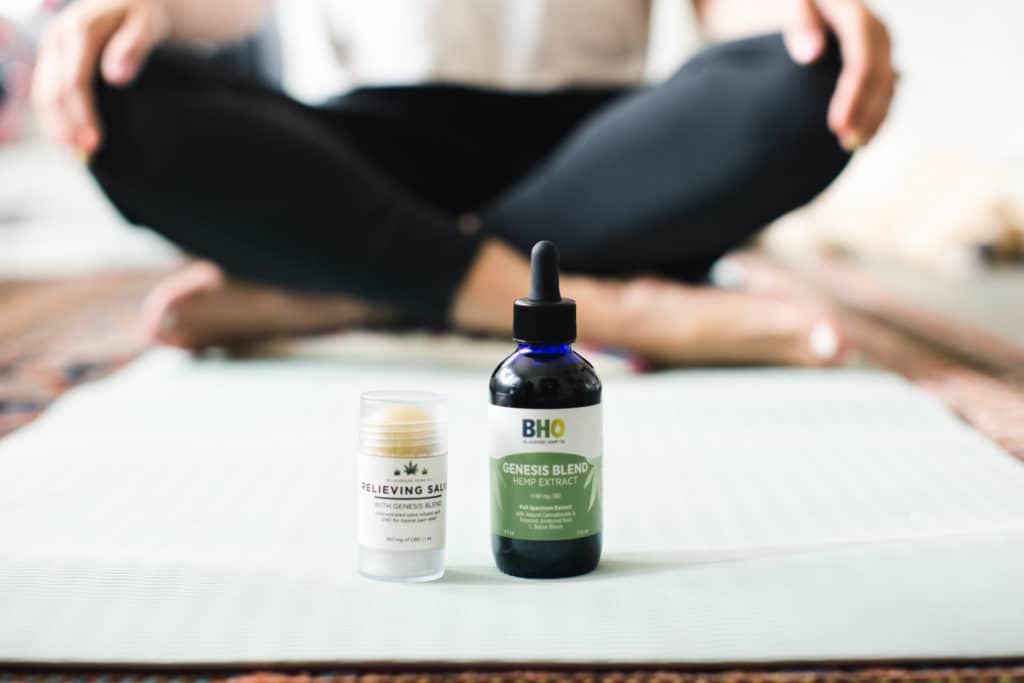
Genesis Blend™ Full-Spectrum CBD Oil

A trusted full-spectrum CBD oil crafted from Kentucky-grown hemp and used by many customers as part of their daily wellness routine.

CBD Relieving Salve from Bluegrass Hemp Oil, a full-spectrum topical designed to soothe sore muscles, joints, and inflammation naturally.

★★★★★ Targeted Option
CBD Relieving Salve

A topical product designed for targeted application near the areas people focus on most.

Tart Cherry Full Spectrum CBD Gummies from Bluegrass Hemp Oil, made with real cherry extract and Kentucky-grown hemp.

★★★★★ Easy Routine Pick
CBD Gummies

Plant-based gummies offering a convenient, pre-measured way to include CBD in a daily routine.

What Is Arthritis?

Arthritis is a general term used to describe inflammation and discomfort within the joints. It affects millions of adults and can influence mobility, flexibility, and overall comfort.

There are more than 100 different types of arthritis, but the two most common forms include:

Osteoarthritis

Often associated with natural wear and tear on joints over time. It most commonly affects:

  • knees
  • hips
  • hands
  • spine

Rheumatoid Arthritis

An autoimmune condition where the immune system mistakenly attacks joint tissues.

Symptoms can vary but may include:

  • stiffness in the morning
  • swelling around joints
  • limited movement
  • joint tenderness

Why Joint Discomfort Happens

Joint discomfort can develop for several reasons. Understanding these factors helps individuals explore ways to support mobility and daily comfort.

Common contributors include:

  • aging and natural joint wear
  • inflammation
  • previous injuries
  • repetitive motion
  • lifestyle habits

Many people combine healthy habits, movement, and wellness routines to support their joints over time.

Daily Habits That May Support Joint Comfort

Staying Active

Gentle movement such as walking, stretching, and swimming can help maintain flexibility.

Maintaining a Healthy Weight

Reducing excess strain on joints can support long-term mobility.

Balanced Nutrition

Foods rich in omega-3 fatty acids, antioxidants, and vitamins may support overall wellness.

Rest and Recovery

Allowing the body time to recover can help maintain physical balance.

Exploring Natural Wellness Approaches

Many people explore natural wellness products as part of their daily routines.

Some of the options individuals commonly consider include:

  • hemp-derived CBD
  • topical wellness products
  • herbal supplements
  • relaxation techniques

Each person’s routine is different, and individuals often experiment with approaches that fit their lifestyle.

What Is CBD?

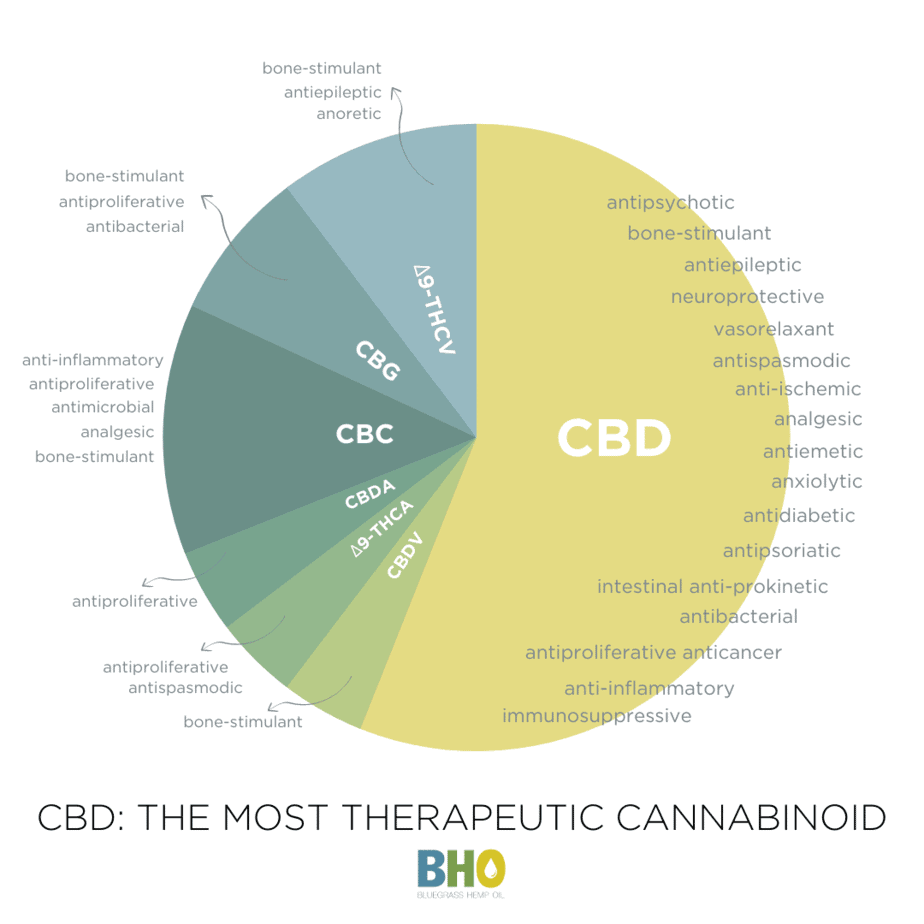
CBD (cannabidiol) is a naturally occurring compound found in the hemp plant.

Unlike THC, CBD does not produce intoxicating effects.

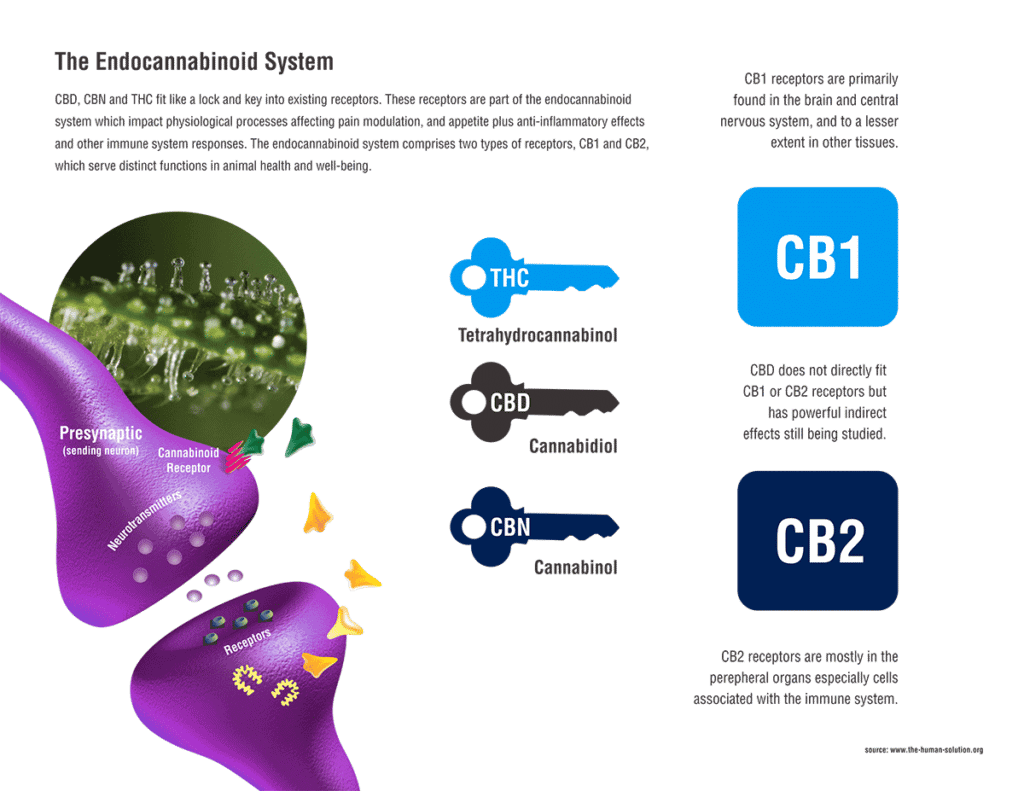
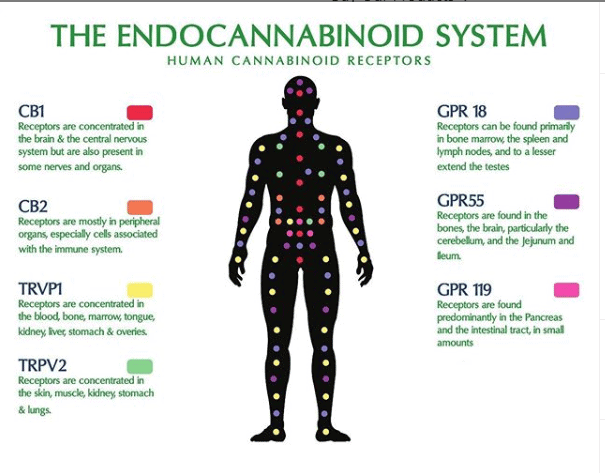
CBD interacts with the body’s endocannabinoid system, which helps regulate important functions such as:

  • sleep cycles
  • mood balance
  • stress response
  • overall wellness

Because of this interaction, many individuals explore CBD as part of their wellness routine.

Learn more about the endocannabinoid system.

How People Include CBD in Joint Wellness Routines

CBD Oil

Taken sublingually (under the tongue), CBD oil is commonly used as part of a daily wellness routine.

CBD Topicals

Topical products such as creams or salves are applied directly to the skin near targeted areas.

CBD Gummies

Gummies provide a convenient and pre-measured option for those who prefer an edible format.

Many people choose full-spectrum CBD products because they contain multiple naturally occurring hemp compounds.

What Is Full-Spectrum CBD?

Full-spectrum CBD contains several compounds naturally found in hemp, including:

  • cannabinoids
  • terpenes
  • flavonoids

These compounds work together in what researchers call the entourage effect, which many people prefer when choosing CBD products.

Read more about what CBD oil is.

Tips for Starting a CBD Routine

  • Start with the suggested serving size
  • Maintain a consistent routine
  • Monitor how the body responds
  • Adjust gradually if needed

Many people include CBD as part of a daily wellness routine rather than occasional use.

Explore more CBD tips.

Why Customers Keep Coming Back

★★★★★

"The product quality and clear guidance made it easy to build a simple daily routine."

★★★★★

"I appreciate having options like oil, topicals, and gummies all explained in one place."

★★★★★

"The site feels trustworthy, and the product details are easy to understand."

About the Author

I’m Bill Polyniak, founder of Bluegrass Hemp Oil and Kentucky Cannabis Company. I founded the company in 2014 with a focus on Kentucky-grown hemp, full-spectrum CBD, careful product development, and straightforward customer education.

This page is written to reflect the way I explain wellness products to customers: clearly, responsibly, and without overpromising outcomes. The goal is to help readers better understand joint discomfort, common wellness habits, and the types of CBD products people often explore as part of their routine.

Frequently Asked Questions

Can CBD help arthritis?

CBD is commonly explored by individuals as part of their wellness routine. Research into cannabinoids and joint health is ongoing, and this page is intended for education rather than medical advice.

How do people use CBD for joint comfort?

Some individuals include CBD oil in their daily routine, use gummies for convenience, or apply topical CBD products directly to the skin near targeted areas.

How long does it take for CBD to work?

Experiences vary depending on the individual, the product used, and consistency of use.

Can CBD oil and topicals be used together?

Many people include both in their routine—oil for daily use and topicals for targeted application.

Who created this guide?

This guide was created by Bill Polyniak, founder of Bluegrass Hemp Oil and Kentucky Cannabis Company. It reflects a founder-led approach to customer education built around Kentucky-grown hemp, full-spectrum CBD, and clear wellness guidance since 2014.

Explore CBD Products

Discover premium hemp-derived CBD products crafted from Kentucky-grown hemp and backed by a founder-led full-spectrum approach that began in 2014.

FDA Disclaimer

These statements have not been evaluated by the Food and Drug Administration. Bluegrass Hemp Oil products are not intended to diagnose, treat, cure, or prevent any disease.

Comprehensive Guide to Foot Pain

Comprehensive Guide to Foot Pain

Comprehensive Guide to Foot Pain: Causes, Treatment, and Relief

Foot pain is an essential issue that can greatly impact daily activities and overall quality of life. Understanding the underlying causes is vital for effective management and relief. This detailed guide explores various conditions, from common culprits like plantar fasciitis to more complex nerve-related pain. By examining chronic conditions, nerve anatomy, and inflammation triggers, this resource aims to provide a well-rounded approach to pain alleviation. Treatment options and innovative relief techniques are also discussed, offering a holistic perspective for those seeking to improve their foot health. Discover how to navigate through these complexities to find lasting relief.

Understanding Foot Pain

Understanding foot pain necessitates a thorough overview of its potential causes and manifestations.

Visual guides can be especially beneficial in illustrating the anatomy of the foot and pinpointing common sources of pain.

Overview of Foot Pain

Foot pain encompasses a myriad of conditions that can affect the bones, ligaments, tendons, and muscles, leading to significant discomfort and impairment in daily activities. Understanding the intricate foot anatomy is essential in identifying specific causes of pain and tailoring effective prevention and treatment strategies.

The foot comprises 26 bones, 33 joints, and over 100 muscles, tendons, and ligaments, making it a highly complex structure susceptible to various issues.

Common causes of pain include plantar fasciitis, arthritis, tendonitis, and fractures. Footwear choices play a pivotal role in either alleviating or exacerbating foot pain; ill-fitting shoes can lead to blisters, calluses, and more severe conditions like bunions or hammertoes.

Adopting proper exercise routines can significantly aid in maintaining foot health. Stretching exercises targeting the Achilles tendon and plantar fascia, along with strengthening routines for the foot's intrinsic muscles, can prevent and mitigate pain.

Prevention tips include selecting supportive footwear that offers adequate arch support and cushioning, maintaining a healthy weight to reduce stress on the feet, and incorporating regular foot care practices.

Understanding Foot Pain: A Comprehensive Guide

Visual Guides

For a thorough understanding of foot pain, visual guides such as detailed location charts and diagrams are invaluable tools. These visual aids not only enhance clarity but also foster a sense of belonging among individuals seeking relief and understanding of their conditions. By utilizing foot pain illustrations, patients and healthcare providers can pinpoint specific areas of discomfort, facilitating a more complete diagnosis and treatment.

Interactive maps and pain location diagrams provide a detailed view of the foot's anatomy, highlighting common pain points like the heel, arch, and toes. This visual approach helps users identify their specific pain regions, making it easier to communicate symptoms and seek appropriate care.

Here is a table that illustrates how different visual aids can assist in understanding foot pain:

Visual Aid TypeBenefit
Foot Pain IllustrationsIdentifies specific pain areas
Pain Location DiagramsEnhances diagnostic accuracy
Interactive MapsOffers detailed anatomical views

Incorporating these helpful graphics into the discussion of foot pain ensures a more engaging and informative experience. Patients can better relate to their symptoms and feel more connected to the information provided, fostering a supportive environment for managing and alleviating foot pain.

Specific Types of Foot Pain

When addressing specific types of foot pain, it is essential to take into account the common locations where pain manifests, such as the heel, arch, and toes.

Chronic conditions like plantar fasciitis and arthritis often contribute to persistent discomfort, while nerve-related issues such as neuropathy can further complicate the pain landscape.

Understanding these various factors is vital for effective diagnosis and treatment.

Common Foot Pain Locations

Many individuals experience different types of foot pain, which can greatly impact their daily activities and overall quality of life. Understanding the common locations of foot pain is essential for effective management and relief. Each area of the foot can experience specific types of pain, often linked to various causes and conditions.

Pain LocationDescription
Heel PainOften caused by plantar fasciitis, heel spurs, or Achilles tendinitis. This type of pain is commonly felt in the morning or after long periods of standing.
Toe PainCan result from conditions such as gout, bunions, or ingrown toenails, leading to discomfort and difficulty in walking.
Ball PainAlso known as metatarsalgia, this pain is frequently due to overuse, ill-fitting shoes, or stress fractures, affecting the ball of the foot.
Arch PainOften linked to flat feet, high arches, or plantar fasciitis, this pain can affect the midsection of the foot and is exacerbated by prolonged activity.
Ankle PainCommonly results from sprains, arthritis, or tendonitis, making it challenging to walk and maintain balance.

Chronic Conditions Affecting Foot Pain

Chronic conditions such as fibromyalgia and lupus frequently contribute to persistent foot pain, greatly impacting mobility and quality of life. Understanding the symptoms of these conditions can aid in timely intervention and management.

Fibromyalgia, a chronic condition characterized by widespread pain, often manifests in the feet. Patients may experience a burning sensation, numbness, or stiffness, particularly upon waking. The exact causes of fibromyalgia-related foot pain remain unclear, but it is often linked to abnormal pain processing in the nervous system.

Treatment options include physical therapy, medications such as pain relievers and antidepressants, and lifestyle modifications like regular exercise and stress management techniques.

Lupus, an autoimmune disease, can also lead to significant foot pain. Inflammation of the joints, tendons, and muscles in the feet is common, causing swelling, pain, and reduced mobility. Causes and treatment for lupus-related foot pain involve managing the underlying autoimmune response through medications like corticosteroids and immunosuppressants, alongside supportive therapies such as orthotic devices and physical therapy.

For both conditions, relief options vary based on individual needs, but understanding symptoms and seeking early medical advice are essential steps. With proper management, those affected can achieve better comfort and maintain an active lifestyle.

Nerve-Related Foot Pain

Foot pain associated with nerve issues, such as sciatic nerve pain and the interrelation between knee and foot pain, presents unique challenges in diagnosis and treatment.

Sciatic nerve pain often manifests as neuropathic pain radiating from the lower back down to the feet, frequently due to nerve compression. This compression can be caused by herniated discs or spinal stenosis, leading to debilitating foot pain.

The correlation between knee and foot pain can also stem from nerve damage. Conditions like peroneal nerve palsy, where the nerve near the knee is compressed, can cause significant discomfort and functional impairment in the foot. Effective treatment requires addressing the underlying nerve compression to alleviate symptoms.

Nerve blockades are sometimes employed to provide temporary relief from severe neuropathic pain. These procedures, along with physical therapy, can be instrumental in managing symptoms while promoting nerve regeneration. Encouraging nerve health, avoiding further nerve damage, and facilitating recovery are essential steps.

Nerve Pain in the Foot

Nerve pain in the foot, often characterized by sharp, shooting sensations, burning, or tingling, can greatly impact daily activities and overall quality of life. Common conditions such as peripheral neuropathy, tarsal tunnel syndrome, and Morton's neuroma illustrate the diverse origins and manifestations of nerve pain.

Understanding the types of nerve pain sensations and the role of inflammation is essential for effective management and treatment.

Overview of Foot Nerve Pain

When the delicate nerves in the foot become compromised, it can result in significant discomfort and a range of debilitating symptoms. Understanding foot nerve anatomy is important for identifying the roots of such neuropathic discomfort.

The foot contains a complex network of nerves that can be easily affected by various conditions.

One common cause of foot nerve pain is diabetic neuropathy, a condition where elevated blood sugar levels damage nerves over time. This often leads to tingling, numbness, and sharp pain. Managing blood sugar levels is necessary to prevent or mitigate these symptoms.

Various nerve pain triggers such as injuries, infections, and repetitive stress can also contribute to foot nerve pain. Identifying and addressing these triggers is crucial for effective pain management.

Massage therapy can be a beneficial treatment for those experiencing nerve pain. By stimulating circulation and reducing muscle tension, massage can provide temporary relief from neuropathic discomfort. Regular massages can also promote overall foot health and well-being.

Understanding the underlying causes and treatments for foot nerve pain can foster a sense of belonging within a community of individuals facing similar challenges, empowering them to seek appropriate care and support.

Introduction to Neurology and Pain Management

Specific Nerve Pain Conditions

Understanding the complexities of nerve pain in the foot requires knowledge of specific conditions that can lead to this type of discomfort. Nerve pain in the foot, often characterized by neuropathic pain, can arise from various underlying issues, each necessitating a unique approach for effective management and relief.

  1. Nerve Compression: This condition occurs when nerves are pinched by surrounding tissues, causing significant pain and functional impairment. Common examples include tarsal tunnel syndrome and Morton's neuroma.
  2. Nerve Entrapment: Similar to nerve compression, nerve entrapment involves nerves being trapped by structures in the foot, leading to chronic pain. Post-surgical scarring can exacerbate this condition, particularly after procedures like knee or foot surgery.
  3. Nerve Damage: Trauma or surgery can result in nerve damage, which might manifest as persistent pain or loss of sensation. It's critical to manage this pain effectively to prevent long-term complications.
  4. Nerve Regeneration: Promoting nerve regeneration is essential for recovery from nerve injuries. Therapeutic approaches, including physical therapy and, in some cases, the use of CBD oil, can support nerve healing and alleviate neuropathic pain.

Understanding these specific conditions helps in formulating targeted treatments, fostering a sense of belonging among those seeking relief from foot nerve pain.

Types of Nerve Pain Sensations

Experiencing nerve pain in the foot can manifest through various sensations, each with its own distinct characteristics and implications for treatment. Understanding these nerve pain characteristics is essential for identifying the underlying causes and determining the appropriate management strategies.

Sharp sensations are often described as stabbing or needle-like pain, which can be sudden and intense. This type of pain may indicate nerve compression or injury.

Tingling discomfort, commonly known as 'pins and needles,' is another frequent sensation associated with nerve pain. This can result from prolonged pressure on a nerve or an underlying neuropathy, leading to intermittent or continuous tingling in the foot.

Shooting pains, which travel along the path of the affected nerve, can be particularly distressing. These pains often originate in the lower back or buttocks and radiate down to the foot, suggesting issues like sciatica.

Burning sensations in the foot are another common form of nerve pain. This uncomfortable feeling of heat may be indicative of conditions such as diabetic neuropathy or peripheral neuropathy.

Recognizing these diverse manifestations of nerve pain is fundamental for effective treatment and relief. Each sensation provides important clues that help healthcare providers tailor interventions to the specific needs of individuals suffering from nerve pain in the foot.

Inflammation and Burning Sensations

Burning sensations and inflammation in the foot are common manifestations of nerve pain that can severely impact daily activities and overall quality of life. These symptoms often result from various nerve pain triggers, such as injuries, diabetes, or prolonged pressure on the feet. Understanding the inflammation causes and implementing neuropathy management techniques can greatly alleviate discomfort.

Effective neuropathy management strategies for burning sensation relief include:

  1. Identifying Triggers: Recognize and address specific nerve pain triggers, such as poorly fitting shoes or repetitive stress, to prevent exacerbation.
  2. Medication and Supplements: Utilize prescribed medications and supplements like Genesis Blend Full Spectrum CBD Oil, which offers anti-inflammatory and neuroprotective benefits.
  3. Physical Therapy: Engage in physical therapy exercises to strengthen foot muscles and improve overall nerve function.
  4. Topical Treatments: Apply soothing products like the Genesis Blend CBD Calming Balm, which can reduce inflammation and provide targeted pain relief.

Implementing these strategies not only aids in managing current pain but also contributes to nerve pain prevention. By adopting a holistic approach to foot health, individuals can foster a sense of belonging within a community that values proactive and informed wellness practices.

Treatments and Relief for Foot Nerve Pain

When addressing foot nerve pain, it is crucial to explore a range of treatments and relief options.

These include:

  • Home remedies
  • Medical interventions
  • Pain relief techniques
  • Specialty treatments

Understanding and implementing these strategies can greatly alleviate discomfort and improve overall foot health.

Home Treatments

Addressing nerve pain in the foot at home involves a combination of targeted exercises, topical treatments, and lifestyle adjustments to alleviate discomfort and promote healing. Implementing effective home treatments can provide significant relief and foster a sense of community among those experiencing similar issues.

  1. Massage Techniques: Regularly massaging the feet can improve circulation and reduce pain. Techniques such as kneading and circular motions can help relax tight muscles and alleviate nerve discomfort.
  2. Herbal Remedies: Utilizing herbal remedies like turmeric and ginger, known for their anti-inflammatory properties, can reduce nerve pain. These can be taken as supplements or applied topically in the form of oils.
  3. Acupressure Points: Applying pressure to specific acupressure points on the feet can help release tension and improve nerve function. Points such as the Tai Chong (Liver 3) and Yong Quan (Kidney 1) are particularly beneficial.
  4. Heat and Cold Therapy: Alternating between heat therapy and cold therapy can be effective in managing nerve pain. Heat relaxes muscles and improves blood flow, while cold therapy reduces inflammation and numbs sharp pain.

Medical Treatments

Moving beyond home treatments, medical interventions offer more advanced solutions for managing foot nerve pain. Medical procedures such as corticosteroid injections can provide significant relief by reducing inflammation around the affected nerves. These injections are particularly useful for conditions like plantar fasciitis and Morton's neuroma, where inflammation exacerbates nerve pain.

For those seeking non-invasive treatments, physical therapy and orthotic devices can be effective. Physical therapy helps strengthen the muscles around the foot, enhancing stability and reducing nerve strain. Orthotics can correct biomechanical issues, alleviating pressure on the nerves.

In cases where conservative treatments fail, surgical options might be considered. Procedures such as nerve decompression or neurectomy can provide lasting relief by addressing the underlying structural problems causing nerve pain. These surgical interventions, although more invasive, are often necessary for severe or persistent cases.

Alternative therapies like acupuncture and chiropractic care also play a role in pain management. These methods focus on holistic approaches to relieve pain and improve overall foot health, offering a sense of community and shared healing.

Pain Relief Techniques

Effective pain relief techniques for foot nerve pain encompass a variety of treatments ranging from topical applications to advanced medical interventions. Addressing these discomforts can greatly enhance one's quality of life, fostering a sense of belonging and well-being within their community.

One can explore the following methods for effective pain relief:

  1. Massage therapy: Regular massage can improve circulation and reduce muscle tension, offering substantial relief from nerve pain. Incorporating Genesis Blend CBD Calming Balm during massages can enhance the benefits by leveraging its anti-inflammatory properties.
  2. Acupuncture benefits: This ancient practice involves inserting fine needles into specific points on the body, which can stimulate nerves and muscles, promoting natural pain relief and improved nerve function.
  3. Reflexology techniques: Focusing on specific pressure points in the feet, reflexology can help alleviate nerve pain by enhancing nerve function and promoting overall relaxation.
  4. Stretching exercises: Regular stretching can improve flexibility and reduce tension in the feet, providing relief from nerve pain. Combining stretching with heat therapy applications, such as warm foot baths, can further enhance pain relief by loosening tense muscles and improving circulation.

These techniques offer a holistic approach to managing foot nerve pain, promoting a more comfortable and active lifestyle.

Specialty Treatments

In addition to conventional pain relief techniques, specialty treatments offer targeted solutions for managing foot nerve pain, providing individuals with tailored and effective options for relief. Among these, alternative therapies such as acupressure techniques and reflexology have gained traction for their ability to alleviate discomfort by stimulating specific points on the feet, which correspond to various parts of the body. These methods promote relaxation and enhance nerve function, offering a holistic approach to pain management.

Natural remedies also play a significant role in addressing foot nerve pain. CBD-infused products, such as Genesis Blend Full Spectrum CBD Oil and CBD Calming Balm, provide anti-inflammatory and analgesic benefits, directly targeting pain and inflammation. Applying these products can offer substantial relief, especially when combined with massage therapy.

Massage therapy is another effective treatment, aiding in improving circulation, reducing tension, and promoting overall foot health. Regular foot massages not only alleviate pain but also contribute to the well-being of the entire nervous system.

Discover the Benefits of CBD for Diabetes at Bluegrass Hemp Oil

Additional Foot Pain Management Techniques

In addition to standard treatments, there are several effective strategies for managing foot pain. These include targeted pain relief methods and specific techniques for alleviating foot arch pain.

Utilizing tools such as orthotic inserts and engaging in regular stretching exercises can greatly improve comfort and functionality. These approaches, when combined with other treatments, offer a thorough plan for addressing persistent foot discomfort.

Pain Relief Strategies

Utilizing various pain relief strategies can greatly enhance the management of foot pain, complementing the benefits provided by products like Genesis Blend Full Spectrum CBD Oil and CBD Calming Balm. These additional techniques can be seamlessly integrated into your routine, providing a holistic approach to alleviating discomfort and promoting foot health.

  1. Massage Therapy: Regular massage therapy can notably reduce foot pain by improving blood circulation, relaxing tense muscles, and alleviating pressure points. This technique is particularly beneficial for conditions such as plantar fasciitis and general foot fatigue.
  2. Acupuncture Benefits: Acupuncture has been shown to be effective in relieving chronic foot pain by stimulating specific points on the body to promote healing and reduce inflammation. This ancient technique can complement other pain management methods, offering a non-invasive option for relief.
  3. Compression Socks: Wearing compression socks can help reduce swelling and improve blood flow in the feet, making them an excellent choice for managing conditions like edema and varicose veins. These socks provide support and reduce discomfort during daily activities.
  4. Stretching Exercises: Incorporating regular stretching exercises can enhance flexibility, reduce tension, and prevent injuries. Stretching the Achilles tendon, calf muscles, and plantar fascia can be particularly effective in managing and preventing foot pain.

Foot Arch Pain Relief

Addressing foot arch pain requires a multifaceted approach that includes targeted exercises, supportive footwear, and therapeutic interventions. Incorporating stretching exercises into your daily routine can enhance flexibility and strength in the arch, reducing discomfort. Specific stretches, such as the calf stretch and plantar fascia stretch, are particularly effective in alleviating pain.

Massage therapy is another valuable technique for managing foot arch pain. Regularly massaging the arches can help improve blood flow, reduce tension, and promote relaxation in the feet. Utilizing a tennis ball or a specialized foot roller can amplify these benefits.

Arch supports, such as orthotic inserts, provide essential cushioning and stability, mitigating strain on the arch. These supports can be particularly beneficial for individuals with flat feet or high arches, tailoring the support to their specific needs.

Ice therapy is a simple yet effective method to alleviate inflammation and numb pain in the arch. Applying an ice pack wrapped in a cloth to the affected area for 15-20 minutes can offer significant relief.

Frequently Asked Questions

How Can CBD Oil Help With Chronic Foot Pain?

Ironically, despite our advanced medical knowledge, chronic foot pain still plagues many.

CBD oil offers a natural remedy, reducing inflammation and anxiety while interacting with pain receptors for pain relief.

Topical application of CBD oil can be particularly effective for neuropathic pain, soothing discomfort directly at the source.

This holistic approach not only alleviates pain but also fosters a sense of belonging to a community seeking natural wellness solutions.

What Are the Benefits of Using CBD Calming Balm for Foot Pain Relief?

The benefits of using CBD calming balm for foot pain relief are diverse. It offers skin moisturization, ensuring feet remain soft and healthy.

The aromatherapy benefits from essential oils provide stress relief and enhance overall well-being. Additionally, the balm aids in inflammation reduction, easing discomfort. Its relaxing properties can lead to sleep improvement, making it a holistic solution for those seeking inclusive foot care and pain relief.

Are There Any Side Effects of Using CBD Products on the Feet?

Are there any side effects of using CBD products on the feet?

Topical application of CBD generally has a favorable safety profile, but what should you be aware of? Skin absorption can vary, so following dosage guidelines is important.

Potential allergies, while rare, may occur, so conducting a patch test is advisable.

Long-term use has not shown significant adverse effects, making CBD a reliable option for those seeking sustained relief.

How Does the Entourage Effect Enhance the Efficacy of Full Spectrum CBD Oil?

The entourage effect enhances the efficacy of full spectrum CBD oil through cannabinoid synergy and terpene interaction, leading to enhanced absorption. This combination targets pain receptors and reduces inflammation more effectively than isolated compounds.

Can CBD Products Improve Circulation in the Feet for Better Overall Foot Health?

Imagine Jane, a nurse dealing with chronic foot pain and poor circulation due to long shifts. She discovered that topical application of CBD products greatly improved her foot wellness.

Conclusion

To sum up, the labyrinth of foot pain, with its myriad causes, treatments, and relief strategies, demands a holistic approach for effective management.

From the sting of nerve discomfort to the persistent throb of chronic conditions, understanding the underlying mechanisms is paramount.

As a tapestry woven with medical insights and practical solutions, this guide illuminates pathways to alleviate suffering, fostering improved foot health and enhanced quality of life.

Medical illustration showing the nerves in the human foot along with a foot pain chart, highlighting areas of nerve pain and related conditions.
CBD Topicals – Have YOU given them a try?

CBD Topicals – Have YOU given them a try?


CBD Topicals – Benefits, Usage, and Safety Guide

When you consider incorporating CBD topicals into your routine, it's important to understand their unique benefits and proper usage. These products can target pain and inflammation effectively, but knowing how to choose the right one is vital. You'll want to be aware of potential skin sensitivities and the importance of reputable sourcing. As you navigate this landscape, you'll discover key insights that can enhance your experience and guarantee your safety. What you find next might surprise you, as there are nuances that could greatly impact your decision.

What Are CBD Topicals?

CBD topicals are products infused with cannabidiol that you apply directly to your skin.

They come in various forms, such as creams, balms, and lotions, designed to deliver localized relief.

Understanding the different types can help you choose the right one for your needs.

Definition and Overview

Topicals infused with CBD have gained popularity as a natural way to address various skin and muscle concerns. These products, which include creams, balms, and lotions, are designed for direct application to the skin. They work by delivering CBD to targeted areas, offering localized relief without the psychoactive effects associated with THC.

When you explore CBD topicals, you'll notice a range of application methods. Whether you prefer a soothing balm or a lightweight lotion, there's something that fits your lifestyle.

Ingredient sourcing is vital; reputable brands like Bluegrass Hemp Oil prioritize high-quality, locally grown hemp, guaranteeing your product is safe and effective. Recent studies suggest that CBD may also have anti-inflammatory properties, which can enhance the benefits of topicals for skin health.

User testimonials often highlight the positive effects of CBD topicals, showcasing their potential for pain relief and skin health. As market trends shift toward natural wellness solutions, the demand for these products continues to rise.

It's important to be aware of industry regulations to confirm that what you're using meets safety standards. By choosing trusted brands, you're not just investing in your health; you're joining a community that values transparency and quality in wellness.

Types of CBD Topicals

When exploring the world of CBD-infused products, you'll find a variety of topicals designed to suit different needs and preferences. These products include CBD topical oils, creams, balms, and roll-ons, each offering unique CBD topical formulations tailored for specific applications. For instance, oils can provide quick absorption, while creams may offer a more moisturizing effect.

CBD topical ingredients play a significant role in their effectiveness. Many formulations combine CBD with nourishing elements like shea butter or essential oils to enhance their benefits. Research into CBD topical effectiveness shows promising results for pain relief, inflammation reduction, and skin health improvement. Additionally, the synergy among cannabinoids and terpenes in Full Spectrum CBD oil can amplify the therapeutic effects of these topicals.

When choosing a CBD topical, consider what you're aiming to achieve. Roll-ons are perfect for on-the-go relief, while balms may be better for targeted areas.

It's important to look for products that undergo thorough CBD topical research and third-party testing, ensuring you're using safe and effective options.

Ultimately, finding the right CBD topical can help you feel more connected to a community that values natural wellness solutions, paving the way for a personalized approach to your self-care routine.

Benefits of CBD Topicals

When you apply CBD topicals, you might experience targeted pain relief right where you need it most. These products not only help with discomfort but can also contribute to your overall wellness routine. Additionally, CBD topicals provide antioxidant protection against environmental stressors, enhancing your skin health and overall well-being. Let's explore how incorporating CBD topicals can benefit your daily life.

Pain Relief Applications

Many people are turning to CBD topicals for effective pain relief, particularly for conditions like arthritis and nerve pain. These products are becoming a go-to choice for those seeking pain management strategies that fit seamlessly into their daily routines.

By using topical application techniques, you can target specific areas, allowing for more direct relief than oral methods. The CBD concentration effects in topicals can vary, so it's crucial to choose a product that suits your needs. Many users report positive outcomes when combining CBD with THC, enhancing the overall pain-relieving experience.

Inflammation reduction methods are another significant benefit, as CBD can help soothe inflamed areas, providing much-needed comfort. For chronic pain solutions, CBD topicals offer a practical alternative to traditional medications, minimizing side effects while maximizing relief. Recent studies have shown that topical CBD reduces joint inflammation and can lead to improved physical function, making it a valuable option for those suffering from arthritis.

Whether you're dealing with arthritis or nerve pain, finding the right CBD topical can empower you to regain control over your discomfort. Embracing these natural products can help foster a sense of community among those on similar journeys toward wellness and pain relief.

General Wellness Benefits

CBD topicals offer more than just targeted pain relief; they also provide a range of general wellness benefits that can enhance your overall quality of life. By incorporating these topicals into your routine, you might experience improved skin health, as they help hydrate and nourish your skin while reducing inflammation. This means healthier skin can contribute to your confidence and sense of belonging within your community.

Additionally, CBD topicals can support mental clarity and focus. When you apply them, you're not just soothing localized discomfort; you're also creating a moment of mindfulness that encourages relaxation and stress relief. Taking time for self-care with these products can foster a deeper connection to yourself and those around you.

Moreover, the anti-inflammatory properties of CBD can lead to a more balanced life experience, easing discomfort that may otherwise hinder your daily activities. Embracing CBD topicals may help you feel more vibrant and engaged, allowing you to connect with others and participate fully in life's moments. Furthermore, the interaction of cannabinoids with cannabinoid receptors can enhance the overall benefits of CBD topicals, promoting better health outcomes.

Choosing the Right CBD Topical

When choosing the right CBD topical, you need to evaluate quality, format, and effectiveness.

Look for products with full-spectrum extracts and third-party testing to guarantee you're getting the best.

With so many options on the market, knowing how to compare them will help you make an informed decision. Additionally, considering the product's third-party lab testing ensures that it meets safety and potency standards.

How to Evaluate Quality

Selecting a high-quality CBD topical requires careful consideration of several key factors. First, always look for third-party certification. This testing guarantees the product is free from harmful contaminants and meets potency claims, giving you peace of mind.

Ingredient transparency is also important; check the label for a clear list of all components. You want to know exactly what you're applying to your skin.

Next, consider the sourcing practices of the brand. Quality hemp is essential for effective CBD products, so choose brands that cultivate their hemp locally and sustainably.

Additionally, pay attention to the manufacturing processes. Companies that maintain high standards typically yield higher-quality products.

Finally, product consistency matters. A reputable brand should deliver reliable results with each batch, so read customer reviews and check for any quality issues reported.

By focusing on these elements—third-party certification, ingredient transparency, sourcing practices, manufacturing processes, and product consistency—you can feel confident in your choice of CBD topicals. Furthermore, selecting products from brands that use organic farming practices can significantly enhance the purity and effectiveness of the CBD topical.

Best CBD Topicals on the Market

Steering through the world of CBD topicals can feel overwhelming, especially with the myriad of options available for pain relief, soothing skin irritations, or enhancing your overall wellness.

To find the best CBD topicals, start by diving into CBD topical reviews and user testimonials. These insights can guide you toward products that genuinely deliver results.

When comparing options, consider ingredient comparisons; look for full-spectrum formulations that retain the plant's natural benefits.

Pay attention to application methods, too—creams, roll-ons, and balms each have unique advantages depending on your needs. For instance, roll-ons offer easy application for targeted relief, while creams can be soothing for larger areas.

Don't overlook pricing analysis; high-quality doesn't always mean high price. Many reputable brands, like Bluegrass Hemp Oil, offer affordable options without compromising on potency or safety.

Furthermore, opting for products from companies that implement rigorous testing standards ensures you are using safe and effective formulations.

By examining these factors, you'll feel more confident in choosing a CBD topical that aligns with your wellness journey.

Comparing Formats

In the quest for the ideal CBD topical, understanding the different formats can make a significant difference in your experience. CBD roll-ons and creams each offer unique advantages that cater to various user preferences.

Roll-ons are incredibly convenient; their applicator allows for precise targeting of specific areas, making them ideal for on-the-go relief. Plus, they often absorb quickly, thanks to their formulation, providing fast-acting benefits.

On the other hand, creams are known for their nourishing properties. They typically contain additional ingredients that enhance skin health and offer longer-lasting moisture, which can be a game-changer for maintaining skin robustness.

The application differences between roll-ons and creams also play a role in absorption rates—roll-ons usually penetrate the skin faster, while creams may take a bit longer to soak in fully.

Ultimately, the choice between a roll-on and a cream boils down to your lifestyle and what feels right for you. Whether you lean towards the quick roll-on advantages or the cream benefits, embracing the right format can enhance your overall CBD experience and foster a sense of community in your wellness journey.

How to Use CBD Topicals

Using CBD topicals effectively starts with understanding the right application techniques.

You'll want to apply a sufficient amount directly to the affected area and gently massage it in for better absorption.

It's also important to take into account dosage recommendations to find the right level that works for you.

Application Techniques

When applying CBD topicals for pain relief, it's essential to target the affected area directly. Start by cleaning the skin to enhance absorption techniques. This helps the topical formulation penetrate more effectively.

Use your fingers to apply a generous amount of product, guaranteeing even coverage and sufficient skin penetration. Consider the product consistency; thicker formulations may require a bit more effort to spread, while lighter ones absorb quickly.

Gently massage the topical into your skin, as this not only aids absorption but also can provide additional relief through the soothing action of your hands. If you're using a CBD cream or balm, circular motions work well to increase blood flow and allow more cannabinoids to reach the targeted area.

For oils, a few drops should suffice, followed by a soft rub to make sure it soaks in thoroughly. Remember to reapply as needed, especially if you're managing chronic pain, and always follow the specific product instructions for the best results.

With the right application methods, you can maximize the benefits of CBD topicals, making them a valuable addition to your wellness routine.

Dosage Recommendations

Finding the right dosage for CBD topicals can make a significant difference in achieving the desired effects. Start with the dosage guidelines provided by the manufacturer, as they're tailored to their specific product potency.

Since topical applications are absorbed through the skin, you may need to adjust your dosage based on how your body responds. Begin with a small amount, typically a dime-sized portion, and apply it to the affected area.

Monitor your user experiences over the next few days to see how your body reacts. If you're not feeling the desired effects, gradually increase the amount until you find what works best for you.

Everyone's skin absorption rate is different, so it's crucial to listen to your body. Factors like skin type, the severity of the issue, and the concentration of the product can influence how much CBD you need.

Common Questions About CBD Topicals

You might be wondering how CBD topicals work and how effective they really are for your needs.

It's also important to contemplate their safety and any potential side effects you should be aware of.

Let's address these common questions to help you make informed decisions about using CBD topicals.

Absorption and Effectiveness

CBD topicals offer a unique way to experience the benefits of cannabidiol without the need for ingestion. When you apply CBD topicals, they interact with your skin, allowing for targeted relief.

Here are some key points about absorption and effectiveness:

  • Topical Absorption: CBD can penetrate the skin layers, affecting localized areas without entering the bloodstream.
  • Skin Penetration: The effectiveness of absorption depends on the product's formulation, including oils, creams, or balms.
  • Bioavailability Factors: The concentration of CBD in the product and its delivery system influence how much is absorbed.
  • Systemic Effects: While topicals primarily target localized areas, some products may create mild systemic effects depending on their formulation.
  • Formulation Differences: Different ingredients can enhance or hinder absorption, making it essential to choose wisely based on your needs.

Safety and Side Effects

When considering the use of CBD topicals, it's important to weigh safety and potential side effects, especially for specific groups like pregnant or breastfeeding individuals.

While many find relief using CBD creams, pregnancy considerations should be taken seriously. Current guidance suggests that the effects of topical CBD during pregnancy aren't well-studied, so it's best to consult a healthcare provider before use.

Breastfeeding safety is another critical factor. Although topical CBD is unlikely to greatly affect breast milk, caution is still advised. Always prioritize your baby's health by discussing your options with a healthcare professional.

If you're worried about drug testing, topical absorption of CBD is generally minimal compared to other methods. However, trace amounts could still appear in urine tests, depending on product formulation and individual metabolism. This means there's a slight risk of a failed drug test, so be mindful of the products you choose.

Lastly, potential interactions with other medications can occur, so always disclose any CBD use to your healthcare provider.

Potential Risks and Precautions

When using CBD topicals, it's important to be aware of potential side effects that could arise, even if they're generally mild.

You should also consider how these products might affect drug testing, as some formulations could contain trace amounts of THC.

Taking these factors into account can help you make informed decisions about your wellness routine.

Understanding Side Effects

While CBD topicals can offer numerous benefits, it's important to be aware of potential side effects. Understanding these side effects can help you make informed choices about your wellness journey.

Here are some key points to keep in mind:

  • Mild skin irritation can occur, especially with certain CBD topical ingredients.
  • Allergic reactions are possible, so always patch-test a small area first.
  • CBD topical formulations may vary; not all products are created equally.
  • Stay updated on CBD topical regulations to guarantee you're using safe products.
  • Don't believe CBD topical misconceptions; research thoroughly before trying.

Drug Testing Concerns

Drug testing concerns can arise when using CBD topicals, particularly due to the presence of THC in some formulations. If you're considering these products, it's important to understand the potential drug test implications.

Even with topical application methods, THC can sometimes be absorbed into your system, raising THC content concerns that could affect the outcome of a drug test.

While the absorption rates of CBD through the skin are generally low, they aren't zero. As a result, if you're using a full-spectrum CBD product that contains any THC, you might risk testing positive.

Legal considerations also come into play, as laws vary by state regarding THC levels in CBD products.

To minimize risks, opt for broad-spectrum or isolate products, which typically contain no THC. Always check third-party lab results to verify you're aware of the THC levels in your chosen product.

Staying informed helps you make choices that align with your wellness goals while avoiding unwanted surprises during drug tests.

Ultimately, being proactive about these considerations will help you navigate your CBD journey with confidence.

Frequently Asked Questions (FAQ)

Steering through the world of CBD topicals can raise various questions, especially when it comes to their use and effectiveness. You might find yourself pondering some common concerns.

Here are a few FAQs to clear things up:

  • What's the best CBD topical for arthritis? Full-spectrum creams and balms are often recommended for relief.
  • Can you use topical CBD during pregnancy? It's best to consult a healthcare professional before use.
  • Does CBD cream enter the bloodstream? Generally, it doesn't greatly absorb into the bloodstream but works locally.
  • Can topical CBD lead to a failed drug test? Yes, products containing THC may cause a positive result, so opt for THC-free options if you're concerned.
  • How do I choose the right CBD topical? Look for reputable brands, check CBD topical reviews, and consider the product's ingredients and formulations. Additionally, consider anti-inflammatory properties as they can enhance the relief provided by these products.

Understanding CBD topical applications, ingredients, and regulations can help you make informed choices.

With the right knowledge, you can confidently explore the benefits of CBD topicals while ensuring your safety and well-being.

Where to Find the Best CBD Topicals

When you're on the hunt for the best CBD topicals, knowing where to look makes all the difference.

You can choose from trusted brands like Bluegrass Hemp Oil or explore local shops and online marketplaces for a wider selection.

Each option has its perks, so let's explore what fits your needs best. Additionally, consider the quality and purity of CBD oil when making your selection to ensure you're choosing a product that supports your health effectively.

Recommended Brands

Finding the right CBD topicals can feel overwhelming, but focusing on reputable brands makes the process easier. When you choose brands known for their commitment to quality and transparency, you can feel confident in your selection.

Here are some recommended brands to take into account:

  • Bluegrass Hemp Oil: Known for their locally sourced, full-spectrum CBD products with rigorous third-party testing.
  • Kentucky Cannabis Company: A pioneer in the industry, advocating for hemp's therapeutic benefits and offering high-quality formulations.
  • Charlotte's Web: Renowned for its transparency and commitment to ingredient quality, supported by positive consumer reviews.
  • Medterra: Offers a wide selection of lab-tested topicals, with clear product sourcing and ingredient transparency.
  • CBDistillery: Known for competitive pricing and robust consumer reviews, they provide a variety of CBD-infused creams and balms.

Local vs. Online Purchases

Deciding where to purchase CBD topicals can greatly impact your experience and results. Choosing a local store offers unique benefits, such as personalized customer service experiences and the ability to physically examine products before buying. You can ask questions directly and get immediate advice from knowledgeable staff, making you feel more connected to the community.

On the other hand, online shopping provides unmatched convenience. You can browse a wider selection of products from the comfort of your home, making it easier to compare prices and find the best deals. Price comparison strategies can help you identify the most cost-effective options, guaranteeing you never overpay.

However, keep in mind that product availability factors can vary between local stores and online retailers, so check the stock before making a decision.

Ultimately, the best choice depends on your preferences. If you value community and instant support, a local store might be your go-to. If ease and variety are your priorities, online shopping could be the way to go.

Whatever you choose, make sure you're buying from a trusted source to guarantee quality and safety.

Conclusion

In the world of wellness, CBD topicals shine as your skin's gentle ally, offering relief and rejuvenation without the haze. By choosing wisely and applying thoughtfully, you can embrace the soothing benefits they bring. While a bit of caution goes a long way, the journey toward comfort and care is well within reach. So, plunge into this domain of relief, and let your skin bask in the nurturing embrace of quality CBD topicals for a brighter tomorrow.

Get A CBD Sample Pack

Get A CBD Sample Pack

Best CBD Samples

Looking for the best CBD samples to help you decide if CBD is right for you? You're in luck! This article will provide a comprehensive guide to the best samples on the market.

We'll discuss everything from types of sample products, to how they can benefit your health and wellness. So if you're looking to try out some CBD, read on and find out which samples are the perfect fit for you!

CBD, or cannabidiol, has become increasingly popular in recent years due to its potential health benefits. From reducing anxiety and stress, to helping with pain relief and inflammation, it's no surprise that more people are turning to CBD as an alternative supplement.

Learn more about the Benefits of CBD Oil 

But with so many different types of products available, it can be hard to know where to start. Luckily, sampling is a great way to get an idea of what works best for you and your body.

What Are CBD Samples?

Let's talk about the different types of CBD samples available, as well as the potential benefits they can provide.

See the Bluegrass Hemp Oil CBD Sample Pack

We'll also look at how to determine which sample is right for you.

Types Of CBD Samples

When it comes to CBD samples, there are a variety of forms available to explore. From unflavored CBD oil and flavored CBD Oil that can be taken orally  that can be swallowed. As well as topicals such as Releiving Salve, Calming Balm, CBD gummies and Lip Balm.

Each has its own advantages and benefits, so it’s important to research which form works best for your needs. Oils, for example, provide quick relief and are easy to take on the go; whereas cans offer a more convenient way to get a larger dose of CBD at once.

Ultimately, it all comes down to personal preference when choosing the best CBD sample for you.

Benefits Of CBD Samples

When it comes to the benefits of CBD samples, there are many advantages that come with using hemp-derived products.

Not only can they provide health benefits such as reduced inflammation, improved sleep and reduced anxiety, but they can also be a healthier choice than traditional healthcare solutions.

Plus, since CBD is non-psychoactive, you don’t have to worry about feeling “high” after taking a sample.

Looking for something more than the CBD sample pack? Take a look at the CBD Gift Set

Whether you’re looking for quick relief or longer-term support for chronic conditions, CBD samples can be a great option for improving your overall wellbeing.

What Is In The CBD Sample Pack

Let's talk about what types of CBD are included in a sample pack, and the potential benefits of each.

We'll also explore how they compare to one another.

Types Of CBD

When you select your CBD sample pack, you'll be amazed at the variety of products available! Full-spectrum CBD contains all the naturally occurring compounds found in hemp.

You can choose receive 5 - 1 ml of our Genesis Blend full-spectrum CBD oil.

1 - Orginal flavor

1 - Black Cherry

1 - Vanilla Wafer

1 - Coffee

1 - Bubblegum

Also included is

1- .25 oz relieving Salve

1 - .25 oz Calming Balm

1 - Lip Balm

1 - 6 count Elderberry 15mg CBD Gummies.

We have something that suits your needs

No matter which type you decide on, you'll be able to enjoy the many benefits CBD has to offer.

Benefits Of CBD

Once you find the right sample pack for you, you'll be able to take advantage of all the great benefits that CBD has to offer.

CBD capsules are a convenient way to get your daily dose, and they come in a variety of flavors so you can find one that tastes great.

Plus, with the anti-inflammatory and calming properties of CBD, you can enjoy the physical and mental health benefits of this powerful cannabinoid.

No need to worry about any psychoactive effects either – CBD won't get you high!

So go ahead and give it a try – you may be surprised at how much better you feel after taking it regularly.

What Types Of CBD Samples Are Available?

When it comes to CBD samples, there're a few different types available.

Edible samples come in many forms, like, gummies, Topicals, creams,  balms.

Lastly, there's the option of oil samples, which come in different flavors.

Edible Samples

Edible samples are a great way to enjoy the benefits of CBD. From gummy bears to chocolate bars, there's something for everyone!

With edibles, you can get your daily dose of CBD without having to worry about  taking a tincture. Plus, they come in all sorts of fun flavors so you can customize your experience and make it even more enjoyable.

Edible samples provide an easy way to sample different types of CBD products before committing to buying them. So whether you're looking for something sweet or savory, edibles are definitely worth checking out!opical Samples

If you're looking for something different, topical samples might be the way to go. They come in the form of creams and salves, with balms being a great option.

Topicals are great for targeting specific areas of the body that may need relief from inflammation or soreness. Plus, they provide an easy way to sample different types before committing to buying them.

So if you're looking for something that provides localized relief without having to ingest anything, topical samples could be just what you're after!

Oil Samples

Oil samples are another popular way to sample CBD.

Tinctures can be taken sublingually and provide a faster-acting dose of CBD than topical samples.

Plus, they come in 10mg concentrations so you can find the perfect fit for your  needs.

What's more, oil samples are easy to travel with and give you an accurate idea of what the product tastes like.

So if you're looking for something that delivers fast-acting relief without having to ingest anything, oil samples could be just what you're after!

Much Do CBD Samples Cost?

The price of CBD samples can vary greatly depending on the size and strength of the sample.

There are usually sample sizes available that range from small single-use doses to larger multi-use portions.

Trying out CBD samples can be beneficial, as it allows you to test out the product before committing to a large purchase. The CBD Sample kit retails for $15.50 a $36.50 value

Are you looking for the best CBD samples at an affordable price?

Well, you may be wondering how much a bottle of CBD samples costs. The cost of a bottle can range from $5 to $90, depending on the brand and quality. Some companies offer discounts or special offers, so it is worth doing your research before deciding which to buy.

However, no matter your budget, there are plenty of great options out there that can provide you with the quality product you're looking for. So don't hesitate to take advantage of these great deals!

Sample Sizes Available

When buying CBD samples, it's important to consider the size of the sample.

Most companies offer a variety of sizes, ranging from single-use samples to larger bottles.

If you're looking for just a small amount to try, then a single-use sample might be right for you.

But if you're looking to buy in bulk and save money, then buying a larger bottle may be the best option.

With so many sizes available, there is sure to be something that fits your needs and budget!

Benefits Of CBD Samples

So, now that you know how much CBD samples can cost, it's important to consider the benefits of buying them as well.

Taking CBD has been known to reduce stress and anxiety levels in humans, making it a great natural remedy for those suffering from mental health issues.

It can also be beneficial for pets too, helping to ease pain and discomfort from chronic conditions.

All of this makes sampling a great idea if you're looking for an affordable way to try out different products without breaking the bank.