Isolated CBD vs. Oleoresin Extract – The Powerful Differences Exist

CBD Isolate vs Oleoresin Extract: What Shoppers Should Know

Quick answer: CBD isolate is a refined single-compound extract made for precision, neutral flavor, and THC-conscious use. Oleoresin is a whole-plant hemp extract that preserves a wider profile of cannabinoids, terpenes, flavonoids, and aromatic plant compounds for shoppers who want a broader full-spectrum hemp profile.

This guide explains CBD isolate vs oleoresin, common cannabis extraction methods, and how to review a batch-specific Certificate of Analysis before choosing a hemp product.
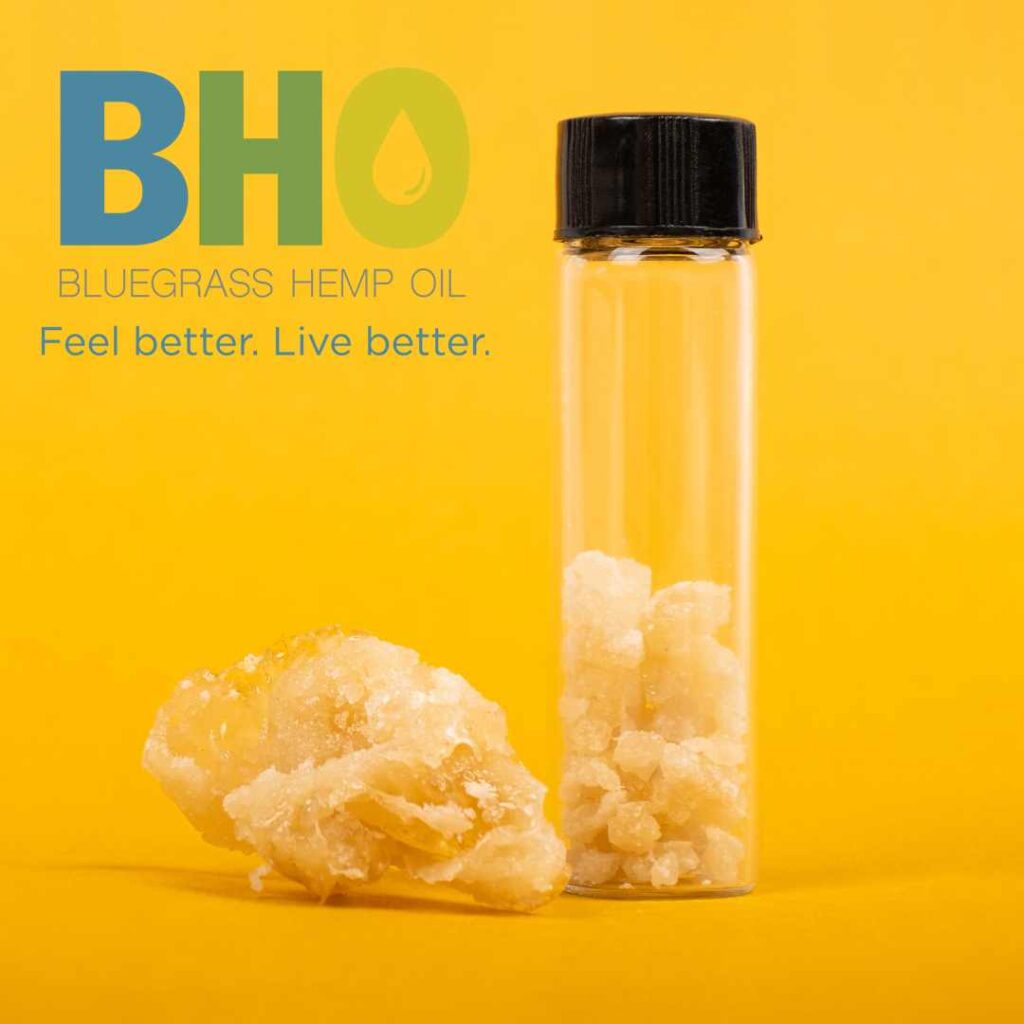
Oleoresin extract vs isolated CBD comparison showing whole plant hemp extract and CBD isolate
Important safety note

CBD products are not intended to diagnose, treat, cure, or prevent disease. Talk with a qualified healthcare professional before using CBD if you take medications, are pregnant or nursing, or manage a medical condition. For general safety context, review the FDA consumer safety information about CBD and cannabis-derived products.

Plain-English shopper summary

CBD Isolate vs Oleoresin: The Difference in One Minute

CBD isolate is a refined hemp extract focused on one cannabinoid, CBD. It is usually chosen for neutral flavor, precise formulation, and THC-conscious routines. Oleoresin extract is a resin-rich whole-plant hemp extract that keeps a broader profile of cannabinoids, terpenes, flavonoids, and natural plant compounds.

Choose isolate when you want:

  • one main cannabinoid listed on the COA
  • neutral taste and smell
  • simple formulation and serving control
  • extra attention to non-detectable THC, when verified by the batch lab report

Choose oleoresin when you want:

  • a whole-plant hemp extract profile
  • natural terpenes and aromatic plant compounds
  • full-spectrum CBD education before buying
  • a COA that shows cannabinoids, THC level, and contaminant screening

CBD Isolate vs Oleoresin: Whole Plant Hemp Extract vs Single Compound

Both extracts can start with similar plant material and extraction equipment. The biggest difference is what remains after processing: isolate narrows the profile to CBD, while oleoresin keeps more of the plant’s natural chemistry intact.

CBD Isolate

Best fit: precise CBD serving control, neutral taste, and strict THC-conscious routines.

  • Single cannabinoid focus
  • Typically odorless and flavor-neutral
  • Often preferred for formulas needing precision
  • Drug-testing concern: lower THC risk, but always verify the COA

Oleoresin Extract

Best fit: users seeking a whole-plant hemp extract with natural terpenes, flavonoids, and minor cannabinoids.

  • Broader cannabinoid profile
  • More plant-like aroma and flavor
  • Built for a broader full-spectrum profile
  • Full-spectrum products may contain legal trace THC below 0.3%

Potency, Flavor, and Purity: How the Choice Changes the Experience

Potency

Isolate is easier to formulate around a specific CBD number. Oleoresin focuses on the broader plant profile, not only one cannabinoid count.

Flavor

Isolate is usually neutral. Oleoresin may smell and taste like the plant because it retains more volatile aromatic compounds, including terpenes.

Purity

Purity does not only mean “one compound.” For either extract, purity should be verified through third-party testing for potency and contaminants.

Oleoresin Extract: A Whole-Plant Hemp Profile With Natural Complexity

Oleoresin is a resin-rich, whole-plant capture that may preserve more cannabinoids, terpenes, flavonoids, pigments, and aromatic plant compounds than heavily refined extracts.

That matters for people comparing whole plant hemp extract options and researching whether oleoresin extract is better for the entourage effect. The entourage effect describes the way cannabinoids, terpenes, and flavonoids may interact as a broader plant matrix.

For more background on the full-spectrum approach, read our full-spectrum CBD guide guide.

Cannabinoid Spectrum Map

Oleoresin

CBD · CBDA · CBG · CBC · Terpenes

Isolate

CBD only

Cannabinoid Chart: CBD, THC, CBG, CBN, CBC, and Terpenes

Use this cannabinoid chart as a quick visual reference when comparing CBD isolate, oleoresin extract, full-spectrum CBD, minor cannabinoids, terpenes, and trace THC. Then verify the product itself with a consumer-friendly cannabinoid guide, a full-spectrum CBD explanation, and a batch-specific Certificate of Analysis.


Cannabinoid chart wheel showing CBD, THC, CBG, CBC, CBN, CBDA, THCA, and other hemp cannabinoids
Cannabinoids work best as a product-comparison topic, not a medical promise. Use the chart to understand labels, then confirm CBD, minor cannabinoids, and THC levels on the current lab report.

When CBD Isolate May Be the Better Fit

CBD isolate can be the better fit when the goal is a precise CBD amount, a clean flavor profile, or a formula that avoids hemp’s natural earthy taste.

It is also the extract many shoppers consider when they have strict THC or drug-testing concerns. A true isolate should show non-detectable THC on a current COA, but drug-testing risk can never be reduced to zero without reviewing the product and your specific testing requirements.

Precise CBD Count

Useful for formulas that need a narrow CBD target.

Neutral Taste

Good for shoppers sensitive to hemp’s earthy flavor.

THC-Conscious Use

Verify non-detectable THC with a batch-specific COA.

Simple Formulation

Best when the goal is one isolated cannabinoid.

Cannabis Extraction Methods and the Post-Processing Difference

The first extraction step, such as ethanol, CO2, or hydrocarbon extraction, pulls compounds from hemp flower. The final product is shaped by post-processing. Winterization can remove waxes and fats, distillation can concentrate selected fractions, and crystallization can produce CBD isolate by separating CBD from other plant compounds.

Extraction Path Main Priority What to Review
Ethanol Efficient broad extraction Post-processing, residual solvent testing, cannabinoid profile
CO2 Controlled extraction parameters Terpene retention, batch consistency, COA results
Hydrocarbon / Oleoresin Workflow Profile preservation and aromatic plant compounds Purging standards, terpene preservation, contaminant screening
Hemp Flower

→

Primary Extraction

→

Crude Oleoresin
whole-plant profile

or

Refined Isolate
winterized · distilled · crystallized

How to Compare Extract Quality: Start With Testing, Not Marketing Claims

Whether you choose isolate or oleoresin, the most important trust signal is a batch-specific COA. A good lab report verifies cannabinoid profile, confirms THC levels, and screens for contaminants such as pesticides, heavy metals, microbials, and residual solvents.

Bluegrass Hemp Oil emphasizes Kentucky-grown hemp, practical product education, and transparent quality review so shoppers can compare products with confidence.

Kentucky-Grown

Traceable hemp origin matters because extraction quality begins before the lab. Strong cultivation standards help support cleaner inputs, better batch consistency, and more transparent finished products.

Which Hemp Extract Should You Choose?

Choose CBD Isolate If...

You want an odorless CBD option, a precise CBD serving, or a THC-conscious formula that can be verified by COA.

Choose Oleoresin If...

You want a Kentucky-grown full-spectrum hemp oil with plant aroma, minor cannabinoids, terpenes, and a broader whole-plant profile.

Need Help Comparing?

Start with product education, read COAs, and compare cannabinoid profiles before buying.

Read CBD Quality Guide

CBD Isolate vs Oleoresin FAQ for Shoppers

What’s the difference between CBD isolate and resin?

CBD isolate is refined to contain one main compound: CBD. Oleoresin, sometimes described as a resin-rich whole-plant hemp extract, keeps a broader mix of cannabinoids, terpenes, flavonoids, and aromatic compounds.

Will CBD isolate show up on a drug test?

CBD itself is not usually the target of standard THC drug tests, but product contamination or mislabeled THC can create risk. Review a current COA and follow your workplace or testing program rules.

Why does oleoresin smell like the plant?

Oleoresin can smell more like hemp because it preserves volatile aromatic compounds such as terpenes. These compounds contribute to the plant’s natural aroma and are often reduced during heavy refining.

Is oleoresin extract better for the entourage effect?

Oleoresin may be preferred by users seeking a whole-plant profile because it retains more cannabinoids, terpenes, and flavonoids. The entourage effect is an area of ongoing research, not a guaranteed outcome.

What is the cleanest cannabis extraction for terpenes?

There is no single cleanest method for every goal. Review cultivation standards, extraction controls, post-processing methods, residual solvent testing, terpene profile, and contaminant screening on the COA.

Are isolate and oleoresin medical treatments?

No. CBD and hemp extracts are not intended to diagnose, treat, cure, or prevent disease. Talk with a healthcare professional before using CBD, especially if you take medications or manage a medical condition.

BP

About the author

About Bill Polyniak

Bill Polyniak is the founder of Bluegrass Hemp Oil and Kentucky Cannabis Company. His hemp education work focuses on Kentucky-grown hemp, full-spectrum CBD, product transparency, Certificates of Analysis, clear labels, and helping shoppers ask better questions before choosing a CBD product.

Bill’s practical approach is simple: compare the label, review the batch-specific lab report, understand THC content, and choose products from companies that are willing to explain their quality standards in plain language.

Shop Lab-Tested Full Spectrum Hemp Oil

Explore Kentucky-grown full-spectrum hemp products with clear labels, realistic wellness language, and batch-specific lab testing.

Get A CBD Sample Pack

Get A CBD Sample Pack

Best CBD Samples

Looking for the best CBD samples to help you decide if CBD is right for you? You're in luck! This article will provide a comprehensive guide to the best samples on the market.

We'll discuss everything from types of sample products, to how they can benefit your health and wellness. So if you're looking to try out some CBD, read on and find out which samples are the perfect fit for you!

CBD, or cannabidiol, has become increasingly popular in recent years due to its potential health benefits. From reducing anxiety and stress, to helping with pain relief and inflammation, it's no surprise that more people are turning to CBD as an alternative supplement.

Learn more about the Benefits of CBD Oil 

But with so many different types of products available, it can be hard to know where to start. Luckily, sampling is a great way to get an idea of what works best for you and your body.

What Are CBD Samples?

Let's talk about the different types of CBD samples available, as well as the potential benefits they can provide.

See the Bluegrass Hemp Oil CBD Sample Pack

We'll also look at how to determine which sample is right for you.

Types Of CBD Samples

When it comes to CBD samples, there are a variety of forms available to explore. From unflavored CBD oil and flavored CBD Oil that can be taken orally  that can be swallowed. As well as topicals such as Releiving Salve, Calming Balm, CBD gummies and Lip Balm.

Each has its own advantages and benefits, so it’s important to research which form works best for your needs. Oils, for example, provide quick relief and are easy to take on the go; whereas cans offer a more convenient way to get a larger dose of CBD at once.

Ultimately, it all comes down to personal preference when choosing the best CBD sample for you.

Benefits Of CBD Samples

When it comes to the benefits of CBD samples, there are many advantages that come with using hemp-derived products.

Not only can they provide health benefits such as reduced inflammation, improved sleep and reduced anxiety, but they can also be a healthier choice than traditional healthcare solutions.

Plus, since CBD is non-psychoactive, you don’t have to worry about feeling “high” after taking a sample.

Looking for something more than the CBD sample pack? Take a look at the CBD Gift Set. 

Whether you’re looking for quick relief or longer-term support for chronic conditions, CBD samples can be a great option for improving your overall wellbeing.

What Is In The CBD Sample Pack

Let's talk about what types of CBD are included in a sample pack, and the potential benefits of each.

We'll also explore how they compare to one another.

Types Of CBD

When you select your CBD sample pack, you'll be amazed at the variety of products available! Full-spectrum CBD contains all the naturally occurring compounds found in hemp.

You can choose receive 5 - 1 ml of our Genesis Blend full-spectrum CBD oil.

1 - Orginal flavor

1 - Black Cherry

1 - Vanilla Wafer

1 - Coffee

1 - Bubblegum

Also included is

1- .25 oz relieving Salve

1 - .25 oz Calming Balm

1 - Lip Balm

1 - 6 count Elderberry 15mg CBD Gummies.

We have something that suits your needs

No matter which type you decide on, you'll be able to enjoy the many benefits CBD has to offer.

Benefits Of CBD

Once you find the right sample pack for you, you'll be able to take advantage of all the great benefits that CBD has to offer.

CBD capsules are a convenient way to get your daily dose, and they come in a variety of flavors so you can find one that tastes great.

Plus, with the anti-inflammatory and calming properties of CBD, you can enjoy the physical and mental health benefits of this powerful cannabinoid.

No need to worry about any psychoactive effects either – CBD won't get you high!

So go ahead and give it a try – you may be surprised at how much better you feel after taking it regularly.

What Types Of CBD Samples Are Available?

When it comes to CBD samples, there're a few different types available.

Edible samples come in many forms, like, gummies, Topicals, creams,  balms.

Lastly, there's the option of oil samples, which come in different flavors.

Edible Samples

Edible samples are a great way to enjoy the benefits of CBD. From gummy bears to chocolate bars, there's something for everyone!

With edibles, you can get your daily dose of CBD without having to worry about  taking a tincture. Plus, they come in all sorts of fun flavors so you can customize your experience and make it even more enjoyable.

Edible samples provide an easy way to sample different types of CBD products before committing to buying them. So whether you're looking for something sweet or savory, edibles are definitely worth checking out!opical Samples

If you're looking for something different, topical samples might be the way to go. They come in the form of creams and salves, with balms being a great option.

Topicals are great for targeting specific areas of the body that may need relief from inflammation or soreness. Plus, they provide an easy way to sample different types before committing to buying them.

So if you're looking for something that provides localized relief without having to ingest anything, topical samples could be just what you're after!

Oil Samples

Oil samples are another popular way to sample CBD.

Tinctures can be taken sublingually and provide a faster-acting dose of CBD than topical samples.

Plus, they come in 10mg concentrations so you can find the perfect fit for your  needs.

What's more, oil samples are easy to travel with and give you an accurate idea of what the product tastes like.

So if you're looking for something that delivers fast-acting relief without having to ingest anything, oil samples could be just what you're after!

Much Do CBD Samples Cost?

The price of CBD samples can vary greatly depending on the size and strength of the sample.

There are usually sample sizes available that range from small single-use doses to larger multi-use portions.

Trying out CBD samples can be beneficial, as it allows you to test out the product before committing to a large purchase. The CBD Sample kit retails for $15.50 a $36.50 value

Are you looking for the best CBD samples at an affordable price?

Well, you may be wondering how much a bottle of CBD samples costs. The cost of a bottle can range from $5 to $90, depending on the brand and quality. Some companies offer discounts or special offers, so it is worth doing your research before deciding which to buy.

However, no matter your budget, there are plenty of great options out there that can provide you with the quality product you're looking for. So don't hesitate to take advantage of these great deals!

Sample Sizes Available

When buying CBD samples, it's important to consider the size of the sample.

Most companies offer a variety of sizes, ranging from single-use samples to larger bottles.

If you're looking for just a small amount to try, then a single-use sample might be right for you.

But if you're looking to buy in bulk and save money, then buying a larger bottle may be the best option.

With so many sizes available, there is sure to be something that fits your needs and budget!

Benefits Of CBD Samples

So, now that you know how much CBD samples can cost, it's important to consider the benefits of buying them as well.

Taking CBD has been known to reduce stress and anxiety levels in humans, making it a great natural remedy for those suffering from mental health issues.

It can also be beneficial for pets too, helping to ease pain and discomfort from chronic conditions.

All of this makes sampling a great idea if you're looking for an affordable way to try out different products without breaking the bank.

Indica vs Sativa for Pain? Why Cannabis Labels Do Not Predict Effects

Indica vs Sativa for Pain? Why Cannabis Labels Do Not Predict Effects

Cannabis label education

Indica vs Sativa for Pain? Why Cannabis Labels Do Not Predict Effects

Many people search for indica vs sativa for pain when trying to understand cannabis and pain-related claims. The safer answer is that indica and sativa labels do not reliably predict how a cannabis or hemp-derived product will affect someone.

A more useful approach is to review the plant’s chemotype, cannabinoid profile, THC content, terpene information, product label, Certificate of Analysis, lab-testing date, and safety warnings.

Author: Bluegrass Hemp Oil Editorial Team

Last updated: May 20, 2026

Article type: Educational cannabis label explainer

Medical review: Not a substitute for professional medical guidance

Is Indica or Sativa Better for Pain?

Neither label is a reliable medical guide. Indica and sativa are visual, morphological, and historical cannabis categories, not dependable predictors of pain-related effects. Product experience may depend on cannabinoid profile, THC content, CBD content, terpene profile, serving amount, product format, individual sensitivity, medication use, and whether the product is accurately labeled.

Myths About Indica, Sativa, and Pain-Related Searches

Search engines are full of simple strain-label explanations, but simple does not always mean accurate. Use the table below to separate common claims from safer, more useful product-literacy questions.

Common Claim Better Explanation
Indica is better for pain. Indica is not a reliable medical-effect category. Review cannabinoid profile, THC content, COA, and professional guidance instead.
Sativa is better for daytime pain. Sativa is not a reliable medical-effect category. The label alone does not prove how a product will affect someone.
CBD is the pain-relief cannabinoid. Retail CBD products should not be marketed as pain treatments. Review safety, labels, COAs, and healthcare guidance.
Terpenes prove effects. Terpenes may help describe aroma, but they should not be turned into pain, sleep, anxiety, or medical claims.

Hemp vs Marijuana: Legal Definition vs Botanical Chemotype

The legal THC threshold matters for compliance, but it does not fully explain the plant. Hemp and marijuana are both cannabis. Botanically, hemp-type cannabis is generally CBDa / CBD dominant, while marijuana or drug-type cannabis is generally THCa / THC dominant. These tendencies are shaped by genetics and cannabinoid synthase expression.

Category Legal / Botanical Explanation
Legal hemp Defined by THC compliance. Hemp rules focus on total THC compliance, including THCA conversion, at no more than the applicable legal threshold.
Botanical hemp-type cannabis Commonly CBDa / CBD dominant cannabis.
Marijuana or drug-type cannabis Commonly THCa / THC dominant cannabis.
Shared identity Hemp and marijuana are both cannabis.
Sativa and indica Visual, morphological, and historical plant-type labels that can appear across hemp-type and marijuana-type cannabis.

Sativa-like and indica-like visual traits can appear across hemp-type and marijuana-type cannabis. These labels should not be used as guarantees of relaxation, energy, sleep support, anxiety relief, pain outcomes, or medical benefit.

Why Indica and Sativa Labels Are Not Reliable Effect Claims

Indica and sativa labels may describe growth traits, leaf shape, plant structure, aroma expectations, or historical breeding language. They should not be used as guarantees of pain outcomes, relaxation, energy, sleep, anxiety changes, or medical benefit.

CBDa / CBD dominanceTHCa / THC dominanceCannabinoid profileTerpene profileTotal THCProduct formatServing labelCertificate of AnalysisLab-testing dateSafety warnings

Cannabinoids Matter More Than the Label

For shoppers comparing CBD and cannabis terminology, the product’s cannabinoid profile provides more useful information than an indica or sativa label. Even then, cannabinoid information should be used for product literacy, not self-treatment claims.

Compound Safe Explanation
CBDa The acidic precursor commonly associated with CBD-dominant hemp-type cannabis.
CBD A non-intoxicating cannabinoid. Retail CBD products are not FDA-approved for pain treatment.
THCa The acidic precursor commonly associated with THC-dominant marijuana or drug-type cannabis.
THC The primary intoxicating cannabinoid. THC may carry impairment, legal, drug-testing, and safety concerns.
CBN A cannabinoid associated with aged THC. Do not claim sleep or sedation benefits.
Terpenes Aromatic compounds that may contribute to product aroma, but should not be turned into pain, sleep, anxiety, mood, or medical claims.

What CBD Shoppers Should Review Instead

If you are comparing hemp-derived CBD products, focus on objective product information. This helps you evaluate labels and transparency without relying on indica or sativa marketing terms.

What to Review Why It Matters
CBD amount per serving Helps compare product strength.
Total CBD per package Helps compare oils, gummies, capsules, and topicals.
THC content Full-spectrum CBD may contain trace THC.
CBDa / THCa information if available Helps users understand chemotype and cannabinoid profile.
Product format Oils, gummies, capsules, and topicals are used differently.
Ingredients Helps identify allergens, sweeteners, carrier oils, or additives.
Batch number Should match the Certificate of Analysis.
Certificate of Analysis Supports cannabinoid and testing transparency.
Lab-testing date Helps verify product-specific testing.
Warning language Responsible brands include safety cautions.

Full-Spectrum CBD, THC, and Drug Testing

Full-spectrum CBD products may contain trace THC. People subject to workplace, athletic, professional, licensing, probation, or other testing should review product labels and Certificates of Analysis carefully before using CBD.

  • Hemp-derived does not automatically mean THC-free.
  • THC content should be reviewed on the product label and COA.
  • CBD itself is not typically the target of standard drug tests.
  • Trace THC may still matter for people subject to testing.
  • No CBD company should guarantee drug-test outcomes.

CBD Safety and Medication Cautions

CBD may interact with medications and may not be appropriate for everyone. People taking prescription medication, over-the-counter medication, herbs, supplements, sleep aids, sedatives, antidepressants, anti-anxiety medications, seizure medications, blood thinners, or liver-affecting drugs should speak with a licensed healthcare professional before using CBD.

  • CBD may cause drowsiness in some people.
  • CBD may not be appropriate during pregnancy or breastfeeding.
  • CBD may not be appropriate for people with liver concerns.
  • Do not stop, reduce, replace, or combine medications with CBD without medical guidance.

Review CBD medication interaction guidance

Where CBD Product Information Fits

Product links should help readers review labels, ingredients, CBD amount, THC content, Certificates of Analysis, lab-testing information, and product format details. Do not link products from pain, nerve pain, inflammation, arthritis, relief, treatment, or medical-effect language.

Product Label Review

Use product pages and education pages to compare CBD amount, ingredients, THC content, and warning language.

Read the CBD product label guide

Bluegrass Hemp Oil’s Approach to CBD Transparency

Bluegrass Hemp Oil focuses on CBD education, product transparency, lab testing, Certificates of Analysis, product labels, THC information, and customer support. These resources help adults review CBD product details before choosing hemp-derived CBD products.

CBD Product Labels

Understand CBD amount per serving, THC content, ingredients, and warning language before choosing a CBD product.

Read the CBD product label guide

CBD Lab Testing

Learn what lab testing can show about cannabinoid content, THC levels, and product transparency.

Learn about CBD lab testing

Related Cannabis Label and CBD Safety Resources

Frequently Asked Questions

Is indica or sativa better for pain?

Indica and sativa labels should not be used as medical guidance. They do not reliably predict pain-related effects.

Do indica and sativa have different cannabinoids?

They can, but the label itself is not enough. A product’s cannabinoid profile, terpene profile, THC content, Certificate of Analysis, and lab testing provide more useful information.

What is the real difference between hemp and marijuana?

Legally, hemp is defined by THC compliance. Botanically, hemp-type cannabis is usually CBDa / CBD dominant, while marijuana or drug-type cannabis is usually THCa / THC dominant.

Are hemp and marijuana both cannabis?

Yes. Hemp and marijuana are both cannabis, but they differ by legal classification, chemotype, breeding goals, and cannabinoid dominance.

Are sativa and indica types of hemp and marijuana?

Sativa and indica are visual, morphological, and historical cannabis labels. Both hemp-type and marijuana-type cannabis can show sativa-like or indica-like traits.

Does CBD treat pain or nerve pain?

Bluegrass Hemp Oil products are not intended to diagnose, treat, cure, or prevent pain, nerve pain, inflammation, arthritis, or disease.

Can full-spectrum CBD contain THC?

Yes. Full-spectrum CBD may contain trace THC. Review the product label and Certificate of Analysis before use.

Can CBD interact with medications?

Yes. CBD may interact with medications and may not be appropriate for everyone. Speak with a licensed healthcare professional before using CBD if you take medication.

Why do COAs matter for CBD products?

Certificates of Analysis help customers review cannabinoid content, THC levels, batch information, and available testing details. They support transparency but do not prove medical effectiveness.

What should I check before choosing a CBD product?

Review CBD amount per serving, THC content, ingredients, product directions, warning language, batch number, Certificate of Analysis, lab-testing date, and medication cautions.

Sources and Editorial Standards

This article is provided for educational purposes and is not medical advice. It is designed to help adults understand indica vs sativa search intent, cannabis labels, CBDa-dominant hemp, THCa-dominant marijuana, cannabinoids, terpenes, THC content, Certificates of Analysis, lab testing, medication-interaction concerns, and safety considerations before choosing hemp-derived CBD products.


Types of CBD – Full Spectrum Living with CBD  Ep9

Types of CBD – Full Spectrum Living with CBD Ep9

Types of CBD - Full Spectrum Living with CBD Ep-9

Adriane, Jessica, and Meredith discuss some of the different types of CBD being marketed today. They also discuss the differences in the extraction processes and what happens to CBD oil when it is made using these other methods. They cover commonly used terms, examine their meaning, and discuss how some mislead the CBD industry. After watching this, you will better understand the differences in CBD oil types and why they are not the same.

Types of CBD

Studies show that  CBD Oil type full spectrum provides the best benefits for the endocannabinoid system in the human body. For CBD users to receive maximum benefits, CBD oils should contain a robust natural blend of minor cannabinoids other than cannabidiol, CBD. If CBD oil does not have these minor cannabinoids, how can the user benefit from them? They can’t. See the attached lab report to see the robust blend of cannabinoids that the Full Spectrum Genesis Blend CBD Oil Contains.

Lab tests show that no other CBD oil brand contains the robust natural blend of cannabinoids that our Genesis Blend CBD Oil contains. We advertise 10mg of CBD per ml, but the lab reports show 23mg of total cannabinoids per ml. These extra mg’s are the other minor cannabinoids that complete the entourage effect in full-spectrum CBD oil. Check our Types of CBD page and see the Genesis Blend lab results.

Top 5 Reasons we see people turning to CBD!

The benefits of CBD are proving to be an option for many issues, including preventative care and the potential for overall quality of life improvement. Supported by thousands of studies and backed by even more consumer testimonies, CBD is readily available across the United States and is commonly being used to address anxiety, secondary insomnia (the most common type and defined as a symptom or a side effect of something else, like pain, stress, anxiety, hormonal imbalance, or depression.)

Listen  to our most recent podcast to hear some of our favorite consumer testimonies and the Top 5 Reasons we see people turning to CBD! Top five reasons people turn to CBD

The Sum Is Greater Than The Parts.

Full spectrum oleoresin the highest grade cannabis extract. Similarly, like an orchestra or assembly line, each part plays an essential role in the show. A drum solo is excellent, do not get us wrong, but no one wants to sit through a concert listening to only drums while the other band members decide to sit this one out. The Sum is greater than the parts.

For instance, having different natural elements in our CBD Genesis Blend breathes life into what is known as the “Entourage Effect. All naturally occurring cannabinoids, terpenes, and flavonoids blend synergistically, allowing their coexistence to be more beneficial than an individual component standing alone. These natural cannabinoids bind to receptors in our Endocannabinoids System.  All species with a vertebrate have an Endocannabinoid System.   Humans and animals, such as dogs, Cats, and Horses, all have endocannabinoid receptors. Read The Powerful Differences Between Oleoresin Extract and Isolated CBD

Endocannabinoid system (ECS)

Many people ask: “How can CBD offer a wide variety of powerful results for things ranging from anxiety and neurodegeneration to even auto-immune disorders?” Surprisingly, The answer lies not so much in CBD (Cannabidiol) itself but how CBD is working to augment the Endocannabinoid system (ECS).

Therefore, The Endocannabinoid System (endo meaning ‘within’) is a biological system focused on mediating physiological balance, fundamentally known as homeostasis. Some of the first homeostatic functions we often hear from clients are a better night’s sleep, a regulated appetite, and reduced anxiety. These are a few of the first indicators that CBD is kicking in and starting to help boost our natural production of endocannabinoids. Amazing Discovery The Endocannabinoid System

FAQ Page -Frequently Asked Questions

We learn in the flow of work.  For instance, we constantly seek further understanding and ways to improve things. In other words, part of sharing information is just as much a part of our journey. Therefore, Find the answers to some common questions!  Above all, If the answer to your CBD question is not answered, send us a message from the contact section at the bottom of the page. THE FREQUENTLY ASKED QUESTIONS