In this episode of Full Spectrum Living with CBD podcast, Adriane, Jessica and Meredith cover the most common CBD extraction methods. They breakdown each method and discuss the plus and minus of each as well as how they can effect the end products performance. They cover our extraction method of choice and it's pluses and minus as well as the overall direction we think the CBD / medical cannabis industry will ultimately go. Watch the CBD podcast about CBD extraction methods to better understand why all CBD oil is not the same.
“WHAT EXTRACTIONMETHODDO YOU USE?”
This is a very common FAQ. Rightfully so. Consumers should be concerned with how their CBD products are produced, especially in today’s market. Extracts are most commonly made either by processing the flower with a hydrocarbon like butane or propane (known as Butane Hash Oil or BHO <- See the connection here to our Bluegrass Hemp Oil, BHO? ????), pressurizing the material with carbon dioxide (CO2) or soaking it with ethanol. In this blog, we’ll take the time to reviewour methodof choice, hydrocarbon extraction, bring some of its misconceptions to light, and introduce a few other standard techniques. Reviewour methodof choice
HYDROCARBON EXTRACTION
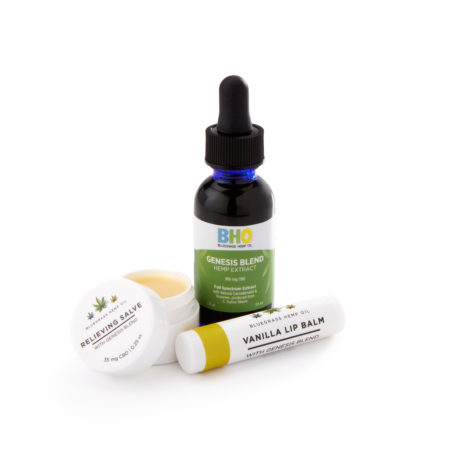
An article written by Lindsay Maharry,“Debunking the BHO Stigma: A Scientist’s Take on Butane Hash Oilvs.CO2Extraction,”does an excellent job of shining a light on how unsafe practices engaged in by kids changed the perception of this extraction method. (I highly recommend you read it!) When in fact, this method, if done correctly, is completely safe. Hydrocarbons are non-polar, meaning they bind to the more fat-soluble components of the plant (cannabinoids and terpenes only) to extract compounds from cannabis plant material gently. The result is a higher-purity extract and the only product that resembles the plant from which it came. Butane and propane allow organic solvents to be used in an extraction process that produces the richest cannabinoids and terpenes. This oleoresin is live resin. The live resin extraction method makes high-quality cannabis oil like what we use for our Genesis Blend full spectrum CBD oil. Reviewour methodof choice.
OTHER COMMON EXTRACTION METHODS
Co2: Co2 extraction is a process that uses pressurized carbon dioxide to pull desired cannabinoids from the plant. Its vapor pressure is so high the CO2 disappears, leaving no potential for residual. However, this pressure is harsher on the plants and strips the terpenes during the process. In Maharry’s article, she explains the appeal of this process to manufacturers in the industry, stating it allows companies “to get away with running poor quality flowers” because they are producing a homogenous product. (In her case, she focuses on THC only, whereas what we see in the hemp industry is CBD only.) This affects the overall quality of CBD oil. If the cannabinoids do not get extracted during the extraction process, how can they end up in the final CBD Oil? They can’t. Some Co2 extraction machines look big and fancy but do not produce high-quality extract CBD oil.
Ethanol: In this process, the solvent, Ethanol, is passed over the plant material to dissolve the cannabinoids in the plant. Because ethanol is a “polar” solvent, it will want to bind to the water-soluble components of the plant. The result is a less pure, generally less potent, end product that needs further post-processing and refining. Therefore, it has limitations in making a genuinely pure, full-spectrum extract. Have we discussed we only want the significant lipids from the plant material? That is why the only plant matter we like to use is the bud or flower from the cannabis or hemp plants.
FAQ Page -Frequently Asked Questions
We learn in the flow of work. For instance, we constantly seek further understanding and ways to improve things. In other words, part of sharing information is just as much a part of our journey. Therefore, Find the answers to some common questions! Above all, If the answer to your CBD question is not answered, send us a message from the contact section at the bottom of the page.THE FREQUENTLY ASKED QUESTIONS
Endocannabinoid system (ECS)
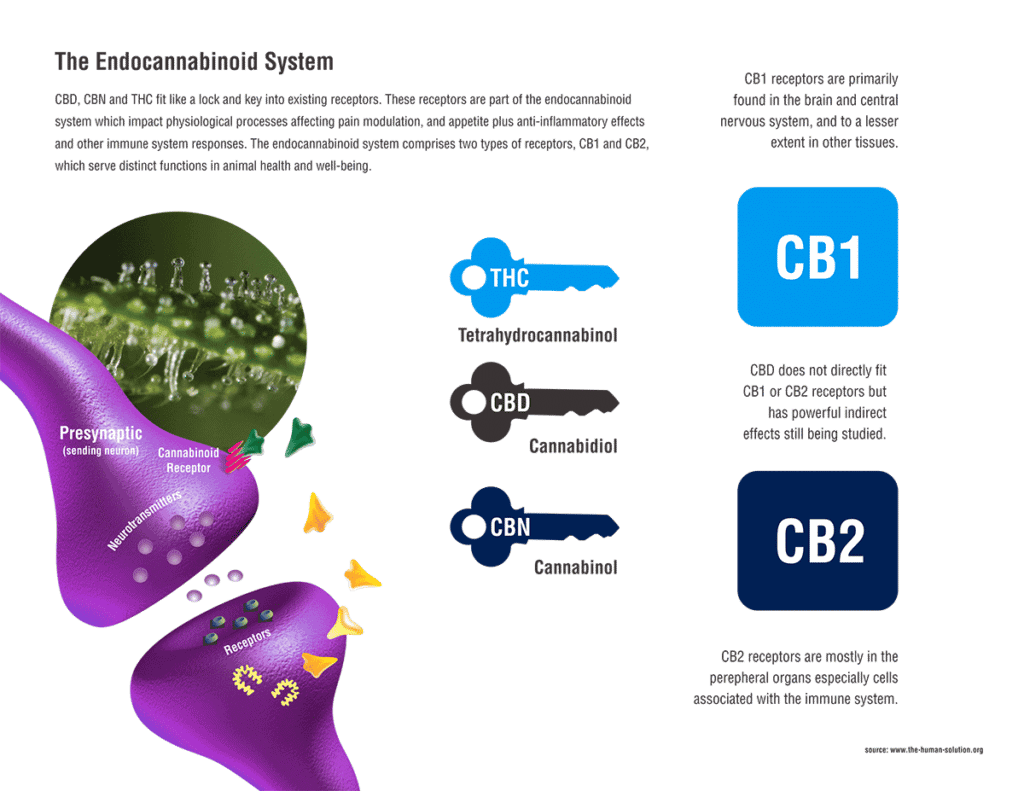
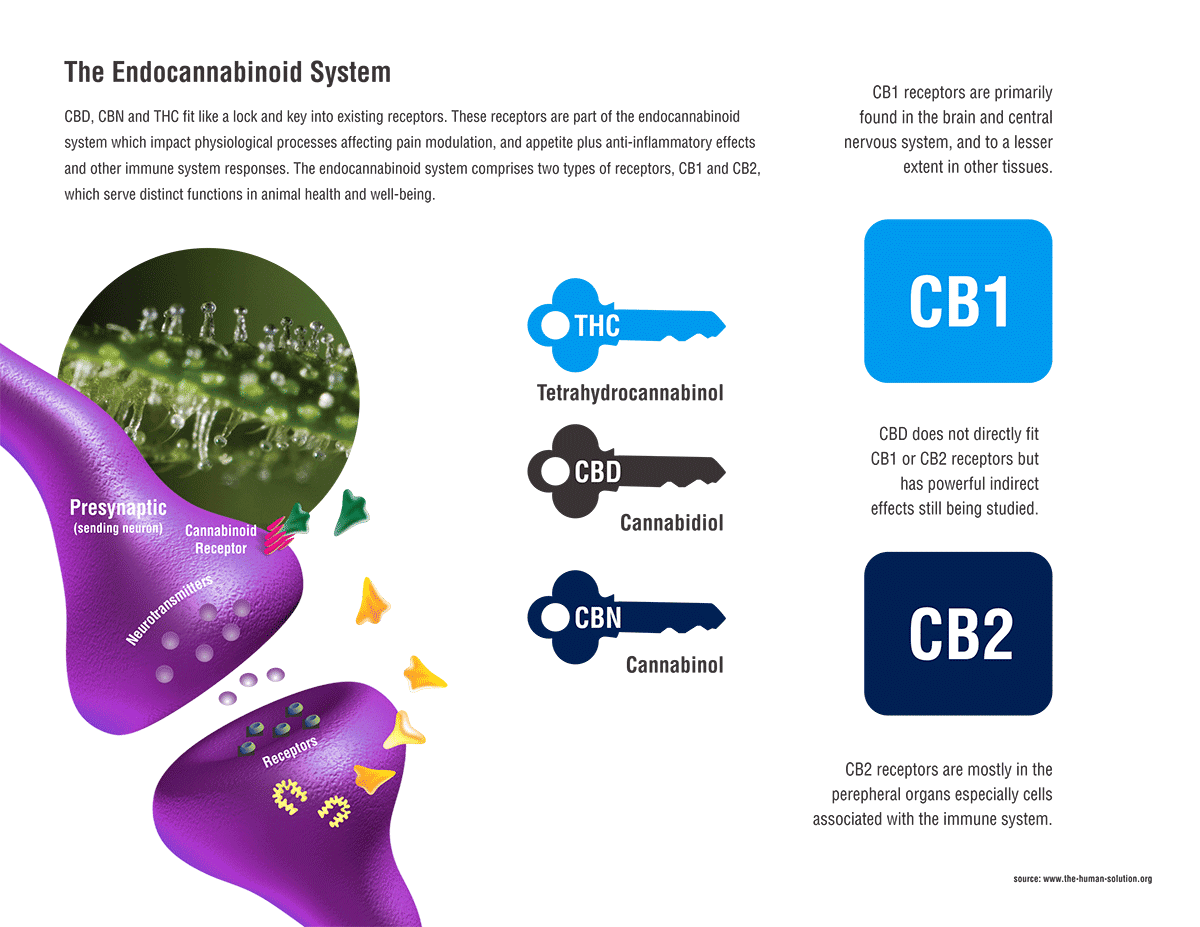
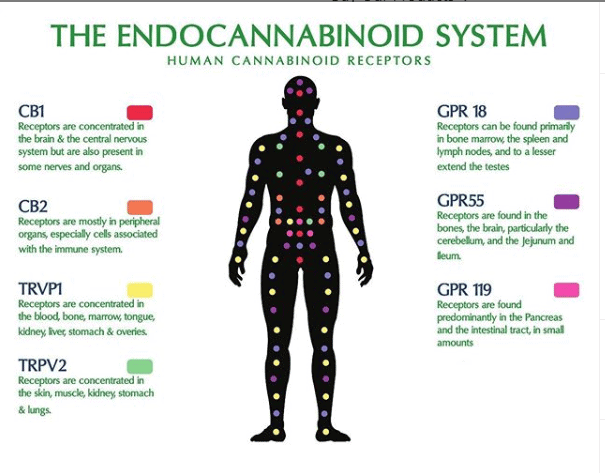
Many people ask: “How can CBD offer a wide variety of powerful results for things ranging from anxiety and neurodegeneration to even auto-immune disorders?” Surprisingly, The answer lies not so much in CBD (Cannabidiol) itself but how CBD as well as the other benefitual cannabinoids, terpenoids and flavornoids are working to augment theEndocannabinoid system (ECS).
Therefore, TheEndocannabinoid System(endo meaning ‘within’) is a biological system focused on mediating physiological balance, fundamentally known as homeostasis. Some of the first homeostatic functions we often hear from clients are a better night’s sleep, a regulated appetite, and reduced anxiety. These are a few of the first indicators that CBD is kicking in and starting to help boost our natural production of endocannabinoids. Amazing Discovery The Endocannabinoid System
The Sum Is Greater Than The Parts.
Full spectrum oleoresin the highest grade cannabis extract.Similarly, like an orchestra or assembly line, each part plays an essential role in the show. A drum solo is excellent, do not get us wrong, but no one wants to sit through a concert listening to only drums while the other band members decide to sit this one out. The Sum is greater than the parts.
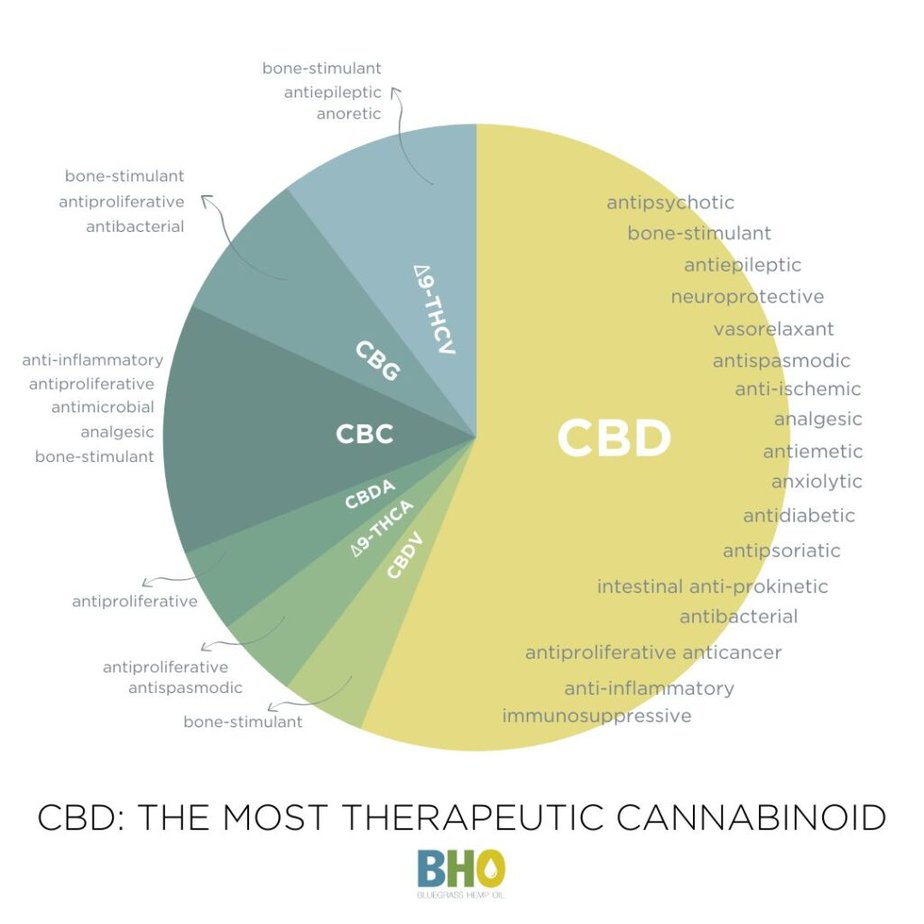
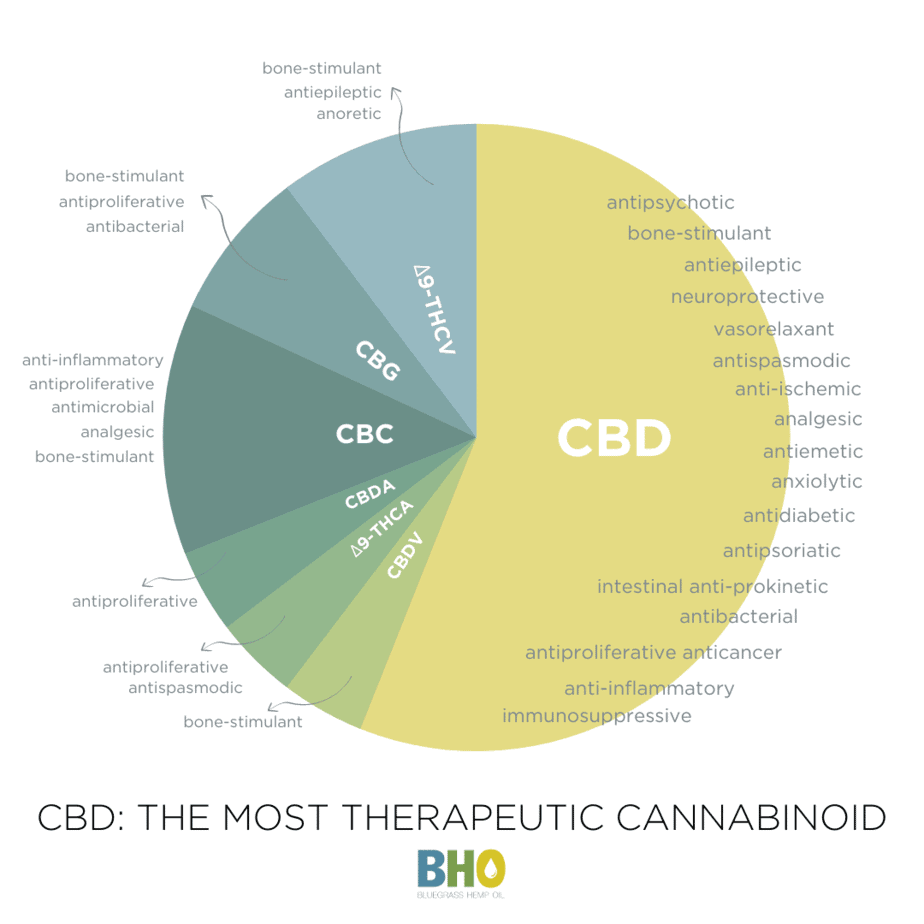
For instance, having different natural elements in our CBD Genesis Blend breathes life into what is known as the “Entourage Effect. All naturally occurring cannabinoids, terpenes, and flavonoids blend synergistically, allowing their coexistence to be more beneficial than an individual component standing alone. These natural cannabinoids bind to receptors in our Endocannabinoids System. All species with a vertebrate have an Endocannabinoid System. Humans and animals, such as dogs, Cats, and Horses, all have endocannabinoid receptors. Read The Powerful Differences Between Oleoresin Extract and Isolated CBD
Bluegrass Hemp Oil - Hemp CBD Oil Store
With two convenient locations in Lexington and Midway, KY, they make it easy to get the CBD products you need. If you are looking to buy CBD oil, this is the place. Not close to on of our locaton or a store that retails our products ? Try the Bluegrass Hemp oil online CBD store. We have extremaly fast shipping. Most orders ship the same day or within 24 house, excluding holidays.
Bluegrass Hemp Oil CBD Store Lexington, KY
Bluegrass Hemp Oil CBD Store Lexington at 190 Lexington Green Circle in Lexington, KY, customers can find a wide variety of CBD products, including the Genesis Blend, Elderberry CBD Gummies, CBD for Dogs, and more. All in all, their knowledgeable staff can help you find the right product for your needs and provide helpful advice on how to use them.
Bluegrass Hemp Oil - Midway, KY
Bluegrass Hemp Oil CBD Store Midway Our second location is 230 N. Gratz Street in Midway, KY. This location offers a great selection of CBD products, including tinctures, edibles, topical creams, and pet treats. Again, the friendly staff will answer any questions and help you select the perfect product for your needs.
Altogether, no matter your location, Bluegrass Hemp Oil has real KY hemp and is a hemp oil store with what you need for CBD for pain relief and CBD for sleep. Shop Bluegrass Hemp Oil today and start feeling the benefits of CBD!
Touch or Click the image for directions to our Lexington, KY CBD Store
Touch or Click the image for directions to our Midway, KY CBD Store
These statements have not been evaluated by the Food and Drug Administration. This product is not intended to diagnose, mitigate, treat or prevent a specific disease or class of diseases.
The Benefits of Cannabis for Pain Relief – A Natural Alternative
Cannabis can be a powerful, natural alternative for pain relief by engaging your body's endocannabinoid system. It effectively targets chronic pain conditions like arthritis, migraines, and lower back pain. Full-spectrum extracts enhance relief due to the entourage effect, where multiple cannabinoids work together. You'll find benefits like improved sleep and stress reduction as well. Curious about the best methods and the science behind cannabis for pain? There's plenty more to explore on this topic.
Understanding How Cannabis Works for Pain Management
To truly grasp how cannabis helps with pain management, you need to understand the endocannabinoid system (ECS) and its role in regulating pain.
Cannabinoids interact with specific receptors in your body, influencing pain perception and inflammation.
Plus, knowing the differences between THC and CBD can guide you in choosing the right approach for your pain relief. Additionally, full-spectrum CBD offers a broader range of benefits due to its interaction with multiple cannabinoids, which can enhance its effectiveness for pain relief.
The Endocannabinoid System (ECS) and Pain Regulation
While many people seek relief from chronic pain through various medications, understanding the role of the endocannabinoid system (ECS) can provide insight into how cannabis, particularly through products like Genesis Blend CBD Oil, effectively manages pain.
The ECS plays an essential role in pain modulation by maintaining ECS homeostasis through endocannabinoid signaling. When you use cannabis, it interacts with cannabinoid receptors in your body, helping to block pain signals and reduce inflammation.
These cannabinoid interactions not only alleviate discomfort but also support overall well-being. By enhancing your ECS's ability to regulate pain, products like Genesis Blend CBD Oil offer a natural alternative for those looking to connect with a supportive community and find relief. Additionally, the synergy created by the entourage effect in Full Spectrum CBD oil amplifies its pain-relieving properties, making it an even more effective option for management.
How Cannabinoids Interact with Pain Receptors
Understanding how cannabinoids interact with pain receptors reveals a fascinating mechanism that can considerably enhance pain management.
By engaging in cannabinoid synthesis, these compounds effectively modulate pain receptor activity, targeting specific receptor subtypes within your body. This pain receptor modulation allows cannabinoids to block pain signals and reduce inflammation, which can be a game-changer for those suffering from chronic pain.
Through careful pain mechanism analysis, researchers have identified ideal therapeutic dosages that maximize relief while minimizing side effects. Cannabinoid agonists have shown promise in significantly reducing chronic neuropathic pain, further supporting the potential of cannabis in therapeutic applications.
By harnessing the power of cannabinoids, you can find a natural alternative to traditional pain relief methods, fostering a sense of belonging to a community that values holistic wellness and effective solutions.
Embrace this journey toward better pain management with cannabis.
The Role of THC vs. CBD in Pain Relief
Cannabis offers a unique combination of compounds that can greatly impact pain relief, particularly through its two primary cannabinoids: THC and CBD.
THC benefits include reducing pain by activating pain pathways, while CBD effects focus on anti-inflammatory properties. Understanding cannabinoid synergy helps you choose the right combination for your needs.
Explore dosage variations for personalized relief.
Discover various administration methods for convenience.
Learn from patient experiences to find effective solutions.
Stay informed about legal considerations and product labeling. Additionally, CBD's anti-inflammatory properties can provide a natural alternative to pharmaceuticals for managing arthritis symptoms.
Types of Pain That Cannabis May Help Alleviate
When it comes to pain relief, cannabis can be a game changer for various types of discomfort you might face.
From chronic pain conditions to neuropathic pain and inflammatory issues, it offers potential relief where traditional treatments may fall short.
Plus, if you suffer from migraines or headaches, cannabis may help ease those symptoms as well. Additionally, studies indicate significant pain relief in users, highlighting its effectiveness for various pain-related conditions.
Chronic Pain Conditions
Chronic pain can be a debilitating experience, impacting your daily life and overall well-being. Many individuals are turning to cannabis strains as a natural alternative for relief.
Here are some chronic pain conditions that cannabis may help alleviate:
Arthritis : Reduces inflammation and joint pain.
Fibromyalgia : Eases widespread pain and fatigue.
Migraines : Can help decrease the frequency and intensity of attacks.
Lower back pain : Offers muscle relaxation and pain management.
With patient testimonials supporting its effectiveness, it's important to follow dosage guidelines to find the right balance. Full spectrum products, which harness the entourage effect , can enhance therapeutic outcomes by utilizing multiple cannabinoids and terpenes.
Cannabis serves as a valuable addition to your toolkit of alternative therapies, helping you reclaim comfort and joy in your life.
Explore your options and connect with others on this healing journey!
Neuropathic Pain
Neuropathic pain, often stemming from nerve damage or conditions like sciatica, can be particularly challenging to manage.
Many people turn to neuropathic pain treatments, seeking relief through natural alternatives like cannabis. Research shows that cannabinoids can effectively support chronic pain management. By following cannabis dosage guidelines, you can find the right balance to ease discomfort. Cannabis user experiences often highlight relief from the relentless nature of neuropathic pain, showcasing its potential to enhance quality of life. Notably, studies suggest that CBD's mechanism may contribute to its pain-relieving effects, offering a promising avenue for those seeking relief.
With ongoing neuropathic pain research, the benefits of cannabis continue to emerge, offering hope for those struggling with nerve-related issues.
Embracing this natural approach may help you reclaim your life from the grips of pain.
Inflammatory Pain
Inflammatory pain can greatly impact your daily life, making even simple tasks feel intimidating.
Thankfully, cannabis offers a natural alternative for relief. Many people find that incorporating cannabis into their pain management techniques helps reduce discomfort effectively.
Start with a low cannabis dosage to find what works for you.
Explore various alternative therapies alongside cannabis for thorough relief.
Share your patient experiences with others for support and guidance.
Stay informed about legal considerations in your area to guarantee safe use. Additionally, CBD oil has been shown to provide significant pain relief and reduce inflammation in pets suffering from arthritis.
Migraine and Headache Relief
When you experience a migraine or headache, finding effective relief can feel challenging. You're not alone in this struggle; many share your quest for headache management solutions.
Cannabis can be a powerful ally, helping to alleviate pain caused by various migraine triggers. By incorporating cannabis into your routine, you might find a natural path to stress reduction, which is vital for preventing those debilitating episodes. Additionally, studies indicate that CBD improves sleep quality , which can help those whose migraines are exacerbated by lack of rest.
Pairing it with lifestyle changes and essential oils can enhance your relief, creating a holistic approach. With the right combination, you can reclaim your day and enjoy moments without the burden of pain.
Embracing cannabis as part of your headache management journey fosters a sense of belonging to a community that understands your challenges.
Why Full-Spectrum Cannabis Extracts Work Best for Pain Relief
When it comes to pain relief, full-spectrum cannabis extracts really shine due to the entourage effect. This synergy between multiple cannabinoids and terpenes enhances their therapeutic benefits, making them more effective than isolated compounds. Additionally, understanding cannabinoid profiles is crucial for tailoring medical cannabis therapies to individual needs.
The Entourage Effect – Why Multiple Cannabinoids Matter
While many people turn to CBD for pain relief, the true power lies in full-spectrum extracts that harness the entourage effect, where multiple cannabinoids work together synergistically.
This cannabinoid synergy enhances pain modulation, maximizing the therapeutic potential of cannabis. By embracing a holistic approach, you can experience more effective relief and improved overall well-being.
Full-spectrum extracts retain valuable compounds.
They support inflammation reduction and nerve health.
Enhanced mood and pain perception benefits.
The combined effects lead to stronger relief.
Incorporating these full-spectrum options into your wellness routine could transform your pain management journey, offering a more natural alternative that resonates with your desire for belonging and connection to a supportive community.
The Benefits of CBD, CBDA, CBG, and Other Cannabinoids
Harnessing the power of multiple cannabinoids, full-spectrum cannabis extracts like Genesis Blend CBD Oil provide a thorough approach to pain relief.
This blend showcases cannabinoid synergy, where CBD, CBDA, CBG, and others work together for enhanced therapeutic applications.
By choosing natural remedies, you can effectively manage pain without the harsh side effects of traditional medications.
Following dosage guidelines tailored to your needs guarantees you're getting the most benefit.
Plus, with rigorous quality assurance practices, you can trust that each drop of Genesis Blend is safe and potent.
Embracing these cannabinoids not only helps alleviate discomfort but also fosters a sense of community among those seeking holistic wellness solutions.
You're not alone in this journey toward better health.
Terpenes and Their Role in Pain Management
Terpenes play an essential role in the overall effectiveness of full-spectrum cannabis extracts like Genesis Blend CBD Oil, enhancing pain management through their unique properties.
These aromatic compounds contribute to the terpene profiles of various cannabis strains, promoting pain alleviation in a holistic manner. When combined with cannabinoids, terpenes create a synergistic effect, amplifying the benefits of essential oils found in cannabis.
They can reduce inflammation and provide soothing effects.
Different terpenes offer unique therapeutic benefits.
Their natural scents contribute to emotional well-being.
You can explore various cannabis strains for tailored relief.
How to Use Cannabis for Pain Relief
When using cannabis for pain relief, it's essential to choose the right product that fits your needs.
You'll also want to determine the proper dosage to guarantee effectiveness while being mindful of how long it takes for the effects to kick in.
Understanding these factors can help you maximize the benefits of cannabis for managing your pain.
Choosing the Right Cannabis Product
How do you find the right cannabis product for pain relief? Start by exploring various cannabis product types like oils, gummies, and topicals. Each has unique application methods that can cater to your specific needs.
Understanding dosage guidelines is essential; begin with a low dose and adjust as necessary. Pay attention to extraction techniques, as they affect the product's quality and effectiveness.
Here are some tips for choosing wisely:
Research products from reputable brands.
Check for lab testing to guarantee safety.
Look for full-spectrum oils for enhanced benefits.
Seek consumer education resources to stay informed.
Proper Dosage for Effective Pain Relief
Finding the right cannabis product is just the beginning; understanding the proper dosage is key to achieving effective pain relief.
Start by following dosage guidelines specific to the product you choose, as potency can vary widely. It's important to assess your pain levels and adjust your dosage based on your individual tolerance.
Begin with a low dose and gradually increase until you find what works best for you. Different administration methods, like oils, edibles, or topicals, can also influence how cannabis affects you, so experiment to see what feels best.
How Long Does It Take for Cannabis to Work?
Ever wondered how quickly cannabis can relieve your pain? The timing can vary based on several factors, including your method of consumption and individual variability.
Generally, you can expect:
Inhalation : Effects kick in within 5-15 minutes.
Edibles : You'll feel relief in about 30-90 minutes.
Tinctures : Relief can start in 15-45 minutes.
Topicals : These can take 30 minutes to a few hours for localized pain onset.
Dosage factors also play a significant role in effects duration. Higher doses may offer longer-lasting relief, but it's vital to find what works best for you.
The Science and Research Behind Cannabis for Pain
When it comes to cannabis for pain relief, research backs its effectiveness for chronic pain management.
You'll find studies comparing cannabis to opioids and other medications, highlighting potential benefits and risks.
It's crucial to evaluate these findings alongside any possible side effects as you explore this natural alternative.
Studies on Cannabis for Chronic Pain Relief
As research continues to evolve, numerous studies have highlighted cannabis's potential for chronic pain relief, demonstrating its effectiveness across various conditions. These findings align with patient testimonials, reinforcing the idea that cannabis can serve as a valuable alternative therapy.
Key insights include:
Historical usage of cannabis shows its long-standing role in pain management.
Research supports the development of dosing guidelines to optimize effectiveness.
Cannabis regulations are evolving, ensuring safer access for patients.
Patient testimonials often emphasize significant improvements in pain levels and overall well-being.
How Cannabis Compares to Opioids and Other Pain Medications
Research highlights cannabis's potential as a promising alternative to opioids and other pain medications. Amid the ongoing opioid crisis, many are turning to cannabis as a safer option.
Patient testimonials reveal that cannabis can effectively alleviate pain without the harsh side effects associated with opioids. With evolving cannabis legislation, access to these alternative therapies is becoming easier, fostering a sense of community among those seeking holistic wellness.
Cannabis interacts with your body's endocannabinoid system, providing a natural way to manage pain. Unlike traditional medications that often come with risks, cannabis offers a more balanced approach, allowing you to reclaim control over your health and well-being.
Embracing cannabis can lead to a more supportive and connected healing journey.
Potential Side Effects and Considerations
While cannabis offers promising benefits for pain relief, it's essential to evaluate potential side effects and individual responses. You should consider dosage considerations, as finding the right amount for you can greatly affect your experience.
Keep in mind potential interactions with other medications, which could lead to unintended effects.
Here are some key points to remember:
User experiences vary; what works for one may not work for another.
Long-term effects are still being studied and understood.
Be aware of legal implications in your area regarding cannabis use.
Always start with a lower dose and adjust gradually.
Staying informed will help you make the best choices for your health.
When you're looking for effective pain relief, high-quality, lab-tested cannabis products are essential.
Third-party testing guarantees that what you're using is safe and potent, giving you peace of mind.
Choosing a trusted brand means you're investing in products that can truly make a difference in your pain management journey.
The Importance of Third-Party Testing
To guarantee you're getting the best benefits from cannabis products, third-party testing plays an essential role in verifying quality and safety.
When you choose lab-tested products, you're affirming that you're investing in your health with confidence. Third-party certifications provide the transparency you need, allowing you to trust the potency and purity of what you're using.
This not only builds consumer trust but also emphasizes the importance of quality assurance in every product.
Ensures accurate labeling and ingredient integrity
Protects against harmful contaminants
Confirms product efficacy for pain relief
Enhances your overall experience with cannabis
Choosing a Trusted Brand for Safe and Effective Products
Selecting a trusted brand is essential for ensuring you get safe and effective cannabis products. You want to feel confident in your choices, and that starts with trusted sourcing and quality assurance.
Look for brands that prioritize product transparency, showcasing their lab results and production methods. This allows you to make informed decisions about what you're putting into your body.
A brand's reputation speaks volumes, so seek out those with positive reviews and a commitment to consumer education. By choosing wisely, you not only enhance your wellness journey but also connect with a community that values quality and safety.
Frequently Asked Questions
Is Cannabis Safe for Long-Term Pain Management?
When considering cannabis for long-term pain management, you should weigh the long-term effects carefully.
While many find relief, there's potential for tolerance development, meaning you might need higher doses over time. Some users report withdrawal symptoms when stopping.
However, patient testimonials often highlight its effectiveness as an alternative therapy.
It's crucial to discuss your options with a healthcare professional to guarantee you choose the best approach for your situation.
Can Cannabis Interact With Prescription Medications?
Yes, cannabis can interact with prescription medications.
These cannabis metabolism interactions may affect how well your medications work, potentially altering their efficacy.
While some find relief using cannabis, it's crucial to evaluate herbal supplement safety, as it can enhance or diminish medication side effects.
Cannabinoid receptor effects might also play a role in how your body responds.
Always consult your healthcare provider before combining cannabis with your prescriptions to guarantee safe use.
What Are the Side Effects of Using Cannabis for Pain?
Did you know that about 10% of cannabis users experience withdrawal symptoms when they stop?
When using cannabis for pain, you might face some side effects like mental health impacts, including anxiety or mood changes.
Dosage adjustments are essential to minimize these effects, and long-term use can lead to tolerance.
Many user testimonials highlight the importance of monitoring your experience to guarantee it aligns with your wellness goals.
Always stay informed and connected with others on this journey.
How Can I Determine the Right Dosage for Pain Relief?
To determine the right dosage for pain relief, start by following dosage guidelines and consider your individual tolerance.
Experiment with different consumption methods, like oils or edibles, to see what works best for you. Strain selection matters, too; some strains are more effective for pain.
As you try different dosages, monitor effects closely. Adjust as needed, and remember, finding the perfect balance is a personal journey that connects you to your body's needs.
Is Cannabis Legal for Pain Relief in My State?
To find out if cannabis is legal for pain relief in your state, check the latest cannabis legislation updates.
Each state has its own laws, so a state-by-state analysis is essential. Look into your state's medical cannabis programs, as these often have specific patient eligibility criteria.
If recreational use is permitted, it may also apply. Staying informed helps you navigate the regulations and find the support you need within your community.
Conclusion
Incorporating cannabis into your pain management routine can be a game changer. As the saying goes, "Nature provides." By harnessing the healing properties of this remarkable plant, you can find relief from chronic pain without the side effects of traditional medications. With a variety of options available, it's crucial to choose high-quality, lab-tested products to guarantee safety and efficacy. Embrace this natural alternative and take control of your well-being, paving the way for a more comfortable life.
How Long Does CBD Stay in Your System? Unveiling the Truth for Informed Decision-Making
The Hidden Secrets of CBD's Duration in Your Body
Discover the Impact of CBD's Stay in Your System
Unravel the mystery surrounding CBD's presence in your system and gain the knowledge you need to make informed decisions for a balanced and fulfilling life.
In our bustling world, it's no wonder professionals are seeking natural remedies to enhance their well-being and relieve daily stressors. CBD, the non-intoxicating compound derived from hemp, has emerged as a promising solution. However, as a savvy professional, you want to know how long CBD stays in your system and how it could affect your personal and professional life. Get ready to unlock the hidden secrets of CBD's duration in your body, empowering you to make choices aligned with your goals and values.
The Science Unveiled: How CBD Interacts with Your System
To understand how long CBD stays in your system, we must delve into the intricate science behind it. CBD interacts with your body's endocannabinoid system, a complex network of receptors and neurotransmitters responsible for maintaining balance. When you consume CBD, it binds to these receptors, modulating various physiological processes. The duration of CBD's stay in your system depends on a multitude of factors, including dosage, frequency of use, metabolism, and method of administration.
How Long Does CBD Stay In Your System?
CBD is a relatively short-acting cannabinoid, with an estimated half-life of 12 hours. This means that it takes about 12 hours for CBD to reach its maximum concentration in your bloodstream and begin to be metabolized. After this period, the levels of CBD in your system begin to steadily decrease over the following 12 hours.
Since the half-life of CBD is fairly short, it is important to take regular doses in order to maintain a consistent level of CBD in your body. We suggest that Genesis Blend users take two servings daily, one in the morning and one in the evening. Our products can also be taken after eating or as needed to control any symptoms you may be experiencing.
CBD is a relatively short-acting cannabinoid, with an estimated half-life of 12 hours. This means that it takes about 12 hours for CBD to reach its maximum concentration in your bloodstream and begin to be metabolized. Regular doses, micro-dosing, of CBD are necessary to maintain a consistent level of the cannabinoid in your body, which is why we suggest taking two servings per day of full spectrum CBD oil. This routine with full spectrum CBD oil creates the entourage effect and works best with the endocannabinoid system .
Dosage and Frequency: The Key Players in CBD's Residency
The amount of CBD you consume and the frequency of use are critical determinants of how long it remains in your system. Higher doses and more frequent usage can extend the duration of CBD's presence, as your body requires additional time to metabolize and eliminate it. As a professional, finding the optimal balance is paramount, ensuring that CBD enhances your well-being without interfering with your productivity.
The Metabolism Factor: Unleashing Your Body's Potential
Your body's metabolism plays a significant role in the duration of CBD's stay in your system. Metabolism varies from person to person, affecting the speed at which substances are processed and eliminated. Individuals with a faster metabolism may experience a shorter presence of CBD compared to those with a slower metabolism. While you can't alter your metabolism entirely, maintaining a healthy lifestyle through regular exercise and a balanced diet can support optimal metabolic function.
Method of Administration: Speeding Up or Slowing Down the Journey
The method by which you administer CBD also influences its duration in your system. Inhalation and sublingual administration offer quicker onset and shorter duration as CBD bypasses the digestive system and enters the bloodstream directly. On the other hand, oral ingestion, such as CBD capsules or edibles, takes longer to take effect but can result in a more prolonged presence of CBD. Consider your professional commitments and preferences when selecting the method of administration that suits your needs.
Navigating CBD's Impact on Your Professional Journey
Legal Compliance and the Importance of Transparency
As a professional, maintaining legal compliance and transparency is vital for your peace of mind and career growth. While pure CBD itself is generally not screened in standard drug tests, it's crucial to be aware of the THC content in CBD products. THC, the psychoactive compound found in cannabis, and should be present in medical grade full spectrum CBD products.
Professional Performance and Personal Well-being: Striking the Balance
Achieving professional excellence while prioritizing personal well-being is a delicate balance. CBD offers potential benefits to support both aspects of your life. By understanding how long CBD stays in your system, you can strategically manage your CBD usage to align with your professional commitments. Consider the timing and dosage of CBD consumption to optimize your productivity and well-being without compromising your professional responsibilities.
Adriane, Jessica, and Meredith discuss some of the different types of CBD being marketed today. They also discuss the differences in the extraction processes and what happens to CBD oil when it is made using these other methods. They cover commonly used terms, examine their meaning, and discuss how some mislead the CBD industry. After watching this, you will better understand the differences in CBD oil types and why they are not the same.
Studies show that CBD Oil type full spectrum provides the best benefits for the endocannabinoid system in the human body. For CBD users to receive maximum benefits, CBD oils should contain a robust natural blend of minor cannabinoids other than cannabidiol, CBD. If CBD oil does not have these minor cannabinoids, how can the user benefit from them? They can’t. See the attached lab report to see the robust blend of cannabinoids that the Full Spectrum Genesis Blend CBD Oil Contains.
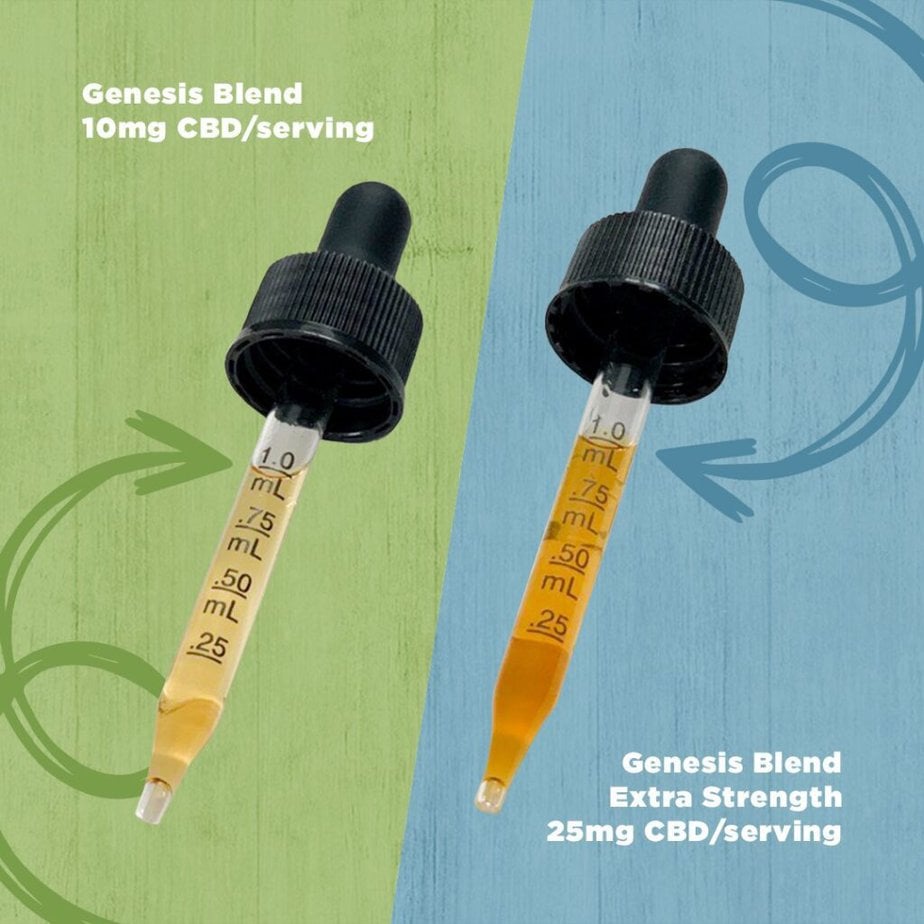
Lab tests show that no other CBD oil brand contains the robust natural blend of cannabinoids that our Genesis Blend CBD Oil contains. We advertise10mgof CBD per ml, but the lab reports show23mg of total cannabinoidsper ml. These extra mg’s are the other minor cannabinoids that complete the entourage effect in full-spectrum CBD oil. Check our Types of CBD page and see the Genesis Blend lab results.
Top 5 Reasons we see people turning to CBD!
The benefits ofCBDare proving to be an option for many issues, including preventative care and the potential for overall quality of life improvement. Supported by thousands of studies and backed by even more consumertestimonies, CBD is readily available across the United States and is commonly being used to address anxiety, secondary insomnia (the most common type and defined as a symptom or a side effect of something else, like pain, stress, anxiety, hormonal imbalance, or depression.)
Listento our most recent podcast to hear some of our favorite consumer testimonies and the Top 5 Reasons we see people turning to CBD! Top five reasons people turn to CBD
The Sum Is Greater Than The Parts.
Full spectrum oleoresin the highest grade cannabis extract. Similarly, like an orchestra or assembly line, each part plays an essential role in the show. A drum solo is excellent, do not get us wrong, but no one wants to sit through a concert listening to only drums while the other band members decide to sit this one out. The Sum is greater than the parts.
For instance, having different natural elements in our CBD Genesis Blend breathes life into what is known as the “Entourage Effect. All naturally occurring cannabinoids, terpenes, and flavonoids blend synergistically, allowing their coexistence to be more beneficial than an individual component standing alone. These natural cannabinoids bind to receptors in our Endocannabinoids System. All species with a vertebrate have an Endocannabinoid System. Humans and animals, such as dogs, Cats, and Horses, all have endocannabinoid receptors. Read The Powerful Differences Between Oleoresin Extract and Isolated CBD
Endocannabinoid system (ECS)
Many people ask: “How can CBD offer a wide variety of powerful results for things ranging from anxiety and neurodegeneration to even auto-immune disorders?” Surprisingly, The answer lies not so much in CBD (Cannabidiol) itself but how CBD is working to augment the Endocannabinoid system (ECS).
Therefore, The Endocannabinoid System (endo meaning ‘within’) is a biological system focused on mediating physiological balance, fundamentally known as homeostasis. Some of the first homeostatic functions we often hear from clients are a better night’s sleep, a regulated appetite, and reduced anxiety. These are a few of the first indicators that CBD is kicking in and starting to help boost our natural production of endocannabinoids. Amazing Discovery The Endocannabinoid System
FAQ Page -Frequently Asked Questions
We learn in the flow of work. For instance, we constantly seek further understanding and ways to improve things. In other words, part of sharing information is just as much a part of our journey. Therefore, Find the answers to some common questions! Above all, If the answer to your CBD question is not answered, send us a message from the contact section at the bottom of the page.THE FREQUENTLY ASKED QUESTIONS
Adriane Polyniak and Jessica Charles, co-hosts of The Full Spectrum Living with CBD show, continue to discuss the endocannabinoid system. They quickly get into the different parts of the Endocannabinoid System. Gain valuable insight into how CBD or THC might interact with receptors in your body.
The ladies explore different cannabinoids, such as CBD or THC. Learn what impact phytocannabinoids and endocannabinoids may have on other bodily processes.
Watch and learn about the chemical reactions that govern human physiology and how this sensitive balance can be affected by external forces such as lifestyle choices or medicinal treatments.
More information about what was discussed in Full Spectrum Living With CBD Episode 6
The Dangers of Synthetic Cannabinoids: Deaths and Negative Research
The dangers of synthetic cannabinoids are becoming increasingly well-known, as deaths and research have begun to demonstrate the negative impacts of these drugs.Synthetic cannabinoidsinclude Delta-8, Isolated CBD, Epidiolex, Marinol, dronabinol, K2 and Spice. All of these drugs areisolated and/or syntheticversions of the natural cannabinoid compounds found in cannabis plants, which can create far more powerful effects than their natural counterparts. The CBD market has become flooded with many products that contain these fake cannabinoids. Read more here about this growing problem.
What are Cannabinoids and What are the Top Cannabinoids in Cannabis?
Cannabinoidsare chemical compounds that naturally occur in the cannabis plant (Cannabis sativa). The most notable of these are tetrahydrocannabinol (THC) andcannabidiol(CBD). These compounds can be used to treat many ailments and diseases, including cancer, diabetes, autoimmune disorders, chronic pain and inflammation, among others. Since the early 1900s, cannabinoids have been studied by researchers all around the world, looking to determine their potential medical applications. Continue here for what you should know about these amazing compounds called cannabinoids.
Terpenes
What are Cannabis Terpenes
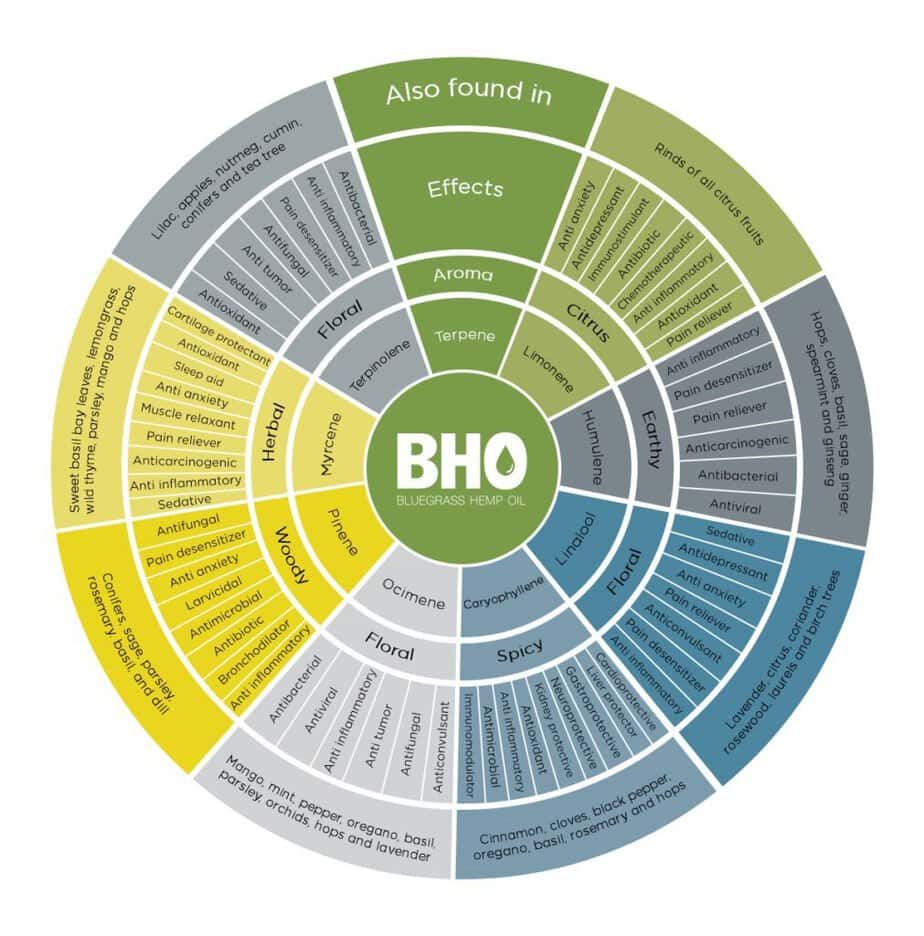
Firstly, What are Terpenes, Terpenes are a large family of molecules found in plants. They give plants their smell and flavor and often have biological effects on humans when inhaled or consumed in small amounts. Some examples of terpenes include limonene (lemon), pinene (pine), and myrcene (clove).
The Cannabis plant contains over 100 different terpenes but the most abundant are Myrcene, Pinene, Limonene, Linalool, Caryophyllene, and β-caryophyllene. These all have different effects on people depending on how much they consume. For example, Myrcene helps with sleep while Pinene helps with memory retention.
Terpenes are the aromatic oils found in plants. They give fruits and vegetables their unique smells, as well as help protect them from environmental damage. Some examples of plants containing terpenes include lemon trees, pine trees, and cannabis plants! Learn about Terpenes here.
How to take CBD Oil?
The standard dose for CBD oil is 10mg twice daily, placing the oil under the tongue and waiting 20 – 30 seconds before swallowing. This means that you should take 20mg of CBD in total daily to start. If you find that you are taking the maximum dosage but are still not feeling the desired effects, try doubling your intake to 40mg. The key is to listen to your body and see how much CBD it needs.
CBD interacts with receptors throughoutthe endocannabinoid system (ECS)– a vast network of neurotransmitters, chemicals, and hormones that regulate a variety of processes within the body. Dosing CBD can be difficult because it does not act as either a stimulant or depressant; so different people will have different responses. You may need more or less CBD than others depending on your lifestyle and situation. Continue here for more information about How to take CBD Oil.
PubMed
Another Place to research is the National Library of Medicine, PubMed. Per the Pubmed website, PubMed® comprises more than 34 million citations for biomedical literature from MEDLINE, life science journals, and online books. Citations may include links to full-text content from PubMed Central and publisher web sites.
On the PubMed website if one wanted to search for topics related to the Endocannabinoids System some good search options would include;