CBD and Epilepsy: What Families Should Know Before Considering Hemp-Based Products
Author: Bill Polyniak | Last updated: May 1, 2026
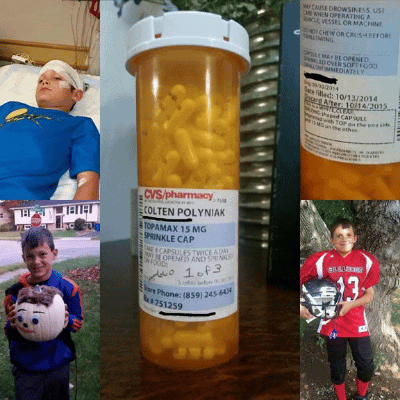
Epilepsy is personal for our family. Long before Bluegrass Hemp Oil became a company, it began as a search for answers for my son, Colten Polyniak, after seizures changed our daily life. That story still shapes how we talk about CBD today: with hope, honesty, and a strong respect for medical guidance.
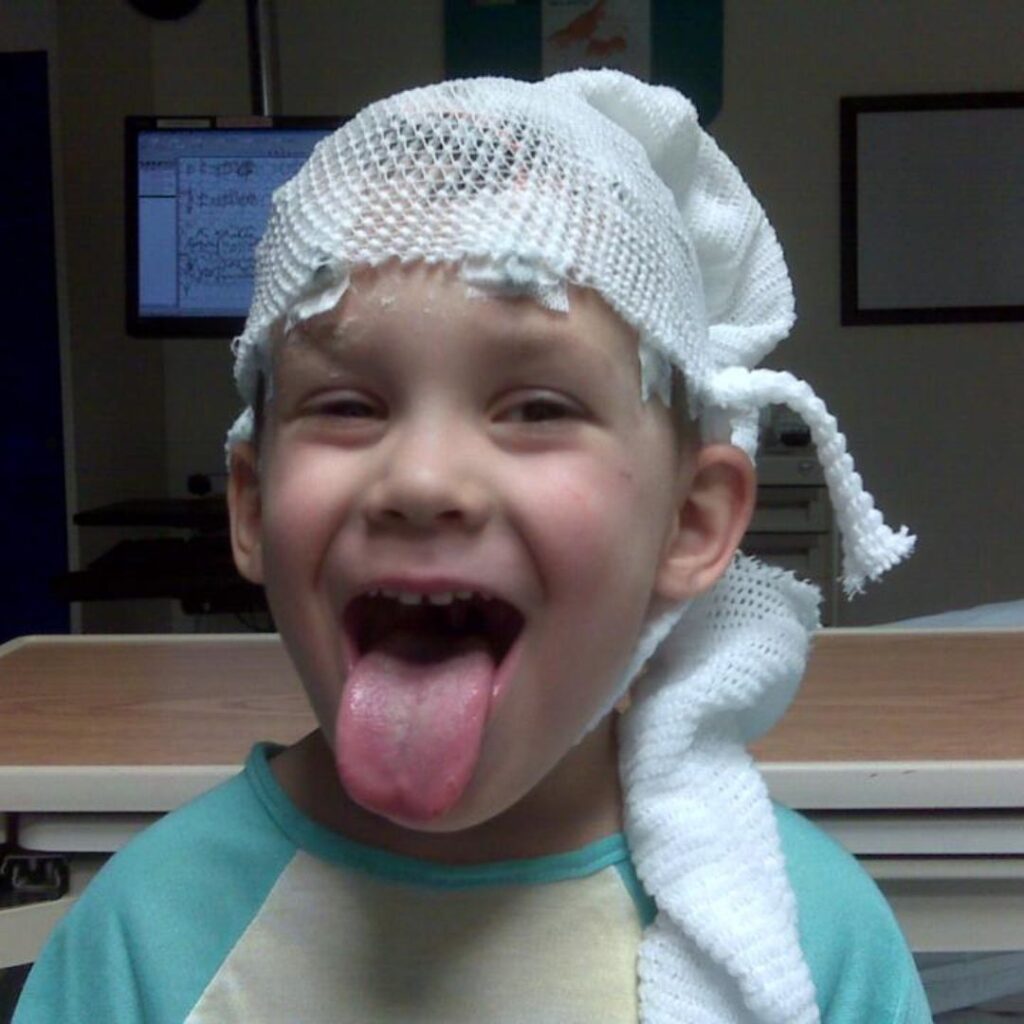
Families researching CBD and epilepsy are often carrying a lot: fear, frustration, questions, and the pressure to make the safest decision possible. This guide is meant to help you understand the difference between prescription cannabidiol medication and hemp-derived CBD products sold for general wellness.
Important: This article is for educational purposes only. It is not medical advice. Do not start, stop, replace, or change epilepsy medication without speaking to a licensed healthcare professional.
A Responsible Look at CBD and Epilepsy
CBD has become part of the epilepsy conversation because a prescription cannabidiol medication has been approved for seizures associated with specific conditions. That does not mean every CBD oil, gummy, capsule, topical, or full-spectrum hemp extract is approved to treat epilepsy.
This distinction matters. Prescription medications are evaluated for specific medical uses, dosing, drug interactions, safety, and monitoring. Hemp-derived CBD products sold for general wellness are different products and should not be treated as seizure medications.
At Bluegrass Hemp Oil, our goal is to provide clear hemp education so families can ask better questions, compare product types, understand labels, and work with their healthcare providers from a more informed place.
What Is CBD?
CBD, short for cannabidiol, is one of many naturally occurring compounds found in the hemp plant. It is non-intoxicating, meaning it does not create the “high” associated with marijuana.
CBD products can vary widely. Some contain isolated CBD only. Others contain a broader range of hemp compounds. Full-spectrum hemp extracts may include CBD, minor cannabinoids, terpenes, flavonoids, and trace amounts of THC within legal hemp limits.
For a beginner-friendly explanation, read our guide to what CBD oil is.
When discussing CBD and epilepsy, the most important point is simple: not all CBD products are the same, and commercial hemp products should not be used as a substitute for prescribed seizure care.
Is CBD FDA-Approved for Epilepsy?
There is one prescription cannabidiol medication that has been FDA-approved for seizures associated with Lennox-Gastaut syndrome, Dravet syndrome, and tuberous sclerosis complex in patients one year of age and older. That approval applies to a specific prescription medicine used under medical supervision.
It does not mean that all CBD products are FDA-approved for epilepsy or seizures. The FDA’s CBD guidance makes this distinction clear. Over-the-counter hemp-derived wellness products should not be marketed, described, or used as epilepsy treatments.
For families, this is one of the most important distinctions to understand before making decisions or comparing product options.
Prescription CBD vs. Full-Spectrum Hemp Oil
Understanding the difference between prescription CBD medication and full-spectrum hemp oil can help families avoid confusion.
Prescription CBD Medication
Prescription CBD medication is a regulated pharmaceutical product. It is prescribed for specific seizure-related diagnoses and monitored by a licensed healthcare professional.
A clinician may evaluate factors such as diagnosis, age, current anti-seizure medications, liver function, side effects, possible medication interactions, dosing, and follow-up monitoring. That kind of use belongs in a medical setting.
Full-Spectrum Hemp Oil
Full-spectrum hemp oil contains CBD along with other naturally occurring hemp compounds, such as minor cannabinoids and terpenes. Some adults prefer full-spectrum products because they want a hemp extract that reflects more of the whole plant profile.
However, full-spectrum hemp oil should not be described as an epilepsy treatment, a seizure medication, or a replacement for prescription care.
To learn more about product types, read our guide to full-spectrum CBD vs. CBD isolates.
What Is the Endocannabinoid System?
The endocannabinoid system is a biological system involved in helping the body maintain balance. Researchers continue to study how cannabinoids, including CBD, interact with this system and other pathways in the body.
Because epilepsy is complex, it is important to avoid oversimplified claims. CBD research is ongoing, and any conversation about seizures should be handled with medical guidance.
A responsible way to frame the topic is this: CBD is being studied for its interaction with the body, but hemp-derived wellness products should not be presented as proven seizure treatments.
Why Medical Guidance Matters for Epilepsy
Epilepsy care should always involve a qualified healthcare professional. Seizure disorders can be serious, and changes to medication or supplement routines may create risks.
Medical guidance is especially important because CBD may interact with certain medications. Some people may also need monitoring for side effects or liver-related concerns when using prescription CBD products.
Speak with a healthcare provider before using CBD if you:
- Take anti-seizure medication
- Are caring for a child with epilepsy
- Are pregnant or nursing
- Have liver concerns
- Take multiple prescriptions
- Are sensitive to THC
- Have been advised to avoid hemp or cannabis products
CBD should never be used to replace emergency seizure care, prescribed medication, or guidance from a neurologist.
Common CBD and Epilepsy Claims to Be Careful With
Because CBD is popular, families may come across strong claims online. Some claims may sound hopeful, but they can be misleading or unsafe.
“CBD cures epilepsy.”
CBD should not be described as a cure for epilepsy.
“CBD can replace seizure medication.”
No one should stop or replace prescribed epilepsy medication without guidance from a healthcare professional.
“Full-spectrum CBD works better than prescription CBD.”
This is not an appropriate or responsible comparison. Prescription CBD medication and full-spectrum hemp oil are different categories of products.
“Testimonials prove CBD helps seizures.”
Personal stories can be meaningful, including our own family story with Colten, but testimonials are not the same as clinical evidence and should not replace medical advice.
“Natural means safe.”
Natural products can still interact with medications, cause side effects, or be inappropriate for certain people.
How to Evaluate a Hemp CBD Product Responsibly
For adults who are researching hemp-derived wellness products, quality and transparency matter. Product labels, lab testing, ingredients, and company standards can help you make a more informed choice.
Look for Third-Party Lab Testing
A quality hemp company should provide batch-specific lab reports, also called Certificates of Analysis. These reports may show CBD amount, THC amount, minor cannabinoid profile, contaminant testing, and product consistency.
Review the Ingredient List
Look for clear, simple ingredient information. Consider the carrier oil, flavoring, sweeteners, allergens, and any added ingredients. This is especially important for people who are sensitive to additives or who take medications.
Understand the Product Type
CBD oils, gummies, capsules, and topicals are used differently. For example, CBD oil is often used sublingually, while topicals are applied to the skin. For general product education, read our CBD tips for beginners.
Choose Transparent Companies
Responsible hemp companies should make it easy to find product information, ask questions, review lab reports, and understand what the product is intended for. Transparency is especially important when a product category is surrounded by confusion or exaggerated claims.
Where Bluegrass Hemp Oil Fits Into the Conversation
Bluegrass Hemp Oil provides hemp education and full-spectrum CBD products for adults interested in hemp-derived wellness. We do not provide medical advice, and our products are not intended to diagnose, treat, cure, or prevent any disease.
Our role is to help customers better understand what CBD is, how full-spectrum hemp oil differs from CBD isolate, why lab testing matters, how to read product labels, and why medical guidance matters for people with health conditions or prescriptions.
Bluegrass Hemp Oil was built around education, transparency, and Kentucky-grown hemp. You can learn more about our founder, Bill Polyniak, and read the fuller family background in our CBD story.
Questions to Ask Your Healthcare Provider Before Using CBD
If you or a loved one has epilepsy and you are researching CBD, bring your questions to a qualified healthcare professional. A neurologist, epilepsy specialist, or prescribing clinician can help you understand what is appropriate for your situation.
- Is CBD appropriate for this diagnosis?
- Could CBD interact with current epilepsy medication?
- Would liver function monitoring be needed?
- Should THC, even in trace amounts, be avoided?
- Are there side effects I should watch for?
- Is this safe for a child or dependent under my care?
- Could CBD affect alertness, appetite, sleep, or medication levels?
- Should I avoid certain product types or ingredients?
These questions can help create a safer, more informed conversation.
FAQs About CBD and Epilepsy
Can CBD cure epilepsy?
No. CBD should not be described as a cure for epilepsy. Epilepsy is a serious medical condition that should be managed with guidance from a licensed healthcare professional.
Is all CBD FDA-approved for seizures?
No. FDA approval applies to a specific prescription CBD medication for seizures associated with certain conditions. It does not apply to all hemp-derived CBD oils or wellness products.
Can I use full-spectrum CBD instead of epilepsy medication?
No one should stop, replace, or change prescribed epilepsy medication without medical guidance. Doing so may increase health and safety risks.
Can CBD interact with seizure medication?
Yes, CBD may interact with certain medications. Anyone taking anti-seizure medication should speak with a healthcare provider before using CBD.
Is full-spectrum CBD the same as prescription CBD?
No. Full-spectrum hemp oil and prescription CBD medication are different products. Full-spectrum hemp oil contains multiple hemp compounds, while prescription CBD is a regulated medication used for specific medical conditions under clinician supervision.
Is CBD safe for children with epilepsy?
Pediatric epilepsy care should always be guided by a licensed clinician. Parents and caregivers should not give CBD to a child for seizure-related concerns without medical supervision.
What should I look for when choosing a CBD product?
Look for third-party lab testing, clear labeling, transparent ingredients, batch information, and a company that avoids exaggerated health claims.
Can full-spectrum CBD contain THC?
Yes. Full-spectrum hemp products may contain trace amounts of THC within legal hemp limits. People who must avoid THC should speak with a healthcare provider and review lab reports carefully.
Conclusion: CBD and Epilepsy Require Careful, Informed Decisions
CBD has become part of the epilepsy conversation because of ongoing research and the approval of a prescription CBD medication for certain seizure-related conditions. However, it is important to separate prescription medical use from hemp-derived wellness products.
Families researching CBD and epilepsy should avoid exaggerated claims, prioritize medical guidance, and look closely at product quality and transparency.
At Bluegrass Hemp Oil, we believe education comes first. Our family’s story with Colten is part of our “why,” but it is not a promise that another family will have the same experience. Our goal is to help people understand hemp, CBD, full-spectrum products, and responsible product selection so they can make informed decisions with the right professional support.
For more beginner-friendly CBD education, visit What Is CBD Oil?, compare full-spectrum CBD vs. CBD isolates, or review our CBD tips for beginners.
FDA Disclaimer: These statements have not been evaluated by the Food and Drug Administration. Bluegrass Hemp Oil products are not intended to diagnose, treat, cure, or prevent any disease. Consult your healthcare provider before use if you are pregnant, nursing, have a medical condition, or are taking medications. Keep out of reach of children.
