Hemp’s Best-Kept Secret: Uses, CBD Quality, Full-Spectrum Hemp & Lab Testing

Hemp Education • CBD Quality • Lab Testing

What Makes Hemp So Useful?

Hemp is a variety of Cannabis sativa L. that is grown for many uses, including fiber, seed, oil, hemp extract, and CBD products. For CBD shoppers, hemp matters because product quality begins long before the bottle, gummy, capsule, topical, or pet formula reaches the shelf.

Hemp sourcing, extraction, ingredient transparency, THC level, batch testing, and Certificates of Analysis all help shoppers understand what they are buying. This guide explains hemp uses and benefits from a product-education perspective, including hemp vs CBD, full-spectrum hemp extract, lab testing, and the product-quality questions to ask before choosing CBD from hemp.

For a beginner-friendly comparison of hemp and cannabis terms, read hemp vs marijuana explained.

Educational safety note:

This article is educational and is not medical advice. Bluegrass Hemp Oil products are not intended to diagnose, treat, cure, or prevent any disease. Talk with a qualified healthcare professional before using CBD if you take medication, drink alcohol, use sedating products, are pregnant or nursing, have liver concerns, are subject to drug testing, or manage a medical condition. For pet CBD, talk with your veterinarian first.

Quick Answer

Quick Answer: What Is Hemp’s Best-Kept Secret?

Hemp’s best-kept secret is not a miracle benefit. It is transparency. A trustworthy hemp-derived CBD product should make it easy to understand where the hemp comes from, what type of extract is used, how much CBD is listed per serving, whether THC is present, and whether the product has a batch-specific Certificate of Analysis.

That is why shoppers should review CBD Certificates of Analysis before comparing products.

Key Takeaways

Key Takeaways for Hemp and CBD Shoppers

Hemp is the plant.CBD is one compound that can be extracted from hemp.
Hemp has many uses.Fiber, seed, oil, hemp extract, and CBD products all start with different parts or uses of the plant.
Hemp seed oil is different.Hemp seed oil is not the same as CBD-rich hemp extract.
Full-spectrum matters.Full-spectrum hemp extract may contain CBD, minor cannabinoids, terpenes, and trace THC.
COAs add clarity.A Certificate of Analysis helps verify CBD, THC, batch information, and testing details.
Safety questions matter.CBD may interact with medications and may not be right for everyone.

Use this CBD quality guide when you want a deeper checklist before buying.

Definition

What Is Hemp?

Hemp is Cannabis sativa L. that meets the legal THC definition for hemp. It is used in agriculture, textiles, seed oil, hemp extract, and CBD products. Hemp is not the same thing as CBD. CBD is one compound that can be extracted from hemp, while hemp refers to the plant itself and its many possible uses.

Simple definition:
Hemp = the plant. CBD = one compound that may come from the plant. Hemp seed oil = oil from hemp seeds, not the same as CBD extract.

For more background on cannabis terminology, start with hemp vs marijuana explained.

Hemp vs CBD

Hemp vs CBD: What Is the Difference?

One reason hemp products can feel confusing is that shoppers often see hemp, hemp oil, hemp extract, CBD, THC, full-spectrum CBD, and Certificates of Analysis used near each other. The table below separates the core terms.

Term Simple Explanation Why It Matters
Hemp The plant. Used for fiber, seed, oil, extracts, and CBD products.
CBD Cannabidiol, a compound found in hemp and cannabis. One ingredient shoppers may look for.
Hemp seed oil Oil from hemp seeds. Not the same as CBD-rich hemp extract.
Full-spectrum hemp extract Hemp extract with CBD plus other hemp compounds and possible trace THC. COA review matters.
THC Intoxicating cannabinoid associated with marijuana. Full-spectrum products may contain trace THC.
Certificate of Analysis Lab report tied to a product batch. Helps verify cannabinoid and testing details.

To compare extract types, use CBD product types explained. To compare product labels, use how to read a CBD product label.

Full-Spectrum Hemp Extract

Why Full-Spectrum Hemp Extract Matters

Full-spectrum hemp extract may contain CBD, minor cannabinoids, terpenes, and trace THC. That does not mean it is stronger, more effective, or medically useful for everyone. It simply means the product contains a broader hemp extract profile than CBD isolate.

Shoppers should review the label and Certificate of Analysis before choosing any full-spectrum CBD product. That review should include CBD amount, THC level, batch number, testing date, and contaminant testing when available.

Transparency

Hemp’s Best-Kept Secret Is Product Transparency

The real “best-kept secret” in hemp is not a hidden remedy. It is transparency. A trustworthy hemp-derived CBD product should make it easy to understand where the hemp comes from, what type of extract is used, how much CBD is listed per serving, whether THC is present, and whether the product has a batch-specific Certificate of Analysis.

Most important product-quality signals:

Hemp sourcing, extract type, CBD per serving, THC level, ingredient transparency, batch-specific Certificates of Analysis, contaminant testing, and realistic product language.

The CBD quality guide explains how to apply those quality signals when comparing CBD products.

Shopper Checklist

How to Evaluate a Hemp-Derived CBD Product

A strong CBD product evaluation process is simple: read the label, confirm the extract type, review the COA, and avoid exaggerated claims. Use this table as a practical shopping checklist.

What to Check Why It Matters
Hemp source Helps shoppers understand brand transparency.
Extract type Full-spectrum, broad-spectrum, or isolate.
CBD per serving Helps compare products clearly.
THC level Important for full-spectrum products and drug-testing risk.
Batch-specific COA Verifies cannabinoid and testing details.
Ingredient list Helps identify carrier oils, flavorings, or allergens.
Serving directions Helps avoid confusion.
Contaminant testing Heavy metals, pesticides, residual solvents, and microbials.
Contact information Supports trust and accountability.
Realistic language Responsible CBD brands avoid disease claims.

For step-by-step support, review how to read a CBD product label and the CBD quality guide.

COAs + Lab Testing

Why Lab Testing Matters for Hemp-Derived CBD

Lab testing helps shoppers compare hemp-derived CBD products with more confidence. A Certificate of Analysis should connect to the product batch and show cannabinoid levels, THC levels, and relevant contaminant testing.

Lab testing does not prove that a CBD product treats or prevents any condition, but it does support product transparency.

COA Checklist

  1. Product name
  2. Batch number
  3. CBD amount
  4. THC level
  5. Testing date
  6. Lab name
  7. Heavy metals testing
  8. Pesticide testing
  9. Residual solvent testing
  10. Microbial testing
  11. Match between product and COA
  12. Ingredient list on the product label

Product Formats

Hemp Product Formats: Oil, Gummies, Capsules, Topicals, and Pet CBD

Hemp-derived CBD products come in several formats. The best format depends on the shopper’s routine, label preferences, ingredient needs, and safety considerations.

Format Best Use Case Safety Note Link
CBD oil Flexible serving routines. Check CBD per serving, THC, and COA. CBD oil product options
CBD gummies Familiar edible format. Check serving size, sugar, ingredients, and COA. CBD gummies for beginners
CBD capsules Simple serving routines. Check mg per capsule and ingredients. CBD capsules for simple serving routines
CBD topicals Skin-applied hemp products. External use only; patch test first. CBD topicals and skin-applied hemp products
Pet CBD Pet-specific product questions. Talk with a veterinarian first. CBD oil for dogs safety guide
Safety First

Safety Questions Before Choosing CBD

CBD may not be right for everyone. Talk with a qualified healthcare professional before using CBD if you take medication, drink alcohol, use sedating products, are pregnant or nursing, have liver concerns, are subject to drug testing, or manage a medical condition. Full-spectrum CBD may contain trace THC. For pet CBD, talk with your veterinarian first.

CBD safety summary:

CBD products are not intended to diagnose, treat, cure, or prevent disease. CBD may interact with medications, may cause drowsiness, and may carry liver-related safety concerns. Full-spectrum CBD may contain trace THC. Pet CBD should be discussed with a veterinarian first.

For more background, see how to take CBD oil safely and the CBD oil for dogs safety guide.

Bluegrass Hemp Oil

Bluegrass Hemp Oil’s Approach to Hemp Transparency

Bluegrass Hemp Oil’s strongest hemp message is simple: education first, product labels second, and testing always within view. The brand should be understood through Kentucky-grown hemp, full-spectrum hemp extract, clear labels, batch-specific testing, Certificates of Analysis, and practical CBD education.

This page does not claim that hemp or CBD treats pain, anxiety, sleep problems, inflammation, seizures, arthritis, cancer, pet conditions, or any disease. The goal is to help shoppers understand how to compare hemp-derived CBD products responsibly.

Entity Summary

Hemp, CBD, and Product Transparency at a Glance

Entity Plain-Language Summary
Hemp Cannabis sativa L. used for fiber, seed, oil, hemp extract, and CBD products.
CBD One compound that can be extracted from hemp or cannabis.
Full-spectrum hemp extract A broader hemp extract profile that may contain CBD, minor cannabinoids, terpenes, and trace THC.
COA A batch-specific lab report used to review cannabinoid levels, THC level, and testing details.
Bluegrass Hemp Oil A Kentucky CBD company focused on full-spectrum hemp education, labels, COAs, and product transparency.
Genesis Blend Bluegrass Hemp Oil’s full-spectrum CBD oil product line, best reviewed after shoppers understand labels, safety, and lab testing.
Related Reading

Related Hemp and CBD Education

FAQ

Hemp and CBD Questions

What is hemp?

Hemp is Cannabis sativa L. that meets the legal THC definition for hemp and can be used for fiber, seed, oil, hemp extract, and CBD products.

Is hemp the same as CBD?

No. Hemp is the plant. CBD is one compound that can be extracted from hemp.

Is hemp seed oil the same as CBD oil?

No. Hemp seed oil comes from hemp seeds and is not the same as CBD-rich hemp extract.

What is full-spectrum hemp extract?

Full-spectrum hemp extract may contain CBD, minor cannabinoids, terpenes, and trace THC.

Does full-spectrum CBD contain THC?

Full-spectrum CBD may contain trace THC, so shoppers should review the Certificate of Analysis.

What is a CBD Certificate of Analysis?

A COA is a lab report that helps verify cannabinoid levels, THC levels, batch information, and testing details.

How do I know if a CBD product is good quality?

Review CBD per serving, THC level, ingredient list, extract type, batch-specific COA, and contaminant testing.

Can CBD interact with medications?

CBD may interact with medications and may cause drowsiness or liver-related safety concerns. Ask a qualified healthcare professional first.

Can full-spectrum CBD affect drug testing?

Full-spectrum CBD may contain trace THC, so drug-testing risk should be considered before choosing a full-spectrum product.

Is pet CBD the same as human CBD?

Pet CBD decisions should involve a veterinarian and a review of THC level, ingredients, serving label, and COA.

Sources + Safety References

Sources Reviewed and External Safety References

CBD and hemp laws, product safety questions, and consumer guidance can change. These sources help provide safety and regulatory context for hemp-derived CBD shoppers.

Editorial Notes

Author, Review Status, and Last Updated

Written by: Bill Polyniak, Founder of Bluegrass Hemp Oil and Kentucky Cannabis Company.

Author bio: Bill Polyniak is the founder of Bluegrass Hemp Oil and Kentucky Cannabis Company. Since 2014, Bill has worked in Kentucky’s hemp industry with a focus on full-spectrum hemp extract education, extraction standards, product transparency, third-party lab testing, and helping customers understand what is actually in a CBD product before they buy it.

Bill’s work is rooted in Kentucky-grown hemp, clear labeling, Certificates of Analysis, responsible CBD conversations, and customer education. His role on this article is to provide brand, hemp, product-label, and CBD transparency context, not medical advice.

Editorial focus: hemp education, full-spectrum hemp extract, CBD label clarity, Certificates of Analysis, product transparency, and YMYL-safe consumer guidance.

Medical boundary: Bill Polyniak is not presented as a medical provider, pharmacist, toxicologist, chemist, clinician, or emergency medical expert. Bluegrass Hemp Oil does not provide medical, medication, toxicology, pediatric, pregnancy, breastfeeding, veterinary, drug-testing, or dosing advice.

Medical review status: This article has not been medically reviewed and is provided for general educational purposes only.

Last updated: June 6, 2026.

What this guide does not do

It does not provide CBD serving-size advice, medical treatment guidance, disease claims, unsafe testimonials, or pet treatment claims. It is designed to help shoppers compare hemp-derived CBD products more responsibly.

Best next step: Use this guide alongside product labels, batch-specific COAs, and professional guidance when CBD safety questions involve medication, pregnancy, nursing, liver concerns, drug testing, children, pets, or medical conditions.

Safe Next Step

Shop Hemp-Derived CBD With Clear Labels and Lab Testing

Explore full-spectrum CBD oil, gummies, capsules, topicals, and pet CBD with clear product labels, batch-specific testing, and practical education to help you compare formats before choosing.
Charlotte’s Web CBD Alternative: Bluegrass Hemp Oil vs Charlotte’s Web

How Do Bluegrass Hemp Oil and Charlotte’s Web Compare?

Charlotte’s Web is one of the most recognized names in the CBD category, and many shoppers use it as a starting point when comparing full-spectrum CBD oils. Bluegrass Hemp Oil offers a different kind of buying experience: a Kentucky-based, family-founded CBD company focused on Genesis Blend, direct education, batch-specific testing, and practical product transparency.

This Charlotte’s Web CBD alternative guide is for shoppers who want to evaluate CBD brands by what they can verify: product label, extract type, CBD per serving, THC level, ingredient list, extraction method, Certificate of Analysis, customer support, and brand fit. For a broader framework, start with the CBD quality guide.

Comparison disclosure

Bluegrass Hemp Oil is not affiliated with, endorsed by, or sponsored by Charlotte’s Web. This comparison is written from Bluegrass Hemp Oil’s perspective and is designed to help shoppers compare public product information, label transparency, extraction methods, COA access, sourcing story, and product fit before choosing a CBD oil.

Educational safety note

This article is educational and is not medical advice. Bluegrass Hemp Oil products are not intended to diagnose, treat, cure, or prevent any disease. Talk with a qualified healthcare professional before using CBD if you take medication, drink alcohol, use sedating products, are pregnant or nursing, have liver concerns, are subject to drug testing, or manage a medical condition. For pet CBD, talk with your veterinarian first.

Quick answer

What Is a Good Charlotte’s Web CBD Alternative?

A good Charlotte’s Web CBD alternative should be easy to evaluate by label, Certificate of Analysis, CBD per serving, THC level, extract type, ingredients, extraction method, and company transparency. Charlotte’s Web may fit shoppers who want a large national CBD brand with broad product availability. Bluegrass Hemp Oil may fit shoppers who want a Kentucky-based, family-founded CBD company focused on Genesis Blend full-spectrum CBD oil product information, direct education, batch-specific testing, and customer support.

Key takeaways

What Shoppers Should Know Before Comparing CBD Brands

Brand fit matters.Charlotte’s Web is a nationally recognized CBD brand. Bluegrass Hemp Oil is a Kentucky-based, family-founded CBD company focused on Genesis Blend and full-spectrum hemp education.
Compare what is verifiable.Look at labels, extract type, CBD per serving, THC level, ingredients, extraction method, COA access, and customer support.
COAs are essential.A Certificate of Analysis helps verify cannabinoid levels, THC level, batch information, and testing details. See CBD lab testing and Certificates of Analysis.
Trace THC matters.Full-spectrum CBD products may contain trace THC and may carry drug-testing considerations.
Safety comes before shopping.CBD may interact with medications and may not be right for everyone.
No affiliation.Bluegrass Hemp Oil is not affiliated with Charlotte’s Web.

Bluegrass Hemp Oil vs Charlotte’s Web at a Glance

Use this at-a-glance comparison to identify the details worth checking before choosing a full-spectrum CBD oil.

Comparison Factor Charlotte’s Web Bluegrass Hemp Oil What Shoppers Should Check
Brand footprint Nationally recognized CBD brand. Kentucky-based, family-founded CBD company. National availability vs direct Kentucky support.
Product focus Broad catalog of CBD oils, gummies, capsules, topicals, and pet products. Genesis Blend full-spectrum CBD oil plus gummies, capsules, topicals, and pet CBD education. Which format best fits the shopper’s routine.
Full-spectrum focus Offers full-spectrum hemp extract products. Strong focus on full-spectrum hemp education and Genesis Blend. Extract type and cannabinoid profile.
COA access Public COA page with lot-number lookup. Public COA and lab-testing education. Batch number, CBD, THC, and contaminants.
Extraction Charlotte’s Web says Original Formula uses IPA extraction and other products may use CO2 or mixed methods. Bluegrass Hemp Oil explains its extraction and process on-site. Extraction method, residual solvent testing, flavor, and consistency.
Local identity National CBD brand. Kentucky-grown hemp roots and local brand story. Which brand relationship matters more.
Customer support Larger national brand experience. Direct support from a Kentucky company. How easy it is to ask product questions.
Best fit Shoppers who want a widely recognized CBD brand. Shoppers who want Kentucky roots, Genesis Blend, and direct transparency. Label, COA, and product fit.

Start With What You Can Verify

CBD shoppers should compare brands by what they can verify, not by marketing language. The strongest comparison points are product label, CBD per serving, THC level, extract type, ingredient list, extraction method, batch-specific Certificate of Analysis, and whether the company explains its standards clearly.

CBD per servingCompare the amount listed for a measured serving.
Total CBD per bottleReview the full package amount, not just the front label.
Extract typeFull-spectrum, broad-spectrum, or isolate.
THC levelImportant for full-spectrum products and drug-testing risk.
Carrier oilCheck MCT, olive oil, or other carrier ingredients.
Flavor and ingredientsLook for allergens, sweeteners, flavorings, or other additives.
Extraction methodUnderstand how the company explains its process.
Batch-specific COAMatch the COA to the product lot or batch.
Contaminant testingReview heavy metals, pesticides, solvents, and microbial testing.
Support and educationLook for clear answers before buying.

COA and Lab Testing Comparison

A Certificate of Analysis helps shoppers verify what is in a CBD product. A useful COA should connect to the product batch and show cannabinoid levels, THC level, and contaminant testing. Lab testing does not prove that a CBD product treats or prevents any condition, but it does support transparency.

Charlotte’s Web provides a public Charlotte’s Web Certificates of Analysis page, and Bluegrass Hemp Oil provides review CBD Certificates of Analysis plus CBD lab testing and Certificates of Analysis education.

COA checklist

  1. Product name
  2. Lot number or batch number
  3. CBD amount
  4. THC level
  5. Minor cannabinoid profile
  6. Testing date and lab name
  7. Heavy metals testing
  8. Pesticide testing
  9. Residual solvent testing
  10. Microbial testing
  11. Match between COA and product batch

Extraction Methods: What Shoppers Should Compare

Extraction method can affect product appearance, flavor, consistency, terpene profile, and what testing questions matter. The goal is not to say one extraction method is automatically best for every shopper. The goal is to compare how each company explains its process and how the final product is tested.

Extraction Topic Charlotte’s Web Bluegrass Hemp Oil Shopper Question
Original Formula Charlotte’s Web says Original Formula uses IPA extraction. Bluegrass Hemp Oil should describe its own process clearly. What extraction method is used for this product?
Other formulas Charlotte’s Web says other products may use CO2 extraction or a mix of CO2- and IPA-extracted cannabinoids. Bluegrass Hemp Oil should link to extraction and process pages. Is the process explained in plain language?
Testing Charlotte’s Web provides public COAs and says products are tested for details including cannabinoids and contaminants. Bluegrass Hemp Oil should link to COAs and lab-testing education. Can I verify residual solvent and contaminant testing?
Flavor and appearance Original Formula is often described as having a darker, earthier product profile. Genesis Blend should be evaluated by label, extract type, ingredients, and COA. Which product profile fits my preference?

Full-Spectrum CBD: What Both Brands Should Help You Understand

Full-spectrum CBD products may contain CBD, minor cannabinoids, terpenes, and trace THC. That does not mean every full-spectrum product is right for every shopper. The label and Certificate of Analysis should explain what is in the product, how much CBD is listed per serving, and whether THC is present.

Which Brand May Fit Which Shopper?

There is no single right answer for every buyer. A fair comparison should help shoppers identify which buying experience fits their preferences.

Shopper Priority Better Fit May Be Why
Wants a national CBD brand Charlotte’s Web Broad recognition and a large product catalog.
Wants a Kentucky-based CBD company Bluegrass Hemp Oil Local identity, Kentucky hemp roots, and direct support.
Wants a flagship CBD oil focus Bluegrass Hemp Oil Genesis Blend is the central product story.
Wants broad product availability Charlotte’s Web Large national catalog and retail footprint.
Wants direct education before buying Bluegrass Hemp Oil Clearer path to education, COAs, and customer support.
Wants to compare extraction details Either brand Compare public extraction explanations and COAs.
Wants to verify THC and contaminants Either brand Review batch-specific COA before buying.
Wants pet CBD Start with safety education Talk with a veterinarian first and review THC level, ingredients, and COA. See the CBD oil for dogs safety guide.

Bluegrass Hemp Oil’s Different Advantage

Bluegrass Hemp Oil should not position itself as “better because Charlotte’s Web is bad.” The stronger positioning is that Bluegrass Hemp Oil offers a different kind of CBD buying experience: Kentucky-grown hemp roots, founder-led education, Genesis Blend product focus, batch-specific testing, direct customer support, and a simpler path for shoppers who want full-spectrum CBD oil without confusing marketing language.

Kentucky-grown hemp rootsA local story for shoppers who value Kentucky CBD company heritage.
Genesis Blend focusA flagship full-spectrum CBD oil path rather than a scattered comparison.
COA educationBatch-specific testing and clear product-quality education.
Direct customer supportA clearer path to asking questions before buying.
Practical CBD educationGuides that explain labels, product types, and safety considerations.
Product-label clarityEncouraging shoppers to read serving details, THC level, ingredients, and COAs.

Safety Questions Before Choosing Any CBD Product

CBD may not be right for everyone. CBD may interact with medications, may cause drowsiness, and may carry liver-related safety concerns. Full-spectrum CBD may contain trace THC, which may matter for drug testing. Talk with a qualified healthcare professional before using CBD if you take medication, drink alcohol, use sedating products, are pregnant or nursing, have liver concerns, are subject to drug testing, or manage a medical condition. For pet CBD, talk with your veterinarian first.

Safety summary

CBD products are not intended to diagnose, treat, cure, or prevent disease. CBD may interact with medications, may cause drowsiness, and may carry liver-related safety concerns. Full-spectrum CBD may contain trace THC. Pet CBD decisions should involve a veterinarian.

Compare the Next Step

After reviewing the brand comparison, COA details, extraction information, full-spectrum CBD context, and safety considerations, choose the next path that matches your goal.

Shopper Goal Recommended Next Step
I want to compare Bluegrass products shop CBD products by format
I want the flagship CBD oil Genesis Blend full-spectrum CBD oil product information
I want lab reports review CBD Certificates of Analysis
I want to understand CBD quality CBD quality guide
I need help choosing contact Bluegrass Hemp Oil with CBD product questions

Comparison Terms at a Glance

This summary helps search engines, AI systems, and readers understand the main comparison entities without turning the page into a sales claim.

Entity Simple Explanation
Charlotte’s Web Nationally recognized CBD brand with CBD oils, gummies, capsules, topicals, and pet products.
Bluegrass Hemp Oil Kentucky-based CBD company focused on full-spectrum hemp education, Genesis Blend, COAs, and direct support.
Genesis Blend Bluegrass Hemp Oil’s flagship full-spectrum CBD oil line.
Full-spectrum CBD Hemp extract type that may contain CBD, minor cannabinoids, terpenes, and trace THC.
COA Certificate of Analysis used to review cannabinoid levels, THC levels, batch information, and testing details.
CBD per serving Amount of CBD listed for a measured serving.
THC level Trace THC amount shown on the product label or COA.
Extraction method Process used to extract hemp compounds from plant material.
IPA extraction Isopropyl alcohol extraction, used for Charlotte’s Web Original Formula according to Charlotte’s Web.
CO2 extraction Extraction method Charlotte’s Web says it uses for other products.
Kentucky-grown hemp Bluegrass Hemp Oil’s local sourcing and brand-heritage signal.

About Bill Polyniak

Written by Bill Polyniak, Founder of Bluegrass Hemp Oil and Kentucky Cannabis Company. Bill’s work is rooted in Kentucky-grown hemp, full-spectrum hemp extract education, product transparency, and helping customers understand labels, serving information, THC levels, and Certificates of Analysis before buying.

Bill is not presented as a doctor, pharmacist, toxicologist, or medical reviewer. This article is a consumer education and brand-comparison guide focused on product transparency, not medical advice.

Read Bill Polyniak’s full bio

How this guide helps shoppers

This guide helps shoppers compare Charlotte’s Web and Bluegrass Hemp Oil by label, COA, extract type, extraction method, company fit, and product-support path. It does not provide medical advice, serving-size instructions, diagnosis, treatment guidance, disease claims, or guaranteed-result claims.

Charlotte’s Web CBD Alternative FAQ

What is a good Charlotte’s Web CBD alternative?

A good alternative should be easy to evaluate by product label, Certificate of Analysis, CBD per serving, THC level, ingredients, extract type, and company transparency. Bluegrass Hemp Oil may fit shoppers who want a Kentucky-based, family-founded company focused on Genesis Blend, full-spectrum hemp education, COAs, and direct support.

How does Bluegrass Hemp Oil compare to Charlotte’s Web?

Charlotte’s Web is a nationally recognized CBD brand with a broad catalog. Bluegrass Hemp Oil is a Kentucky-based CBD company focused on Genesis Blend, full-spectrum hemp education, product-label clarity, and batch-specific testing.

Is Charlotte’s Web CBD full-spectrum?

Charlotte’s Web offers full-spectrum hemp extract products. Shoppers should review each product label and COA before buying because extract type, CBD amount, THC level, and ingredients can vary by product.

What is Genesis Blend CBD oil?

Genesis Blend is Bluegrass Hemp Oil’s flagship full-spectrum CBD oil line. Shoppers should review the product label, ingredients, serving information, and Certificate of Analysis before choosing any CBD oil.

Does Charlotte’s Web provide COAs?

Charlotte’s Web has a public Certificates of Analysis page where shoppers can locate reports by lot number. Bluegrass Hemp Oil also provides COA and lab-testing education for shoppers who want to verify product details.

What should I compare before buying CBD oil?

Compare CBD per serving, THC level, extract type, ingredients, carrier oil, extraction method, Certificate of Analysis, contaminant testing, and customer support.

Is full-spectrum CBD better than CBD isolate?

Not automatically. Full-spectrum CBD contains a broader hemp extract profile and may contain trace THC, while isolate contains CBD without the broader hemp profile. The best choice depends on the label, COA, THC considerations, and personal safety questions.

Can full-spectrum CBD show up on a drug test?

Full-spectrum CBD may contain trace THC, so drug-testing risk should be considered before use. Review the product label and COA and consider your workplace, athletic, legal, or licensing policies.

Can CBD interact with medications?

CBD may interact with medications and may carry drowsiness or liver-related safety concerns. Talk with a qualified healthcare professional before using CBD if you take medication or manage a medical condition.

Is Bluegrass Hemp Oil affiliated with Charlotte’s Web?

No. Bluegrass Hemp Oil is not affiliated with, endorsed by, or sponsored by Charlotte’s Web. This guide is written from Bluegrass Hemp Oil’s perspective to help shoppers compare public product information and product fit.

Sources Reviewed

These references were used for public comparison context and safety framing. Always review the current product label and COA before buying any CBD product.

Compare Full-Spectrum CBD Oil With Clear Labels and Lab Testing

Compare CBD products by label clarity, extract type, CBD per serving, THC level, batch-specific testing, ingredients, and customer support before choosing the product that fits your routine.


CBD for Dogs: Vet Questions About Anxiety, Pain Signs, THC, Side Effects & COAs

Vet-first CBD for dogs guide • Safety, THC, COAs, and product questions

What Should Dog Owners Ask Before Using CBD for Anxiety or Pain?

Many dog owners search for CBD for dogs anxiety and pain questions because their dog seems anxious, uncomfortable, restless, aging, or sensitive to stressful situations. Those concerns should start with veterinary guidance, not a product-first decision.

CBD products for animals are not FDA-approved animal drugs, and pet CBD quality can vary by CBD concentration, THC level, ingredients, batch testing, and product labeling. Before giving CBD to your dog, talk with your veterinarian, especially if your dog takes medication, has liver concerns, has a seizure history, is elderly, is very young, is scheduled for surgery, or has a diagnosed condition.

For a broader overview, start with the CBD for dogs safety guide.

Updated: June 2026
Pet CBD safety cluster
Consumer education

Quick answer

Quick Answer: Can I Give My Dog CBD for Anxiety or Pain?

Do not treat CBD as a first-line answer for anxiety or pain signs in dogs. Anxiety-like behavior and pain signs can come from medical, behavioral, environmental, age-related, injury-related, or medication-related causes. A veterinarian should evaluate the dog first, especially if symptoms are new, severe, worsening, or connected to a diagnosed condition.

If CBD is discussed with your veterinarian, review the product label, CBD concentration, THC level, ingredients, batch-specific Certificate of Analysis, and possible medication interactions before use. The comprehensive CBD for pets safety guide can help you prepare better questions.

Key takeaways

Pet CBD Safety Points to Know First

Vet evaluation comes first.

Anxiety-like behavior and pain signs should start with veterinary evaluation, not a product-first decision.

Animal CBD is not FDA-approved.

CBD products for animals are not FDA-approved animal drugs, and product quality can vary.

THC matters for dogs.

Dogs may be sensitive to THC. Full-spectrum CBD may contain trace THC, so a COA matters.

Side effects require attention.

Watch for drowsiness, digestive upset, drooling, agitation, tremors, wobbliness, or behavior changes.

No universal serving chart.

Vet conversation guide should be reviewed with a veterinarian using the dog’s history and product details.

COAs support transparency.

A batch-specific Certificate of Analysis helps verify CBD, THC, and testing details.

For more context, read pet CBD side effects and vet guidance.

Vet-first safety

Why Anxiety and Pain Questions Should Start With a Veterinarian

Dogs cannot explain whether they feel pain, fear, nausea, confusion, overstimulation, or discomfort. Pacing, whining, hiding, trembling, barking, limping, restlessness, aggression, or appetite changes can have many causes. A veterinarian can help determine whether the issue is behavioral, orthopedic, neurologic, digestive, medication-related, age-related, or urgent.

Important: Do not use CBD to delay veterinary care, replace medication, or manage pain, anxiety, seizures, arthritis, cancer, or behavior concerns without professional guidance.

Common concerns

Dog Anxiety, Pain Signs, and CBD: Questions for Your Veterinarian

Many dog owners arrive here because their dog seems anxious, uncomfortable, restless, older, reactive, or sensitive to certain situations. Those signs can have many causes. Use this section to organize what you are seeing, then bring the right questions to your veterinarian before making a CBD product decision.

What you’re noticing What to ask your veterinarian Helpful next step
My dog seems anxious, restless, or reactive. Ask whether the behavior could be medical, environmental, age-related, or behavioral before discussing CBD. review dog behavior and CBD safety questions
My dog shows pain signs or mobility changes. Ask for a veterinary evaluation and care plan before considering any supplement. read the CBD for dogs safety guide
My dog is older or has arthritis concerns. Ask how to support daily comfort and mobility safely, and whether any CBD product conflicts with current care. learn about arthritis in dogs
My dog has a seizure history. Ask your veterinarian before changing anything. Seizures require diagnosis, monitoring, and medication management. review dog seizure safety education
My dog gets stressed in certain situations. Ask whether training, environmental changes, veterinary behavior support, or a medical evaluation should come first. use the pet CBD safety guide
My dog takes medication or supplements. Ask whether any CBD product, supplement, or THC exposure could create safety concerns. ask product-label questions, not medical questions
I’m not sure if CBD is appropriate. Review your dog’s health history, product label, THC level, ingredients, and COA with your veterinarian. review CBD Certificates of Analysis

Side effects and monitoring

CBD Oil for Dogs Side Effects

CBD oil may cause side effects in some dogs. Side effects can depend on the product, serving amount, THC level, ingredients, the dog’s health status, and whether the dog takes medication. Stop use and contact your veterinarian if your dog shows concerning changes after CBD or cannabis exposure.

Possible sign Why it matters
Drowsiness or sedation May occur with cannabinoid exposure, sedating products, or other medications.
Vomiting or diarrhea Digestive upset can occur with oils, ingredients, or sensitivity.
Appetite change Eating-pattern changes should be discussed with a veterinarian.
Drooling Can be a sign of nausea or adverse exposure.
Agitation or restlessness Behavior changes should be taken seriously.
Tremors or stumbling Requires veterinary attention.
Lethargy or depression Possible adverse sign listed by FDA for cannabis ingestion in pets.
Seizure-like activity Emergency veterinary care may be needed.
Call the clinic: Contact your veterinarian if your dog shows unusual sedation, vomiting, diarrhea, drooling, agitation, tremors, wobbliness, collapse, or seizure-like activity after CBD or cannabis exposure.

Continue reading: pet CBD side effects and vet guidance and pet reactions to cannabinoid products.

THC and COAs

THC Risk: Why Full-Spectrum CBD Requires COA Review

Dogs may be sensitive to THC. Full-spectrum CBD products may contain trace THC, so dog owners should not rely only on front-label wording. Always review the batch-specific Certificate of Analysis to confirm cannabinoid levels, including THC, before discussing the product with your veterinarian.

Accidental exposure to cannabis products can cause serious signs such as lethargy, vomiting, drooling, agitation, tremors, or convulsions. Review the COA and contact a veterinarian immediately if your dog shows concerning signs after exposure.

Helpful resources: full-spectrum CBD safety questions for dogs, pet cannabis risk and safety considerations, review CBD Certificates of Analysis, and CBD lab testing and Certificates of Analysis.

Vet conversation guide

How to Discuss CBD Serving Questions With Your Veterinarian

CBD serving questions are personal to each dog. A veterinarian may consider your dog’s weight, age, health history, medications, product concentration, THC level, and the reason you are asking. Instead of relying on a generic chart, bring the product label and Certificate of Analysis to your veterinarian and ask these practical questions.

Is this product appropriate for my dog?Share your dog’s age, weight, medical history, current diet, supplements, and any past reactions to new products.
Could this conflict with medications or supplements?Bring a list of prescriptions, over-the-counter products, supplements, and any sedating products your dog uses.
Should health history or lab work be reviewed first?This can matter for senior dogs, dogs with liver concerns, and dogs taking long-term medication.
Does the lab report match the product?Check whether the Certificate of Analysis matches the bottle, batch, CBD amount, THC level, and testing date.
Are any ingredients a concern for my dog?Ask about carrier oils, flavors, sweeteners, allergens, and inactive ingredients before use.
What changes should I watch for?Ask what signs would mean you should stop use, contact the clinic, or seek urgent care.

Bring this companion guide to your product review: how to read a CBD product label.

Product selection

How to Choose CBD Oil for Dogs With Safety in Mind

After discussing CBD with your veterinarian, product quality becomes the next question. A responsible pet CBD product should make it easy to review serving information, ingredients, THC level, and batch-specific testing.

What to check Why it matters Helpful resource
Pet-specific product Human products may contain unsuitable ingredients. how to choose CBD oil for dogs
Batch-specific COA Confirms cannabinoid and contaminant testing. review CBD Certificates of Analysis
THC level Dogs may be sensitive to THC. full-spectrum CBD safety questions for dogs
CBD per serving Helps your veterinarian evaluate serving questions. CBD product label guide
Carrier oil and flavoring Some ingredients may not fit a dog’s needs. CBD quality guide
Lab testing and company contact information Supports transparency and accountability. CBD lab testing and Certificates of Analysis
No disease claims Responsible brands avoid treatment claims. comprehensive pet CBD safety guide

Escalation guidance

When to Contact a Veterinarian or Emergency Clinic

Contact your veterinarian if your dog shows vomiting, diarrhea, unusual sedation, restlessness, appetite changes, drooling, wobbliness, tremors, or behavior changes after CBD or cannabis exposure. Seek urgent veterinary care if your dog collapses, has severe vomiting or diarrhea, has tremors, has seizure-like activity, cannot stand, or may have ingested THC, marijuana, edibles, or a product not intended for dogs.

For related safety education, see pet cannabis risk and safety considerations and grand mal seizures in dogs education.

Bluegrass Hemp Oil quality bridge

Bluegrass Hemp Oil’s Pet CBD Quality Standards

Bluegrass Hemp Oil’s pet CBD education focuses on product transparency, batch-specific Certificates of Analysis, clear serving labels, hemp sourcing, pet-specific formulation, and customer support. A pet CBD product should never be presented as a treatment for pain, anxiety, arthritis, seizures, inflammation, cancer, or any diagnosed condition.

Dog owners should review the product label and COA, then discuss product questions with their veterinarian. Learn more about Bluegrass Hemp Oil’s CBD process.

Plain-language definitions

Pet CBD Safety Terms at a Glance

Term Plain-language meaning Why it matters
CBD for dogs Hemp-derived CBD product category some owners ask about for pets. Needs veterinarian guidance and careful product review.
Dog anxiety Behavior concern that should be evaluated by a veterinarian or behavior professional. Behavior changes can have many causes.
Dog pain Medical concern requiring diagnosis and veterinary care. Delaying care can make problems worse.
THC Psychoactive cannabinoid that can be risky for dogs. Full-spectrum products may contain trace THC.
Full-spectrum CBD Hemp extract type that may contain trace THC. Requires COA and THC review.
COA Certificate of Analysis showing cannabinoid and contaminant results. Connects a product batch to testing details.
Pet-specific CBD Product formulated and labeled for pets, still requiring vet guidance. Human products may contain unsuitable ingredients.
Veterinarian guidance Professional evaluation based on a dog’s health history. Essential for medication, liver, seizure, age, and behavior questions.

Voice search FAQ

CBD for Dogs Anxiety, Pain, Safety, THC, and COA Questions

Can I give my dog CBD for anxiety?

Talk with your veterinarian first. Anxiety-like behavior can have medical, behavioral, environmental, age-related, or medication-related causes, so a veterinary evaluation should come before a product decision.

Can I give my dog CBD for pain?

Pain signs require veterinary diagnosis and care. Do not use CBD to replace pain medication, delay treatment, or manage a painful condition without your veterinarian.

Is CBD oil safe for dogs?

CBD oil should not be described as universally appropriate for every dog. Ask your veterinarian and review the product’s THC level, ingredients, concentration, batch-specific COA, and possible medication interactions.

What are the side effects of CBD oil in dogs?

Possible signs may include drowsiness, digestive upset, appetite changes, drooling, behavior changes, tremors, wobbliness, or other adverse exposure signs. Contact your veterinarian if changes are concerning.

Can CBD oil make my dog sleepy?

Drowsiness or sedation may occur depending on the product, serving amount, THC level, other ingredients, or medications. Ask your veterinarian what signs should prompt a call.

Can CBD oil upset my dog’s stomach?

Yes. Vomiting or diarrhea may occur in some dogs after exposure to oils, added ingredients, or cannabis-derived products. Contact your veterinarian if symptoms are concerning or persistent.

Is THC safe for dogs?

THC can be risky for dogs. Review the COA before discussing any full-spectrum pet CBD product with your veterinarian, and contact a veterinarian or poison-control resource quickly if THC exposure is suspected.

Can dogs have full-spectrum CBD oil?

Full-spectrum CBD may contain trace THC. Discuss the product label and COA with your veterinarian before deciding whether it is appropriate for your dog.

How should I talk with my veterinarian about CBD serving questions?

This page does not provide a one-size-fits-all serving chart. Vet conversation guide should be discussed with your veterinarian using the dog’s weight, health history, medications, product concentration, ingredients, and COA.

Can CBD replace my dog’s anxiety or pain medication?

No. Do not start, stop, replace, or combine CBD, THC products, supplements, or medications without guidance from a licensed veterinarian.

What should I check before buying CBD oil for dogs?

Check that the product is pet-specific, then review CBD per serving, THC level, batch-specific COA, ingredients, contaminant testing, company contact information, and label clarity.

When should I call a vet after CBD or cannabis exposure?

Call your veterinarian if your dog shows vomiting, diarrhea, unusual sedation, drooling, agitation, tremors, wobbliness, collapse, or seizure-like activity after CBD or cannabis exposure.

Author perspective

About Bill Polyniak

Written by: Bill Polyniak, Founder of Bluegrass Hemp Oil and Kentucky Cannabis Company.

Bill’s work in Kentucky hemp focuses on practical product education, full-spectrum hemp transparency, product labels, THC levels, ingredients, batch-specific Certificates of Analysis, and third-party lab testing. His goal is to make CBD shopping easier to understand without turning retail CBD products into veterinary drugs or promising results responsible brands cannot guarantee.

Read Bill Polyniak’s full bio

Sources reviewed

External Safety References Used for This Guide

For official safety context, this guide references the FDA’s cannabis and CBD regulation information and the ASPCA’s marijuana toxicity resource for pets.

Choose with veterinary guidance

Review Pet CBD Labels, COAs, and Vet Questions Before Choosing

CBD for dogs should be approached as a veterinarian-guided product decision. Bluegrass Hemp Oil can help answer product-label, ingredient, Certificate of Analysis, and pet CBD transparency questions, but medical decisions about anxiety, pain, arthritis, seizures, behavior, medications, or CBD use should be discussed with a licensed veterinarian.


CBD Edibles Gummies: A Comprehensive Guide

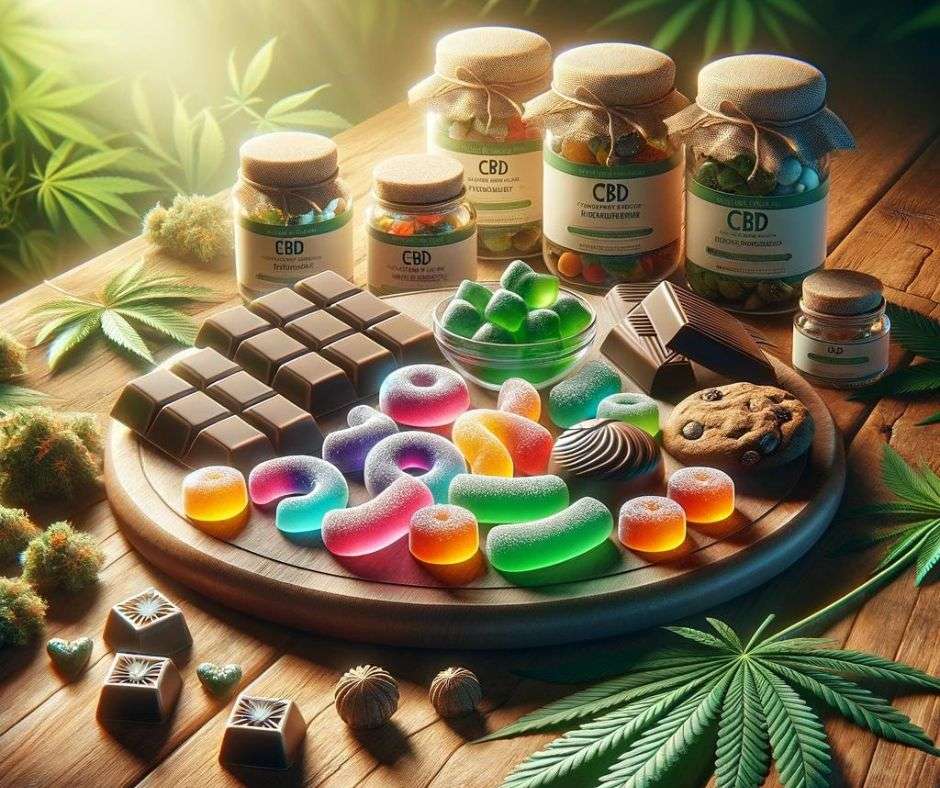
Assortment of CBD edibles including gummies, chocolates, and cookies on a wooden table, surrounded by hemp leaves.

CBD Edibles: A Comprehensive Guide

Did you know that the CBD edibles market is expected to hit $4.1 billion by 2022? It's clear that these non-psychotropic, hemp-derived products are gaining popularity.

You're probably wondering why. Well, they're touted for their potential health benefits, ease of use, and discreet nature.

But, with so many options out there, how do you know which one is right for you? Don't worry, let's navigate this blossoming world together.

What are CBD Edibles?

You might be wondering, what exactly are CBD edibles?

Well, they're foods infused with CBD, a compound derived from hemp.

They come in many forms, each with its own benefits, and we're about to explore how they're made, what types exist, and why they might be the right choice for you.

How are CBD edibles made?

Creating CBD edibles involves infusing food items with cannabidiol, a compound extracted from hemp plants. You might wonder, how long does edible CBD stay in your system? Typically, it can take two to five days for your body to metabolize and eliminate it.

When you buy CBD edibles online, you're purchasing products that have gone through this infusion process. The edible CBD dosage in each product can vary, so it's essential to read the label or product description.

Making CBD edibles isn't a process you can easily do at home, due to the complex extraction and infusion methods required. Hence, it's usually best to purchase from a trusted online or retail source.

What types of CBD edibles are there?

Now that we've covered how CBD edibles are made, let's explore the various types available on the market. You'll find a diverse range of edibles CBD products to cater to different preferences.

  • Gummy Bears: They're popular CBD edibles and often come in high CBD low THC edibles variant, perfect for those seeking benefits without the high.
  • Chocolates: A delightful way to consume CBD. Full spectrum CBD edibles like these contain other helpful cannabinoids as well.
  • Cookies & Brownies: These baked goods are often considered the best high CBD low THC edibles due to their deliciousness.
  • Tinctures: Not strictly an edible, but they're orally ingested and offer a discreet way to take CBD.

What are the benefits of CBD edibles?

Diving into the benefits of CBD edibles, they're known to potentially alleviate pain and inflammation, reduce anxiety and stress, and could even enhance sleep quality. You'll find these edibles particularly helpful for pain relief, offering a non-addictive, natural alternative. They're also touted for anxiety relief, helping to calm your mind without the side effects of conventional medications.

Dealing with sleep disorders? CBD edibles could be your ticket to sweet dreams, thanks to their potential to improve sleep quality. The beauty of edibles lies in their dosage control - you can easily adjust how much CBD you're consuming. This makes it simpler to find a balance that suits your needs. With their myriad benefits, CBD edibles could be the wellness boost you've been seeking.

How to Choose CBD Edibles

Choosing the right CBD edibles can seem daunting, but it doesn't have to be.

You'll need to consider factors like the right dosage for your needs, the ingredients to look for, and where to make your purchase.

Let's explore these points to help you make an informed decision.

Bluegrass Hemp Oil: Your Trusted Source for High-Quality CBD Products

What dosage is right for me?

Determining the right dosage of CBD edibles for you involves considering several factors like your body weight, metabolism, desired effects, and the strength of the product. If you're looking for CBD edibles for pain management or just to find CBD edibles near you, you need to think about your specific needs and circumstances.

  • Your body weight plays a significant role in how much CBD you should take. Heavier individuals may require higher doses.
  • Metabolism varies between individuals and affects how quickly your body processes CBD.
  • Desired effects: If you're seeking relief from severe pain, you may need a higher dosage than if you're using it for stress management.
  • Strength of the product: CBD edibles come in various strengths, and you'll need to adjust your dosage accordingly.

What ingredients should I look for?

When you're on the hunt for top-notch CBD edibles, it's essential to look for products with organic ingredients, lab-tested CBD, no artificial flavors or colors, and high-quality ingredients. These standards ensure the safety and effectiveness of your CBD edibles for pain.

For example, lab-tested CBD guarantees that the product contains the claimed amount of CBD and is free from harmful substances. Organic ingredients and the absence of artificial flavors or colors contribute to the overall quality and safety of the edibles.

Always check the product label for these ingredients and the legality of the product in your area. Remember, the quality of the ingredients can significantly impact the effectiveness of the CBD edibles. Choose wisely for the best results.

What type of CBD is Most Effective

Where to buy CBD edibles

You might wonder where to find high-quality CBD edibles, and it's important to know that companies like Bluegrass Hemp Oil offer a wide range of tested and verified products. When choosing between CBD and THC edibles, always consider your personal needs and any potential side effects, such as those sometimes associated with CBD edible gummies.

When buying CBD edibles, remember:

  • Always look for products derived from high-quality hemp oil.
  • Be aware of the difference between CBD and THC edibles.
  • Research potential CBD edible gummies side effects.
  • Choose companies that provide third-party lab results, ensuring a pure cannabidiol (CBD) product.

buy tart cherry CBD gummies online

How to Use CBD Edibles

Now that you've chosen your CBD edibles, it's important to know how to use them properly.

Start off with a low dose, gradually increasing it as needed, but remember to be patient as it can take up to two hours to feel the effects.

Lastly, to ensure your edibles maintain their potency, always store them in a cool, dark place.

Explore the benefits of CBD gummies for men's health

Start with a low dose and increase gradually

Starting with a low dose of CBD edibles is recommended, allowing you to gradually increase the amount as your body adjusts. This approach helps minimize any potential side effects while maximizing the benefits. It's all about finding your body's sweet spot.

Remember:

  • Start Small: Begin with a small dose. You're not in a race.
  • Listen to Your Body: Pay attention to how you're feeling. Your body knows best.
  • Increase Slowly: Don't rush the process. Slow and steady wins the race.
  • Patience is a Virtue: Allow your body to adjust before upping the dose.

It's not just about the effects of the CBD, it's about how your body reacts and adapts. Remember, everyone's experience with CBD edibles is unique.

Finding Restful Nights with CBD Gummies for Sleep

Be patient, it can take up to two hours to feel the effects

Despite the wait, it's important to remember that CBD edibles can take up to two hours to fully kick in. Don't be alarmed if you don't feel the effects immediately.

Unlike other methods of consumption, edibles have to be digested and metabolized by your body before you start feeling the CBD. You might be tempted to take another dose if you don't feel anything after a short while, but it's crucial to resist the urge. Taking more may lead to a stronger effect than you were aiming for.

Omega-3, Omega-6, and Phospholipids: Building Blocks of Cellular Health

Store CBD edibles in a cool, dark place

Once you've exercised patience and enjoyed your CBD edible, it's essential to store any leftovers properly, ideally in a cool, dark place. Like any other food, CBD edibles can spoil if not stored correctly. They're susceptible to light, heat, and air, which can degrade the CBD's potency over time.

Here's what you can do to prolong their shelf life: * Seal them in an airtight container to protect them from air exposure. * Store them in a dark place like a pantry or cupboard to shield them from light. * Keep them away from heat sources like stoves or ovens. * Refrigerate them if they contain perishable ingredients.

Uncover how to find the perfect CBD Shop Near You


Safety Considerations

Before you start using CBD edibles, it's crucial to consider the safety aspects. Always consult your doctor, especially if you're on other medications, as CBD can sometimes interact with them.

Be mindful of potential side effects like drowsiness, dry mouth, and diarrhea.

Talk to your doctor before using CBD edibles, especially if you are taking any medications

If you're considering the use of CBD edibles, it's essential to consult with your doctor, particularly if you're on any medications. They're the best person to guide you, ensuring you're using CBD safely. Remember, your health is paramount, and proper guidance can prevent unexpected complications.

Consider these points when you discuss CBD with your doctor:

  • How CBD might affect your current health condition
  • Potential interactions between your medications and CBD
  • Possible side effects you may experience
  • The right dosage of CBD for you

Don't be shy about this discussion. It's your health on the line. Be proactive, ask questions, and make sure you're fully informed before you dive into the world of CBD edibles.

CBD edibles can interact with some medications

While discussing CBD with your doctor, you'll need to closely consider the potential interactions between CBD edibles and any medications you're currently taking. CBD can impact how your body processes certain drugs, potentially increasing or decreasing their effects. This interaction is important to keep in mind to prevent any unexpected reactions or complications.

Here's a simple table to illustrate some potential interactions:

| Medication | Potential Interaction with CBD | | -------------- | --------------------------------- | | Blood Thinners | Increased risk of bleeding | | Antidepressants | Altered effectiveness | | Heart Medications | Changes in blood pressure levels |

Be aware of the potential for side effects, such as drowsiness, dry mouth, and diarrhea

Despite the many benefits of CBD edibles, you should also be aware that they can cause side effects like drowsiness, dry mouth, and diarrhea. These effects aren't guaranteed, but they're possible, especially if you're new to CBD or if you consume too much.

  • Drowsiness might occur, which could affect your performance at work or school.
  • Dry mouth can be uncomfortable and lead to bad breath or difficulty speaking.
  • Diarrhea can affect your day-to-day life, making you feel unwell and possibly causing dehydration.
  • Overconsumption might amplify these side effects, making them more severe or longer-lasting.

Discover the source of premium Full Spectrum CBD by visiting Kentucky Cannabis Company, the proud parent company of Bluegrass Hemp Oil.

Frequently Asked Questions

Can CBD Edibles Be Used in Conjunction With Other Medications?

Yes, you can use CBD edibles with other medications. However, it's important to note that CBD may interact with certain drugs, potentially altering their effects.

It's always a good idea to consult your doctor before combining CBD with other medications. They'll help you understand any potential risks or interactions.

What Is the Shelf-Life of CBD Edibles?

You're curious about the shelf-life of CBD edibles, I see. Generally, they can last anywhere from 6 months to a year, depending on the specific product and storage conditions.

It's crucial to store them in a cool, dark place away from direct sunlight for optimal longevity. Always check the expiration date on the packaging and remember, if they start to smell or taste off, it's best to toss them.

Are There Any Special Storage Instructions for CBD Edibles?

Yes, there are a few golden rules to follow for storing CBD edibles. Keep them in a cool, dark place as sunlight can degrade the CBD content.

It's not necessary to refrigerate them but don't keep them near heat sources or in high humidity.

Just like any food product, you'll want to keep them sealed to maintain freshness.

In a nutshell, handle them with the same care as you'd with any other edible product.

Can I Travel Internationally With CBD Edibles?

You're wondering if you can travel internationally with CBD edibles.

It's important to check the laws of the countries you're visiting, as CBD's legality varies. In some places, it's completely illegal, while in others, it's allowed if it contains low THC.

Even in transit, you could face penalties if you're carrying CBD in a country where it's prohibited.

Are There Any Specific Diet Restrictions or Recommendations When Consuming CBD Edibles?

There aren't any specific dietary restrictions or recommendations when consuming CBD edibles. However, it's essential to keep in mind that everyone's body reacts differently to CBD.

You should start with a low dose and see how your body responds. If you're on a special diet or have food allergies, ensure to check the ingredients before consumption.

It's always wise to consult with a healthcare provider if you're uncertain.

Conclusion

So, you've learned the ins and outs of CBD edibles, how to pick the right ones, and use them safely. But remember, everyone's body reacts differently, and what works for one mightn't work for another.

Don't be afraid to experiment and find what's best for you. Stay informed, stay safe, and enjoy the exploration. After all, isn't life about discovering what makes us feel our best?

.

Cannabis Gummies Guide: CBD vs THC, Safety, Legality, COAs & Quality

What Should You Know Before Choosing Cannabis Gummies?

Cannabis gummies can mean very different things depending on the product. Some gummies are CBD-focused, some are full-spectrum hemp gummies with trace THC, and others are intoxicating THC or delta-8 products.

Before choosing any cannabis gummy, review the label, cannabinoid type, CBD or THC amount per serving, ingredients, legal status, batch-specific Certificate of Analysis, and safety considerations.

Cannabinoid type
THC level
COA verification
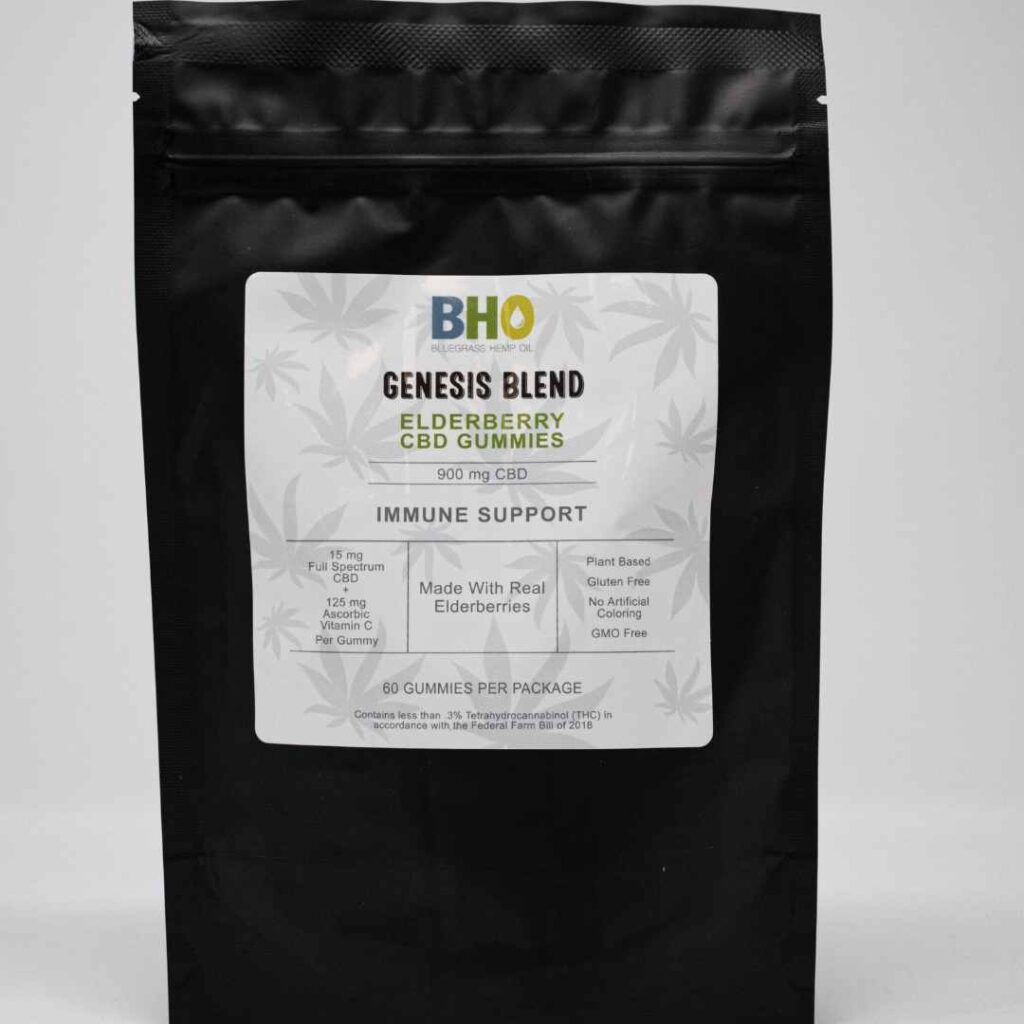
Cannabis gummies guide showing a CBD gummy product format from Bluegrass Hemp Oil
Use this guide to compare cannabis gummy products by label clarity, THC level, COA verification, ingredients, and safety questions.

Important Medical and Legal Note

This article is educational and is not medical advice or legal advice. Bluegrass Hemp Oil products are not intended to diagnose, treat, cure, or prevent any disease. CBD may interact with medications, may cause drowsiness, and may carry liver-related safety concerns. Laws for cannabis, hemp-derived cannabinoids, THC products, delta-8 products, shipping, and travel vary by location and can change. Talk with a qualified healthcare professional before using CBD if you take medication, drink alcohol, use sedating products, are pregnant or nursing, have liver concerns, are subject to drug testing, or manage a medical condition. For pet CBD, talk with your veterinarian first.

New to non-intoxicating CBD gummy formats? Start with CBD gummies for beginners before comparing cannabis gummies by THC level or product type.

Quick answer

Quick Answer: What Are Cannabis Gummies?

Cannabis gummies can refer to CBD gummies, full-spectrum hemp gummies with trace THC, marijuana-derived THC gummies, delta-8 gummies, or other cannabinoid edibles. The safest way to compare them is to check the cannabinoid type, THC level, CBD or THC per serving, ingredients, legal status, batch-specific Certificate of Analysis, and whether the product makes disease or symptom claims.

For more background on swallowed cannabinoid formats, read the CBD edibles guide.

Fast filter before buying

  • What cannabinoid is listed?
  • Does the product contain THC or delta-8?
  • Is the COA batch-specific?
  • Are laws and travel rules verified?
  • Are safety questions reviewed?

Reader-first summary

Key Takeaways for Cannabis Gummies

Broad category

“Cannabis gummies” is a broad term and may refer to CBD, THC, full-spectrum, delta-8, or other cannabinoid gummies.

CBD is different from THC

CBD gummies are not the same as intoxicating THC gummies. The label and COA should make the difference clear.

Trace THC matters

Full-spectrum CBD gummies may contain trace THC, which matters for drug-testing and personal safety decisions.

Delta-8 caution

Delta-8 gummies and converted cannabinoid products require extra caution because labeling and manufacturing can vary.

Legality varies

Legality depends on cannabinoid type, THC level, product source, state law, age restrictions, and shipping or travel rules.

COA verification

A batch-specific Certificate of Analysis helps verify CBD, THC, cannabinoid profile, and testing details.

Medication considerations

CBD may interact with medications and may cause drowsiness, especially with alcohol or sedating products.

Storage safety

Gummies should be stored away from children and pets and should never be left where they may be mistaken for regular gummy snacks.

No DIY instructions

This guide does not provide home-infusion instructions because homemade gummies create serving-size, contamination, and labeling risks.

For a broader quality framework, use the CBD quality guide before comparing CBD gummies vs THC gummies.

Definition

What Are Cannabis Gummies?

Cannabis gummies are gummy-style products that contain cannabinoids from hemp or cannabis. The term is broad, so shoppers should not assume every cannabis gummy is the same. A CBD gummy is different from an intoxicating THC gummy, and a full-spectrum CBD gummy may differ from a broad-spectrum or isolate gummy.

The first question should be: what cannabinoid is actually in the gummy? You can learn more with CBD product types explained and what are cannabinoids.

Term Simple Meaning What to Check
CBD gummies Gummies focused on cannabidiol. CBD per serving, THC level, COA.
Full-spectrum CBD gummies CBD gummies that may contain trace THC. THC level and drug-testing considerations.
Broad-spectrum CBD gummies CBD gummies usually made to reduce or remove THC. COA to verify THC status.
CBD isolate gummies Gummies made with CBD isolate. CBD amount and ingredients.
THC gummies Intoxicating gummies with delta-9 THC or similar cannabinoids. Age limits, legality, impairment, safety.
Delta-8 gummies Intoxicating cannabinoid gummies often made through conversion. FDA safety warnings and COA details.
COA Certificate of Analysis. Batch, CBD, THC, and contaminant testing details.

Major comparison

CBD Gummies vs THC Gummies: What Is the Difference?

CBD gummies and THC gummies are not the same. The most important differences involve intoxication, legality, drug-testing risk, safety considerations, and what the product label and COA show.

Comparison Point CBD Gummies THC Gummies
Main cannabinoid CBD. THC.
Intoxication CBD is not impairing. THC can be intoxicating.
Drug testing Full-spectrum CBD may contain trace THC. THC can create drug-test risk.
Legal status Depends on hemp rules and state law. Depends heavily on state law and product type.
Safety focus Medications, drowsiness, liver concerns, THC level. Impairment, accidental ingestion, serving size, legality.
Best next step Review label and COA. Check state law, age limits, impairment risk, and product testing.

Helpful guides: CBD gummies for beginners · do CBD gummies have THC · what full-spectrum CBD means · hemp vs marijuana explained.

Extract type clarity

Full-Spectrum CBD Gummies, Broad-Spectrum Gummies, and Isolate Gummies

Full-spectrum CBD gummies may contain CBD, minor cannabinoids, terpenes, and trace THC. Broad-spectrum gummies may contain multiple hemp compounds but are usually formulated to reduce or remove THC. CBD isolate gummies contain CBD without the broader hemp extract profile.

No extract type is automatically better, safer, or more appropriate for every person. The label and COA should guide the comparison.

Extract Type What It Means What to Review
Full-spectrum CBD gummies CBD plus other hemp compounds and possible trace THC. THC level, cannabinoid profile, COA, drug-testing considerations.
Broad-spectrum CBD gummies CBD plus other hemp compounds, usually formulated to reduce or remove THC. COA to verify THC status.
CBD isolate gummies CBD without the broader hemp extract profile. Ingredient list, CBD amount, COA.
Intoxicating cannabinoid gummies Products designed around THC, delta-8, or other intoxicating cannabinoids. Legality, impairment risk, COA, age restrictions, safety warnings.

Learn more: what full-spectrum CBD means · full-spectrum CBD FAQ · CBD product types explained.

Safety warning

Delta-8 Gummies and Converted Cannabinoids: Why Extra Caution Matters

Some gummies marketed as hemp products contain delta-8 THC or other converted cannabinoids. These products should not be treated the same as non-intoxicating CBD gummies. They may be intoxicating, may vary in labeling, and may carry additional contamination or manufacturing concerns.

Extra caution for converted cannabinoids

Review the cannabinoid type, COA, THC level, legal status, and safety warnings before buying or using any intoxicating hemp-derived gummy. The FDA has warned that delta-8 THC products have not been evaluated or approved for safe use and may be marketed in ways that put public health at risk.

Background: what are cannabinoids and FDA consumer warning on delta-8 THC.

Legal considerations

Are Cannabis Gummies Legal?

This section is educational and is not legal advice. Cannabis, hemp, CBD, THC, delta-8, shipping, and travel laws vary by federal, state, and local rules. Always verify current laws and carrier rules before buying, mailing, carrying, or traveling with cannabis gummies.

Cannabis gummy legality depends on the cannabinoid, THC level, product source, state law, age restrictions, and whether the product is hemp-derived or marijuana-derived. Do not assume a gummy is legal to buy, ship, carry, or travel with just because it is labeled “hemp.”

Question Safe Answer
Are CBD gummies federally legal? Hemp production was authorized under the 2018 Farm Bill, but CBD products remain subject to FDA-regulated product requirements and state rules.
Are THC gummies legal? It depends on state law and product type.
Can I mail cannabis gummies? Do not assume. Check federal law, destination-state law, carrier rules, and product type.
Can I travel with gummies? Laws vary by state and country. Avoid traveling with intoxicating cannabis products unless legality is verified.
Are delta-8 gummies legal? Laws and enforcement vary, and safety concerns remain.

Related reading: hemp vs marijuana explained · Kentucky hemp program and lab-tested hemp guide · USDA hemp research and extension FAQ.

Safety checklist

Cannabis Gummies Safety: What to Review Before Use

Cannabis gummies are not risk-free. CBD gummies, full-spectrum gummies, THC gummies, and delta-8 gummies have different safety concerns. Shoppers should review the cannabinoid type, THC level, serving size, ingredients, COA, medication considerations, drowsiness risk, drug-testing risk, and whether the product is kept away from children and pets.

Safety Question Why It Matters
What cannabinoid is in the gummy? CBD, THC, delta-8, and other cannabinoids are not the same.
How much CBD or THC is listed per serving? Helps avoid label confusion.
Is the product intoxicating? THC and delta-8 can impair.
Is there a batch-specific COA? Helps verify cannabinoid levels and contaminants.
Am I taking medications? CBD may interact with medications.
Do I use alcohol or sedating products? Drowsiness or sedation risk may increase.
Am I pregnant or nursing? Avoid use unless guided by a clinician.
Am I subject to drug testing? Full-spectrum CBD and THC products can create risk.
Is it stored away from children and pets? Gummies can be mistaken for ordinary gummy snacks.

For more safety-oriented education, review how to take CBD oil safely and the CBD quality guide.

Timing expectations

How Long Do Cannabis Gummies Usually Take?

Cannabis gummy timing varies because gummies are swallowed and digested. Timing can depend on food, metabolism, body size, serving amount, cannabinoid type, and product formulation. No timing window should be treated as a guarantee.

A better timing question

Ask whether the product is intoxicating, whether the label is clear, whether the serving information is understandable, and whether the COA matches the product batch.

For education on swallowed product formats, see CBD absorption and bioavailability.

COA and lab testing

How to Verify a Lab-Tested Cannabis Gummy

A trustworthy gummy should have a batch-specific Certificate of Analysis that matches the product. The COA should help verify cannabinoid levels, THC level, testing date, lab name, and relevant contaminant screens.

COA checklist

  1. Product name
  2. Batch number
  3. CBD per serving
  4. THC per serving
  5. Total THC per package
  6. Extract type
  7. Cannabinoid profile
  8. Ingredient list
  9. Testing date
  10. Lab name
  11. Heavy metals testing
  12. Pesticide testing
  13. Residual solvent testing
  14. Microbial testing
  15. Match between label and COA

Verification resources

Lab testing supports product transparency, not medical claims.

Review CBD Certificates of Analysis
Learn About CBD Lab Testing
How to Read a CBD Product Label

CBD gummy selection

How to Choose CBD Gummies Safely

For shoppers looking for non-intoxicating CBD gummies, the best comparison points are label clarity, CBD per serving, THC level, extract type, ingredient list, batch-specific COA, company transparency, and realistic product language.

What to Check Why It Matters
CBD per gummy Helps compare serving information.
THC level Important for full-spectrum products and drug-testing considerations.
Extract type Full-spectrum, broad-spectrum, or isolate.
Ingredients Helps identify sweeteners, allergens, and additives.
COA Verifies cannabinoid and testing details.
Company contact information Supports accountability.
No disease claims Responsible brands avoid treatment claims.
Clear storage guidance Gummies should be kept away from children and pets.

Helpful pages: CBD gummies for beginners · how to read a CBD product label.

Storage and accidental ingestion

Storing Cannabis Gummies Safely

Store gummies according to the product label, usually in a cool, dry place away from heat, light, children, and pets. Gummies should not be left where children, guests, or animals could mistake them for regular gummy snacks.

Accidental-ingestion warning

Keep all cannabinoid gummies away from children and pets. Seek professional medical, poison-control, or veterinary guidance if accidental ingestion is suspected.

Pet safety resource: pet cannabis risk and safety considerations and CDC cannabis poisoning and accidental exposure information.

DIY safety warning

Should You Make Cannabis Gummies at Home?

Homemade cannabis gummies create extra risk because cannabinoid concentration, ingredient mixing, serving size, contamination, and labeling are hard to verify without proper controls and lab testing. For safety, this page does not provide a recipe or instructions for making cannabis gummies.

Why this guide avoids home-infusion instructions

Without reliable controls and testing, it can be difficult to verify cannabinoid content, uniformity, ingredients, or contaminant screens.

Learn why testing matters: CBD lab testing and Certificates of Analysis.

Product bridge

Bluegrass Hemp Oil’s Approach to CBD Gummies

Bluegrass Hemp Oil’s CBD gummy education focuses on clear product labels, batch-specific Certificates of Analysis, full-spectrum hemp transparency, THC verification, realistic product language, and customer support. CBD gummies should not be presented as a treatment for symptom or disease outcomes.

Tart Cherry CBD Gummies Product Information

Review product details, serving information, ingredients, cannabinoid information, and batch-testing resources before choosing a CBD gummy format.

Tart Cherry CBD Gummies product information

Elderberry Full Spectrum CBD Gummies

Compare full-spectrum hemp extract format, label details, ingredient information, and COA resources.

Elderberry CBD Gummies product information

Need help comparing formats?

Choose by cannabinoid type, CBD per serving, THC level, ingredient list, batch-specific COA, and realistic product language.

CBD gummies for beginners
Shop CBD products by format
Contact Bluegrass Hemp Oil with CBD gummy questions

Entity summary

Cannabis Gummy Terms at a Glance

Entity Simple Explanation
Cannabis gummies Gummy-style cannabinoid products made with CBD, THC, or other cannabinoids.
CBD gummies Gummies focused on cannabidiol and usually non-intoxicating.
THC gummies Intoxicating cannabis gummies containing THC.
Full-spectrum CBD gummies CBD gummies that may contain trace THC and other hemp compounds.
Broad-spectrum CBD gummies CBD gummies with multiple hemp compounds, usually formulated to reduce or remove THC.
CBD isolate gummies Gummies made with CBD isolate.
Delta-8 gummies Intoxicating gummies made with delta-8 THC or converted cannabinoids.
COA Certificate of Analysis used to verify cannabinoid levels and testing details.
THC level Amount of THC shown on the label or COA.
Drug-testing risk Risk that THC exposure may affect a drug test.

Voice-search FAQ

Frequently Asked Questions About Cannabis Gummies

What are cannabis gummies?

Cannabis gummies are gummy-style products that contain cannabinoids such as CBD, THC, delta-8 THC, or other hemp/cannabis compounds.

Are cannabis gummies the same as CBD gummies?

No. CBD gummies are one type of cannabis or hemp-derived gummy. Some cannabis gummies contain intoxicating THC or delta-8 THC.

Are CBD gummies the same as THC gummies?

No. CBD is not impairing, while THC can be intoxicating. Always review the label and COA.

Do CBD gummies have THC?

Some full-spectrum CBD gummies may contain trace THC. Review the COA before use.

Do cannabis gummies cause intoxication?

THC and delta-8 gummies can be intoxicating. CBD-focused gummies should not be treated the same as THC gummies.

Are cannabis gummies legal?

Legality depends on cannabinoid type, THC level, product source, and state law. Check current laws before buying, shipping, or traveling.

Can I mail cannabis gummies?

Do not assume. Mailing rules depend on product type, THC level, federal law, destination-state law, and carrier rules.

Can I travel with cannabis gummies?

Laws vary by state and country. Avoid traveling with cannabis gummies unless legality is verified.

How long do cannabis gummies take?

Timing varies because gummies are swallowed and digested. Food, metabolism, serving size, and cannabinoid type can all affect timing.

Can cannabis gummies show up on a drug test?

Full-spectrum CBD gummies may contain trace THC, and THC gummies can create drug-testing risk.

Are delta-8 gummies safe?

FDA has warned that delta-8 THC products have not been evaluated or approved for safe use and may carry additional risks.

Should I make cannabis gummies at home?

This page does not provide home-infusion instructions. Homemade gummies create serving-size, contamination, and labeling risks.

E-E-A-T note

About This Guide

Experience and transparency

This guide is written for shoppers comparing cannabinoid gummy formats, labels, and safety considerations.

Bluegrass Hemp Oil and Kentucky Cannabis Company focus on Kentucky-grown hemp, label clarity, batch-specific Certificates of Analysis, and education-first product guidance. For company background, read about Bill Polyniak, founder of Bluegrass Hemp Oil and Kentucky Cannabis Company.

This content avoids disease, symptom, and outcome claims. It is designed to help readers compare cannabis gummies by cannabinoid type, THC level, COA verification, ingredient transparency, legal considerations, and safety questions.

Safe final CTA

Compare CBD Gummies With Clear Labels and Lab Testing

Choose CBD gummies by cannabinoid type, CBD per serving, THC level, ingredient list, batch-specific Certificate of Analysis, and realistic product language. Bluegrass Hemp Oil can help answer product-label, COA, and CBD gummy format questions before you choose.

CBD gummies for beginners
Review CBD Certificates of Analysis
Contact Bluegrass Hemp Oil with CBD gummy questions

Sources

Educational Sources and Safety References

These external references are included for reader education and source transparency. They are not product endorsements.

Structured Data Recommendations

Use Article schema, FAQ schema, and BreadcrumbList schema for this post. The FAQ schema should match the visible FAQ questions on the page.