
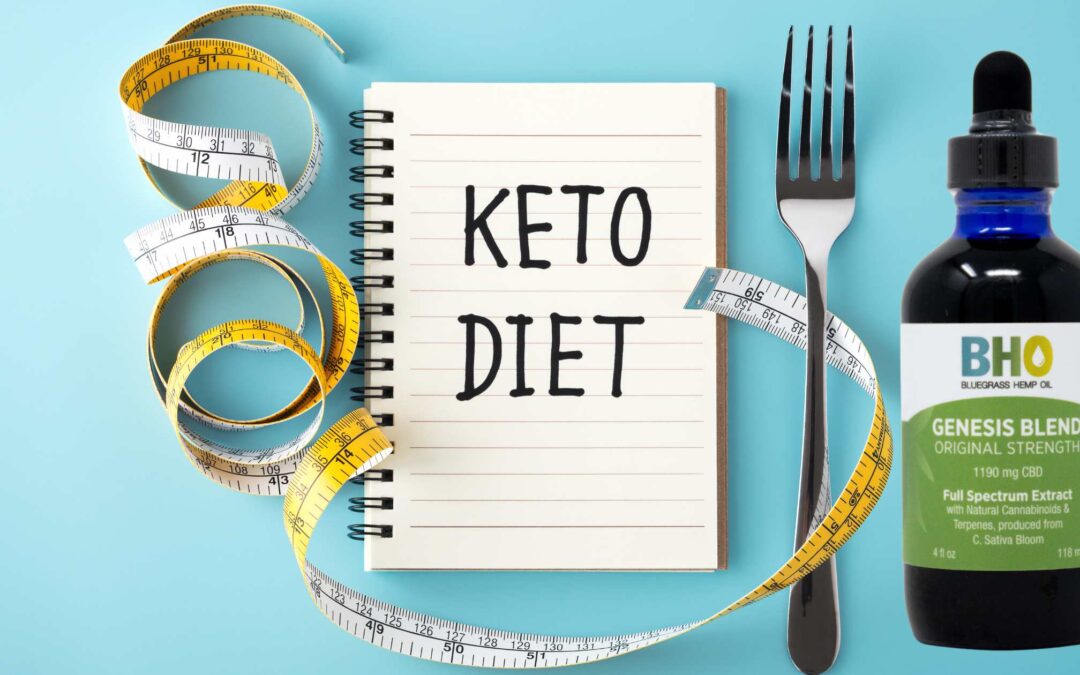
Keto and CBD: Product Compatibility, MCT Oil, and Safety

Keto and CBD: Product Compatibility, MCT Oil, and Safety

Keto, CBD safety, and product transparency

Keto and CBD: Product Compatibility, MCT Oil, and Safety

A keto lifestyle can make product labels more important. CBD oil, gummies, capsules, and topicals can differ in carrier oils, carbohydrates, sweeteners, calories, THC content, and serving details. This consumer guide explains how to compare CBD products without relying on unsupported keto or medical claims.

Written for adult consumers by Bluegrass Hemp Oil. Educational content only. Last reviewed for safety language: June 2026.

Quick answer

Can CBD Fit Into a Keto Lifestyle?

CBD may fit some adult keto routines, but compatibility depends on the product. Keto-conscious shoppers should compare the carrier oil, carbohydrates, sweeteners, calories, serving size, CBD amount, THC content, and batch-specific COA before choosing a CBD product.

For a broader overview, use the CBD product guide for oils, gummies, capsules, and topicals and the CBD quality guide for choosing transparent hemp products as companion resources.

Key takeaways

  • CBD oil may use MCT oil or another carrier oil.
  • CBD gummies may include carbs, sugars, sweeteners, or calories.
  • Full-spectrum CBD may contain trace THC.
  • A COA helps verify CBD and THC information.
  • CBD is not a keto, weight-loss, or metabolism product.

Entity summary

Keto and CBD Compatibility at a Glance

Use this table as a quick comparison tool before reading individual product pages. It is designed for shoppers, caregivers, search engines, and AI answer systems that need clear, verifiable product-context language.

Topic What it means for shoppers What to check
CBD oil on keto CBD oil may use a carrier oil such as MCT oil, hemp seed oil, or another oil. Carrier oil, serving size, ingredients, CBD amount, COA.
MCT oil CBD MCT oil is an ingredient consideration, not proof of keto results. Product label, serving details, calories, full ingredient list.
CBD gummies on keto Gummies can include carbohydrates, sugars, sweeteners, or calories. Carbs per gummy, added sugars, sweeteners, serving size, COA.
CBD capsules on keto Capsules may be simple to compare, but ingredients still vary. Capsule ingredients, CBD amount, THC status, label directions.
Full-spectrum CBD A broader hemp extract profile that may include trace THC. Batch-specific COA, cannabinoid profile, THC information.
CBD safety CBD may interact with medications and may not be right for everyone. Medication list, alcohol or sedating products, healthcare professional guidance.
CBD oil and carrier oils

CBD Oil and MCT Oil on Keto

Many CBD oils use a carrier oil. Genesis Blend CBD Oil made with MCT oil may fit the ingredient preferences of some keto-conscious adults, but the full product label still matters. Review serving information, calories, ingredients, cannabinoid profile, and the batch-specific COA before use.

What MCT oil can tell you

MCT oil identifies the carrier oil used in a product. It does not prove weight-loss, ketosis, metabolism, appetite, or energy outcomes.

What the COA can tell you

A Certificate of Analysis can help verify CBD amount, THC information, and the cannabinoid profile for a specific batch.

Review CBD Certificates of Analysis

What the label can tell you

The label should help you compare serving size, ingredients, suggested use, and product format.

Read how to compare CBD product labels

Format comparison

CBD Gummies, Capsules, Oils, and Topicals on Keto

No CBD format is automatically best for every keto-conscious shopper. Compare product format, label details, serving information, ingredients, and safety context. For a deeper format comparison, see CBD oil, gummies, and capsules compared.

CBD format Keto consideration Best comparison question
CBD oil May use MCT oil or another carrier oil. Does the carrier oil and serving information fit my routine?
CBD gummies May include carbohydrates, sugars, sweeteners, or calories. What are the carbs and sweeteners per gummy?
CBD capsules Often simple to compare, but capsule ingredients vary. What is the CBD amount and full ingredient list?
CBD topicals External-use products are not part of food intake. Is this a topical body-care format rather than an edible format?
Buyer checklist

What Should You Review Before Buying CBD on Keto?

A keto-conscious CBD purchase starts with the product label, not a marketing headline. Look for details that help you evaluate formula compatibility, transparency, and safety.

Nutrition and ingredients

Review carbohydrates, sweeteners, calories, carrier oil, serving information, ingredients, and product format.

Cannabinoid profile

Review CBD amount per serving, THC information, and whether the product is full-spectrum, broad-spectrum, or isolate.

Understand what full-spectrum CBD means

Transparency

Look for a batch-specific Certificate of Analysis and clear quality information.

Read about CBD lab testing and Certificates of Analysis

Safety context

Consider medication interactions, alcohol or sedating products, pregnancy or nursing, liver concerns, and personal health factors.

Review CBD medication interaction considerations

Safety first

Keto, CBD, and Medication Safety

Both keto and CBD can matter when medications or medical conditions are involved. Keto can change diet composition, fluid balance, and routine. CBD may interact with medications, increase drowsiness when combined with alcohol or sedating products, and raise liver-safety questions for some people.

Ask a doctor or pharmacist before combining keto and CBD if you use:

  • Blood thinners, blood pressure medications, heart medications, diabetes medications, seizure medications, liver-related medications, or thyroid medications.
  • Mood, anxiety, sleep, sedative, or antipsychotic medications.
  • Alcohol, herbs, supplements, exogenous ketones, electrolyte blends, or complex supplement stacks.
  • Any medication plan that could be affected by a major diet change.

Important: Do not stop, reduce, or change medication without guidance from a licensed healthcare professional.

Trace THC

Full-Spectrum CBD, Trace THC, and Drug Testing

Full-spectrum CBD products may contain trace THC within applicable hemp limits. CBD itself is not usually the target of standard drug testing, but THC exposure can matter for workplace, athletic, military, legal, probation, or licensing testing. Review the product label and batch-specific COA before use.

Check the THC line item

Review delta-9 THC and total THC if the COA provides both. Do not rely on general marketing language.

Review your testing risk

No CBD company should guarantee that full-spectrum CBD will not affect a drug test.

Read about CBD and drug testing considerations

Consider timing questions

CBD and THC-related timing depends on product, serving, frequency, metabolism, and testing method.

Read how long CBD may stay in your system

Trust and transparency

Product Transparency Matters More Than a Keto Claim

Keto-conscious shoppers should compare CBD products by labels, COAs, ingredients, serving information, company standards, and customer support. A professional product page should make these details easy to find.

CBD lab testing

Learn what lab testing can show about cannabinoid content, THC levels, and product transparency.

Understand CBD lab testing and Certificates of Analysis

Certificates of Analysis

Review available product-specific lab reports before choosing a CBD product.

Review CBD Certificates of Analysis

CBD quality guide

Use a safety-first approach to compare hemp sourcing, labels, COAs, and product transparency.

Use the CBD quality guide for transparent products

Product questions

Ask Bluegrass Hemp Oil for help comparing labels, lab reports, and product formats.

Contact Bluegrass Hemp Oil for CBD product questions

Bluegrass Hemp Oil education

How Bluegrass Hemp Oil Helps Keto-Conscious Shoppers Compare CBD

Bluegrass Hemp Oil is a Kentucky-based hemp company focused on CBD education, product transparency, and quality standards. The goal is not to promise keto results. The goal is to help adults compare labels, COAs, CBD formats, and safety considerations before choosing a product.

Our process

Learn more about hemp sourcing, production, and product education.

Read about the Bluegrass Hemp Oil process

Our quality standards

Review the standards behind transparency and customer education.

Review Bluegrass Hemp Oil quality standards

Science and quality

Explore science-informed CBD education and quality-focused product decisions.

Explore science and quality standards

About the author

Bill Polyniak

Founder of Bluegrass Hemp Oil and Kentucky Cannabis Company

Trusted hemp education

About Bill Polyniak

Bill Polyniak helps consumers make more informed CBD decisions by focusing on Kentucky hemp, full-spectrum CBD product quality, transparent labels, Certificates of Analysis, and practical product questions. His work supports shoppers who want to understand CBD oil, MCT oil, THC content, lab reports, and product labels before choosing a CBD product.

This article is educational and does not replace guidance from a licensed healthcare professional, especially for people using medications, managing a medical condition, or making major diet changes such as keto.

Read Bill Polyniak’s founder profile

Related guides

Related CBD Education and Product Transparency Resources

CBD product guide for oils, gummies, capsules, and topicals

Compare common CBD formats and how shoppers evaluate product details.

Read the CBD product guide

What full-spectrum CBD means

Understand broader hemp extract profiles, minor cannabinoids, and trace THC.

Read the full-spectrum CBD guide

How to read a CBD product label before buying

Review ingredients, serving information, THC details, and product format.

Read the CBD label guide

CBD absorption and format timing explained

Understand how shoppers compare oils, gummies, capsules, and other product formats.

Read the CBD absorption guide

Voice search FAQ

Frequently Asked Questions About Keto and CBD

These visible FAQ answers are written for consumers, voice search, and AI answer tools. They do not replace medical advice or product-label review.

Can CBD fit into a keto lifestyle?

CBD may fit some adult keto routines, but compatibility depends on the product format, carrier oil, sweeteners, carbohydrates, serving size, THC content, and lab testing. Review the full label before deciding.

Is CBD oil with MCT oil keto-friendly?

MCT oil is a fat-based carrier that some keto-conscious adults prefer, but it does not make a CBD product a weight-loss, ketosis, energy, appetite-control, or metabolism product. The label and COA still matter.

Are CBD gummies keto-friendly?

Some CBD gummies may not fit a strict keto plan because gummies can contain carbohydrates, sugars, sweeteners, or calories. Compare carbs and serving size before using gummies.

Does CBD break a fast?

Some CBD oils and gummies contain calories. People following strict fasting rules should review the label and decide based on their personal fasting approach.

Can I combine keto, CBD, and medications?

Ask a doctor or pharmacist first. Keto can change diet routines, and CBD may interact with medications or increase drowsiness when combined with alcohol or sedating products.

Does full-spectrum CBD contain THC?

Full-spectrum CBD products may contain trace THC within legal hemp limits. Review the batch-specific COA and consider drug-testing or sensitivity concerns.

What should I check before buying CBD on keto?

Check serving size, ingredients, carrier oil, carbohydrates, sweeteners, CBD amount, THC information, batch-specific COA, medication concerns, and whether the format fits your routine.

Who should talk to a healthcare professional before using CBD or starting keto?

People who take medications, are pregnant or nursing, have liver concerns, have diabetes or kidney concerns, use sedating products, drink alcohol, or manage a medical condition should speak with a qualified healthcare professional.

Final takeaway

The Safest Way to Compare Keto and CBD Is to Read the Label and COA

CBD product compatibility with keto depends on facts you can verify: product format, ingredients, carrier oil, carbohydrates, sweeteners, serving size, CBD amount, THC information, safety warnings, and a batch-specific Certificate of Analysis. Avoid products that rely on unsupported weight-loss, ketosis, metabolism, appetite, or medical claims.

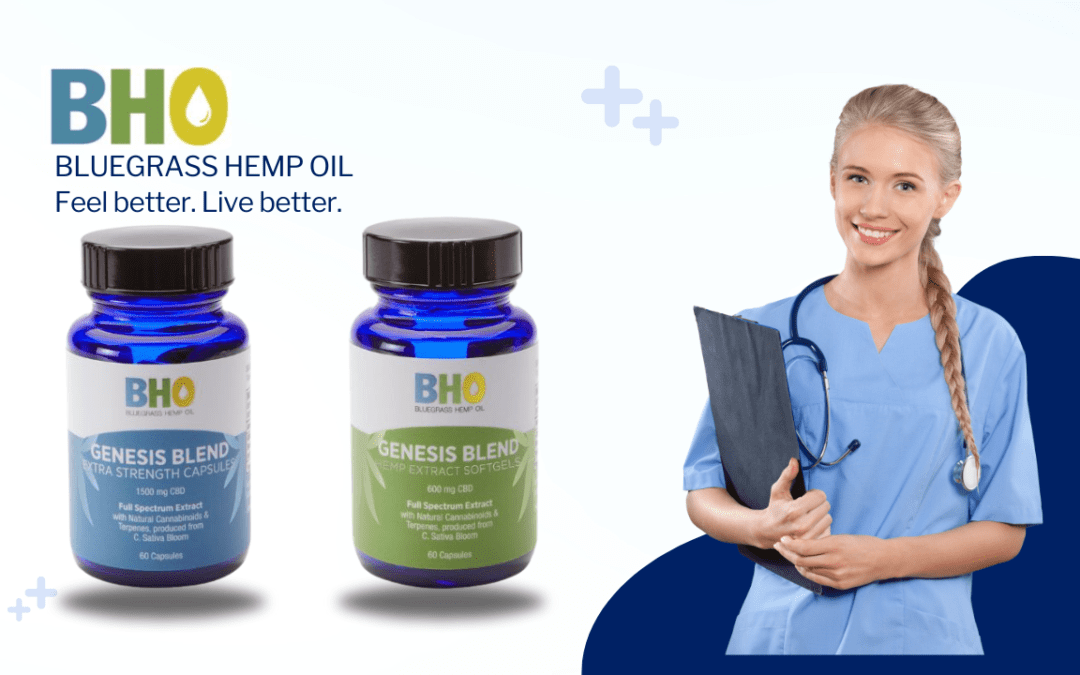
CBD Gummies for Men: Ingredients, THC, COAs, Serving Size & Safety Guide

CBD Gummies for Men: Ingredients, THC, COAs, Serving Size & Safety Guide

CBD Gummies for Men Guide

Quick Answer: What Should Men Know About CBD Gummies?

CBD gummies for men are not a separate medical category. They are CBD edibles that men may compare by CBD per gummy, ingredients, full-spectrum status, trace THC, serving directions, warnings, and batch-specific Certificate of Analysis.

Safety-first reminder: Full-spectrum CBD gummies may contain trace THC, which can matter for drug testing. CBD gummies should not be described as treating stress, anxiety, pain, inflammation, sleep disorders, erectile dysfunction, testosterone concerns, workout recovery, or any medical condition.

Key takeaways

Key Takeaways

1

Men’s gummies are usually a marketing category

CBD gummies for men are usually not a separate medical category. Compare the formula, label, and COA.

2

CBD per gummy matters

The amount of CBD in one gummy is more useful for comparison than package totals alone.

3

Full-spectrum may include trace THC

Full-spectrum CBD gummies may contain trace THC, which can matter for THC sensitivity and drug testing.

4

Drug testing deserves caution

Workplace, athletic, legal, military, medical, probation, or professional testing can make THC exposure important.

5

Stronger is not automatically better

Higher CBD per gummy does not prove quality, fit, or safety.

6

Ingredients matter

Sugar, allergens, gelatin, pectin, flavorings, and colorings can affect buying decisions.

7

CBD is not risk-free

CBD may interact with medications and may not be appropriate for everyone.

8

Avoid medical claims

CBD gummies should not be claimed to treat stress, anxiety, pain, sleep disorders, ED, testosterone concerns, workout recovery, or any medical condition.

Entity summary

CBD Gummies for Men: Terms to Know

Use these plain-language definitions to compare CBD gummies by product type, serving size, extract type, THC information, labels, COAs, and safety considerations.

Entity Simple Explanation Why It Matters
CBD gummies for men CBD edibles marketed toward men Usually needs label and ingredient review, not medical assumptions
CBD per gummy Amount of CBD in one gummy Helps compare serving size
Full-spectrum CBD gummies Gummies with CBD plus other hemp compounds and possible trace THC Important for COA and drug-testing review
Trace THC Small THC amount possible in full-spectrum CBD Can matter for drug testing and THC sensitivity
COA Certificate of Analysis Helps verify CBD, THC, and testing information
CBD label Product information panel Helps compare ingredients, serving size, warnings, and batch details
Gelatin Common gummy ingredient May matter for dietary preferences
Pectin Plant-based gummy ingredient May matter for dietary preferences
Drug testing Testing programs may detect THC exposure Full-spectrum products may matter
CBD safety Medication, alcohol, liver, drowsiness, and health-history considerations Helps avoid overclaiming and unsafe use
Definition box

Are CBD Gummies for Men Different From Regular CBD Gummies?

CBD gummies marketed for men are usually not medically different from regular CBD gummies unless the formula clearly includes different ingredients, serving sizes, or product specifications. Men should compare CBD gummies by label details, CBD per gummy, ingredients, extract type, trace THC, warnings, serving directions, and COA access.

Question Safe Answer What to Check
Are men’s CBD gummies medically different? Usually no. “For men” is often a marketing angle unless the formula has clearly different ingredients. Label, ingredients, CBD per gummy, warnings
Should men choose full-spectrum CBD gummies? It depends on THC sensitivity, drug testing, and product preference. COA, THC level, full-spectrum status
Are stronger gummies better? Not automatically. Strength does not prove quality or fit. CBD per serving, label directions, COA
Can gummies fit a daily routine? Some adults compare gummies for convenience and consistency. Serving directions, ingredients, safety considerations
Should men use CBD gummies for ED, testosterone, pain, or sleep? Do not make treatment claims. These concerns should be discussed with a qualified healthcare professional. Safety guidance and claim boundaries
Buyer checklist

How Men Should Compare CBD Gummies Before Buying

A strong CBD gummy comparison should start with the label and COA, not broad benefit claims. Men who are subject to drug testing, take medications, drink alcohol, use sedating products, or manage a medical condition should review safety considerations before use.

  • CBD per gummy
  • Number of gummies per package
  • Full-spectrum, broad-spectrum, or isolate status
  • Trace THC information
  • Batch-specific COA
  • Ingredients
  • Sugar amount
  • Allergens
  • Gelatin or pectin
  • Flavorings
  • Serving directions
  • Warnings
  • Company contact information
  • Return or support policy
  • Whether drug testing applies to the buyer
Trace THC and testing

Full-Spectrum CBD Gummies, Trace THC, and Drug Testing

Full-spectrum CBD gummies may contain CBD along with other naturally occurring hemp compounds, including minor cannabinoids and terpenes. Full-spectrum products may also contain trace THC within legal hemp limits. Anyone subject to workplace, athletic, legal, military, medical, probation, or professional drug testing should avoid assuming full-spectrum CBD is risk-free.

Drug-testing safety box: CBD itself is not usually the target of standard drug testing, but THC exposure can matter. No CBD company should guarantee that full-spectrum CBD gummies will not affect a drug test.

Helpful next reads: CBD gummies and drug-testing questions, CBD, THC, drug testing, and COA questions, hemp vs marijuana and THC differences, and what full-spectrum CBD means.

Extract type comparison

Full-Spectrum vs Broad-Spectrum vs CBD Isolate Gummies

Extract type affects the hemp-compound profile and THC questions. Always verify product language with a batch-specific COA.

Extract Type What It Usually Means THC Consideration What to Check
Full-spectrum CBD gummies CBD plus other naturally occurring hemp compounds May contain trace THC COA, THC amount, CBD per gummy, ingredients
Broad-spectrum CBD gummies CBD plus other hemp compounds with THC removed or reduced Intended to be THC-free, but verify COA, THC result, extract type
CBD isolate gummies CBD-only extract Usually THC-free, but verify COA, ingredient list, CBD amount

For deeper hemp education, review cannabinoids in hemp products, terpenes in hemp products, and what the entourage effect means in full-spectrum CBD.

Product formats

CBD Gummies vs CBD Oil, Capsules, and Topicals for Men

Different CBD formats have different labels, serving language, ingredients, and use directions. Compare the format first, then review the label and COA.

Product Format How It Fits a Routine What to Compare
CBD gummies Pre-measured edible format CBD per gummy, sugar, ingredients, THC, COA
CBD oil Flexible oral format CBD per mL, carrier oil, THC, COA
CBD capsules Simple repeatable serving CBD per capsule, ingredients, COA
CBD topicals External-use body-care format Ingredients, fragrance, external-use directions
CBD bundles Product comparison pathway Format mix, labels, total CBD, COAs

Related format guides: CBD product types explained, which CBD delivery method is right for your routine, CBD oil vs CBD gummies comparison, and full-spectrum CBD edibles guide.

Serving clarity

CBD per Gummy: Why Serving Size Matters

CBD per gummy tells shoppers how much CBD is in one gummy. This is more useful than only looking at the total CBD in the package because serving size affects comparison and use.

CBD per gummy = total CBD in package ÷ number of gummies
Example: If a package contains 300 mg CBD and 30 gummies, each gummy contains 10 mg CBD.

Important: This example explains label math only. It is not a serving recommendation. Follow the product label and ask a qualified healthcare professional when needed.

Ingredient review

CBD Gummy Ingredients: Sugar, Allergens, Gelatin, Pectin, and Flavorings

Ingredients matter because CBD gummies are swallowed and digested. Men with dietary preferences, allergies, sugar concerns, or ingredient sensitivities should review labels carefully before buying.

  • Sweeteners
  • Sugar amount
  • Flavorings
  • Colorings
  • Gelatin
  • Pectin
  • Allergens
  • Carrier oils
  • Preservatives
  • Hemp extract type
  • THC information
  • Serving directions
  • Warnings
Label checklist

CBD Labels: What Men Should Check Before Buying

A CBD gummy label should help you understand product type, CBD amount, ingredients, THC information, warnings, batch details, and COA access before you buy.

  • Product name
  • Product type
  • CBD amount
  • CBD per gummy
  • Number of gummies
  • Full-spectrum, broad-spectrum, or isolate status
  • THC information
  • Ingredient list
  • Sugar content
  • Flavorings
  • Allergens
  • Serving directions
  • Warnings
  • Batch or lot number
  • Expiration date
  • COA access
  • Company contact information

For a broader walkthrough, use this guide to read a CBD product label.

COA verification

How COAs Help Verify CBD Gummy Quality

A Certificate of Analysis helps shoppers compare the product label with lab-reported results. A strong COA can help verify cannabinoid profile, THC level, batch information, and contaminant testing when available.

  • Product name
  • Batch or lot number
  • Testing date
  • Lab name
  • CBD amount
  • THC amount
  • Minor cannabinoids
  • Terpene profile when claimed
  • Heavy metals testing
  • Pesticide testing
  • Residual solvent testing
  • Microbial testing
  • Matching product and batch

Helpful verification pages: CBD lab testing and Certificates of Analysis and Bluegrass Hemp Oil Certificates of Analysis.

Men’s wellness claim boundary

Men’s Wellness Claims: What CBD Gummies Should Not Be Claimed to Treat

CBD gummies, full-spectrum CBD gummies, hemp gummies, Genesis Blend, and Bluegrass Hemp Oil products should not be described as diagnosing, treating, curing, preventing, reducing, relieving, or managing stress disorders, anxiety, pain, inflammation, sleep disorders, insomnia, erectile dysfunction, low testosterone, low libido, workout soreness, muscle recovery, blood pressure, depression, seizures, or any medical condition.

This page focuses on product format, ingredients, CBD per serving, full-spectrum status, trace THC, labels, COAs, safety questions, and product transparency.

CBD safety

CBD Safety: Medications, Liver, Drowsiness, Alcohol, and Drug Testing

CBD is not risk-free. CBD may interact with medications, may increase drowsiness when combined with alcohol or sedating products, and may not be appropriate for people taking prescriptions, managing liver concerns, managing a medical condition, or subject to drug testing. Full-spectrum CBD may contain trace THC. Talk with a qualified healthcare professional before use when needed.

Safety Topic Why It Matters Safer Guidance
Medications CBD may interact with some medications Ask a qualified healthcare professional
Liver concerns CBD can raise liver-safety questions Get professional guidance before use
Alcohol May increase drowsiness or impairment concerns Use caution
Sedating products May increase sleepiness Avoid assuming the combination is safe
Drug testing Full-spectrum CBD may contain trace THC Review the COA carefully
Medical conditions CBD may not be appropriate for everyone Ask a qualified healthcare professional
Male reproductive questions CBD safety research includes male reproductive-health questions Ask a qualified healthcare professional before use when concerned
Product transparency

How Bluegrass Hemp Oil Supports Product Transparency

Transparent CBD comparison is built on labels, batch-specific COAs, clear product details, and customer support for label or testing questions.

F

Full-spectrum hemp education

Full-spectrum CBD may contain multiple hemp compounds and trace THC. Shoppers should verify product language with a COA.

L

CBD product labels

Labels help compare product type, ingredients, CBD amount, serving directions, warnings, and THC information.

C

Batch-specific COAs

COAs help verify CBD amount, THC level, cannabinoid profile, and testing details when available.

S

Customer support

Bluegrass Hemp Oil can answer label and COA questions. Health questions should go to a qualified healthcare professional.

K

Kentucky hemp roots

Bluegrass Hemp Oil focuses on hemp education, transparency, and responsible product comparison.

Product-format comparison

Shoppers can compare gummies, oils, capsules, topicals, bundles, and product labels without medical-outcome promises.

BP
Founder expertise

About Bill Polyniak and Bluegrass Hemp Oil

Bill Polyniak is the founder of Bluegrass Hemp Oil and Kentucky Cannabis Company. His work is rooted in Kentucky hemp education, full-spectrum CBD product transparency, clear labeling, Certificates of Analysis, and helping shoppers understand what they are buying before choosing a CBD product.

This CBD gummies for men guide is written to help adults compare CBD gummy formats, ingredients, CBD per serving, trace THC information, lab reports, COAs, and safety questions without relying on unsupported medical treatment claims.

FAQ

Frequently Asked Questions

What are CBD gummies for men?

CBD gummies for men are CBD edibles marketed toward men. They are not a separate medical category. Men should compare CBD gummies by CBD per gummy, ingredients, full-spectrum status, trace THC, label directions, warnings, and COA access.

Are CBD gummies for men different from regular CBD gummies?

Usually no. “For men” is often a marketing angle unless the formula clearly includes different ingredients, serving sizes, or product specifications. Always review the label and COA.

Do CBD gummies for men contain THC?

Full-spectrum CBD gummies may contain trace THC within legal hemp limits. Review the batch-specific COA to confirm THC information.

Can CBD gummies for men show up on a drug test?

Full-spectrum CBD gummies may contain trace THC, and THC exposure can matter for drug testing. Anyone subject to workplace, athletic, legal, military, medical, probation, or professional testing should avoid assuming full-spectrum CBD is risk-free.

What is the difference between full-spectrum, broad-spectrum, and CBD isolate gummies?

Full-spectrum gummies may contain CBD, other hemp compounds, and trace THC. Broad-spectrum gummies are intended to include other hemp compounds with THC removed or reduced. CBD isolate gummies use purified CBD. Always verify the extract type with a COA.

How do CBD gummies compare to CBD oil for men?

CBD gummies are pre-measured edibles, while CBD oil is a flexible oral format. Compare CBD per serving, ingredients, THC information, serving directions, and COA access.

What should men check on a CBD gummy label?

Check product type, CBD amount, CBD per gummy, number of gummies, ingredient list, sugar, allergens, full-spectrum status, THC information, directions, warnings, batch number, expiration date, and COA access.

What does CBD per gummy mean?

CBD per gummy means the amount of CBD in one gummy. It helps shoppers compare products more accurately than total package CBD alone.

What ingredients should men check in CBD gummies?

Check sweeteners, sugar amount, flavorings, colorings, gelatin, pectin, allergens, carrier oils, preservatives, hemp extract type, and warnings.

What is a CBD Certificate of Analysis?

A CBD Certificate of Analysis, or COA, is a lab report that helps verify CBD amount, THC level, cannabinoid profile, batch information, and testing details when available.

Are stronger CBD gummies better?

Not necessarily. Stronger gummies do not automatically mean better quality or better fit. Compare CBD per gummy, ingredients, label directions, THC information, COA access, and safety considerations.

Can CBD gummies interact with medications?

CBD may interact with some medications. Speak with a qualified healthcare professional before using CBD if you take prescription or over-the-counter medications.

Should men take CBD gummies with alcohol?

CBD may increase drowsiness when combined with alcohol or sedating products. Use caution and ask a qualified healthcare professional when needed.

Do CBD gummies help with stress, sleep, pain, ED, or testosterone?

No. This page should not claim that CBD gummies treat, cure, prevent, reduce, relieve, or manage stress disorders, anxiety, sleep disorders, pain, inflammation, erectile dysfunction, testosterone concerns, libido concerns, workout soreness, or any medical condition. CBD gummies should be compared by product type, CBD per serving, ingredients, full-spectrum status, trace THC, label directions, and COA access.

How does Bluegrass Hemp Oil support product transparency?

Bluegrass Hemp Oil supports product transparency through clear labels, full-spectrum hemp education, batch-specific COAs, product information, and customer support for label or COA questions.

Final takeaway

Final Takeaway

CBD gummies for men should be compared by product format, CBD per serving, ingredients, sugar, allergens, full-spectrum status, trace THC, drug-testing considerations, labels, COAs, safety questions, and company transparency. The strongest buying decision is one that can be checked through clear labels, batch-specific lab reports, responsible safety language, and transparent customer support.

CBD gummies should not be promoted as treating stress, sleep, pain, ED, testosterone, workout recovery, anxiety, inflammation, or any medical condition.

Safety references

References for CBD Safety Questions

These references can help shoppers ask better safety questions about CBD, medications, pregnancy or nursing, liver concerns, alertness, and drug testing.

 CBD Capsules: Benefits, Uses, and Where to Buy

 CBD Capsules: Benefits, Uses, and Where to Buy

The Ultimate Guide to CBD Capsules: Benefits, Uses, and Where to Buy

You might not know that CBD capsules can offer a more consistent and controlled dosage compared to other forms of CBD. These capsules are a convenient way to manage symptoms like discomfort, anxiety, and sleep issues without the fuss of measuring out oils. But with so many products on the market, how do you choose the best one? From understanding dosage and potency to knowing what to look for in a reputable brand, there's a lot to take into account. Let's explore how you can make an informed decision and get the most out of CBD capsules.

Understanding CBD Capsules

To get a clear picture of CBD capsules, you'll first need to understand what they're and how they work.

These capsules offer a convenient and precise way to consume CBD, making them a popular choice for many.

Let's explore the benefits of using CBD capsules and why they might be the right option for you.

What Are CBD Capsules?

CBD capsules are an easy and precise way to consume cannabidiol (CBD), offering a convenient alternative to oils and tinctures. These capsules contain pre-measured doses, making it simple to incorporate CBD into your daily routine. Whether you're at home or on the go, CBD capsules provide a discreet and mess-free option.

Full-spectrum cbd capsules are particularly popular because they include a wide range of cannabinoids and terpenes, enhancing the therapeutic effects through the entourage effect. This means you're not just getting CBD but also other beneficial compounds found in the hemp plant. When you buy CBD capsules, you're investing in a product that offers consistent dosage and convenience.

Finding cbd capsules for sale is easier than ever, thanks to the growing number of online retailers. You can easily buy CBD capsules online, giving you access to a wide variety of options right from the comfort of your home.

Whether you're new to CBD or an experienced user, CBD capsules offer a reliable and effective way to enjoy the benefits of cannabidiol.

How Do CBD Capsules Work?

Understanding how CBD capsules work involves exploring how they interact with your body's endocannabinoid system (ECS) to deliver their therapeutic benefits. The ECS plays an important role in regulating various bodily functions such as mood, pain sensation, and immune response. When you take CBD capsules, the CBD interacts with the ECS receptors, helping to maintain balance and support overall well-being.

Learn about the Endocannabinoid System at Bluegrass Hemp Oil

CBD capsules, including full spectrum CBD capsules 25mg, contain a variety of cannabinoids, terpenes, and other beneficial compounds that work together in a phenomenon known as the entourage effect. This synergy enhances the effectiveness of the CBD, providing more thorough relief compared to isolated compounds.

Whether you're searching for 'CBD capsules near me' or purchasing online, it's crucial to choose a reputable source to ensure product quality and safety.

For those dealing with specific issues, like managing discomfort, CBD capsules for pain can be particularly effective. They offer a convenient and precise dosing option, making it easier to incorporate into your daily routine. Unlike CBD oil capsules, which can vary in absorption rates, capsules provide a consistent, controlled release of CBD into your system.

Discover the benefits of the entourage effect with Bluegrass Hemp Oil's full-spectrum products

Benefits of CBD Capsules

One of the key benefits of CBD capsules is their ability to provide consistent and precise dosing, making it easier to manage your daily intake. Unlike CBD oil or tinctures, where measuring the exact dosage can be a bit tricky, CBD capsules offer a straightforward solution. Each capsule contains a pre-measured amount of CBD, ensuring you get the exact same dose every time you take one. This is particularly beneficial if you're using CBD capsules for sleep or other specific health concerns.

When comparing CBD oil vs capsules, the latter stands out for its convenience and ease of use. You can take them anywhere without worrying about spills or the need for a dropper. Similarly, when debating CBD tincture vs capsules, capsules eliminate the earthy taste that some users find off-putting in tinctures.

For those struggling with sleep issues, sleep CBD capsules are formulated to help you get a restful night. CBD capsules for sleep often include additional ingredients like melatonin to enhance their effectiveness.

Discover the Benefits of Full Spectrum CBD Oil

Choosing the Best CBD Capsules

When choosing the best CBD capsules, you should consider your specific needs like pain relief, anxiety, and stress management, or improving sleep.

Some capsules might even be suitable for pets.

Best CBD Capsules for Pain Relief

When you're dealing with pain, finding the right CBD capsule can make a big difference.

For chronic pain, 25mg full-spectrum CBD capsules may be effective, while 50mg capsules are better suited for severe pain.

Additionally, 25mg capsules can be particularly helpful for joint pain relief.

Full spectrum CBD capsules 25mg for chronic pain

For those grappling with chronic pain, Bluegrass Hemp Oil's 25mg full-spectrum CBD capsules offer a potent and effective solution.

These cbd capsules 25mg aren't only great for pain relief but also support better sleep.

Each 25mg cbd oil capsule delivers a precise dose, ensuring consistency and ease of use.

If you're seeking 25mg cbd capsules for sleep and pain, this product stands out.

50mg CBD capsules for severe pain

Choosing the best CBD capsules for severe pain can greatly impact your quality of life and overall well-being. Opt for cbd capsules 25mg, as they offer a potent dose suitable for significant pain relief. Here's a quick comparison to help you choose:

Product Benefits
10mg CBD Softgel Mild pain relief
10mg CBD Omega-3 Anti-inflammatory benefits
25mg CBD Capsule Severe pain relief
50mg CBD Capsule Extreme pain relief
100mg CBD Capsule Maximum pain management

25mg CBD capsules for joint pain

Finding the appropriate CBD capsules for joint pain can greatly enhance your comfort and mobility. Consider these options:

  1. CBD Capsules 10mg: Ideal for mild pain relief and daily wellness.
  2. CBD Capsules 25mg: Effective for moderate pain and better sleep.
  3. CBD Gel Capsules 300mg: High potency for severe pain relief.

These choices can help you manage joint pain effectively and improve your quality of life.


Three bottles of Bluegrass Hemp Oil Genesis Blend CBD capsules, including a 10mg Full Spectrum Softgel, a 25mg Full Spectrum CBD Capsule, and a 10mg Omega-3 Softgel.

Best CBD Capsules for Anxiety and Stress

When you're looking for relief from anxiety and stress, Bluegrass Hemp Oil's 25mg full-spectrum CBD capsules might be your best option.

These capsules not only help manage anxiety but also promote better sleep and relaxation.

With their potent formula, you'll find an effective way to support your mental well-being.

Full spectrum CBD capsules 25mg for anxiety

Are you seeking an effective way to manage anxiety and stress with natural remedies? Full spectrum CBD capsules 25mg could be your answer.

These anxiety relief CBD capsules offer:

  1. Potent Dosage: Each capsule contains 25mg of full-spectrum CBD.
  2. Enhanced Efficacy: Full-spectrum CBD utilizes the entourage effect.
  3. Ease of Use: Convenient and precise dosing.

Wondering where to buy CBD capsules? Check reputable brands online.

Best CBD capsules for anxiety and stress

Choosing the best CBD capsules for anxiety and stress can make a significant difference in your overall well-being. Consider CBD capsules for anxiety like Bluegrass Hemp Oil's 25mg option for effective relief.

The best CBD capsules for stress often come in 300mg benefits, but compare cbd capsules vs oil to find what suits you best.

While CBD capsules for dogs are available, make sure they're pet-specific.

25mg CBD capsules for sleep and relaxation

For a good night's sleep and improved relaxation, consider Bluegrass Hemp Oil's 25mg CBD capsules designed to promote restful sleep and ease anxiety.

Here's a quick guide to choosing the best CBD capsules for sleep and relaxation:

  1. 25mg CBD Capsules: Ideal for moderate sleep issues.
  2. CBD Softgel 10mg: Great for beginners.
  3. 50mg CBD Capsules: Perfect for severe sleep disturbances.

CBD Capsules for Sleep

If you're struggling with insomnia, CBD capsules might be the solution you need for a restful night's sleep.

These capsules are designed to help you relax and improve your sleep quality naturally.

Let's explore how to choose the best CBD capsules for sleep so you can wake up feeling refreshed.

CBD sleep capsules for insomnia

To tackle insomnia effectively, CBD sleep capsules have emerged as a promising solution for many seeking natural relief.

When choosing the best CBD capsules for insomnia, consider the following:

  1. Ingredients: Look for full-spectrum CBD sleep aid capsules.
  2. Dosage: Opt for higher mg CBD insomnia capsules if needed.
  3. Reviews: Check user feedback on CBD capsules for sleep effectiveness.

Choose wisely for better sleep!

Sleep CBD capsules for a restful night

Finding the best CBD capsules for a restful night can make all the difference in effectively managing insomnia.

Opt for CBD capsules 25mg if you need a higher CBD dosage for sleep.

CBD capsules for sleep and cbd softgels provide convenience and precise dosing.

For added health benefits, consider cbd omega-3 capsules.

Choose what suits your needs and enjoy a peaceful night's sleep.

Sleep CBD capsules for a restful night

Choosing the appropriate CBD capsules for sleep can greatly enhance your ability to manage insomnia and achieve a restful night.

Here's what to look for in CBD sleep aid capsules:

  1. Full-Spectrum Extract: Promotes the entourage effect for better sleep.
  2. Dosage Options: Choose between low and high dosages based on your needs.
  3. Added Ingredients: Look for melatonin or other natural sleep aids.

These CBD capsules for relaxation and nighttime use can improve your sleep quality.

Does CBD Help You Sleep

CBD Capsules for Pets

If your dog struggles with anxiety or joint issues, CBD capsules might offer some relief. These capsules are designed to be easy to administer and can help manage symptoms, promoting overall well-being for your furry friend.

Choosing the right dosage and product is key to ensuring effectiveness and safety.

CBD capsules for dogs with anxiety

Wondering how to help your anxious dog find relief with CBD capsules? Full-spectrum CBD capsules can be a game-changer. These cbd capsules for anxiety are designed to ease your pet's stress.

Consider these when choosing CBD capsules for dogs:

  1. Dosage: Start with low-dose cbd softgels.
  2. Ingredients: Opt for full-spectrum cbd capsules.
  3. Quality: Guarantee third-party lab testing for safety.

CBD capsules for dogs with joint issues

Just as CBD capsules can ease your dog's anxiety, they can also provide significant relief for joint issues.

To choose the best CBD capsules, consider options like 10mg CBD capsules for smaller dogs or cbd 50mg capsules for larger breeds. The right dosage can help manage pain and improve mobility.

Always consult your vet before introducing cbd capsules 10 mg or cbd capsules 50mg.

Ultimate Guide to Unruffled CBD Oil for Pets

Understanding Dosage and Potency

To make the most of CBD capsules, it's important to understand dosage and potency. Each person's needs and responses to CBD oil or capsules vary, so getting the right dosage is essential. When choosing a CBD capsule, pay attention to the amount of CBD in each capsule and the overall potency of the product.

Here are three key factors to keep in mind:

  1. Start Low and Go Slow: If you're new to CBD, begin with a lower dosage, such as a 10mg or 25mg CBD capsule. This helps you gauge how your body responds before increasing the dosage.
  2. Consistency is Key: For the best results, take your CBD capsules consistently. Whether it's a 10mg, 25mg, or even CBD capsules 500mg, regular use helps maintain stable levels of CBD in your system.
  3. Consult with a Healthcare Provider: Before starting any new supplement, including CBD oil or capsules, it's advisable to consult a healthcare provider. They can offer personalized advice based on your health history and current medications.

Common Dosages and Their Uses

When selecting CBD capsules, understanding common dosages and their uses will help you make informed decisions for your wellness routine. Different dosages cater to various needs, from daily wellness to managing severe pain or inflammation.

Here's a quick guide to common CBD capsule dosages and their uses:

Dosage Benefits Recommended For
10mg Daily wellness, mild pain relief Beginners or those needing a lower dosage
25mg Moderate pain, anxiety reduction, better sleep Users with previous CBD experience
50mg High potency needs, severe pain, long-lasting relief Experienced users requiring strong effects

10mg capsules provide a gentle introduction to CBD, perfect for daily wellness and mild pain relief. They're ideal if you're new to CBD or prefer a lower dosage. The 25mg capsules are more potent, suitable for moderate pain, reducing anxiety, and improving sleep. These are best for those with some CBD experience. Lastly, the 50mg capsules offer high potency for severe pain and long-lasting relief, perfect for experienced users with significant therapeutic needs.

Comparing CBD Capsules with Other Forms

When choosing between CBD capsules and other forms like oils or tinctures, you'll want to weigh the pros and cons of each. Capsules offer convenience and precise dosing, while oils and tinctures allow for more flexible adjustments.

Understanding these differences can help you decide which form best suits your lifestyle and wellness needs.

CBD Capsules vs. Oil: Which Is Better?

In the world of CBD products, choosing between capsules and oil often comes down to personal preference and specific wellness needs. Both forms offer unique advantages and cater to different lifestyles and health goals. Here's a side-by-side comparison to help you decide which might be better for you:

  1. Convenience and Dosage

CBD capsules provide a precise, pre-measured dose, making them incredibly convenient. You don't have to worry about measuring out the oil, which can be particularly helpful when you're on the go or in a hurry.

  1. Absorption and Onset Time

CBD oil, especially when taken sublingually (under the tongue), often has a quicker onset time because it bypasses the digestive system and enters the bloodstream directly. Capsules, on the other hand, need to be digested, which can delay their effects.

  1. Taste and Discretion

Some people find the taste of CBD oil to be off-putting. Capsules are tasteless and odorless, offering a more discreet way to consume CBD without drawing attention or dealing with the flavor.

Ultimately, the choice depends on what fits best into your lifestyle and meets your wellness needs.

Soothe Your Skin with Full-Spectrum CBD Balm

CBD Tincture vs. Capsules: Pros and Cons

Frequently, the choice between CBD tinctures and capsules boils down to your personal preferences and wellness goals. If you value convenience and precise dosing, CBD capsules, like those offered by Bluegrass Hemp Oil, are a fantastic option. Each capsule provides a consistent amount of CBD, making it easier to track your intake. Capsules are also discreet and can be taken without drawing attention, perfect for on-the-go use.

On the other hand, CBD tinctures offer flexibility in dosing and faster absorption. By placing drops under your tongue, the CBD enters your bloodstream more quickly, providing faster relief. Tinctures also allow you to adjust your dosage to meet your specific needs, which can be particularly beneficial if your required dosage varies.

However, tinctures mightn't be as convenient for some users. Measuring out each dose can be less straightforward and can lead to inconsistencies. Plus, the taste can be off-putting for some, despite the availability of flavored options.

Ultimately, if you prefer ease of use and consistent dosing, capsules are your best bet.

If you need rapid effects and adjustable dosing, tinctures could be the way to go.

Buying CBD Capsules

When you're ready to buy CBD capsules, it's crucial to know where to find reputable sources and what to look for in a quality product.

You'll want to choose trusted vendors who offer third-party testing and clear ingredient lists.

Consider aspects like dosage, extraction methods, and additional ingredients to make sure you're getting the best for your needs.

Where to Buy CBD Capsules

Finding the right place to buy CBD capsules can greatly impact your overall wellness journey. Whether you're seeking convenience, quality, or a trusted source, knowing where to shop is essential.

Here are three options to explore when purchasing CBD capsules:

  1. Online Retailers: Buying CBD capsules online offers the convenience of shopping from home and access to a wide variety of products. Many reputable brands, like Bluegrass Hemp Oil, provide detailed product descriptions, user reviews, and third-party lab results. Plus, you can often find free shipping options, making it even more convenient.
  2. Local Dispensaries: If you prefer to see products in person before purchasing, local dispensaries are a great option. Many brick-and-mortar stores offer same-day delivery or in-store pickup, allowing you to get your CBD capsules quickly. Additionally, staff at these locations can provide personalized advice and recommendations based on your needs.
  3. Health and Wellness Stores: Many health and wellness stores now carry a selection of CBD products, including capsules. These stores are a good option if you want to browse various brands and product types. Plus, you can often find knowledgeable staff who can help you choose the right product for your wellness goals.

What to Look for When Buying CBD Capsules

Selecting the appropriate CBD capsules involves considering several key factors to guarantee you get a high-quality product that meets your needs. First, always check for third-party lab testing. This confirms the product's purity, potency, and safety, giving you confidence in what you're consuming. Look for brands like Bluegrass Hemp Oil that prioritize transparency and provide easy access to these test results.

Next, consider the type of CBD extract. Full-spectrum extracts, like those offered by Bluegrass Hemp Oil, contain a range of cannabinoids and terpenes that work together to enhance the therapeutic effects, known as the entourage effect. This might be more beneficial than CBD isolates for some users.

Pay attention to the CBD dosage and formulation. If you're new to CBD, a lower dosage like the 10mg softgels might be ideal. For more experienced users or those needing stronger effects, 25mg capsules could be more appropriate.

Specialized formulations, such as CBD combined with Omega-3, offer additional health benefits.

Discover the source of premium Full Spectrum CBD by visiting Kentucky Cannabis Company, the proud parent company of Bluegrass Hemp Oil.

Frequently Asked Questions

Are There Any Side Effects of Taking CBD Capsules?

Imagine sailing on calm seas; CBD capsules are your steady vessel. You might experience mild side effects—drowsiness, dry mouth, or lightheadedness—like fleeting waves. But these are generally well-tolerated and pass quickly.

It's important to start with a low dose and see how your body reacts. Consult your healthcare provider to make sure you're charting the right course for your wellness journey.

Can CBD Capsules Interact With Other Medications?

Yes, CBD capsules can interact with other medications. You should consult your doctor before starting CBD, especially if you're on medications like blood thinners, antidepressants, or anti-seizure drugs.

CBD can affect how your body metabolizes these medications, potentially leading to side effects or reduced efficacy. Don't ignore this step; your doctor can provide guidance on safe usage and monitor for any adverse interactions.

How Long Do CBD Capsules Take to Work?

When you take CBD capsules, you might start feeling the effects in about 30 to 90 minutes. This time frame varies because your body needs to digest the capsule first.

Factors like your metabolism, the capsule's dosage, and whether you've eaten recently can influence the onset time. Once absorbed, the effects can last several hours, providing you with sustained relief or benefits throughout your day.

Are CBD Capsules Legal in All States?

Exploring the legal landscape of CBD capsules is like walking through a forest with shifting paths. While CBD capsules derived from hemp are federally legal due to the 2018 Farm Bill, state laws can vary like the changing seasons.

Some states fully embrace them, while others impose restrictions. You should always check your local regulations to make sure you're compliant. Staying informed and treading carefully is crucial.

Can I Take CBD Capsules on an Empty Stomach?

Yes, you can take CBD capsules on an empty stomach, but it's often better to take them with food. Taking them with a meal, especially one containing fat, can enhance absorption and effectiveness.

If you take them on an empty stomach, you might experience quicker effects but potentially less potency. Always start with the recommended dosage and adjust as needed based on your body's response.

Conclusion

Think of CBD capsules as the keys to a treasure chest of wellness. When you access it, you'll find relief from pain, a calming balm for anxiety, and a serene night's sleep.

By choosing quality capsules, you're investing in a trusted map that guides you safely. Embrace this convenient, tasteless solution and enjoy the consistent benefits.

Your journey to well-being is just a capsule away, leading you to a life of balance and tranquility.

Phospholipids, MCT Oil, and Cannabinoids: CBD Absorption, Labels, COAs & Safety

Phospholipids, MCT Oil & CBD Education

Quick Answer: Phospholipids, MCT Oil, Cannabinoids, and CBD Product Education

Phospholipids, MCT oil, and cannabinoids are useful product-education topics because they help shoppers understand CBD formulation, fat-soluble compounds, carrier oils, label review, COAs, full-spectrum CBD, trace THC, and safety questions.

CBD absorption research is complex, and better absorption should not be presented as a guaranteed medical, wellness, or product outcome. Shoppers should compare CBD products by CBD amount, THC amount, extract type, carrier oil, ingredients, serving directions, batch number, Certificate of Analysis, and safety considerations.

Key Takeaways

Quick Answer Box

Phospholipids, MCT oil, and cannabinoids are connected through product-format and absorption discussions. Phospholipids are lipid molecules, MCT oil is commonly used as a CBD carrier oil, and cannabinoids are hemp compounds found in hemp extract. These topics should help readers understand labels, carrier oils, serving directions, trace THC, batch-specific COAs, and safety questions—not create unsupported medical claims.

Phospholipids are a science concept

Phospholipids are lipid molecules involved in cell membrane structure and discussed in some lipid-based delivery research.

MCT oil is a carrier oil

MCT oil is commonly used as a CBD carrier oil, but it should not be described as guaranteeing faster or stronger results.

Cannabinoids are hemp compounds

Cannabinoids include CBD and minor cannabinoids found in hemp extract and measured on batch-specific COAs.

Bioavailability is not a promise

CBD bioavailability is about absorption and availability, not guaranteed outcomes or medical results.

Trace THC matters

Full-spectrum CBD may contain trace THC, so labels and batch-specific COAs matter for THC-sensitive users and drug-testing questions.

Compare product facts

Shoppers should compare CBD amount, THC amount, extract type, carrier oil, ingredients, serving directions, batch number, COA access, and warnings.

Phospholipids, MCT Oil, Cannabinoids, and COA Terms to Know

This entity summary helps readers and search engines understand the main product-format, label, absorption, and safety terms used throughout this guide.

Entity Simple Explanation Why It Matters
Phospholipids Lipid molecules involved in cell membranes and studied in some lipid-based delivery contexts Useful for science education, but not a CBD product-outcome claim
MCT oil Medium-chain triglyceride oil commonly used as a CBD carrier oil Helps shoppers understand carrier oils and CBD oil formulation
Cannabinoids Hemp compounds such as CBD and minor cannabinoids found in hemp extract Measured on COAs and part of full-spectrum CBD composition
CBD bioavailability How much CBD becomes available after use Bioavailability does not guarantee a specific result
CBD carrier oil An oil used to hold or dilute hemp extract in a finished CBD oil product Helps compare product ingredients and format
Full-spectrum CBD Hemp extract containing CBD plus other naturally occurring hemp compounds and possible trace THC Important for THC, drug-testing, and COA review
Trace THC A small amount of THC that may be present in full-spectrum CBD products Important for THC-sensitive users and drug-testing policies
COA Certificate of Analysis connected to a product batch Helps verify cannabinoid potency and available safety testing information

What Are Phospholipids, MCT Oil, and Cannabinoids?

The current page topic is valuable when it is handled as product education. Phospholipids, MCT oil, and cannabinoids can help explain why CBD products are formulated in different ways, why labels matter, and why shoppers should verify product details through a batch-specific COA.

Phospholipids Explained Simply

Phospholipids are lipid molecules involved in cell membranes. They are also discussed in some formulation and delivery-system research, but they should not be used as a retail CBD treatment claim. For background, see understanding phospholipids and cell membranes.

MCT Oil as a CBD Carrier Oil

MCT oil is a medium-chain triglyceride oil commonly used as a carrier oil in CBD oils. MCT oil is not CBD, and it does not guarantee faster, stronger, or better results. Review MCT oil as a CBD carrier oil.

Cannabinoids in Full-Spectrum Hemp Extract

Cannabinoids are hemp compounds such as CBD and minor cannabinoids. Full-spectrum hemp extract may also contain terpenes, flavonoids, and trace THC. See cannabinoids in hemp products explained.

Topic What It Is CBD Relationship Safe Language Avoid Saying
Phospholipids Lipid molecules involved in cell membranes Studied in some lipid-based delivery contexts May help explain why lipid-based delivery is studied Guarantees CBD absorption or improves health outcomes
MCT oil Medium-chain triglyceride carrier oil Common CBD carrier oil Helps shoppers understand CBD oil formulation Makes CBD work faster or better
Cannabinoids Hemp compounds such as CBD and minor cannabinoids Found in hemp extract Full-spectrum CBD may contain multiple hemp compounds and trace THC Treats pain, anxiety, inflammation, mood, or cognition
Full-spectrum hemp extract Hemp extract with CBD and other plant compounds May include trace THC Compare labels and COAs carefully Produces guaranteed entourage benefits

How This Topic Relates to CBD Absorption

CBD is fat-soluble, so oils, lipids, food context, serving format, and formulation are often discussed in CBD absorption research. That does not mean absorption should be treated as a guaranteed result, medical outcome, or product promise.

What CBD Bioavailability Means

CBD bioavailability means how much CBD becomes available after use. Bioavailability can vary by product format, food context, carrier oil, formulation, metabolism, and individual factors.

Why CBD Is Often Discussed With Oils and Lipids

Because CBD is fat-soluble, lipid-based systems are often studied in formulation research. A 2024 review notes that strategies studied to improve oral CBD bioavailability are predominantly lipid-based formulations, but research context should not become a retail product claim. See the 2024 review on CBD bioavailability strategies.

Why Absorption Does Not Guarantee Results

Better absorption does not prove better results. CBD should not be positioned as treating symptoms, improving health outcomes, or working the same way for every person.

Term What It Means Safe Explanation Do Not Claim
Bioavailability How much CBD becomes available after use Can vary by product format and individual factors Better absorption means better results
Absorption How a compound enters the body May be influenced by food, carrier oil, and format Faster relief or symptom reduction
Carrier oil Oil used to hold hemp extract MCT oil and hemp seed oil may be used differently Carrier oil guarantees effectiveness
Delivery format Product type such as oil, gummy, capsule, or topical Formats differ in serving directions and label review One format treats a condition better

CBD Absorption Research Limits Box

CBD absorption research is complex. MCT oil, phospholipids, and lipid-based delivery systems may be discussed in product formulation and research contexts, but this does not mean a retail CBD product guarantees stronger effects, faster results, medical benefits, or better wellness outcomes.

Do not claim that CBD, MCT oil, or phospholipids treat disease, reduce symptoms, repair cells, protect nerves, improve cognition, or improve brain health.

Related reading: CBD absorption and serving-format questions and cannabinoid delivery and CBD bioavailability explained.

Phospholipids and CBD: What We Can Say Carefully

Phospholipids can be discussed in a consumer-friendly way as part of cell membrane education and lipid-based formulation research. The key is to avoid turning a scientific topic into a product outcome claim.

Phospholipids and Cell Membranes

Phospholipids are a major part of cell membrane structure. That fact helps explain why lipids are part of science education, but it does not prove a CBD product benefit.

Lipid-Based Delivery Research

Lipid-based delivery systems are studied for fat-soluble compounds such as CBD. Research may guide product-format conversations, but it should be explained with limits.

What Research Does Not Prove About Retail CBD Products

Research does not prove that a finished retail CBD product treats disease, improves symptoms, repairs cells, protects nerves, or creates guaranteed outcomes.

What This Article Does Not Claim Box

CBD oil, full-spectrum CBD oil, hemp extract, cannabinoids, terpenes, MCT oil, phospholipids, Genesis Blend, and Bluegrass Hemp Oil products should not be described as diagnosing, treating, curing, preventing, reducing, relieving, or managing any disease, symptom, disorder, or medical condition.

This article is educational and focuses on phospholipids, MCT oil, cannabinoids, CBD bioavailability, product format, label review, COA review, trace THC awareness, and healthcare-professional guidance.

Additional context: omega-3, omega-6, and phospholipids for cell membrane education.

MCT Oil and CBD: Product Format, Not a Promise

MCT oil is commonly used as a CBD carrier oil because CBD and other cannabinoids are fat-soluble compounds often blended into oils. MCT oil should be described as part of product format and ingredient review, not as a guaranteed result.

Why MCT Oil Is Used in Some CBD Oils

MCT oil can help create a consistent liquid oil format. The label should still clearly show CBD amount, THC amount, serving directions, carrier oil, ingredients, and COA access.

MCT Oil vs. Hemp Seed Oil vs. Other Carrier Oils

Different carrier oils have different ingredient profiles, textures, and flavor considerations. The finished product label and COA matter more than carrier-oil marketing claims.

What MCT Oil Should Not Be Claimed to Do

MCT oil should not be described as making CBD medically effective, improving brain health, reducing inflammation, accelerating relief, or guaranteeing results.

Related guide: CBD MCT oil carrier-oil guide.

Cannabinoids, Full-Spectrum CBD, and Trace THC

Cannabinoids are hemp compounds found in hemp extract. Full-spectrum CBD may contain CBD, minor cannabinoids, terpenes, flavonoids, and trace THC. This is product-composition language; it should not be turned into a promise of guaranteed benefits.

CBD, Minor Cannabinoids, and Terpenes

A full-spectrum hemp extract may include CBD and other naturally occurring hemp compounds. See terpenes in hemp products explained.

Full-Spectrum CBD May Contain Trace THC

Full-spectrum CBD may contain trace THC. THC-sensitive users and people subject to drug testing should review labels, COAs, and applicable testing policies.

Entourage Effect Language: What to Say Safely

The entourage effect can be discussed as a full-spectrum hemp concept, but it should not be used to claim guaranteed results or medical superiority. See what the entourage effect means in full-spectrum CBD.

Trace THC / Drug Testing Box

Full-spectrum CBD may contain trace THC. People who are subject to drug testing should review the product label, THC amount, batch-specific COA, and employer or testing policies before using a full-spectrum CBD product. A COA can help identify what cannabinoids were detected in a specific batch, but it cannot guarantee a drug-testing outcome.

Helpful links: full-spectrum CBD guide, hemp vs marijuana and THC differences, and review CBD Certificates of Analysis.

CBD Safety Questions to Review First

CBD Safety Box

CBD is not risk-free. CBD may interact with medications, may cause drowsiness or changes in alertness, and may carry liver-related safety concerns. Full-spectrum CBD may contain trace THC. Talk with a qualified healthcare professional before using CBD if you take medications, manage a medical condition, have liver concerns, use alcohol or sedating products, are pregnant or nursing, considering CBD for a child, or are subject to drug testing.

CBD products should not be described as diagnosing, treating, curing, preventing, reducing, relieving, or managing any disease, symptom, disorder, or medical condition. The FDA continues to highlight concerns and unanswered questions around CBD safety, including potential liver injury and medication interactions; see the FDA consumer update on cannabis and CBD products.

Medication Interactions

CBD may raise medication-interaction questions. Ask a qualified healthcare professional before using CBD if you take medications.

Drowsiness and Changes in Alertness

CBD may cause drowsiness or changes in alertness. Use caution with driving, machinery, or activities requiring alertness.

Alcohol and Sedating Products

Alcohol and sedating products can compound drowsiness concerns. Ask a qualified professional when safety questions apply.

Liver Safety Questions

People with liver concerns should ask a healthcare professional before using CBD. Liver-related safety questions should not be minimized.

Pregnancy, Nursing, Children, and Medical Conditions

People who are pregnant, nursing, considering CBD for a child, or managing a medical condition should get qualified guidance before using CBD.

Drug Testing and Trace THC

Full-spectrum CBD may contain trace THC. COAs provide cannabinoid data, but they cannot guarantee drug-testing outcomes.

How to Compare CBD Products That Use MCT Oil or Lipid-Based Formulations

Compare CBD products by objective facts: CBD amount, THC amount, extract type, carrier oil, ingredients, serving directions, batch number, COA access, and warnings. This approach is more useful than claims about stronger effects or faster results.

What to Review Why It Matters
CBD amount per serving Helps compare products clearly
THC amount Important for full-spectrum and drug-testing concerns
Extract type Distinguishes full-spectrum, broad-spectrum, and isolate products
Carrier oil Helps identify MCT oil, hemp seed oil, or other oils
Ingredients Helps identify allergens, flavors, sweeteners, or added supplement ingredients
Serving directions Helps shoppers understand how the product is labeled for use
Batch number Connects the product to the correct COA
COA access Shows cannabinoid potency and safety testing information
Warnings Supports medication, liver, sedation, pregnancy, nursing, and drug-testing decisions

CBD Label Checklist

  • Product name
  • CBD amount
  • CBD per serving
  • CBD per mL when applicable
  • Extract type
  • Carrier oil
  • Full-spectrum, broad-spectrum, or isolate status
  • THC information
  • Ingredients
  • Serving directions
  • Warnings
  • Batch or lot number
  • Expiration date
  • COA access
  • Company contact information
COA Item What to Look For
Batch number Should match the product label
CBD potency Should show cannabinoid amount
THC level Important for full-spectrum and drug-testing concerns
Minor cannabinoids Helps clarify full-spectrum profile
Contaminant testing Look for testing information when available
Lab name and date Helps verify the report is specific and current
Product name Should match the purchased product

Useful guides: how to read a CBD product label, CBD lab testing and Certificates of Analysis, and review CBD Certificates of Analysis.

Bluegrass Hemp Oil’s Product Transparency Approach

Bluegrass Hemp Oil’s education-first approach should focus on helping shoppers understand full-spectrum CBD products through clear labeling, batch-specific Certificates of Analysis, product support, and safe comparison language. This is brand trust content, not a product-outcome claim.

Kentucky Hemp Education

Bluegrass Hemp Oil and Kentucky Cannabis Company can use this page to educate readers about hemp product format, ingredient transparency, and COA review.

Full-Spectrum CBD Product Transparency

Full-spectrum should be described as product composition, including the possibility of trace THC, not as a guaranteed treatment advantage.

Clear Labeling and COAs

Clear labels and batch-specific COAs help shoppers compare CBD amount, THC amount, ingredients, and testing details.

Where Genesis Blend Fits: Product Transparency, Not Medical Claims

Genesis Blend can be discussed as a full-spectrum CBD oil product with label, ingredient, THC, batch, and COA transparency. It should not be positioned as a product for pain, anxiety, inflammation, sleep, cognition, brain health, mood, energy, or any medical condition.

Full-Spectrum Hemp Profile

Full-spectrum describes product composition. It should not be used as a medical treatment claim. Review Genesis Blend full-spectrum CBD oil product details.

Carrier Oil Clarity

Shoppers should review the carrier oil and full ingredient list before choosing a CBD oil.

CBD per Serving

Serving information should be clear on the label so shoppers can compare CBD oil products accurately.

THC and Trace THC

Full-spectrum CBD may contain trace THC, and THC information should be verified through the label and COA.

Batch-Specific COAs

COAs help verify CBD amount, THC amount, and available testing details.

Customer Support

Bluegrass Hemp Oil can answer label and COA questions; medical questions belong with qualified healthcare professionals. You can contact Bluegrass Hemp Oil for CBD label and COA questions.

About Bill Polyniak and Bluegrass Hemp Oil

Bill Polyniak Author / Founder Authority Box

Bill Polyniak, founder of Bluegrass Hemp Oil and Kentucky Cannabis Company is rooted in Kentucky hemp education, full-spectrum CBD product transparency, clear labeling, Certificates of Analysis, and helping shoppers understand what they are buying before choosing a CBD product.

This guide is written to help readers compare phospholipids, MCT oil, cannabinoids, CBD absorption questions, full-spectrum hemp extract, trace THC information, labels, lab reports, COAs, safety questions, and product transparency without relying on unsupported medical treatment claims.

Related CBD Absorption, Carrier Oil, COA, and Full-Spectrum Guides

Use these related guides to build topical depth and internal linking around CBD absorption, carrier oils, full-spectrum CBD, COAs, labels, trace THC, and safe product comparison.

CBD absorption and serving-format questions

CBD absorption and serving-format questions

cannabinoid delivery and CBD bioavailability explained

cannabinoid delivery and CBD bioavailability explained

MCT oil as a CBD carrier oil

MCT oil as a CBD carrier oil

CBD MCT oil carrier-oil guide

CBD MCT oil carrier-oil guide

understanding phospholipids and cell membranes

understanding phospholipids and cell membranes

cannabinoids in hemp products explained

cannabinoids in hemp products explained

terpenes in hemp products explained

terpenes in hemp products explained

what the entourage effect means in full-spectrum CBD

what the entourage effect means in full-spectrum CBD

full-spectrum CBD guide

full-spectrum CBD guide

CBD oil guide for labels, THC, COAs, and safety questions

CBD oil guide for labels, THC, COAs, and safety questions

CBD quality guide for choosing transparent hemp products

CBD quality guide for choosing transparent hemp products

CBD lab testing and Certificates of Analysis

CBD lab testing and Certificates of Analysis

FAQs About Phospholipids, MCT Oil, Cannabinoids, and CBD

These short answers are written for voice search, AI summaries, and readers who want direct answers without unsafe product claims.

What are phospholipids, MCT oil, and cannabinoids?

What are phospholipids, MCT oil, and cannabinoids?

Phospholipids are lipid molecules involved in cell membranes. MCT oil is a medium-chain triglyceride oil commonly used as a CBD carrier oil. Cannabinoids are hemp compounds such as CBD and minor cannabinoids found in hemp extract.

How do phospholipids relate to CBD oil?

How do phospholipids relate to CBD oil?

Phospholipids may appear in cell membrane education and lipid-based delivery research. They should not be described as guaranteeing CBD absorption, treating conditions, or improving health outcomes.

What does MCT oil do in CBD oil?

What does MCT oil do in CBD oil?

MCT oil is commonly used as a carrier oil in CBD oil. It helps create a consistent oil format, but it should not be described as making CBD work faster, stronger, or better.

Is MCT oil the same as CBD oil?

Is MCT oil the same as CBD oil?

No. MCT oil is a carrier oil. CBD oil is a finished hemp product that contains CBD when hemp extract has been added and the label identifies the CBD amount.

Do phospholipids improve CBD absorption?

Do phospholipids improve CBD absorption?

Phospholipids are studied in some lipid-based delivery contexts, but a retail CBD product should not claim that phospholipids guarantee absorption or guarantee a result.

What is CBD bioavailability?

What is CBD bioavailability?

CBD bioavailability refers to how much CBD becomes available after use. Bioavailability can vary by product format, food context, carrier oil, formulation, and individual factors.

Is better CBD absorption the same as better results?

Is better CBD absorption the same as better results?

No. CBD bioavailability describes how much CBD becomes available after use, but it does not guarantee a specific result. CBD should not be presented as treating, curing, preventing, reducing, relieving, or managing any disease, symptom, disorder, or medical condition.

What are cannabinoids in full-spectrum CBD?

What are cannabinoids in full-spectrum CBD?

Cannabinoids are hemp compounds such as CBD and minor cannabinoids. Full-spectrum CBD may also contain naturally occurring terpenes, flavonoids, and trace THC.

Can full-spectrum CBD contain trace THC?

Can full-spectrum CBD contain trace THC?

Yes. Full-spectrum CBD may contain trace THC within legal hemp limits. People who are THC-sensitive or subject to drug testing should review the product label, THC amount, batch-specific COA, and relevant testing policies before use.

What is the difference between CBD oil and hemp seed oil?

What is the difference between CBD oil and hemp seed oil?

CBD oil contains hemp-derived CBD when properly formulated and labeled. Hemp seed oil is made from hemp seeds and usually does not contain CBD unless hemp extract has been added.

What should I check on a CBD product label?

What should I check on a CBD product label?

Check CBD amount per serving, total CBD amount, THC information, extract type, carrier oil, ingredients, serving directions, warnings, batch number, expiration date, company contact information, and COA access.

What should a CBD COA show?

What should a CBD COA show?

A CBD COA should match the product batch and show cannabinoid potency, including CBD and THC amounts. A strong COA may also include minor cannabinoids, terpenes when tested, heavy metals, pesticides, residual solvents, microbials, lab name, and testing date.

Can CBD interact with medications?

Can CBD interact with medications?

Yes. CBD may interact with medications and may carry liver-related and drowsiness-related safety concerns. People who take medications or manage medical conditions should talk with a qualified healthcare professional before using CBD.

Can CBD cause drowsiness?

Can CBD cause drowsiness?

CBD may cause drowsiness or changes in alertness for some people. Use caution with alcohol, sedating products, driving, or operating machinery, and ask a qualified healthcare professional when safety questions apply.

Should I talk with a healthcare professional before using CBD?

Should I talk with a healthcare professional before using CBD?

Yes. Talk with a qualified healthcare professional before using CBD if you take medications, manage a medical condition, have liver concerns, use alcohol or sedating products, are pregnant or nursing, considering CBD for a child, or are subject to drug testing.

Educational Disclaimer

Final Takeaway

Phospholipids, MCT oil, and cannabinoids are best understood as product-education and formulation topics. The strongest CBD comparison starts with CBD amount, THC amount, extract type, carrier oil, ingredients, serving directions, batch number, COA access, trace THC awareness, and safety considerations.

CBD oil, MCT oil, phospholipids, cannabinoids, full-spectrum hemp extract, Genesis Blend, and Bluegrass Hemp Oil products should not be promoted as treating disease, reducing symptoms, repairing cells, protecting nerves, improving cognition, improving mood, increasing energy, or guaranteeing results.

Iatrogenic Heart Disease: Causes, Symptoms, Doctor Questions, and CBD Safety

Iatrogenic Heart Disease: Causes, Symptoms, Doctor Questions, and CBD Safety

Medical-safety education guide

Quick Answer: What Is Iatrogenic Heart Disease?

This guide explains what iatrogenic heart disease means, how medications or procedures may affect the heart, what symptoms should be discussed with a healthcare professional, when to seek urgent care, what questions to ask your doctor, and what CBD safety questions matter before using CBD with heart medications.

Quick answer

Iatrogenic heart disease refers to heart-related problems that may occur as an unintended result of medical care, such as certain medications, procedures, surgery, radiation therapy, or treatment complications. It does not mean every complication is preventable or that a clinician intentionally caused harm. It means the heart issue may be connected to a treatment, medication, or medical intervention.

Symptoms such as chest pain, shortness of breath, unusual fatigue, swelling, dizziness, lightheadedness, or irregular heartbeat should be discussed with a qualified healthcare professional. Seek urgent medical help for symptoms that may signal a heart attack or serious cardiac event.

CBD should not be presented as a treatment for iatrogenic heart disease, heart inflammation, heart damage, blood pressure, palpitations, or any cardiovascular condition. CBD may interact with medications, may cause drowsiness or changes in alertness, and may carry liver-related safety concerns.

Key takeaways

  • Iatrogenic heart disease means heart-related problems that may be connected to medical care, medications, procedures, surgery, radiation, or treatment complications.
  • The term does not mean a clinician intentionally caused harm.
  • Heart-related symptoms should be discussed with a qualified healthcare professional.
  • Chest pain, shortness of breath, fainting, severe dizziness, or symptoms that feel urgent require immediate medical attention.
  • CBD should not be described as treating heart disease, heart inflammation, heart damage, blood pressure, or palpitations.
  • People taking heart medication, blood thinners, blood pressure medication, cholesterol medication, antiarrhythmics, or multiple prescriptions should talk with a healthcare professional or pharmacist before using CBD.

Entity summary

Iatrogenic heart disease: Heart-related problems that may occur as an unintended result of medical care, medication, procedures, surgery, radiation, or treatment complications.
Physician-induced heart issues: A less precise phrase sometimes used to describe heart-related problems connected to medical care. Use carefully and avoid blame-based language.
Medication-induced heart problems: Heart symptoms or complications that may be related to medication side effects, medication changes, or drug interactions.
Cardiotoxicity: A term used when a treatment, drug, or therapy may have harmful effects on the heart.
CBD: Cannabidiol, a hemp-derived compound that may interact with medications and should be discussed with a qualified healthcare professional before use, especially by people taking heart medications.
Full-spectrum CBD: A hemp-derived product type that may include CBD, minor cannabinoids, terpenes, flavonoids, and trace THC.
Trace THC: A small amount of THC that may be present in full-spectrum CBD products.
COA: A Certificate of Analysis, or lab report, that should connect to a product batch and show cannabinoid potency and safety testing information.

What Does Iatrogenic Heart Disease Mean?

Iatrogenic means related to medical care. In plain language, iatrogenic heart disease may involve unintended heart-related complications connected to medications, drug interactions, cardiac procedures, surgery, anesthesia, radiation, cancer treatment, or follow-up care. The term does not automatically mean negligence, malpractice, or intentional harm.

Iatrogenic vs. Naturally Occurring Heart Disease

Naturally occurring heart disease can develop from genetics, age, lifestyle factors, chronic conditions, or other causes. Iatrogenic heart concerns are discussed when the timing or pattern suggests a possible connection to medical care, medication, or treatment.

Medication-Related Heart Concerns

Some heart medication side effects or medication-induced heart problems may involve blood pressure, rhythm, fluid balance, or other cardiac monitoring questions. A medication review can help the care team look for interactions, dose changes, and timing patterns.

Procedure-Related Heart Concerns

Cardiac procedures, non-cardiac surgery, anesthesia, and cancer treatment can require heart-related monitoring. Your care team can explain expected symptoms, warning signs, and follow-up plans.

Why This Page Does Not Diagnose Heart Disease

Heart symptoms can overlap across many conditions. This article is educational only and is designed to help you prepare questions, not diagnose or treat a heart problem.

Possible Causes of Iatrogenic Heart Problems

Possible causes of iatrogenic heart problems can include medication side effects, drug interactions, procedure-related complications, surgery-related cardiovascular stress, radiation therapy, cancer treatment-related cardiotoxicity, and personal risk factors. The safest step is to ask your clinician how your medical history, medications, and treatment timeline fit together.

CategoryWhat It May InvolveWhat to Ask
Medication side effectsA medication may affect blood pressure, rhythm, fluid balance, or heart function.Could this medicine affect my heart or interact with another medication?
Drug interactionsTwo or more medications, supplements, or CBD may affect how each other works.Should my pharmacist review my full medication list?
Cardiac proceduresProcedures may carry risks such as rhythm changes, bleeding, clotting, or heart strain.What symptoms should I watch for after this procedure?
Surgery-related complicationsSurgery and anesthesia can create cardiovascular stress for some patients.What follow-up monitoring is recommended?
Radiation or cancer therapySome cancer treatments may affect heart tissue or long-term cardiac risk.Do I need heart monitoring before, during, or after treatment?
Underlying risk factorsAge, existing heart disease, diabetes, kidney disease, smoking, and other conditions may increase risk.How do my personal risk factors change my care plan?

Medication Side Effects and Drug Interactions

Drug-induced heart disease or medication-induced heart problems may be considered when new symptoms appear after a medication is started, stopped, changed, or combined with another product.

Cardiac Procedures and Surgery-Related Complications

Procedures and surgery can carry risks. Ask what is expected, what needs monitoring, and which symptoms should prompt urgent care.

Cancer Treatment, Radiation, and Cardiotoxicity

Cardiotoxicity is often discussed in cancer care because some treatments can affect the heart or cardiovascular system. Ask whether a cardio-oncology or cardiology referral is appropriate.

Monitoring and Follow-Up Questions

Clear follow-up can reduce confusion. Ask who is coordinating care, whether your pharmacist should review your list, and what testing or monitoring is planned.

Symptoms That Should Be Discussed With a Healthcare Professional

Symptoms do not prove that a medication or procedure caused a heart issue. They do mean you should contact a qualified healthcare professional, especially if they are new, worsening, severe, or appear after a treatment change.

SymptomWhy It MattersAction
Chest pain or pressureMay signal reduced blood flow or another urgent heart issue.Seek urgent care if severe, new, or concerning.
Shortness of breathMay occur with heart, lung, or medication-related problems.Contact a clinician; seek urgent care if sudden or severe.
Irregular heartbeatPalpitations or rhythm changes may require evaluation.Ask about medication review, ECG, and monitoring.
Swelling in legs or feetMay be related to fluid retention or heart strain.Discuss promptly with a healthcare professional.
Dizziness or lightheadednessMay relate to blood pressure, rhythm, medication, or dehydration.Review medications and symptoms with a clinician.
Unusual fatigueCan overlap with heart issues, medication effects, or other conditions.Track timing and discuss with the care team.
Jaw, neck, back, arm, or shoulder painMay be associated with possible heart attack symptoms.Seek urgent help if symptoms suggest a heart attack.

Chest Pain or Discomfort

Chest pain, pressure, squeezing, or discomfort should be taken seriously, especially when new, severe, or paired with shortness of breath, sweating, nausea, or radiating pain.

Shortness of Breath

Shortness of breath may have heart, lung, medication, or other causes. Sudden or severe shortness of breath needs urgent evaluation.

Irregular Heartbeat or Palpitations

Palpitations or rhythm changes may need a medication review, ECG, monitoring, or cardiology input.

Swelling, Fatigue, Dizziness, or Lightheadedness

These symptoms may overlap with heart issues, medication effects, dehydration, anemia, or other conditions. Track timing and discuss changes with your care team.

When to Seek Urgent Medical Help

Do not wait on symptoms that feel severe, sudden, or like a possible heart attack or serious cardiac event.

Urgent Medical Help Box

Seek urgent medical help if you experience chest pain or pressure, shortness of breath, fainting, severe dizziness, sudden weakness, pain spreading to the jaw, neck, back, arm, or shoulder, sudden sweating, nausea with chest discomfort, or symptoms that feel like a possible heart attack or serious cardiac event.

This article is educational and does not replace emergency care or medical advice.

How Doctors Evaluate Possible Iatrogenic Heart Issues

A clinician may look at your medication list, recent treatment changes, procedure history, symptom timeline, current conditions, testing results, and risk factors. The goal is not to guess blame. The goal is to understand what changed, what needs monitoring, and what steps are safest.

Medication and Treatment History

Bring prescription medications, over-the-counter products, herbs, supplements, and CBD product labels. Include dose changes and recently stopped products.

Symptom Timeline

Write down when symptoms began, what changed before symptoms started, and whether symptoms happen after certain doses, activities, or procedures.

Heart Testing and Monitoring

Your clinician may discuss ECG, blood tests, imaging, rhythm monitoring, blood pressure tracking, or other tests based on your symptoms and history.

Specialist Referral Questions

Ask whether a cardiologist, pharmacist, oncologist, primary care clinician, or second opinion should be involved in the next step.

Medication review checklist

  • Current prescription medication list, including dose and timing.
  • Over-the-counter medicines, herbs, vitamins, supplements, and CBD products.
  • Recent medication starts, stops, or dose changes.
  • Recent procedures, surgery, radiation, chemotherapy, or other treatments.
  • Symptom notes, including timing, severity, and triggers.
  • Blood pressure, pulse, weight, or home-monitoring records if your clinician has asked you to track them.
  • Pharmacy information and names of all prescribers.

Questions to Ask Your Doctor or Cardiologist

Use this table to prepare for a visit with your doctor, cardiologist, pharmacist, or care team. Bring written questions so you do not have to rely on memory during a stressful appointment.

QuestionWhy It Matters
Could any current medication affect my heart?Helps identify medication-related cardiac concerns.
Could any medications interact with each other?Interactions can increase side effects or change treatment effects.
What symptoms should I report immediately?Creates a clear safety plan.
Should my pharmacist review my full medication list?Pharmacists can help identify duplication or interaction concerns.
Do I need heart monitoring after this treatment or procedure?Helps plan follow-up care.
Is this symptom related to my condition, my medication, or something else?Prevents assumptions and encourages evaluation.
Should I avoid supplements or CBD with my heart medications?CBD and supplements may interact with medications.
Should I get a second opinion?Helpful when risks, benefits, or next steps are unclear.

Medication Questions

Ask whether current medications, new prescriptions, or combinations could affect blood pressure, rhythm, fluid balance, or heart monitoring needs.

Procedure Questions

Ask what symptoms are expected after a procedure, which symptoms are not expected, and who to call after hours.

Risk-Benefit Questions

Ask how the benefits and risks of each treatment apply to your age, medical history, existing heart concerns, and medication list.

Follow-Up and Monitoring Questions

Ask whether follow-up testing, medication review, rhythm monitoring, or specialist referral is recommended.

CBD and Iatrogenic Heart Disease: Safety Questions Only

This section is intentionally safety-first. CBD should not be used to treat heart disease, heart inflammation, heart damage, palpitations, blood pressure concerns, cardiotoxicity, or recovery after medical procedures. People taking heart medications should ask a doctor or pharmacist first.

CBD Should Not Be Used to Treat Heart Disease

Do not use CBD as a substitute for emergency care, cardiac monitoring, prescribed medications, or clinician-directed treatment.

CBD May Interact With Medications

CBD medication interactions matter for people taking heart medication, blood thinners, blood pressure medication, cholesterol medication, antiarrhythmics, or multiple prescriptions.

Liver Safety, Drowsiness, and Alertness Questions

CBD may carry liver-related safety concerns and may cause drowsiness or changes in alertness. Alcohol or sedating products can add safety concerns.

Full-Spectrum CBD, Trace THC, and Drug Testing

Full-spectrum CBD may contain trace THC. Review the label and batch-specific COA before use, especially if drug testing applies.

CBD and Heart Medication Safety Box

CBD is not risk-free. CBD may interact with medications, may cause drowsiness or changes in alertness, and may carry liver-related safety concerns. Full-spectrum CBD may contain trace THC. Talk with a qualified healthcare professional or pharmacist before using CBD if you take heart medication, blood pressure medication, blood thinners, cholesterol medication, antiarrhythmics, or multiple prescriptions.

CBD should not be used to treat iatrogenic heart disease, heart inflammation, heart damage, blood pressure, palpitations, heart failure, myocarditis, stroke, or any cardiovascular condition. CBD should not replace prescribed medication, cardiac monitoring, emergency care, or clinician-directed treatment.

CBD QuestionWhy It Matters
Could CBD interact with my heart medication?CBD can affect how some medications work.
Could CBD interact with blood thinners?Important for people taking anticoagulants or antiplatelet medications.
Could CBD affect blood pressure medication?Medication changes or additive effects should be clinician-reviewed.
Could CBD increase drowsiness or fall risk?Drowsiness or alertness changes matter for older adults and heart patients.
Are there liver-related concerns?CBD may carry liver-related safety concerns.
Is the product full-spectrum?Full-spectrum CBD may contain trace THC.
Could THC affect drug testing?COAs cannot guarantee drug-test outcomes.
What is the CBD amount per serving?Helps compare products clearly.
Is there a batch-specific COA?Supports product transparency.
Has a doctor or pharmacist reviewed it?Essential before combining CBD with medications.

Trace THC / Drug Testing Box

Full-spectrum CBD may contain trace THC. A COA can help identify what cannabinoids were detected in a specific batch, but it cannot guarantee a drug-testing outcome. People who are subject to drug testing should review the product label, THC amount, batch-specific COA, and workplace or testing policies before using full-spectrum CBD.

Claim Boundary Box

Iatrogenic heart disease, physician-induced heart issues, medication-induced heart problems, cardiotoxicity, CBD, full-spectrum CBD, hemp extract, cannabinoids, terpenes, Genesis Blend, and Bluegrass Hemp Oil products should not be described as diagnosing, treating, curing, preventing, reducing, relieving, repairing, protecting against, or managing any cardiovascular condition.

Do not make CBD treatment claims for heart disease, heart inflammation, heart damage, blood pressure, palpitations, heart failure, myocarditis, stroke, cardiotoxicity, or recovery after medical procedures.

Do not claim CBD replaces medications, has protective cardiac effects, supports cardiovascular recovery, or serves as an alternative heart therapy. This article is educational and should focus on definitions, medication and procedure questions, urgent symptoms, doctor communication, CBD medication-interaction questions, labels, COAs, trace THC, and healthcare-professional guidance.

How to Compare CBD Products if You Take Heart Medications

If a healthcare professional says CBD can be discussed in your situation, compare products by CBD amount, THC amount, extract type, carrier oil, ingredients, serving directions, warnings, batch number, lab report, and company support. Do not choose a CBD product based on heart-related treatment promises.

CBD Label Checklist

A product label should make it easy to discuss the product with a clinician or pharmacist.

Label ItemWhat to Check
CBD amount per servingShows how much CBD is listed for a suggested serving.
THC amountImportant for full-spectrum CBD, trace THC, and drug-testing questions.
Extract typeClarifies full-spectrum, broad-spectrum, or isolate.
Carrier oilHelps identify MCT oil, hemp seed oil, or other ingredients.
IngredientsImportant for allergies, sensitivities, alcohol content, sweeteners, and other concerns.
Serving directionsShould be clear, measurable, and easy to discuss with a clinician.
WarningsLook for medication, pregnancy, nursing, sedation, and drug-testing cautions.
Batch numberConnects the product to the correct COA.
Company contact informationGives shoppers a way to ask label and COA questions.

CBD COA Checklist

A batch-specific COA should match the product and help shoppers review cannabinoid information and available testing details.

COA ItemWhat to Check
Product name and batch numberShould match the product label, QR code, or package.
CBD and THC resultsHelps shoppers compare cannabinoid information clearly.
Minor cannabinoidsProvides more context for full-spectrum CBD products.
Contaminant panelsLook for available testing for heavy metals, pesticides, residual solvents, microbes, and mycotoxins.
Lab name and test dateShows who tested the product and when.
Report clarityPrefer reports that are easy to match to a product and batch.

Product Transparency Questions

  • Can I find the batch-specific COA?
  • Does the label show CBD and THC amounts?
  • Is the extract type clearly listed?
  • Are ingredients, carrier oil, and warnings clear?
  • Can I contact the company with label or COA questions?
  • Has my doctor or pharmacist reviewed this product with my medication list?

Bluegrass Hemp Oil’s CBD Safety and Transparency Approach

Bluegrass Hemp Oil’s strongest role in a heart-medication context is not making cardiovascular promises. It is product transparency, clear labeling, batch-specific Certificates of Analysis, Kentucky-grown hemp education, full-spectrum CBD information, and helping shoppers understand what they are buying before they choose a CBD product.

Kentucky-Grown Hemp Education

Education should help shoppers understand hemp extract type, ingredients, label language, and product-format differences.

Full-Spectrum CBD Product Transparency

Full-spectrum CBD may include CBD, minor cannabinoids, terpenes, flavonoids, and trace THC. Labels and COAs help shoppers review those details.

Clear Labeling and COA Access

Clear labels and batch-specific Certificates of Analysis support safer, better-informed product conversations with clinicians and pharmacists.

Safety-First CBD Education

Safety-first education keeps CBD medication interactions, liver-related safety questions, drowsiness, trace THC, and drug-testing considerations visible before product CTAs.

Product Transparency Cards

Review these product and support pages only after reading the heart-symptom, medication-safety, CBD interaction, label, COA, and trace THC sections above.

Related Reading Cards

These related education pages support label reading, full-spectrum CBD understanding, Certificates of Analysis, trace THC context, and CBD medication safety questions. Each card now includes the visible destination URL as a WordPress fallback.

About Bill Polyniak and Bluegrass Hemp Oil

Experience and trust context

Bill Polyniak is the founder of Bluegrass Hemp Oil and Kentucky Cannabis Company. His work is rooted in Kentucky hemp education, full-spectrum CBD product transparency, clear labeling, Certificates of Analysis, and helping shoppers understand what they are buying before choosing a CBD product.

This guide is written to help readers understand iatrogenic heart disease, medication-related heart concerns, procedure-related cardiac complications, CBD medication-interaction questions, full-spectrum hemp extract, trace THC information, product labels, lab reports, COAs, and healthcare-professional guidance without relying on unsupported cardiovascular treatment claims.

FAQs About Iatrogenic Heart Disease and CBD Safety

What is iatrogenic heart disease?

Iatrogenic heart disease refers to heart-related problems that may occur as an unintended result of medical care, including medications, procedures, surgery, radiation therapy, or treatment complications. The term does not mean that a clinician intentionally caused harm.

What does physician-induced heart disease mean?

Physician-induced heart disease is a less precise phrase sometimes used for heart-related problems connected to medical care. A safer wording is iatrogenic heart disease or treatment-related heart concern because those terms avoid assuming blame and focus on evaluation.

Can medications cause heart problems?

Some medications may affect blood pressure, rhythm, fluid balance, or heart function in certain people. Medication-induced heart problems should be reviewed with a qualified healthcare professional, especially when symptoms appear after a new medication or dose change.

Can medical procedures cause heart complications?

Some medical procedures and surgeries can carry cardiovascular risks such as rhythm changes, bleeding, clotting, or heart strain. Ask your doctor what symptoms to watch for and what follow-up monitoring is recommended.

What are symptoms of iatrogenic heart disease?

Symptoms may include chest pain or pressure, shortness of breath, irregular heartbeat, palpitations, swelling, dizziness, lightheadedness, or unusual fatigue. These symptoms can have many causes, so they should be evaluated by a qualified healthcare professional.

When should I seek urgent care for heart symptoms?

Seek urgent medical help for chest pain or pressure, shortness of breath, fainting, severe dizziness, sudden weakness, pain spreading to the jaw, neck, back, arm, or shoulder, sudden sweating, nausea with chest discomfort, or symptoms that feel like a possible heart attack or serious cardiac event.

What is drug-induced cardiotoxicity?

Drug-induced cardiotoxicity describes possible harmful effects on the heart or cardiovascular system related to a drug or therapy. It is often discussed in cancer treatment, but medication-related heart concerns can involve different drug types and should be evaluated by a healthcare professional.

Can radiation therapy affect the heart?

Some radiation therapy, especially when the chest area is involved, may raise heart-related monitoring questions. People receiving cancer treatment should ask whether heart monitoring is needed before, during, or after therapy.

What questions should I ask my doctor about heart medication side effects?

Ask whether any medication could affect your heart, whether medications could interact, which symptoms should be reported immediately, whether a pharmacist should review your full medication list, and whether heart monitoring is needed.

Should I stop a medication if I think it affects my heart?

No. Do not stop, reduce, or combine medications without guidance from a qualified healthcare professional. If you notice chest pain, shortness of breath, irregular heartbeat, swelling, fainting, severe dizziness, or symptoms that feel urgent, seek medical care right away.

Can CBD treat iatrogenic heart disease?

No. CBD should not be described as treating, repairing, preventing, or managing iatrogenic heart disease, heart inflammation, heart damage, palpitations, blood pressure, or any cardiovascular condition. Heart symptoms and medication concerns should be discussed with a qualified healthcare professional.

Can CBD interact with heart medications?

Yes. CBD may interact with medications and may affect how some drugs work. People taking heart medication, blood pressure medication, blood thinners, cholesterol medication, antiarrhythmics, or multiple prescriptions should talk with a qualified healthcare professional or pharmacist before using CBD.

Is CBD safe with blood thinners or blood pressure medication?

People taking blood thinners, blood pressure medication, cholesterol medication, antiarrhythmics, or other heart medications should ask a qualified healthcare professional or pharmacist before using CBD. CBD is not risk-free and may interact with medications.

Can full-spectrum CBD contain THC?

Yes. Full-spectrum CBD may contain trace THC. Review the product label and batch-specific COA before use, especially if drug testing, THC sensitivity, or medication safety questions apply.

What should a CBD label or COA show if I take heart medication?

A CBD label should show CBD amount, THC amount, extract type, carrier oil, ingredients, serving directions, warnings, batch number, and contact information. A COA should match the product and batch number and show cannabinoid results, THC results, lab name, test date, and available contaminant panels.

Resource Links and Product Transparency Pages

Each item shows both a clickable link and the full visible URL so readers can easily verify the destination before opening a product, education, or safety resource.

Educational and Medical Disclaimer

This article is for educational purposes only and is not medical advice, diagnosis, emergency guidance, or treatment. Heart symptoms should be evaluated by a qualified healthcare professional. For symptoms that may signal a heart attack or serious cardiac event, seek urgent medical help right away.

Bluegrass Hemp Oil products are not intended to diagnose, treat, cure, prevent, repair, protect against, reduce, relieve, or manage any disease, symptom, disorder, medication issue, or cardiovascular condition. CBD should not replace prescribed medication, cardiac monitoring, emergency care, or clinician-directed treatment.

Helpful external resources:

Cushing’s Syndrome: Symptoms, Causes, Diagnosis, Treatment Questions, and CBD Safety

Cushing’s Syndrome: Symptoms, Causes, Diagnosis, Treatment Questions, and CBD Safety

Medical-safety education guide

Quick Answer: What Is Cushing’s Syndrome?

This guide explains what Cushing’s syndrome means, how high cortisol can affect the body, common symptoms, possible causes, diagnosis terms, treatment questions to discuss with an endocrinologist, and what CBD safety questions matter before adding CBD to a medication routine.

Quick answer

Cushing’s syndrome is a hormonal disorder that happens when the body is exposed to too much cortisol over a long period. It can be related to corticosteroid or glucocorticoid medication use, pituitary tumors, adrenal tumors, or other causes that require medical evaluation.

Common signs can include weight gain, a rounded face, increased fat around the neck, a fatty hump between the shoulders, easy bruising, purple stretch marks, and muscle weakness.

Cushing’s syndrome should be diagnosed and managed by qualified healthcare professionals, often including an endocrinologist. CBD should not be described as treating Cushing’s syndrome, lowering cortisol, helping weight loss, reducing fatigue, improving mood swings, managing symptoms, or replacing medical treatment.

CBD is not risk-free. CBD may interact with medications, may cause drowsiness or changes in alertness, and may carry liver-related safety concerns.

Key takeaways

  • Cushing’s syndrome happens when the body is exposed to too much cortisol over time.
  • Common signs may include rounded face, fatty hump between the shoulders, weight gain, thin arms or legs, easy bruising, purple stretch marks, and muscle weakness.
  • Cushing’s syndrome can be related to glucocorticoid medication use, pituitary tumors, adrenal tumors, or other causes.
  • Diagnosis may involve cortisol testing, dexamethasone suppression testing, ACTH testing, imaging, and endocrinology review.
  • CBD should not be described as treating Cushing’s syndrome, lowering cortisol, helping weight loss, reducing fatigue, or improving mood swings.
  • People taking medications should talk with a qualified healthcare professional or pharmacist before using CBD.

Entity summary

Cushing’s syndrome: A hormonal disorder caused by prolonged exposure to too much cortisol.
Cushing’s disease: A form of Cushing’s syndrome usually related to a pituitary source that leads to excess cortisol production.
Cortisol: A hormone involved in stress response, metabolism, blood pressure, inflammation response, and many body systems.
Hypercortisolism: A medical term for having too much cortisol.
Moon face: A rounded facial appearance that may occur with Cushing’s syndrome.
Buffalo hump: A fatty hump between the shoulders that may occur with Cushing’s syndrome.
Glucocorticoids: Cortisol-like medications that can contribute to Cushing’s syndrome when used long term or at high doses.
CBD: Cannabidiol, a hemp-derived compound that may interact with medications and should be discussed with a qualified healthcare professional before use, especially by people taking medications.
Full-spectrum CBD: A hemp-derived product type that may include CBD, minor cannabinoids, terpenes, flavonoids, and trace THC.
COA: A Certificate of Analysis, or lab report, that should connect to a product batch and show cannabinoid potency and safety testing information.

What Does Cushing’s Syndrome Mean?

Cushing’s syndrome involves prolonged exposure to too much cortisol. Cortisol affects many body systems, so symptoms can show up in different ways. This page is designed to help you prepare better questions, not to diagnose Cushing’s syndrome.

Cortisol and the Body

Cortisol is involved in stress response, metabolism, blood pressure, blood sugar, inflammation response, and energy use. Too much cortisol over time can affect several body systems.

Cushing’s Syndrome vs. Cushing’s Disease

Cushing’s syndrome is the broader term for prolonged excess cortisol. Cushing’s disease usually refers to a pituitary source that leads to excess cortisol production.

Why This Page Does Not Diagnose Cushing’s Syndrome

High cortisol symptoms can overlap with many conditions. People with symptoms should speak with a qualified healthcare professional, and an endocrinologist may be involved.

Common Symptoms of Cushing’s Syndrome

Cushing’s syndrome symptoms can vary. A single sign, such as moon face or a buffalo hump, is not enough to self-diagnose. Symptoms should be evaluated in context with your medical history, medication list, physical exam, and testing.

Symptom / SignWhat It May Look LikeWhy It Matters
Rounded faceOften described as “moon face.”Can be associated with long-term high cortisol.
Fatty humpFat between the shoulders.Often described as a “buffalo hump.”
Weight gainEspecially around the trunk.Should be evaluated with other symptoms.
Thin arms and legsMuscle loss or weakness.Can be one of several physical signs doctors evaluate.
Easy bruisingBruises with minimal injury.Can be part of skin changes.
Purple stretch marksWide purple striae on the abdomen, hips, breasts, or underarms.Can appear with long-term cortisol changes.
FatigueLow energy or weakness.Can overlap with many medical conditions.
Mood or memory changesDepression, concentration problems, memory issues, or emotional changes.Should be discussed with a healthcare professional.

Moon Face and Buffalo Hump

A rounded face and a fatty hump between the shoulders can appear with prolonged high cortisol. They should be discussed with a clinician, especially when they appear with other symptoms.

Weight Gain, Muscle Weakness, and Fatigue

Weight gain around the trunk, thin arms or legs, muscle weakness, and fatigue can overlap with many conditions. Tracking changes can help your healthcare team evaluate patterns.

Skin Changes, Bruising, and Stretch Marks

Easy bruising and wide purple stretch marks can be part of the symptom picture. Photographing visible changes over time may help you explain changes during appointments.

Mood, Blood Pressure, Blood Sugar, and Bone Concerns

High cortisol can be discussed alongside mood or memory changes, blood pressure concerns, blood sugar concerns, and bone health questions.

What Causes Cushing’s Syndrome?

Cushing’s syndrome can be related to medications, pituitary causes, adrenal causes, or other endocrine causes. The right next step depends on the suspected source, which is why healthcare-professional guidance matters.

Cause CategoryWhat It MeansWhat to Ask
Glucocorticoid medication useLong-term use of cortisol-like medications can contribute to Cushing’s syndrome.Could any current medication be contributing to high cortisol symptoms?
Pituitary tumorA pituitary tumor may produce too much ACTH and lead to high cortisol.Should I be evaluated for Cushing’s disease?
Adrenal tumorAn adrenal cause may lead to excess cortisol production.Do my test results suggest an adrenal source?
Other hormone-related causesDoctors may evaluate additional endocrine causes.Should I see an endocrinologist?
Medication changesStopping steroid medications suddenly can be dangerous.How should medication changes be supervised?

Corticosteroid and Glucocorticoid Medication Use

Long-term or high-dose use of cortisol-like medications can contribute to medication-induced Cushing’s syndrome or glucocorticoid-induced Cushing’s syndrome.

Pituitary Tumors and Cushing’s Disease

A pituitary source may lead to excess ACTH, which can signal the adrenal glands to produce more cortisol. Your clinician can explain whether Cushing’s disease is being evaluated.

Adrenal Tumors and Adrenal Gland Disorders

An adrenal source may lead to excess cortisol production. Testing and imaging may help your healthcare team understand whether an adrenal cause is possible.

Other Causes Your Doctor May Evaluate

Your care team may evaluate additional endocrine causes, medication history, ACTH patterns, imaging results, and symptoms before recommending next steps.

Medication Change Safety Note

Do not stop corticosteroids, glucocorticoids, or prescribed medications suddenly unless a qualified healthcare professional gives specific instructions. Stopping steroid medications too quickly can create serious safety concerns.

How Cushing’s Syndrome Is Diagnosed

Diagnosis may involve medical history, physical exam, cortisol testing, dexamethasone suppression testing, ACTH testing, imaging, and endocrinology review. One test alone may not tell the full story.

Test / TermWhat It Usually MeansQuestion to Ask
Cortisol testingMeasures cortisol patterns or levels.What type of cortisol test is right for my situation?
Dexamethasone suppression testEvaluates how cortisol responds to dexamethasone.What would a normal vs abnormal result mean?
ACTH testingHelps identify whether the source may involve ACTH.Does this point to pituitary, adrenal, or another cause?
ImagingMay evaluate pituitary or adrenal glands.What are we looking for on imaging?
Endocrinology referralSpecialist evaluation for hormone disorders.Should I see an endocrinologist?

Cortisol Testing

Cortisol testing may involve urine, saliva, or blood, depending on your situation. Ask what the test can and cannot show.

Dexamethasone Suppression Testing

This test evaluates how cortisol responds after dexamethasone. Your clinician can explain what normal or abnormal results mean.

Imaging Tests for Pituitary or Adrenal Causes

Imaging may be used after lab evaluation to look for pituitary or adrenal causes. Ask what your care team is looking for on imaging.

Why an Endocrinologist May Be Involved

Cushing’s syndrome is complex and often requires hormone-specialist input. An endocrinologist can help guide testing, cause evaluation, and treatment questions.

Treatment Questions to Discuss With Your Healthcare Team

Treatment depends on the cause. Medication-related Cushing’s requires medical supervision. Surgery may be discussed for some pituitary or adrenal causes, radiation may be discussed in some cases, and follow-up monitoring matters. CBD is not a treatment option for Cushing’s syndrome.

QuestionWhy It Matters
Could my symptoms be related to high cortisol?Helps guide proper evaluation.
Could any medication be contributing?Steroid-related Cushing’s requires careful medical review.
What tests do I need?Testing should be guided by a clinician.
Should I see an endocrinologist?Cushing’s is complex and often needs specialist care.
What treatment options apply to my cause?Treatment depends on the underlying cause.
What should I track between visits?Helps connect symptoms, medications, and test results.
Should I avoid supplements or CBD?CBD may interact with medications and affect safety questions.
What symptoms require urgent care?Creates a safety plan.

Medication-Related Cushing’s Questions

Ask whether any current or recent medications could be contributing and how any medication change would be supervised safely.

Surgery Questions

Ask when surgery is considered, which specialist performs it, what follow-up is required, and what recovery monitoring may involve.

Radiation Therapy Questions

Ask when radiation is considered, what timeline is expected, and how your healthcare team monitors response and side effects.

Follow-Up, Monitoring, and Recovery Questions

Ask what to track between visits, which symptoms should prompt contact, and who coordinates care among specialists.

Living With Cushing’s Syndrome Safely

Living with Cushing’s syndrome can involve appointments, testing, medication questions, and emotional stress. Everyday choices such as nutrition, movement, symptom tracking, and support can be discussed with your healthcare team, but they should not be framed as treatments for Cushing’s syndrome.

Nutrition and Movement Questions

Ask your clinician or a registered dietitian what nutrition and movement guidance is appropriate for your symptoms, medications, bone health, blood sugar, and blood pressure questions.

Support Communities and Mental Health Support

Support groups and mental health professionals can help with communication, coping, and emotional strain during diagnosis or treatment discussions.

Tracking Symptoms and Medication Changes

Track changes in symptoms, appearance, medication timing, test results, and appointment questions so your care team has a clear timeline.

When to Contact a Healthcare Professional

Contact your healthcare team when symptoms are new, worsening, confusing, or changing after medication starts, stops, or dose changes.

Contact a Healthcare Professional If

Contact a qualified healthcare professional if you have symptoms that may be related to high cortisol, new or worsening weakness, severe fatigue, sudden mood changes, unusual bruising, purple stretch marks, high blood pressure concerns, blood sugar concerns, bone pain, medication side effects, or symptoms that change after starting or stopping a medication.

Do not stop corticosteroids, glucocorticoids, or prescribed medications suddenly unless a qualified healthcare professional gives specific instructions.

This article is educational and does not replace medical advice.

CBD and Cushing’s Syndrome: Safety Questions Only

This section is intentionally safety-first. CBD should not be used to treat Cushing’s syndrome, lower cortisol, manage moon face, reduce buffalo hump, address weight changes, reduce fatigue, improve mood swings, or replace endocrinology care. People taking medications should ask a doctor or pharmacist first.

CBD Should Not Be Used to Treat Cushing’s Syndrome

CBD should not replace prescribed medication, endocrinology care, testing, surgery, radiation, or clinician-directed treatment.

CBD May Interact With Medications

CBD medication interactions matter for people taking medications for Cushing’s syndrome, another endocrine condition, or multiple prescriptions.

Liver Safety, Drowsiness, and Alertness Questions

CBD may carry liver-related safety concerns and may cause drowsiness or changes in alertness. Alcohol or sedating products can add safety concerns.

Full-Spectrum CBD, Trace THC, and Drug Testing

Full-spectrum CBD may contain trace THC. Review the label and batch-specific COA before use, especially if drug testing applies.

CBD and Cushing’s Syndrome Safety Box

CBD is not risk-free. CBD may interact with medications, may cause drowsiness or changes in alertness, and may carry liver-related safety concerns. Full-spectrum CBD may contain trace THC. Talk with a qualified healthcare professional or pharmacist before using CBD if you take medications, manage Cushing’s syndrome or another endocrine condition, have liver concerns, use alcohol or sedating products, are pregnant or nursing, considering CBD for a child, or are subject to drug testing.

CBD should not be used to treat Cushing’s syndrome, lower cortisol, manage moon face, reduce buffalo hump, address weight changes, reduce fatigue, improve mood swings, replace prescribed medication, or avoid endocrinology care.

CBD QuestionWhy It Matters
Could CBD interact with my medications?CBD may interfere with how some medications work.
Could CBD add drowsiness or alertness changes?Drowsiness can matter for safety and daily function.
Are there liver-related concerns?CBD may carry liver-related safety concerns.
Is the product full-spectrum?Full-spectrum CBD may contain trace THC.
Could THC affect drug testing?COAs cannot guarantee drug-test outcomes.
What is the CBD amount per serving?Helps compare products clearly.
What ingredients are included?Important for allergy, alcohol, supplement, or medication concerns.
Is there a batch-specific COA?Supports product transparency.
Has my doctor or pharmacist reviewed it?Essential before combining CBD with medications.

Trace THC / Drug Testing Box

Full-spectrum CBD may contain trace THC. A COA can help identify what cannabinoids were detected in a specific batch, but it cannot guarantee a drug-testing outcome. People who are subject to drug testing should review the product label, THC amount, batch-specific COA, and workplace or testing policies before using full-spectrum CBD.

Claim Boundary Box

Cushing’s syndrome, Cushing’s disease, high cortisol, moon face, buffalo hump, fatigue, weight gain, mood swings, adrenal disorders, pituitary disorders, CBD, full-spectrum CBD, hemp extract, cannabinoids, terpenes, Genesis Blend, and Bluegrass Hemp Oil products should not be described as diagnosing, treating, curing, preventing, reducing, relieving, balancing, improving, or managing any disease, symptom, hormone issue, endocrine condition, or medical condition.

Do not make CBD treatment claims for Cushing’s syndrome, cortisol, hormones, fatigue, weight, mood, adrenal health, pituitary tumors, or medical treatment replacement. This article is educational and should focus on definitions, symptoms, causes, diagnosis, treatment questions, endocrinology guidance, CBD medication-interaction questions, labels, COAs, trace THC, and healthcare-professional guidance.

How to Compare CBD Products if You Take Medications

If a qualified healthcare professional says CBD can be discussed in your situation, compare products by CBD amount, THC amount, extract type, carrier oil, ingredients, serving directions, warnings, batch number, lab report, and company support. Do not choose a CBD product based on Cushing’s-related treatment promises.

CBD Label Checklist

A clear label makes it easier to discuss a product with a clinician or pharmacist.

Label ItemWhat to Check
CBD amount per servingLook for a clearly listed CBD amount per serving and per container.
THC amountReview THC details, especially with full-spectrum CBD and drug-testing concerns.
Extract typeConfirm whether the product is full-spectrum, broad-spectrum, or isolate.
Carrier oilCheck whether the product uses MCT oil, hemp seed oil, or another carrier.
IngredientsReview allergens, sweeteners, flavors, alcohol content, and other ingredients.
Serving directionsDirections should be clear, measurable, and easy to discuss with a clinician.
WarningsLook for medication, pregnancy, nursing, sedation, liver, and drug-testing cautions.
Batch numberThe batch number should connect the product to the correct COA.
Company contact informationContact details help shoppers ask label and COA questions.

CBD COA Checklist

A batch-specific Certificate of Analysis can support product transparency.

COA ItemWhat to Check
Product and batch matchThe COA should match the exact product and batch or lot number.
Cannabinoid resultsThe report should show CBD and other cannabinoid levels measured in the batch.
THC resultReview THC results before using full-spectrum CBD, especially if drug testing applies.
Lab name and dateThe report should identify the lab and the testing date.
Contaminant panelsLook for available testing for heavy metals, pesticides, residual solvents, microbes, or mycotoxins.
Clear report formatThe COA should be understandable enough to discuss with a healthcare professional or pharmacist.

Product Transparency Questions

  • Does the product show CBD amount, THC amount, extract type, and batch number?
  • Can the company provide a batch-specific COA that matches the product?
  • Are ingredients, warnings, serving directions, and contact information easy to find?
  • Can you share the product label and COA with a healthcare professional or pharmacist before use?

Bluegrass Hemp Oil’s CBD Safety and Transparency Approach

Bluegrass Hemp Oil focuses on Kentucky-grown hemp education, full-spectrum CBD product transparency, clear labeling, batch-specific Certificates of Analysis, and product support that helps shoppers understand what they are buying before choosing a CBD product.

Kentucky-Grown Hemp Education

Education should help shoppers understand hemp product terms, product formats, extract types, and label information without medical outcome claims.

Full-Spectrum Product Transparency

Full-spectrum CBD may include CBD, minor cannabinoids, terpenes, flavonoids, and trace THC. Labels and COAs help clarify what is listed for a product.

Clear Label and COA Support

Shoppers should be able to review ingredients, serving directions, warnings, batch numbers, and lab reports before buying.

Sourcing, Formulation, Testing, and Support

Product transparency should focus on what is in the product, how to compare it, and what questions to ask, not unsupported endocrine claims.

Product Transparency Cards

These product and contact links appear after the medical safety, CBD safety, label, COA, and trace THC sections. They are included for product transparency and label review, not as treatment recommendations.

Related Reading Cards

Use these related guides to review CBD labels, COAs, full-spectrum CBD, trace THC, product transparency, and medication-safety questions.

About Bill Polyniak and Bluegrass Hemp Oil

Experience and trust context

Bill Polyniak is the founder of Bluegrass Hemp Oil and Kentucky Cannabis Company. His work is rooted in Kentucky hemp education, full-spectrum CBD product transparency, clear labeling, Certificates of Analysis, and helping shoppers understand what they are buying before choosing a CBD product.

This guide is written to help readers understand Cushing’s syndrome, high cortisol questions, medication-related safety concerns, CBD medication-interaction questions, full-spectrum hemp extract, trace THC information, product labels, lab reports, COAs, and healthcare-professional guidance without relying on unsupported endocrine or medical treatment claims.

Read Bill Polyniak’s Biohttps://bluegrasshempoil.com/bill-polyniak/

FAQs About Cushing’s Syndrome and CBD Safety

What is Cushing’s syndrome?

Cushing’s syndrome is a hormonal disorder that happens when the body is exposed to too much cortisol over time. It can be related to glucocorticoid medication use, pituitary tumors, adrenal tumors, or other causes that need medical evaluation.

What causes high cortisol?

High cortisol can be related to long-term use of cortisol-like medications, a pituitary source, an adrenal source, or other causes. A qualified healthcare professional can help determine which tests are appropriate.

What are common symptoms of Cushing’s syndrome?

Common signs may include a rounded face, a fatty hump between the shoulders, weight gain around the trunk, thin arms or legs, easy bruising, purple stretch marks, muscle weakness, and fatigue. These symptoms can overlap with other conditions, so evaluation is important.

What is moon face?

Moon face is a rounded facial appearance that may occur with long-term high cortisol. It is not enough to diagnose Cushing’s syndrome on its own.

What is a buffalo hump?

A buffalo hump is a fatty hump between the shoulders that may occur with Cushing’s syndrome. It should be discussed with a qualified healthcare professional, especially when it appears with other high cortisol symptoms.

What is the difference between Cushing’s syndrome and Cushing’s disease?

Cushing’s syndrome is the broader term for prolonged exposure to too much cortisol. Cushing’s disease is a form of Cushing’s syndrome usually related to a pituitary source that leads to excess cortisol production.

Can steroid medications cause Cushing’s syndrome?

Yes. Long-term or high-dose corticosteroid or glucocorticoid medication use can contribute to Cushing’s syndrome. Do not stop or reduce steroid medications suddenly unless a qualified healthcare professional gives specific instructions.

How is Cushing’s syndrome diagnosed?

Diagnosis may involve medical history, physical exam, cortisol testing, dexamethasone suppression testing, ACTH testing, imaging, and endocrinology review. No single piece of information should be used to self-diagnose.

What is a dexamethasone suppression test?

A dexamethasone suppression test evaluates how cortisol responds after dexamethasone. Your healthcare professional can explain what a normal or abnormal result means in your specific situation.

What questions should I ask my endocrinologist?

Ask whether your symptoms could be related to high cortisol, what tests are needed, whether medications could be contributing, what cause is suspected, which treatment options apply, and what symptoms should prompt urgent contact.

Can CBD treat Cushing’s syndrome?

No. CBD should not be described as treating, managing, relieving, curing, or preventing Cushing’s syndrome, high cortisol, moon face, buffalo hump, weight gain, fatigue, mood swings, or adrenal or pituitary conditions. Cushing’s syndrome should be evaluated and managed by qualified healthcare professionals.

Can CBD lower cortisol?

CBD should not be described as lowering cortisol or balancing hormones. People with high cortisol questions should work with a qualified healthcare professional or endocrinologist.

Can CBD interact with Cushing’s medications?

Yes. CBD may interact with medications. People taking medications for Cushing’s syndrome or any endocrine condition should talk with a qualified healthcare professional or pharmacist before using CBD.

Can full-spectrum CBD contain THC?

Yes. Full-spectrum CBD may contain trace THC. A COA can show cannabinoid results for a specific batch, but it cannot guarantee a drug-testing outcome. People subject to drug testing should review the label, THC amount, batch-specific COA, and testing policies before using full-spectrum CBD.

What should a CBD label or COA show if I take medications?

A CBD label should show CBD amount, THC amount, extract type, carrier oil, ingredients, serving directions, warnings, batch number, and contact information. A COA should match the product and batch number and show cannabinoid results, THC results, lab name, test date, and available contaminant panels.

Educational and Medical Disclaimer

This article is educational and is not medical advice. It does not diagnose, treat, cure, or prevent Cushing’s syndrome, Cushing’s disease, high cortisol, endocrine conditions, symptoms, or any medical condition.

Talk with a qualified healthcare professional or endocrinologist about symptoms, testing, medication changes, treatment options, and follow-up monitoring. Do not stop corticosteroids, glucocorticoids, or prescribed medications suddenly unless a qualified healthcare professional gives specific instructions.

CBD is not risk-free and may interact with medications. People taking medications, managing an endocrine condition, using alcohol or sedating products, having liver concerns, being pregnant or nursing, considering CBD for a child, or being subject to drug testing should talk with a qualified healthcare professional or pharmacist before using CBD.

Authoritative medical information used to guide this article’s safety framing includes the NIDDK Cushing’s syndrome overview, the Mayo Clinic Cushing syndrome diagnosis and treatment overview, and the FDA consumer update about cannabis-derived products, including CBD.