
Understanding Dementia and the Potential Benefits of Full-Spectrum CBD Oil
What Is Dementia?

What Is Dementia?

Arthritis, a condition that affects millions worldwide, often leads to chronic pain and reduced mobility. Recent studies suggest that cannabidiol (CBD) may offer therapeutic benefits by interacting with the endocannabinoid system, which plays an essential role in regulating inflammation and pain perception. The potential for CBD to alleviate symptoms and enhance quality of life prompts further examination of its mechanism and effectiveness. As we explore the nuances of CBD's role in managing arthritis, several key considerations arise that warrant careful attention.
Arthritis is a term that encompasses over 100 different conditions affecting the joints and surrounding tissues, resulting in inflammation and pain. Common symptoms include joint stiffness, swelling, and decreased range of motion, which can greatly impact daily activities.
Understanding arthritis symptoms is essential for exploring effective treatment options, including the potential role of CBD in symptom management.
Additionally, arthritis can affect dogs of all ages and breeds, leading to a decreased quality of life for our furry companions.
Understanding these fundamental aspects of arthritis is essential for exploring effective treatment options, including the potential role of CBD in symptom management.
Characterized by inflammation and pain in the joints, arthritis encompasses a range of conditions that can greatly impact mobility and quality of life. The most common arthritis types include osteoarthritis and rheumatoid arthritis. Osteoarthritis, often resulting from wear and tear on the joints, primarily affects older adults, while rheumatoid arthritis is an autoimmune disorder that can occur at any age, leading to systemic inflammation.
Effective treatment options vary depending on the type and severity of arthritis. Common approaches involve pain management strategies, including nonsteroidal anti-inflammatory drugs (NSAIDs), physical therapy, and, in some cases, surgical interventions.
Lifestyle modifications also play an essential role; maintaining a healthy weight, engaging in low-impact exercise, and incorporating anti-inflammatory diets can help alleviate symptoms and improve joint function.
Patient stories often highlight the importance of personalized treatment plans, as individual experiences with arthritis can differ considerably. By understanding the various arthritis types and available treatment options, patients can make informed decisions about their care, ultimately enhancing their quality of life and managing their symptoms more effectively.
Individuals suffering from arthritis often experience a range of debilitating symptoms that can greatly affect their daily lives. The most common symptoms include pain, inflammation, stiffness, and reduced mobility, which can hinder everyday activities and diminish overall quality of life.
Managing these symptoms is essential, and many patients explore natural remedies as alternatives or complements to traditional treatments.
Lifestyle changes can profoundly impact symptom management. Incorporating dietary adjustments, such as anti-inflammatory foods, may help alleviate some discomfort. Additionally, exercise benefits cannot be overstated; low-impact activities such as swimming or yoga can improve joint function and reduce stiffness. Patient testimonials frequently highlight the positive effects of regular exercise on their arthritis symptoms.
Moreover, some individuals have reported success with natural remedies, including herbal supplements and CBD, to manage pain and inflammation. These approaches, combined with professional medical guidance, can create an extensive pain management strategy.
Ultimately, understanding the common symptoms of arthritis empowers patients to seek appropriate interventions and improve their quality of life through informed choices.
The endocannabinoid system (ECS) is a complex cell-signaling system that plays a crucial role in regulating inflammation and pain, particularly in conditions like arthritis.
It comprises receptors, endocannabinoids, and enzymes that work together to maintain homeostasis within the body. The ECS is fundamental for modulating various physiological processes, including pain perception and immune response, which are particularly relevant in arthritis management.
Understanding the ECS is vital for exploring how compounds like CBD can influence pain management and inflammatory responses associated with arthritis, as evidenced by its therapeutic potential.
At the core of our understanding of how cannabinoids like CBD interact with the body lies the endocannabinoid system (ECS), a complex network that plays an essential role in regulating various physiological processes.
The ECS consists of endocannabinoids, ECS receptors, and metabolic enzymes, functioning to maintain homeostasis in the body. Endocannabinoids, which are naturally produced by the body, help modulate functions such as pain sensation, mood, appetite, and immune response.
The primary ECS receptors, CB1 and CB2, are critical for ECS function. CB1 receptors are primarily located in the brain and central nervous system, while CB2 receptors are more prevalent in the immune system and peripheral tissues.
The interaction of endocannabinoids with these receptors is pivotal in maintaining ECS in health, allowing the body to respond appropriately to internal and external stimuli.
Pain and inflammation are central concerns for those suffering from arthritis, and the endocannabinoid system (ECS) plays a crucial role in regulating these responses. The ECS consists of various ECS receptors, mainly CB1 and CB2, which are distributed throughout the body.
CB1 receptors are linked to pain modulation in the central nervous system, while CB2 receptors are mainly involved in immune response and inflammation pathways.
Cannabinoid signaling through these receptors can greatly influence the body's inflammatory response. When activated, ECS receptors can inhibit the release of pro-inflammatory cytokines, thereby decreasing inflammation and alleviating pain associated with arthritis.
This modulation of inflammation pathways presents ECS receptors as potential therapeutic targets for arthritis treatment.
Research indicates that cannabinoids like CBD can interact with these receptors, offering a non-psychoactive alternative for managing arthritis symptoms.
By promoting a balance in the ECS, CBD may enhance the body's natural ability to mitigate pain and inflammation, leading to improved quality of life for individuals living with arthritis.
As studies continue to evolve, the ECS remains a critical focus in developing effective strategies for arthritis pain management.
CBD interacts with the endocannabinoid system (ECS) by binding to CB1 and CB2 receptors, which play significant roles in modulating pain and inflammation.
This interaction is particularly relevant for arthritis, as it can help alleviate joint discomfort and swelling. Recent research has shown promise for CBD in reducing inflammation and pain in arthritis patients, suggesting that it may improve physical function as well full-spectrum CBD oil.
Scientific studies have begun to support these mechanisms, indicating that CBD may provide a beneficial alternative for managing arthritis symptoms.
Although the exact mechanisms by which cannabidiol (CBD) alleviates arthritis symptoms are still being studied, it is well-established that CBD interacts with the body's endocannabinoid system (ECS) to exert its effects.
CBD primarily targets ECS receptor types, particularly CB1 and CB2 receptors, which are essential in regulating pain signaling pathways and the body's inflammatory response.
Research advancements in CBD have highlighted its potential for inflammation modulation effects, making it a significant option for those suffering from arthritis.
By influencing these receptors, CBD may help to reduce both pain and inflammation, promoting a better quality of life.
Key interactions of CBD with the ECS include:
As the body of CBD research advancements grows, the understanding of how CBD functions within the ECS will further clarify its role as a potential therapeutic agent for arthritis management.
Nonetheless, individuals should consult healthcare professionals before incorporating CBD into their treatment plans.
Emerging research underscores the potential of cannabidiol (CBD) as an effective intervention for alleviating arthritis symptoms through its interaction with the endocannabinoid system (ECS).
Preclinical studies, including those published in the "European Journal of Pain," have shown that topical CBD application markedly reduces joint inflammation and pain, highlighting its therapeutic promise.
In addition, research in the "Journal of Experimental Medicine" indicates that CBD can effectively suppress chronic inflammatory pain in animal models.
Patient testimonials often reflect positive experiences with CBD, suggesting improved quality of life for arthritis sufferers.
However, while the initial findings are encouraging, more rigorous comparison studies and long-term effects of CBD on arthritis management remain necessary to establish definitive efficacy.
Additionally, CBD dosage guidelines are essential for guaranteeing safe and effective use, as individual responses may vary.
Legal considerations also play a role, as the regulatory environment surrounding CBD products can impact their availability and quality.
Consequently, individuals interested in utilizing CBD should consult healthcare professionals to navigate these complexities effectively and guarantee safe usage alongside existing treatments.
Cannabidiol (CBD) offers several potential benefits for individuals suffering from arthritis, especially through its natural pain relief and anti-inflammatory properties.
By interacting with the endocannabinoid system, CBD can help reduce inflammation and enhance joint mobility, leading to improved overall function. These attributes make CBD an appealing alternative for those seeking effective management of arthritis symptoms.
Additionally, research suggests that CBD may help manage pain and improve quality of life for pets with arthritis, making it a valuable option for cat owners dealing with this condition.
Natural pain relief is a growing focus for individuals seeking alternatives to traditional medications, especially those managing chronic conditions like arthritis. CBD presents a compelling option as a natural remedy for chronic pain, offering potential benefits without the side effects often associated with conventional pharmaceuticals.
Patients exploring holistic health solutions increasingly turn to CBD as part of their alternative therapies.
Key benefits of using CBD for arthritis pain include:
Emerging research supports the idea that CBD can effectively alleviate pain and enhance overall quality of life for arthritis sufferers.
Arthritis sufferers often seek effective solutions to alleviate the persistent inflammation and pain associated with their condition. CBD has emerged as a promising natural remedy, demonstrating notable anti-inflammatory properties that may considerably benefit those experiencing arthritis. Research indicates that CBD efficacy lies in its ability to interact with the endocannabinoid system, resulting in inflammation reduction and relief from chronic pain.
| Key Aspect | CBD Benefits | Considerations |
|---|---|---|
| Inflammation Reduction | Helps decrease joint swelling | Individual responses vary |
| Chronic Pain Relief | May alleviate discomfort | Consult dosage guidelines |
| Natural Remedies | Offers an alternative to pharmaceuticals | Verify product quality |
Studies show that CBD can effectively reduce joint inflammation, making it a valuable adjunct to traditional arthritis treatments. However, it is essential to follow dosage guidelines and consult healthcare professionals before starting CBD, especially for those on existing medications. As research continues to grow, CBD's potential as a natural remedy for arthritis pain relief remains a focal point for future exploration.
Joint mobility is an essential factor in maintaining an active and fulfilling lifestyle, especially for individuals affected by inflammatory conditions like arthritis. CBD has emerged as a promising option for enhancing joint flexibility and overall mobility by addressing the underlying pain and stiffness associated with these conditions.
Research indicates that CBD can play a significant role in pain management and stiffness reduction, which can ultimately lead to improved joint mobility. By interacting with the body's endocannabinoid system, CBD helps modulate pain signals and reduce inflammation, allowing individuals to experience greater ease of movement.
The benefits of using CBD for arthritis may include:
As a result, individuals suffering from arthritis may find that incorporating CBD into their regimen not only alleviates discomfort but also empowers them to reclaim their mobility and enjoy a more vibrant life.
Selecting the appropriate CBD product for arthritis involves understanding the various types available, such as oils, topicals, and capsules, each offering distinct benefits.
Full spectrum CBD oil, for instance, may provide enhanced therapeutic potential due to its synergistic effect with multiple cannabinoids, which can be particularly beneficial for managing inflammation associated with arthritis full spectrum benefits.
Additionally, determining the right dosage is essential for maximizing therapeutic effects while minimizing potential side effects.
Careful consideration of these factors can greatly enhance the effectiveness of CBD in managing arthritis symptoms.
Exploring various types of CBD products can greatly enhance the management of arthritis symptoms. Each product type offers unique benefits and application methods, allowing users to tailor their approach based on individual needs. Here are some common options:
When considering CBD products, it is essential to conduct thorough CBD product comparisons, informed by user testimonials and current market trends. These insights can help in selecting the most suitable product for arthritis management.
Additionally, adhering to dosage guidelines is vital to optimize benefits while minimizing potential side effects. As the market continues to evolve, staying informed will empower consumers to make educated choices in their pursuit of relief from arthritis pain.
Finding the ideal dosage of CBD for arthritis management can greatly enhance its effectiveness in alleviating pain and inflammation. Dosage guidelines are vital since CBD affects individuals differently, requiring an individualized treatment approach. It is important to start with a low dose and gradually increase it while monitoring effects closely.
| Dosage Level | Patient Experience |
|---|---|
| Low (5-10 mg) | Mild relief; minimal side effects |
| Moderate (10-20 mg) | Noticeable reduction in pain; manageable side effects |
| High (20 mg+) | Significant pain relief; potential for side effects |
Adjusting intake based on patient experiences helps tailor CBD use to specific needs. It is recommended to keep a journal noting the dosage, effects, and any side effects observed. This practice aids in fine-tuning the dosage for best results. Patients should consult healthcare professionals for guidance, especially if taking other medications, to guarantee safe integration of CBD into their arthritis management plan.
While CBD has shown promise in alleviating arthritis pain, users should be aware of potential side effects, which may include fatigue, diarrhea, and changes in appetite.
It is essential to consult with a healthcare provider before starting CBD, especially for those on concurrent medications, as interactions can occur.
Being informed about these considerations can help guarantee a safe and effective approach to using CBD for arthritis management.
A range of mild side effects may accompany the use of CBD, which users should be aware of before incorporating it into their arthritis management plan. While many individuals report positive user experiences, it is vital to understand potential side effects related to CBD interactions and product quality.
Some common side effects include:
These side effects are generally mild and may vary based on dosage guidelines and individual sensitivity.
While long-term effects of CBD are still being studied, existing research suggests that adverse reactions are infrequent. However, users should remain vigilant, especially if they are on other medications that may interact with CBD.
It is important to choose high-quality products that have undergone third-party testing to guarantee safety and efficacy.
This diligence not only minimizes the risk of side effects but also maximizes the potential benefits of CBD in managing arthritis pain.
Consulting with a healthcare provider is an essential step before incorporating CBD into an arthritis management plan. This CBD consultation is important for ensuring patient safety and receiving tailored medical advice based on individual health needs.
While many individuals may seek CBD as a potential treatment option for arthritis, it is essential to recognize that responses to CBD can vary greatly among patients.
Before starting CBD, healthcare professionals can assess any possible interactions with existing medications, particularly those that may affect blood clotting or other important bodily functions. Understanding these interactions is essential, as they can lead to adverse effects or reduced efficacy of prescribed treatments.
In addition, medical professionals can guide patients on appropriate dosages and forms of CBD, ensuring a safer approach to managing arthritis symptoms.
In addition to discussing potential side effects, a healthcare provider can help patients explore all viable treatment options, considering both conventional therapies and complementary approaches like CBD.
The question of whether CBD can completely replace traditional arthritis medications is complex.
While CBD benefits include potential pain management and anti-inflammatory properties, it should be viewed as a complementary treatment option rather than a complete substitute.
Traditional medications often provide immediate relief and are well-established in clinical practice.
However, for those seeking natural alternatives, incorporating CBD into a broader treatment regimen may enhance overall symptom management, but consultation with healthcare professionals is paramount.
In a hypothetical case, a patient with arthritis may begin to notice relief within 30 minutes to 2 hours post-CBD administration, influenced by factors such as CBD absorption rate and individual response variability.
While some may experience prompt arthritis inflammation relief, others may require consistent use over time to observe long-term effects.
It is essential to monitor these variations and consult healthcare professionals to tailor an effective CBD regimen for each individual.
Determining a specific dosage of CBD for arthritis can be complex, as individual responses vary.
Research studies suggest starting with low doses, gradually increasing until desired effects are achieved. Dosage guidelines often recommend 20-40 mg per day, but patient testimonials indicate effectiveness can vary widely.
Different CBD forms, such as oils, capsules, or topicals, may also influence dosing. Consulting a healthcare professional is essential for personalized recommendations and monitoring potential interactions with existing medications.
Considering the integration of CBD into your existing arthritis treatment raises important questions.
Could CBD interactions with current medications enhance relief or pose risks? Dosing methods vary, and patient experiences suggest mixed outcomes.
While exploring this option, we must navigate legal considerations surrounding CBD use and evaluate its safety profiles.
Engaging with a healthcare professional is essential to guarantee a tailored approach that prioritizes your well-being and addresses any potential complications.
The use of CBD for arthritis does involve age considerations, as its legality varies by jurisdiction.
Pediatric considerations are critical, as research on long-term effects in children is limited.
While adults may use CBD, it is essential to prioritize consultation with a healthcare professional to discuss potential interactions with existing medications.
Understanding individual health profiles and the legal framework surrounding CBD is essential for safe and informed use across different age groups.
In conclusion, CBD presents a promising avenue for alleviating arthritis pain through its interaction with the endocannabinoid system and its anti-inflammatory properties. By reducing joint swelling and enhancing mobility, CBD can greatly improve the quality of life for those affected by arthritis. However, careful consideration of product selection and consultation with healthcare professionals are paramount to guarantee safety and efficacy. With the right approach, CBD may serve as a valuable tool in managing arthritis symptoms effectively.
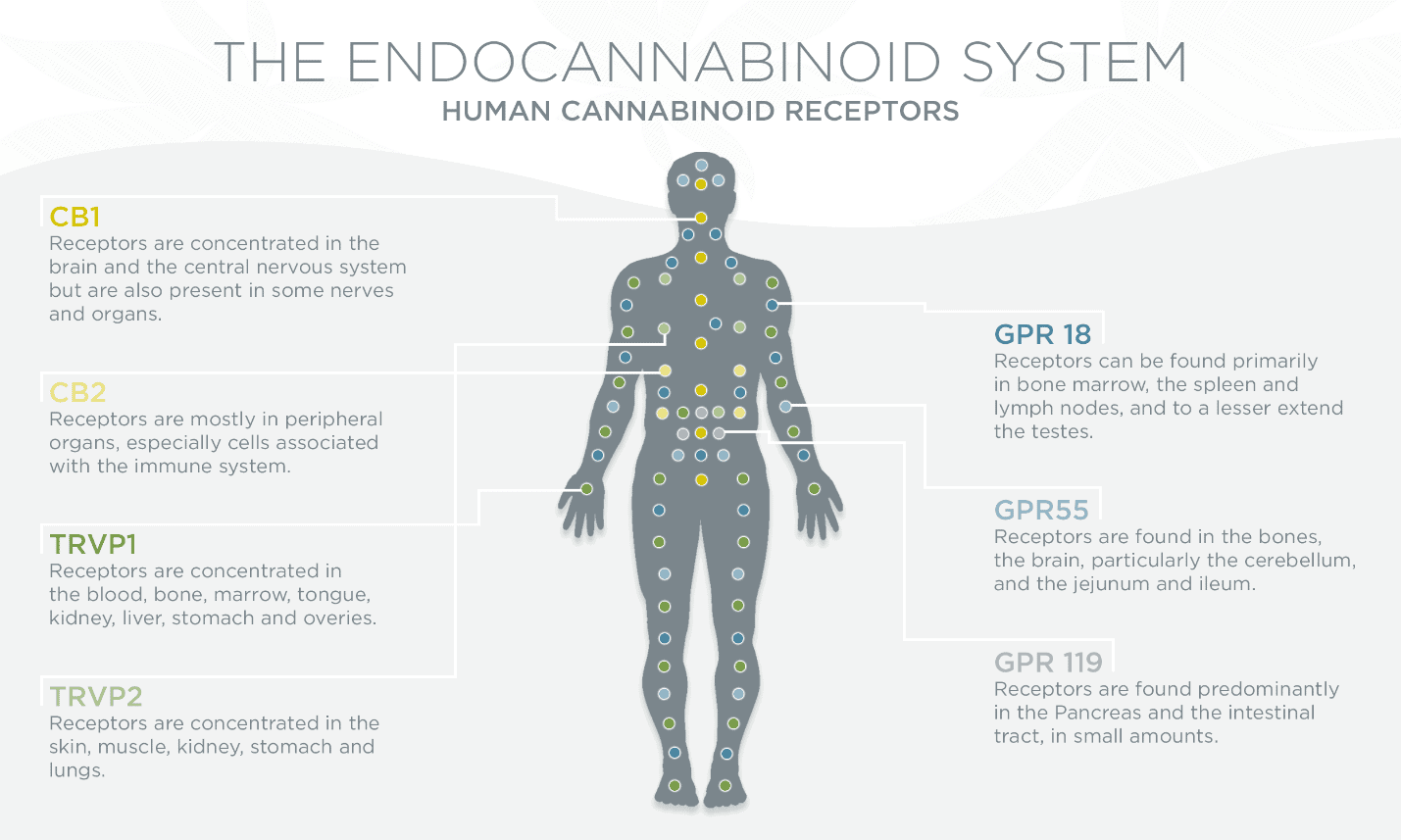
Your body's master regulatory system, the Endocannabinoid System (ECS), maintains balance and well-being by moderating mood, pain, immune responses, and sleep. It operates through receptors, enzymes, and endocannabinoids, acting as a master regulator for your physiological balance. CBD interacts with the ECS, enhancing its efficiency without directly binding to receptors. Supporting your ECS through lifestyle choices like diet and exercise is essential for wellness. Discover more about optimizing this crucial system.
Although it might sound complex, the endocannabinoid system (ECS) is an integral part of your body's ability to maintain balance and well-being. This intricate system influences everything from your mood to your immune response, making it a vital focus in ECS research.
By understanding the endocannabinoid effects, you're better equipped to support those around you in their wellness journeys.
The ECS comprises receptors, enzymes, and endocannabinoids, all working together to keep your body in harmony. It's a network that guarantees peak functioning despite life's challenges. Imbalance within the ECS is linked to various health issues, highlighting its importance in maintaining overall health.
Receptors, enzymes, and endocannabinoids collaborate to ensure your body's optimal harmony amidst life's challenges.
As someone who cares deeply about helping others, knowing how this system impacts health can empower you to guide them towards more balanced lives. By embracing ECS insights, you can contribute positively to their well-being.
The Endocannabinoid System (ECS) is an indispensable network that extends through your central and peripheral nervous systems, immune cells, and various organs.
It was through endocannabinoid discovery that scientists began to understand this system's significance in maintaining balance within your body. This intricate system includes endocannabinoids, receptors like CB1 and CB2, and metabolic enzymes that work together to regulate essential functions such as mood, pain, and immune responses.
Endocannabinoid research has shown that this system is fundamental for overall well-being.
You've explored the foundational elements of the Endocannabinoid System (ECS) and its role in maintaining your body's equilibrium.
But is the ECS real? Extensive endocannabinoid research has conclusively validated its existence. Scientists across various fields have confirmed the ECS's integral part in human physiology, regulating numerous bodily functions.
By understanding its physiological implications, you're better equipped to support others in their wellness journeys. The ECS isn’t just a theoretical concept—it's a proven, essential system influencing your mood, pain, sleep, and immune responses.
Embracing this knowledge enables you to advocate for holistic health approaches that honor the innate wisdom of the body. The ECS's significance is undeniable, paving the way for informed wellness choices that benefit everyone.
You'll find that the endocannabinoid system (ECS) is essential in regulating key physiological processes, including mood, pain, and immune response. By binding to receptors throughout your body, endocannabinoids trigger specific responses that help maintain balance and health. Understanding how the ECS functions on a cellular level can highlight its importance to your overall well-being. The ECS, through its cannabinoid receptors CB1 and CB2, regulates various bodily functions and showcases its impact on overall health.
Understanding how the endocannabinoid system (ECS) works is key to appreciating its essential role in regulating your body's physiological processes. The ECS acts as a master regulator, guaranteeing physiological balance through endocannabinoid modulation. It influences significant functions like pain sensation, mood regulation, appetite, and immune response. By maintaining these processes within ideal ranges, the ECS contributes to your overall health and well-being. If you're passionate about serving others, acknowledging this balance is vital. You can help promote wellness by supporting the ECS's function. This system guarantees that your body operates efficiently, enhancing your ability to care for others. Cannabinoids, such as THCa and THCV, interact with the ECS and can provide specific therapeutic benefits, including anti-inflammatory and neuroprotective effects. Embrace strategies that support the ECS, like healthy lifestyle choices, to foster both your well-being and that of those around you.
Although often overlooked, the human endocannabinoid system (ECS) plays an essential role in maintaining your health by acting as a dynamic regulator for various physiological processes.
When you understand your ECS, you open up opportunities to support endocannabinoid health, enhancing your ability to serve others effectively.
This system guarantees system balance, adapting to environmental stressors, and maintaining internal harmony.
You might wonder if your furry friends, like cats and dogs, have an endocannabinoid system too. They do, and it's quite similar to yours, playing a key role in regulating their overall health and well-being. Understanding this system can help you make informed decisions about their wellness, potentially using products that support their ECS. Recognizing neurological symptoms in cats is crucial for early diagnosis and treatment, ensuring their endocannabinoid system is optimally supported.
Did you know that cats, much like humans, have an Endocannabinoid System? This intricate system plays a vital role in your feline friend's well-being.
Understanding how it influences cat behavior and health is fundamental for those dedicated to serving and caring for animals. The endocannabinoid effects are significant, impacting your cat’s mood, pain management, and overall physiological balance.
When your cat's ECS functions effectively, it can lead to a happier, healthier life. By recognizing the importance of this system, you can make informed decisions to support your pet's health.
Whether you're considering dietary supplements or other holistic approaches, knowing about your cat's ECS helps guarantee you’re providing the best care possible. Your commitment to their well-being makes a meaningful difference.
Have you ever wondered if dogs have an Endocannabinoid System like humans and cats? They do, and understanding your dog's ECS is essential for enhancing canine wellness.
This intricate system plays a key role in regulating their mood, appetite, pain, and overall health. Just like in humans, a balanced ECS in dogs contributes to their well-being and behavior.
As a pet owner, you're in a unique position to support your furry friend's health. By being informed about the ECS benefits, you can make better choices regarding their diet, exercise, and possible supplements, like full-spectrum CBD oil.
Supporting your dog's ECS helps maintain their balance and health, ensuring they lead a happy and healthy life. Third-Party Lab Testing
is crucial for ensuring CBD product purity and quality when considering supplements for your dog. Embrace this knowledge to serve your pet's needs effectively.
When you use CBD, it interacts with your Endocannabinoid System (ECS) in a unique way. CBD doesn’t bind directly to CB1 or CB2 receptors but influences them indirectly, enhancing your ECS's efficiency. This interaction helps regulate various functions like mood, sleep, and immune response, promoting overall well-being. The entourage effect achieved with full spectrum CBD products enhances therapeutic effects through the combined action of cannabinoids and terpenes.
Many people wonder how CBD interacts with the body's endocannabinoid system (ECS) to promote well-being.
CBD effects are subtle yet influential, as it indirectly modulates the ECS. Unlike THC, CBD doesn't bind directly to the CB1 or CB2 receptors. Instead, it influences receptor activity and enzyme function, fostering balance within the ECS. The entourage effect is a concept that highlights how CBD, along with other compounds like terpenes, can work synergistically to enhance therapeutic outcomes, optimizing the ECS's ability to manage various conditions.
This ECS modulation can support your body's ability to manage stress, regulate mood, and maintain overall health. By incorporating CBD into your routine, you're providing a gentle nudge to your ECS, helping it perform efficiently.
This natural approach can be a meaningful way to enhance wellness for yourself and those you care for, allowing you to serve others with a healthier and more balanced presence.
To support and optimize your endocannabinoid system, it’s crucial to restore balance through natural approaches. You can enhance this system by incorporating stress management, regular exercise, and a balanced diet rich in omega-3 fatty acids. Additionally, using full-spectrum CBD oil may boost your ECS's efficiency, promoting overall well-being. The entourage effect of full-spectrum CBD enhances its therapeutic potential, providing a broader spectrum of benefits for diverse health needs.
While understanding the intricate workings of your Endocannabinoid System (ECS) may seem challenging, taking steps to restore its balance is straightforward.
By focusing on endocannabinoid therapy, you can support your ECS effectively. Incorporating CBD oil, such as the Genesis Blend Full Spectrum, provides targeted supplementation that interacts with ECS receptors, promoting balance. Genesis Blend CBD oil
is a full-spectrum hemp oil with over 12 natural cannabinoids and terpenes, enhancing synergy with the ECS.
Dietary influences also play a crucial role; nourishing your body with a balanced diet rich in omega-3 fatty acids can bolster ECS function.
Prioritizing a lifestyle that reduces stress and includes regular exercise further aids in maintaining ECS health.
Enhancing your Endocannabinoid System (ECS) naturally can be both simple and effective.
By incorporating omega-3 fatty acids into your diet, you can support the production of endocannabinoids, which play a role in maintaining balance and enhancing wellness. Foods rich in omega-3s, such as fish, flaxseeds, and walnuts, are excellent choices.
Regular exercise is another key factor, as it boosts endocannabinoid activity, providing endocannabinoid benefits like improved mood and reduced stress.
Incorporating stress-reduction techniques, like meditation or yoga, can further optimize your ECS, promoting overall well-being. Additionally, using products that contain MCT oil and CBD may provide synergistic effects that enhance cognitive and physical performance, potentially supporting your ECS.
Although the endocannabinoid system (ECS) mightn't be as well-known as other bodily systems, its potential to impact your overall health is immense. By understanding and embracing the endocannabinoid benefits, you can support wellness optimization in your life.
The ECS helps regulate vital functions like mood, pain, and immune response, contributing to a more balanced and healthier you.
To truly serve others, consider how supporting your own health through the ECS allows you to be at your best for them. By making informed lifestyle choices and considering targeted supplementation, you can enhance your quality of life.
Embrace the potential of the ECS as a pathway to improve not only your life but also the lives of those around you.
Absolutely, your diet can influence the effectiveness of the endocannabinoid system. Consuming healthy dietary fats can support cannabinoid receptors, enhancing their function. By prioritizing good nutrition, you're serving your body and helping it maintain balance and well-being.
Enhancing the system's balance is like tuning an instrument; potential risks include long-term effects if you overlook dosage considerations. Individual variability matters, so harmonize cautiously and serve your well-being by listening to your body's unique melody.
Genetic variations can influence how your cannabinoid receptors function, impacting your body's balance. Understanding these differences helps you serve others by tailoring wellness approaches, ensuring everyone benefits from enhanced endocannabinoid system support for ideal health and well-being.
Your stress levels impact your endocannabinoid balance by altering your body's stress response. Managing stress effectively helps maintain this balance, supporting your well-being and enabling you to serve others with a calm, focused, and resilient mindset.
Exercise benefits include improved mood, enhanced sleep, and reduced stress. It also boosts endocannabinoid modulation, helping your body achieve balance. By prioritizing fitness, you support your ECS, enhancing its efficiency and empowering you to better serve others.

Anxiety can affect sleep, focus, mood, and everyday routines. For some people, it shows up as occasional stress. For others, it can become persistent enough to interfere with work, relationships, or daily life. If anxiety is frequent, worsening, or hard to manage, it is important to speak with a licensed healthcare professional. Evidence-based treatments such as cognitive behavioral therapy, medication, or a combination of both remain standard options for anxiety disorders.
CBD gummies are popular because they are easy to take, discreet, and simple to fit into a daily routine. But the smartest way to shop for them is not by chasing bold promises. It is by reviewing the evidence, checking product quality, and understanding safety. Current research on CBD and anxiety is still evolving. Some small human studies suggest CBD may help in certain settings, but broader reviews still describe the evidence as limited or mixed. CBD is also not FDA-approved as a treatment for anxiety.
This guide explains what to look for in the best CBD gummies for anxiety, why many shoppers compare full-spectrum CBD and its cannabinoid profile, how to review a Certificate of Analysis, and how to choose a product with more realistic, safety-first expectations.
There is a reason so many people search for the best CBD gummies for anxiety: they want a simpler, gentler option for everyday stress. That interest makes sense, but it also means shoppers need a careful, evidence-aware approach. Federal health agencies describe the science as early rather than settled. In other words, CBD is a topic of active research, not a shortcut around diagnosis or treatment.
Small studies have suggested CBD may help reduce anxiety in select situations, including public-speaking models. At the same time, more recent reviews have concluded that the overall evidence base is still too limited to make sweeping treatment claims. That matters because online marketing often sounds more certain than the research actually is.
The takeaway is straightforward: a high-quality CBD gummy may be a reasonable product to research if you want a non-smoking format and you understand its limits, but it should not be framed as a cure, a replacement for mental health care, or a guaranteed answer for chronic anxiety, panic disorder, or trauma-related conditions.
When a page discusses anxiety, it enters clear Your Money or Your Life territory. That means the content should help readers make safer decisions, avoid exaggerated promises, and know when professional care matters most. A trustworthy page should do three things well: explain uncertainty honestly, describe safety clearly, and help readers evaluate quality before they buy.
If you are comparing CBD gummies for stress, anxious feelings, or relaxation support, focus less on hype and more on the basics below.
One of the first questions to ask is whether the gummy is full-spectrum, broad-spectrum, or isolate. Full-spectrum products include CBD plus other naturally occurring hemp compounds, including trace THC. Broad-spectrum products aim to remove THC while keeping some additional cannabinoids. Isolate contains CBD only.
Many experienced shoppers prefer full-spectrum formulas because they want the broader plant profile rather than CBD alone. If you are comparing formats, this overview of what full-spectrum CBD means and how it differs from other extracts is a useful starting point.
A CBD gummy should be easy to verify. That means the company should make a current, batch-specific Certificate of Analysis available and the label should be clear about CBD amount per gummy, total CBD per package, and THC disclosure. If you have to dig for the basics, that is a red flag.
Before buying, review a product the same way you would review a supplement for someone you care about. Check the ingredients, serving size, hemp source, and whether testing is easy to find. This CBD gummy safety checklist covers the most important items to review before you order.
The best CBD gummies for anxiety should be easy to understand. Look for a clean ingredient panel, sensible flavoring, and clear serving information. Be cautious with products that look more like novelty candy than wellness products. A gummy format can be convenient, but it also needs responsible storage, especially around children and pets.
This point is often overlooked. Full-spectrum gummies may contain trace THC, which can matter if you are drug tested, highly sensitive to THC, or simply want to know exactly what you are taking. “Hemp-derived” does not tell you enough on its own. The label and COA should make the cannabinoid profile easier to verify.
Many people search for “CBD gummies dosage for beginners” or “how many CBD gummies should I take for anxiety.” The most cautious answer is to start low, follow the product label, and track how you respond rather than assuming more is better. Research settings have often used doses that differ from everyday consumer gummies, so it is smart to avoid treating a gummy like a prescription product.
A more balanced answer is that full-spectrum gummies may be the better fit for some shoppers, but not because anyone can honestly promise they will work for every person with anxiety. The appeal of full-spectrum CBD is the wider hemp profile: CBD plus minor cannabinoids and terpenes rather than CBD alone. Many consumers prefer that broader formulation when shopping for calm, relaxation, or overall wellness support.
For readers comparing “full-spectrum vs. isolate CBD gummies for anxiety,” the best approach is to focus on what the product actually contains, how transparent the testing is, and whether the company explains the extract clearly. A well-made product with a clear COA and a realistic label is more useful than a page that promises dramatic results without evidence.
When shoppers want a full-spectrum gummy from a company that explains its process, Bluegrass Hemp Oil stands out for a few practical reasons. The brand emphasizes Kentucky-grown hemp, a full-spectrum extract approach, and direct education around safety and product quality. That combination matters more than flashy claims.
If hemp source matters to you, Bluegrass Hemp Oil’s product education consistently centers on Kentucky-grown hemp and a full-spectrum formulation. That gives shoppers more context about how the product is made and what type of extract they are comparing.
One thing I value in this category is whether a company helps readers slow down and verify details. Bluegrass Hemp Oil has dedicated resources on gummy safety, storage, THC disclosure, and what to review before buying. That is the kind of supporting content a YMYL page should connect readers to, not just a sales pitch.
If you want to compare options directly, you can browse Bluegrass Hemp Oil’s full-spectrum CBD gummies and review the format, flavors, and serving information before deciding. If you prefer to shop locally, this guide to CBD gummies in Lexington, KY explains where local customers can find them and what makes the store experience useful for first-time buyers.
If you decide to try a CBD gummy, a safer approach starts with expectations. A gummy is not a diagnosis tool, not a substitute for therapy, and not a replacement for prescribed care. It is simply one product format people sometimes explore as part of a broader wellness routine.
Use the product label as your guide. Start with the lowest practical serving and give your body time to respond. Keep notes on the timing, how you felt, and whether you noticed drowsiness or digestive discomfort. Consistency and observation matter more than taking too much too quickly.
If you already take medications for anxiety, panic, sleep, pain, or mood, speak with your healthcare professional before adding CBD. Drug interactions are one of the most important safety issues in this category. It is also wise to be cautious with alcohol and other products that can increase drowsiness.
Because gummies can resemble candy, they should always be stored securely and kept away from children and pets. This is especially important with full-spectrum products that may include trace THC.
You should speak with a clinician before trying CBD gummies if you are pregnant, breastfeeding, taking prescription medications, managing a diagnosed mental health condition, preparing for drug testing, or trying to make decisions for a child. That conversation matters even more if anxiety is affecting sleep, work, school, relationships, or daily functioning.
For adults, the goal is to rule out medication interactions and make sure you are not delaying evidence-based treatment. For children, the standard should be even higher. Parents researching this topic should not rely on marketing language alone. Instead, start with pediatric guidance and safety review. If this is part of your family’s research, these pages on CBD gummies for kids with anxiety and stress and CBD gummy safety considerations for children are best read as discussion starters to bring to a pediatrician, not as substitutes for medical advice.
The most common mistake is buying the product with the boldest promise instead of the clearest documentation. A strong CBD page should show testing, spectrum type, serving information, and THC disclosure.
If you never review the Certificate of Analysis, you are trusting the label without verification. That is not a smart move in a category where quality can vary.
Natural does not mean risk-free, especially if you take other medications or are sensitive to sedating products. CBD can still have side effects or interaction concerns.
If anxiety symptoms are severe, persistent, or escalating, do not let a supplement-style product delay real care. A quality CBD gummy page should point readers toward evaluation when symptoms cross that line.
The best CBD gummies for anxiety usually share the same core traits:
That is the framework I recommend using before you compare flavor, packaging, or price.
No. CBD gummies should not be described as a cure for anxiety. Research is still developing, and CBD is not FDA-approved as a treatment for anxiety. If anxiety is affecting daily life, speak with a licensed healthcare professional.
CBD itself is not intoxicating in the way THC is, but full-spectrum products may contain trace THC. Read the label and COA carefully, especially if you are sensitive to THC or want to avoid it.
They can. Full-spectrum products may include trace THC, and even low levels can matter in some testing situations. If drug testing is part of your job, athletics, or legal situation, review the COA closely and talk with the testing authority if needed.
Not automatically. CBD can interact with other medications. If you take SSRIs, SNRIs, benzodiazepines, sleep medications, blood thinners, or other prescription drugs, talk with your healthcare professional before using CBD.
If you are searching for the best CBD gummies for anxiety, the right question is not simply “Which gummy is strongest?” It is “Which product is easiest to verify, safest to compare, and most realistic about what it can and cannot do?”
That is why full-spectrum shoppers often start with formulation clarity, hemp source, batch testing, and THC disclosure. If those details matter to you, begin by reviewing the current Bluegrass Hemp Oil gummy collection, compare the brand’s explanation of full-spectrum CBD, and use the site’s CBD gummy safety guide before you make a decision.
Medical note: This article is for educational purposes only and is not medical advice. It is not intended to diagnose, treat, cure, or prevent any disease. If anxiety is persistent, worsening, or affecting daily life, seek guidance from a licensed healthcare professional.

Cannabinoids are naturally occurring compounds found in the cannabis plant, responsible for many of its therapeutic benefits. These compounds interact with the body's endocannabinoid system (ECS) to regulate various physiological processes, such as mood, pain, appetite, and immune response.
Understanding the effects of different cannabinoids can help you choose the best products for your needs.
Cannabinoids interact with cannabinoid receptors in the brain, primarily CB1 and CB2 receptors. These interactions influence various mental and physical processes.
Understanding Cannabinoids - Dive into the world of cannabinoids and their impact on your health.
When it comes to maximizing the benefits of cannabinoids, choosing the right oil base is crucial. We believe that MCT oil offers the best results in a base oil to deliver our Genesis Blend full spectrum extract in.
While water-soluble cannabinoids have gained attention for their purported ease of absorption, it's important to note that no conclusive studies have been conducted to prove that they are more efficient than traditional fat-soluble cannabinoids.
Cannabinoids are naturally fat-soluble, which means they are optimally absorbed when paired with a fat-based carrier, such as MCT oil. The process of making cannabinoids water-soluble involves separating them from their natural lipid-based parts, which may reduce their effectiveness. This separation can interfere with the synergistic entourage effect that occurs in full spectrum CBD oil, where all the cannabinoids and terpenes work together to enhance the therapeutic benefits.
Read Our Harrelson’s Own CBD Oil Review - See how this new CBD oil compares to others on the market.
For those seeking the best results from their CBD oil, full spectrum CBD in a carrier oil like MCT is the preferred choice. Full spectrum CBD contains all the naturally occurring compounds in the cannabis plant, preserving the entourage effect, which is crucial for maximizing the oil's potential benefits. MCT oil, being a fat-based carrier, enhances the absorption of these cannabinoids, ensuring that you receive the full therapeutic effects of the product.
When it comes to reaping the full benefits of CBD oil, natural full spectrum oils offer a significant advantage. These oils contain a wide range of natural cannabinoids that work together to create the entourage effect, amplifying the therapeutic potential of each compound. In contrast, water-soluble and synthetic cannabinoids are often isolated single molecules, which do not produce this synergistic effect.
For those seeking the maximum benefits from their CBD oil, it is crucial to choose full spectrum CBD products like Genesis Blend from Bluegrass Hemp Oil. These products are carefully crafted to preserve the natural harmony of cannabinoids, providing you with a more effective and holistic wellness solution.
CBD is one of the most prevalent cannabinoids currently being studied and researched for its therapeutic value. This compound is popular because of its wide array of uses without the “stoned” feeling associated with THC. Most CBD products today are derived from hemp, which contains a much higher amount of CBD and less than 0.3% THC. Some of the main benefits of Cannabidiol include pain relief, reduced anxiousness, reduced inflammation, lessened seizures and convulsions, blood sugar regulation, sleep regulation, and many more.
CBD is unique in that it does not directly bind to CB1 or CB2 receptors in the body but interacts with several other non-cannabinoid receptors and ion channels, including serotonin receptors, TRPV1 receptors (involved in pain and inflammation), and GPR55 receptors (which influence bone density and blood pressure). CBD has also been known to counteract the psychoactive effects of THC while boosting the therapeutic benefits of both cannabinoids. Additionally, research suggests that CBD has antioxidant and neuroprotective properties, making it a compound of interest in neurodegenerative diseases like Alzheimer’s and Parkinson’s.
Learn more about the benefits and uses of Cannabidiol (CBD)
CBDa is the acidic precursor to CBD and is found in hemp in its natural state before decarboxylation (the process of applying heat) converts it into CBD. If you were to extract oil from the hemp bloom straight off the plant, the central compound would be CBDa. While CBD is generally the main known compound in CBD products, full spectrum products can also contain small amounts of CBDa, THCa, THC, and many other beneficial cannabinoids and terpenes.
CBDa has its own distinct benefits, including reducing inflammation, lowering seizure frequency, relieving nausea, and potentially aiding in the treatment of certain mood disorders like anxiety and depression. Recent studies suggest that CBDa might also have a stronger affinity for certain serotonin receptors than CBD, indicating its potential use as an antiemetic, especially for chemotherapy-induced nausea and vomiting.
Discover the Benefits of CBDA - Learn how CBDA differs from CBD and why it's gaining attention in the wellness world.
THC is the most well-known cannabinoid found in cannabis, primarily due to its psychoactive effects and its status as the most predominant cannabinoid in marijuana. THC binds strongly to CB1 receptors in the brain, leading to the "high" that users experience. Its therapeutic values include pain relief, appetite stimulation, reduction of nausea and vomiting, and, in some cases, it may help with anxiety and mood disorders.
THC has also been studied for its neuroprotective properties, making it a candidate for the treatment of conditions like multiple sclerosis, spinal cord injuries, and neuropathic pain. Additionally, THC may have anti-inflammatory and antioxidant properties that contribute to its overall therapeutic potential.
THCa is the raw, non-psychoactive form of THC, naturally present in the cannabis plant. As the plant dries, THCa slowly converts to THC, a process expedited by the application of heat (decarboxylation). While THCa does not produce the psychoactive effects of THC, it has been studied for its potential therapeutic benefits, which include anti-inflammatory effects, neuroprotective properties, anti-emetic effects (preventing vomiting), and anti-proliferative properties, which may help in the fight against cancer cells.
THCa may also aid sleep by reducing inflammation and pain, thus providing a more restful experience. Recent studies suggest that THCa might also play a role in immune system modulation, making it a compound of interest for autoimmune diseases.
THCV is similar in molecular structure and psychoactive effects to THC, but the two cannabinoids have different effects. While THC is known for stimulating appetite, THCV is known for suppressing it. Some noted results of THCV include appetite suppression, blood sugar regulation, and reducing insulin resistance, which is particularly beneficial for people with type 2 diabetes.
THCV has also been shown to reduce panic attacks without suppressing emotion, making it a potential treatment for anxiety disorders. Additionally, THCV is being studied for its ability to promote bone growth and decrease the frequency and severity of seizures. Unlike THC, THCV's psychoactive effects are more noticeable at higher doses and may even counteract some of the effects of THC at lower doses.
CBG is often referred to as the “mother of all cannabinoids” because it is the chemical precursor to THCa, CBDa, and CBC. During the plant's growth, enzymes convert CBG into one of these other cannabinoids, meaning that CBG is typically found in very small amounts in mature cannabis plants (usually less than 1%). Despite its lower concentration, CBG has several potential benefits. These include aiding sleep, promoting bone growth, reducing intraocular pressure (which may be beneficial for glaucoma patients), and slowing bacterial growth.
CBG has also shown promise as an anti-inflammatory agent and is being studied for its neuroprotective properties, particularly in the treatment of neurodegenerative diseases like Huntington’s disease. Additionally, CBG may have potential anti-cancer properties and is being investigated for its role in inhibiting the growth of colorectal cancer cells.
CBC is a lesser-known cannabinoid but is considered to be a significant player in the overall effects of full spectrum cannabis products. CBC is thought to work synergistically with other cannabinoids, particularly THC and CBD, to enhance their effects. Some of the studied benefits of CBC include reducing inflammation, providing pain relief, and promoting bone growth.
Like CBD, CBC is non-psychoactive and does not bind directly to CB1 receptors. Instead, it interacts with other receptors in the body, including TRPV1 and TRPA1, which are involved in the perception of pain. CBC is also being studied for its potential anti-cancer properties and its ability to promote neurogenesis (the growth of new neurons), making it a cannabinoid of interest for treating conditions like Alzheimer’s disease and depression.
