What is Beta Caryophyllene?

What is Beta Caryophyllene?

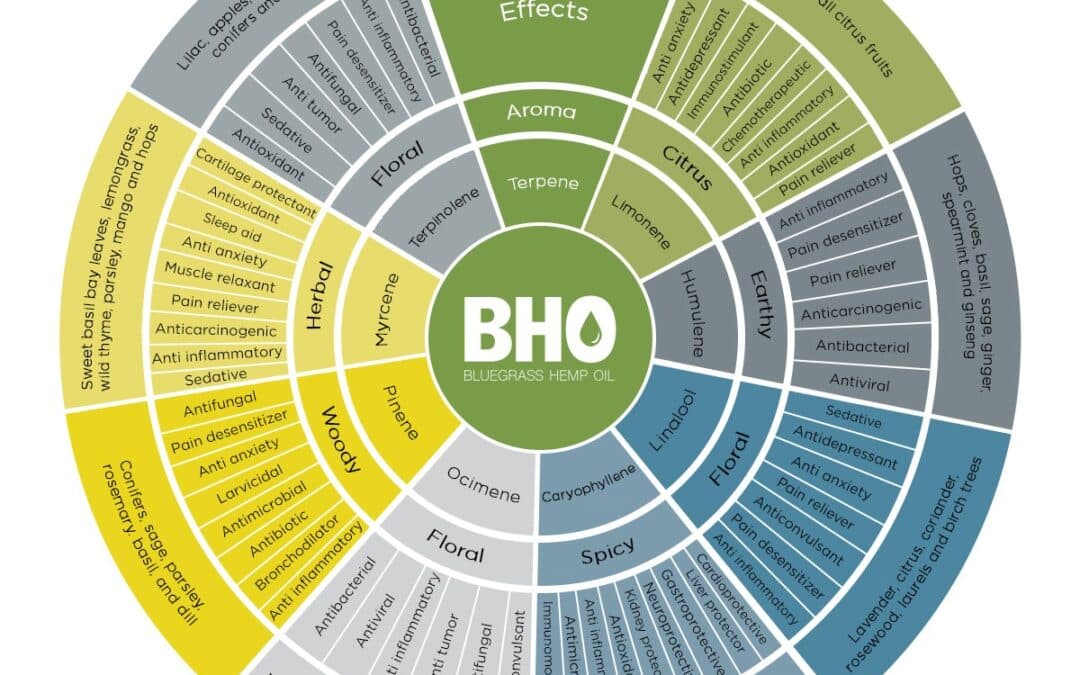
To help our loyal customers better understand the benefits of a full spectrum CBD extract, we are launching a blog series on terpene benefits! The first of this multi-part post will focus mailing on beta-caryophyllene, a terpene which is commonly found in our own sativa-bloom plants as well as in the final product of our Genesis Blend products.

What is Beta Caryophyllene?

Beta caryophyllene is a terpene found in a variety of plants and spices, including black pepper, basil, oregano, and hops. It is an active ingredient in many essential oils, as well as being a popular additive in food and cosmetics. Beta caryophyllene has a spicy, peppery aroma and is known for its anti-inflammatory and analgesic properties. Learn about the benefits of full spectrum CBD Oil.

Benefits of Beta Caryophyllene

Beta caryophyllene offers a variety of potential health benefits, including:

  • Anti-inflammatory: Beta caryophyllene has been studied for its anti-inflammatory properties, which could help to reduce inflammation in the body.
  • Analgesic: Beta caryophyllene has been found to be an effective analgesic, meaning it can help to relieve pain.
  • Antioxidant: Beta caryophyllene is a powerful antioxidant, which can help to protect the body from damage caused by free radicals.
  • Anti-anxiety: Beta caryophyllene has been found to have a calming effect, which can help to reduce anxiety and stress.

Uses of Beta Caryophyllene

Beta caryophyllene is used in many different ways, including:

  • Essential oil: Beta caryophyllene is a common ingredient in essential oils, which can be used for aromatherapy or topically applied.
  • Food and beverage: Beta caryophyllene is also used as a flavoring agent in food and beverages, and can be found in many beer and wine recipes.
  • Cosmetics: Beta caryophyllene is often used in cosmetics and skincare products, as it can help to reduce inflammation and soothe the skin.

Conclusion

Beta caryophyllene is a terpene found in many plants that offers a variety of potential health benefits. It is commonly used in essential oils, food and beverage, and cosmetics. Learn how terpenes can influance your endocannabinoid system, ECS. If you are looking for a natural remedy for inflammation, pain, or anxiety, beta caryophyllene may be a good option for you.

What Are Terpenes?

The term 'terpene' can be broadly defined as a chemical compound that naturally occurs in plant varieties and, sometimes, even animals. Chiefly known for their responsibilities in differentiating strains of cannabis by their aromas, maintaining the pigmentation of color in vegetables, and having a hand in the flavoring of some plants, uneducated minds often consider terpenes to be a mere anecdote in the grand scheme of cannabis products and their uses.

Found in several species of plants, herbs, and even animals, the primary function of these compounds are to "give plants their characteristic scents" (Lee, 2021.) Terpenes are responsible for giving that signature citrus smell to lemongrass oil, they are what make a pine tree smell of pine, and are the main culprits in providing cannabis flower with the notorious smell of sticky-sweet wood. Terpenes are also commonly found in everyday, mass-manufactured products such as lotions, perfumes, and even some foods.

More than any other plant we know of today, cannabis has been found to contain over 200 different terpenes: all which are more than capable of lending a helping hand to better your immune health.

With supposedly over 20,000 terpenes present in our environment today, it is safe to say that terpenes are everywhere. But they aren't just there to emit delicious aromas--terpenes have a wide variety of abilities: they help plants recover from damage, they aid in attracting pollinators, and you best believe they are more than capable of repelling predators from the plants in which they reside. And it isn't just plants that reap the benefits of terpenes--but humans too!

Terpene Benefits:

A majority of the terpenes that we're aware of today have been dubbed 'bioactive'--a term which, according to The Dictionary, is defined as "having a biological effect" (CITE.) Essentially, when a substance is classified as bioactive, it means that, if consumed, said substance could have an affect on the human body. This is all dependent on the concentration of the substance in question and the ways in which said substance was consumed.

Terpenes, when consumed, bind to receptors in our brains, thus producing "a physiological response that can influence the production of different neurotransmitters [such as] dopamine and serotonin" (Lee, 2021.) This ability that terpenes obtain--the power to positively impact our physical, mental, and emotional health--is the reason why terpenes are so often found in our essential oils and natural-based lotion products.

One study, in particular, tested the effectiveness of terpenes and the potential to use and manipulate them as an antiviral drug to combat against the COVID-19 disease.

In concluding their study, Shaghaghi's (2020) assumption was supported, ultimately finding that "the results of numerous studies have shown that protease inhibitors and compounds, which make up the major part of plant derivatives, especially terpenoids, can therefore be very effective in controlling virus-induced infection" (Shaghaghi, 2020.)

Eric Baron's (2018) extensive research on the medicinal properties of cannabis compounds educates us on the fact that each cannabis strain is intricately unique from the next. His 2018 study, which proposes a new treatment for migraines, headaches, facial pain, and, ultimately, those who have fallen victim to the opioid epidemic, found that, though all cannabis plants might not be the same, all of the naturally present ingredients (i.e. terpenes, flavonoids, and cannabinoids) "work synergistically to produce wide variations in benefits, side effects, and strain characteristics" (Baron, 2018.) To put it in layman's terms, when consumed, all of the differing compounds present within a cannabis plant band together to create an enhanced effect, offering potential healing benefits such as pain relief.

Baron supports this finding in his declaration that "there is accumulating evidence for various therapeutic benefits of cannabis/cannabinoids, especially in the treatment of pain, which may also apply to the treatment of migraine and headache. There is also supporting evidence that cannabis may assist in opioid detoxification and weaning, thus making it a potential weapon in battling the opioid epidemic" (Baron, 2018.)

While terpenoids are commonly thought of as merely the scent and flavor profile of cannabis plants, they also offer benefits unique to their individual makeup. Not only this, but they tend to magnify the benefits of cannabinoids in an occurrence known as The Entourage Effect.

Alone, terpenes offer a wide variety of benefits to heal ailments, ease pain, and alleviate anxiety. However, partnered with other ingredients naturally found in the original cannabis strain (such as other terpenes, flavonoids, and/or cannabinoids,) terpenes are key components to creating The Entourage Effect. Discovered by Raphael Mechoulam and Shimon Ben-Shabat in 1998, The Entourage Effect (a term commonly associated with the cannabis industry) is when all of the chemicals found in one particular cannabis strain work together to produce an enhanced effect (Ben-Shabat, S., et.al, 1998.) The notion of The Entourage Effect backs the argument we make here, at Bluegrass Hemp Oil, which claims that a full spectrum product offers a greater healing power than any broad spectrum or CBD isolate product ever could.

Our Hydrocarbon Extraction Method: 

So what makes a product truly full spectrum? What is the defining component in the production process that allows a CBD product to maintain all of its original, natural ingredients for our benefit?

The answer is simple: it is the hydrocarbon extraction method. The BHO hydrocarbon extraction method is our extraction method of choice because of its ability to keep our products full spectrum.

Some extraction processes are meant to isolate particular components of the plant, removing the beneficial and natural elements of said plant that help contribute to its already present therapeutic properties.

Our products contain trace amounts of THC (that meet the standard legal requirement for production) because, when removing specific cannabinoids (like THC) from the original plant, you lose the natural terpenes and flavonoids that help make the substance what it is: a natural healing supplement that can better the life of its consumer. In a hydrocarbon extraction method like ours, we aren't isolating anything--we’re not attempting to remove a specific compound within that plant, and we aren't trying to incorporate unnatural additives.

For terpenes to remain present in your final CBD product, they require a gentle extraction process. The gentler the process is, the more full spectrum your product will be and the closer your final product is to the original plant that was harvested.

The biggest issue in the CBD industry today is that there are lots of products on the market that are labeled/advertised as full spectrum, yet contain no THC. These products are not full spectrum, for they must contain all of the naturally occurring compounds in order to deserve the title.

In the opinion of our experts at BHO, the synergy of all of the varying present is what makes a product truly full spectrum: nothing is added, nothing is removed. Just as nature intended, in a process made as gentle as possible, the final CBD product found on our shelves is the most similar to its original state as it can be.

In the case of other extraction methods such as CO2 and ethanol extractions--though they are legitimate, admittedly even considered widely popular, in the cannabis industry--they come with a cost: that cost being the fact that the high pressure required to extract these natural compounds completely destroys the terpenoid content as a whole, leaving consumers without that entire category of therapeutic substances. In using these extraction methods, your CBD manufacturer is severely diminishing the likelihood of you seeing the benefits of the The Entourage Effect, offered by the natural makeup of original plant.

In making Bluegrass Hemp Oil's coveted Genesis Blend Hemp Extract, we place whole blooms from our Kentucky bred cannabis into our hydrocarbon extraction system. From this, our hydrocarbon machine creates an extremely safe, higher purity, pharmaceutical grade oleoresin that truly resembles the original plant from which it came. Hydrocarbons are non-polar, which means they bind to the fat-soluble components of the plant (i.e. cannabinoids and terpenes only) to gently extract these compounds from the plant material, while also eliminating non-essential elements. From this method, our golden-colored and earthy-scented Genesis Blend CBD oil is created.

Beta-Caryophyllene:

In the first installment of the Terpene Benefits Series, we're talking about beta-caryophyllene, or BCP.

Caryophyllene, a terpene also known as "beta-caryophyllene" is found in a variety of herbs and spices. This well-studied terpene has both antioxidant and anti-inflammatory properties, and it has been suggested as a treatment for anxiety, depression, and addiction.

Beta-caryophyllene is a prevalent terpene not only in our Genesis Blend Hemp Extracts, but also in black pepper, clove, rosemary, and many other common herbs.

Unique in its own way, B-caryophyllene can activate a cannabinoid receptor--creating an enhanced effect when found in a CBD oil. It's also been found that "the interaction of CBD + Beta-Caryophyllene can be a potential adjunctive treatment for substance abuse/addiction" (Foreverest Resources, 2021).

According to CITE "β-Caryophyllene has now been shown to be directly beneficial for colitis, osteoarthritis, diabetes, cerebral ischemia, anxiety and depression, liver fibrosis, and Alzheimer-like disease types" CITE also argues that beta-caryphyllene is proven to be extremely bioavailable, providing "an important medicinal benefit to oral cannabis preparations." (CITATION.)

Shop BHO's Terpene Benefits

If you're interested in testing out/reaping the benefits of a full spectrum product and getting a better understanding of the present terpenes and their effects, head on down to Bluegrass Hemp Oil. Find quality, personal assistance from one of our well-educated BHO employees at either of our Kentucky locations in Lexington or Midway--our experts love to help! Not in the area? No sweat! Bluegrass Hemp Oil's online presence is more than capable of assisting you with your purchase or even continuing your education on all things CBD--find us on Instagram, Facebook, or even our BHO website to get answers to your questions and assistance when you shop.

Citations:

Baron, E. P. (2018, July). Medicinal Properties of Cannabinoids, Terpenes, and Flavonoids in Cannabis, and Benefits in Migraine, Headache, and Pain: An Update on Current Evidence and Cannabis Science. pubmed.gov. Retrieved March 28, 2022, from https://pubmed.ncbi.nlm.nih.gov/30152161/

Ben-Shabat, S., Fride, E., Sheskin, T., Tamiri, T., Rhee, M. H., Vogel, Z., Bisogno, T., De Petrocellis, L., Di Marzo, V., & Mechoulam, R. (1998, July 17). An entourage effect: Inactive Endogenous Fatty Acid Glycerol Esters Enhance 2-Arachidonoyl-Glycerol Cannabinoid Activity. European Journal of Pharmacology. Retrieved March 28, 2022, from https://pubmed.ncbi.nlm.nih.gov/9721036/

Foreverest Resources. (2021, June 5). The benefits of the β-caryophyllene(bcp). Foreverest Resources. Retrieved April 5, 2022, from https://foreverest.cn/news-list/the-benefits-of-the-%CE%B2-caryophyllenebcp

Hartsel, J. (2016). Caryophyllene. Caryophyllene - An Overview | ScienceDirect Topics. Retrieved April 5, 2022, from https://www.sciencedirect.com/topics/medicine-and-dentistry/caryophyllene

Lee, C. (2021, June 2). Most Effective CBD Products – Why Terpenes are Important. Discover Magazine. Retrieved March 28, 2022, from https://www.discovermagazine.com/sponsored/most-effective-cbd-products-why-terpenes-are-important

Shaghaghi, N. (2020, March 6). Molecular Docking Study of Novel COVID-19 Protease with Low Risk Terpenoides Compounds of Plants. ChemRxiv. Retrieved March 28, 2022, from https://chemrxiv.org/engage/chemrxiv/article-details/60c74898f96a001f292870ad


The Benefits of Amazon Hemp Oil: Why You Should Buy Quality CBD Products from Reputable Companies

The Benefits of Amazon Hemp Oil: Why You Should Buy Quality CBD Products from Reputable Companies

What is Amazon Hemp Oil?

Amazon Hemp Oil is a product that is sold on the Amazon marketplace. It is marketed as a nutritional supplement made from cold-pressed hemp seeds. It is not the same as CBD oil, which is a much more potent product derived from the blooms of the hemp plant. Amazon Hemp Oil does not contain any cannabinoids, such as CBD, and is therefore not considered to be a medical product.

Amazon’s Policy on Hemp and CBD Products

Amazon has a strict policy on the sale of products containing hemp or CBD. According to their policy, “Products that contain hemp or CBD or other substances derived from cannabis are not allowed for sale on Amazon.” This means that any product that contains hemp or CBD oil, whether it is marketed as a nutritional supplement or a medicinal product, cannot be sold on Amazon. Click on the link to learn and watch Full Spectrum Living with CBD discuss the Benefits of CBD.

Why Should I Not Buy Hemp or CBD Products on Amazon?

It is importaessentialaware of the fact that Amazon does not allow the sale of hemp or CBD products, as it can be difficuchallengingermine the authenticity of such products. Fake or low-quality products may contain dangerous or even toxic ingredients that could cause serious health issues.

Also, Amazon does not provide any information about their hemp or CBD products' potency, which means no way to know how much active ingredient is in each product. Click on the link to learn about Everything You Need to Know About Hemp Seed Oil vs CBD Oil.

Where Can I Buy Quality Hemp and CBD Products?

If you are looking to purchase quality hemp or CBD products, it is best to purchase them from a reputable company such as Bluegrass Hemp Oil. Bluegrass Hemp Oil offers a wide range of high-quality CBD products, including tinctures, topicals, capsules, edibles, and more. All of their products are lab-tested to ensure quality and potency, and they are committed to providing customers with the best possible products and services.

AMAZON HEMP OIL vs. CBD OIL 

If you’re like us, you probably head straight to Amazon when looking to order specific products online. It’s convenient, usually fair priced, and if you’re a Prime member, you get free 2-day shipping! So why not go that route for your CBD oil? Here’s why: 

Amazon has strict policies regarding CBD products and does not allow the sale of products that contain a sufficient amount of CBD. Mane products that come up when you search for “CBD Oil” on Amazon are simply hemp seed oil. They will even go to the extent of putting serving suggestions on the bottles with a milligram content. The bottles usually claim something like “1000mg Hemp Extract” and, the nutritional facts say 33.3mg of hemp extract per milliliter. These amounts will vary by product, but be assured they are NOT CBD OIL. This pertains to all hemp products on Amazon, including topicals.  


HEMP SEED OIL vs. CBD OIL

While hemp oil is an excellent nutritional supplement, it is usually derived from cold-pressed hemp seeds and contains very little, if any, cannabinoids. CBD is still technically a hemp-derived oil, but it is harnessed from the plant's blooms of the plant. Hemp seed oil does not provide the same therapeutic benefits that CBD oil does. Click the link to learn more about Hemp Oil –What’s the Difference?


FAKE CBD OIL 

A recently published article has stated that there have been numerous cases of consumers getting ahold of “fake” CBD oil and causing many issues ranging from hallucinations, altered mental status, seizures, loss of consciousness, and more. Some of these products were found to be laced with a synthetic cannabinoid known as 4-cyano cumyl-botanica (4-CCB) and absolutely no CBD content. Federal health officials stated that these fake CBD products poisoned more than 50 people in Utah alone during the winter of 2017. 


MORAL OF THE STORY

Ensure you get natural CBD oil and know where it’s coming from! Rest assured that if you purchase from Bluegrass Hemp Oil, those bases are covered.

Conclusion

Amazon Hemp Oil is a product sold on the Amazon marketplace but does not contain cannabinoids, such as CBD. Amazon does not allow the sale of hemp or CBD products, and there is no way to ensure the authenticity or potency of hemp or CBD products sold on the platform. If you want quality hemp or CBD products, purchasing them from a reputable company such as Bluegrass Hemp Oil is best. Bluegrass Hemp Oil offers a wide range of high-quality CBD products and is committed to providing customers with the best products and services.


Indica vs Sativa for Pain? Why Cannabis Labels Do Not Predict Effects

Indica vs Sativa for Pain? Why Cannabis Labels Do Not Predict Effects

Cannabis label education

Indica vs Sativa for Pain? Why Cannabis Labels Do Not Predict Effects

Many people search for indica vs sativa for pain when trying to understand cannabis and pain-related claims. The safer answer is that indica and sativa labels do not reliably predict how a cannabis or hemp-derived product will affect someone.

A more useful approach is to review the plant’s chemotype, cannabinoid profile, THC content, terpene information, product label, Certificate of Analysis, lab-testing date, and safety warnings.

Author: Bluegrass Hemp Oil Editorial Team

Last updated: May 20, 2026

Article type: Educational cannabis label explainer

Medical review: Not a substitute for professional medical guidance

Is Indica or Sativa Better for Pain?

Neither label is a reliable medical guide. Indica and sativa are visual, morphological, and historical cannabis categories, not dependable predictors of pain-related effects. Product experience may depend on cannabinoid profile, THC content, CBD content, terpene profile, serving amount, product format, individual sensitivity, medication use, and whether the product is accurately labeled.

Myths About Indica, Sativa, and Pain-Related Searches

Search engines are full of simple strain-label explanations, but simple does not always mean accurate. Use the table below to separate common claims from safer, more useful product-literacy questions.

Common Claim Better Explanation
Indica is better for pain. Indica is not a reliable medical-effect category. Review cannabinoid profile, THC content, COA, and professional guidance instead.
Sativa is better for daytime pain. Sativa is not a reliable medical-effect category. The label alone does not prove how a product will affect someone.
CBD is the pain-relief cannabinoid. Retail CBD products should not be marketed as pain treatments. Review safety, labels, COAs, and healthcare guidance.
Terpenes prove effects. Terpenes may help describe aroma, but they should not be turned into pain, sleep, anxiety, or medical claims.

Hemp vs Marijuana: Legal Definition vs Botanical Chemotype

The legal THC threshold matters for compliance, but it does not fully explain the plant. Hemp and marijuana are both cannabis. Botanically, hemp-type cannabis is generally CBDa / CBD dominant, while marijuana or drug-type cannabis is generally THCa / THC dominant. These tendencies are shaped by genetics and cannabinoid synthase expression.

Category Legal / Botanical Explanation
Legal hemp Defined by THC compliance. Hemp rules focus on total THC compliance, including THCA conversion, at no more than the applicable legal threshold.
Botanical hemp-type cannabis Commonly CBDa / CBD dominant cannabis.
Marijuana or drug-type cannabis Commonly THCa / THC dominant cannabis.
Shared identity Hemp and marijuana are both cannabis.
Sativa and indica Visual, morphological, and historical plant-type labels that can appear across hemp-type and marijuana-type cannabis.

Sativa-like and indica-like visual traits can appear across hemp-type and marijuana-type cannabis. These labels should not be used as guarantees of relaxation, energy, sleep support, anxiety relief, pain outcomes, or medical benefit.

Why Indica and Sativa Labels Are Not Reliable Effect Claims

Indica and sativa labels may describe growth traits, leaf shape, plant structure, aroma expectations, or historical breeding language. They should not be used as guarantees of pain outcomes, relaxation, energy, sleep, anxiety changes, or medical benefit.

CBDa / CBD dominanceTHCa / THC dominanceCannabinoid profileTerpene profileTotal THCProduct formatServing labelCertificate of AnalysisLab-testing dateSafety warnings

Cannabinoids Matter More Than the Label

For shoppers comparing CBD and cannabis terminology, the product’s cannabinoid profile provides more useful information than an indica or sativa label. Even then, cannabinoid information should be used for product literacy, not self-treatment claims.

Compound Safe Explanation
CBDa The acidic precursor commonly associated with CBD-dominant hemp-type cannabis.
CBD A non-intoxicating cannabinoid. Retail CBD products are not FDA-approved for pain treatment.
THCa The acidic precursor commonly associated with THC-dominant marijuana or drug-type cannabis.
THC The primary intoxicating cannabinoid. THC may carry impairment, legal, drug-testing, and safety concerns.
CBN A cannabinoid associated with aged THC. Do not claim sleep or sedation benefits.
Terpenes Aromatic compounds that may contribute to product aroma, but should not be turned into pain, sleep, anxiety, mood, or medical claims.

What CBD Shoppers Should Review Instead

If you are comparing hemp-derived CBD products, focus on objective product information. This helps you evaluate labels and transparency without relying on indica or sativa marketing terms.

What to Review Why It Matters
CBD amount per serving Helps compare product strength.
Total CBD per package Helps compare oils, gummies, capsules, and topicals.
THC content Full-spectrum CBD may contain trace THC.
CBDa / THCa information if available Helps users understand chemotype and cannabinoid profile.
Product format Oils, gummies, capsules, and topicals are used differently.
Ingredients Helps identify allergens, sweeteners, carrier oils, or additives.
Batch number Should match the Certificate of Analysis.
Certificate of Analysis Supports cannabinoid and testing transparency.
Lab-testing date Helps verify product-specific testing.
Warning language Responsible brands include safety cautions.

Full-Spectrum CBD, THC, and Drug Testing

Full-spectrum CBD products may contain trace THC. People subject to workplace, athletic, professional, licensing, probation, or other testing should review product labels and Certificates of Analysis carefully before using CBD.

  • Hemp-derived does not automatically mean THC-free.
  • THC content should be reviewed on the product label and COA.
  • CBD itself is not typically the target of standard drug tests.
  • Trace THC may still matter for people subject to testing.
  • No CBD company should guarantee drug-test outcomes.

CBD Safety and Medication Cautions

CBD may interact with medications and may not be appropriate for everyone. People taking prescription medication, over-the-counter medication, herbs, supplements, sleep aids, sedatives, antidepressants, anti-anxiety medications, seizure medications, blood thinners, or liver-affecting drugs should speak with a licensed healthcare professional before using CBD.

  • CBD may cause drowsiness in some people.
  • CBD may not be appropriate during pregnancy or breastfeeding.
  • CBD may not be appropriate for people with liver concerns.
  • Do not stop, reduce, replace, or combine medications with CBD without medical guidance.

Review CBD medication interaction guidance

Where CBD Product Information Fits

Product links should help readers review labels, ingredients, CBD amount, THC content, Certificates of Analysis, lab-testing information, and product format details. Do not link products from pain, nerve pain, inflammation, arthritis, relief, treatment, or medical-effect language.

Product Label Review

Use product pages and education pages to compare CBD amount, ingredients, THC content, and warning language.

Read the CBD product label guide

Bluegrass Hemp Oil’s Approach to CBD Transparency

Bluegrass Hemp Oil focuses on CBD education, product transparency, lab testing, Certificates of Analysis, product labels, THC information, and customer support. These resources help adults review CBD product details before choosing hemp-derived CBD products.

CBD Product Labels

Understand CBD amount per serving, THC content, ingredients, and warning language before choosing a CBD product.

Read the CBD product label guide

CBD Lab Testing

Learn what lab testing can show about cannabinoid content, THC levels, and product transparency.

Learn about CBD lab testing

Related Cannabis Label and CBD Safety Resources

Frequently Asked Questions

Is indica or sativa better for pain?

Indica and sativa labels should not be used as medical guidance. They do not reliably predict pain-related effects.

Do indica and sativa have different cannabinoids?

They can, but the label itself is not enough. A product’s cannabinoid profile, terpene profile, THC content, Certificate of Analysis, and lab testing provide more useful information.

What is the real difference between hemp and marijuana?

Legally, hemp is defined by THC compliance. Botanically, hemp-type cannabis is usually CBDa / CBD dominant, while marijuana or drug-type cannabis is usually THCa / THC dominant.

Are hemp and marijuana both cannabis?

Yes. Hemp and marijuana are both cannabis, but they differ by legal classification, chemotype, breeding goals, and cannabinoid dominance.

Are sativa and indica types of hemp and marijuana?

Sativa and indica are visual, morphological, and historical cannabis labels. Both hemp-type and marijuana-type cannabis can show sativa-like or indica-like traits.

Does CBD treat pain or nerve pain?

Bluegrass Hemp Oil products are not intended to diagnose, treat, cure, or prevent pain, nerve pain, inflammation, arthritis, or disease.

Can full-spectrum CBD contain THC?

Yes. Full-spectrum CBD may contain trace THC. Review the product label and Certificate of Analysis before use.

Can CBD interact with medications?

Yes. CBD may interact with medications and may not be appropriate for everyone. Speak with a licensed healthcare professional before using CBD if you take medication.

Why do COAs matter for CBD products?

Certificates of Analysis help customers review cannabinoid content, THC levels, batch information, and available testing details. They support transparency but do not prove medical effectiveness.

What should I check before choosing a CBD product?

Review CBD amount per serving, THC content, ingredients, product directions, warning language, batch number, Certificate of Analysis, lab-testing date, and medication cautions.

Sources and Editorial Standards

This article is provided for educational purposes and is not medical advice. It is designed to help adults understand indica vs sativa search intent, cannabis labels, CBDa-dominant hemp, THCa-dominant marijuana, cannabinoids, terpenes, THC content, Certificates of Analysis, lab testing, medication-interaction concerns, and safety considerations before choosing hemp-derived CBD products.


Indica vs Sativa: Hemp, Marijuana, Cannabinoids, and COAs

Cannabis education, product labels, and transparency

Indica vs Sativa: Hemp, Marijuana, Cannabinoids, and What Labels Mean

Indica and sativa are widely used cannabis terms, but they are often treated as effect categories when they are better understood as visual, historical, and morphological labels. A more useful way to evaluate hemp-derived CBD products is to look at cannabinoids, terpenes, THC content, product labels, Certificates of Analysis, and lab testing.

By Bluegrass Hemp Oil Editorial Team
Last updated May 20, 2026
Educational article
Important safety note: This article is for educational purposes only and is not medical advice. Bluegrass Hemp Oil products are not intended to diagnose, treat, cure, or prevent disease. CBD may interact with medications and may not be appropriate for everyone. Full-spectrum CBD products may contain trace THC. Speak with a licensed healthcare professional before using CBD if you take medication, are pregnant or nursing, have a medical condition, or are subject to drug testing.

Quick answer

The Better Way to Understand Indica, Sativa, Hemp, and Marijuana

01

Both hemp and marijuana are cannabis

Hemp and marijuana are both forms of cannabis. Federal hemp rules use THC compliance to separate legal hemp from cannabis treated as marijuana under federal hemp rules.

02

Hemp is commonly CBDa or CBD dominant

Botanically and chemically, hemp-type cannabis is often selected for CBDA and CBD dominance rather than high THCA or THC expression.

03

Marijuana is commonly THCa or THC dominant

Marijuana, also called drug-type cannabis in some scientific contexts, is typically selected for THCA and THC dominance.

04

Sativa and indica are not effect guarantees

Sativa and indica labels should not be used to promise relaxation, energy, sleep support, anxiety relief, pain relief, or medical benefit.

05

Plant labels do not replace testing

Product-specific labels and lab reports are more useful than plant-type marketing terms when reviewing CBD amount, THC content, ingredients, and batch details.

06

COAs support transparency

Certificates of Analysis can support product transparency, but they do not prove that CBD treats symptoms, conditions, or disease.

Classification, not a promise

What Indica and Sativa Actually Describe

Indica and sativa are historical cannabis terms that are often used to describe plant appearance, growth traits, leaf shape, plant height, and breeding history. In consumer marketing, these labels are sometimes used as shorthand for expected experiences. That shortcut can be misleading.

Modern cannabis and hemp products should be evaluated by chemistry and transparency. A product label, cannabinoid panel, terpene information, THC content, serving details, ingredients, and a batch-specific Certificate of Analysis are more useful than an indica or sativa label.

For deeper background on cannabis compounds, learn about cannabinoids in hemp and review Bluegrass Hemp Oil terpene education.

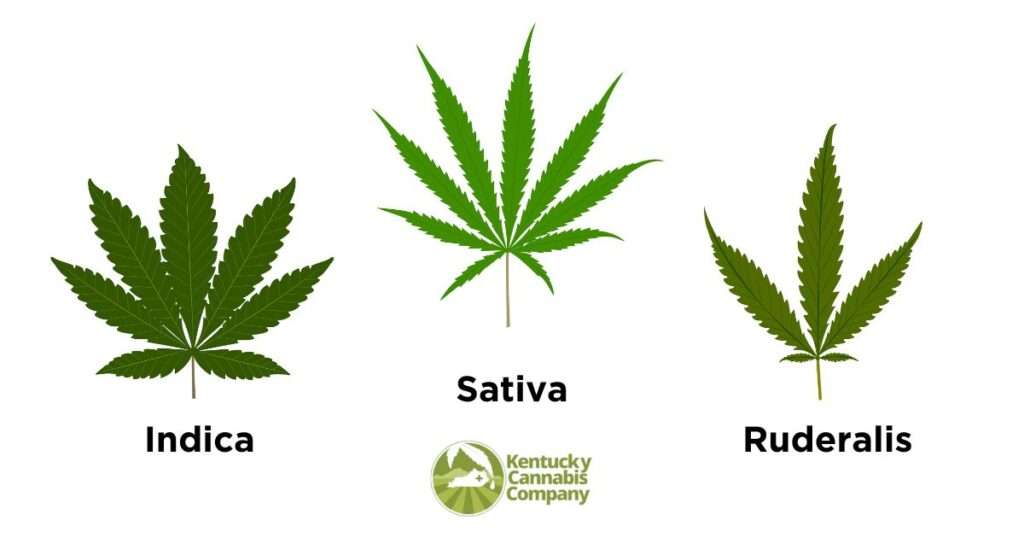
Cannabis leaf morphology comparison for indica sativa and ruderalis
Leaf-shape comparisons can be useful for plant education, but they do not replace product-specific cannabinoid and THC testing.

Sativa vs indica chart

What the Labels Can and Cannot Tell You

Term Useful For Not Reliable For What to Check Instead
Sativa Historical classification, plant shape, leaf structure, growth habit, and breeding context. Predicting energy, focus, anxiety relief, pain relief, sleep support, or medical benefit. Cannabinoids, terpenes, THC content, serving size, ingredients, product label, and COA.
Indica Historical classification, shorter or bushier plant descriptions, broader leaf traits, and morphology. Predicting relaxation, sedation, anxiety relief, pain relief, sleep support, or medical benefit. Cannabinoid panel, terpene panel, THC content, product directions, batch number, and lab report.
Hybrid Describing mixed breeding background or blended visual traits. Guaranteeing a balanced experience or specific outcome. Product-specific testing and a clear Certificate of Analysis.
Hemp-type cannabis Describing cannabis selected for hemp use and, often, CBDA or CBD dominance. Assuming THC-free status or assuming any medical effect. THC content, full-spectrum status, COA, lab-testing date, and warnings.
Marijuana or drug-type cannabis Describing cannabis typically selected for THCA or THC dominance. Assuming every product has the same chemistry or effect profile. State rules, THC amount, cannabinoid profile, terpene profile, and product-specific testing.

Legal plus botanical framing

Hemp vs Marijuana: The Legal Threshold Is Not the Whole Botanical Story

Legal hemp is defined by THC compliance. Under U.S. federal hemp rules, hemp is cannabis that meets the applicable THC threshold, and cannabis above that threshold is treated as marijuana under federal hemp rules. That legal distinction matters, but it is not the full botanical or chemical story.

Botanically and chemically, hemp-type cannabis is usually better understood as CBDa or CBD-dominant cannabis. Marijuana, or drug-type cannabis, is usually better understood as THCa or THC-dominant cannabis. These patterns are driven largely by genetics and cannabinoid synthase expression, including the plant's tendency to produce more CBDA or more THCA from shared cannabinoid precursors.

Plain-language takeaway: Legal hemp is defined by THC compliance. Botanical hemp is commonly CBDa or CBD dominant. Marijuana is commonly THCa or THC dominant. Both are cannabis, and both can show sativa-like or indica-like visual traits.

Cannabinoid chemistry

CBDA, THCA, and Why Genetics Matter

CBDA and CBD dominance

Hemp-type cannabis is commonly selected for a cannabinoid profile dominated by CBDA in the plant and CBD after processing or decarboxylation. This does not mean every hemp product is THC-free, and it does not mean a product has a medical effect.

THCA and THC dominance

Drug-type cannabis is commonly selected for a cannabinoid profile dominated by THCA in the plant and THC after processing, heating, or decarboxylation. THC content should always be reviewed through product-specific labeling and testing.

Cannabis plants make cannabinoids through biochemical pathways. CBDA and THCA are produced from shared cannabinoid precursors, and the plant's genetics help determine which acidic cannabinoid becomes dominant. That is why cannabinoid profiles and lab reports matter more than broad indica or sativa language.

For a broader introduction, read the endocannabinoid system guide. For product-level quality questions, read the CBD quality guide.

YMYL-safe consumer guidance

Why Indica and Sativa Should Not Be Used as Medical Categories

Indica and sativa terms should not be used to claim that a product will produce specific effects such as relaxation, energy, sleep support, anxiety relief, pain relief, or medical benefit. Those outcomes depend on many factors, including cannabinoid content, THC exposure, serving size, product format, other ingredients, medication use, health history, and individual response.

Bluegrass Hemp Oil products are not intended to diagnose, treat, cure, or prevent disease. If you take medication, use alcohol or sedating products, are pregnant or nursing, have a medical condition, or are subject to drug testing, speak with a licensed healthcare professional before using CBD.

Review CBD medication interaction guidance

Product transparency checklist

What to Check Before Choosing a Hemp-Derived CBD Product

What to Check Why It Matters
CBD amount per serving Helps you understand the product label and compare formats.
Total CBD per package Helps compare products without relying on marketing terms.
THC content Full-spectrum CBD products may contain trace THC.
Cannabinoid profile Shows whether a product is CBD dominant and what other cannabinoids are reported.
Terpene information Can describe aroma-related compounds, but should not be used as medical proof.
Ingredient list Helps identify carrier oils, allergens, sweeteners, flavors, and additives.
Batch number Should match the Certificate of Analysis for the product batch.
Certificate of Analysis Supports cannabinoid and testing transparency, but does not prove medical effectiveness.
Lab-testing date Helps confirm product-specific testing details.
Warnings and directions Responsible products include clear use directions and safety cautions.

Bluegrass Hemp Oil trust module

Our Approach to Cannabis and CBD Transparency

Product labels

Review serving information, THC content, ingredients, warnings, and directions before choosing a CBD product.

Read the CBD product label guide

Certificates of Analysis

Use batch-specific lab reports to review cannabinoid content, THC levels, and available testing details.

View Bluegrass Hemp Oil Certificates of Analysis

Lab testing

Understand what lab testing can and cannot tell you about cannabinoid content and product transparency.

Learn about CBD lab testing

Quality standards

Review how Bluegrass Hemp Oil approaches hemp sourcing, product education, and customer support.

Review Bluegrass Hemp Oil quality standards

Related education

Related CBD and Cannabis Transparency Resources

Frequently asked questions

Indica, Sativa, Hemp, Marijuana, and CBD Product Labels

What is the real difference between indica and sativa?

Indica and sativa are historical and visual cannabis labels. They may describe plant structure, leaf shape, growth pattern, or breeding history, but they are not reliable categories for predicting effects or medical outcomes.

Does indica always mean relaxing and sativa always mean energizing?

No. Those effect claims are marketing shortcuts, not dependable scientific rules. Cannabinoid content, terpene profile, THC amount, product format, serving size, and individual factors matter more than an indica or sativa label.

Are hemp and marijuana both cannabis?

Yes. Hemp and marijuana are both cannabis. Under U.S. hemp rules, legal hemp is defined by THC compliance, while marijuana is cannabis above the federal hemp THC threshold.

Is the 0.3% THC threshold the whole difference between hemp and marijuana?

No. The 0.3% THC threshold is the legal distinction used for federal hemp compliance. Botanically and chemically, hemp-type cannabis is commonly CBDa or CBD dominant, while marijuana or drug-type cannabis is commonly THCa or THC dominant.

Can hemp have sativa-like or indica-like traits?

Yes. Hemp-type cannabis and marijuana-type cannabis can both show sativa-like or indica-like visual traits. Those visual traits do not prove cannabinoid profile, THC content, or product effects.

What are CBDA and THCA?

CBDA and THCA are acidic cannabinoid forms produced by cannabis plants. Heat, time, and processing can convert CBDA toward CBD and THCA toward THC. The plant's genetics and cannabinoid synthase expression influence which cannabinoids dominate.

Why do product labels matter more than indica or sativa terms?

A label can show CBD amount, THC content, ingredients, directions, warnings, batch information, and product format. Indica and sativa terms do not provide that level of product-specific transparency.

Why do Certificates of Analysis matter?

A Certificate of Analysis can help customers review cannabinoid content, THC levels, batch information, and available lab-testing details. COAs support transparency, but they do not prove medical effectiveness.

Can full-spectrum CBD contain THC?

Yes. Full-spectrum CBD products may contain trace THC. Review the product label and Certificate of Analysis before choosing a product, especially if THC exposure matters to you.

Can CBD affect a drug test?

CBD itself is not typically the target of standard drug tests, but full-spectrum CBD products may contain trace THC. No CBD company should guarantee a drug-test outcome.

Are retail CBD products FDA-approved to treat medical conditions?

Retail CBD products are not FDA-approved to diagnose, treat, cure, or prevent disease. Speak with a licensed healthcare professional before using CBD if you take medication, are pregnant or nursing, have a medical condition, or are subject to drug testing.

What should I check instead of relying on indica or sativa marketing?

Review cannabinoids, terpenes, THC content, serving information, ingredients, product directions, warnings, batch number, Certificates of Analysis, lab-testing date, and company contact information.

Sources and references

Authoritative References Used for This Guide

This article is based on public cannabis, hemp, CBD safety, and product-testing information from government, academic, and peer-reviewed sources. These sources are included for education and do not make Bluegrass Hemp Oil products medical products.

CBD Starter Kit for Beginners: Labels, COAs, Safety, and What’s Included

CBD Starter Kit for Beginners: Labels, COAs, Safety, and What’s Included

Beginner CBD product guide

CBD Starter Kit for Beginners: Labels, COAs, Safety, and What’s Included

A CBD starter kit can help adults compare different CBD product formats in one bundle. Before choosing a kit, review what is included, CBD amount per serving, THC content, ingredients, product directions, Certificates of Analysis, lab-testing information, and safety warnings.

Author: Bluegrass Hemp Oil Editorial Team
Last updated: May 20, 2026
Genesis Blend CBD Starter Kit product bundle

Starter kit overview

Use this guide to review product formats, labels, COAs, THC content, ingredients, directions, and safety cautions before choosing a CBD kit.

Learn about CBD lab testing

What Is a CBD Starter Kit?

Voice search answer: A CBD starter kit is a bundle of CBD products designed to help adults compare different product formats, such as CBD oil, a topical product, and lip balm.

Different CBD formats have different directions, ingredient lists, and label details. Beginners should review serving information, THC content, product directions, the batch number, and the matching Certificate of Analysis before choosing a CBD kit.

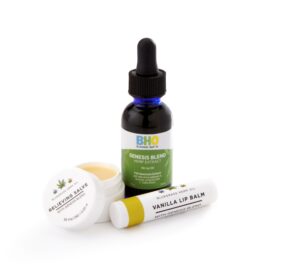
For the current kit contents and product-specific information, View Genesis Blend CBD Starter Kit product details.

What Comes in the Bluegrass Hemp Oil CBD Starter Kit?

The starter kit should be understood as an adult product-format bundle, not a first-aid kit or treatment kit. Avoid attaching CBD oil, salve, or lip balm to symptom or disease claims.

Product Format What to Review
Genesis Blend CBD Oil CBD per serving, total CBD, flavor, carrier oil, THC content, directions, product label, and Certificate of Analysis.
Travel-size CBD skin salve External-use directions, ingredients, skin-sensitivity cautions, product label, and Certificate of Analysis.
CBD lip balm Ingredients, external-use directions, CBD amount, skin sensitivity, product label, and Certificate of Analysis.

Who Is a CBD Starter Kit For?

May be a fit for adults who want to:

  • Compare CBD oil and topical product formats.
  • Review smaller-format CBD products before choosing a larger size.
  • Understand serving labels, directions, ingredients, and COAs.
  • Choose a gift for another adult who can review the product label.

Not a fit for:

  • Children or pets.
  • Pregnant or nursing users without clinician guidance.
  • Anyone expecting disease or symptom treatment.
  • Anyone taking medication without healthcare professional guidance.
  • Anyone subject to drug testing without reviewing THC content.

CBD Oil vs Topicals vs Lip Balm

CBD oil, topicals, and lip balm are different product formats. Use each product only as directed on its label, and review ingredients carefully before use.

Format How to Think About It Safely
CBD oil Oral CBD format. Review the serving label, THC content, Certificate of Analysis, ingredients, and medication cautions.
CBD skin salve External-use body-care format. Review ingredients, directions, and skin-sensitivity cautions. Avoid broken or irritated skin unless a qualified professional advises otherwise.
CBD lip balm External-use lip-care format. Review ingredients and stop use if irritation occurs.

For broader product-format education, Compare CBD oil, gummies, and capsules and Explore CBD topical product education.

What to Check Before Buying a CBD Starter Kit

Voice search answer: Before buying a CBD starter kit, review the label, CBD amount per serving, THC content, ingredients, directions, warning language, batch number, COA, and lab-testing information.

What to Check Why It Matters
CBD amount per serving Helps adults understand the product label.
Total CBD per product Helps compare kit sizes and formats.
THC content Full-spectrum CBD may contain trace THC.
Product directions Oil, salve, and lip balm are used differently.
Ingredient list Helps identify allergens, carrier oils, fragrances, sweeteners, or additives.
Batch number Should match the Certificate of Analysis.
Certificate of Analysis Supports cannabinoid and testing transparency.
Lab-testing date Helps confirm product-specific testing.
Warning language Responsible brands include safety cautions.
Adult-use guidance CBD products should be kept away from children and pets.

Full-Spectrum CBD, THC, and Drug Testing

Can full-spectrum CBD contain THC? Yes. Full-spectrum CBD products may contain trace THC. Hemp-derived does not automatically mean THC-free, and THC content should be reviewed on the product label and Certificate of Analysis.

Can CBD affect a drug test? CBD itself is not typically the target of standard drug tests, but trace THC may still matter for people subject to workplace, athletic, professional, licensing, probation, or other testing. No CBD company should guarantee drug-test outcomes.

Understand full-spectrum CBD products, Understand the difference between CBD and THC, and Learn whether CBD can matter for drug testing.

CBD Starter Kit Safety Notes

General safety review

  • For adult use only.
  • Keep CBD products out of reach of children and pets.
  • Use each product only as directed.
  • CBD oil is an oral product format.
  • Topicals and lip balms are external-use products.
  • Avoid contact with eyes.
  • Do not apply topical products to broken or irritated skin unless advised by a qualified professional.
  • Stop use if irritation occurs.

Ask a professional before use if:

  • You take prescription or over-the-counter medication.
  • You are pregnant or nursing.
  • You have a medical condition.
  • You are subject to drug testing.
  • You are combining CBD with alcohol, herbs, supplements, or products that may cause drowsiness.

For more context, Review CBD medication interaction guidance.

The Genesis Blend CBD Starter Kit product page should be linked only from neutral product-information sections. Product links should help adults review kit contents, product sizes, flavor options, ingredients, label information, COAs, and current product details.

View Genesis Blend CBD Starter Kit product details when you are ready to review current kit information.

Bluegrass Hemp Oil’s Approach to CBD Starter Kit Transparency

Bluegrass Hemp Oil focuses on CBD education, product transparency, lab testing, Certificates of Analysis, product labels, THC information, and customer support. These resources help adults review CBD product details before choosing hemp-derived CBD products.

CBD Product Labels

Understand CBD amount per serving, THC content, ingredients, directions, and warning language before choosing a CBD product.

Read the CBD product label guide

Certificates of Analysis

Review available product-specific lab reports before choosing a CBD product.

View Bluegrass Hemp Oil Certificates of Analysis

CBD Lab Testing

Learn what lab testing can show about cannabinoid content, THC levels, and product transparency.

Learn about CBD lab testing

CBD Quality Standards

Review how Bluegrass Hemp Oil approaches product transparency, customer education, and quality standards.

Review Bluegrass Hemp Oil quality standards

Related CBD Beginner and Product Transparency Resources

Additional education: Read the full CBD oil use guide, Learn about cannabinoids in hemp, Learn about the Bluegrass Hemp Oil process, and Contact Bluegrass Hemp Oil with CBD product questions.

Frequently Asked Questions About CBD Starter Kits

What is a CBD starter kit?

A CBD starter kit is a bundle of CBD products designed to help adults compare different product formats, such as CBD oil, a topical product, and lip balm.

What comes in the Bluegrass Hemp Oil CBD Starter Kit?

The kit includes Genesis Blend CBD Oil, a travel-size CBD skin salve, and CBD lip balm. Review the product page for current size, flavor, CBD amount, and ingredient details.

Is a CBD starter kit good for beginners?

A starter kit may be useful for adults who want to compare product formats, review serving labels, and understand Certificates of Analysis before choosing a larger product size.

Can children use a CBD starter kit?

No. CBD products should be kept out of reach of children and pets. Speak with a qualified healthcare professional before considering CBD for a child.

Can a CBD starter kit help with pain, anxiety, or sleep?

Bluegrass Hemp Oil products are not intended to diagnose, treat, cure, or prevent pain, anxiety, sleep problems, inflammation, mood concerns, or any disease.

Can full-spectrum CBD contain THC?

Yes. Full-spectrum CBD products may contain trace THC. Review the product label and Certificate of Analysis before use.

Can CBD affect a drug test?

CBD itself is not typically the target of standard drug tests, but full-spectrum CBD may contain trace THC. People subject to testing should review THC content and Certificates of Analysis carefully.

Can CBD interact with medication?

Yes. CBD may interact with medications and may not be appropriate for everyone. Speak with a doctor or pharmacist before using CBD if you take medication.

What should I check before buying a CBD starter kit?

Review CBD amount per serving, THC content, ingredients, product directions, warning language, batch number, Certificate of Analysis, and lab-testing information.

Are CBD topicals and lip balm used the same way as CBD oil?

No. CBD oil is an oral product format, while topicals and lip balm are external-use products. Use each product only as directed on its label.

Sources and Editorial Notes

This article is provided for educational purposes and is not medical advice. It is designed to help adults understand what a CBD starter kit includes, how CBD oil, topicals, and lip balm differ, how to review product labels, why THC content matters, how Certificates of Analysis support transparency, and what safety considerations apply before choosing hemp-derived CBD products.


CBD and Stress: Safety, Research Limits, Labels, and COAs

CBD Education • Safety First • Product Transparency

CBD and Stress: Safety, Research Limits, Labels, and COAs

Many adults search for CBD when they are looking for ways to support their daily routines during stressful seasons. Before choosing a CBD product, it is important to understand what research does and does not prove, how CBD differs from THC, what side effects are possible, and why product labels, Certificates of Analysis, and lab testing matter.

Educational notice: This article is for educational purposes only and is not medical advice. Bluegrass Hemp Oil products are not intended to diagnose, treat, cure, or prevent stress, anxiety, depression, sleep disorders, PTSD, mood disorders, pain, inflammation, or any disease. CBD may interact with medications and may not be appropriate for everyone. Speak with a licensed healthcare professional before using CBD if you take medication, are pregnant or nursing, have a medical condition, or are subject to drug testing.
Author: Bluegrass Hemp Oil Editorial Team
Last updated: May 19, 2026
Review note: Educational content, not a medical diagnosis or treatment guide.

What Is Stress?

Stress is a normal physical and emotional response to challenges, deadlines, uncertainty, or pressure. Occasional stress is common, but ongoing or overwhelming stress can affect sleep, focus, relationships, and overall health.

Stress is often connected to external pressure or life events. Anxiety can persist even when no immediate threat is present. This page does not diagnose stress, anxiety, depression, or any mental health condition. If symptoms feel persistent, intense, or disruptive, speak with a qualified healthcare professional.

For additional context, review the NIMH fact sheet on stress and anxiety and the NIMH overview of anxiety disorders.

Does CBD Help With Stress?

CBD should not be marketed as a treatment for stress, anxiety, depression, sleep disorders, PTSD, or mood disorders. Research is still developing, and consumer experiences vary.

Retail CBD products are not FDA-approved to treat stress or anxiety. CBD research is ongoing, and product labels, customer stories, and Certificates of Analysis should not be used as proof that a product has medical effects.

Anyone with persistent stress, anxiety, depression, sleep issues, or mood concerns should speak with a healthcare professional. For consumer safety context, review the FDA guidance on products containing cannabis or CBD.

Everyday Stress Support Should Start With Healthy Habits

CBD should not replace healthy stress-management habits, mental health support, medical care, sleep routines, movement, nutrition, or professional guidance. If you are using CBD as part of a broader wellness routine, review safety considerations first.

Take breaks from news or social media.
Practice breathing exercises, stretching, or meditation.
Keep a journal or gratitude list.
Spend time outdoors.
Connect with supportive people.
Prioritize steady sleep routines.
Move your body regularly.
Eat balanced meals and limit alcohol.
Speak with a healthcare professional when stress feels persistent or disruptive.

The CDC guidance on managing stress includes practical steps such as taking breaks, breathing, journaling, spending time outdoors, and connecting with others.

CBD Side Effects and Safety Cautions

CBD may cause side effects and may not be appropriate for everyone. Product quality, product type, other ingredients, medications, alcohol use, health history, pregnancy or breastfeeding status, and THC exposure all matter.

Safety Topic What to Know
Drowsiness CBD may cause sleepiness or drowsiness in some people.
Mood changes Some people may notice irritability, agitation, or other mood changes.
Digestive effects Diarrhea or appetite changes are possible.
Liver concerns People with liver issues or liver-affecting medications should ask a clinician before using CBD.
Medication interactions CBD may interact with medications, herbs, supplements, or alcohol.
Pregnancy and breastfeeding CBD should be avoided during pregnancy or breastfeeding unless directed by a qualified healthcare professional.
THC exposure Full-spectrum CBD products may contain trace THC.
Product quality Certificates of Analysis and lab testing help customers review product details, but they do not prove medical effectiveness.

For additional safety information, review CBD medication interaction guidance and the FDA guidance on cannabis, CBD, pregnancy, and breastfeeding.

CBD, Medications, Alcohol, and Drowsiness

Can CBD interact with medication? Yes. CBD may interact with medications and may increase drowsiness when combined with alcohol or sedating products.

People taking prescription medication, over-the-counter medication, herbs, supplements, sleep aids, sedatives, antidepressants, anti-anxiety medications, seizure medications, blood thinners, or liver-affecting drugs should speak with a doctor or pharmacist before using CBD.

Do not stop, reduce, replace, or combine medications with CBD without medical guidance. Start with CBD medication interaction guidance before choosing a CBD product.

Full-Spectrum CBD, THC, and Drug Testing

Can full-spectrum CBD contain THC? Yes. Full-spectrum CBD products may contain trace THC. Hemp-derived does not automatically mean THC-free.

Can CBD affect a drug test? CBD itself is not typically the target of standard drug tests, but full-spectrum CBD may contain trace THC. People subject to workplace, athletic, professional, licensing, probation, or other testing should review product labels and Certificates of Analysis carefully before using CBD. No CBD company should guarantee drug-test outcomes.

To review these topics in more detail, see full-spectrum CBD product information, the difference between CBD and THC, and CBD and drug testing considerations.

What to Check Before Choosing a CBD Product

Product-transparency checks are especially important when researching CBD and stress-related questions because the topic can overlap with medication use, alcohol use, sleep concerns, mental health, and drug testing.

What to Check Why It Matters
CBD amount per serving Helps users understand product strength.
Total CBD per package Helps compare formats.
THC content Full-spectrum CBD may contain trace THC.
Product type Oils, gummies, capsules, and topicals are used differently.
Ingredient list Helps identify allergens, sweeteners, carrier oils, or additives.
Batch number Should match the Certificate of Analysis.
Certificate of Analysis Supports cannabinoid and testing transparency.
Lab-testing date Helps verify product-specific testing.
Warning language Responsible brands include safety cautions.
Contact information Makes product-specific questions easier.

Helpful next steps include the CBD product label guide, Bluegrass Hemp Oil Certificates of Analysis, CBD lab testing explanation, and CBD quality guide.

CBD Product Formats to Review Carefully

Different CBD product formats have different labels, ingredients, serving information, and product-use directions. Review the label and Certificate of Analysis before choosing any hemp-derived CBD product.

Product Format Safe Description
CBD oil Review CBD per serving, carrier oil, THC content, ingredients, label, and Certificate of Analysis.
CBD gummies Review CBD per gummy, sweeteners, ingredients, THC content, label, and Certificate of Analysis.
CBD capsules Review CBD per capsule, capsule ingredients, THC content, label, and Certificate of Analysis.
CBD topicals Review external-use directions, ingredients, skin sensitivity, label, and Certificate of Analysis.

For a neutral overview of common formats, review CBD oil, gummies, and capsules compared. For general usage education that is not specific to stress, review the full CBD oil use guide.

How Cannabinoids and the Endocannabinoid System Fit Into CBD Education

CBD is one of many cannabinoids found in hemp. Consumers often see terms such as cannabinoids, endocannabinoid system, full-spectrum CBD, THC, and terpenes when comparing products.

These education topics can help shoppers understand labels and COAs, but they should not be turned into claims that a retail CBD product treats stress, anxiety, sleep problems, mood concerns, or disease. Review cannabinoids in hemp and the endocannabinoid system guide for background education.

Bluegrass Hemp Oil’s Approach to CBD Transparency and Safety Education

Bluegrass Hemp Oil focuses on CBD education, product transparency, lab testing, Certificates of Analysis, product labels, THC information, and customer support. These resources help adults review CBD product details before choosing hemp-derived CBD products.

CBD Product Labels

Understand CBD amount per serving, THC content, ingredients, and warning language before choosing a CBD product.

Read the CBD product label guide

CBD Lab Testing

Learn what lab testing can show about cannabinoid content, THC levels, and product transparency.

Learn about CBD lab testing

CBD Safety and Medication Guidance

Review why medication, alcohol, drowsiness, liver, pregnancy, and drug-testing questions should be discussed with a licensed healthcare professional.

Review CBD medication interaction guidance

To review broader company practices, visit Bluegrass Hemp Oil quality standards and the Bluegrass Hemp Oil process.

Related CBD Safety and Product Transparency Resources

Have product-specific questions?

Bluegrass Hemp Oil can help with label, COA, lab-testing, and product-format questions. Medical questions should be directed to a licensed healthcare professional.

Contact Bluegrass Hemp Oil with CBD product questions

Frequently Asked Questions About CBD and Stress

Does CBD help with stress?

CBD should not be marketed as a treatment for stress, anxiety, depression, sleep disorders, or mood disorders. Research is still developing, and consumer experiences vary.

Is CBD approved by FDA for stress?

No. FDA has not approved retail CBD products to treat stress, anxiety, depression, sleep problems, or mood disorders.

Is stress the same as anxiety?

No. Stress is often a response to an external situation, while anxiety can persist even when no immediate threat is present. If symptoms interfere with daily life, speak with a qualified healthcare professional.

Can CBD interact with medication?

Yes. CBD may interact with medications and may not be appropriate for everyone. Speak with a doctor or pharmacist before using CBD if you take prescription or over-the-counter medications.

Can CBD make you sleepy?

Yes. CBD may cause drowsiness or sleepiness in some people, and the risk may increase with alcohol, sedatives, sleep aids, or other products that slow brain activity.

Can full-spectrum CBD contain THC?

Yes. Full-spectrum CBD products may contain trace THC. Review the product label and Certificate of Analysis before use.

Can CBD affect a drug test?

CBD itself is not typically the target of standard drug tests, but full-spectrum CBD may contain trace THC. People subject to testing should review THC content and Certificates of Analysis carefully.

Is CBD safe during pregnancy or breastfeeding?

CBD should be avoided during pregnancy or breastfeeding unless directed by a qualified healthcare professional.

What should I check before choosing a CBD product?

Review CBD amount per serving, THC content, ingredients, batch number, Certificate of Analysis, lab-testing information, warning language, and company contact information.

What are healthy ways to manage stress?

Healthy stress-management habits may include breathing exercises, movement, sleep routines, journaling, time outdoors, social support, limiting alcohol, and speaking with a healthcare professional when needed.

Visible External Source Links

These are the external source URLs in this article, repeated here as high-contrast buttons with raw URLs so they remain visible after the Divi import.

Sources and Further Reading

  • FDA consumer update on cannabis and CBD product questions
  • FDA guidance on cannabis, CBD, pregnancy, and breastfeeding
  • CDC guidance on healthy ways to cope with stress
  • NIMH fact sheet explaining stress and anxiety
  • NIMH overview of anxiety disorders