CBD Isolate vs Oleoresin Extract: What Shoppers Should Know
This guide explains CBD isolate vs oleoresin, common cannabis extraction methods, and how to review a batch-specific Certificate of Analysis before choosing a hemp product.
CBD products are not intended to diagnose, treat, cure, or prevent disease. Talk with a qualified healthcare professional before using CBD if you take medications, are pregnant or nursing, or manage a medical condition. For general safety context, review the FDA consumer safety information about CBD and cannabis-derived products.
Plain-English shopper summary
CBD Isolate vs Oleoresin: The Difference in One Minute
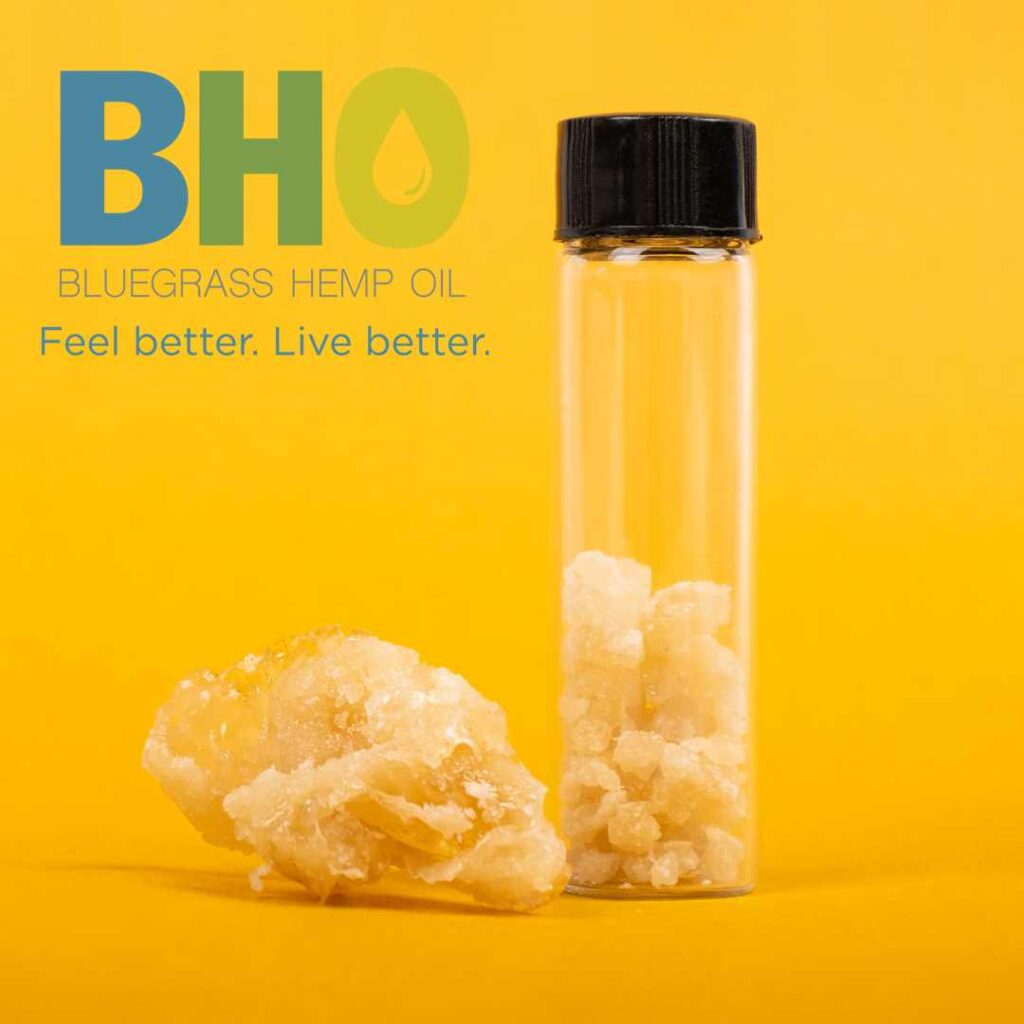
CBD isolate is a refined hemp extract focused on one cannabinoid, CBD. It is usually chosen for neutral flavor, precise formulation, and THC-conscious routines. Oleoresin extract is a resin-rich whole-plant hemp extract that keeps a broader profile of cannabinoids, terpenes, flavonoids, and natural plant compounds.
Choose isolate when you want:
- one main cannabinoid listed on the COA
- neutral taste and smell
- simple formulation and serving control
- extra attention to non-detectable THC, when verified by the batch lab report
Choose oleoresin when you want:
- a whole-plant hemp extract profile
- natural terpenes and aromatic plant compounds
- full-spectrum CBD education before buying
- a COA that shows cannabinoids, THC level, and contaminant screening
Helpful next reads: read the full-spectrum CBD guide, review batch-specific Certificates of Analysis, and use the CBD quality guide before buying.
CBD Isolate vs Oleoresin: Whole Plant Hemp Extract vs Single Compound
Both extracts can start with similar plant material and extraction equipment. The biggest difference is what remains after processing: isolate narrows the profile to CBD, while oleoresin keeps more of the plant’s natural chemistry intact.
CBD Isolate
Best fit: precise CBD serving control, neutral taste, and strict THC-conscious routines.
- Single cannabinoid focus
- Typically odorless and flavor-neutral
- Often preferred for formulas needing precision
- Drug-testing concern: lower THC risk, but always verify the COA
Oleoresin Extract
Best fit: users seeking a whole-plant hemp extract with natural terpenes, flavonoids, and minor cannabinoids.
- Broader cannabinoid profile
- More plant-like aroma and flavor
- Built for a broader full-spectrum profile
- Full-spectrum products may contain legal trace THC below 0.3%
Potency, Flavor, and Purity: How the Choice Changes the Experience
Potency
Isolate is easier to formulate around a specific CBD number. Oleoresin focuses on the broader plant profile, not only one cannabinoid count.
Flavor
Isolate is usually neutral. Oleoresin may smell and taste like the plant because it retains more volatile aromatic compounds, including terpenes.
Purity
Purity does not only mean “one compound.” For either extract, purity should be verified through third-party testing for potency and contaminants.
Oleoresin Extract: A Whole-Plant Hemp Profile With Natural Complexity
Oleoresin is a resin-rich, whole-plant capture that may preserve more cannabinoids, terpenes, flavonoids, pigments, and aromatic plant compounds than heavily refined extracts.
That matters for people comparing whole plant hemp extract options and researching whether oleoresin extract is better for the entourage effect. The entourage effect describes the way cannabinoids, terpenes, and flavonoids may interact as a broader plant matrix.
For more background on the full-spectrum approach, read our full-spectrum CBD guide guide.
Cannabinoid Spectrum Map
CBD · CBDA · CBG · CBC · Terpenes
CBD only
Cannabinoid Chart: CBD, THC, CBG, CBN, CBC, and Terpenes
Use this cannabinoid chart as a quick visual reference when comparing CBD isolate, oleoresin extract, full-spectrum CBD, minor cannabinoids, terpenes, and trace THC. Then verify the product itself with a consumer-friendly cannabinoid guide, a full-spectrum CBD explanation, and a batch-specific Certificate of Analysis.

When CBD Isolate May Be the Better Fit
CBD isolate can be the better fit when the goal is a precise CBD amount, a clean flavor profile, or a formula that avoids hemp’s natural earthy taste.
It is also the extract many shoppers consider when they have strict THC or drug-testing concerns. A true isolate should show non-detectable THC on a current COA, but drug-testing risk can never be reduced to zero without reviewing the product and your specific testing requirements.
Precise CBD Count
Useful for formulas that need a narrow CBD target.
Neutral Taste
Good for shoppers sensitive to hemp’s earthy flavor.
THC-Conscious Use
Verify non-detectable THC with a batch-specific COA.
Simple Formulation
Best when the goal is one isolated cannabinoid.
Cannabis Extraction Methods and the Post-Processing Difference
The first extraction step, such as ethanol, CO2, or hydrocarbon extraction, pulls compounds from hemp flower. The final product is shaped by post-processing. Winterization can remove waxes and fats, distillation can concentrate selected fractions, and crystallization can produce CBD isolate by separating CBD from other plant compounds.
| Extraction Path | Main Priority | What to Review |
|---|---|---|
| Ethanol | Efficient broad extraction | Post-processing, residual solvent testing, cannabinoid profile |
| CO2 | Controlled extraction parameters | Terpene retention, batch consistency, COA results |
| Hydrocarbon / Oleoresin Workflow | Profile preservation and aromatic plant compounds | Purging standards, terpene preservation, contaminant screening |
→
→
whole-plant profile
or
winterized · distilled · crystallized
How to Compare Extract Quality: Start With Testing, Not Marketing Claims
Whether you choose isolate or oleoresin, the most important trust signal is a batch-specific COA. A good lab report verifies cannabinoid profile, confirms THC levels, and screens for contaminants such as pesticides, heavy metals, microbials, and residual solvents.
Bluegrass Hemp Oil emphasizes Kentucky-grown hemp, practical product education, and transparent quality review so shoppers can compare products with confidence.
Traceable hemp origin matters because extraction quality begins before the lab. Strong cultivation standards help support cleaner inputs, better batch consistency, and more transparent finished products.
Which Hemp Extract Should You Choose?
Choose CBD Isolate If...
You want an odorless CBD option, a precise CBD serving, or a THC-conscious formula that can be verified by COA.
Choose Oleoresin If...
You want a Kentucky-grown full-spectrum hemp oil with plant aroma, minor cannabinoids, terpenes, and a broader whole-plant profile.
Need Help Comparing?
Start with product education, read COAs, and compare cannabinoid profiles before buying.
CBD Isolate vs Oleoresin FAQ for Shoppers
What’s the difference between CBD isolate and resin?
CBD isolate is refined to contain one main compound: CBD. Oleoresin, sometimes described as a resin-rich whole-plant hemp extract, keeps a broader mix of cannabinoids, terpenes, flavonoids, and aromatic compounds.
Will CBD isolate show up on a drug test?
CBD itself is not usually the target of standard THC drug tests, but product contamination or mislabeled THC can create risk. Review a current COA and follow your workplace or testing program rules.
Why does oleoresin smell like the plant?
Oleoresin can smell more like hemp because it preserves volatile aromatic compounds such as terpenes. These compounds contribute to the plant’s natural aroma and are often reduced during heavy refining.
Is oleoresin extract better for the entourage effect?
Oleoresin may be preferred by users seeking a whole-plant profile because it retains more cannabinoids, terpenes, and flavonoids. The entourage effect is an area of ongoing research, not a guaranteed outcome.
What is the cleanest cannabis extraction for terpenes?
There is no single cleanest method for every goal. Review cultivation standards, extraction controls, post-processing methods, residual solvent testing, terpene profile, and contaminant screening on the COA.
Are isolate and oleoresin medical treatments?
No. CBD and hemp extracts are not intended to diagnose, treat, cure, or prevent disease. Talk with a healthcare professional before using CBD, especially if you take medications or manage a medical condition.
Shop Lab-Tested Full Spectrum Hemp Oil
Explore Kentucky-grown full-spectrum hemp products with clear labels, realistic wellness language, and batch-specific lab testing.
