
Understanding the Safety of Cannabis Products for Pets

Pet CBD Safety Guide

Pet CBD Safety Guide: Labels, COAs, THC, and Veterinarian Questions

Pet owners deserve clear, careful information before choosing any cannabis-derived product for a dog or cat. This guide explains how to compare pet CBD oil, full-spectrum hemp extract, trace THC, ingredients, serving information, lab reports, and veterinarian guidance without relying on disease-treatment claims.
Veterinary safety note: This article is educational and is not a substitute for veterinary advice, diagnosis, or treatment. Talk with your veterinarian before using CBD with a pet, especially if your pet takes medication, has liver or kidney concerns, is pregnant or nursing, is elderly, has a diagnosed condition, or has had seizures.

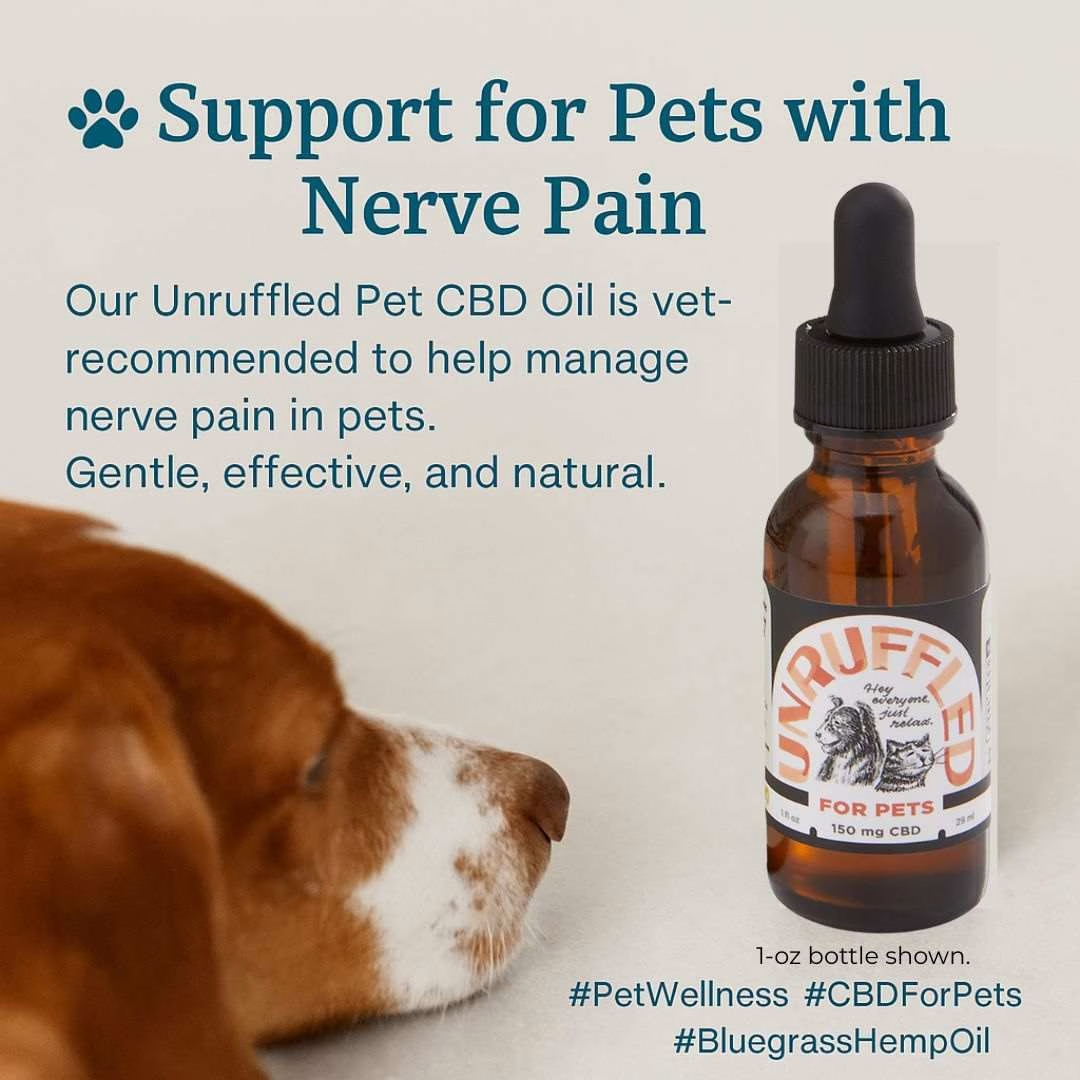
Unruffled CBD oil for pets beside a dog on a pet CBD safety guide
Use pet-focused labels and batch-specific lab reports before choosing any CBD product for a dog or cat.

Quick Answer: Are Cannabis Products Safe for Pets?

Pet CBD products should be approached with caution. Some pet owners compare CBD oil for dogs or cats as part of a wellness routine, but safety depends on the product, the animal, the ingredients, the cannabinoid profile, the THC level, the serving directions, and veterinary guidance.

Do not give pets marijuana products, THC-forward products, human edibles, CBD gummies, or products with ingredients that are not appropriate for animals. Pet owners should review the label, Certificate of Analysis, ingredient list, and batch number before using any pet CBD product.

Key Takeaways for Pet Owners

Ask your veterinarian first

Your pet’s age, weight, medications, health history, and species matter. A veterinarian can help you think through risk before adding CBD to a pet routine.

Choose pet-specific products

Human CBD products may contain flavors, sweeteners, carrier oils, THC levels, or serving directions that are not appropriate for animals.

Review trace THC

Full-spectrum pet CBD may contain trace THC. The label and COA should make THC information easy to review.

Check the batch-specific COA

A Certificate of Analysis helps verify CBD potency, THC levels, cannabinoid profile, and available quality testing for that specific batch.

Avoid disease claims

Be cautious of products promoted as treating anxiety, seizures, pain, arthritis, cancer, inflammation, or other pet diseases.

Keep products secured

Store CBD and cannabis products away from pets and children. Accidental ingestion should be handled as a veterinary concern.

Entity Summary: Pet CBD Safety Terms Explained

Term Consumer-Friendly Meaning Why It Matters for Pets
Pet CBD oil A CBD product labeled for animal use, often in a liquid dropper format. Pet-specific labels are easier to compare than human CBD labels.
Full-spectrum hemp extract Hemp extract that may include CBD, minor cannabinoids, terpenes, and trace THC. Trace THC should be verified through a COA before use with pets.
Certificate of Analysis A lab report tied to a product batch. Helps verify CBD amount, THC level, and available contaminant testing.
Delta-9 THC A THC measurement commonly shown on hemp lab reports. THC exposure can be a concern for pets, so this number should not be ignored.
Serving information The amount suggested on the product label. Pet owners should follow the label and ask a veterinarian for animal-specific guidance.
Veterinarian guidance Professional advice from a licensed veterinarian. Especially important for pets with health conditions, medications, or unusual symptoms.

Pet CBD Safety Checklist Before You Buy

Use this checklist to compare pet CBD oil, pet hemp extract, and other cannabis-derived pet products in a practical, safety-first way.

  • Ask your veterinarian before using CBD with your pet.
  • Choose a product labeled for pets, not a human edible or gummy.
  • Confirm whether the product is full-spectrum, broad-spectrum, or isolate-based.
  • Review the CBD amount per serving or per mL.
  • Check delta-9 THC and total THC when available.
  • Match the product batch number to the COA.
  • Review the carrier oil and flavor ingredients.
  • Avoid xylitol, unsafe sweeteners, and unnecessary human-food ingredients.
  • Avoid products that promise to treat pet diseases or behavior conditions.
  • Store CBD products away from pets and children.
  • Contact the company if label or COA details are unclear.
  • Seek veterinary help if accidental ingestion occurs.

Human CBD Products vs Pet CBD Products

Pet owners should not assume that a CBD product made for adults is appropriate for dogs or cats. Human products may contain ingredient choices, serving sizes, flavors, sweeteners, or THC levels that are not suitable for animals.

Product Type Why Pet Owners Should Be Careful Safer Consumer Step
Human CBD gummies May contain sugar alcohols, sweeteners, colors, flavors, or serving information intended for adults. Do not give human CBD gummies to pets. Use pet-labeled products only after veterinarian guidance.
THC or marijuana products THC exposure can be unsafe for pets and should not be treated as the same thing as pet CBD. Keep THC products secured and away from animals.
Human CBD oils May use carrier oils or flavoring choices that were not selected for dogs or cats. Choose a pet-specific product with a simple ingredient list and COA access.
Pet CBD oils Still require careful review because products vary by CBD amount, THC content, ingredients, and testing. Review the label, COA, and company transparency before use.

For label review, start with CBD lab testing and COA education and Bluegrass Hemp Oil Certificates of Analysis.

How to Read a Pet CBD Certificate of Analysis

A Certificate of Analysis, or COA, helps pet owners compare the label to lab-tested product details. It should be easy to access, batch-specific, and tied to the exact product being considered.

Product and batch

Look for the product name, batch number, test date, and lab name.

CBD potency

Check CBD amount and whether the lab result lines up with the label.

THC information

Review delta-9 THC and total THC when available.

Minor cannabinoids

Full-spectrum products may list additional cannabinoids beyond CBD.

Contaminant screens

Look for heavy metals, pesticides, residual solvents, and microbial testing when available.

Company support

Contact the company if a COA is missing, outdated, or hard to match to the product.

Ingredients Pet Owners Should Review Carefully

Ingredient review is one of the most important parts of pet CBD safety. Simple formulas are easier to evaluate than products with long ingredient lists, sweeteners, artificial flavors, or human-food additives.

Xylitol and dog safety

Do not give dogs products that contain xylitol. If a dog eats a product containing xylitol, contact a veterinarian or emergency animal hospital immediately.

  • Check for xylitol or sugar-free sweeteners.
  • Review carrier oils and flavor ingredients.
  • Avoid products made as human candy, gummies, or snacks.
  • Be cautious with essential oils or strong flavor blends.
  • Review allergens and species-specific concerns.
  • Ask your veterinarian before using CBD with cats, senior pets, or pets on medication.

Dogs, Cats, and Pet-Specific CBD Questions

Dogs and cats can respond differently to ingredients and products. Pet owners should not transfer a routine from one animal to another without reviewing the label and asking a veterinarian.

For dog owners

Review CBD per serving, pet size guidance, THC content, xylitol risk, carrier oil, COA access, and whether the product is labeled for dogs. Do not give dogs human gummies or THC products.

For cat owners

Cats require extra caution with ingredients, flavors, and essential oils. Choose a product with a simple ingredient list and talk with your veterinarian before adding CBD to a cat’s routine.

For broader pet CBD education, read the Bluegrass Hemp Oil guide to CBD for pets.

How Unruffled CBD Oil Fits Into a Safer Product Review

Unruffled CBD Oil for Pets is a Bluegrass Hemp Oil pet CBD product line. When reviewing any Unruffled option, compare it by the same safety-first criteria: pet-specific label, CBD per serving, full-spectrum status, ingredient list, trace THC information, batch-specific COA, and veterinarian guidance.

About Bill Polyniak

Bill Polyniak is the founder of Bluegrass Hemp Oil and Kentucky Cannabis Company. His work in Kentucky hemp began in 2014 and focuses on full-spectrum CBD education, product quality, hemp sourcing, label clarity, COA transparency, and helping families ask better questions before choosing CBD products.

This pet CBD safety guide reflects that consumer-first approach: review labels, avoid disease-treatment claims, respect veterinary guidance, verify COAs, and choose pet products based on transparency rather than hype.

Read Bill Polyniak’s founder bio and Kentucky hemp story.

Frequently Asked Questions About Pet CBD Safety

Is CBD approved by the FDA for pets?

FDA has not approved CBD animal drugs. Pet owners should be cautious with marketing claims and should ask a veterinarian before using CBD with pets.

Can I give my dog human CBD gummies?

No. Human CBD gummies may contain sweeteners, colors, flavors, serving sizes, or THC levels that are not appropriate for dogs. Use pet-labeled products only after reviewing the label and asking your veterinarian.

Can full-spectrum pet CBD contain THC?

Yes. Full-spectrum pet CBD may contain trace THC. Review the label and COA for delta-9 THC and total THC when listed.

What is the most important thing to check on pet CBD?

Start with the label, batch number, ingredient list, CBD per serving, THC information, and Certificate of Analysis. Then ask your veterinarian whether CBD makes sense for your pet’s situation.

Can cats use the same CBD oil as dogs?

Do not assume a product or serving routine for one species fits another. Cats need extra caution with ingredients and flavors. Ask your veterinarian before using CBD with a cat.

What should I do if my pet accidentally eats cannabis or CBD?

Contact your veterinarian, emergency animal hospital, or animal poison control resource right away, especially if the product contained THC, xylitol, unknown ingredients, or a large amount.

Should pet CBD products promise results?

No. Be cautious with guaranteed-result language or claims that CBD treats pet diseases. A responsible product page should focus on labels, ingredients, serving information, COAs, and safety questions.

Safety References and Disclaimer

This guide is educational and is not veterinary advice. Bluegrass Hemp Oil products are not intended to diagnose, treat, cure, or prevent disease in humans or animals. Talk with your veterinarian before using CBD with pets. Keep CBD, THC, and cannabis products out of reach of pets and children.
CBD for Cats Safety Guide

A calm cat resting near a bottle of Unruffled CBD Oil for a cat CBD safety guide

Cat CBD safety guide

CBD for Cats: Safety, Labels, Vet Questions, and Product Quality

A veterinarian-first guide for cat owners comparing pet CBD oil, labels, ingredients, Certificates of Analysis, THC information, and product-quality signals before choosing anything for a cat.

Vet guidance first
No disease-treatment claims
COA and label review

Quick answer for cat owners

Can cats use CBD oil?

Cat owners should talk with a veterinarian before using CBD with a cat. Cats can have different sensitivities than dogs, and pet CBD products should be compared by ingredient list, serving information, THC reporting, and available lab testing rather than by marketing claims.

CBD, short for cannabidiol, is a hemp compound. It is not the same as THC, the intoxicating cannabis compound. For cats, the responsible path is not hype or guesswork. It is veterinary guidance, label review, ingredient review, and product testing.

Helpful starting points include the CBD for cats safety guide, the broader CBD for pets comparison guide, and CBD Certificates of Analysis for product transparency.

Key takeaways before giving CBD to a cat

1

Vet guidance comes first

CBD should not replace a veterinary exam, diagnosis, emergency care, prescribed medication, or a treatment plan.

2

Ingredients matter

Avoid human CBD gummies, xylitol, artificial sweeteners, essential oils, and products with unclear THC information.

3

Testing supports transparency

A COA helps shoppers compare CBD amount, THC reporting, batch details, and contaminant screening when available.

Plain-English summary

Cat CBD terms shoppers should understand

Term Consumer-friendly meaning What to check
CBD oil for cats A pet product that blends hemp extract with a carrier oil. CBD amount, carrier oil, serving information, ingredients, and COA.
THC The intoxicating cannabis compound that is especially important to evaluate for pets. Label THC statement and batch-specific testing.
COA A Certificate of Analysis from a lab that reports product testing details. Batch match, CBD, THC, lab date, and contaminant screens.
Human CBD edibles Gummies, candies, baked goods, or flavored items made for people. Do not give these to cats because ingredients and serving sizes may be unsafe.

Why cats need cat-specific CBD guidance

Cats are not small dogs. A product that seems ordinary for a dog may be inappropriate for a cat because cats can differ in size, metabolism, ingredient sensitivity, and medication risk.

Rx

Medication review

CBD may affect pathways involved in processing some medications. Ask your veterinarian how to review prescriptions, supplements, and timing.

ml

Cat-sized serving details

Small cats need small, measurable serving information. Avoid products that only list total bottle CBD without clear per-serving details.

!

Behavior changes need diagnosis

Hiding, litter box changes, appetite changes, vocalizing, over-grooming, or stiffness should be discussed with a veterinarian.

For additional pet-owner context, review cat CBD safety considerations and the cat seizure safety guide before making product decisions.

Vet-first safety note

Talk with your veterinarian before using CBD for cats

Veterinary guidance is especially important if your cat is elderly, underweight, pregnant or nursing, taking medication, scheduled for surgery, or showing sudden changes in appetite, litter box use, mobility, grooming, sleep, behavior, or neurological signs.

Bring this list to your vet

  • ✓The exact product name and product URL.
  • ✓The ingredient list and carrier oil.
  • ✓The CBD amount per serving or per drop.
  • ✓The COA or batch-specific lab report.
  • ✓Your cat’s medication and supplement list.

What is CBD oil for cats?

CBD oil for cats is usually a hemp extract blended into a carrier oil and offered in small, measurable servings. It should be reviewed as a cat-specific product, not a human product repurposed for pets.

One important distinction is hemp oil vs CBD oil. Hemp seed oil is made from hemp seeds and typically does not contain meaningful CBD. CBD oil is made from hemp extract and should clearly identify cannabinoid content, serving information, carrier oil, and batch testing.

For general education, start with what CBD oil is and compare extract terminology with full-spectrum CBD vs CBD isolate explanations.

What should I check before giving CBD to my cat?

A safer cat CBD decision starts with the product label, not a promise. Review CBD amount, carrier oil, ingredients, serving directions, THC information, batch number, expiration date, and COA access.

Label checklist

  • ✓CBD amount per serving or per drop.
  • ✓Simple carrier oil and ingredient list.
  • ✓Cat-appropriate serving directions.
  • ✓Batch number, QR code, or COA access.
  • ✓THC information and contaminant screening.

Avoid for cats

  • ✓Human gummies, candies, or edibles.
  • ✓Xylitol or artificial sweeteners.
  • ✓Essential oils such as citrus or peppermint.
  • ✓High-THC products or unclear THC reporting.
  • ✓Products making disease-treatment claims.

For step-by-step label review, use the CBD product label reading guide and the CBD quality guide for transparent products.

Is CBD different for cats and dogs?

Cats and dogs can have different sensitivities and product needs. Do not assume that a product or routine used for a dog is appropriate for a cat.

Use the CBD for pets comparison guide for a broad overview, then return to cat-specific questions before choosing a product for your cat.

How should cat owners think about CBD serving information?

There is no universal CBD serving that fits every cat or every product. Use the product label, review the COA, ask your veterinarian, and change only one variable at a time.

What to track Why it matters
Label serving and CBD amount Helps avoid guessing based on bottle size or marketing language.
Food timing and acceptance Some cats accept oil better with a small amount of wet food. Do not force dosing.
Behavior and appetite notes New hiding, appetite changes, vomiting, drooling, or litter box issues should be discussed with your veterinarian.
Medication and supplement list Your veterinarian needs the full list to review possible interaction concerns.

How do I read a CBD Certificate of Analysis for cat products?

Testing does not prove medical effectiveness, but it helps cat owners review cannabinoid content, THC reporting, contaminant screening, and whether the product matches the label.

A

Match the batch

Look for a batch number, lot number, QR code, or testing date that matches the product you have.

B

Check CBD and THC

Review CBD amount and THC reporting. Avoid products with unclear THC information for cats.

C

Look for contaminants

When available, review testing for heavy metals, pesticides, solvents, microbes, or other quality screens.

Use Bluegrass Hemp Oil Certificates of Analysis and the CBD lab testing guide as your product-transparency starting points.

What about senior cats, mobility, and neurological questions?

Senior cats and cats with neurological or mobility concerns need diagnosis first. CBD should not be used to cover up sudden changes, pain signs, seizures, urinary problems, weakness, or loss of appetite.

If your older cat is slow to jump, over-grooming, hiding, vocalizing, changing litter box habits, or acting differently, start with your veterinarian. You can also review senior cat wellness questions and cat CBD safety considerations to prepare better questions for a veterinary visit.

Related cat CBD and product safety resources

These related guides help cat owners compare product format, labels, COAs, cat-specific safety questions, and pet wellness resources.

About the author

About Bill Polyniak

Founder, hemp educator, and product transparency advocate.

Bill Polyniak is the founder of Bluegrass Hemp Oil and Kentucky Cannabis Company. His education-first work focuses on Kentucky hemp, full-spectrum CBD product quality, transparent labels, Certificates of Analysis, and helping consumers ask better questions before choosing CBD products for themselves or their pets.

Read Bill Polyniak’s founder profile →

Cat CBD FAQs

Can cats use CBD oil?

Cat owners should talk with a veterinarian before using CBD with a cat. Cats can have different sensitivities than dogs, so review the product label, ingredients, serving information, and available testing before choosing any product.

Is CBD safe for cats?

Safety depends on the individual cat, product quality, ingredients, THC information, serving details, and medication history. Ask your veterinarian before use, especially for senior cats or cats with medical concerns.

What should I know before giving CBD to my cat?

Review the product label, ingredient list, serving information, THC statement, and Certificate of Analysis. Talk with your veterinarian first if your cat is elderly, takes medication, has a medical condition, or has sudden behavior changes.

Can I give human CBD gummies to my cat?

No. Human gummies and edibles may contain sweeteners, flavors, THC, or other ingredients that are not appropriate for cats. Use cat-specific product guidance and ask your veterinarian.

How do I read a CBD COA for a cat product?

Match the batch number, confirm CBD amount, review THC information, check the testing date, and look for contaminant testing when available. Contact the company or your veterinarian if anything is unclear.

Sources and further reading

Use these resources as starting points for conversations with your veterinarian and for product-quality review.

Final takeaway: choose cat CBD with care

Cat CBD decisions should be veterinarian-first, label-aware, and testing-informed. Review ingredients, serving information, THC details, COAs, and your cat’s medical context before adding CBD to a cat’s routine.

The Ultimate Guide to Using CBD for Cats

Important pet safety note: Use pet-specific hemp products only after veterinary review, and verify THC status on the product label and batch-specific COA. Ask your veterinarian about medication interactions, liver concerns, serving size, and whether CBD is appropriate for your cat.

The Ultimate Guide to Using CBD for Cats: 2026 Safety & Quality Standards

A safety-first guide to choosing third-party tested pet CBD for senior cats, understanding THC-free hemp extract, and comparing liquid CBD vs treats for picky cats.

Is CBD oil safe for cats with sensitive stomachs?

CBD may not be appropriate for every cat. Safety depends on the cat, product quality, serving size, THC status, health history, medications, and veterinary guidance. Ask your veterinarian before adding CBD to your cat’s routine.

Use pet-specific CBD only

Human CBD products may contain flavors, sweeteners, THC, or added ingredients that are not appropriate for cats.

Start with a tiny amount

Sensitive cats may respond better to lower servings and slower adjustments under veterinary guidance.

Watch for changes

Monitor appetite, energy, litter box habits, and behavior after each serving change.

Signs Your Cat May Need a CBD Conversation With Your Vet

CBD should not be used as a diagnosis tool. These signs are reasons to speak with your veterinarian and ask whether a high-quality pet CBD product belongs in your cat’s broader care plan.

Jittery behavior

Hiding, pacing, vocalizing, or reacting strongly to travel, visitors, storms, or routine changes.

Stiff joints

Slower movement, hesitation before jumping, or less interest in climbing and play.

Appetite changes

Reduced interest in food, selective eating, or changes that should be evaluated by a veterinarian.

How Full-Spectrum Hemp Relates to Feline ECS Education

Full-Spectrum Hemp

Full-Spectrum Hemp ↗ includes CBD plus other naturally occurring hemp compounds. For pets, the key is using a formula made for animals and verified by third-party testing.

How Cannabinoids Work

Cats have an endocannabinoid system, or ECS, that helps the body maintain balance. Learn more in our guide to How Cannabinoids Work ↗.

How much CBD should I give my ten-pound cat?

There is no universal CBD serving size for every ten-pound cat. Start by reviewing the product label, then ask your veterinarian whether the product and serving approach are appropriate for your cat.

TierServing ExampleTotal Daily CBDBest Use
Tier 1: Wellness2 drops per 10 lbs1.34mg dailyGentle daily support and observation
Tier 2: Support0.25 ml dropper twice daily3.34mg dailyMore structured support under guidance
Tier 3: Veterinarian-supervised0.5 ml dropper twice daily6.66mg dailyHigher serving review only with veterinary guidance

Serving note: This chart is educational and should not replace your veterinarian’s instructions. Cats with liver disease, kidney disease, or prescription medications need veterinary review first.

Liquid CBD vs Treats for Picky Cats

Liquid CBD Oil

Best for precise serving control, small adjustments, and mixing into wet food when your cat accepts the taste.

Shop Pet CBD Oil →

CBD Treats

Best for cats that prefer a familiar snack format, but servings may be harder to fine-tune for very small cats.

Find Pet CBD Near Me →

Senior Cat Support

Third-party tested pet CBD for senior cats should show CBD amount, THC status, batch number, and contaminant screening.

View Lab Reports →

Choosing Third-Party Tested Pet CBD for Senior Cats

THC-free hemp extract

Choose pet CBD that is formulated to avoid intoxication risk and lists THC status clearly.

Batch-specific COA

Match the batch number on the bottle to the lab report before use.

Potency clarity

Confirm CBD per bottle and per serving so you can measure carefully.

Contaminant testing

Look for screening for heavy metals, pesticides, residual solvents, and microbials.

Can I mix CBD oil into my cat's wet food?

Yes, many owners mix pet CBD oil into a small portion of wet food. Use a small serving first and confirm your cat finishes the full amount.

How long does it take for CBD to work for cats?

Timing varies by product format, food, metabolism, serving size, and individual sensitivity. Track observations only if your veterinarian says CBD is appropriate for your cat.

Side Effects Awareness: What to Watch For

Cats can respond differently to hemp products. Stop use and contact your veterinarian if your cat seems unusually sedated, unwell, or has a concerning change in behavior.

Lethargy or sedation

Your cat may seem sleepier than usual after a serving. Reduce or pause use and ask your veterinarian if sedation is strong, prolonged, or unusual.

Dry mouth or increased thirst

Some pets may drink more water. Keep clean water available and monitor hydration, appetite, and litter box patterns.

Head shaking immediately after dosing

Head shaking can happen when a cat dislikes the taste or texture. Try mixing oil into a small amount of wet food only after veterinary approval.

Digestive changes

Watch for vomiting, diarrhea, appetite changes, or stomach sensitivity. Cats with sensitive stomachs may need a lower serving or a different approach.

Medication and liver monitoring

CBD may interact with some medications. Long-term use should be discussed with your veterinarian, especially for cats needing liver monitoring.

Ready to Compare Pet CBD Safely?

Choose a pet-specific, third-party tested formula and review the COA before your first serving.

Frequently Asked Questions About CBD for Cats

Is CBD oil safe for cats with sensitive stomachs?

It may be tolerated when used correctly, but sensitive cats need extra caution. Use a pet-specific, THC-free product and ask your veterinarian before starting.

How much CBD should I give my ten-pound cat?

Use the product label and start with the lowest appropriate serving. For this guide, Tier 1 begins at 2 drops per 10 lbs, or 1.34mg daily.

Can I mix CBD oil into my cat's wet food?

Yes, you can mix CBD oil into a small amount of wet food if your veterinarian approves and your cat eats the full portion.

How long does it take for CBD to work for cats?

Many cats respond within 30 minutes to two hours, but timing varies by serving size, food, metabolism, and individual sensitivity.

Should I use full-spectrum CBD for cats?

Use only a pet-specific formula with clear THC status and third-party testing. Ask your veterinarian whether full-spectrum hemp is appropriate for your cat.

Can CBD replace my cat's medication?

No. CBD should not replace prescribed veterinary medication. Discuss any supplement changes with your veterinarian, especially if your cat takes medication.

A Trust-First Pet CBD Approach

Bluegrass Hemp Oil focuses on hemp education, batch transparency, and third-party testing. For pet CBD, the safest starting point is simple: use pet-specific products, verify the lab report, and keep your veterinarian involved.

Learn more about Bill Polyniak ↗ and Bluegrass Hemp Oil’s Kentucky hemp roots.

CBD for Pets: Potential Benefits, Side Effects, and Vet Guidance

Pet CBD Safety Guide

CBD for Pets: Safety, Side Effects, Quality Checks & Vet Guidance

CBD for pets is a topic many dog and cat owners research, but the safest starting point is not a product claim. It is a conversation with your veterinarian, a careful review of the product label, and a current Certificate of Analysis.

This guide explains what pet owners should know about CBD for pets, possible side effects, THC concerns, ingredients, serving-size questions, product quality, and when to stop and call a veterinarian.

About this pet CBD guide

This guide was written from Bluegrass Hemp Oil’s hands-on hemp experience and product-education background. Bill Polyniak’s hemp education background includes hemp cultivation, extraction, testing, and customer education through Bluegrass Hemp Oil and Kentucky Cannabis Company.

Use this guide to prepare better questions for your veterinarian. It is not a substitute for veterinary diagnosis, treatment, emergency care, or animal-specific medication guidance.

What should pet owners know before using CBD for pets?

Before choosing CBD for a pet, talk with your veterinarian, confirm the product is made for pets, review the ingredient list, check THC content, verify the Certificate of Analysis, and watch for possible side effects.

Common warning signs to watch for include unusual sleepiness, digestive upset, drooling, coordination changes, appetite changes, or behavior changes. For deeper product education, start with the Comprehensive Guide to CBD for Pets: quality and safety standards and compare it with CBD lab testing and certificates of analysis.

What is CBD for pets?

CBD, short for cannabidiol, is a hemp-derived compound found in some pet-focused oils, chews, and treats. A pet CBD product should be evaluated differently from a human CBD product because animals have different safety needs, serving-size concerns, ingredient sensitivities, and THC risks.

Pet CBD is a product-quality decision

Look for a pet-specific formula, clear CBD amount, ingredient transparency, THC disclosure, a current COA, and customer support.

Human CBD is not automatically pet-safe

Human products may be too concentrated or may include sweeteners, flavors, essential oils, or other ingredients that are not appropriate for animals. Compare with the CBD for pets product and safety guide.

What do pet owners usually hope CBD may support?

Pet owners often research CBD because they are looking for options around stress-related behaviors, aging, mobility, routine wellness, or quality-of-life questions. Those interests are understandable, but CBD should not be presented as a treatment for anxiety, pain, arthritis, seizures, cancer, inflammation, or any disease.

Pet owner question Safer way to frame it
Stress during storms, travel, or separation A veterinarian-led behavior and wellness conversation.
Aging or mobility concerns A quality-of-life conversation with a veterinarian.
Daily calmness or routine support A pet wellness routine question, not a treatment claim.
Recovery after activity A broader care-plan discussion, not an injury-treatment claim.
Older-pet quality of life A veterinarian-guided senior-pet care discussion.

The better approach is to start with veterinary guidance, product transparency, and realistic expectations. Dog owners can also review the CBD oil for dogs guide, while cat owners should use the CBD for cats safety guide as a species-specific starting point.

Possible side effects of CBD in pets

CBD side effects can vary by product, species, size, serving amount, ingredient list, THC exposure, and medication status. Stop use and contact your veterinarian if your pet seems unwell after CBD use or accidental cannabis exposure. Dog owners can also review CBD oil side effects for dogs.

Possible sign What it may look like Recommended action
Sleepiness or unusual lethargy Your pet seems more tired than expected, weak, or less responsive. Stop use and monitor. Call your veterinarian if it concerns you.
Digestive upset Loose stool, vomiting, drooling, or appetite change. Stop use and contact your veterinarian.
Drooling Excessive salivation or a sudden change after use. Stop use and ask your veterinarian.
Coordination changes Stumbling, wobbling, swaying, or trouble walking. Contact a veterinarian promptly.
Behavior change Agitation, confusion, unusual quietness, or unexpected reactions. Stop use, document the product and amount, and call your veterinarian.
Tremors or convulsions Shaking, seizure-like signs, or collapse. Seek urgent veterinary help.
Possible medication interaction Unexpected changes after starting CBD with medications or supplements. Discuss with your veterinarian before use and stop if concerning signs appear.

Why THC content matters for pet CBD

Full-spectrum hemp products may contain trace THC. Pets can be more sensitive than humans to cannabis exposure, so pet owners should not rely on marketing language alone. Review the COA for THC content and ask your veterinarian whether a full-spectrum, broad-spectrum, or non-THC option is appropriate.

Verify THC on the COAMatch the product batch to the current lab report and review delta-9 THC and total THC when available.
Understand CBD vs THCUse CBD vs THC explained to understand why THC questions matter for pet safety.
Compare extract typesReview types of CBD explained before assuming full-spectrum is the best fit for every pet.
Use COA evidenceCheck Certificates of Analysis for Bluegrass Hemp Oil products before making product decisions.

Full-spectrum education may mention the entourage effect in full-spectrum CBD, but full-spectrum is not automatically the right choice for every pet.

How to evaluate pet CBD quality before buying

A trustworthy pet CBD product should make label facts easy to verify. Compare the label, COA, ingredients, THC content, customer support, and company standards before comparing price alone.

  1. Confirm the product is clearly intended for pets. Pet-specific labeling and serving directions matter.
  2. Check CBD amount. Look for CBD per bottle, serving, mL, drop, or chew.
  3. Review a current, batch-specific COA. Use Certificates of Analysis for Bluegrass Hemp Oil products to confirm batch testing.
  4. Verify CBD and THC content. The COA should support the product label.
  5. Look for contaminant testing when available. Review pesticides, heavy metals, residual solvents, microbials, or other quality panels when listed.
  6. Review ingredients carefully. Avoid xylitol, chocolate, unsafe essential oils, vague flavor blends, or any ingredient your veterinarian flags.
  7. Check company quality standards. Compare with the Bluegrass Hemp Oil quality promise and Bluegrass Hemp Oil product standards.
  8. Review process transparency. Use how Bluegrass Hemp Oil makes CBD products and Bluegrass Hemp Oil science and quality standards for added context.
  9. Avoid disease-treatment claims. Responsible brands educate clearly without promising medical outcomes.
  10. Ask for support. Use contact the Bluegrass Hemp Oil team for product-specific questions, then review the details with your veterinarian.

Example: what to check on a pet CBD product page

When reviewing a pet CBD product, look for clear bottle size, total CBD, CBD per mL, ingredient list, extract type, serving guidance, testing information, and customer support. Bluegrass Hemp Oil’s Unruffled bacon flavored CBD oil for pets is a pet-focused liquid format you can use as a product-page review example.

Unruffled CBD for Pets bottle from Bluegrass Hemp Oil shown as a pet-focused product example.

Label facts to review

  • Bottle size and total CBD.
  • CBD per mL or serving.
  • Pet-specific format and ingredient list.
  • Extract type and THC disclosure.

Proof to verify

  • Batch-specific COA availability.
  • Lab identity and test date.
  • Contaminant testing when listed.
  • Product-support availability.

CBD for dogs vs CBD for cats: why species matters

Dogs, cats, and other animals should not be treated as interchangeable. A product that seems appropriate for one animal may not be appropriate for another. Cats can be especially sensitive to certain ingredients, and small pets may be more vulnerable to concentration and measurement errors.

Pet Safety consideration Best next page
Dogs Product size, THC content, medications, liver concerns, digestive sensitivity. CBD oil for dogs guide
Dogs needing a safety overview Serving precision, THC exposure, side effects, and veterinarian review. CBD for dogs safety and product guide and CBD oil safety for dogs
Cats Ingredient sensitivity, flavoring, serving precision, and veterinary guidance. guide to using CBD for cats safely
Senior pets Medication use, organ function, appetite changes, and age-related health questions. Comprehensive Guide to CBD for Pets: quality and safety standards
Small pets Serving precision, species differences, and ingredient safety. contact the Bluegrass Hemp Oil team before choosing, then ask a veterinarian.

What should I ask my veterinarian before giving CBD to my pet?

Your veterinarian can help evaluate whether a CBD product is appropriate for your pet’s health history, current medications, species, size, and risk factors. Human-focused resources like CBD medication interaction considerations can help you understand why medication questions matter, but animal-specific answers should come from your veterinarian.

  • Could CBD interact with my pet’s medications or supplements?
  • Does my pet’s age, breed, size, or health history change the risk?
  • Should liver values or other health markers be monitored?
  • Are there ingredients I should avoid?
  • Is THC a concern for my pet?
  • What side effects should I watch for?
  • What would make you recommend stopping immediately?
  • Is this product’s COA clear enough to review?
  • Is this appropriate for my dog, cat, or another animal species?
  • Should this be avoided before surgery or during another treatment plan?

How should pet owners think about CBD serving size?

Avoid one-size-fits-all serving advice. Body size matters, but so do age, medication use, liver or kidney concerns, sensitivity, product concentration, ingredient list, and the type of pet. Follow the product label, start conservatively only when your veterinarian agrees CBD is appropriate, monitor closely, and involve your veterinarian when there is any uncertainty.

Read the product labelConfirm CBD per mL, drop, chew, or serving.
Check pet-specific detailsConsider size, species, age, sensitivity, and current medications.
Monitor for side effectsWatch appetite, energy, digestion, coordination, and behavior.
Do not use symptom-based dosingAvoid online instructions that suggest an amount for anxiety, seizures, pain, arthritis, or any medical condition.

When should you stop CBD and call your veterinarian?

Stop use and contact a veterinarian if you notice stumbling, trouble walking, marked sedation, vomiting, tremors, heavy drooling, agitation, confusion, convulsions, collapse, urinary accidents, appetite changes, or sudden behavior changes.

If accidental cannabis, THC, edible, or high-concentration hemp exposure is possible, do not wait for symptoms to worsen. Keep the package or bottle so your veterinarian can review ingredients, CBD content, THC content, and serving details.

Where to buy pet CBD safely

A trusted pet CBD source should make labels, ingredients, lab reports, THC content, safety guidance, and customer support easy to find. Whether you shop locally or online, compare product transparency before comparing price alone.

Need help comparing pet CBD safely?

Start with education, then compare product testing, THC content, ingredient safety, serving clarity, and veterinary guidance before deciding whether CBD belongs in your pet’s routine.

Pet CBD FAQs

Is CBD safe for all pets?

No. CBD is not automatically safe for every pet. Safety depends on the product, formula, serving amount, species, size, age, health history, medication use, THC exposure risk, and veterinary guidance.

What are the side effects of CBD for pets?

Possible side effects may include sleepiness, low energy, digestive upset, drooling, appetite changes, coordination changes, agitation, confusion, or unusual behavior. Stop use and contact a veterinarian if your pet seems unwell.

Can CBD make my dog sleepy?

Yes, unusual sleepiness or low energy can happen. Stop use and ask your veterinarian whether the product, serving amount, ingredients, or possible THC exposure could be a concern.

Can CBD upset my pet’s stomach?

Yes. Some pets may have loose stool, vomiting, drooling, or appetite changes. Stop use and contact your veterinarian, especially for small, senior, or medically fragile pets.

Can CBD interact with pet medications?

Yes. CBD may interact with medications or supplements, especially products processed through the liver. Talk with your veterinarian before giving CBD to a pet that takes prescriptions, seizure medications, sedatives, heart medications, pain medications, or multiple supplements.

Can full-spectrum pet CBD contain THC?

Yes. Full-spectrum hemp products may contain trace THC. Because pets can be sensitive to cannabis exposure, review the Certificate of Analysis for the exact batch and ask your veterinarian whether a full-spectrum product is appropriate.

Should I ask my vet before giving CBD to my pet?

Yes. Veterinary guidance is especially important if your pet takes medication, has liver, kidney, heart, neurological, seizure, or digestive concerns, is pregnant or nursing, is elderly, very young, medically fragile, or scheduled for surgery.

How do I choose a pet CBD product?

Choose a product that is clearly intended for pets, has a current batch-specific COA, lists CBD and THC content, uses pet-appropriate ingredients, avoids unsupported disease claims, and offers customer support for product questions.

How do I read a pet CBD COA?

Check that the COA matches the product and batch, confirms CBD amount, shows THC content, lists the lab and testing date, and includes contaminant testing when available. A COA should support the label, not replace veterinary guidance.

Can I give human CBD oil to my pet?

Do not assume a human CBD product is appropriate for a pet. Human products may be too concentrated or may include ingredients, flavors, sweeteners, or essential oils that are not appropriate for animals.

Can I give CBD to my cat?

Cats require extra caution because ingredient tolerance, metabolism, flavor sensitivity, and serving precision can differ from dogs. Ask a veterinarian before giving CBD to a cat, and review the exact formula and COA first.

When should I stop giving CBD to my pet?

Stop use and call a veterinarian if you notice stumbling, trouble walking, marked sedation, vomiting, tremors, heavy drooling, agitation, confusion, convulsions, collapse, urinary accidents, appetite changes, or sudden behavior changes.

Does CBD treat anxiety, pain, seizures, arthritis, or cancer in pets?

No. Do not use this page or any CBD product as proof that CBD treats, cures, prevents, relieves, or manages a disease or medical condition. If your pet has symptoms or a diagnosis, work with a veterinarian.

CBD for pets glossary

Entity Plain-English explanation
CBD for pets Pet-focused hemp products that require veterinary guidance, ingredient review, and product testing checks.
Pet CBD safety The process of evaluating product quality, THC content, side effects, medications, species differences, and veterinary guidance.
CBD side effects in pets Possible reactions such as sleepiness, digestive upset, drooling, coordination changes, appetite changes, or behavior changes.
Full-spectrum CBD for pets Hemp extract that may contain CBD, other hemp compounds, and trace THC, which makes COA review important.
THC and pets A safety concern because pets can be sensitive to cannabis exposure and THC content should be verified.
COA Certificate of Analysis used to verify CBD amount, THC content, batch number, lab identity, and available testing results.
Pet CBD lab testing Third-party testing that may verify cannabinoids, THC, pesticides, heavy metals, residual solvents, microbials, and other quality markers.
Pet-safe ingredients Ingredients reviewed for animal use, avoiding concerns such as xylitol, chocolate, unsafe essential oils, or vague flavor blends.
Carrier oil The oil that carries hemp extract in a liquid pet CBD product.
Veterinarian guidance Animal-specific advice from a veterinary professional who understands your pet’s health history and medications.
Serving-size considerations Product label, pet size, species, sensitivity, medication use, health history, and veterinarian input.
Unruffled Bluegrass Hemp Oil’s pet-focused CBD oil product line used as a product-page review example.

Pet CBD safety references


CBD Oil for Pets: Safety, Labels, COAs, and Vet Questions

Pet CBD safety guide

CBD Oil for Pets: Safety, Labels, COAs, and Vet Questions

CBD oil for pets is a topic many dog and cat owners are researching, but pet CBD products should be approached carefully. Before giving a CBD product to a pet, review the product label, species-specific directions, THC content, ingredients, Certificate of Analysis, lab-testing information, and your pet’s medication list with a veterinarian.

Educational notice: This article is for educational purposes only and is not veterinary medical advice. Bluegrass Hemp Oil products are not intended to diagnose, treat, cure, or prevent pain, anxiety, seizures, arthritis, inflammation, appetite loss, cancer, behavioral disorders, or any disease in pets. Talk with a licensed veterinarian before giving CBD to a dog, cat, or other animal, especially if your pet takes medication, has a medical condition, is pregnant, is very young, is older, or has liver concerns.
Last editorial update: May 19, 2026
Primary topic: CBD oil for pets
Focus: labels, COAs, THC, veterinarian questions

Start with safety

Is CBD Oil Safe for Pets?

Is CBD oil safe for pets? There is not a simple yes-or-no answer. Pet CBD safety depends on the animal, species, size, age, health history, medication use, product quality, THC content, serving directions, and veterinarian guidance.

1

FDA status matters

The FDA has not approved CBD for any use in animals, and pet owners should discuss appropriate options with a licensed veterinarian before using cannabis-derived products for dogs, cats, or other animals. For current regulatory context, review the FDA cannabis and CBD animal product guidance.

2

Product quality is only one part of safety

COAs and testing help users review cannabinoid content, THC levels, and batch information, but they do not prove medical effectiveness or safety for every pet. Start with Bluegrass Hemp Oil Certificates of Analysis and Bluegrass Hemp Oil CBD lab testing information before speaking with your veterinarian.

Important: Dogs and cats may respond differently, and cats are not small dogs. Human CBD products should not automatically be used for pets. Products should be reviewed for THC, ingredients, warning language, and pet-specific directions.

Veterinarian-first decision making

Should You Ask Your Veterinarian Before Giving CBD to a Pet?

Should I ask my veterinarian before giving CBD to my pet? Yes. Pet owners should talk with a licensed veterinarian before giving CBD to a dog, cat, or other animal.

Question to Ask Your Veterinarian Why It Matters
Is CBD appropriate for my pet’s species and health history? Dogs, cats, and other animals may have different safety considerations.
Could CBD interact with my pet’s medications? Drug interactions and sedation may matter.
Does my pet have liver concerns? Liver-safety questions should be reviewed professionally.
Is my pet pregnant, very young, older, or medically fragile? Higher-risk animals need extra caution.
Should I avoid THC exposure? THC can be dangerous for pets.
What side effects should I watch for? Early veterinary guidance helps pet owners respond appropriately.
Should my pet be examined first? Symptoms may need diagnosis and treatment.
Should any lab work be monitored? A veterinarian can decide whether monitoring is appropriate.

Dogs and cats are different

CBD for Dogs vs CBD for Cats

Can I give CBD oil to my dog? Can I give CBD oil to my cat? These questions should not be answered with one generic pet rule. CBD for dogs, CBD for cats, CBD oil for dogs, and CBD oil for cats all require label review, species-specific caution, ingredient review, THC review, and veterinarian guidance.

Topic Dogs Cats
Product selection Use dog-appropriate or pet-labeled products only with vet guidance. Use cat-appropriate or pet-labeled products only with vet guidance.
Ingredients Review carrier oils, flavoring, allergens, and THC. Review oils, flavoring, essential oils, and feline sensitivity.
THC risk Avoid THC exposure. Avoid THC exposure.
Human products Do not assume human CBD oil is appropriate. Do not assume human CBD oil is appropriate.
Vet guidance Important before use. Especially important because cats can be sensitive to ingredients.

Human products are not automatically pet products

Can Pets Have Human CBD Oil?

Can pets have human CBD oil? Do not assume a human CBD oil is appropriate for pets. Human products may contain ingredients, concentrations, sweeteners, essential oils, THC levels, or directions that are not appropriate for dogs or cats.

CBD

Concentration

Human CBD oil may have a CBD concentration or serving direction that is not designed for an animal.

ING

Ingredients

Some sweeteners, flavorings, carrier oils, and essential oils may be inappropriate for pets.

THC

THC review

THC content must be reviewed carefully, including trace THC in full-spectrum CBD products.

If a product is not labeled for pets, ask your veterinarian before giving it to an animal. A lower amount of a human product does not automatically make it appropriate for a dog or cat.

Practical label review

What to Check on a Pet CBD Product Label

What should I check on a pet CBD label? A pet CBD product label should help you review the product before speaking with a veterinarian. Look for species directions, CBD amount per serving, total CBD, THC content, ingredients, batch number, warnings, and company contact information.

Label Item Why It Matters
Species directions Dogs, cats, and other animals may have different needs.
CBD amount per serving Helps avoid confusion about concentration.
Total CBD per bottle or package Helps compare product strength.
THC content THC exposure can be dangerous for pets.
Carrier oil Oils and ingredients should be reviewed for pet suitability.
Flavoring Some flavorings may not be appropriate for every animal.
Sweeteners Avoid unsafe sweeteners such as xylitol.
Essential oils Some essential oils are unsafe for pets.
Batch number Should match the Certificate of Analysis.
Certificate of Analysis Supports cannabinoid and contaminant transparency.
Warnings Should be visible and clear.
Company contact information Helps users ask product-specific questions.

For a deeper label-reading walkthrough, use the Bluegrass Hemp Oil CBD product label guide, then compare the batch information with Bluegrass Hemp Oil Certificates of Analysis and Bluegrass Hemp Oil CBD lab testing information.

THC transparency

THC and Pets: Why Product Testing Matters

Can CBD oil contain THC? Yes, full-spectrum CBD products may contain trace THC. Can THC hurt dogs or cats? THC exposure can be dangerous for pets, so pet owners should avoid THC exposure and review Certificates of Analysis carefully before giving CBD products to animals.

THC

Hemp-derived does not mean THC-free

Full-spectrum CBD products may contain trace THC, and THC content should appear on the Certificate of Analysis. Review Bluegrass Hemp Oil’s CBD and THC comparison and Bluegrass Hemp Oil’s full-spectrum CBD explanation before discussing product questions with your veterinarian.

Δ8

Delta-8 THC is not CBD

Delta-8 THC is intoxicating and should not be treated like CBD. Keep all CBD, THC, hemp, and cannabis products away from pets. Review Bluegrass Hemp Oil Delta-8 THC safety information for additional product-safety context.

Accidental ingestion: Contact a veterinarian, local emergency animal hospital, or animal poison-control resource immediately if a pet ingests THC or a cannabis product.

Warning signs

Pet CBD Side Effects and Warning Signs

What side effects should pet owners watch for? Pet owners should watch for unusual drowsiness, vomiting, diarrhea, appetite changes, poor coordination, drooling, vocalization, tremors, or unusual behavior and contact a veterinarian if symptoms appear.

Possible Concern What Pet Owners Should Do
Sleepiness or unusual drowsiness Stop use and contact a veterinarian.
Vomiting or diarrhea Contact a veterinarian.
Loss of coordination Seek veterinary guidance promptly.
Drooling or unusual behavior Contact a veterinarian.
Appetite changes Monitor and ask a vet.
Medication interaction concerns Ask a vet before use.
Accidental THC exposure Seek veterinary help immediately.

The FDA notes adverse signs such as lethargy, drooling, vomiting, agitation, tremors, and convulsions in animals that may be affected by cannabis ingestion. Review the FDA cannabis and CBD animal product guidance and contact a veterinarian promptly when warning signs appear.

Medication review

CBD, Pet Medications, and Liver Safety

Can CBD interact with pet medications? CBD may raise medication-interaction and liver-safety questions in pets, especially for animals taking prescriptions, supplements, sedatives, seizure medications, pain medications, or liver-affecting drugs.

Do not change veterinary medication without a veterinarian

Do not stop, reduce, or replace pet medication with CBD. Ask a veterinarian before combining CBD with any medication or supplement. Sedation, drowsiness, liver-safety questions, and medication-interaction questions may matter for individual animals.

Review Bluegrass Hemp Oil CBD medication interaction guidance

Research boundaries

What Research Says About CBD for Pets

Pet CBD research is developing, but it should not be turned into claims that retail CBD products treat pain, anxiety, arthritis, seizures, inflammation, behavioral disorders, appetite loss, or disease. For broader educational background, review Bluegrass Hemp Oil’s cannabinoids in hemp overview and Bluegrass Hemp Oil’s endocannabinoid system guide.

Research Area Safe Page Language
Osteoarthritis Research exists, but do not market retail CBD as an arthritis treatment.
Seizures Research exists, but do not claim retail CBD treats seizures.
Anxiety and behavior Do not claim CBD treats anxiety or behavior disorders.
Pain Do not market CBD as pain relief for pets.
Appetite Do not claim CBD treats appetite loss.
Inflammation Do not claim CBD reduces inflammation in pets.
General wellness Keep language cautious and veterinarian-first.

For independent professional context, pet owners can also review AVMA cannabis use and pets resources and discuss questions with a licensed veterinarian.

Quality checklist

How to Evaluate Pet CBD Quality

Buyer intent should lead to product-quality education, not medical claims. Use this checklist to review pet CBD oil, CBD pet products, and product transparency before speaking with your veterinarian.

  • Is the product clearly labeled for pets?
  • Does the label specify dog, cat, or general pet use?
  • Is CBD per serving listed?
  • Is THC content listed?
  • Is there a batch-specific Certificate of Analysis?
  • Does the batch number match the COA?
  • Does the COA show cannabinoid testing?
  • Does the COA include contaminant testing where applicable?
  • Are ingredients clearly listed?
  • Are flavorings and oils pet-appropriate?
  • Are warnings visible?
  • Is company contact information easy to find?
  • Does the company avoid pain, anxiety, seizure, arthritis, and disease claims?

Continue your review with the Bluegrass Hemp Oil CBD quality guide, Bluegrass Hemp Oil Certificates of Analysis, and Bluegrass Hemp Oil CBD lab testing information. If you are comparing formats for human use, keep pet review separate and use Bluegrass Hemp Oil’s CBD oil, gummies, and capsules comparison only as general product-format education.

Brand transparency without treatment claims

Where Unruffled Pet Oil Product Information Fits

Unruffled Pet Oil is Bluegrass Hemp Oil’s pet-labeled CBD oil product. Before choosing any pet CBD product, review the label, serving information, ingredients, THC content, batch number, Certificate of Analysis, lab-testing information, and veterinarian guidance.

Bluegrass Hemp Oil trust module

Bluegrass Hemp Oil’s Approach to Pet CBD Education and Transparency

Bluegrass Hemp Oil focuses on CBD education, product transparency, lab testing, Certificates of Analysis, and quality standards. Our resources help pet owners review product labels, THC content, ingredients, batch information, and safety considerations before discussing CBD with a licensed veterinarian.

For more company context, review Bluegrass Hemp Oil quality standards and Bluegrass Hemp Oil’s process for product transparency.

COA

Certificates of Analysis

Review available product-specific lab reports before choosing a CBD product.

View Bluegrass Hemp Oil Certificates of Analysis

LAB

CBD Lab Testing

Learn what lab testing can show about cannabinoid content, THC levels, and product transparency.

Learn about CBD lab testing

LBL

CBD Product Labels

Understand CBD amount per serving, THC content, ingredients, and warning language before choosing CBD products.

Read the CBD product label guide

STD

CBD Quality Standards

Review how quality standards support product transparency and customer education.

Review Bluegrass Hemp Oil quality standards

Related resources

Related CBD Safety and Product Transparency Resources

CBD Product Labels

Learn how to review CBD amount per serving, THC content, ingredients, and warning language.

Read the CBD product label guide

CBD Lab Testing

Learn why cannabinoid testing, THC testing, and batch-specific COAs matter.

Learn about CBD lab testing

CBD vs THC

Understand why THC content matters when reviewing CBD products for pets.

Understand the difference between CBD and THC

CBD Medication Interactions

Review why medication and liver-safety questions should be discussed with a professional.

Review CBD medication interaction guidance

Frequently asked questions

CBD Oil for Pets FAQ

Is CBD oil safe for pets?

There is not a simple answer for every pet. CBD safety depends on species, size, age, health history, medications, product quality, THC content, and veterinarian guidance.

Can I give CBD oil to my dog?

Do not give CBD oil to a dog without reviewing the product label, THC content, Certificate of Analysis, ingredients, and your dog’s health history with a veterinarian.

Can I give CBD oil to my cat?

Cats may have different sensitivities than dogs. Ask a veterinarian before giving CBD oil or any hemp-derived product to a cat.

Should I ask my veterinarian before giving CBD to my pet?

Yes. A veterinarian can help review your pet’s health history, medications, species-specific concerns, side-effect risks, and whether an examination is needed.

Can pets have human CBD oil?

Do not assume human CBD oil is appropriate for pets. Human products may contain ingredients, concentrations, THC levels, flavorings, or directions that are not appropriate for animals.

Can CBD oil contain THC?

Yes. Full-spectrum CBD products may contain trace THC. Review the product label and Certificate of Analysis before giving any CBD product to a pet.

Can THC hurt dogs or cats?

THC exposure can be dangerous for pets. Contact a veterinarian or animal poison-control resource immediately if your pet ingests THC or a cannabis product.

What should I check on a pet CBD label?

Review species directions, CBD amount per serving, THC content, ingredients, carrier oil, warning language, batch number, Certificate of Analysis, and company contact information.

Why do COAs matter for pet CBD products?

Certificates of Analysis help customers review cannabinoid content, THC levels, batch information, and available testing details. They support transparency but do not prove medical effectiveness.

Can CBD interact with pet medications?

CBD may raise interaction concerns, especially for pets taking medication or supplements. Ask a veterinarian before combining CBD with any medication.

What side effects should pet owners watch for?

Watch for unusual drowsiness, vomiting, diarrhea, appetite changes, poor coordination, drooling, vocalization, tremors, or unusual behavior. Contact a veterinarian if symptoms appear.

Does CBD treat anxiety, pain, arthritis, or seizures in pets?

Bluegrass Hemp Oil products should not be marketed as treatments for anxiety, pain, arthritis, seizures, inflammation, appetite loss, or disease. Pet owners should consult a veterinarian for diagnosis and treatment.

Final safety reminder: Keep all CBD, THC, hemp, and cannabis products out of reach of pets. Product labels, Certificates of Analysis, and lab-testing details support transparency, but they do not replace veterinarian guidance, diagnosis, or treatment.