Isolated CBD vs. Oleoresin Extract – The Powerful Differences Exist

CBD Isolate vs Oleoresin Extract: What Shoppers Should Know

Quick answer: CBD isolate is a refined single-compound extract made for precision, neutral flavor, and THC-conscious use. Oleoresin is a whole-plant hemp extract that preserves a wider profile of cannabinoids, terpenes, flavonoids, and aromatic plant compounds for shoppers who want a broader full-spectrum hemp profile.

This guide explains CBD isolate vs oleoresin, common cannabis extraction methods, and how to review a batch-specific Certificate of Analysis before choosing a hemp product.
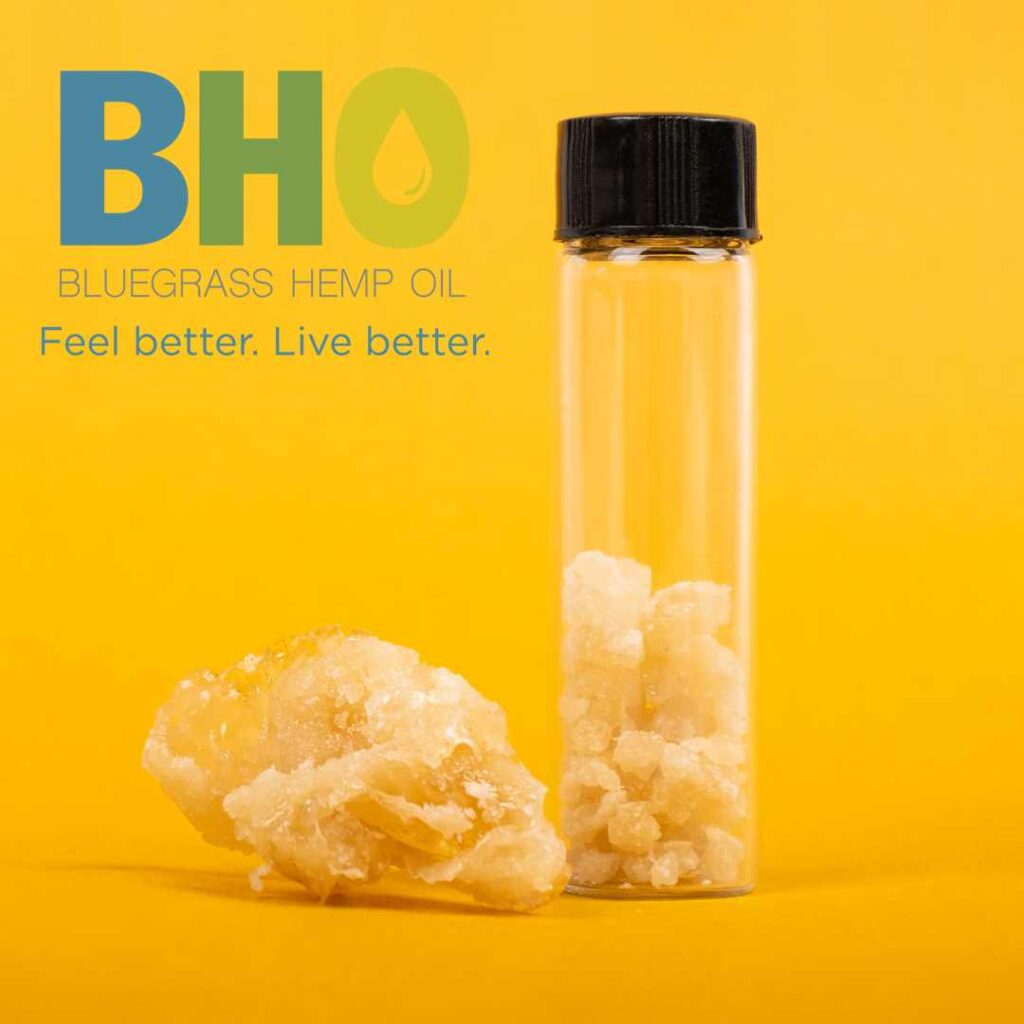
Oleoresin extract vs isolated CBD comparison showing whole plant hemp extract and CBD isolate
Important safety note

CBD products are not intended to diagnose, treat, cure, or prevent disease. Talk with a qualified healthcare professional before using CBD if you take medications, are pregnant or nursing, or manage a medical condition. For general safety context, review the FDA consumer safety information about CBD and cannabis-derived products.

Plain-English shopper summary

CBD Isolate vs Oleoresin: The Difference in One Minute

CBD isolate is a refined hemp extract focused on one cannabinoid, CBD. It is usually chosen for neutral flavor, precise formulation, and THC-conscious routines. Oleoresin extract is a resin-rich whole-plant hemp extract that keeps a broader profile of cannabinoids, terpenes, flavonoids, and natural plant compounds.

Choose isolate when you want:

  • one main cannabinoid listed on the COA
  • neutral taste and smell
  • simple formulation and serving control
  • extra attention to non-detectable THC, when verified by the batch lab report

Choose oleoresin when you want:

  • a whole-plant hemp extract profile
  • natural terpenes and aromatic plant compounds
  • full-spectrum CBD education before buying
  • a COA that shows cannabinoids, THC level, and contaminant screening

CBD Isolate vs Oleoresin: Whole Plant Hemp Extract vs Single Compound

Both extracts can start with similar plant material and extraction equipment. The biggest difference is what remains after processing: isolate narrows the profile to CBD, while oleoresin keeps more of the plant’s natural chemistry intact.

CBD Isolate

Best fit: precise CBD serving control, neutral taste, and strict THC-conscious routines.

  • Single cannabinoid focus
  • Typically odorless and flavor-neutral
  • Often preferred for formulas needing precision
  • Drug-testing concern: lower THC risk, but always verify the COA

Oleoresin Extract

Best fit: users seeking a whole-plant hemp extract with natural terpenes, flavonoids, and minor cannabinoids.

  • Broader cannabinoid profile
  • More plant-like aroma and flavor
  • Built for a broader full-spectrum profile
  • Full-spectrum products may contain legal trace THC below 0.3%

Potency, Flavor, and Purity: How the Choice Changes the Experience

Potency

Isolate is easier to formulate around a specific CBD number. Oleoresin focuses on the broader plant profile, not only one cannabinoid count.

Flavor

Isolate is usually neutral. Oleoresin may smell and taste like the plant because it retains more volatile aromatic compounds, including terpenes.

Purity

Purity does not only mean “one compound.” For either extract, purity should be verified through third-party testing for potency and contaminants.

Oleoresin Extract: A Whole-Plant Hemp Profile With Natural Complexity

Oleoresin is a resin-rich, whole-plant capture that may preserve more cannabinoids, terpenes, flavonoids, pigments, and aromatic plant compounds than heavily refined extracts.

That matters for people comparing whole plant hemp extract options and researching whether oleoresin extract is better for the entourage effect. The entourage effect describes the way cannabinoids, terpenes, and flavonoids may interact as a broader plant matrix.

For more background on the full-spectrum approach, read our full-spectrum CBD guide guide.

Cannabinoid Spectrum Map

Oleoresin

CBD · CBDA · CBG · CBC · Terpenes

Isolate

CBD only

Cannabinoid Chart: CBD, THC, CBG, CBN, CBC, and Terpenes

Use this cannabinoid chart as a quick visual reference when comparing CBD isolate, oleoresin extract, full-spectrum CBD, minor cannabinoids, terpenes, and trace THC. Then verify the product itself with a consumer-friendly cannabinoid guide, a full-spectrum CBD explanation, and a batch-specific Certificate of Analysis.


Cannabinoid chart wheel showing CBD, THC, CBG, CBC, CBN, CBDA, THCA, and other hemp cannabinoids
Cannabinoids work best as a product-comparison topic, not a medical promise. Use the chart to understand labels, then confirm CBD, minor cannabinoids, and THC levels on the current lab report.

When CBD Isolate May Be the Better Fit

CBD isolate can be the better fit when the goal is a precise CBD amount, a clean flavor profile, or a formula that avoids hemp’s natural earthy taste.

It is also the extract many shoppers consider when they have strict THC or drug-testing concerns. A true isolate should show non-detectable THC on a current COA, but drug-testing risk can never be reduced to zero without reviewing the product and your specific testing requirements.

Precise CBD Count

Useful for formulas that need a narrow CBD target.

Neutral Taste

Good for shoppers sensitive to hemp’s earthy flavor.

THC-Conscious Use

Verify non-detectable THC with a batch-specific COA.

Simple Formulation

Best when the goal is one isolated cannabinoid.

Cannabis Extraction Methods and the Post-Processing Difference

The first extraction step, such as ethanol, CO2, or hydrocarbon extraction, pulls compounds from hemp flower. The final product is shaped by post-processing. Winterization can remove waxes and fats, distillation can concentrate selected fractions, and crystallization can produce CBD isolate by separating CBD from other plant compounds.

Extraction Path Main Priority What to Review
Ethanol Efficient broad extraction Post-processing, residual solvent testing, cannabinoid profile
CO2 Controlled extraction parameters Terpene retention, batch consistency, COA results
Hydrocarbon / Oleoresin Workflow Profile preservation and aromatic plant compounds Purging standards, terpene preservation, contaminant screening
Hemp Flower

→

Primary Extraction

→

Crude Oleoresin
whole-plant profile

or

Refined Isolate
winterized · distilled · crystallized

How to Compare Extract Quality: Start With Testing, Not Marketing Claims

Whether you choose isolate or oleoresin, the most important trust signal is a batch-specific COA. A good lab report verifies cannabinoid profile, confirms THC levels, and screens for contaminants such as pesticides, heavy metals, microbials, and residual solvents.

Bluegrass Hemp Oil emphasizes Kentucky-grown hemp, practical product education, and transparent quality review so shoppers can compare products with confidence.

Kentucky-Grown

Traceable hemp origin matters because extraction quality begins before the lab. Strong cultivation standards help support cleaner inputs, better batch consistency, and more transparent finished products.

Which Hemp Extract Should You Choose?

Choose CBD Isolate If...

You want an odorless CBD option, a precise CBD serving, or a THC-conscious formula that can be verified by COA.

Choose Oleoresin If...

You want a Kentucky-grown full-spectrum hemp oil with plant aroma, minor cannabinoids, terpenes, and a broader whole-plant profile.

Need Help Comparing?

Start with product education, read COAs, and compare cannabinoid profiles before buying.

Read CBD Quality Guide

CBD Isolate vs Oleoresin FAQ for Shoppers

What’s the difference between CBD isolate and resin?

CBD isolate is refined to contain one main compound: CBD. Oleoresin, sometimes described as a resin-rich whole-plant hemp extract, keeps a broader mix of cannabinoids, terpenes, flavonoids, and aromatic compounds.

Will CBD isolate show up on a drug test?

CBD itself is not usually the target of standard THC drug tests, but product contamination or mislabeled THC can create risk. Review a current COA and follow your workplace or testing program rules.

Why does oleoresin smell like the plant?

Oleoresin can smell more like hemp because it preserves volatile aromatic compounds such as terpenes. These compounds contribute to the plant’s natural aroma and are often reduced during heavy refining.

Is oleoresin extract better for the entourage effect?

Oleoresin may be preferred by users seeking a whole-plant profile because it retains more cannabinoids, terpenes, and flavonoids. The entourage effect is an area of ongoing research, not a guaranteed outcome.

What is the cleanest cannabis extraction for terpenes?

There is no single cleanest method for every goal. Review cultivation standards, extraction controls, post-processing methods, residual solvent testing, terpene profile, and contaminant screening on the COA.

Are isolate and oleoresin medical treatments?

No. CBD and hemp extracts are not intended to diagnose, treat, cure, or prevent disease. Talk with a healthcare professional before using CBD, especially if you take medications or manage a medical condition.

BP

About the author

About Bill Polyniak

Bill Polyniak is the founder of Bluegrass Hemp Oil and Kentucky Cannabis Company. His hemp education work focuses on Kentucky-grown hemp, full-spectrum CBD, product transparency, Certificates of Analysis, clear labels, and helping shoppers ask better questions before choosing a CBD product.

Bill’s practical approach is simple: compare the label, review the batch-specific lab report, understand THC content, and choose products from companies that are willing to explain their quality standards in plain language.

Shop Lab-Tested Full Spectrum Hemp Oil

Explore Kentucky-grown full-spectrum hemp products with clear labels, realistic wellness language, and batch-specific lab testing.

The CBD Craze: How to Separate Hype From Quality

The CBD Craze: How to Separate Hype From Quality

CBD Market Education

The CBD Craze: How to Separate Hype From Quality

CBD products are everywhere, but not every product is transparent, well-labeled, or easy to evaluate. As the CBD market has grown, consumers have had to navigate exaggerated claims, unclear labels, synthetic cannabinoids, intoxicating hemp products, and inconsistent product quality.

Educational notice: This article is for educational purposes only and is not medical advice. Bluegrass Hemp Oil products are not intended to diagnose, treat, cure, or prevent any disease. Speak with a licensed healthcare professional before using CBD if you take medication, are pregnant or nursing, have a medical condition, or are shopping for a child or dependent.

By: Bluegrass Hemp Oil Editorial Team  |  Last updated: May 18, 2026

Quick answer

What should shoppers know about the CBD craze?

The CBD craze made hemp products easier to find, but it also made quality harder to judge. A smarter CBD purchase starts with the product type, the CBD amount per serving, THC information, ingredients, a batch-specific Certificate of Analysis, and clear company contact information.

Ask before buying

What type of CBD is it, how much CBD is listed per serving, and does the lab report match the label?

Check the lab report

A current Certificate of Analysis can help confirm cannabinoid content, THC information, and available contaminant testing.

Watch for red flags

Avoid medical promises, unclear labels, missing COAs, child-appealing packaging, and intoxicating products marketed like ordinary hemp.

Helpful starting points include CBD lab testing explained, batch-specific Certificates of Analysis, and how to read a CBD product label.

Red flag awareness

The Problem With CBD Hype

Some CBD marketing is driven by broad promises rather than clear product information. A credible CBD company should focus on transparent lab testing, realistic education, safety considerations, and clear labels instead of disease, symptom, or cure claims.

Marketing claims to question

CBD cures disease
CBD treats anxiety
CBD relieves pain
CBD improves sleep
CBD works for everyone
CBD has no side effects
Stronger is always better
No lab report needed

Consumers should review CBD interactions, understand what a CBD quality guide can help identify, and avoid products that rely on medical promises rather than transparent product details.

Product type, not a medical claim

Full-Spectrum CBD: What It Means and What It Does Not Mean

Full-spectrum CBD products contain CBD along with other naturally occurring hemp compounds, such as minor cannabinoids, terpenes, flavonoids, and trace amounts of THC within applicable hemp limits. Full-spectrum is a product type. It does not mean the product treats disease, relieves symptoms, or works better for every person.

Full-spectrum CBD

Contains CBD plus other naturally occurring hemp compounds and may contain trace THC. Review the Certificate of Analysis before use.

Learn About Full-Spectrum CBD

Broad-spectrum CBD

Typically contains multiple hemp compounds but is formulated differently from full-spectrum products. Always review label and lab details.

CBD isolate

Contains CBD only. Some consumers prefer isolate because they want to avoid other hemp compounds or THC exposure.

Explore Cannabinoids

If THC exposure matters because of personal preference, sensitivity, medication considerations, or drug testing, review CBD vs THC, terpenes, and CBD absorption resources before choosing a product.

Safety warning

Synthetic Cannabinoids and Intoxicating Hemp Products

Not every product labeled “hemp” is non-intoxicating or equivalent to CBD. Some hemp-derived products may contain intoxicating cannabinoids, including Delta-8 THC. Delta-8 THC is psychoactive, can cause a high, and should not be treated as the same thing as CBD.

Delta-8 THC is intoxicating

Delta-8 THC is not the same as CBD. It can impair judgment, coordination, reaction time, and decision-making.

Hemp labels can confuse

A hemp-labeled product may still contain intoxicating THC. Consumers should not assume “hemp” means non-intoxicating.

Testing and labels matter

Synthetic or chemically converted cannabinoids may involve potency, contamination, labeling, and safety concerns.

Learn more about Delta-8 THC dangers, CBD vs THC, and CBD and drug testing.

Buyer checklist

CBD Product Quality Red Flags

A product should be easy to evaluate before purchase. If the label, lab report, ingredients, THC content, or company contact information is unclear, choose caution.

  • No Certificate of Analysis
  • No batch-specific lab report
  • No clear CBD amount per serving
  • No THC information
  • Vague ingredients
  • Medical claims or cure language
  • No company address or support contact
  • No medication-interaction caution
  • Unrealistic testimonials
  • Products that look like candy or children’s snacks
  • Delta-8 products mislabeled as hemp
  • Very low prices with no testing information

Start with how to read a CBD product label, then compare Certificates of Analysis and the CBD quality guide.

Transparency standards

What a Better CBD Product Should Show You

High-quality CBD products should make it easier for consumers to understand what they are buying, how much CBD is listed per serving, whether THC is present, and how to review batch-specific testing.

Product detail Why it matters
CBD amount per serving Helps customers understand what the label lists for a typical serving.
THC content Important for sensitivity, personal preference, and drug-testing concerns.
Product type Full-spectrum, broad-spectrum, and isolate products are different.
Batch-specific COA Allows customers to compare label information with available lab data.
Warning language Helps customers think about medications, pregnancy, nursing, children, pets, and safety-sensitive situations.

Review CBD lab testing, Certificates of Analysis, and our quality standards before relying on product marketing alone.

Trust and verification

Lab Testing and Certificates of Analysis

A Certificate of Analysis is a lab report that can help customers compare what is on a product label with available lab data. COAs can support transparency by showing cannabinoid content, THC levels, and product-specific testing information. A lab report does not prove that a product treats symptoms or disease.

CBD Lab Testing

Learn what lab testing can show about cannabinoid content, THC levels, and product transparency.

Learn About Lab Testing

Certificates of Analysis

Review available product-specific lab reports before choosing a CBD product.

View Certificates of Analysis

How to Read a CBD Product Label

Understand ingredients, serving information, THC content, and product details before buying.

Read how to read a CBD product label

CBD Quality Guide

Learn how to evaluate CBD products with a safety-first mindset.

View Quality Guide

Consumer safety

CBD Safety: What Consumers Should Know

CBD is not risk-free. CBD may interact with medications, may cause drowsiness or digestive changes, and may not be appropriate for everyone. Full-spectrum CBD may contain trace THC, and people subject to drug testing should review THC risk before choosing a product.

Speak with a healthcare professional first when risk factors apply

Talk with a doctor or pharmacist before using CBD if you take prescription medication, over-the-counter medication, herbs, or supplements, or if you are pregnant, nursing, managing a medical condition, shopping for a child or dependent, or concerned about THC exposure.

  • CBD may interact with medications.
  • CBD may cause drowsiness, digestive changes, appetite changes, or mood changes in some people.
  • CBD may raise liver-safety concerns.
  • CBD use during pregnancy or breastfeeding is not recommended.
  • Keep CBD products away from children and pets.

Helpful safety resources include CBD interactions, how long CBD stays in your system, CBD and drug testing, and CBD vs THC.

Industry responsibility

Supporting Responsible Hemp Farming and Transparency

A healthier CBD market depends on transparent companies, responsible hemp sourcing, clear labels, accessible lab reports, and realistic consumer education. Supporting brands that disclose sourcing, testing, ingredients, and quality standards helps move the industry away from misleading claims and unsafe shortcuts.

Responsible sourcing

Learn how sourcing and process transparency support better consumer decisions.

Read Our Hemp Process

Quality standards

Review how standards, testing, and product documentation help build trust.

Review Our Quality Standards

Science and quality

Explore education-focused resources around hemp, cannabinoids, testing, and product quality.

Science and Quality

Kentucky hemp roots

Learn more about hemp history, local agriculture, and the Kentucky hemp program.

Kentucky Hemp Program

Bluegrass Hemp Oil

Bluegrass Hemp Oil’s Approach to CBD Education and Quality

Bluegrass Hemp Oil is a Kentucky-based hemp company focused on CBD education, product transparency, lab testing, and quality standards. Our educational resources help adults ask better questions, compare labels, review Certificates of Analysis, and understand when to speak with a healthcare professional.

Our Process

Learn how Bluegrass Hemp Oil approaches hemp sourcing, extraction, and product education.

Read the Bluegrass Hemp Oil process

Our Quality Standards

Review the standards that shape our product transparency and consumer education.

Review Bluegrass Hemp Oil quality standards

Science and Quality

Explore educational resources about cannabinoids, testing, and quality considerations.

Explore CBD science and quality resources

Founder and Story

Learn about the Bluegrass Hemp Oil story and Bill Polyniak’s work in Kentucky hemp.

Read the Bluegrass Hemp Oil Story

Keep learning

Related CBD Safety and Quality Resources

CBD Lab Testing

Learn how lab testing supports product transparency.

Learn how CBD lab testing works

Certificates of Analysis

Review product-specific testing information.

View Certificates of Analysis

Delta-8 THC Dangers

Understand why intoxicating hemp products can create safety concerns.

Read the Warning

CBD vs THC

Learn the important differences between CBD and THC.

Compare CBD and THC

About the author

Bill Polyniak

Founder, hemp educator, and product transparency advocate.

Bill Polyniak is the founder of Bluegrass Hemp Oil and Kentucky Cannabis Company. His education-first work focuses on Kentucky hemp, full-spectrum CBD product quality, transparent labels, Certificates of Analysis, and helping consumers ask better questions before choosing CBD products.

Quick answers

Frequently Asked Questions

Why is CBD so popular?

CBD became popular as hemp-derived products became more widely available and consumers began seeing CBD oils, gummies, capsules, topicals, and other formats. Popularity does not guarantee product quality, safety, label accuracy, or suitability for every person.

Is the CBD craze mostly hype?

Some CBD marketing is hype-driven, especially when products make disease, pain, anxiety, sleep, or cure claims. A safer approach is to evaluate labels, lab reports, THC content, ingredients, warning language, and company transparency.

How do I know if a CBD product is high quality?

Look for clear CBD amount per serving, full ingredient details, THC content, batch-specific lab testing, a Certificate of Analysis, warning language, and transparent company standards. A credible company should make product information easy to review.

What are red flags when buying CBD?

Red flags include no Certificate of Analysis, vague ingredients, no THC information, unrealistic medical claims, unclear serving information, no company contact details, or products that look like children’s candy or snacks.

What is a Certificate of Analysis for CBD?

A Certificate of Analysis is a lab report that provides product-specific testing information, such as cannabinoid content and THC levels. A COA supports transparency, but it does not prove that a CBD product treats symptoms or disease.

Is full-spectrum CBD better than CBD isolate?

Full-spectrum CBD and CBD isolate are different product types. Full-spectrum products contain multiple hemp compounds and trace THC, while isolate products contain CBD only. Better depends on personal preference, THC concerns, label review, and professional guidance when needed.

Is CBD the same as Delta-8 THC?

No. CBD alone is not typically intoxicating. Delta-8 THC is psychoactive and intoxicating, and FDA has warned that Delta-8 THC products have not been evaluated or approved for safe use.

Are synthetic cannabinoids dangerous?

Synthetic or chemically converted cannabinoids may create safety concerns, including unpredictable potency, contaminants, unknown byproducts, intoxication, and adverse events. Consumers should avoid products with unclear labels, unclear testing, or intoxicating hemp claims.

Can CBD interact with medication?

Yes. CBD may interact with prescription medications, over-the-counter drugs, herbs, or supplements. Speak with a doctor or pharmacist before using CBD if you take medication, have a medical condition, or have safety concerns.

What should I check before buying CBD?

Check the label, ingredients, CBD amount per serving, THC content, batch number, Certificate of Analysis, third-party lab testing, warning language, company quality standards, and whether the product is intoxicating or non-intoxicating.

Transparency

Sources and Editorial Note

This article is provided for educational purposes and is not medical advice. It is designed to help adults understand CBD market hype, product-quality red flags, lab testing, Certificates of Analysis, synthetic cannabinoid concerns, and safety considerations before choosing a CBD product.

CBD Gift Guide: Choose the Right CBD Gift

CBD Gift Guide: Choose the Right CBD Gift

CBD Gift Guide

CBD Gift Guide: Choose the Right CBD Gift

A thoughtful CBD gift should feel personal, easy to understand, and transparent. Use this guide to compare oils, gummies, topicals, pet products, and gift bundles by checking labels, COAs, THC content, ingredients, and safety notes before you buy.

Quick Answers

Is CBD a Good Gift?

CBD can be a thoughtful gift for an adult who is already interested in hemp wellness, but it should be chosen carefully. A good CBD gift is easy to understand, clearly labeled, supported by current lab testing, and framed as a wellness product rather than a medical solution.

?

What CBD gift is easiest to compare?

CBD oil, gummies, capsules, and topicals are easier to compare when the label shows CBD per serving, total CBD, THC content, ingredients, and batch number.

✓

What should I check first?

Start with a current Certificate of Analysis, then review serving size, THC disclosure, ingredients, warnings, and whether the format fits the recipient.

!

Who should ask a professional first?

Anyone who takes medication, is pregnant or nursing, has liver concerns, is subject to drug testing, or manages a medical condition should talk with a qualified healthcare professional first.

Important CBD Gift Safety Note

CBD products are not intended to diagnose, treat, cure, or prevent any disease. Do not gift CBD as a substitute for medical care, mental health support, pain treatment, sleep treatment, or veterinary care. If the recipient takes medication, has liver concerns, is pregnant or nursing, is subject to drug testing, or has a medical condition, encourage them to speak with a qualified healthcare professional before using CBD.

For pet CBD gifts, speak with the recipient first and recommend veterinary guidance. CBD products should be stored away from children and pets, especially gummies and other food-like products. For broader consumer safety context, review the FDA CBD safety information for consumers and the FDA guidance on CBD, THC, pregnancy, and breastfeeding.

Choose by Format

CBD Gift Ideas by Product Type

The best CBD gift depends on the person, their comfort level, and the product details. Use this table to match the format to the situation without making medical promises.

CBD gift type Why someone may like it What to check before gifting
CBD oil Flexible format for adults who want to compare serving size, carrier oil, and full-spectrum profile. Read the label, CBD per serving, THC disclosure, ingredients, and COA. See how to take CBD oil for format education.
CBD gummies Convenient, familiar, and easy to wrap as part of a wellness-themed gift. Review sugar, ingredients, CBD per gummy, THC content, and child-safe storage.
CBD capsules Simple, consistent format for adults who prefer a capsule-style routine. Review capsule ingredients, serving directions, THC status, and COA.
CBD topicals External-use option for shoppers who prefer lotions, balms, or skin-care-style gifts. Review ingredients, fragrance, skin sensitivities, external-use warnings, and label directions.
Pet CBD Thoughtful for a pet owner who already wants to discuss CBD with their veterinarian. Confirm it is pet-specific, ask the recipient first, and encourage veterinary guidance before use.

For a side-by-side format guide, read CBD oil vs gummies vs capsules.

Before You Buy

CBD Gift Buyer Checklist

Use this checklist before choosing a CBD gift, especially if the recipient is new to CBD.

  • Confirm the product type: full-spectrum CBD, broad-spectrum CBD, or CBD isolate.
  • Review CBD per serving and total CBD per package.
  • Check THC content and whether the recipient has drug-testing concerns.
  • Read ingredients, allergens, sweeteners, carrier oils, and fragrance details.
  • Look for a batch number that matches the Certificate of Analysis.
  • Avoid products that promise to treat pain, anxiety, sleep problems, inflammation, or disease.

Occasion Ideas

When CBD Can Make a Thoughtful Gift

CBD gifts fit best when the message is personal, respectful, and centered on informed choice. Avoid surprising someone with CBD if you do not know their comfort level, medication situation, or workplace drug-testing concerns.

🎁

Holiday gifts

Pair a CBD product with a cozy blanket, tea, or a label-reading note so the gift feels thoughtful and educational.

🎂

Birthdays

Choose a format the person already likes, such as oil, gummies, capsules, or topical products.

💙

Just because

Use CBD as part of a self-care basket instead of framing it as a fix for a health concern.

🐾

Pet owner gifts

Only gift pet CBD when the pet owner is comfortable with it and can discuss it with a veterinarian.

Bluegrass Hemp Oil

Why Choose Bluegrass Hemp Oil for CBD Gifts?

CBD gift-giving is easier when the company makes product details visible. Bluegrass Hemp Oil focuses on Kentucky-grown hemp education, full-spectrum CBD, clear product labels, and third-party testing so shoppers can compare products with more confidence.

KY

Kentucky hemp story

Bluegrass Hemp Oil connects its CBD education to Kentucky hemp, family history, and product transparency.

COA

Testing and COAs

Batch-specific reports help shoppers review CBD amount, THC content, cannabinoid profile, and testing details.

EDU

Education before claims

The strongest gift message is not a medical promise. It is clear information the recipient can review before use.

Keep Learning

Helpful CBD Gift-Giving Resources

These related guides help shoppers compare CBD product types, labels, COAs, THC content, and safety questions before buying.

Travel and Shipping

Can You Travel With a CBD Gift?

Travel rules can vary by product, THC content, location, and destination. Keep CBD gifts in original packaging, check local laws, and review current airline or TSA guidance before traveling. TSA says products that contain no more than 0.3 percent THC on a dry weight basis or are FDA-approved are allowed, but travelers remain responsible for knowing the rules that apply to them.

Before packing a CBD gift, review the TSA medical marijuana and CBD travel guidance.

Gift Presentation

What Makes a CBD Gift Feel Thoughtful?

A CBD gift feels more helpful when the recipient can understand what it is, where it came from, and how to review the product details for themselves.

  • Original packaging: Keeps serving size, ingredients, THC information, storage directions, and warnings easy to find.
  • Lab report access: A short note or QR reminder helps the recipient review the current batch-specific COA.
  • Personal touch: Tea, a journal, a candle, or a small self-care item can make the gift feel warm without making a medical promise.
  • Clear expectations: Simple wording like “I thought this might fit your wellness routine” feels more appropriate than claims about treating a health issue.
  • Safe storage: Gummies and other food-like CBD products should stay out of reach of children and pets.
BP

Bill Polyniak

Founder • Product Developer • CBD Educator

About the Author

Bill Polyniak’s CBD Gift-Giving Approach

Bill Polyniak is a Kentucky hemp pioneer, founder of Bluegrass Hemp Oil and Kentucky Cannabis Company, product developer, and CBD educator. His education-first approach focuses on full-spectrum hemp, transparent product quality, labels, Certificates of Analysis, serving information, and realistic safety conversations.

For gift shoppers, Bill’s message is simple: understand the product before you wrap it. A thoughtful CBD gift should be clearly labeled, batch-tested, and presented without medical promises.

FAQ

CBD Gift Guide FAQs

What is the best CBD gift for someone new to CBD?

The best CBD gift for a beginner is one with a clear label, simple serving information, a current COA, and ingredients the recipient can understand. CBD oil, gummies, capsules, or topicals can all work, but the right choice depends on the person’s preferences and safety considerations.

Should I gift full-spectrum CBD or CBD isolate?

Full-spectrum CBD includes CBD plus other hemp compounds and possible trace THC. CBD isolate focuses on CBD only. A recipient with THC sensitivity, drug-testing concerns, or uncertainty may prefer to avoid full-spectrum CBD. Compare product type, THC content, and COA before buying.

Can I gift CBD to someone who takes medication?

Be cautious. CBD may interact with medications and can raise safety questions for some people. Encourage the recipient to speak with a doctor or pharmacist before using CBD if they take medication or have a medical condition.

Is CBD a good gift for pets?

Pet CBD should only be gifted when the pet owner is interested and can consult a veterinarian. Choose pet-specific products and avoid giving human CBD products to animals.

What should I include with a CBD gift?

Include the original packaging, a link to the product’s COA, label-reading information, storage instructions, and a note that the gift is for education and wellness routines, not medical treatment.

Final Takeaway

The Perfect CBD Gift Starts With Transparency

A CBD gift should feel thoughtful, not confusing. Choose products with clear labels, current lab testing, transparent THC information, and realistic safety language. When in doubt, give education first and let the recipient decide whether CBD fits their routine.

Dog Health Guide: Vet Care, Nutrition, Wellness & CBD Safety

Dog Wellness Guide

Dog Health Guide: Wellness, Vet Care, Nutrition, and CBD Safety

A healthy dog routine starts with veterinary care, nutrition, movement, dental care, behavior support, safe observation, and product transparency. This guide also explains how to think about CBD for dogs without confusing wellness education with treatment claims.

Quick Answers

What Should Dog Owners Know First?

Dog health is easier to manage when owners focus on routine care, early observation, and clear veterinary guidance. CBD questions should fit inside that bigger wellness conversation.

🐾

What keeps a dog healthy?

Regular exams, balanced nutrition, healthy weight, movement, dental care, parasite prevention, safe enrichment, and owner observation.

🩺

When should I call a vet?

Call for new, worsening, unexplained, severe, or sudden changes in appetite, water intake, mobility, behavior, breathing, vomiting, diarrhea, seizures, or collapse.

🌿

Is CBD a dog health treatment?

No. CBD should not be used to diagnose, treat, cure, or prevent disease in dogs. Discuss CBD or any supplement with your veterinarian before use.

Foundation

What Does Good Dog Health Include?

Good dog health is not one product or one supplement. It is a daily routine built around prevention, observation, safe care, and a working relationship with a veterinarian.

1

Veterinary care

Routine exams, vaccine decisions, parasite prevention, dental checks, medication review, and age-appropriate monitoring.

2

Daily wellness

Appropriate nutrition, measured portions, fresh water, healthy movement, mental enrichment, grooming, and rest.

Veterinary First

Start With Routine Veterinary Care

Your veterinarian can evaluate age, breed, lifestyle, body condition, medical history, medications, and local disease risk. That context matters before changing food, starting supplements, or trying CBD.

Dog Life StageTypical Wellness FocusWhat Owners Can Ask
PuppiesVaccines, growth, parasite screening, nutrition, behavior, and socialization.What schedule fits my puppy, and what symptoms need urgent care?
Adult dogsAnnual wellness exams, weight, dental care, vaccines, parasite prevention, and lifestyle changes.Is my dog at a healthy weight, and should any routine change?
Senior dogsMore frequent exams, mobility, organ function, behavior changes, and dental health.Could stiffness, appetite changes, or sleep changes signal a medical issue?
Dogs with chronic conditionsIndividualized monitoring, medication reviews, lab work, and care plans.Could any supplement interact with medication or affect liver values?

Practical takeaway

Ask your veterinarian how often your dog should be seen, which vaccines and parasite preventives make sense, what weight range is appropriate, and whether any supplement is appropriate for your dog.

Owner Observation

Watch for Changes in Your Dog’s Normal Habits

Small changes can be important because dogs often hide discomfort. A simple note on your phone can help you track what changed, when it started, and whether the pattern is getting worse.

  • Appetite or water intake changes
  • Energy level, sleep pattern, or behavior changes
  • Vomiting, diarrhea, coughing, breathing changes, or collapse
  • Weight change, coat change, skin irritation, ear odor, or dental odor
  • Limping, stiffness, reluctance to jump, or trouble rising
  • New anxiety, fear, restlessness, aggression, seizures, or fainting

When to call your veterinarian

Call your veterinarian if your dog has new, worsening, or unexplained symptoms. Do not use CBD, supplements, or home remedies to delay veterinary care.

Daily Care

Nutrition, Healthy Weight, and Daily Routine

Your dog’s food should fit their age, size, breed, activity level, body condition, and medical history. Your veterinarian can help determine an ideal weight and nutrition plan.

🥣

Food and portions

Feed a complete and balanced dog food appropriate for life stage, and measure portions instead of free-pouring.

💧

Water and treats

Keep fresh water available, limit treats, and account for training rewards when evaluating daily calories.

📋

Diet changes

Ask your veterinarian before changing diets, using special diets, adding supplements, or making major routine changes.

Movement and Enrichment

Exercise and Mental Enrichment

Dogs need both physical activity and mental stimulation. The right plan depends on age, breed, health status, temperament, fitness level, and weather conditions.

🐕

Movement ideas

Walks, play sessions, sniff walks, fetch when appropriate, gentle mobility work, and supervised swimming when safe.

🧠

Mental enrichment

Training games, puzzle feeders, scent work, safe chewing options, structured rest, and social time with compatible dogs.

⚠

Activity safety

Dogs with heart disease, breathing issues, injury, obesity, arthritis, heat sensitivity, or senior mobility concerns need veterinarian-guided plans.

Behavior Safety

Behavior, Anxiety, and Hyperactivity

Behavior concerns can have many causes, including boredom, insufficient exercise, fear, pain, illness, poor sleep, breed-specific needs, lack of training structure, or environmental stress. Sudden behavior changes deserve a veterinary conversation.

  • Use predictable routines and consistent household rules.
  • Provide daily exercise matched to the dog.
  • Add mental enrichment and positive-reinforcement training.
  • Avoid punishment-based methods that can worsen fear or stress.
  • Manage triggers and provide safe resting spaces.
  • Ask about a veterinary behaviorist when concerns are persistent, severe, or sudden.

CBD and behavior claims

CBD products should not be described as treating anxiety, hyperactivity, stress, aggression, destructive behavior, separation anxiety, or sleep problems in dogs. Pet owners should not use CBD to delay a behavior or medical evaluation.

Senior Care

Joint Health, Mobility, and Aging Dogs

Senior dogs often need closer observation because changes can be gradual. Do not assume stiffness, limping, or trouble rising is “just old age.”

🦴

Signs to discuss

Stiffness, limping, slower walks, trouble rising, difficulty with stairs, reluctance to jump, or changes in play.

🏡

Home adjustments

Non-slip rugs, ramps or steps, trimmed nails, orthopedic bedding, gentle activity, and easier access to water and rest areas.

🩺

Veterinary options

Your veterinarian can discuss evaluation, weight management, prescription medications, rehabilitation, or veterinary-approved supplements.

Pet CBD boundary

Claims that CBD reduces joint pain, inflammation, arthritis symptoms, stiffness, or mobility problems in dogs are veterinary treatment claims and should be avoided. For a safety-first discussion, read the CBD for dog joint pain safety guide.

Routine Checks

Dental Care, Skin, Coat, and Grooming

Dental care, skin checks, ear checks, nail care, and grooming can reveal issues early. Your veterinarian can recommend dental cleaning, skin care, ear care, allergy evaluation, parasite prevention, or grooming routines based on your dog’s needs.

  • Bad breath, red gums, bleeding gums, tartar buildup, or broken teeth
  • Excessive scratching, hair loss, hot spots, paw licking, or new lumps
  • Ear odor, debris, head shaking, or frequent ear scratching
  • Overgrown nails, matting, skin irritation, or coat changes

CBD Safety

CBD and Dog Health: What Owners Should Know

Many pet owners are curious about CBD, but dog health decisions should stay veterinarian-first. CBD should not be used to delay diagnosis, replace medications, or manage symptoms at home without veterinary guidance.

Important pet CBD safety note

CBD products for dogs should not be marketed as treatments for anxiety, pain, inflammation, arthritis, seizures, hyperactivity, sleep problems, skin conditions, digestive issues, or any disease. CBD is not FDA-approved for use in animals.

1

Talk with your vet

Discuss medications, liver concerns, age, pregnancy, nursing, chronic disease, and whether a supplement is appropriate.

2

Avoid human products

Human CBD products may contain ingredients, sweeteners, THC levels, or serving sizes that are not appropriate for dogs.

3

Store safely

Keep CBD, THC, gummies, oils, and all cannabis products away from children and pets. Call a veterinarian or poison control for accidental exposure.

Labels and COAs

How Should Dog Owners Review CBD Product Labels?

A clear label helps owners compare products before buying. A Certificate of Analysis helps connect a product batch with available lab data. Neither a label nor a COA proves that a CBD product treats a health condition.

What to ReviewWhy It MattersHelpful Resource
CBD amount and serving informationShows what the product says is in each serving and container.Learn how CBD lab testing works
THC contentTHC can be unsafe for pets and should be reviewed carefully on the COA.Understand CBD vs THC
IngredientsSweeteners, flavors, essential oils, and other ingredients may matter for dogs.Read the CBD product label guide
Batch-specific COABatch matching helps connect the product package to the available lab report.View batch-specific Certificates of Analysis

Keep Learning

Related Dog and CBD Safety Resources

These related guides help dog owners compare pet CBD safety, product labels, lab reports, THC concerns, and veterinarian-first decision-making.

About the Author

About Bill Polyniak

BP
Bill Polyniak Founder, Product Developer, CBD Educator

Bill Polyniak is the founder of Bluegrass Hemp Oil and Kentucky Cannabis Company. His work focuses on Kentucky hemp education, full-spectrum CBD, product transparency, clear labels, Certificates of Analysis, and helping families ask better questions before buying hemp products.

For pet-related topics, Bill’s education-first message is simple: start with veterinary care, avoid disease claims, review the label and COA, and do not use CBD to delay a veterinarian’s diagnosis or treatment plan.

FAQ

Dog Health and CBD Safety FAQs

What is the best way to support dog health?

The best foundation is routine veterinary care, appropriate nutrition, healthy weight, exercise, mental enrichment, dental care, parasite prevention, safe observation, and early veterinary support when habits change.

Can CBD treat anxiety, pain, arthritis, seizures, or skin problems in dogs?

No. CBD should not be presented as a treatment for anxiety, pain, arthritis, seizures, skin disease, digestive issues, or any disease in dogs. Speak with your veterinarian before using CBD or any supplement.

Should I give my dog human CBD oil?

Do not give human CBD products to a dog without veterinary guidance. Human products may contain ingredients, sweeteners, THC levels, or serving sizes that are not appropriate for animals.

What should I check on a pet CBD label?

Review product type, CBD amount, THC content, ingredients, serving information, storage instructions, batch number, warnings, and a batch-specific Certificate of Analysis.

When should I call a veterinarian?

Call your veterinarian for new, worsening, unexplained, severe, or sudden changes in appetite, water intake, mobility, behavior, breathing, vomiting, diarrhea, seizures, fainting, or collapse.

Final Takeaway

Dog Wellness Starts With Care, Observation, and Clear Product Review

A strong dog health routine starts with veterinarian-first decisions, daily observation, nutrition, healthy movement, dental and skin care, and safe product review. CBD education can help owners ask better questions, but it should never replace a veterinarian’s diagnosis, medication plan, or emergency care.

Full-Spectrum Hemp Oil, REM Cycles & Better Nighttime Routines

Sleep Architecture Guide

Full-Spectrum Hemp Oil, REM Cycles, and Better Nighttime Routines

The goal of a nighttime routine is not simply to feel knocked out. Restorative sleep depends on moving through non-REM and REM stages in a natural rhythm, usually across four to six cycles each night. This guide explains the Dream Gap, why heavy sedation can feel different from true restoration, and how Genesis Blend Full Spectrum CBD Oil fits into a calmer evening routine.

Educational content only. Bluegrass Hemp Oil products are not intended to diagnose, treat, cure, or prevent insomnia, sleep apnea, anxiety disorders, or any disease. Talk with a qualified healthcare professional before using CBD, especially if you take medication, are pregnant or nursing, have a medical condition, are subject to drug testing, or are considering CBD for a pet.

Start Here: The Dream Gap

The Dream Gap is the difference between being sedated and being restored. Many sleep aids focus on fast onset, but your brain still needs enough time and stability to move through the full architecture of sleep. REM sleep, deep non-REM sleep, and lighter transition stages all play a role in how clear, steady, and recovered you feel the next morning.

Genesis Blend is positioned for people who want a steady evening ritual rather than a forceful knockout. The focus is measured, full-spectrum hemp support, trace THC within legal hemp limits, and consistency over escalation.

Sleep cycles need room

Healthy sleep moves through repeating stages rather than one flat state. A good routine should help you wind down without overpowering that rhythm.

REM matters

REM sleep is associated with dreaming, emotional processing, and next-day mental clarity. Protecting REM is part of protecting restorative rest.

Consistency beats force

A measured 10mg/ml full-spectrum oil makes it easier to repeat the same evening routine instead of chasing stronger effects.

The Science of Sleep Architecture: REM vs. Sedation

Sleep is not one long block. The National Heart, Lung, and Blood Institute explains that sleep cycles through REM and non-REM stages about every 80 to 100 minutes, and many adults complete four to six cycles each night. That is why the better question is not only “Did I fall asleep?” It is “Did my brain have room to cycle?”

Sedatives / High-THC Formulas

  • Fast onset: designed to make you feel knocked out quickly.
  • REM pressure: higher THC exposure has been associated with less REM time and delayed REM onset in controlled sleep research.
  • Dreamless sleep: some users feel asleep, but not always restored.
  • Morning fog: next-day heaviness may occur, especially when cannabinoids are combined with alcohol or sedatives.

Genesis Blend Full-Spectrum Approach

  • Natural onset: built for a calm wind-down routine rather than intoxication.
  • Sleep architecture mindset: keeps trace THC within legal hemp limits and focuses on the hemp matrix.
  • Restorative sleep goal: supports evening relaxation without chasing a high-THC knockout.
  • Morning clarity goal: the 10mg/ml format helps adults personalize slowly and consistently.

The THC Interference

A pilot randomized trial using 10mg THC plus 200mg CBD in adults with insomnia found reduced REM sleep and delayed REM latency. That does not mean every THC product affects every person the same way, but it shows why REM matters.

The “Dreamless” State

REM is where vivid dreaming most often occurs. When REM is shortened or pushed later, a person may feel like they slept while still waking up groggy, emotionally flat, or unrested.

The CBD Advantage

CBD is non-intoxicating and is being studied for its interaction with stress, serotonin, and endocannabinoid pathways. For sleep, the responsible promise is support for a calmer routine, not a guaranteed insomnia cure.

Why You Wake Up Tired: The “THC Hangover” Explained

“THC hangover” is a practical phrase people use for next-morning fog, heavy eyes, low motivation, or a sedated feeling after high-THC nighttime products. It can also overlap with ordinary sleep debt, alcohol use, medication effects, or untreated sleep disorders, so persistent symptoms deserve professional guidance.

REM Rebound, explained simply

When REM sleep has been repeatedly shortened, the brain may try to recover that lost stage later. Some people describe this as vivid dreams or intense nightmares after stopping high-THC use. The experience is not proof that THC caused every dream, but it fits the broader pattern researchers describe when REM is suppressed and then returns.

Genesis Blend takes a different path. A natural 10mg/ml full-spectrum extract gives adults a measured option that fits into a consistent wind-down routine without trying to overpower the brain’s sleep stages.

The Botanical Standard: Direct-from-Plant vs. Chemically Altered

The Bluegrass Hemp Oil philosophy is simple: do less to the plant so the plant can do more of the work. Genesis Blend Original Strength uses full-spectrum hemp bloom extract oleoresin in USP MCT oil from coconut, with CBD, minor cannabinoids, terpenes, and trace THC within legal hemp limits.

For sleep, that botanical context matters. A product built around the plant’s original profile gives the body a broader hemp matrix than isolate-only formulas, while still keeping the experience non-intoxicating.

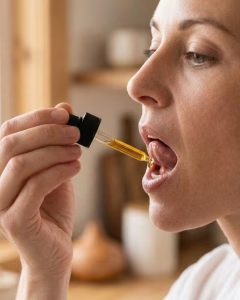
Woman using Full Spectrum Genesis Blend CBD oil with a dropper

Full-spectrum hemp oil with approximately 10mg CBD per ml in the 4oz bottle.

The “spiking” red flag

Some sleep products chase a stronger effect with added isolate, high THC, melatonin-heavy formulas, or synthetic-feeling blends. Stronger is not always more restorative.

The Bluegrass standard

Bloom-only oleoresin keeps the plant’s natural context intact, including aromatic terpenes such as myrcene and linalool that are commonly discussed in sleep-focused cannabinoid research.

The 10mg/ml logic

The 4oz Genesis Blend bottle contains 1190mg total CBD in 119ml, giving approximately 10mg CBD per ml for precise, repeatable serving control.

Important: Full-spectrum hemp oil can contain trace THC within legal hemp limits. Anyone subject to drug testing should review current lab reports and speak with a qualified professional before use.

Why We Refuse to Use CBD Isolate in Our Sleep Blends

Isolate removes the plant context

CBD isolate is like taking a single vitamin instead of eating the fruit. The compound may be useful in some situations, but it removes minor cannabinoids, aromatic terpenes, and other plant constituents.

Full-spectrum keeps the evening ritual whole

For a sleep-focused routine, Bluegrass Hemp Oil prefers the original hemp profile because the broader plant matrix may contribute to the overall calming experience. The claim stays careful: support for relaxation, not treatment for insomnia.

Clinical Insights: How Full-Spectrum CBD May Support Circadian Balance

CBD sleep research is still developing, so the most responsible approach is to connect emerging evidence with practical sleep hygiene. Genesis Blend is best understood as part of a consistent evening routine that supports relaxation, not as a stand-alone medical sleep treatment.

Cortisol and the “too alert” night

Nighttime waking is often tied to stress physiology. Some human research has reported decreased plasma cortisol after oral CBD at much higher doses than typical hemp oil servings. This is a research signal, not a disease claim.

Anandamide support

CBD may influence endocannabinoid tone through mechanisms involving FAAH and anandamide, sometimes called the body’s bliss molecule. Researchers are exploring how that may relate to nervous-system balance.

Circadian consistency

The strongest sleep routine still begins with timing: consistent bedtime, low light, less alcohol, limited late caffeine, and a measured serving used the same way each evening.

A Rest-First Evening Routine With Genesis Blend

The best CBD sleep routine is simple enough to repeat. Treat Genesis Blend as one part of a larger wind-down ritual, alongside light, temperature, timing, and screen habits.

1. Set the same window

Use CBD at the same point in your evening routine so your body learns the pattern.

2. Lower stimulation

Dim lights, reduce scrolling, and give your nervous system fewer signals to stay alert.

3. Start low and observe

Use the labeled serving guidance and track how you feel the next morning before increasing.

4. Protect the morning

If you feel groggy, pause changes and review alcohol, late caffeine, medications, and sleep schedule.

Peer-Reviewed Evidence & Helpful References

These references help explain the difference between product education, emerging evidence, and medical certainty.

  1. Suraev et al. sleep architecture trial: A pilot randomized crossover trial in adults with insomnia used 10mg THC plus 200mg CBD and found REM-related changes. Macquarie University record and CED Clinic brief.
  2. CBD and sleep outcomes: A 2025 Clinical and Translational Oncology study reported that higher CBD dose categories correlated with sleep disturbance score improvements in a cancer-care setting. Springer article.
  3. CBD-terpene formulation: A randomized crossover study evaluated a THC-free CBD plus terpene formulation in adults with insomnia. Journal of Clinical Sleep Medicine abstract.
  4. Sleep stages: The NHLBI explains REM and non-REM cycle timing and the usual four to six sleep cycles per night. NHLBI sleep stages guide.
  5. CBD safety: CBD is non-intoxicating, but it is not risk-free. Review CDC and FDA consumer guidance before use. CDC CBD overview and FDA consumer update.

Related Sleep and Anxiety Education

Nighttime routines and anxiety-related CBD searches often overlap, but the safest approach is still product education, realistic expectations, medication awareness, and professional guidance for persistent symptoms. For a separate safety-first shopping resource, review our best CBD products for anxiety guide.

Use that companion article to compare labeling, extract type, COA access, THC considerations, and cautious CBD language without treating retail CBD as a medical anxiety solution.

FAQ: Navigating Sleep With Bluegrass Hemp Oil

Will Genesis Blend make me feel groggy?

Genesis Blend is non-intoxicating and stays within legal hemp THC limits, so it is not designed to create a high-THC knockout effect. CBD can still cause drowsiness in some people. Start with the labeled serving, avoid alcohol or sedatives unless your clinician approves, and do not drive until you know how you respond.

Can I use this for my pet’s sleep?

Use pet-specific products and involve your veterinarian. The FDA has not approved CBD for animal use, and human products may contain flavors, carrier oils, or trace THC levels that are not appropriate for every animal.

Why is 4oz better than 1oz for sleep?

The larger bottle does not make CBD stronger or medically superior. Its advantage is consistency: 119ml at approximately 10mg/ml supports a repeatable nightly routine, fewer reorders, and less variation in serving habits.

Is full-spectrum CBD the same as THC?

No. CBD and THC are different cannabinoids. CBD is non-intoxicating, while THC is the compound most associated with the cannabis high. Full-spectrum hemp oil can contain trace THC within legal hemp limits, so anyone with drug-testing concerns should review lab reports and seek professional guidance.

Can CBD cure insomnia?

No. Over-the-counter hemp CBD products are not FDA-approved to diagnose, treat, cure, or prevent insomnia or any disease. If sleeplessness lasts more than a few weeks, includes snoring or gasping, causes daytime impairment, or is linked to anxiety, depression, pain, or medication changes, speak with a healthcare professional.

Choose Restoration Over Knockout Sleep

Genesis Blend Original Strength is built for adults who want a consistent full-spectrum hemp oil, clear serving information, and a plant-forward approach to evening relaxation.

These statements have not been evaluated by the Food and Drug Administration. This product is not intended to diagnose, treat, cure, or prevent any disease. Keep out of reach of children.

Reader Guide

Quick Answers for Full-Spectrum Hemp Oil and Nighttime Routines

Use this section as a plain-English summary before comparing full-spectrum hemp oil products. It keeps the focus on sleep routines, REM-aware education, CBD safety, product labels, and batch-specific lab reports.

What should a nighttime CBD routine focus on?

A good routine should help you wind down consistently. It should not promise to treat insomnia, sleep apnea, anxiety, or any diagnosed condition.

Why does REM sleep matter?

REM sleep is part of normal sleep architecture. Adults usually move through several REM and non-REM cycles each night, so the goal is steady rest, not simply feeling knocked out.

What should shoppers verify?

Check the CBD amount, serving information, THC content, ingredients, drug-testing concerns, and a current batch-specific Certificate of Analysis.

BP

Bill Polyniak

Founder • Product Developer • CBD Educator

About the Author

Bill Polyniak

Bill Polyniak is a Kentucky hemp pioneer associated with Bluegrass Hemp Oil and Kentucky Cannabis Company. His consumer-education work focuses on full-spectrum hemp, transparent product labels, batch-specific Certificates of Analysis, and helping shoppers understand CBD without medical hype.

For nighttime CBD education, Bill’s approach is simple: protect the reader first. Compare labels, review COAs, understand THC content, avoid disease-treatment claims, and ask a qualified healthcare professional when sleep issues, medications, pregnancy, nursing, liver concerns, or drug testing are part of the decision.

Read Bill Polyniak’s Bluegrass Hemp Oil profile and learn how CBD hemp oil came to Kentucky.

CBD Bath Soaks: Ingredients, Safety, Labels, and COA Guide

CBD Bath Product Education

CBD Bath Soaks: Ingredients, Safety, Labels, and COA Guide

CBD bath soaks are external-use bath products that combine hemp-derived CBD with salts, botanicals, fragrance, essential oils, or other bath ingredients. Before using one, review the ingredient list, external-use directions, THC content, batch number, Certificate of Analysis, and skin-sensitivity warnings.

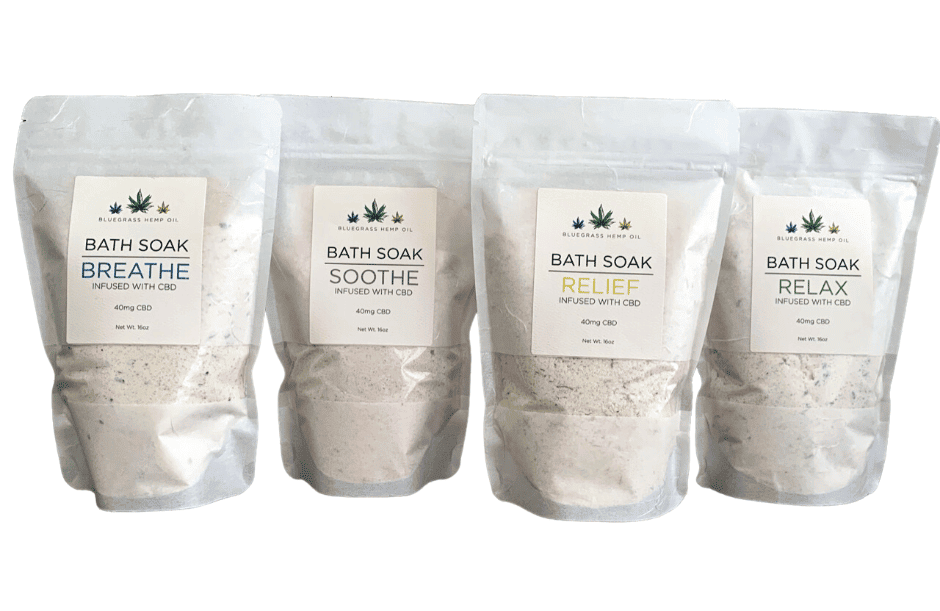
Bluegrass Hemp Oil CBD bath soak collection shown as external-use bath products

Product names such as Breathe, Soothe, Relief, and Relax are formula or scent names, not treatment promises.

Important safety note: This article is educational and is not medical advice. Bluegrass Hemp Oil bath products are not intended to diagnose, treat, cure, or prevent pain, inflammation, anxiety, stress, sleep problems, cough, sinus issues, skin conditions, muscle soreness, or any disease. Speak with a licensed healthcare professional before using CBD if you take medication, are pregnant or nursing, have a medical condition, have skin sensitivities, or are shopping for a child or dependent.

Author

Bill Polyniak, Bluegrass Hemp Oil

Reader Focus

Ingredients, labels, COAs, THC, and external-use safety

Updated

May 2026

What should you know before using a CBD bath soak?

CBD bath soaks are external-use bath products, not medical treatments. Check the ingredient list, essential oils, fragrance, CBD amount, THC content, warning statements, batch number, and Certificate of Analysis before use. People with sensitive skin, allergies, open cuts, pregnancy, breastfeeding, medication use, or medical conditions should ask a qualified healthcare professional first.

1

Use the label first

Directions, warnings, amount per use, and external-use language matter more than product names or scent names.

2

Review the COA

COAs help you understand cannabinoid content and THC levels, but they do not prove that a bath product treats symptoms.

3

Protect your skin

Essential oils, fragrance, botanicals, colorants, salts, and hot water may irritate sensitive skin.

What Is a CBD Bath Soak?

A CBD bath soak is a bath product that dissolves into warm bath water. It may include bath salts, magnesium salts, sodium bicarbonate, botanicals, carrier oils, fragrance, essential oils, colorants, and hemp-derived CBD.

External-use product

CBD bath soaks should not be swallowed and should be used only as directed on the product label.

Not medical treatment

Bath products should not be used to diagnose, treat, cure, or prevent a medical condition or delay professional care.

Ingredients matter

Review salts, essential oils, fragrance, botanicals, colorants, CBD content, THC content, and warning statements before use.

For related external-use formats, explore CBD topical product education and learn how CBD body-care products are compared.

CBD Bath Soaks vs. CBD Bath Bombs

CBD bath soaks and CBD bath bombs are not the same product format. The safest comparison is based on product type, ingredient review, label clarity, and lab information.

Product typeWhat it isWhat to review
CBD bath soakLoose bath salts or soak blend measured into bath water.Ingredients, amount used, fragrance, essential oils, CBD content, THC content, and Certificate of Analysis.
CBD bath bombSingle-use fizzy bath product.Ingredients, fragrance, colorants, CBD content, THC content, and Certificate of Analysis.
CBD topicalExternal-use cream, balm, lotion, salve, or roller.Ingredients, external-use directions, skin-sensitivity warnings, THC content, and Certificate of Analysis.

What Ingredients Should You Check in a CBD Bath Soak?

Ingredients matter because bath products contact the skin and may contain fragrance, essential oils, botanicals, salts, or colorants. Review the full ingredient list before use, especially if you have sensitive skin, allergies, eczema, psoriasis, open cuts, or a history of irritation.

Bath-product ingredients

Look for bath salts, Epsom salt, sodium bicarbonate, fragrance, essential oils, botanicals, colorants, carrier oils, and potential allergens.

CBD-specific details

Review CBD amount, full-spectrum status, THC content, batch number, and the Certificate of Analysis.

Skin-sensitivity details

Check warnings for broken skin, external use only, eye contact, irritation, allergies, pregnancy, children, pets, and storage.

Before choosing a bath product, read the CBD product label guide and read the CBD quality guide.

Bluegrass Hemp Oil CBD Bath Soak Collection

Bluegrass Hemp Oil CBD bath soaks are external-use bath products made for bath routines and self-care. Each formula has a different scent and ingredient profile. Review the product label, ingredients, THC content, and Certificate of Analysis before use.

Formula-name note: Product names such as Breathe, Soothe, Relief, and Relax should be understood as scent or formula names, not as promises that a product treats symptoms.

✦

Breathe CBD Bath Soak

A bath soak with a refreshing scent profile and external-use bath ingredients. The name should not be read as a respiratory claim.

✦

Soothe CBD Bath Soak

A bath soak with a gentle ingredient profile designed for bath routines. The name should not be read as a pain or inflammation claim.

✦

Relief CBD Bath Soak

A bath soak with a mint-forward or botanical scent profile. The name should not be read as a pain-relief claim.

✦

Relax CBD Bath Soak

A bath soak with a warm scent profile. The name should not be read as stress, anxiety, or sleep support.

How to Use a CBD Bath Soak Safely

Use the product label first. The best bath routine is simple, easy to understand, and designed around safe external use.

Read the label

Review directions, ingredients, amount per use, warnings, batch number, and external-use language.

Check the COA

Review product-specific cannabinoid content and THC levels when a batch-specific report is available.

Use warm, not extreme, water

Very hot baths may increase dizziness, dryness, irritation, or discomfort for some people.

Stop if irritation occurs

Rinse skin and stop use if rash, burning, itching, dizziness, or other concerning symptoms occur.

Use the label first, then view Bluegrass Hemp Oil Certificates of Analysis and read the CBD product label guide for product-specific information.

Can CBD Bath Soaks Make You High?

CBD itself is not typically intoxicating, but full-spectrum CBD bath products may contain trace THC. Review the product label and Certificate of Analysis to understand THC content.

Full-spectrum review

Full-spectrum CBD may contain trace THC within applicable hemp limits. Review product-specific testing before use.

Delta-8 caution

Delta-8 THC is not the same as CBD and may create intoxication risk. Avoid unclear or intoxicating hemp products.

Lab reports matter

COAs help customers review cannabinoid content and THC levels, but they do not prove medical effectiveness.

For more context, understand the difference between CBD and THC, understand full-spectrum CBD products, and review Delta-8 THC safety concerns.

Are CBD Bath Soaks Safe for Sensitive Skin?

CBD bath soaks may not be appropriate for everyone, especially people with sensitive skin, allergies, open wounds, active irritation, or certain skin conditions.

Potential irritants

Essential oils, fragrance, botanicals, colorants, and salts may irritate some skin or trigger allergies.

When to ask first

Ask a dermatologist or qualified clinician if you have eczema, psoriasis, active irritation, open cuts, or a history of skin reactions.

Pregnancy and breastfeeding

FDA strongly advises against using CBD, THC, or marijuana in any form during pregnancy or while breastfeeding.

CBD Bath Product Safety

CBD is not risk-free, and external use does not remove every safety question. People who take medication or have medical conditions should speak with a healthcare professional before using CBD products.

Medication and side effects

CBD may interact with medications and may contribute to drowsiness or other side effects. Use extra caution with alcohol, sedatives, or very hot baths.

Multiple CBD products

Consider total CBD exposure if you use more than one CBD product, such as oils, gummies, capsules, topicals, or bath products.

Storage and household safety

Keep CBD bath products away from children and pets. Stop use if irritation occurs, and seek care if symptoms are concerning.

For deeper safety context, review CBD medication interaction guidance and read how long CBD may stay in your system.

Check the Label, COA, and Lab Testing

A Certificate of Analysis helps customers review product-specific testing information, including cannabinoid content and THC levels. COAs support transparency, but they do not prove that a CBD bath product treats symptoms or disease.

What to reviewWhy it mattersHelpful resource
Product labelShows product name, CBD amount, ingredients, use directions, warnings, batch number, and company contact information.Read the CBD product label guide
Certificate of AnalysisHelps you confirm cannabinoid content and THC levels for a specific product or batch.View Bluegrass Hemp Oil Certificates of Analysis
Lab-testing standardsShows how testing supports transparency and helps customers compare product quality.Learn about CBD lab testing
Product-quality contextHelps you compare ingredients, sourcing, product type, and expectations without relying on medical claims.Read the CBD quality guide
BP

About Bill Polyniak

Bill Polyniak is the founder of Bluegrass Hemp Oil and Kentucky Cannabis Company, and he focuses on practical CBD education, transparent labels, Certificates of Analysis, full-spectrum hemp quality, and responsible product language.

Learn more from Bill Polyniak’s founder profile and the Bluegrass Hemp Oil process and quality standards.

CBD Bath Soaks FAQ

What is a CBD bath soak?

A CBD bath soak is an external-use bath product that combines hemp-derived CBD with bath salts, botanicals, fragrance, essential oils, or other bath ingredients.

Are CBD bath soaks the same as CBD bath bombs?

No. A bath soak is usually a loose bath salt or soak blend, while a bath bomb is a single-use fizzy bath product. Both should be compared by reviewing ingredients, external-use directions, THC content, and a Certificate of Analysis.

Can CBD bath soaks make you high?

CBD itself is not typically intoxicating, but full-spectrum CBD products may contain trace THC. Review the product label and COA to understand product-specific THC content.

Are CBD bath soaks safe for sensitive skin?

They may not be appropriate for everyone. Review essential oils, fragrance, botanicals, salts, colorants, and warning statements before use, especially if you have allergies, open wounds, active irritation, or a history of skin reactions.

Should I use CBD bath soaks while pregnant or breastfeeding?

Pregnancy and breastfeeding require extra caution. FDA strongly advises against using CBD, THC, or marijuana in any form during pregnancy or while breastfeeding.

What should I check before buying a CBD bath soak?

Check the CBD amount, full ingredient list, external-use directions, warning statements, THC content, batch number, company contact information, and product-specific Certificate of Analysis.