Comprehensive Guide to CBD Lip Balm

Comprehensive Guide to CBD Lip Balm

Comprehensive Guide to CBD Lip Balm

CBD lip balm combines the moisturizing properties of traditional lip care with the therapeutic benefits of cannabidiol. This fusion provides hydration, reduces inflammation, and accelerates healing for irritated lips. Opting for high-quality ingredients, full-spectrum CBD, and reputable brands guarantees excellent results. Additionally, organic and safe extraction methods are essential for maintaining purity and efficacy. Ideal for chronic conditions like eczema, CBD lip balm also offers antioxidant protection against environmental damage. Dive deeper to explore how to choose the best product, understand safety considerations, and harness the full potential of CBD lip balm for thorough lip care.

Introduction to CBD Lip Balm

CBD lip balm represents a fusion of cannabidiol's therapeutic benefits with the traditional moisturizing properties of lip care products. As interest in CBD-infused products grows, CBD lip balm has emerged as a unique solution in the skincare community. By combining the hydrating qualities of conventional lip balms with the wellness attributes of cannabidiol, it offers an enhanced lip care experience.

What does CBD lip balm do that sets it apart from regular lip balms? This product leverages the natural properties of CBD to soothe, moisturize, and protect the lips. The best CBD lip balm formulations incorporate full-spectrum CBD, which includes essential cannabinoids and terpenes, enhancing its efficacy. The result is a balm that not only hydrates but also provides anti-inflammatory effects, making it ideal for chapped or irritated lips.

The CBD lip balm effects extend beyond mere hydration. It aids in the regeneration of damaged lip tissue and offers antioxidant protection, shielding the lips from environmental stressors.

Understanding the specific cbd lip balm benefits highlights its value in any all-encompassing skincare routine. This innovative blend of traditional and modern wellness practices ensures that users feel a sense of inclusion in a community dedicated to holistic well-being.

Soothe Your Skin with CBD Calming Balm

Benefits and Uses of CBD Lip Balm

Utilizing CBD lip balm offers numerous benefits that make it an essential part of a holistic skincare routine. This versatile product, particularly the best full spectrum CBD lip balms, combines the moisturizing qualities of traditional lip balm with the therapeutic effects of CBD oil.

Here are some key advantages and uses:

  1. Hydration and Moisture: Lip balm with CBD oil excels in keeping lips hydrated and moisturized, tackling dryness and chapping effectively.
  2. Soothing Irritation: The anti-inflammatory properties of CBD make it ideal for soothing irritated lips, reducing redness and swelling.
  3. Healing Cold Sores: Using a CBD lip balm for cold sores can accelerate the healing process and alleviate discomfort, thanks to CBD's regenerative properties.
  4. Antioxidant Protection: Rich in antioxidants, CBD lip balm helps shield the lips from environmental damage and free radicals.

Incorporating the best CBD lip balms into your daily routine ensures your lips receive thorough care. Whether addressing cold sores or simply maintaining lip health, the benefits of this multifaceted product are numerous.

Embrace the efficacy and holistic benefits of CBD lip balm to achieve soft, nourished lips that contribute to your overall well-being.


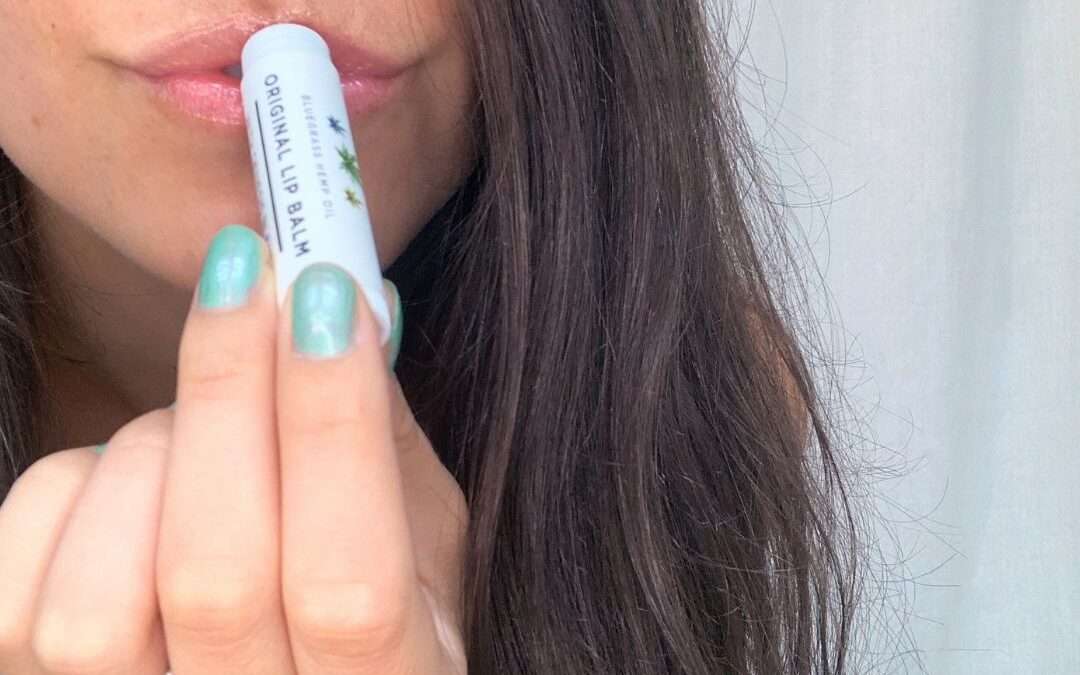
Two CBD lip balms: one Bluegrass Hemp Oil CBD Lip Balm from Bluegrass Hemp Oil and one Vanilla CBD Lip Balm.


Choosing the Best CBD Lip Balm

Selecting the ideal CBD lip balm involves considering several critical factors, including ingredient quality, extraction methods, and brand reputation. When evaluating various products, it's important to understand what does CBD lip balm do anything for your lips.

The benefits of CBD lip balm include hydration, soothing properties, and antioxidant protection, making it a valuable addition to your skincare regimen.

Ingredient quality is paramount; opt for lip balm with CBD that contains natural, organic ingredients and avoids synthetic additives. The best CBD oil lip balm will utilize full-spectrum CBD to ensure maximum efficacy.

Extraction methods also play a pivotal role. Brands like Bluegrass Hemp Oil, known for their hydrocarbon extraction techniques, preserve essential cannabinoids and terpenes, enhancing the balm's therapeutic properties.

Brand reputation cannot be overlooked. Companies like Kentucky Cannabis Company, which prioritize consumer well-being and maintain stringent quality control, are trusted choices. When searching for 'CBD lip balm near me,' make sure the brand is transparent about its sourcing and manufacturing processes.

high-quality CBD balm from Bluegrass Hemp Oil

Safety and Considerations

Securing the safety of CBD lip balm involves grasping the sourcing, extraction methods, and ingredient transparency provided by reputable brands. Trusted companies like Bluegrass Hemp Oil and Kentucky Cannabis Company are exemplary for their rigorous quality control and commitment to consumer safety when producing lip balm. These brands utilize full-spectrum CBD, ensuring that their lip balm contains a wide range of cannabinoids and terpenes without harmful additives.

When contemplating if CBD infused lip balm is safe, it is essential to look for products that adhere to thorough standards. Here are four critical factors to ponder:

  1. Sourcing: Confirm the hemp used is organically grown without pesticides or harmful chemicals.
  2. Extraction Methods: Prefer products using safe extraction methods like hydrocarbon extraction to preserve the beneficial compounds.
  3. Third-Party Testing: Look for third-party lab results that confirm the product's purity, potency, and safety.
  4. Ingredient Transparency: Choose brands that disclose all ingredients, ensuring there are no synthetic additives or harmful substances.

Learn More About CBD Gummies for Kids at Bluegrass Hemp Oil

Specialized Uses

CBD lip balm offers versatile uses that extend beyond basic lip care, making it a versatile addition to your skincare regimen. The unique formulation of CBD oil lip balm not only provides exceptional hydration but also delivers targeted benefits tailored to specific needs.

For individuals who struggle with chronic lip conditions such as eczema or psoriasis, the anti-inflammatory properties of CBD can offer significant relief, reducing redness and irritation.

Another specialized use of balm CBD lip products is their application in stress relief and relaxation. The best full spectrum hemp lip balm harnesses the synergistic effect of cannabinoids and terpenes, promoting a sense of calm when applied to the lips. This can be particularly beneficial for those seeking a natural way to manage stress throughout the day.

Moreover, CBD lip balm for sale often includes additional natural ingredients like essential oils and vitamins, which enhance its healing properties. For athletes or individuals exposed to harsh environmental conditions, this makes it an ideal option for repairing and protecting lips from damage.

Soothe Your Skin with Full-Spectrum CBD Balm

Understanding why CBD lip balm is a superior choice involves recognizing these multifaceted benefits, which collectively contribute to versatile lip and overall skin wellness.

Discover the source of premium Full Spectrum CBD by visiting Kentucky Cannabis Company, the proud parent company of Bluegrass Hemp Oil

CBD Capsules for Pain Relief, Anxiety, and Sleep

Finding and Purchasing CBD Lip Balm

For those looking to incorporate the versatile benefits of CBD lip balm into their daily routine, finding and purchasing high-quality products is a key step. Making sure you select the best CBD lip balm involves understanding where to buy these products and what to look for in terms of quality and safety.

Here are essential steps to guide you:

  1. Research Reputable Brands: Begin by identifying well-established brands like Bluegrass Hemp Oil and Kentucky Cannabis Company, known for their commitment to quality and stringent production standards. Their full-spectrum CBD products are highly regarded for their efficacy and safety.
  2. Examine Product Labels: Look for detailed information on the product labels, including the type of CBD used (full-spectrum, broad-spectrum, or isolate), the concentration of CBD, and a list of all ingredients. This ensures transparency and helps you avoid any harmful additives.
  3. Read Customer Reviews: Customer feedback can provide insight into the product's effectiveness and quality. Look for reviews on the brand's website or third-party review platforms to gauge overall customer satisfaction.
  4. Verify Lab Testing: Make sure the CBD lip balm has undergone third-party lab testing, which verifies the product's potency, purity, and safety. Availability of lab reports is a hallmark of a trustworthy brand.

Discover the source of premium Full Spectrum CBD by visiting Kentucky Cannabis Company, the proud parent company of Bluegrass Hemp Oil.

Frequently Asked Questions

Can CBD Lip Balm Cause Any Allergic Reactions?

Yes, CBD lip balm can potentially cause allergic reactions in some individuals. Though rare, reactions may arise from CBD itself or other ingredients in the balm, such as essential oils or preservatives.

It is advisable to patch-test the product on a small skin area before full application and to consult a healthcare professional if you have known sensitivities. Trusting reputable brands can also minimize the risk of adverse reactions.

How Often Should I Apply CBD Lip Balm?

'A stitch in time saves nine.'

Regular application of CBD lip balm can prevent dryness and promote peak lip health. For best results, it is recommended to apply CBD lip balm 2-3 times daily, especially in the morning, after meals, and before bed.

This routine will keep your lips moisturized and protected, fostering a sense of well-being and belonging in a community that values holistic skincare solutions.

Is CBD Lip Balm Safe for Children?

CBD lip balm is generally considered safe for children, but it is important to consult with a healthcare professional before use.

Given the delicate nature of children's skin, selecting high-quality products from reputable brands, such as Bluegrass Hemp Oil or Kentucky Cannabis Company, guarantees adherence to safety standards.

These companies prioritize consumer well-being and avoid harmful chemicals, making their products a reliable choice for all ages.

Learn More About CBD Gummies for Kids at Bluegrass Hemp Oil

How Should I Store CBD Lip Balm?

To guarantee the longevity and efficacy of your CBD lip balm, store it in a cool, dry place away from direct sunlight and extreme temperatures.

Avoid leaving it in hot environments such as cars, as heat can degrade the product's quality.

Can I Use CBD Lip Balm Under Lipstick?

Yes, you can use CBD lip balm under lipstick. Applying CBD lip balm as a base will not only provide hydration and a smooth surface but also offer soothing and healing benefits throughout the day.

It guarantees your lips remain moisturized and protected, enhancing the longevity and appearance of your lipstick. This practice seamlessly integrates the benefits of CBD into your beauty regimen, fostering a sense of well-being and community among skincare enthusiasts.

Conclusion

In summary, CBD lip balm offers multifaceted benefits, from hydrating chapped lips to providing soothing and protective effects.

According to recent market research, the global CBD skincare market, including lip balms, is projected to reach $1.7 billion by 2025, reflecting its growing acceptance and demand.

Selecting high-quality products from reputable sources, such as Bluegrass Hemp Oil and Kentucky Cannabis Company, is essential for ensuring safety and efficacy in lip care regimens.

Full-Spectrum CBD Skincare vs CBD Isolate: What’s the Difference?

CBD Skincare Guide

Full-Spectrum CBD Skincare vs CBD Isolate: What’s the Difference?

Choosing CBD skincare is easier when you understand what is actually in the formula. This guide explains how full-spectrum CBD skincare differs from CBD isolate skincare, where broad-spectrum CBD fits, why THC and lab reports matter, and what ingredients to check before adding a CBD topical to your routine.

Updated May 2026 · Educational content from Bluegrass Hemp Oil · Safety and editorial references reviewed

3
CBD skincare types compared
  • Full-spectrum vs isolate comparison
  • Broad-spectrum CBD explained
  • THC and COA verification notes
  • Patch-test and sensitive-skin guidance

What is the difference between full-spectrum CBD skincare and CBD isolate skincare?

Full-spectrum CBD skincare uses hemp extract that may contain CBD, minor cannabinoids, terpenes, flavonoids, and trace THC. CBD isolate skincare uses purified CBD only, without the broader hemp compound profile. Full-spectrum formulas may appeal to adults who want a whole-hemp topical, while CBD isolate may be preferred by people who want a simpler CBD-only formula or want to avoid THC exposure. Always review the product’s Certificate of Analysis before buying CBD skincare.

What to know before comparing CBD skincare products

Full-spectrum contains more than CBD.It may include minor cannabinoids, terpenes, flavonoids, and trace THC.
CBD isolate is CBD-only.It is usually chosen by shoppers who want a simpler hemp-derived ingredient profile.
Broad-spectrum is the middle option.It typically contains multiple hemp compounds but is formulated to avoid THC.
Trace THC matters.Full-spectrum CBD may create drug-testing concerns, so check the COA.
The whole formula matters.Carrier oils, butters, fragrance, preservatives, and botanicals affect skin feel and tolerance.
Patch testing is smart.Try a small area first, especially if you have sensitive skin.
CBD is not risk-free.CBD may interact with medications and may not be appropriate for everyone.
Skincare claims should stay realistic.CBD skincare should not be marketed as a treatment for skin disease.

CBD skincare terms explained

Term Simple explanation
Full-spectrum CBD skincare Topical skincare made with hemp extract that may contain CBD, minor cannabinoids, terpenes, flavonoids, and trace THC.
CBD isolate skincare Skincare made with purified CBD only.
Broad-spectrum CBD skincare Skincare made with multiple hemp compounds, typically without THC when verified by lab testing.
THC The intoxicating cannabis compound that may appear in trace amounts in full-spectrum hemp products.
Terpenes Aromatic plant compounds that contribute scent and may be part of the hemp extract profile.
Minor cannabinoids Hemp compounds such as CBG, CBC, CBN, or CBDA that may appear in non-isolate formulas.
COA A Certificate of Analysis showing CBD amount, THC level, cannabinoid profile, batch number, and contaminant testing when available.
Patch test Applying a small amount to a limited area first to check for skin sensitivity before wider use.

What is full-spectrum CBD skincare?

Full-spectrum CBD skincare refers to external-use products made with hemp extract that contains CBD plus additional plant compounds. Depending on the extract and formulation, those compounds may include minor cannabinoids, terpenes, flavonoids, and trace THC.

Full-spectrum skincare is often described as a broader hemp-extract option. That does not mean it is automatically better for every person or every skin type. The best choice depends on your ingredient preferences, THC concerns, skin sensitivity, product format, and whether the product has a batch-specific COA. For background, review what full-spectrum CBD means and the discussion of the entourage effect with full-spectrum CBD.

What is CBD isolate skincare?

CBD isolate skincare uses purified CBD without the additional cannabinoids, terpenes, or flavonoids found in full-spectrum hemp extract. It may be a better fit for adults who prefer a simpler CBD-only topical or want to avoid THC exposure when the COA verifies THC status.

CBD isolate is not automatically “weaker” or “better.” It is a different ingredient approach. To compare hemp extract types more broadly, see CBD product types explained.

Simple comparison

  • Full-spectrum: broader hemp profile, possible trace THC.
  • Broad-spectrum: multiple hemp compounds, typically THC-free when verified.
  • Isolate: CBD-only formula when verified by lab testing.

Full-spectrum CBD vs CBD isolate skincare

Neither full-spectrum CBD nor CBD isolate is automatically the best choice for every skincare routine. Use the comparison below to match the product type to your preferences and safety considerations.

Feature Full-spectrum CBD skincare CBD isolate skincare
CBD Yes Yes
Minor cannabinoids Usually present, depending on the extract and COA. No, unless other ingredients are added separately.
Terpenes and flavonoids May be present as part of the hemp extract profile. Usually absent from the CBD ingredient itself.
THC May contain trace THC. Typically THC-free when verified by a COA.
Ingredient profile Broader hemp extract profile. Simpler CBD-only profile.
Best fit Adults who want whole-hemp CBD skincare and are comfortable checking THC levels. Adults who prefer a CBD-only topical or want to avoid THC exposure.
What to verify CBD amount, minor cannabinoids, THC level, batch number, and contaminant testing. CBD purity, THC status, batch number, and contaminant testing.

What about broad-spectrum CBD skincare?

Broad-spectrum CBD skincare sits between full-spectrum and isolate. It is typically made with CBD plus selected hemp compounds while being formulated to avoid THC. However, “THC-free” should be verified by a COA rather than assumed from front-label marketing.

Full-spectrum CBDCBD, minor cannabinoids, terpenes, and possible trace THC.
Broad-spectrum CBDCBD plus selected hemp compounds, typically without THC when verified.
CBD isolatePurified CBD only, with THC status verified by testing.

Does full-spectrum CBD skincare contain THC?

Full-spectrum CBD skincare may contain trace THC. The exact amount should be shown on the product’s Certificate of Analysis. Topical CBD products are different from ingestible CBD oils or gummies, but users who undergo drug testing should still review the COA and choose broad-spectrum or CBD isolate products if they want to avoid THC.

No CBD skincare brand should guarantee zero drug-testing risk without product-specific evidence. For more cannabinoid context, review how CBD and THC interact with the body.

Is full-spectrum CBD skincare better than CBD isolate?

Full-spectrum CBD skincare is not automatically better than CBD isolate skincare. Full-spectrum products offer a broader hemp compound profile, while CBD isolate products offer a simpler CBD-only option. For skincare, the full formula matters: CBD type, carrier oils, butters, preservatives, essential oils, fragrance, texture, and lab testing all affect product quality.

CBD terms can be confusing for shoppers. If you want a broader explanation, see why CBD is confusing.

Better depends on your priorities

  • Choose full-spectrum if you want a broader hemp profile and are comfortable checking THC levels.
  • Choose isolate if you want a simpler CBD-only product.
  • Choose broad-spectrum if you want a middle option that typically avoids THC.

Ingredients to check in CBD skincare

CBD type is only one part of the product. The base formula determines texture, skin feel, spreadability, and whether a product may irritate sensitive skin.

Hemp extractLook for CBD type, total CBD, THC status, and a matching batch-specific COA.
Carrier oilsOils such as MCT, coconut, hemp seed, or jojoba affect glide and skin feel.
Butters and waxesShea butter, cocoa butter, and beeswax can make formulas richer or more occlusive.
Aloe and botanicalsPlant ingredients may support skin feel but can irritate some users.
Essential oils and fragranceThese may smell pleasant but are common sensitivity triggers.
PreservativesImportant for water-based creams and lotions, but still worth reviewing if you have sensitive skin.
Menthol or camphorCooling or warming ingredients can feel strong on sensitive skin.
Vitamin EA common skin-conditioning antioxidant used in topical formulas.
Contaminant testingCOAs may include testing for heavy metals, pesticides, solvents, or microbes.

For related topical context, see hemp cream for skincare and comfort.

What does the research say about CBD and skin?

Researchers are studying CBD and cannabinoids in relation to skin biology, topical delivery, and consumer product quality, but consumer CBD skincare products should not be presented as treatments for acne, eczema, psoriasis, rosacea, wounds, inflammation, or other medical conditions. For trust and compliance, this page treats CBD skincare as a product-selection and ingredient-education topic rather than a disease-treatment topic.

Minor cannabinoids and terpenes are often discussed in full-spectrum education. For more background, review CBD vs CBDA explained, CBG vs CBD explained, and beta-caryophyllene terpene benefits.

How to choose CBD skincare

Before buying CBD skincare, compare the CBD type, the full ingredient list, and the lab report rather than relying on front-label claims alone.

  • CBD type: full-spectrum, broad-spectrum, or isolate.
  • Total CBD amount and CBD per ounce when available.
  • THC level and drug-testing considerations.
  • Batch-specific COA with product name and batch number.
  • Minor cannabinoid profile when marketed as full-spectrum or broad-spectrum.
  • Ingredient list, including fragrance, essential oils, botanicals, preservatives, menthol, or camphor.
  • Contaminant testing for heavy metals, pesticides, microbes, or residual solvents when available.
  • Clear directions, external-use wording, and patch-test guidance.

For trust-focused product review, see third-party CBD lab testing and product safety and the broader guide to CBD products and how to use them.

CBD skincare safety notes

CBD skincare is for external use, but it is not risk-free. Some users may experience irritation, rash, sensitivity, or discomfort from CBD, essential oils, botanicals, preservatives, fragrance, menthol, or camphor. Patch test before wider use and stop using the product if irritation occurs.

Full-spectrum CBD may contain trace THC and may create drug-testing concerns. CBD may also interact with medications or increase drowsiness when combined with alcohol or sedating products. People who are pregnant, nursing, taking medications, managing liver concerns, managing a medical condition, or using multiple CBD products should speak with a healthcare professional before use. Keep hemp, CBD, and THC products away from children and pets.

For topical vs ingestible education, review how to take CBD oil safely and what CBD feels like for new users.

CBD skincare formats: cream, salve, balm, and lotion

Format Typical texture Common use in a skincare routine
CBD cream Soft, spreadable, often water-based. Daily topical body-care routines and localized application.
CBD salve Oil-and-wax based and thicker. Targeted external application when a richer texture is preferred.
CBD balm Dense, waxy, and portable. Small-area topical routines and on-the-go use.
CBD lotion Lighter and easier to spread. Larger skin areas and daily moisturizing routines.

Helpful topical comparisons include the 1000mg full-spectrum CBD cream guide, the 3000mg full-spectrum CBD cream guide, CBD balms for muscle relief and skincare, the CBD lotion guide, and full-spectrum 1000mg CBD salves.

Frequently asked questions about full-spectrum CBD skincare

What is full-spectrum CBD skincare?

Full-spectrum CBD skincare is made with hemp extract that may contain CBD, minor cannabinoids, terpenes, flavonoids, and trace THC.

What is CBD isolate skincare?

CBD isolate skincare uses purified CBD only, without the additional hemp compounds found in full-spectrum CBD.

Is full-spectrum CBD better than CBD isolate for skincare?

Not always. Full-spectrum has a broader hemp profile, while isolate offers a simpler CBD-only formula. The best choice depends on ingredients, skin sensitivity, THC preference, and lab testing.

Does full-spectrum CBD skincare contain THC?

It may contain trace THC. Always check the Certificate of Analysis for the exact THC level.

Can CBD skincare show up on a drug test?

Topicals may carry lower risk than ingestible full-spectrum products, but no brand should guarantee zero risk. Check the COA and choose isolate or broad-spectrum if avoiding THC is important.

What is broad-spectrum CBD skincare?

Broad-spectrum CBD skincare contains CBD plus other hemp compounds but is typically formulated without THC when verified by a lab report.

Can CBD skincare irritate skin?

Yes. Some users may react to CBD, fragrance, essential oils, menthol, camphor, preservatives, or botanicals. Patch testing is recommended.

Should I patch test CBD skincare?

Yes. Apply a small amount first and wait to see whether irritation occurs before broader use.

What should a CBD skincare COA show?

It should show CBD amount, THC level, cannabinoid profile, batch number, product name, testing date, and contaminant testing when available.

How do I choose CBD skincare?

Compare CBD type, total CBD, CBD per ounce, COA, THC level, ingredients, fragrance, and product format.

Safety and editorial references

This page is educational and is not medical or dermatology advice. CBD products are not intended to diagnose, treat, cure, or prevent disease. The article was written to support product comparison, ingredient transparency, COA review, and people-first CBD education.

Ready to compare CBD skincare more carefully?

Before choosing CBD skincare, compare the CBD type, full ingredient list, THC level, and batch-specific lab report. A better purchase starts with transparent testing and realistic expectations.

1000mg Full-Spectrum CBD Cream: Uses, Strength, Ingredients, and Safety Guide

CBD Topical Guide

1000mg Full-Spectrum CBD Cream: Uses, Strength, Ingredients, and Safety Guide

A 1000mg full-spectrum CBD cream can be a useful topical option for adults who want localized body-care support, but the number on the label is easy to misunderstand. This guide explains what 1000mg means, how to compare CBD cream strength, how to read lab reports, and how to use CBD topicals with safety in mind.

Updated May 2026 · Educational content from Bluegrass Hemp Oil · Reviewed for safe CBD wording, topical-use guidance, and product-quality checks

What does 1000mg CBD cream mean?

A 1000mg CBD cream contains 1,000 milligrams of CBD in the full container, not in one application. CBD creams are topical products applied to the skin for localized body-care support. To judge strength fairly, compare the total CBD, container size, CBD per ounce, CBD type, ingredients, THC content, and third-party lab results.

What to know before choosing a 1000mg CBD cream

1000mg is total potency.It refers to the full container, not one serving or one application.
Container size matters.A 1oz cream and 2oz cream can both say 1000mg but have different strength per ounce.
Full-spectrum may include trace THC.Check the COA to confirm cannabinoid levels and product consistency.
Patch testing matters.Botanicals, essential oils, and fragrance ingredients may irritate sensitive skin.
Topical use is different from oral CBD.Creams are designed for targeted external application, not ingestion.
More CBD is not always better.Choose the strength and formula that fit your routine, skin sensitivity, and comfort goals.
Lab reports build trust.Look for CBD potency, THC level, batch number, and contaminant testing.
CBD is not risk-free.Ask a healthcare professional if you are pregnant, nursing, taking medications, or managing a medical condition.

CBD cream terms explained

Term Simple explanation
CBD cream A topical CBD product applied directly to the skin as part of a localized body-care routine.
1000mg CBD cream A cream containing 1,000mg total CBD in the full container.
CBD per ounce A better way to compare topical strength across different container sizes.
Full-spectrum CBD Hemp extract that contains CBD plus minor cannabinoids, terpenes, and possible trace THC.
COA A Certificate of Analysis that shows CBD potency, THC level, and contaminant testing for a batch.
Patch test Applying a small amount to a limited skin area first to check for sensitivity before wider use.

What is a 1000mg full-spectrum CBD cream?

A 1000mg full-spectrum CBD cream is an external-use topical that contains 1,000mg of CBD in the full container. The cream base may include hemp extract, carrier oils, butters, waxes, botanicals, or essential oils. Full-spectrum CBD may also contain minor cannabinoids and terpenes, along with trace THC, which is why the lab report matters.

The best way to understand this product is to separate three ideas: what full-spectrum CBD means, how much CBD is in the container, and how concentrated the cream is per ounce.

Is 1000mg CBD cream strong?

It can be, but the container size determines the true concentration. A 1000mg cream in a 1oz container is more concentrated than a 1000mg cream in a 2oz container. Compare CBD per ounce, not only the large number on the front of the label.

CBD Cream Strength Formula
Total CBD ÷ Container Size = CBD per Ounce

Example: 1000mg ÷ 1oz = 1000mg per ounce

Example: 1000mg ÷ 2oz = 500mg per ounce

500mg vs 1000mg vs 2000mg CBD cream

Label strength If container is 1oz If container is 2oz Best-fit use case
500mg 500mg per ounce 250mg per ounce Lower-strength topical routine or first comparison point.
1000mg 1000mg per ounce 500mg per ounce Mid-to-high strength topical body-care support.
2000mg 2000mg per ounce 1000mg per ounce Higher-potency option for adults who prefer a stronger topical concentration.

Tip: Compare similar formulas and container sizes. Ingredients, skin feel, cannabinoid profile, and lab testing are just as important as total CBD.

Full-spectrum vs broad-spectrum vs isolate CBD cream

CBD type affects the cannabinoid profile and THC status of a cream. Use the product label and COA rather than marketing language alone.

CBD type What it contains THC note Best for
Full-spectrum CBD cream CBD, minor cannabinoids, terpenes, and other hemp compounds. May contain trace THC. People who want a whole-hemp profile and are comfortable reviewing THC levels.
Broad-spectrum CBD cream CBD plus selected hemp compounds. Typically formulated to be THC-free, but verify with a COA. People who want multiple hemp compounds while trying to avoid THC.
CBD isolate cream CBD-only extract in a topical base. No intentional THC, but testing still matters. People who prefer a simplified CBD-only formula.

For deeper background, compare CBD product types explained and full-spectrum CBD skincare vs CBD isolate.

How does CBD cream work on the skin?

CBD cream is applied directly to the skin. Many adults use topical CBD as part of a comfort-focused body-care routine because it can be applied to specific areas such as hands, wrists, shoulders, knees, feet, or lower back. Topicals are different from oils, gummies, and capsules because they are designed for external use and localized application.

Research on CBD and cannabinoids is still developing, and individual results vary. Avoid claims that a topical CBD product cures, treats, or prevents pain, arthritis, eczema, psoriasis, or other medical conditions. A balanced topical guide should focus on product quality, responsible use, skin compatibility, and clear label reading.

How do you use 1000mg CBD cream?

1

Clean and dry the area. Apply CBD cream to clean skin so the formula is not mixed with dirt, sweat, or other products.

2

Patch test first. Apply a small amount to a limited area and wait to check for redness, itching, burning, or irritation.

3

Use a small amount. Massage gently until absorbed. More cream is not automatically better.

4

Avoid sensitive areas. Keep away from eyes, broken skin, mucous membranes, and any area that reacts poorly.

5

Wash your hands. Wash after applying unless the cream is intended for your hands.

6

Track your response. Note the amount used, frequency, and any skin reaction or unwanted effect.

Topical CBD cream is for external use only. For oral CBD education, see how to take CBD oil safely.

CBD cream vs salve vs balm vs lotion

Format Typical texture Common ingredients Best-fit routine
CBD cream Smooth, spreadable, often lighter than a salve. Water, oils, emulsifiers, butters, botanicals. Daily skin-conditioning and localized body-care support.
CBD salve Thicker, oil-and-wax based. Hemp extract, beeswax, carrier oils, botanical extracts. People who prefer a richer balm-like topical.
CBD balm Firm, concentrated, portable. Waxes, butters, oils, essential oils. Targeted application in small areas.
CBD lotion Lighter and easier to spread over a larger area. Water-based emulsion, moisturizers, emollients. Broader skin-care application.

Related topical guides include CBD balms for muscle relief and skincare, the CBD lotion guide, and hemp cream for skincare and comfort.

What ingredients should you look for in CBD cream?

Hemp extractLook for the CBD type, total CBD, and batch-specific COA.
Carrier oilsMCT oil, coconut oil, hemp seed oil, jojoba oil, or similar oils support texture and spread.
Butters and waxesShea butter, cocoa butter, or beeswax can make the cream richer and more protective.
BotanicalsArnica, menthol, peppermint, camphor, ginger, or vitamin E may affect skin feel.
Potential irritantsEssential oils, fragrance, menthol, and botanical extracts may irritate sensitive skin.
Contaminant testingCheck whether the batch was tested for heavy metals, pesticides, microbes, and solvents.

What should you check before buying 1000mg CBD cream?

  • CBD type: full-spectrum, broad-spectrum, or isolate.
  • Total CBD and CBD per ounce.
  • Container size and suggested use instructions.
  • Batch-specific COA with CBD potency and THC level.
  • Ingredient list, including essential oils and potential allergens.
  • Contaminant testing for heavy metals, pesticides, microbes, and residual solvents.
  • Brand transparency, return policy, and customer support.
  • Clear external-use directions and patch-test guidance.

For a quality-focused next step, review third-party CBD lab testing and product safety and the broader guide to CBD products and how to use them.

How to read a CBD cream lab report before buying

A Certificate of Analysis should match the product name, batch number, and strength shown on the label. For a 1000mg full-spectrum CBD cream, the COA should help confirm the cannabinoid profile, trace THC level, and whether the batch was screened for common contaminants.

Potency matchConfirm the reported CBD amount aligns with the advertised 1000mg total CBD.
THC levelFull-spectrum CBD may contain trace THC, so review the batch result instead of relying on the front label.
Contaminant panelLook for testing for heavy metals, pesticides, microbes, mycotoxins, and residual solvents.

CBD cream safety, patch testing, and when to ask a professional

CBD creams are applied externally, but they are not risk-free. Some users may experience skin irritation, allergic reaction, or sensitivity to botanical ingredients. Patch test first and stop use if irritation occurs.

Full-spectrum CBD may contain trace THC, and full-spectrum products may create drug-testing concerns depending on formula, use pattern, and testing sensitivity. CBD may also interact with medications or increase drowsiness when combined with alcohol or sedating products. People who are pregnant, nursing, taking medications, managing a medical condition, or using multiple CBD products should speak with a healthcare professional before use. Keep all hemp and CBD products away from children and pets.

Who should speak with a healthcare professional before using CBD cream?

Ask a qualified healthcare professional before using CBD cream if you are pregnant, nursing, taking prescription medications, managing a medical condition, using other CBD products, or have sensitive skin or a history of reactions to botanicals. Stop using the product and seek medical guidance if you notice irritation, rash, dizziness, unusual drowsiness, or any concerning reaction.

  • Do not apply CBD cream to broken skin, eyes, or mucous membranes.
  • Do not use CBD topicals as a replacement for medical care.
  • Keep hemp and CBD products away from children and pets.
  • Review the ingredient list for essential oils, fragrance, menthol, or other possible irritants.

Is CBD cream the same as CBD oil, gummies, or capsules?

No. CBD cream is a topical product, while CBD oil, gummies, and capsules are ingested or used orally. Topicals are usually chosen for targeted application and skin feel, while oral CBD products are chosen for serving consistency, portability, or a different type of routine.

For product format comparisons, see which CBD delivery method is right for you and how CBD and THC interact with the body.

Frequently asked questions about 1000mg CBD cream

What does 1000mg CBD cream mean?

It means the full container contains 1,000mg total CBD. It does not mean one application contains 1,000mg CBD.

Is 1000mg CBD cream strong?

It depends on container size. A 1000mg cream in a 1oz container is more concentrated than the same 1000mg spread across a 2oz container.

How do I use CBD cream?

Clean and dry the area, patch test first, apply a small amount, massage gently, avoid eyes and broken skin, and wash hands after applying.

Where should I apply CBD cream?

Many adults apply CBD cream to areas where they want localized body-care support, such as hands, wrists, feet, shoulders, knees, or lower back. Avoid broken or irritated skin.

Is CBD cream the same as CBD salve?

No. Creams are usually smoother and more lotion-like, while salves are typically thicker and oil-and-wax based.

Does full-spectrum CBD cream contain THC?

Full-spectrum CBD may contain trace THC. Always check the COA to confirm THC levels for the specific batch.

Can CBD cream show up on a drug test?

Drug-testing risk is usually discussed more often with ingestible products, but full-spectrum products may still create concerns if they contain THC or if the label is inaccurate. Review lab results and avoid full-spectrum products if drug testing is a concern.

Can CBD cream irritate skin?

Yes. CBD creams may include botanicals, essential oils, menthol, fragrance, or other ingredients that can irritate sensitive skin. Patch testing is recommended.

What should I look for before buying CBD cream?

Check CBD type, total CBD, container size, CBD per ounce, COA, THC content, ingredients, batch number, contaminant testing, and usage directions.

Is more CBD always better in a cream?

No. The best choice depends on your topical routine, skin sensitivity, container size, ingredient preferences, and whether the product is properly tested.

Safety and editorial references

This page is educational and is not medical advice. CBD products are not intended to diagnose, treat, cure, or prevent disease. The article was written to align with cautious CBD language, product-quality education, and people-first content standards.

Ready to compare topical CBD options?

Review the CBD type, strength, ingredients, and lab results before choosing a product. For a safer shopping experience, start with education, verify the COA, and choose a formula that fits your skin and topical routine.

DIY CBD Skincare: Ingredients, Safety, Labels, and COAs

DIY CBD Skincare: Ingredients, Safety, Labels, and COAs

DIY skincare education

DIY CBD Skincare: Ingredients, Safety, Labels, and COAs

DIY CBD skincare can be a simple way to explore external-use skincare routines, but every ingredient matters. Before applying CBD oil, balms, salves, lotions, honey, oils, matcha, essential oils, or any homemade mixture to your skin, review ingredients, skin-sensitivity concerns, product labels, THC content, Certificates of Analysis, and lab-testing information.

Important: This article is for educational purposes only and is not medical advice. Bluegrass Hemp Oil skincare and topical products are not intended to diagnose, treat, cure, or prevent acne, eczema, psoriasis, Lupus rash, rashes, bug bites, skin redness, inflammation, pain, muscle soreness, wounds, infections, or any disease. Speak with a licensed healthcare professional or dermatologist before using CBD skincare if you have sensitive skin, allergies, open wounds, a skin condition, take medication, are pregnant or nursing, or are shopping for a child or dependent.

Explore CBD topical product education
View Bluegrass Hemp Oil Certificates of Analysis
Learn about CBD lab testing

Author: Bluegrass Hemp Oil Education Team   |   Last updated: May 19, 2026   |   Reviewed for safety: Editorial review recommended before publishing.

Can You Make DIY CBD Skincare at Home?

Yes, adults can make simple DIY skincare recipes at home, but homemade skincare should be approached carefully because ingredients can irritate the skin, trigger allergies, or be inappropriate for some people.

DIY skincare is for external use only. Do not swallow skincare mixtures, apply them near the eyes, use them on open wounds, or use them to replace dermatology care. Make small, single-use batches when possible, and stop using any mixture if burning, itching, swelling, rash, or irritation occurs.

Safety-first takeaway: A homemade recipe can be simple, but “natural” does not automatically mean gentle. Skin can react to honey, nut oils, botanicals, powders, essential oils, fragrance, preservatives, carrier oils, or CBD products.

What Ingredients Should You Check Before Making CBD Skincare?

A good DIY CBD skincare plan starts with ingredient review. Check the CBD product label, the carrier oil, the cannabinoid profile, the THC content, and the Certificate of Analysis before mixing CBD oil with any skincare ingredient. For more background, use the Read the CBD product label guide and the Read the CBD quality guide.

Ingredient What to Review Safety Note
CBD oil CBD amount, THC content, carrier oil, ingredients, and Certificate of Analysis. Use only if the label and COA are clear.
Honey Allergies, stickiness, and skin tolerance. Do not use on open wounds unless directed by a clinician.
Almond oil Nut allergy risk and comedogenic concerns. Avoid if nut allergy is a concern.
Matcha powder Sensitivity, texture, and staining. Avoid harsh scrubbing.
Essential oils Concentration, irritation risk, and photosensitivity. Use caution because some essential oils can irritate skin.
Fragrance Allergy or sensitivity risk. Avoid if sensitive skin is a concern.
Preservatives Homemade products may spoil. Make single-use batches when possible.

Should You Patch Test CBD Skincare?

Yes. Patch testing is a smart step before applying a new skincare product or DIY mixture to your face or a larger body area. Patch testing does not guarantee that a product will never cause a reaction, but it can help you notice sensitivity before wider use.

1. Choose a small test spot

Apply a small amount to the inside of the arm or bend of the elbow.

2. Use a normal amount

Use the same thickness you would normally apply.

3. Follow the contact time

Leave it on only as long as the recipe or product directions suggest.

4. Watch for reactions

Stop use if redness, itching, swelling, burning, rash, or irritation appears.

People with persistent or recurring skin reactions should ask a dermatologist about the safest next step.

A Simple DIY CBD Skincare Recipe Framework

A DIY CBD skincare recipe should be simple, single-use, and easy to remove. Avoid strong essential oils, harsh exfoliants, unknown ingredients, and recipes that promise to treat skin conditions.

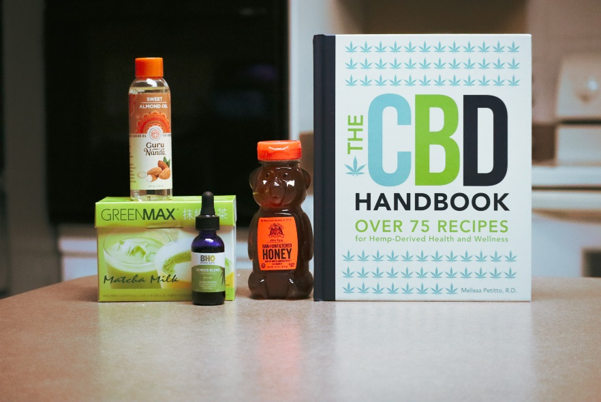
DIY CBD skincare ingredients in a small bowl
Step Direction
Choose a base Use a simple carrier such as plain honey or a tolerated carrier oil.
Review CBD oil Check CBD amount, THC content, carrier oil, ingredients, and Certificate of Analysis.
Mix a small amount Make a single-use batch only.
Apply carefully Avoid eyes, lips, broken skin, and irritated skin.
Limit contact time Remove as directed and do not leave on overnight unless the product is labeled for that use.
Watch skin response Stop use if irritation occurs.

Before using a CBD product in a DIY mixture, review available testing information through View Bluegrass Hemp Oil Certificates of Analysis and Learn about CBD lab testing.

Can I Put CBD Oil on My Face?

Some CBD oils may be used externally, but not every oral CBD oil is designed for facial skincare. Review the product label, carrier oil, ingredients, THC content, and Certificate of Analysis before applying CBD oil to the face.

  • Check whether the product is labeled for topical or external use.
  • Avoid eyes, lips, mucous membranes, broken skin, and actively irritated skin.
  • Review carrier oils, fragrance, essential oils, botanicals, and allergen concerns.
  • Ask a dermatologist if you have acne, eczema, psoriasis, rosacea, Lupus rash, persistent rashes, or other skin concerns.

Start with the Read the CBD product label guide before deciding whether any CBD oil belongs in a facial skincare routine.

CBD Skincare and Sensitive Skin

CBD skincare may not be appropriate for everyone, especially people with sensitive skin, allergies, open wounds, active irritation, or diagnosed skin conditions.

Natural ingredients can still irritate skin. Essential oils and fragrance can trigger reactions, honey and nut oils can raise allergy concerns, botanicals and powders can be abrasive or irritating, and homemade products may spoil or become contaminated.

When to ask a professional: Seek dermatology guidance for persistent rashes, open wounds, infected skin, recurring irritation, diagnosed skin disease, or skin symptoms that are new, severe, spreading, painful, or unexplained.

CBD Topicals vs DIY CBD Skincare

DIY mixtures and finished topical products are different. A finished product may include external-use directions, warning language, batch information, and product-specific testing details. A homemade mixture gives you more control over ingredients, but it also increases the need for freshness, allergen, and contamination awareness.

Option What It Is What to Review
DIY CBD skincare Homemade mixture using CBD oil plus skincare ingredients. Ingredients, freshness, allergen risk, skin sensitivity, CBD label, and Certificate of Analysis.
CBD balm or salve Finished topical product. Ingredients, external-use directions, THC content, COA, and warnings.
CBD lotion Finished skincare-style product. Ingredients, fragrance, skin sensitivity, THC content, and Certificate of Analysis.
CBD bath soak External-use bath product. Ingredients, essential oils, fragrance, external-use directions, and Certificate of Analysis.

For more topical-format context, use Explore CBD topical product education and Read the CBD bath soak safety guide.

Can CBD Skincare Make You High?

CBD itself is not typically intoxicating, but full-spectrum CBD products may contain trace THC. Review the product label and Certificate of Analysis to understand THC content.

CBD and THC

CBD and THC are different cannabinoids. THC content matters because THC can be intoxicating depending on product type and exposure.

Understand the difference between CBD and THC

Full-spectrum products

Full-spectrum CBD products may contain trace THC within applicable hemp limits. Hemp-derived does not automatically mean THC-free.

Understand full-spectrum CBD products

Delta-8 THC

Delta-8 THC is intoxicating and is not the same as CBD. Avoid unclear cannabinoid products.

Review Delta-8 THC safety concerns

CBD Skincare Safety: Medication, Pregnancy, and Side Effects

CBD is not risk-free, and topical use does not eliminate all safety questions. FDA has noted unanswered safety questions about CBD exposure from skin creams and from using multiple CBD products together. CBD may also interact with medications and may affect liver-safety considerations.

  • CBD may interact with prescription medications, over-the-counter drugs, herbs, or supplements.
  • CBD may increase drowsiness when combined with alcohol or sedating drugs.
  • CBD may cause drowsiness, digestive changes, appetite changes, irritability, agitation, or mood changes.
  • FDA strongly advises against CBD use during pregnancy or breastfeeding.
  • Keep CBD products away from children and pets.

Speak with a healthcare professional before using CBD if you take medication, are pregnant or nursing, have liver concerns, have a medical condition, or are shopping for a child or dependent. Use Review CBD medication interaction guidance and Read how long CBD may stay in your system for more safety context.

Product Quality: Labels, COAs, and Lab Testing

Lab testing and Certificates of Analysis help customers review cannabinoid content, THC levels, batch information, and product-specific details. They support transparency, but they do not establish that a CBD skincare product is appropriate for acne, eczema, psoriasis, rashes, redness, inflammation, pain, or disease.

Review the label

Look for product type, CBD amount, THC content, carrier oil, ingredients, external-use directions, warning language, and company contact information.

Read the CBD product label guide

Review the COA

Match the batch number and product name to the available testing information before using a CBD topical product.

View Bluegrass Hemp Oil Certificates of Analysis

Review lab testing

Lab testing can show available information about cannabinoid content, THC levels, and product transparency.

Learn about CBD lab testing

Review quality standards

Quality standards help shoppers evaluate CBD products with a safety-first mindset.

Read the CBD quality guide

Where Bluegrass Hemp Oil Topical Product Information Fits

Bluegrass Hemp Oil offers CBD topical and skincare-style product information. Before choosing any CBD topical product, review the product label, CBD amount, THC content, ingredients, warnings, external-use directions, batch number, Certificate of Analysis, and lab-testing information.

Product questions should stay focused on labels, ingredients, THC content, COAs, external-use directions, and safety considerations. For help with product-specific questions, use Contact Bluegrass Hemp Oil with product questions.

Bluegrass Hemp Oil’s Approach to CBD Topical Education and Transparency

Bluegrass Hemp Oil focuses on CBD education, product transparency, lab testing, Certificates of Analysis, and quality standards. Our resources help adults review CBD labels, ingredients, THC content, external-use directions, skin-sensitivity considerations, and safety questions before choosing hemp-derived topical products.

CBD Topical Education

Learn how to review CBD topicals, external-use directions, ingredients, and skin-sensitivity considerations.

Explore CBD topical product education

Certificates of Analysis

Review available product-specific lab reports before choosing a CBD topical product.

View Bluegrass Hemp Oil Certificates of Analysis

CBD Lab Testing

Learn what lab testing can show about cannabinoid content, THC levels, and product transparency.

Learn about CBD lab testing

CBD Product Labels

Understand ingredients, external-use directions, THC content, and warning language before using CBD products.

Read the CBD product label guide

Related CBD Topical and Safety Resources

CBD Topicals

Learn how to review CBD topicals, ingredients, and external-use directions.

Explore CBD topical product education

CBD Bath Soaks

Review CBD bath soak ingredients, external-use directions, and safety considerations.

Read the CBD bath soak safety guide

CBD vs THC

Understand why THC content matters when reviewing full-spectrum CBD products.

Understand the difference between CBD and THC

CBD Quality Guide

Learn how to evaluate CBD products with a safety-first mindset.

Read the CBD quality guide

Frequently Asked Questions

Can you make DIY CBD skincare at home?

Yes, adults can make simple DIY CBD skincare recipes at home, but ingredients should be reviewed carefully and homemade skincare should not be used to treat skin conditions or replace dermatology care.

Can I put CBD oil on my face?

Some CBD oils may be used externally, but not every oral CBD oil is designed for facial skincare. Review the label, carrier oil, ingredients, THC content, and Certificate of Analysis before applying CBD oil to the face.

Should I patch test CBD skincare?

Yes. Patch testing a small area first can help identify irritation or allergic reactions before applying a new product or DIY mixture more widely.

Is CBD skincare safe for sensitive skin?

CBD skincare may not be appropriate for everyone. People with sensitive skin, allergies, open wounds, active irritation, or diagnosed skin conditions should review ingredients carefully and consider asking a dermatologist.

Can CBD skincare make you high?

CBD itself is not typically intoxicating, but full-spectrum CBD skincare products may contain trace THC. Review the product label and Certificate of Analysis.

Can full-spectrum CBD skincare contain THC?

Yes. Full-spectrum CBD products may contain trace THC within applicable hemp limits. Check the product label and Certificate of Analysis before use.

What ingredients should I avoid in DIY skincare?

Avoid ingredients you are allergic to, harsh exfoliants, undiluted essential oils, unknown fragrances, spoiled ingredients, and any mixture that irritates your skin.

Can CBD skincare help acne, eczema, or psoriasis?

Retail CBD skincare products should not be marketed as acne, eczema, or psoriasis treatments. Speak with a dermatologist for diagnosed or persistent skin conditions.

Why do COAs matter for CBD skincare?

Certificates of Analysis help customers review product-specific cannabinoid content, THC levels, and batch information. They support transparency but do not prove medical effectiveness.

What should I check before using CBD topicals?

Review CBD amount, THC content, ingredients, external-use directions, warnings, batch number, Certificate of Analysis, lab testing, and possible skin-sensitivity concerns.

Sources and Safety References

This article is provided for educational purposes and is not medical advice. It is designed to help adults understand DIY CBD skincare, ingredient review, patch testing, sensitive-skin considerations, product labels, THC content, Certificates of Analysis, lab testing, and CBD topical safety before using hemp-derived topical products.

Calming Balm

CBD Topical Skin-Care Guide

CBD Calming Balm for Skin: Ingredients, Use & Quality Guide

Choosing a skin-care balm should feel simple, not confusing. This guide helps you understand what is inside CBD Calming Balm, how it fits into an external skin-care routine, and what to review before choosing a full-spectrum CBD topical.

Safety note: CBD Calming Balm is intended for external use only. Bluegrass Hemp Oil products are not intended to diagnose, treat, cure, or prevent disease.

Full-spectrum CBD + CBDa topicalBotanical oils, waxes, and hemp extractLab testing and COA awareness
CBD Calming Balm product label from Bluegrass Hemp Oil

A high-quality CBD balm page should make ingredients, external-use directions, testing, and Certificates of Analysis easy to review before buying.

What Is CBD Calming Balm?

CBD Calming Balm is a topical skin-care balm made with full-spectrum hemp extract, CBD, CBDa, carrier oils, waxes, and botanical ingredients. It is designed for external use as part of a skin-care routine.

🧴

Topical Balm Format

A balm is applied externally to the skin according to label directions. It is not the same as an oral CBD oil.

🌿

Full-Spectrum Hemp Extract

The formula includes hemp extract, CBD, and CBDa as part of a full-spectrum hemp topical.

🏷️

Label-Led Use

Always review the product label, external-use directions, warnings, lab testing, and COA before buying.

Product link: Review the CBD Calming Skin Balm product page for current product details.

How Calming Balm Fits Into a Skin-Care Routine

CBD Calming Balm can be used as an external topical balm in a skin-care routine. Shoppers should review the label, ingredient list, directions, warnings, and testing information before use.

  • Apply externally according to label directions.
  • Use a small amount at first.
  • Avoid eyes and mucous membranes.
  • Do not apply to broken or irritated skin.
  • Stop use if irritation occurs.
  • Store according to product directions.

CBD, CBDa, and Full-Spectrum Hemp Extract

Full-spectrum hemp extract may contain multiple hemp compounds, including CBD, CBDa, and other cannabinoids. CBD Calming Balm uses hemp extract in a topical formula. Shoppers should review the label and Certificate of Analysis to understand what is listed for a specific product or batch.

CBD

CBD

CBD is one of the cannabinoids commonly found in hemp extract.

A

CBDa

CBDa is another hemp compound often discussed in full-spectrum hemp education.

FS

Full-Spectrum Hemp Extract

Full-spectrum hemp extract may include multiple hemp compounds. Review the product label and COA for product-specific details.

Ingredient Guide: Oils, Waxes, Botanicals, and Hemp Extract

A CBD balm is more than one ingredient. Review the full formula so you understand the oils, waxes, botanicals, hemp extract, and fragrance components before choosing a topical. Beeswax and essential oils in CBD balms can influence texture, aroma, and the overall topical experience.

Ingredient TypeWhy It Is UsedWhat to Review
Full-Spectrum Hemp ExtractProvides the hemp extract portion of the topical formula.CBD amount, CBDa, hemp extract type, lab testing, and COA.
Carrier OilsHelp create the balm texture and support external application.Oil type, ingredient preferences, and skin-care compatibility.
BeeswaxHelps create a balm texture and protective-feeling consistency.Texture preference and bee-derived ingredient preference.
Essential OilsOften included for aroma and botanical formulation.Fragrance sensitivity and label warnings.
Calendula or BotanicalsUsed as part of a botanical topical formula.Ingredient sensitivities and external-use directions.
Topical Education

Topical CBD Balm vs Transdermal Products

CBD Calming Balm is a topical product intended for external use. Topical products are applied to the skin surface. Transdermal products are different and are designed to deliver ingredients through the skin in a specific way.

T

Topical CBD Balm

Applied externally to the skin according to label directions. Review ingredients, warnings, CBD amount, lab testing, and COA.

D

Transdermal Product

Designed for ingredient delivery through the skin. Review product type, claims, testing, regulatory status, and label directions.

When comparing transdermal CBD delivery vs topical creams, shoppers should understand that most CBD balms are topical products intended for external use.

How to Use CBD Calming Balm Externally

Always follow the product label directions. CBD Calming Balm is intended for external use only and should not be ingested.

Read the label before use. Review the product directions, warnings, and ingredient list.

Apply a small amount externally. Use according to the label directions.

Avoid sensitive areas. Avoid eyes, mucous membranes, and broken or irritated skin.

Wash hands if needed. This helps keep the balm away from eyes and other sensitive areas.

Stop use if irritation occurs. If you have questions, talk with a qualified professional.

Review quality documents before buying. Check lab testing and the Certificate of Analysis when available.

What to Review Before Choosing a CBD Balm

Before choosing a CBD balm, review more than the front label. Look at the CBD amount, hemp extract type, ingredient list, external-use directions, essential oils, warnings, third-party testing, and Certificate of Analysis.

  • Product format
  • CBD amount
  • CBDa or full-spectrum hemp extract information
  • Ingredient list
  • Carrier oils
  • Beeswax or wax base
  • Essential oils or fragrance ingredients
  • External-use directions and warnings
  • Batch or lot number
  • Third-party lab testing and Certificate of Analysis
For broader buying guidance, review the CBD Product Guide.
Quality Verification

Why Lab Testing and COAs Matter

Third-party lab testing and Certificates of Analysis help shoppers review product-quality details before buying. For CBD topicals, a COA may help confirm cannabinoid content, THC information, and product-specific testing details.

1

Cannabinoid Content

Testing helps shoppers review what cannabinoids are listed for the product.

2

THC Information

COAs can help shoppers review THC-related product details.

3

Product Transparency

Lab testing and COAs help shoppers compare CBD topical products more carefully.

Review CBD Lab Testing and Certificates of Analysis before choosing a product.

Helpful CBD Topical and Product-Quality Resources

CBD Calming Balm is one type of full-spectrum hemp topical. Before choosing a CBD balm, review the product format, ingredient list, external-use directions, third-party testing, and available Certificate of Analysis.

CBD Topicals

Explore topical products and compare formats.

View Guide

Calming Balm

Review the current product page and details.

View Product

CBD Balms Guide

Learn more about balm formats and topical choices.

Read Guide

CBD Cream

Compare another topical skin-care format.

View Cream

CBD Salve

Review a salve option from Bluegrass Hemp Oil.

View Salve

Product Guide

Understand labels, ingredients, and product choices.

Read Guide

Lab Testing

Review product-quality testing information.

View Testing

COAs

Check Certificates of Analysis when available.

View COAs

About This Guide

BHO

Bluegrass Hemp Oil Product Education

This guide was created from the Bluegrass Hemp Oil product-quality perspective, with a focus on ingredient transparency, external-use safety language, lab testing, Certificates of Analysis, and helping shoppers compare CBD topical products responsibly.

CBD Calming Balm FAQs

What is CBD Calming Balm?

CBD Calming Balm is a topical skin-care balm made with full-spectrum hemp extract, CBD, CBDa, carrier oils, waxes, and botanical ingredients. It is intended for external use only.

How do I use CBD Calming Balm?

Apply a small amount externally according to the product label directions. Do not consume it, avoid contact with eyes, and do not apply it to broken or irritated skin. Stop use if irritation occurs.

Can I put CBD balm on my face?

Follow the product label directions and avoid contact with eyes, lips, and mucous membranes. If you have sensitive skin, consider a small patch test first. Do not apply to broken or irritated skin, and stop use if irritation occurs.

How long does it take for CBD balm to work?

Experiences can vary by product, routine, application area, and individual factors. Follow the product label directions and avoid any product that promises guaranteed timing or results.

Is CBD Calming Balm the same as CBD oil?

No. CBD Calming Balm is a topical product used externally on the skin. CBD oil is typically an oral oil product. Always follow the directions on the specific product label.

What ingredients should I review in a CBD balm?

Review the hemp extract type, CBD amount, carrier oils, waxes, essential oils, fragrance ingredients, external-use warnings, lab testing, and Certificate of Analysis.

What should I look for in a CBD balm for dry skin-care routines?

Look for a clear ingredient list, external-use directions, botanical oils or waxes, third-party testing, and a Certificate of Analysis. Do not apply CBD balm to broken or irritated skin, and stop use if irritation occurs.

Where can I find testing information?

Look for CBD lab testing information and Certificates of Analysis. These documents can help shoppers review cannabinoid content, THC levels, and other product-quality details.

Choose CBD Balm With Ingredients and Testing in Mind

CBD Calming Balm is a full-spectrum hemp topical designed for external use. Before choosing a CBD balm, review the ingredient list, external-use directions, CBD amount, third-party lab testing, and Certificate of Analysis.

View Certificates of Analysis